Clear Skin Below the Chin – How to Master Your Body Acne Routine?

Dealing with breakouts on your back or chest can feel like a constant uphill battle when you just want to wear your favorite sundress or gym set. Many of us focus all our energy on facial skincare while neglecting the skin from the neck down, leading to stubborn spots that refuse to budge. This guide will show you exactly how to treat body breakouts with the same sophistication and care you give your face.
Body skin is thicker and tougher than the skin on your face, meaning it requires specific ingredients and a slightly different approach to see real results. You do not have to hide under layers of clothing or feel self-conscious during the summer months anymore. We are going to break down the science of body clarity so you can feel confident in your own skin again.
By making a few specific shifts in your daily habits and product choices, you can clear up existing bumps and prevent new ones from forming. This isn’t about overnight miracles, but about building a sustainable ritual that actually works for your body’s unique needs. Let’s look at the specific steps and ingredients that will help you achieve a smooth, clear glow from head to toe.
Understanding the Causes of Body and Back Breakouts
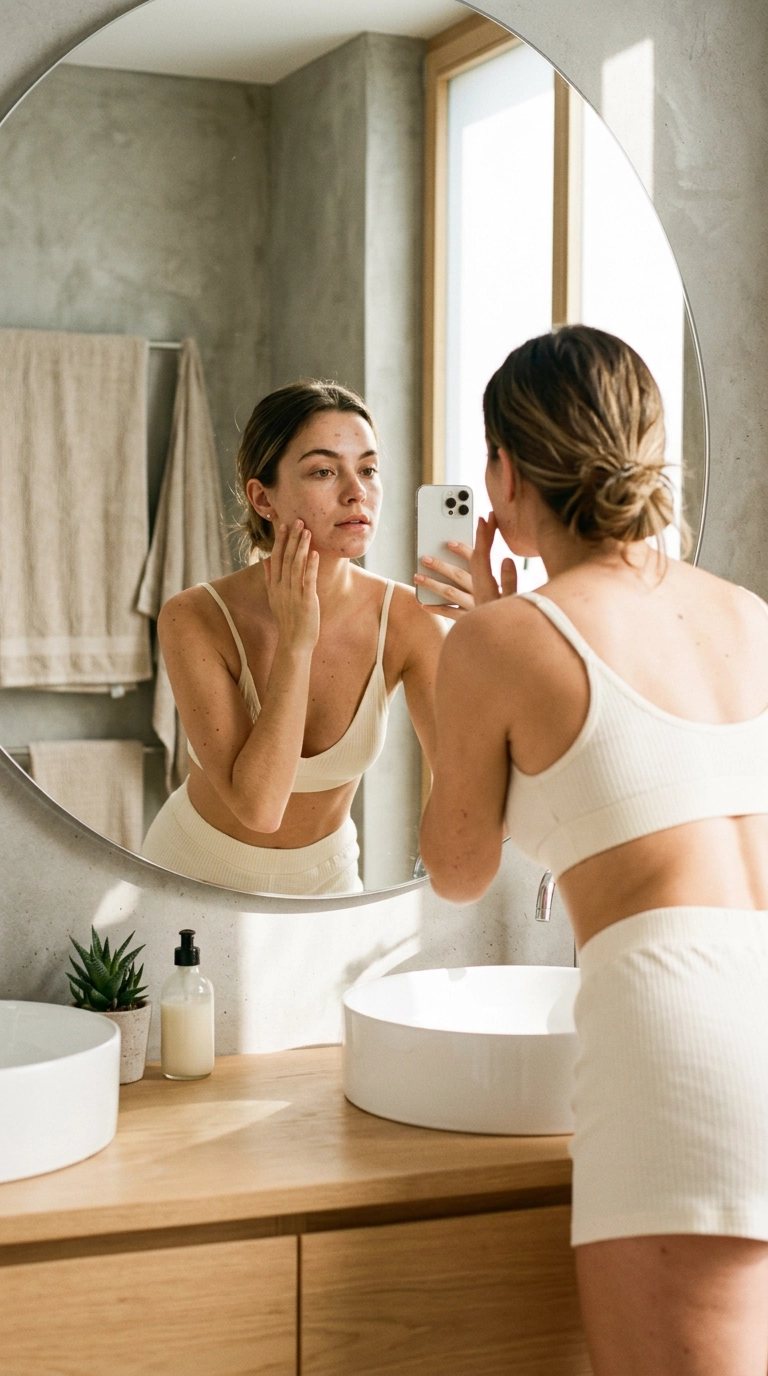
The skin on your back and chest has a high concentration of sebaceous glands, which produce the oil that can clog your pores. Because these areas are often covered by clothing, sweat and bacteria get trapped against the skin for long periods. This combination of excess oil and friction creates the perfect environment for breakouts to flourish.
Hormonal fluctuations often play a significant role in where and when these spots appear on your frame. If you notice your breakouts flare up during times of high stress or specific points in your cycle, your internal balance might be the trigger. Understanding your personal patterns helps you stay ahead of the curve with your treatment plan.
Sometimes, the very products you use to keep clean are the ones causing the most trouble for your pores. Heavy hair conditioners and oily body washes can leave a residue that acts like a plastic wrap over your skin. This film traps dead skin cells and oil inside the follicle, leading to those painful under-the-skin bumps.
Common Triggers for Body Spots
- Acne Mechanica: This is caused by friction from tight workout gear, backpack straps, or heavy purses.
- Haircare Residue: Shampoos and conditioners containing heavy silicones can clog pores if not rinsed off the skin properly.
- Sweat Retention: Leaving damp gym clothes on for too long allows bacteria to multiply rapidly on the skin surface.
- Detergent Sensitivities: Strong fragrances and dyes in your laundry soap can irritate the skin barrier and cause inflammation.
The Most Effective Ingredients for Clear Body Skin
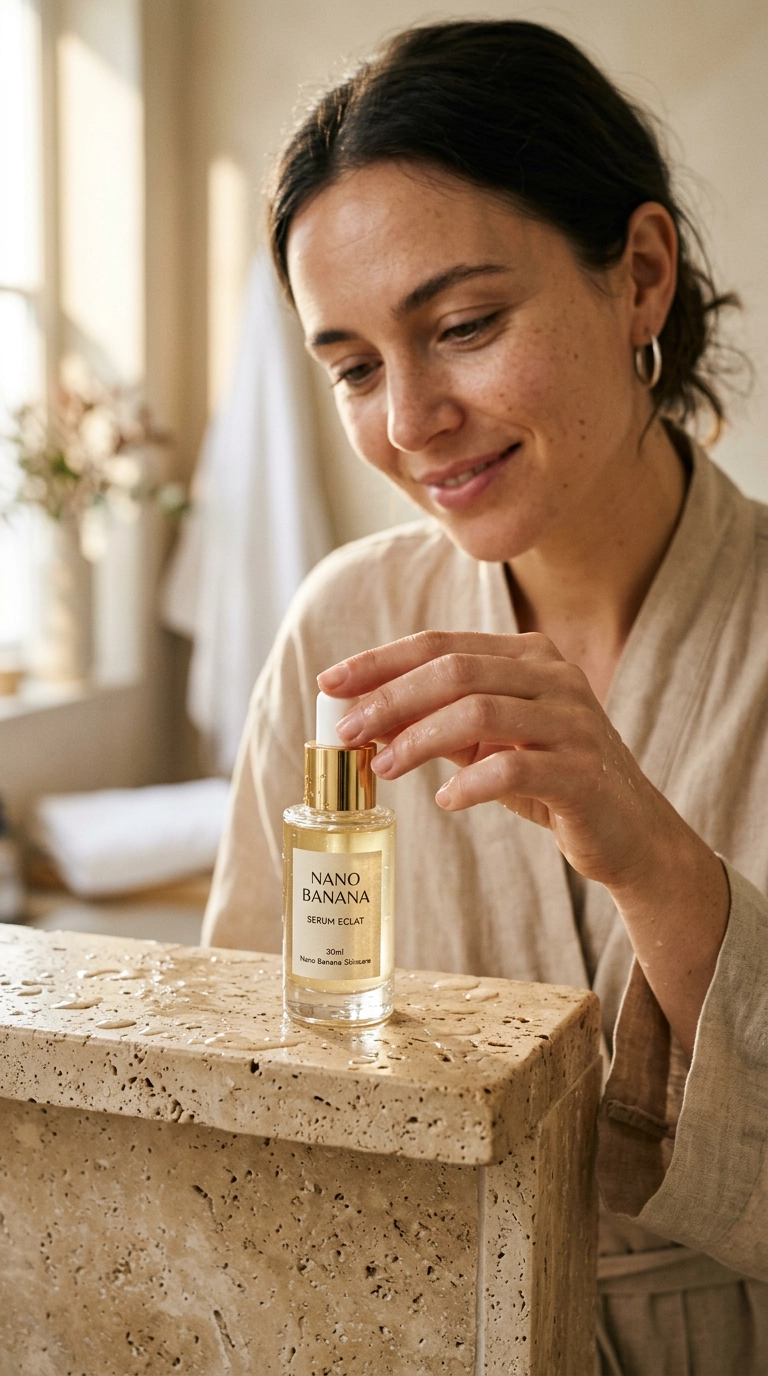
When shopping for body treatments, you need to look for active ingredients that can penetrate the thicker skin on your back. Salicylic acid is a favorite because it is oil-soluble, meaning it can get deep into the pore to dissolve the “glue” holding clogs together. It also helps to soothe redness and swelling associated with active spots.
Benzoyl peroxide is another heavy hitter that specifically targets the bacteria responsible for inflammatory acne. Since the skin on your back is less sensitive than your face, you can often use a higher percentage, such as 5% or 10%. Just be careful with your linens, as this ingredient is known to bleach dark-colored towels and sheets.
If you struggle with the dark marks left behind after a spot heals, look for Alpha Hydroxy Acids like glycolic or lactic acid. These chemical exfoliants gently peel away the top layer of dead skin to reveal a brighter and more even tone underneath. They work beautifully when used a few times a week to keep the skin texture feeling silky and refined.
| Ingredient | Best For | Expected Result |
|---|---|---|
| Salicylic Acid (BHA) | Blackheads and clogged pores | Clearer, smaller-looking pores |
| Benzoyl Peroxide | Cystic bumps and whiteheads | Reduced bacteria and inflammation |
| Glycolic Acid (AHA) | Rough texture and dark spots | Smoother, more even skin tone |
| Sulfur | Sensitive skin breakouts | Gently dried out active spots |
A Smart Shower Routine for Body Clarity
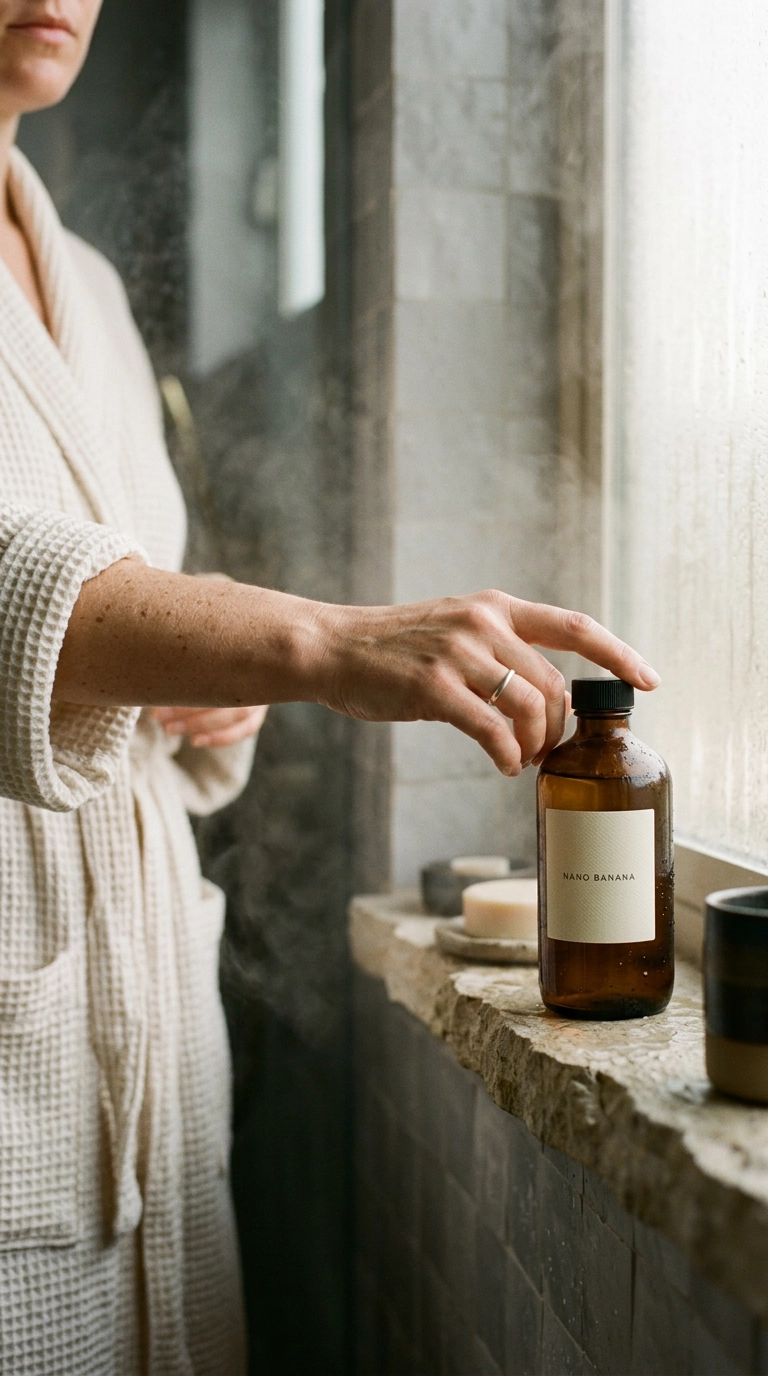
The order in which you wash your body matters much more than you might realize. Always wash and condition your hair first, then clip it up and out of the way before cleaning your back. This ensures that any pore-clogging residue from your haircare is completely washed away by your active body cleanser.
When using a medicated wash, do not just rinse it off immediately like a standard soap. Let the product sit on your skin for at least two to three minutes while you do other tasks. This “contact time” allows the active ingredients to actually work on the bacteria and oil before they are washed down the drain.
Avoid using harsh physical scrubs or plastic loofahs, which can harbor bacteria and cause micro-tears in your skin. Instead, use your hands or a clean silicone scrubber that can be easily sanitized after each use. Gentle consistency will always win over aggressive scrubbing when it comes to healing inflamed skin.
Step-by-Step Shower Guide
- Rinse your hair thoroughly after conditioning to remove all oily residue.
- Apply a targeted cleanser with Salicylic Acid or Benzoyl Peroxide to affected areas.
- Wait three minutes to allow the ingredients to penetrate the skin.
- Rinse with lukewarm water, as hot water can strip your natural oils and trigger more sebum production.
- Pat your skin dry with a fresh, clean towel instead of rubbing.
Lifestyle Habits That Support Clear Skin

Your clothing choices have a direct impact on how your skin breathes throughout the day. Opt for natural, moisture-wicking fabrics like cotton, linen, or bamboo whenever possible, especially during the warmer months. These materials allow air to circulate and prevent sweat from sitting on your skin and feeding bacteria.
Hygiene at the gym is non-negotiable if you want to keep your back and chest clear of spots. Always shower as soon as possible after a workout to remove salt, oil, and sweat from your pores. If you can’t shower immediately, use a quick salicylic acid swipe or a clean cloth to wipe down your back.
Change your bed sheets and pillowcases at least once a week to prevent the buildup of oils and dead skin cells. We spend a third of our lives in bed, and dirty linens are a common hidden cause of body breakouts. Using a fragrance-free, “free and clear” laundry detergent can also reduce the risk of irritating your skin barrier.
Professional Treatments and Expert Help
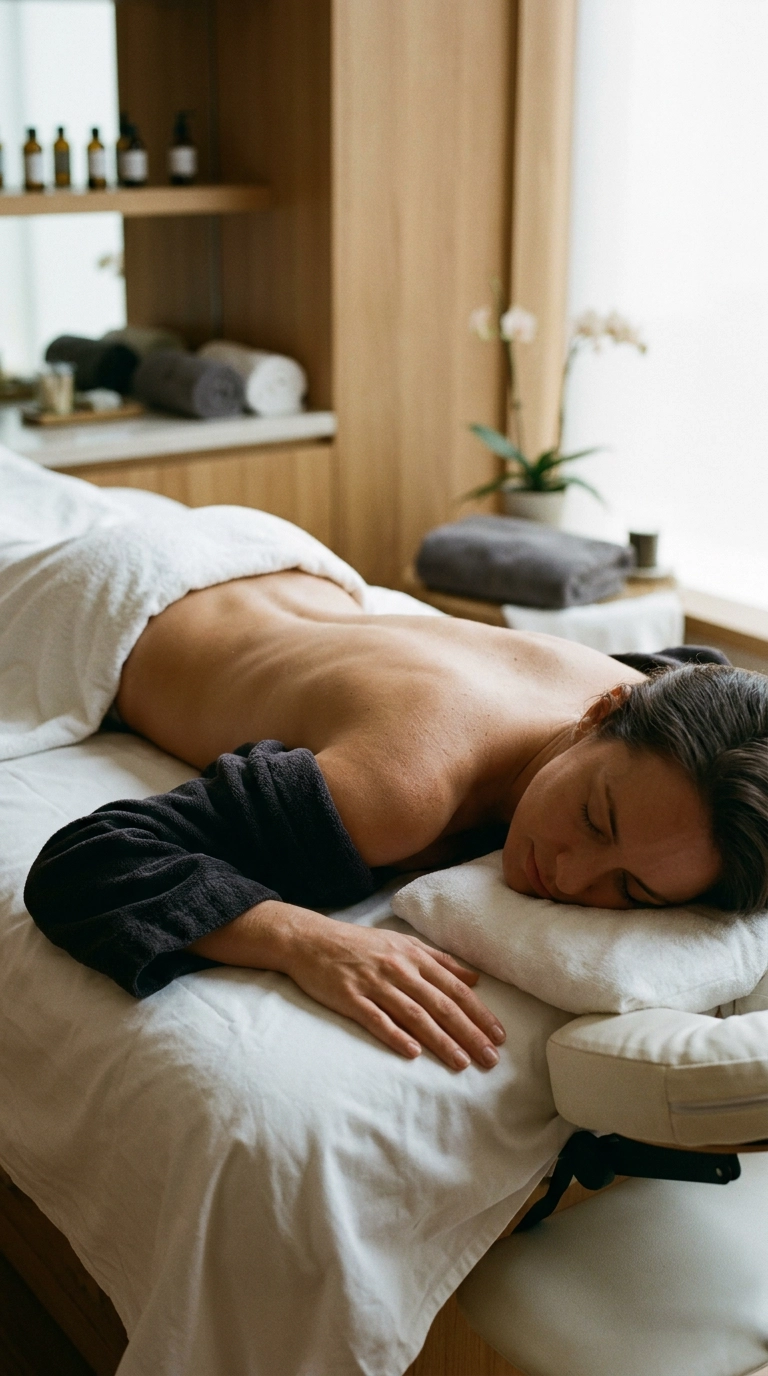
If home treatments don’t seem to make a dent in your progress after six to eight weeks, it might be time to see a professional. A dermatologist can offer prescription-strength topicals or oral medications that target the root cause of more severe acne. They can also determine if your “acne” is actually something else, like fungal folliculitis.
Chemical peels aren’t just for the face; they are highly effective for clearing up body congestion and fading scars. A professional-grade peel uses higher concentrations of acids to deeply exfoliate and jumpstart the skin’s renewal process. These treatments can provide a significant boost to your at-home routine and clear up stubborn texture quickly.
For those dealing with deep, painful cysts, a professional might suggest light therapy or even localized injections to reduce swelling fast. These clinical options are great for special occasions when you need your skin to look its best. Don’t feel like you have to struggle alone when there are so many expert tools available.
When to Consult a Dermatologist
- The breakouts are painful, deep, and feel like hard lumps under the skin.
- You are noticing permanent scarring or deep indentations forming.
- Over-the-counter washes and sprays have shown zero improvement after two months.
- The breakouts are spreading to new areas of your body rapidly.
Frequently Asked Questions
Can I use my facial acne treatments on my back?
Yes, most facial treatments work perfectly well on the body. However, because body skin is thicker, you might find that you need a higher concentration of active ingredients to see the same results. Just be mindful of the cost, as body surface area is much larger than the face.
How long does it take to see clear skin on the body?
Skin cells take about 28 to 30 days to turn over, so you should expect to wait at least a month to see a real difference. Consistency is the key to success here. If you skip your routine, you are essentially resetting the clock on your progress.
Does diet affect back acne?
For some people, high-glycemic foods or dairy products can trigger inflammation that leads to breakouts. If you notice a connection between what you eat and the state of your skin, try keeping a food diary. However, topical care and hygiene remain the most important factors for most people.
Should I moisturize my back if I have acne?
Yes, skipping moisturizer can actually make acne worse by causing your skin to overproduce oil to compensate for dryness. Choose a lightweight, oil-free, non-comedogenic lotion or gel. Keeping the skin barrier hydrated helps it heal faster and stay resilient against bacteria.
Final Steps Toward Body Confidence
Achieving clear skin on your back and body is a journey of patience and the right habits. By focusing on effective ingredients like salicylic acid and maintaining a clean environment for your skin to breathe, you will start to see that smooth glow return. Remember that everyone deals with texture and spots at some point, so don’t be too hard on yourself while you heal. Stay consistent with your new routine, and soon you’ll be reaching for those backless tops with total ease.