
Gentle Winter Skincare Routine for Dry, Sensitive Skin

When the first frost hits the windowpane, your skin often feels the shift before you even step outside. That tight, itchy sensation is more than just a minor annoyance; it is a sign that your skin barrier is struggling to cope with the drop in humidity and the biting wind. If you have sensitive skin, this season can feel like a constant battle against redness and dry patches that refuse to heal.
I have spent years testing products and methods to find a balance that actually works without causing more irritation. You do not need a twenty-step process to keep your face feeling soft and hydrated through February. Instead, success comes from choosing smart ingredients and applying them in a way that mimics your skin’s natural protective oils.
This guide walks you through a streamlined, soothing routine designed specifically for those of us who deal with reactive, thirsty skin. We will focus on repairing your moisture barrier, calming inflammation, and creating a shield against the elements. By the end of this, you will have a clear plan to keep your complexion plump and comfortable all winter long.
Start with a Non-Stripping Cream Cleanser

The biggest mistake people make in cold weather is using the same foaming cleanser they used in July. Foaming agents like sodium lauryl sulfate can strip away the very lipids your skin needs to stay hydrated. In the winter, your goal is to clean your skin without taking anything away from it.
Switching to a cream or milk-based cleanser can change everything for sensitive skin types. These formulas use oils and emollients to lift away dirt and makeup while leaving a thin, protective film behind. If your face feels “squeaky clean” after washing, you have gone too far and likely damaged your acid mantle.
The Benefits of Double Cleansing with Balms
If you wear sunscreen or makeup, a single creamy wash might not be enough to get everything off. Start with a fragrance-free cleansing balm that melts into an oil on your skin. This breaks down stubborn products without the need for harsh scrubbing or abrasive washcloths.
Follow up with your milky cleanser to ensure a fresh canvas. This two-step approach is much gentler on reactive skin than using a single, harsh detergent-based soap. It ensures your pores are clear while your moisture levels remain stable.
Understanding Water Temperature
It is tempting to use hot water when the bathroom is freezing, but high temperatures are a disaster for dry skin. Hot water dilates capillaries and strips natural oils, leading to immediate redness and long-term dehydration. Always use lukewarm water to rinse your face to keep your vascular system calm and your barrier intact.
The Difference Between Hydration and Moisture

Many people use these terms interchangeably, but they serve very different purposes for your skin. Hydration refers to the water content within the skin cells themselves, making them plump and bouncy. Moisture refers to the oils that sit on top of the skin to lock that water in and prevent it from evaporating.
For sensitive, dry skin in winter, you need both components to stay healthy. If you only use a heavy cream without a hydrating serum, your skin might still feel tight and “flat.” Conversely, if you only use a watery serum, that hydration will evaporate into the dry winter air almost instantly.
Key Humectants to Look For
To boost hydration, look for humectants like glycerin, hyaluronic acid, or panthenol (Vitamin B5). These ingredients act like magnets, pulling moisture from the air and into your skin. Glycerin is particularly effective for sensitive types because it is simple, effective, and rarely causes a reaction.
- Glycerin: A classic powerhouse that strengthens the barrier.
- Hyaluronic Acid: Best applied to damp skin to prevent drawing moisture out of the deeper layers.
- Polyglutamic Acid: Holds even more water than hyaluronic acid and creates a silky finish.
- Panthenol: Soothes irritation while attracting water.
The Importance of Damp Skin Application
Never apply your hydrating serums to a bone-dry face. After cleansing, gently pat your skin so it is still slightly damp before moving to the next step. This traps the extra surface water under your products, giving your humectants something to hold onto right away.
Rebuilding Your Skin Barrier with Ceramides
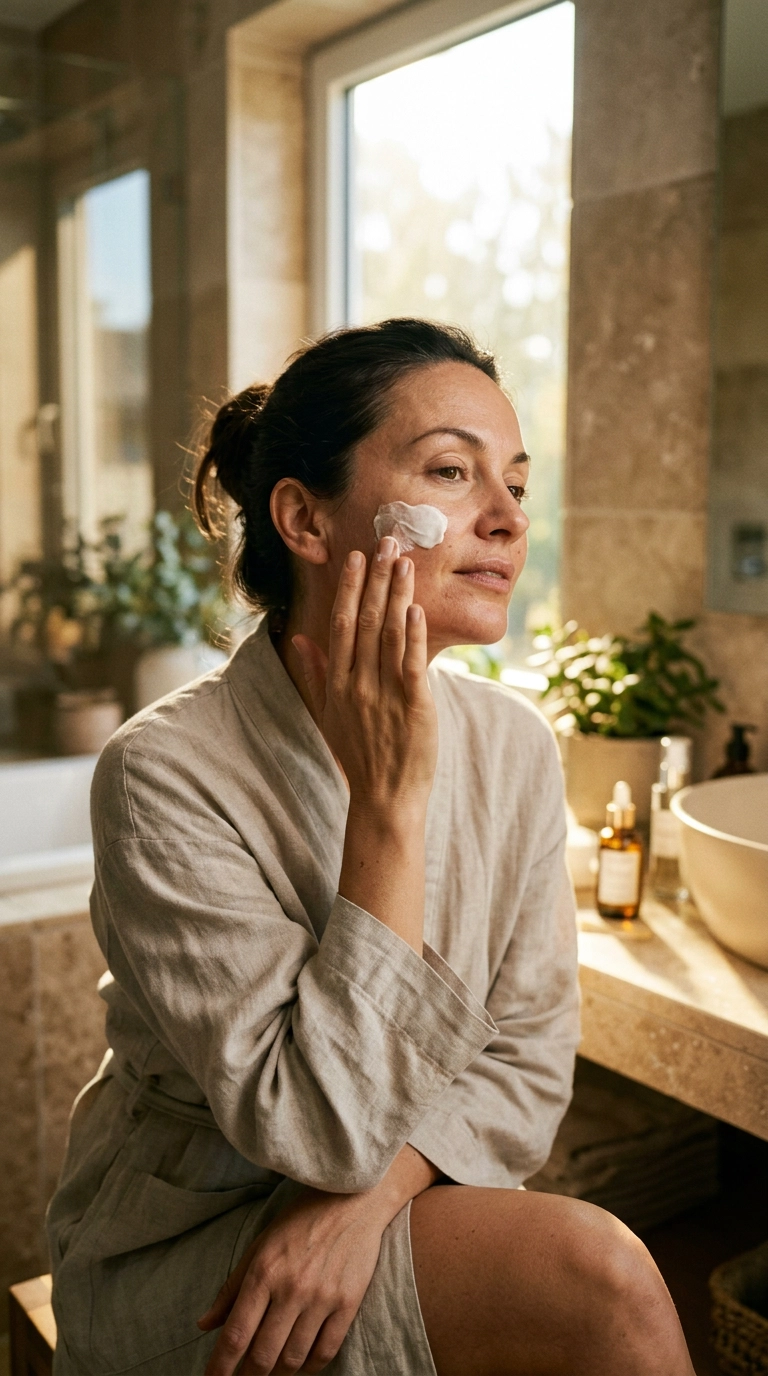
Your skin barrier is like a brick wall where your skin cells are the bricks and lipids are the mortar. In winter, that mortar often cracks, allowing moisture to escape and irritants to enter. This is why products that used to be fine suddenly start to sting or cause redness.
Ceramides are the essential lipids that make up about 50% of your skin’s composition. When you apply a cream rich in ceramides, you are essentially “patching” the holes in your skin’s protective wall. This is the most effective way to stop the cycle of winter sensitivity and chronic dryness.
Refer to this table to see which ingredients help specific concerns:
| Ingredient | Main Benefit | Best For |
|---|---|---|
| Ceramides | Repairs skin barrier | Sensitivity & Flaking |
| Squalane | Mimics natural sebum | Deep Dryness |
| Centella Asiatica | Calms inflammation | Redness & Stinging |
| Colloidal Oatmeal | Protective coating | Itching & Irritation |
Choosing the Right Fatty Acids
Look for moisturizers that contain a mix of ceramides, cholesterol, and fatty acids. This “golden ratio” mimics the skin’s natural structure and absorbs much better than a product with just one of these elements. Linoleic acid, found in evening primrose oil, is also excellent for keeping the barrier flexible and resilient.
Calming Winter Redness and Inflammation

Cold air and indoor heating create a constant “temperature shock” for your face. This leads to dilated blood vessels and a persistent flush that can become painful over time. If your skin feels hot or looks blotchy after a walk outside, you need to incorporate soothing agents into your routine.
Niacinamide is a popular ingredient, but for some sensitive types, high concentrations (10% or more) can actually cause more redness. Try a lower concentration or stick to ingredients like Mugwort or Centella Asiatica. these botanical extracts have been used for centuries to calm stressed skin and reduce visible heat.
Avoiding Common Irritants
Winter is the time to put away your harsh physical scrubs and strong exfoliating acids. When your barrier is already compromised by the weather, a 10% Glycolic acid serum can lead to chemical burns or extreme peeling. Stick to gentle enzymes if you must exfoliate, but focus primarily on healing rather than “resurfacing.”
Managing Indoor Humidity
The air inside your home is often just as damaging as the air outside. Central heating zaps moisture from the environment, which in turn zaps it from your face while you sleep. Running a humidifier in your bedroom can significantly reduce the amount of water your skin loses overnight.
The Nighttime Recovery Routine
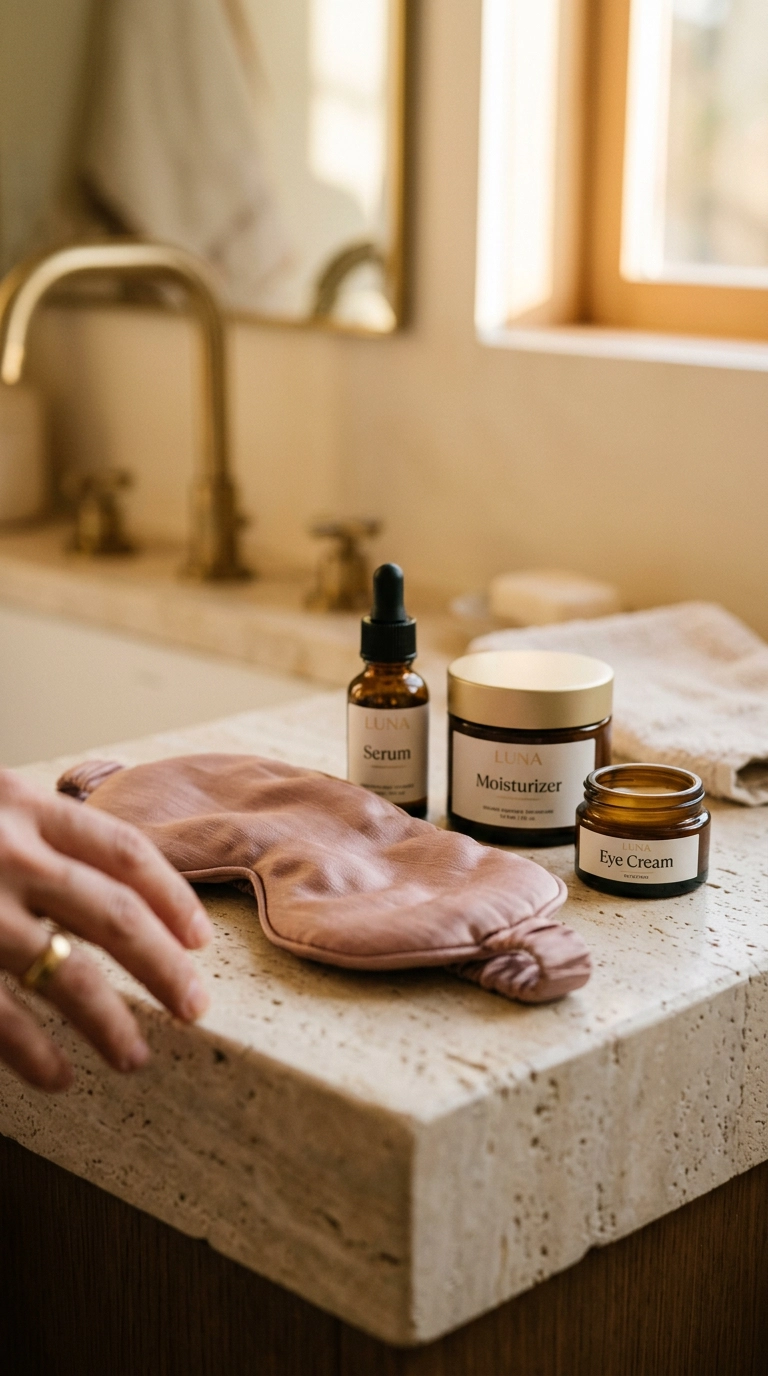
Nighttime is when your skin goes into repair mode, making it the perfect opportunity to use richer textures. While you sleep, your skin’s permeability increases, which means it can absorb beneficial ingredients more deeply. However, this also means it loses moisture faster, a process called transepidermal water loss.
For very dry, sensitive skin, a simple night cream might not be enough in the dead of winter. This is where “sealing” your routine becomes necessary. You want to create a physical barrier that prevents any of your serums or creams from evaporating before morning.
The Art of Slugging for Sensitive Skin
Slugging involves applying a thin layer of a petrolatum-based ointment as the final step of your nighttime routine. While it might feel heavy, pure petrolatum is actually one of the safest ingredients for sensitive skin because its molecules are too large to clog pores or cause allergy. It simply sits on top and acts as a second skin, allowing the products underneath to work undisturbed.
If you find petrolatum too heavy, try a facial oil high in oleic acid, like marula or avocado oil. These oils provide a luxury feel while offering a massive boost of antioxidants and vitamins. Massage three to four drops over your moisturizer to lock everything in place.
Using Overnight Recovery Masks
On nights when your skin feels particularly raw, skip the active ingredients entirely and use a recovery mask. Look for “cica” creams that contain Madecassoside, which is specifically designed to heal wounded or highly irritated skin. Apply a thick layer and let it sink in while you rest; you will wake up with a significantly calmer complexion.
Daily Protection and Sunscreen

Many people assume that because the sun isn’t “hot,” they don’t need SPF. This is a dangerous myth for sensitive skin. UVA rays, which cause premature aging and barrier damage, are present year-round and can penetrate through clouds and glass windows. Furthermore, snow can reflect up to 80% of UV radiation back onto your face, nearly doubling your exposure.
For sensitive types, mineral sunscreens containing zinc oxide or titanium dioxide are often better than chemical filters. Zinc oxide is actually a skin protectant often found in diaper rash creams, meaning it provides a soothing effect while it blocks the sun. Look for a “tinted” version to avoid the white cast often associated with mineral formulas.
The Importance of Lip and Eye Care
The skin around your eyes and on your lips is much thinner than the rest of your face and has fewer oil glands. This makes these areas the first to crack and peel in the cold. Use a dedicated eye cream with ceramides and always keep a thick, lanolin-based or vegan alternative lip balm with you.
Shielding from the Wind
Physical protection is just as important as topical protection. If you are going to be outside for an extended period, wear a silk or soft cashmere scarf that can be pulled up over your lower face. This prevents the “windburn” effect that can set your sensitive skin progress back by weeks.
Frequently Asked Questions
Should I exfoliate my dry skin in the winter?
Keep exfoliation to a minimum, perhaps once every two weeks. Use a very gentle lactic acid or a PHA (Polyhydroxy Acid) which has larger molecules that don’t penetrate as deeply or cause as much irritation as other acids.
Why does my moisturizer sting when I apply it?
Stinging is a classic sign of a compromised skin barrier. It means there are microscopic cracks in your skin allowing the product to hit nerve endings. Switch to a very basic, bland cream with no fragrance or active ingredients until the stinging stops.
Can I use Retinol if my skin is dry and sensitive in winter?
It is possible, but you should reduce the frequency. If you usually use it every night, drop down to twice a week and use the “sandwich method”—apply a layer of moisturizer, then your retinol, then another layer of moisturizer to buffer the strength.
Is a face oil better than a moisturizer?
No, they do different things. A moisturizer contains water and humectants to hydrate, while an oil provides lipids to soften and seal. For best results, use a moisturizer first and then pat a few drops of oil on top.
Does drinking more water fix dry skin?
While staying hydrated is good for your health, it rarely fixes topical dry skin. Winter dryness is usually an environmental and barrier issue, meaning you need to fix the problem from the outside in with the right skincare products.
Your Winter Glow Roadmap
Transitioning your skincare for the colder months does not have to be a source of stress. By focusing on gentle cleansing, layering hydration with moisture, and protecting your skin barrier with ceramides, you can stop the cycle of winter sensitivity. Remember that your skin is your body’s largest organ and its first line of defense; treat it with the same kindness you would show any other part of your health.
Be patient with your progress and listen to what your face is telling you each morning. If you see redness, slow down and focus on soothing. If you see flakes, increase your hydration layers. With a bit of consistency and the right ingredients, you can maintain a comfortable, radiant complexion through the harshest of seasons.