Sustainable Guide to Long and Resilient Hair Growth

Most of us have faced that frustrating moment in front of the mirror where it feels like our hair hasn’t grown an inch in months. We try every expensive serum on the shelf, hoping for a miracle, only to find our ends still looking frayed and thin. Real progress isn’t about one magic product, but rather a consistent set of habits that support your body’s natural cycles.
I want to help you move past the cycle of breakage and stagnation by focusing on the foundation of hair health: the scalp. When you treat your hair like a delicate fabric that needs constant care, you’ll start to see the length retention you’ve been chasing. This routine is designed to be practical, easy to follow, and grounded in what actually works for various hair textures.
This guide breaks down exactly how to nourish your follicles and protect your mid-lengths so you can finally reach your goal length. We will look at everything from internal nutrition to the specific way you handle your hair while you sleep. Let’s get started on a path toward stronger, more vibrant hair that reflects your overall well-being.
Prioritizing Scalp Health and Stimulation

The scalp is the soil from which your hair grows, and if it’s clogged or neglected, your growth will suffer. Many people forget that the scalp is an extension of the skin on their face and requires similar attention. Regular stimulation increases blood flow to the follicles, delivering the oxygen and nutrients needed for the anagen, or growth, phase.
One of the most effective ways to encourage this is through daily scalp massages. Use your fingertips or a silicone scalp brush to move the skin in small circular motions for about five minutes every evening. This doesn’t just feel relaxing; it helps to loosen dead skin cells and product buildup that might be stifling your roots.
Using Targeted Scalp Oils
Incorporating specific oils can provide a significant boost to your stimulation routine. Rosemary oil, when diluted in a carrier like jojoba or almond oil, has been shown in studies to be as effective as some over-the-counter treatments for thinning. Apply a few drops to your fingertips before your massage to help the oil penetrate deeply into the pores.
Be careful not to overdo it, especially if you have fine hair or an oily scalp. A twice-weekly oil treatment before your shower is usually enough to see results without causing congestion. Focus on the areas where you notice the most thinning, such as the temples or the crown of the head.
Clarifying for a Fresh Start
Product buildup from dry shampoos, hairsprays, and heavy conditioners can create a film on the scalp. This film can lead to inflammation and even hinder the growth of new hairs. Use a clarifying shampoo once every two weeks to thoroughly cleanse the area and reset your scalp environment.
- Look for shampoos containing apple cider vinegar or tea tree oil for a natural cleanse.
- Always follow a clarifying wash with a hydrating conditioner on the ends.
- Avoid using heavy waxes or silicones directly on the scalp surface.
Mastering the Art of Moisture and Strength

Hair that is dry is hair that breaks, and breakage is the number one enemy of length. To see actual growth, you must ensure that your strands are both hydrated and strong enough to withstand daily wear. This requires a careful balance between moisture and protein treatments depending on your hair’s porosity.
Hydration comes from water and humectants that draw moisture into the hair shaft. Strength comes from proteins that fill in the gaps in the hair’s cuticle, making it less likely to snap. If your hair feels mushy or overly soft when wet, you likely need more protein; if it feels brittle and straw-like, focus on deep moisture.
The Low-Tension Washing Method
The way you wash your hair matters just as much as what you use. Avoid bunching your hair up on top of your head while sudsing, as this creates unnecessary tangles and mechanical stress. Instead, focus the shampoo on the roots and let the suds rinse through the ends to clean them gently.
When applying conditioner, use a wide-tooth comb or your fingers to detangle while the product is still in your hair. This allows for easier slip and prevents the snapping that occurs when you try to brush dry, tangled hair. Always rinse with cool water to help seal the cuticle and add a natural-looking shine.
Deep Conditioning Habits
A weekly deep conditioning treatment is a non-negotiable step for anyone looking to grow their hair long. These formulas are more concentrated than daily conditioners and are designed to penetrate the hair fiber more deeply. Apply your mask to damp hair, cover it with a shower cap, and let it sit for at least twenty minutes.
For an extra boost, apply a little bit of low heat with a hair dryer while the mask is on. The warmth opens up the cuticle, allowing the beneficial ingredients to sink in further. Look for masks containing ingredients like shea butter, argan oil, or hydrolyzed silk proteins.
Internal Nutrition for Foliage Success
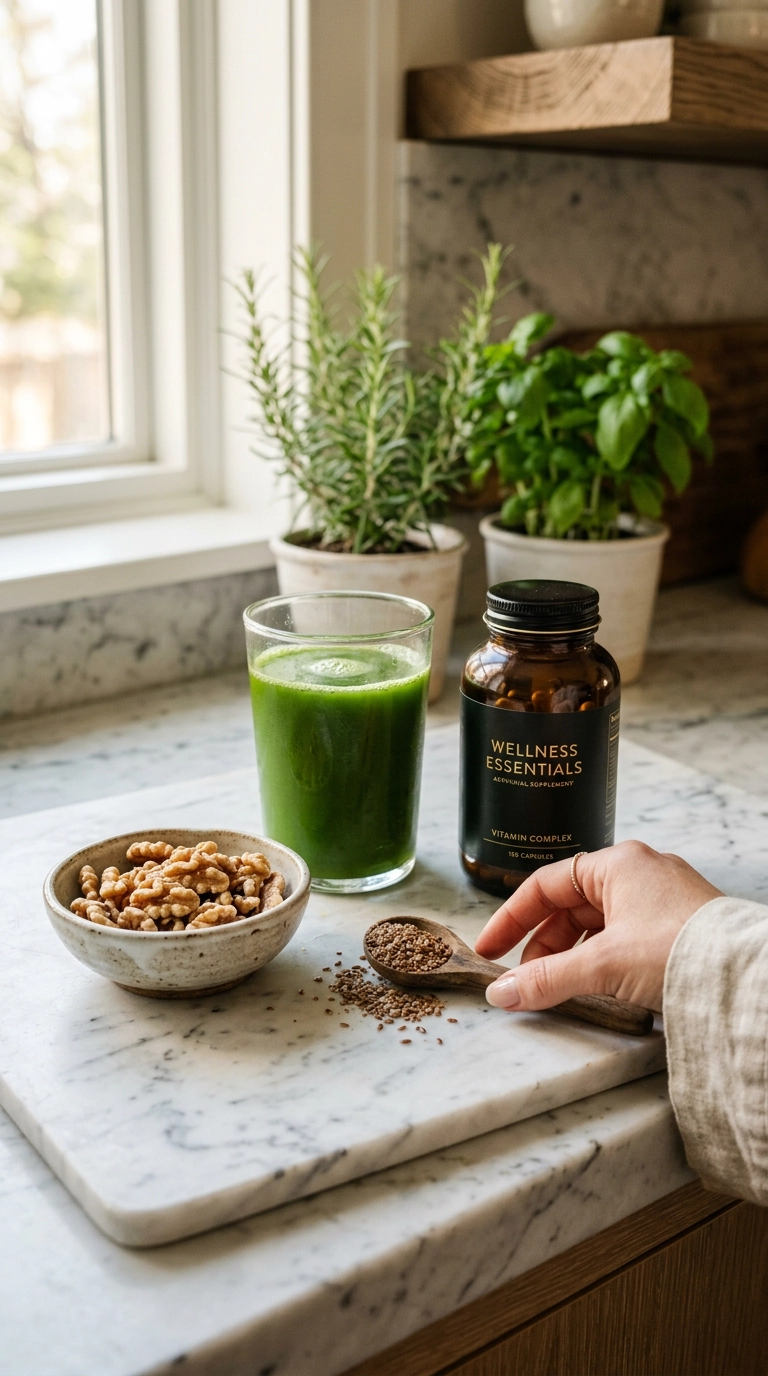
Your body prioritizes your vital organs over your hair, meaning if you aren’t eating well, your hair is the first thing to lose out on nutrients. To support vigorous growth, you need to eat a diet rich in proteins, healthy fats, and essential vitamins. Think of your diet as the fuel for your hair follicles.
Iron deficiency is one of the most common reasons for hair thinning, especially in women. Ensure you are getting enough iron through leafy greens, lentils, or lean meats. Without enough iron, your blood can’t carry enough oxygen to your cells, which slows down the repair and growth of hair tissues.
Essential Growth Vitamins
While a balanced diet is best, some supplements can fill in the gaps if you struggle to get everything from food. Biotin is often discussed, but vitamins C, D, and E are equally important for maintaining the integrity of the hair strand. Vitamin C helps with collagen production, which is a major part of the hair structure.
| Nutrient | Benefit for Hair | Food Source |
|---|---|---|
| Omega-3 Fatty Acids | Adds shine and reduces inflammation | Salmon, Chia seeds, Walnuts |
| Zinc | Prevents shedding and hair loss | Pumpkin seeds, Oysters, Beef |
| Biotin | Improves keratin infrastructure | Eggs, Sweet potatoes, Almonds |
Hydration from Within
Just as your skin gets dry when you’re dehydrated, your hair can become brittle. Drinking enough water ensures that the cells responsible for hair growth are functioning at their peak. Aim for at least eight glasses a day, and more if you are physically active or live in a dry climate.
Water helps to flush out toxins that could impact your overall health and, by extension, your hair quality. When your body is hydrated, your scalp is less likely to become flaky or irritated. Think of it as the simplest and cheapest beauty treatment available to you.
Protective Habits and Nighttime Rituals

The eight hours you spend sleeping can either be a time of repair or a time of damage. Tossing and turning on a cotton pillowcase creates friction, which roughens the hair cuticle and leads to knots. Over time, this friction causes thinning around the hairline and mid-shaft breakage.
Switching to a silk or satin pillowcase is a small change that makes a massive difference. These fabrics allow the hair to glide smoothly across the surface, keeping your style intact and preventing the “morning frizz” we all dread. It also helps your hair retain its natural oils rather than absorbing them into the fabric.
The Power of Low-Tension Styling
Pulling your hair back into tight ponytails or buns every day causes a condition called traction alopecia. This constant tension stresses the follicles and can eventually lead to permanent hair loss around the edges. Instead, opt for loose braids, low buns with silk scrunchies, or use claw clips to secure your hair.
If you must wear your hair up, try to vary the position of your ponytail. Don’t put it in the exact same spot every day, as this creates a “stress point” where the elastic sits. Using soft, fabric-covered ties or spiral cords will significantly reduce the risk of mechanical snapping.
Pre-Sleep Hair Preparation
Before you hit the pillow, take a minute to brush your hair with a boar bristle brush to distribute the oils from your scalp down to the ends. Then, tie your hair in a loose braid to keep it contained while you sleep. This prevents the hair from tangling into a “nest” that you’ll have to aggressively brush out the next morning.
- Apply a small amount of lightweight hair oil to the ends before braiding.
- Use a silk bonnet if you have curly or textured hair to preserve the pattern.
- Avoid sleeping with wet hair, as it is in its most fragile state when damp.
Strategic Trimming and Tool Selection
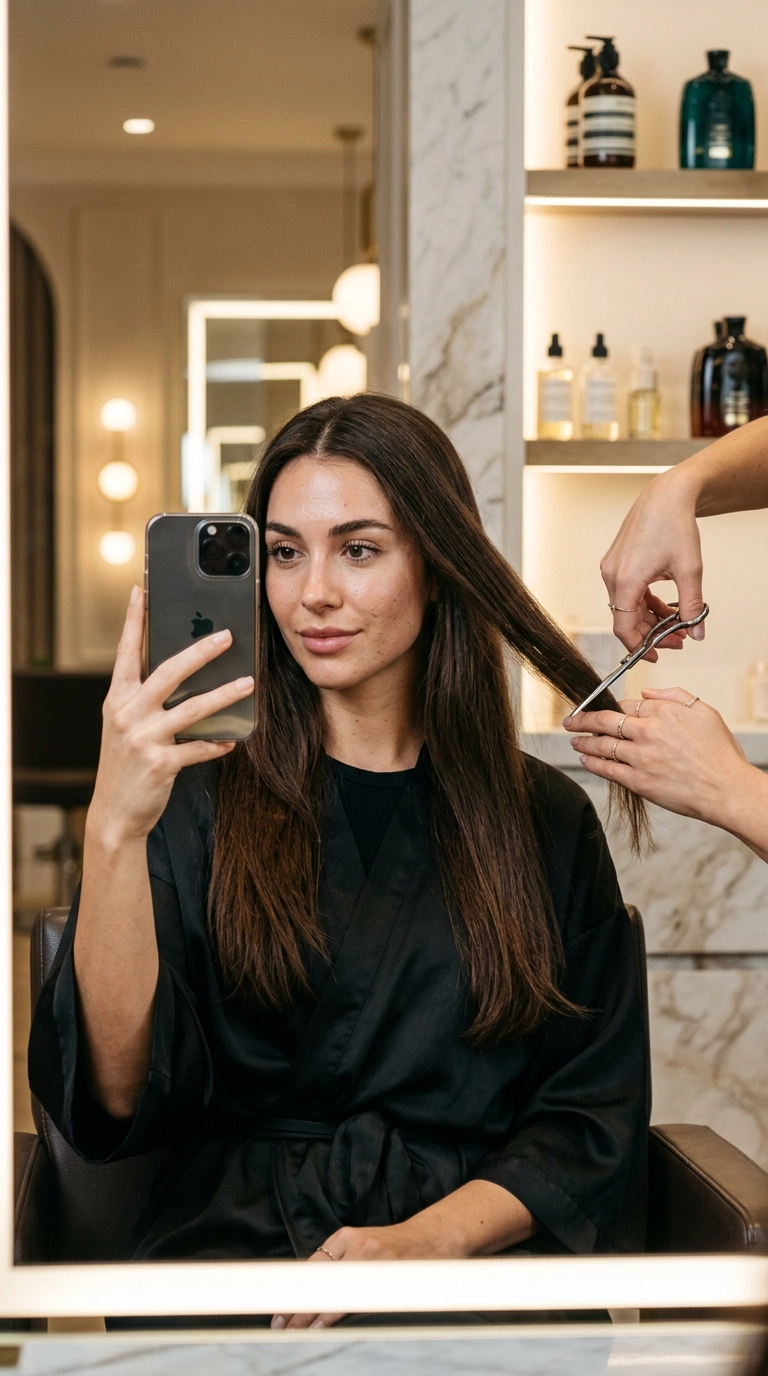
It sounds counterintuitive to cut your hair when you want it to grow, but “dusting” your ends is essential. A split end will eventually travel up the hair shaft, turning a tiny bit of damage into a several-inch problem. By removing just a quarter-inch every twelve weeks, you keep the ends blunt and healthy.
Regular trims ensure that the length you are gaining is high-quality length. There is no point in having long hair if the bottom three inches are translucent and frizzy. Focus on “quality over quantity” to achieve a look that appears thick and polished from root to tip.
Choosing the Right Tools
The tools you use every day determine the long-term health of your strands. Plastic brushes with tiny balls on the ends of the bristles can often snag and rip through knots. Invest in a high-quality detangling brush or a wide-tooth comb made of seamless material to minimize damage.
When it comes to heat styling, try to limit it as much as possible. If you must use a blow dryer or flat iron, always use a high-quality heat protectant spray first. Modern tools with ionic technology and adjustable heat settings are better choices than older models that only have one “high” heat option.
The “Search and Destroy” Method
If you are truly committed to keeping your length, you can try the “search and destroy” method between professional trims. Sit in good natural light with a pair of professional hair shears and look for individual split ends. Snipping them off one by one prevents them from worsening without sacrificing any overall length.
Never use kitchen or craft scissors for this, as they aren’t sharp enough and will actually crush the hair tip, leading to more splits. A small investment in a pair of proper shears will pay off in the health of your hair. This method is perfect for maintaining your hair’s integrity between salon visits.
Effective Ingredients to Look For
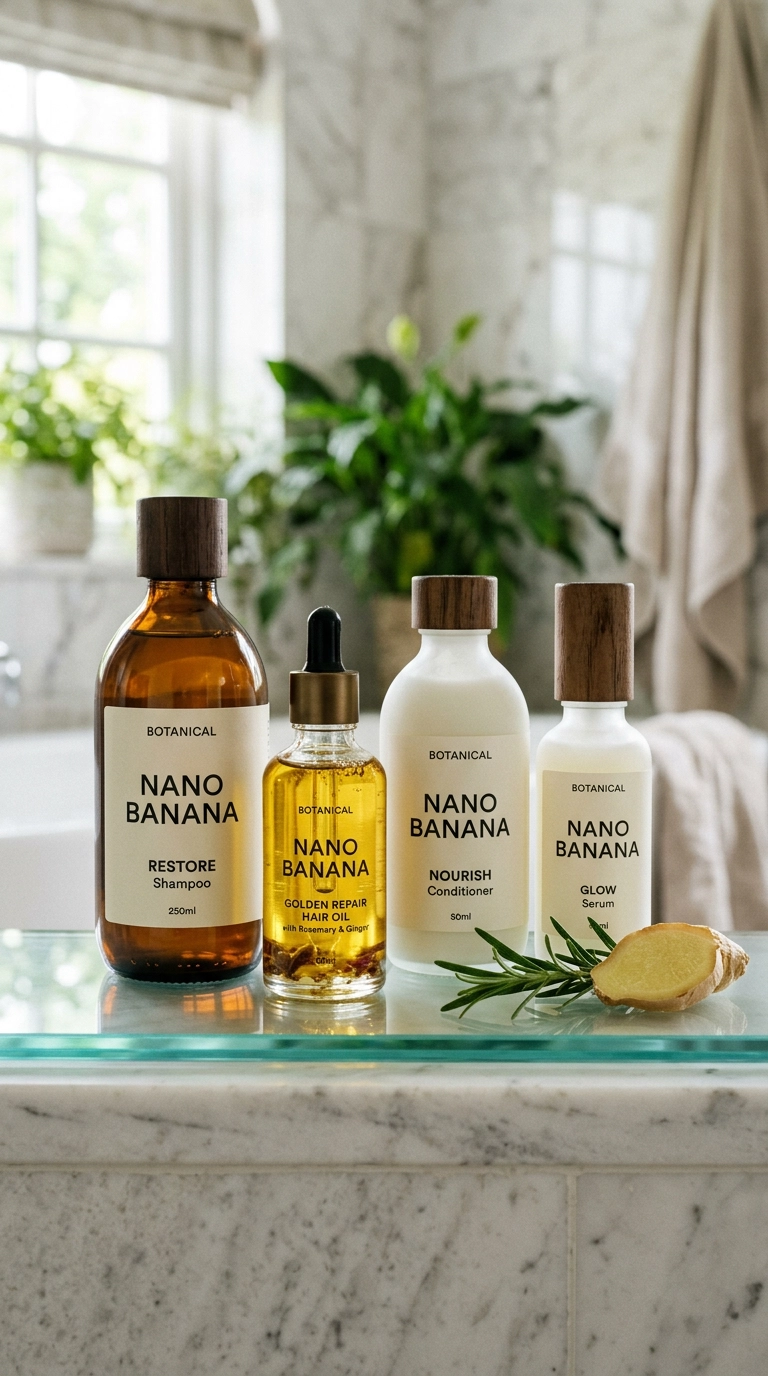
Navigating the hair care aisle can be overwhelming with all the claims on the bottles. To make better choices, you should focus on reading the ingredient list rather than the marketing on the front. Knowing what ingredients actually support the hair structure will save you money and frustration.
Avoid products that contain harsh sulfates, which strip the hair of necessary moisture. Instead, look for gentle surfactants derived from coconut or sugar. You also want to be wary of heavy silicones that aren’t water-soluble, as these can build up over time and weigh your hair down, making it look dull.
Top Ingredients for Growth and Retention
There are several key ingredients that have stood the test of time in the beauty world. These components help with everything from scalp circulation to the elasticity of the hair strand itself. When shopping, keep an eye out for these specific additions to your shampoos, conditioners, and serums.
- Peppermint Oil: Provides a cooling sensation and increases blood flow to the scalp.
- Keratin: A protein that helps rebuild the hair’s natural structure.
- Panthenol (Pro-Vitamin B5): Acts as a humectant to hold moisture and improve elasticity.
- Castor Oil: Rich in ricinoleic acid, which helps nourish the scalp and strengthen the roots.
- Rice Protein: Adds volume and helps the hair hold onto moisture without weighing it down.
Natural vs. Synthetic Balance
While natural oils are wonderful, modern science has also provided us with incredible synthetic ingredients that protect the hair. For example, safe, water-soluble silicones can provide a protective barrier against environmental damage and heat. A well-rounded routine often includes a mix of botanical extracts and high-performing lab-developed ingredients.
Always patch test new products, especially those containing essential oils, to ensure you don’t have a reaction. Your scalp can be sensitive, and an inflamed scalp is not an environment where hair wants to grow. Listen to your hair; if a product makes it feel coated or sticky, it’s probably not the right fit for your routine.
Common Questions About Hair Growth
How fast does hair actually grow?
On average, hair grows about half an inch per month, which totals six inches per year. Factors like genetics, age, and health can influence this rate slightly, but you cannot realistically grow three inches in a week. Consistency in your routine is what makes that half-inch look its best as it grows out.
Can I grow my hair long if I dye it?
Yes, but you have to be extra diligent with your care. Chemical processing like bleaching weakens the hair bond, making it more prone to snapping. If you color your hair, prioritize bond-building treatments and deep conditioners to counteract the damage caused by the dye.
Does cutting my hair make it grow faster?
No, cutting the ends does not affect the follicles in your scalp. However, it prevents breakage from traveling up the hair. This means you “retain” more of the length that your scalp produces, making it appear as though your hair is growing faster because you aren’t losing the ends.
Is it okay to wash my hair every day?
For most people, daily washing is too much and can strip the scalp of protective oils. Aim for two to three times a week. If you have a very oily scalp or exercise daily, try rinsing with water only or using a very gentle co-wash between full shampoo days to maintain balance.
Achieving Your Hair Goals
Building a healthy hair routine is a journey that requires patience and a bit of trial and error. By shifting your focus to scalp health, proper nutrition, and gentle handling, you set the stage for long-term success. Remember that hair health is often a reflection of how we treat ourselves overall, so prioritize your rest and well-being alongside your beauty products.
Don’t be discouraged by slow progress; the most beautiful results often take time to manifest. Stay consistent with your scalp massages and protective styles, and soon you’ll notice those few extra inches of strong, radiant hair. Your dream length is well within reach when you approach it with a thoughtful and nurturing mindset.