Refining Your Radiance – Essential Skincare Guide for Women Over 40

Entering your 40s often brings a new sense of confidence and self-assurance, yet it also marks a significant shift in how your skin behaves. You might notice that the glow you once took for granted requires a bit more intentionality and a few specific, high-performance ingredients to maintain its vibrancy. This is the perfect time to audit your vanity and transition from basic maintenance to a more sophisticated, supportive approach.
The beauty of a mature routine is that it focuses on nourishment and resilience rather than just fixing perceived flaws. By understanding how your skin’s needs have changed—specifically regarding collagen production and moisture retention—you can choose products that truly deliver results. This guide is designed to help you navigate those changes with grace, providing a clear path to a complexion that feels firm, hydrated, and undeniably healthy.
We are moving away from harsh scrubs and complicated ten-step systems that leave the skin feeling stripped or overwhelmed. Instead, we will focus on layers of hydration, powerful antioxidants, and the golden standards of age-well chemistry. Whether you are a skincare enthusiast or someone looking for a simple, effective refresh, these steps will provide the clarity and confidence you need to look your best every single day.
The Foundation of Gentle Cleansing
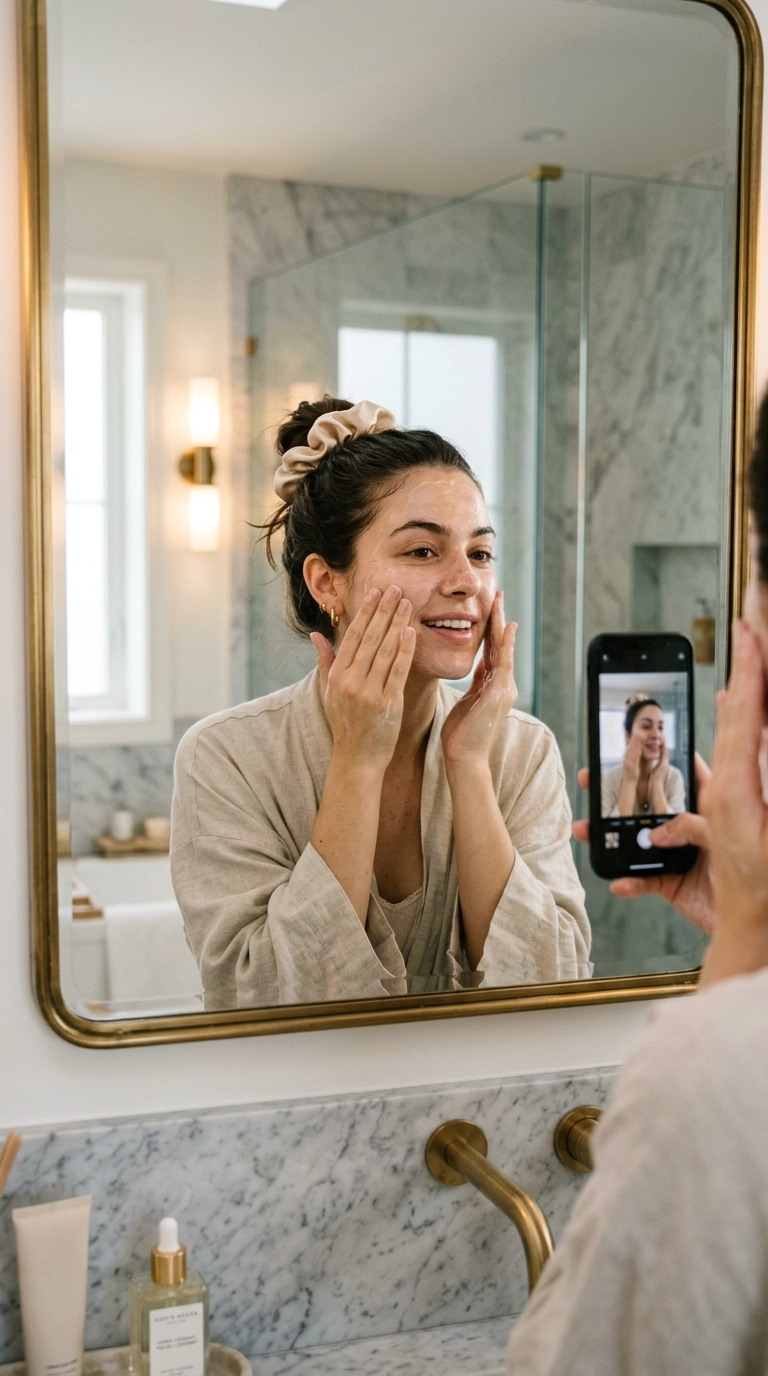
In your 40s, the natural oils that kept your skin supple in your 20s begin to decrease, making your skin barrier more vulnerable. This means that the aggressive cleansers of your youth can now lead to redness, tightness, and fine lines caused by dehydration. Switching to a cream-based or oil-based cleanser is one of the most effective changes you can make to preserve your skin’s integrity.
A high-quality balm or oil cleanser effectively removes sunscreen and makeup without disrupting the delicate acid mantle. When you use these formulas, you are not just cleaning; you are also infusing the skin with essential fatty acids right from the start. Look for ingredients like squalane or jojoba oil, which mimic your skin’s natural sebum and leave a soft, velvet-like finish.
For those who prefer a traditional wash, seek out “non-foaming” or “sulfate-free” labels to ensure you aren’t stripping away precious moisture. Massage the product into your skin for at least sixty seconds to allow the ingredients to work and to stimulate lymphatic drainage. This simple ritual increases blood flow to the surface, giving you an immediate, natural flush of health.
Vitamin C and Morning Antioxidants
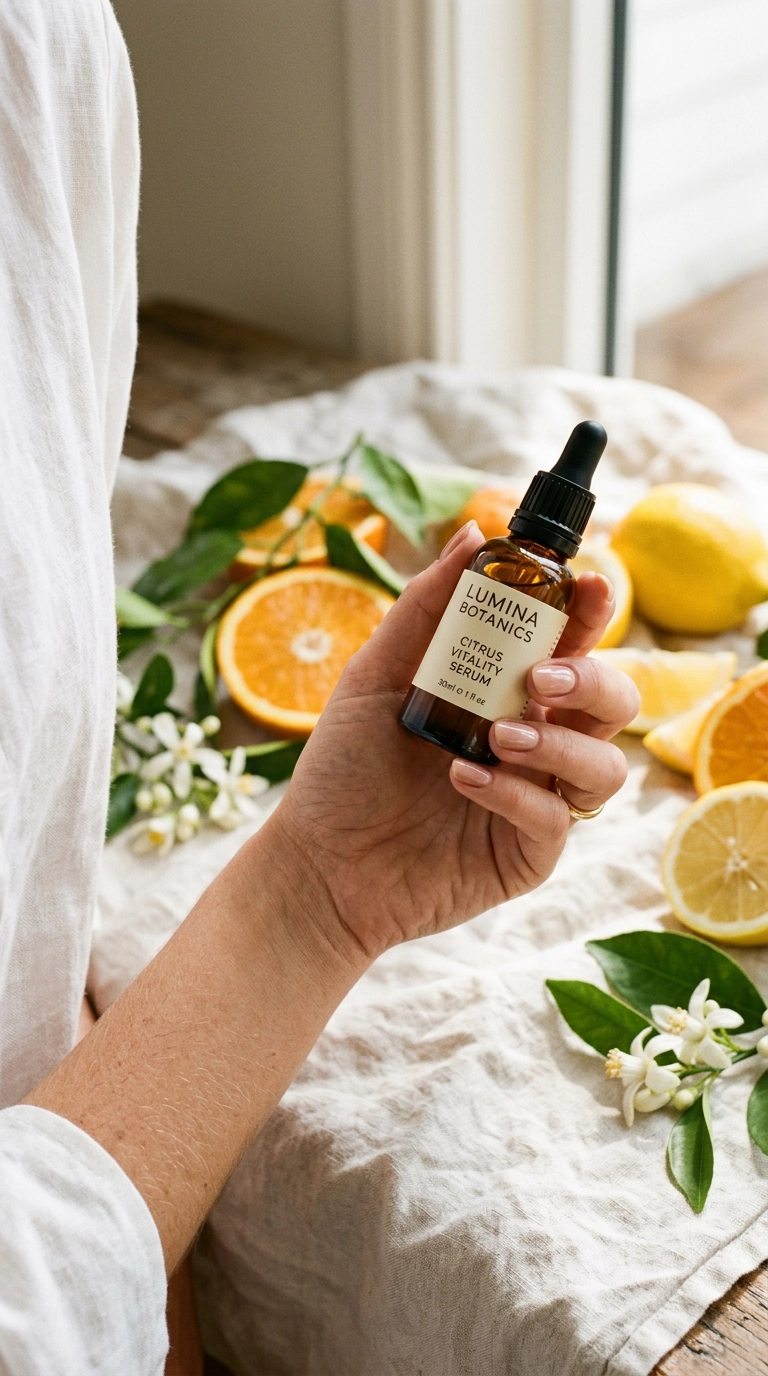
Environmental stressors like pollution and UV rays are the primary culprits behind premature aging and uneven skin tone. Antioxidants act as a protective shield, neutralizing the free radicals that break down collagen and cause dark spots. Vitamin C remains the star of the morning routine for its ability to brighten the complexion and provide an extra layer of defense under your sun protection.
When selecting a Vitamin C serum, look for L-ascorbic acid at a concentration between 10% and 20% for maximum efficacy. If your skin is particularly sensitive, Vitamin C derivatives like sodium ascorbyl phosphate or tetrahexyldecyl ascorbate offer a gentler alternative that still provides significant brightening benefits. Apply your serum to slightly damp skin to help it penetrate deeper and more effectively.
Consistency is key when using antioxidants, as the benefits build up over time to create a more resilient skin surface. You will notice that with regular use, your skin looks more “awake” and your overall tone becomes more uniform and clear. It is the secret to that lit-from-within look that makes you feel polished even on days when you choose to go makeup-free.
The Role of Ferulic Acid and Vitamin E
Many professional-grade serums combine Vitamin C with Ferulic Acid and Vitamin E to stabilize the formula and increase its potency. This trio works better together than they do individually, creating a powerful barrier against the elements. This combination is particularly helpful for addressing the hyperpigmentation that often becomes more prominent during our 40s.
Using these ingredients every morning ensures that your skin isn’t just surviving the day but is actively being repaired. Think of it as a daily insurance policy for your face, protecting the investments you make in other parts of your routine. The texture of these serums should be lightweight and fast-absorbing, allowing you to layer other products seamlessly over the top.
The Non-Negotiable Step: Broad Spectrum SPF

If you only do one thing for your skin, let it be the daily application of a broad-spectrum sunscreen with at least SPF 30. Sun damage is cumulative, and the spots or wrinkles you see now are often the result of sun exposure from years ago. Protecting your skin today prevents further breakdown of elastin and collagen, which are vital for keeping your face looking firm and lifted.
Modern sunscreen formulations have come a long way from the thick, chalky pastes of the past. You can now find elegant, serum-like fluids that leave a dewy finish or tinted versions that act as a light foundation. Mineral sunscreens containing zinc oxide or titanium dioxide are excellent choices for those with sensitive skin or those prone to melasma, as they physically block heat and light.
Don’t forget the areas that often give away our age: the ears, the back of the hands, and the hairline. Apply a generous amount—roughly two finger-lengths for the face and neck—to ensure you are getting the full level of protection stated on the bottle. Reapplying throughout the day, especially if you are outdoors, is the most effective way to maintain your skin’s youthful texture and tone.
Nighttime Renewal with Retinoids

Nighttime is when your skin switches from “protect mode” to “repair mode,” making it the ideal time to use powerful actives like retinoids. Retinol and its derivatives are perhaps the most studied and proven ingredients for softening fine lines and improving skin texture. They work by accelerating cell turnover, bringing fresh, healthy skin cells to the surface more quickly.
For women over 40, a prescription-strength retinoid may be effective, but many find that over-the-counter retinaldehyde or encapsulated retinol provides excellent results with less irritation. Start by applying your retinoid two or three nights a week, gradually increasing frequency as your skin builds a tolerance. This “slow and steady” approach prevents the peeling and dryness that often discourage people from using these products.
Always apply your retinoid to completely dry skin to minimize the risk of sensitivity and follow up with a rich, nourishing moisturizer. Over time, you will see a visible reduction in the appearance of pores and a smoother, more refined skin surface. It is truly the gold standard for anyone serious about maintaining a vibrant complexion as they age.
Alternative Options: Bakuchiol
If your skin is too sensitive for traditional retinoids, consider Bakuchiol, a plant-derived alternative that offers similar benefits without the redness. It is an excellent choice for those with rosacea or extremely dry skin who still want to target fine lines and improve elasticity. Bakuchiol can also be used during the day, making it a versatile addition to any routine.
Pairing your nighttime active with a soothing peptide cream can further enhance the repair process. Peptides act as messengers, telling your skin to produce more collagen and helping to “plump” the skin from within. This combination ensures you wake up with a face that looks rested, hydrated, and ready for the day ahead.
Hydration versus Moisture: Understanding the Difference

One of the most common mistakes in skincare is confusing hydration with moisture. Hydration refers to the water content within the skin cells, while moisture refers to the skin’s ability to trap that water and prevent it from evaporating. In your 40s, you likely need to address both by using humectants to pull water in and occlusives to lock it down.
Start with a hydrating serum containing Hyaluronic Acid or Polyglutamic Acid on damp skin to saturate your cells with moisture. Follow this immediately with a lipid-rich moisturizer that contains ceramides, fatty acids, and cholesterol. These three ingredients are the building blocks of your skin barrier and are essential for keeping your face feeling soft and comfortable throughout the day.
For an extra boost at night, adding a few drops of a facial oil over your moisturizer can create a protective seal. Oils like marula, argan, or rosehip provide a concentrated dose of nutrients and give the skin a beautiful, healthy sheen. This layering technique is especially helpful during the colder months when indoor heating can strip the skin of its natural moisture.
Targeting the Eyes, Neck, and Chest

The skin on your neck and chest is much thinner than the skin on your face and has fewer oil glands, making it one of the first places to show signs of aging. Many women focus all their attention on their face while neglecting the “décolletage,” leading to an uneven appearance. Whatever you apply to your face should always be brought down to your neck and onto your chest.
Specific neck creams are often formulated with higher concentrations of firming ingredients to target “tech neck” and sagging. Similarly, an eye cream enriched with caffeine or vitamin K can help reduce puffiness and the appearance of dark circles. Use your ring finger to gently pat product around the orbital bone, taking care not to pull or tug at the delicate skin.
Consistency in these areas is just as vital as it is for your face. Regular use of SPF on the chest and retinoids on the neck can significantly improve the texture and prevent the “crepey” look that often occurs over 40. Treat these areas as an extension of your face, and they will reward you by looking just as youthful and cared for.
Quick Reference Ingredient Guide

| Ingredient | Primary Benefit | Best Time to Use |
|---|---|---|
| Vitamin C | Brightens tone and protects against pollution. | Morning |
| Retinol/Retinoids | Increases cell turnover and smooths lines. | Evening |
| Hyaluronic Acid | Pulls moisture into the skin for a plump look. | Morning & Evening |
| Ceramides | Repairs the skin barrier and prevents dryness. | Morning & Evening |
| Peptides | Supports collagen production and skin firmness. | Evening |
| Niacinamide | Refines pores and calms redness. | Morning & Evening |
This table provides a simple way to organize your products and ensure you are hitting all the necessary targets for mature skin. While you don’t need every single ingredient every day, incorporating these powerhouses into your rotation will create a well-rounded and effective regimen. Pay attention to how your skin responds and adjust your choices based on the season or your specific concerns.
Lifestyle Choices for Skin Longevity

No amount of expensive cream can fully compensate for the impact of your daily habits. Quality sleep is when your body undergoes its most intense cellular repair, so aim for seven to nine hours of rest each night. Switching to a silk or satin pillowcase can also prevent the “sleep creases” that can eventually turn into permanent wrinkles.
Hydration from the inside out is equally important. Drinking plenty of water and eating a diet rich in omega-3 fatty acids, antioxidants, and lean proteins provides your skin with the raw materials it needs to stay healthy. Foods like walnuts, avocados, berries, and fatty fish are excellent choices for maintaining that supple, youthful bounce from within.
Finally, consider the impact of stress on your complexion. High levels of cortisol can break down collagen and lead to breakouts or inflammation. Finding a daily practice that helps you relax—whether it’s a quick walk, meditation, or a dedicated evening skincare ritual—will reflect positively on your face. When you feel good internally, it naturally manifests as a radiant, healthy glow.
Frequently Asked Questions
Is it too late to start a routine at 40?
It is never too late to begin caring for your skin. Even if you have never used a serum or a retinoid before, your skin will respond to the nourishment and protection you provide. Starting now can significantly slow future signs of aging and improve the current health of your skin barrier.
How long does it take to see results from a new routine?
While hydration and glow can often be seen within a few days, more significant changes like fine line reduction and fading of dark spots take time. Skin cells typically take about 28 to 40 days to turn over, and that process slows as we age. Give any new product at least eight to twelve weeks of consistent use before deciding if it works for you.
Can I use Vitamin C and Retinol at the same time?
Using them at the same time can often lead to irritation or can neutralize the effectiveness of both products. The most common and effective strategy is to use Vitamin C in the morning for protection and Retinol in the evening for repair. This “split” approach ensures your skin gets the best of both worlds without being overwhelmed.
Embracing Your Most Radiant Decade
Refining your skincare routine in your 40s is an act of self-respect and a celebration of everything your skin has carried you through. By focusing on high-quality ingredients, consistent protection, and deep hydration, you are setting the stage for a complexion that looks vibrant for years to come. Remember that the goal is not to look twenty again, but to look like the most rested, polished, and confident version of yourself today. Trust the process, enjoy the ritual, and let your natural beauty shine through with every layer of care you apply.