
Complete Ritual for Layering Body Products to Smell Incredible All Day
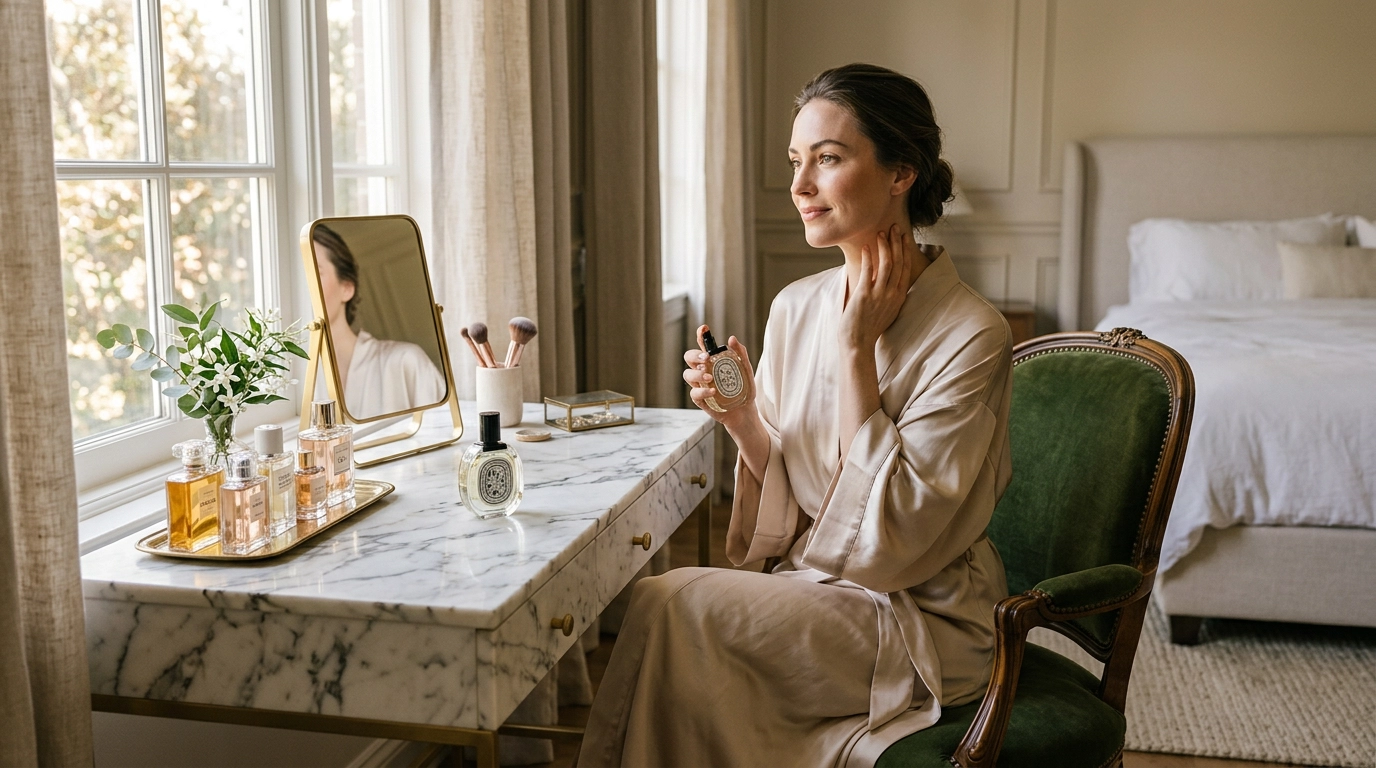
Ever wondered why some people leave a beautiful trail of scent behind them while your perfume seems to vanish before you even finish your morning coffee? It is not necessarily about the price of your fragrance, but rather the way you prepare your skin to hold onto those scent molecules. Mastering the art of layering turns a simple routine into a luxury experience that lasts from dawn until dusk.
We are going to walk through the exact steps required to build a scent profile that sticks without becoming overwhelming. From the temperature of your shower to the specific order of your oils and creams, every detail serves a purpose in creating a long-lasting olfactory signature. You will learn how to turn your daily hygiene into a sophisticated ritual that makes you feel confident and polished.
This guide provides a roadmap for anyone looking to elevate their personal presence through the science of scent adhesion. By understanding how different textures and ingredients interact with your skin chemistry, you can ensure your favorite notes stay vibrant throughout the day. Let’s look at how to construct a fragrance foundation that refuses to fade.
Start with a Hydrated Base in the Shower
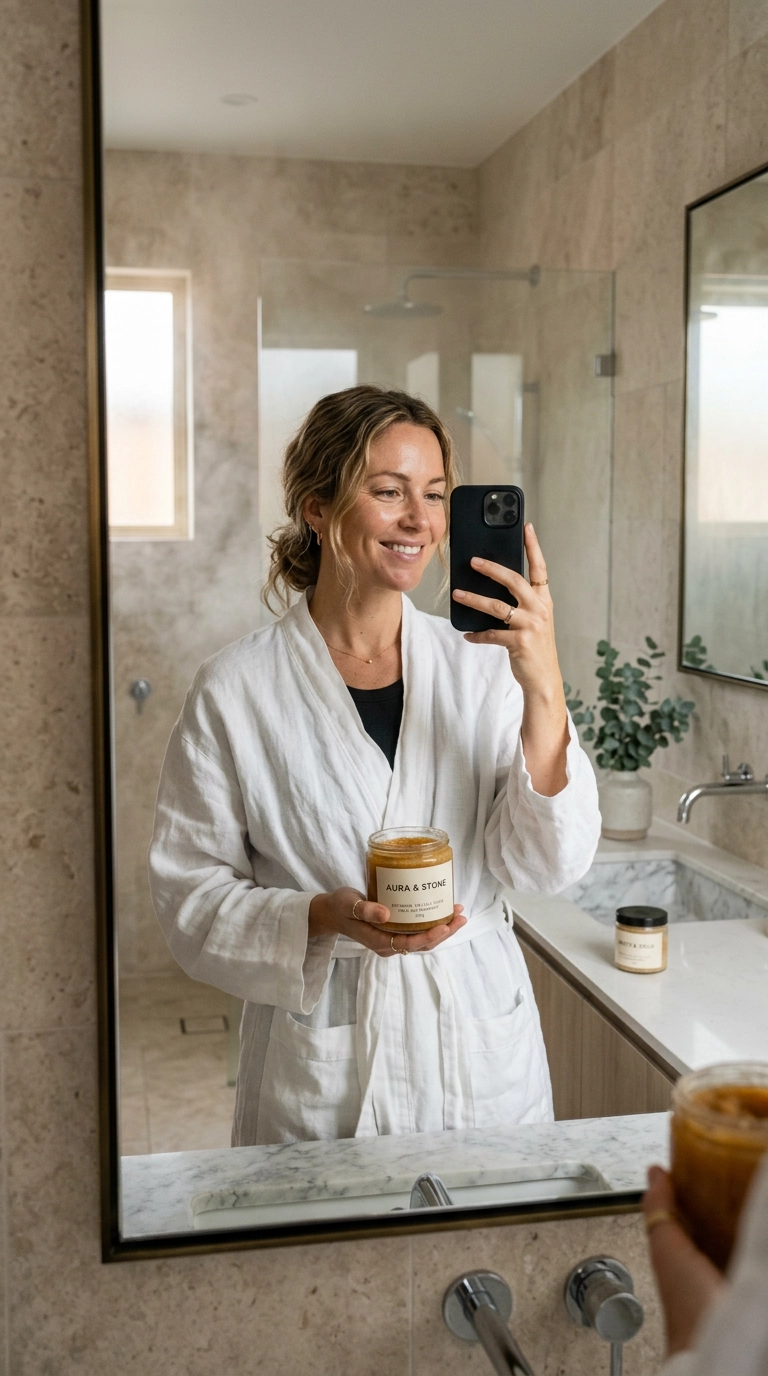
The Role of Gentle Exfoliation
Fragrance needs a smooth surface to cling to, and dead skin cells are the enemy of longevity. Using a gentle body scrub or a physical exfoliant twice a week removes the dry barrier that prevents products from absorbing deeply. Focus on areas like your elbows, knees, and pulse points to ensure the skin is fresh and receptive.
When you exfoliate, you are essentially creating a clean canvas for your scent layers. This process allows your moisturizing products to penetrate better, which is crucial because scent evaporates much faster on dry, flaky skin. Look for scrubs with nourishing oils like jojoba or almond to start the hydration process early.
Choosing the Right Body Wash
Your shower gel is the first layer of your scent story, so choose one that aligns with your final goal. If you plan on wearing a heavy amber perfume, a vanilla or sandalwood-based body wash provides a warm, complementary foundation. Alternatively, a fragrance-free, pH-balanced wash ensures that your perfume has no competition from lingering soapy notes.
Avoid using boiling hot water, as this strips the natural lipids from your skin and leaves it parched. Lukewarm water keeps the skin barrier intact, making it easier for the subsequent layers to bond effectively. Pat your skin dry with a soft towel, leaving it slightly damp to maximize the absorption of your next product.
The Essential Moisture Lock Layer
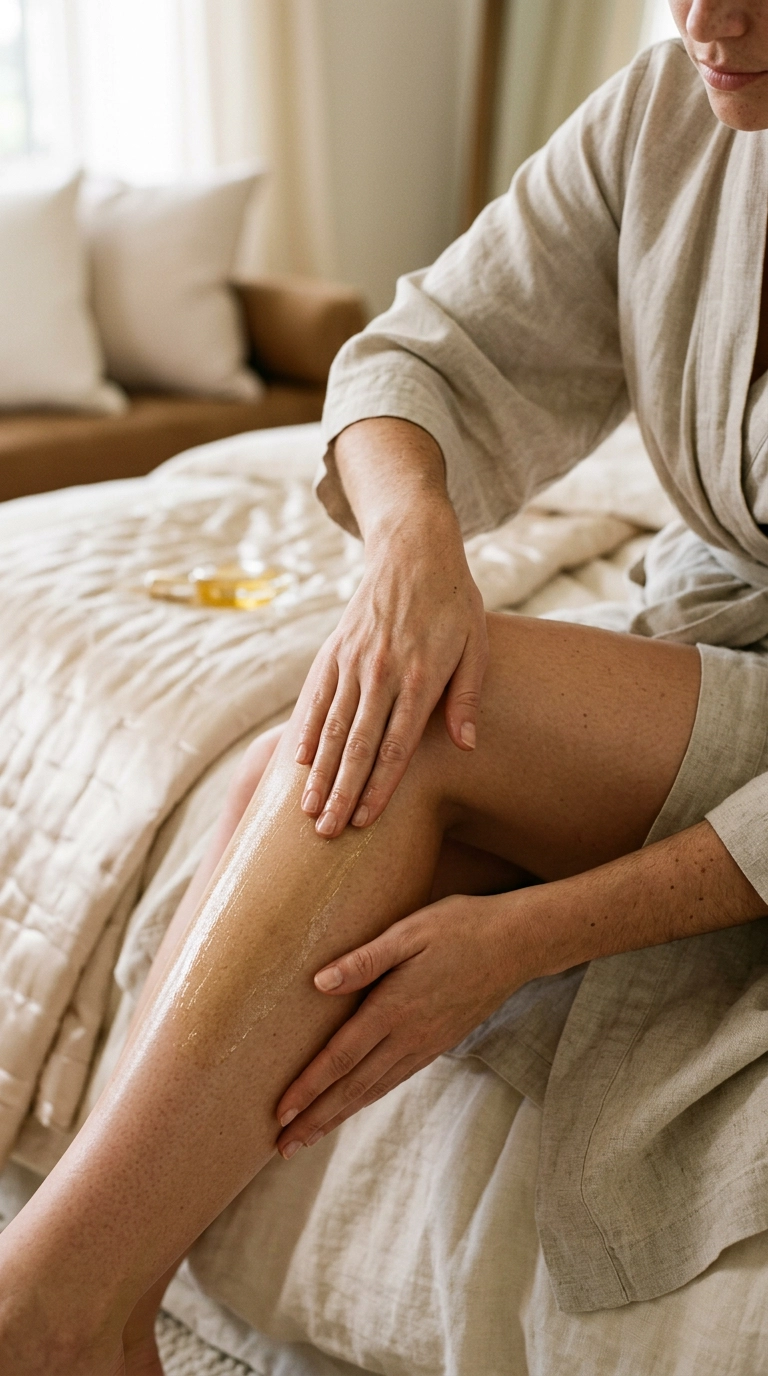
Applying Body Oil on Damp Skin
The secret to scent longevity is “trapping” the fragrance within a layer of moisture. Applying a high-quality body oil while your skin is still damp from the shower is the most effective way to do this. The water on your skin helps the oil spread evenly and seals in hydration, creating a supple base that acts as a primer for perfume.
Opt for a carrier oil that contains vitamin E or squalane, as these ingredients mimic the skin’s natural oils. If you want a subtle effect, use an unscented oil; if you want to amplify your scent, choose one with matching notes to your perfume. This lipid layer prevents the alcohol in your fragrance from drying out your skin and evaporating too quickly.
Layering with a Rich Body Cream
After the oil has had a moment to sink in, follow up with a thick body cream or butter. This creates a secondary barrier that further prevents scent evaporation. Creamy textures are excellent at holding onto fragrance molecules because they provide a denser surface than liquid lotions.
Focus your application on your pulse points—the wrists, neck, behind the knees, and the insides of your elbows. These areas naturally generate more heat, which helps to diffuse the scent as you move throughout the day. By layering oil and then cream, you are essentially creating a “scent sandwich” that keeps you smelling fresh for hours.
Strategic Fragrance Application Techniques
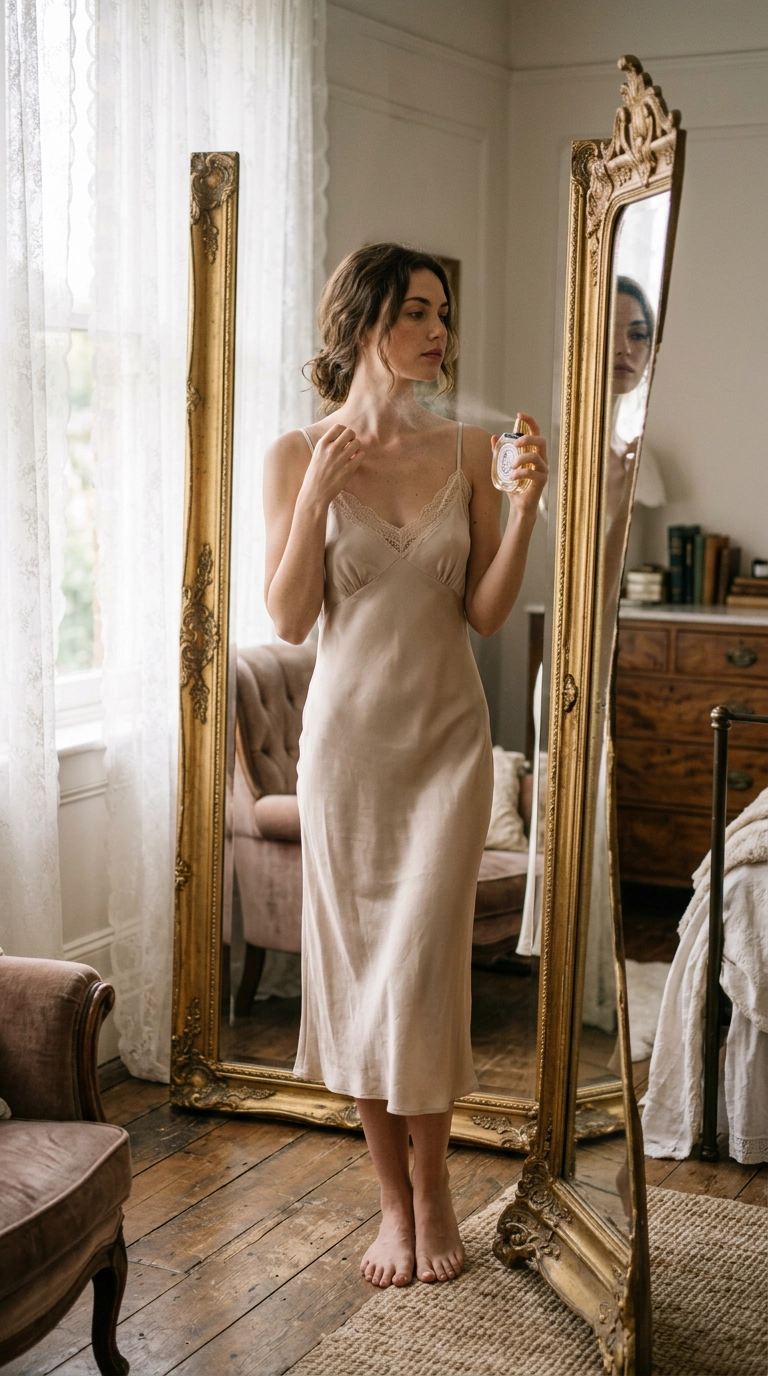
The Science of Pulse Points
Perfume is activated by body heat, which is why pulse points are the most effective places for application. These spots are where your blood vessels are closest to the surface, providing a steady source of warmth to radiate the scent. Instead of just spraying your wrists, consider your ankles and the small of your back for a full-body aura.
Never rub your wrists together after spraying fragrance. This common mistake creates friction that breaks down the delicate top notes of the perfume, altering the scent and making it disappear faster. Instead, simply spray and let the liquid air dry on your skin to preserve the integrity of the fragrance pyramid.
Don’t Forget the Hair and Clothing
Hair is an incredible carrier for scent because it is porous and moves frequently, releasing the fragrance with every turn of your head. However, regular perfume contains high levels of alcohol that can dry out your strands. Use a dedicated hair mist or spray your hairbrush before running it through your locks for a safer alternative.
Spraying your clothing can also extend the life of your scent, as fabric fibers hold onto molecules much longer than skin does. Be careful with delicate fabrics like silk or light colors, as some perfumes contain oils that can stain. A quick mist on your scarf or the lining of your coat can provide a lovely surprise for anyone who comes close.
Understanding Scent Families and Pairing
Creating a Custom Olfactory Profile
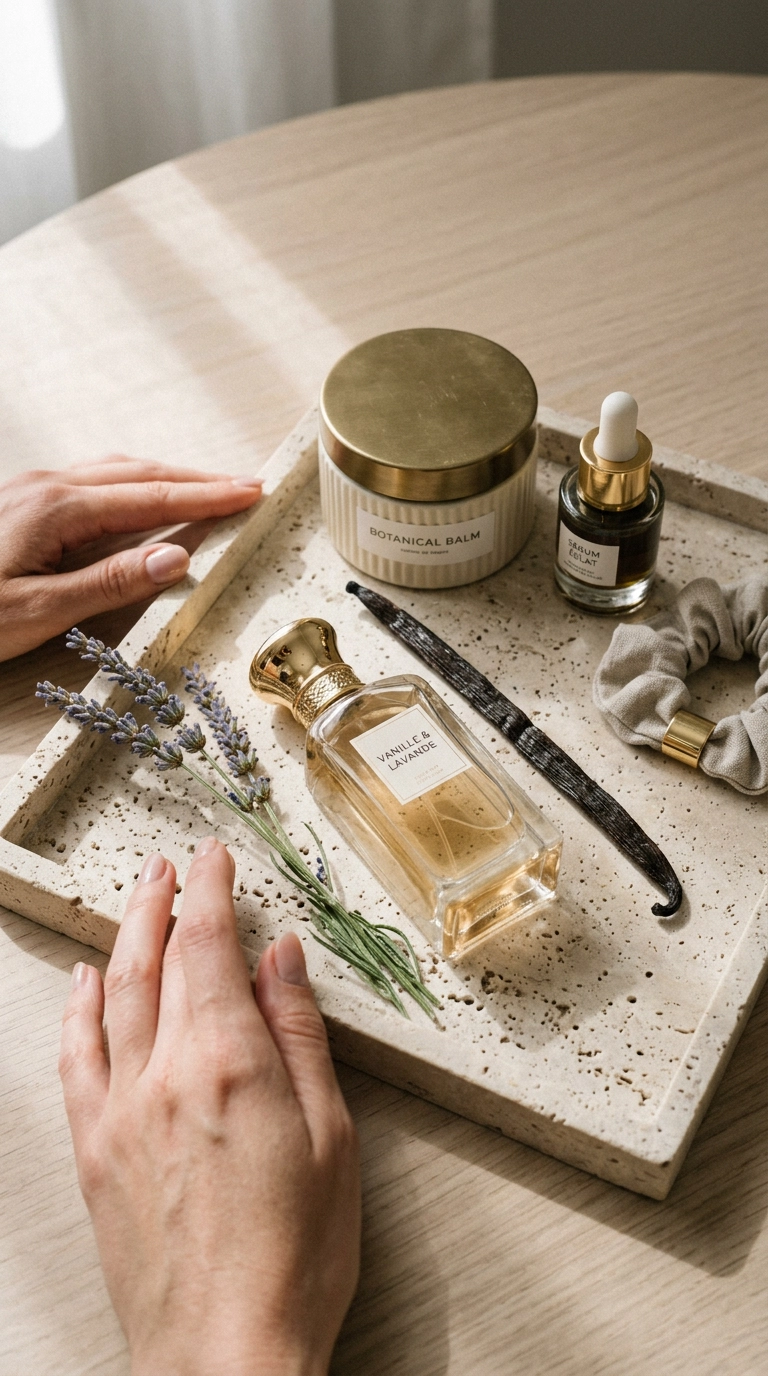
You do not have to use products that all smell exactly the same to achieve a great result. In fact, mixing different but complementary notes can create a unique signature that people will associate only with you. The key is to stay within the same “vibe” or scent family, such as pairing a citrus body wash with a woody perfume.
Think about the base notes of your favorite perfume—usually things like musk, vanilla, or patchouli—and look for body products that highlight those specific ingredients. This builds a cohesive foundation that supports the more volatile top notes of your fragrance. It is a more sophisticated approach than simply using a matching gift set.
Recommended Scent Combinations
If you are unsure where to start, certain pairings are known to work beautifully together across different brands. Refer to this table for some inspiration on how to mix your shower and body products with your perfumes.
| Base Layer Note (Body Wash/Lotion) | Top Layer Fragrance (Perfume) | Resulting Vibe |
|---|---|---|
| Creamy Vanilla | Spicy Amber or Oud | Warm, Sultry, and Expensive |
| Fresh Citrus or Neroli | White Florals (Jasmine/Tuberose) | Bright, Clean, and Sophisticated |
| Sandalwood or Cedar | Rose or Peony | Modern, Earthy Floral |
| Unscented/Shea Butter | Any Aquatic or “Blue” Scent | Pure, Fresh, and Minimalist |
Experimenting with these combinations allows you to adjust your scent for the seasons. For example, use a lighter, citrusy base in the summer to keep things airy, and switch to a rich, gourmand lotion in the winter for a cozy feel. Your skin chemistry will also play a role, so pay attention to how certain blends evolve on you over several hours.
Maintaining the Aura Throughout the Day
The Power of Travel Essentials
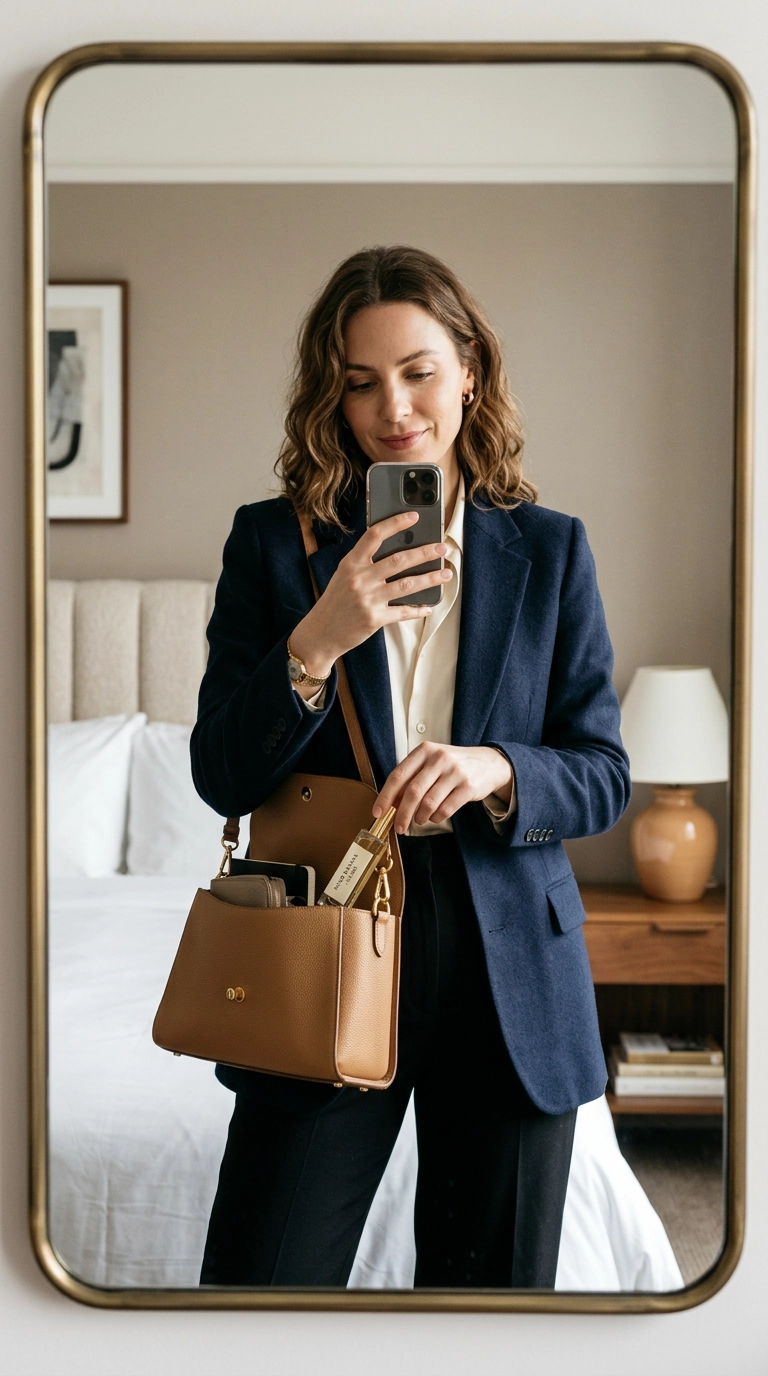
No matter how well you layer, most fragrances will naturally lose their intensity after six to eight hours. Keeping a travel-sized atomizer or a solid perfume in your bag is the easiest way to refresh your scent on the go. Focus the touch-up only on your pulse points rather than spraying your entire body again.
Solid perfumes are particularly useful for midday refreshes because they are wax-based and provide a concentrated burst of scent without a cloud of alcohol. They are also very discreet for applying in public spaces or at your desk. A quick swipe on the wrists can revive the entire layering routine you built in the morning.
Environmental Considerations
The environment around you significantly impacts how long your scent lasts. Humidity and heat tend to intensify fragrance, while cold, dry air can make it feel muted and cause it to disappear faster. If you work in an air-conditioned office, you may need to lean more heavily on your moisturizing layers to keep the scent anchored.
Also, consider your activity level; sweat can alter the way a perfume smells, sometimes making it turn sour. In high-activity situations, sticking to clean, musky, or citrusy scents is usually a safer bet than heavy florals or gourmands. Being mindful of your surroundings ensures that your scent remains a pleasant addition to the room.
Frequently Asked Questions
- Can I layer different brands of products? Yes, mixing brands often leads to a more unique and personalized scent profile than using a single matching set.
- Does drinking water affect how I smell? Absolutely. Hydrated skin starts from within, and well-hydrated skin holds fragrance significantly better than dehydrated skin.
- Is it possible to layer too much? If you find people are backing away, you might be overdoing it. Start with small amounts of each layer and build up until you find your perfect balance.
- How do I make my scent last in the summer? Use lighter lotions but don’t skip the moisture. Focus on alcohol-free mists if you are going to be in the sun.
Final Thoughts on Your Scent Routine
Building a signature scent is a personal journey that combines self-care with style. By taking the time to properly hydrate your skin and layer your products with intention, you create a lasting impression that feels effortless. It is a small daily luxury that provides a massive boost to your confidence and personal presence.
Remember that the best scent routine is one that makes you feel good every time you catch a whiff of yourself. Don’t be afraid to play with different textures and notes until you find the combination that feels like “you.” With these techniques in your beauty repertoire, you are ready to smell incredible from the moment you wake up until the stars come out.