7 Dinner Date Fashion Mistakes Women Need to Avoid
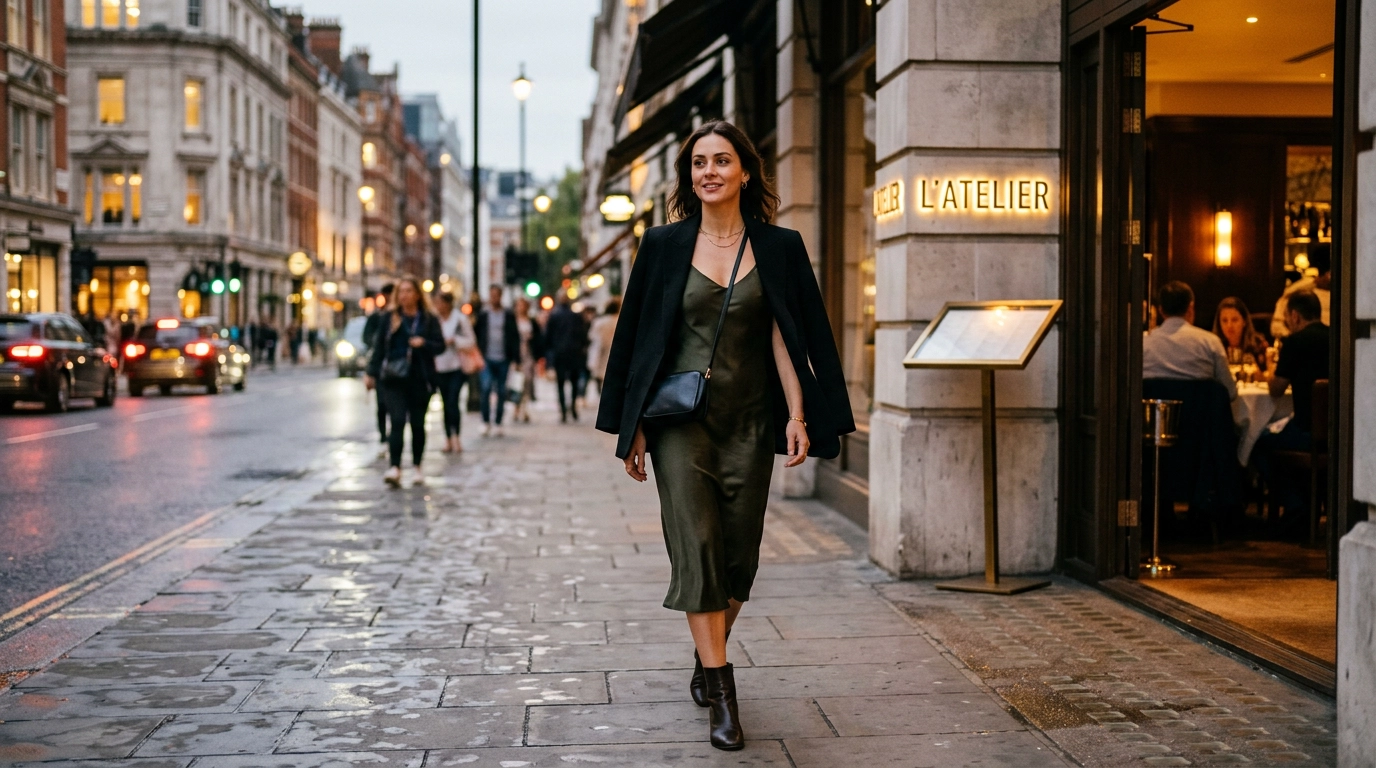
Walking into a restaurant for a dinner date carries a specific kind of pressure that goes far beyond the menu choices. Your outfit is the first chapter of the evening’s story, setting the tone for how you feel and how you are perceived by your companion. If you are preoccupied with a slipping strap or a tight waistband, you aren’t fully present for the connection happening across the table.
Many style-conscious women fall into the trap of choosing outfits that look stunning in a static mirror reflection but fail miserably when real-life movement and dining are involved. A dress that looks like a masterpiece while you are standing can quickly become a source of stress once you are seated in a low booth. These small friction points can quietly erode your confidence throughout the night.
We are going to identify the specific fashion errors that distract from your evening so you can focus on the conversation instead of your hemlines. By adjusting these seven common pitfalls, you ensure your wardrobe supports your personality rather than testing your patience. Let’s refine your evening aesthetic with choices that are as smart as they are stylish.
1. Choosing the “Standing-Only” Outfit
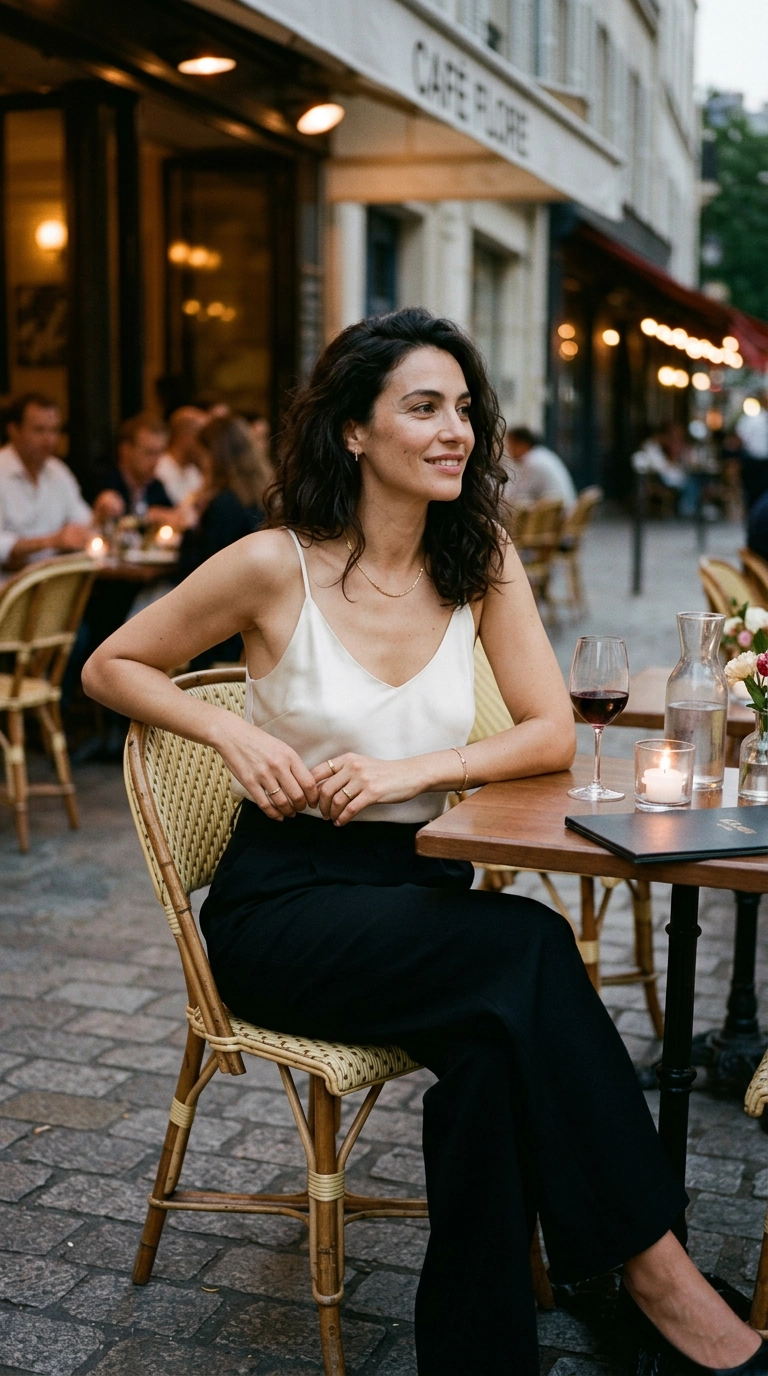
The biggest mistake many women make is failing to perform a “seat test” before leaving the house. An outfit might look incredible while you are standing straight, but dinner dates involve hours of sitting. Fabrics that don’t stretch or silhouettes that bunch up around the waist can become physically painful after the first course.
Stiff denim or restrictive high-waisted skirts can restrict your breathing and make a multi-course meal feel like an endurance test. If you have to suck in your stomach just to stay comfortable, your body language will appear tense and guarded. This tension is easily misread by your date as a lack of interest or boredom.
Prioritizing Fluidity Over Rigidity
Instead of rigid structures, look for pieces with a small percentage of elastane or natural drape. Silk, high-quality jersey, and lightweight wool blends offer a sophisticated look while allowing for natural movement. These materials respond well to sitting and won’t leave you feeling trapped by your own clothes.
| Avoid This | Choose This Instead |
|---|---|
| Non-stretch raw denim | Tailored trousers with 2% stretch |
| Stiff bandage dresses | Bias-cut silk midi skirts |
| Tight corsetry | Softly structured wrap tops |
2. Ignoring the Venue’s Lighting and Environment
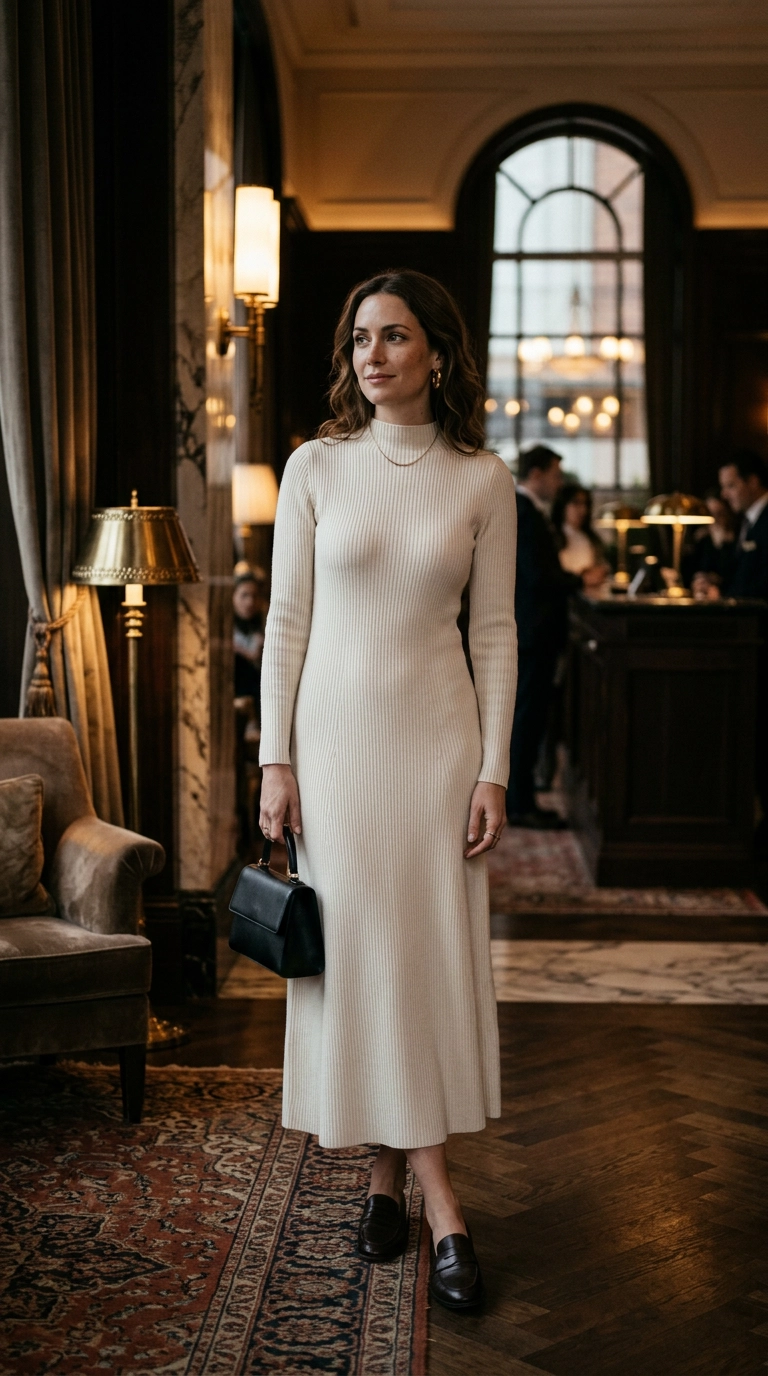
Fashion does not exist in a vacuum; it reacts to the environment around it. A common error is wearing an outfit that looks great in your brightly lit bedroom but loses its impact in a dim, candlelit restaurant. Deep, dark colors can sometimes cause you to fade into the shadows, making you look like a “floating head” across the table.
Texture becomes your best friend in low-light settings. Without enough light to define the shape of your clothes, flat fabrics like plain cotton can look dull and uninspired. Incorporating subtle sheen or tactile elements ensures your outfit maintains its depth even when the lights are low.
- Reflective Fabrics: Satin and silk catch the candlelight and provide a soft glow to your skin.
- Visible Textures: Cashmere, velvet, or fine ribbing add visual interest that people can see from a distance.
- Warm Tones: Creams, deep berries, and warm metallics often look more inviting than harsh, cool blues in restaurant lighting.
3. The Jewelry Soundscape Mistake
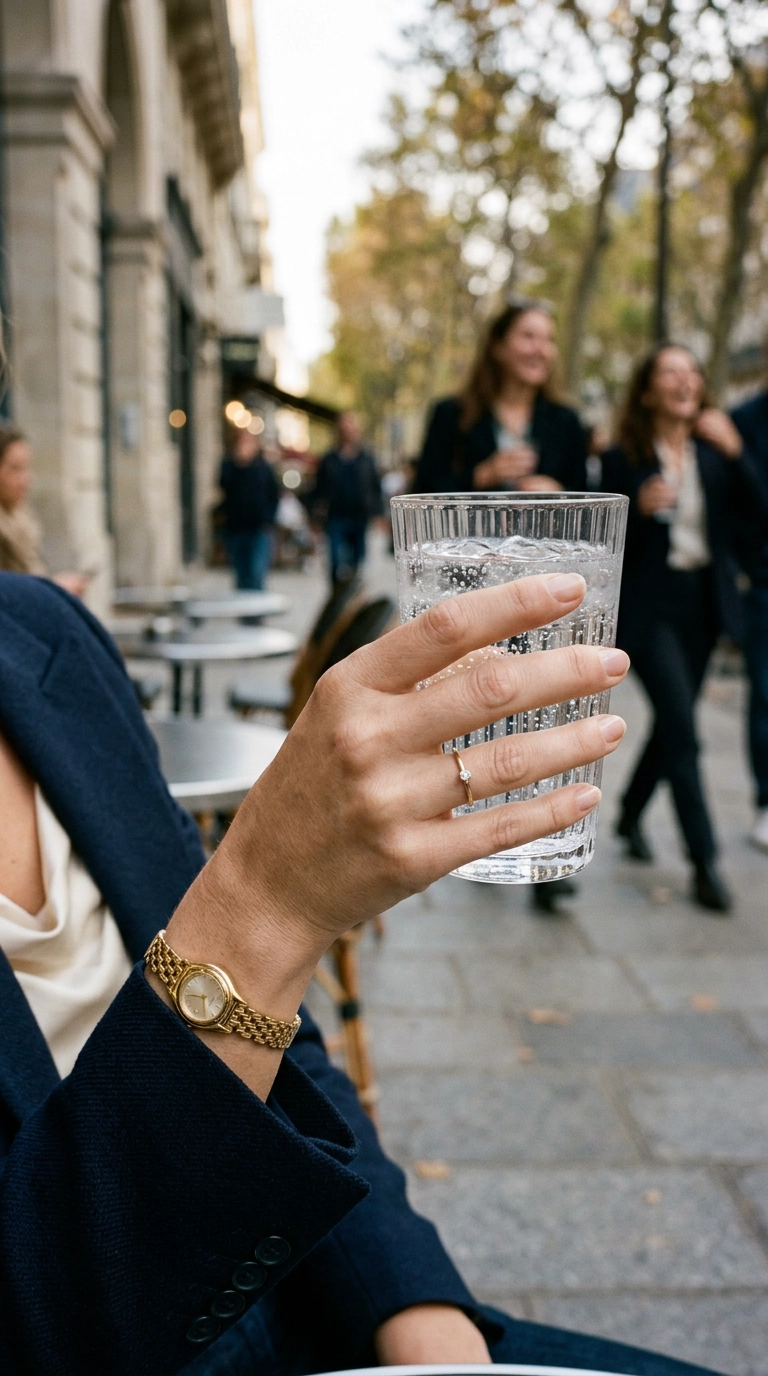
Accessories should be seen and not heard. Many women opt for stacks of bangles or heavy statement necklaces that create a constant “clanking” sound every time they move their hands to eat or drink. This auditory distraction can break the flow of a serious or romantic conversation.
Beyond the noise, oversized jewelry can also be a physical hazard during dinner. Long, swinging necklaces can easily dip into your plate, while oversized rings can make handling silverware feel clumsy. The goal is to frame your face and highlight your features without the accessories becoming the main character of the meal.
Focus on “quiet luxury” pieces that add sparkle without the soundtrack. Elegant stud earrings, a delicate pendant, or a classic watch provide enough polish without being intrusive. If you love a statement piece, pick one and keep the rest of your jewelry minimal and silent.
4. Risking High-Maintenance Fabrics
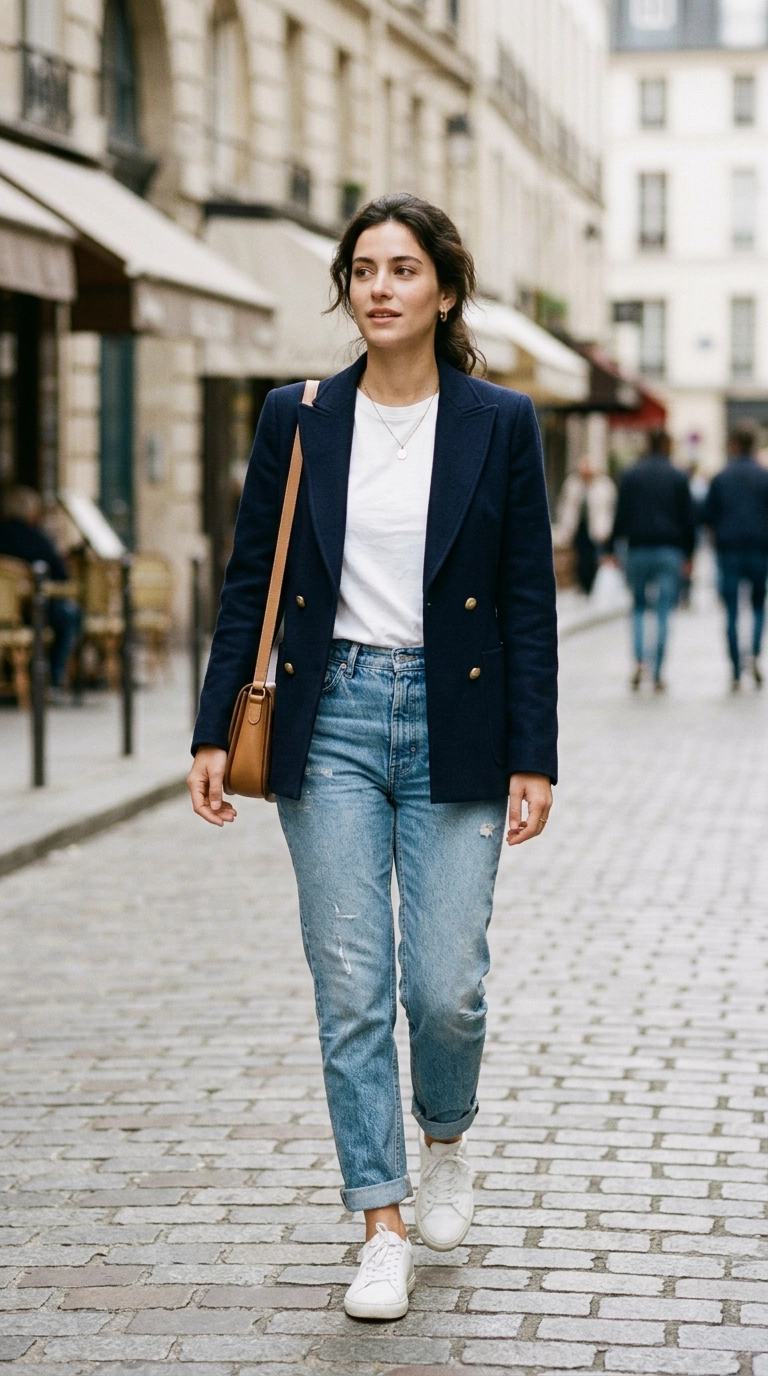
Dinner dates are inherently risky for certain materials. Wearing white linen or thin silk to a place known for red wine and pasta sauce is a gamble that rarely pays off. Even if you are a careful eater, a single stray drop can ruin your evening and your expensive garment.
Another issue is “crinkle factor.” Some fabrics, like 100% linen or certain rayons, will develop deep creases across the lap within minutes of sitting down. By the time you stand up to leave, your outfit looks disheveled and worn out. This can give the impression that you didn’t put effort into your appearance, even if you spent hours getting ready.
Choose fabrics that are resilient and “forgiving.” Darker colors and patterns are much better at hiding a small splash of water or a minor smudge. Synthetic blends that mimic the look of natural fibers often provide better wrinkle resistance, keeping you looking sharp from the first drink to the final check.
5. Treating Outerwear as an Afterthought
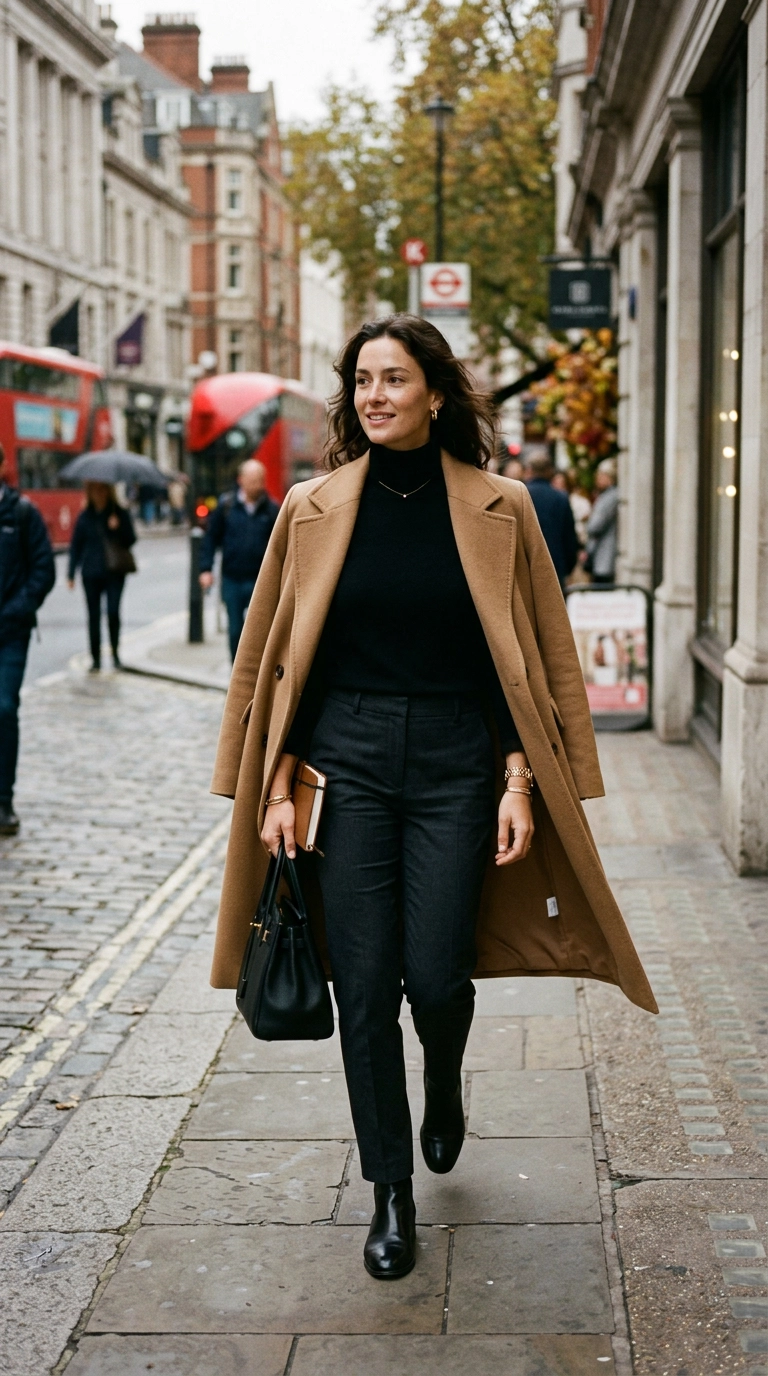
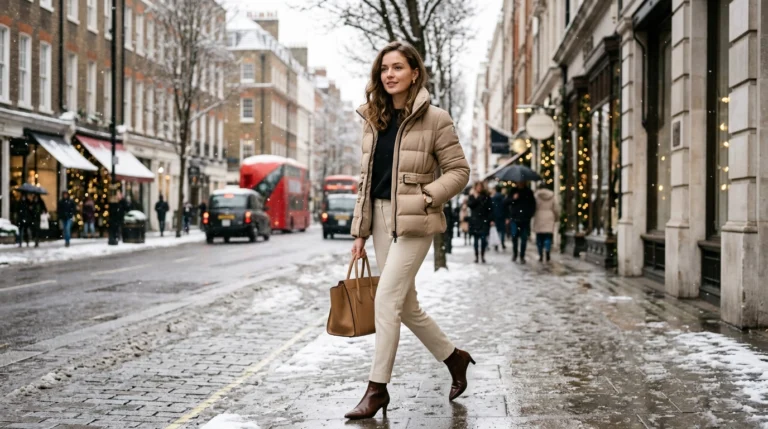
The walk from the car to the restaurant entrance is part of the date. Many women spend hours perfecting their inner layers but throw on a tired, everyday gym jacket or an old puffer coat because “it’s just for the walk in.” This creates a jarring visual disconnect that can ruin your first impression.
If the restaurant has a coat check, your jacket is the first thing your date sees. If it doesn’t, you might end up draped in that jacket for a portion of the meal if the table is near a drafty window. Your outerwear should feel like a deliberate extension of your style, not a functional necessity you are trying to hide.
Coating Your Style
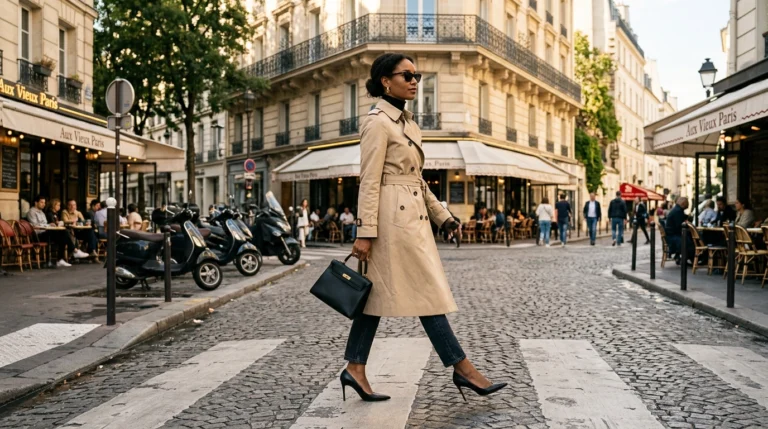
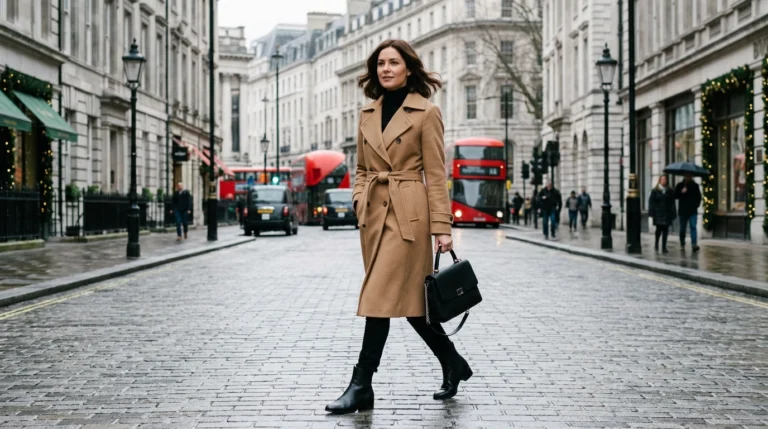
A classic trench coat, a tailored wool overcoat, or a leather moto jacket can add an edge to a feminine dress. Consider the proportions of your coat in relation to your outfit. A long coat looks best with midi dresses, while a cropped jacket can balance out wide-leg trousers. Make sure your coat is clean, lint-free, and fits the vibe of the venue.
6. Wearing Impractical Silhouette Details
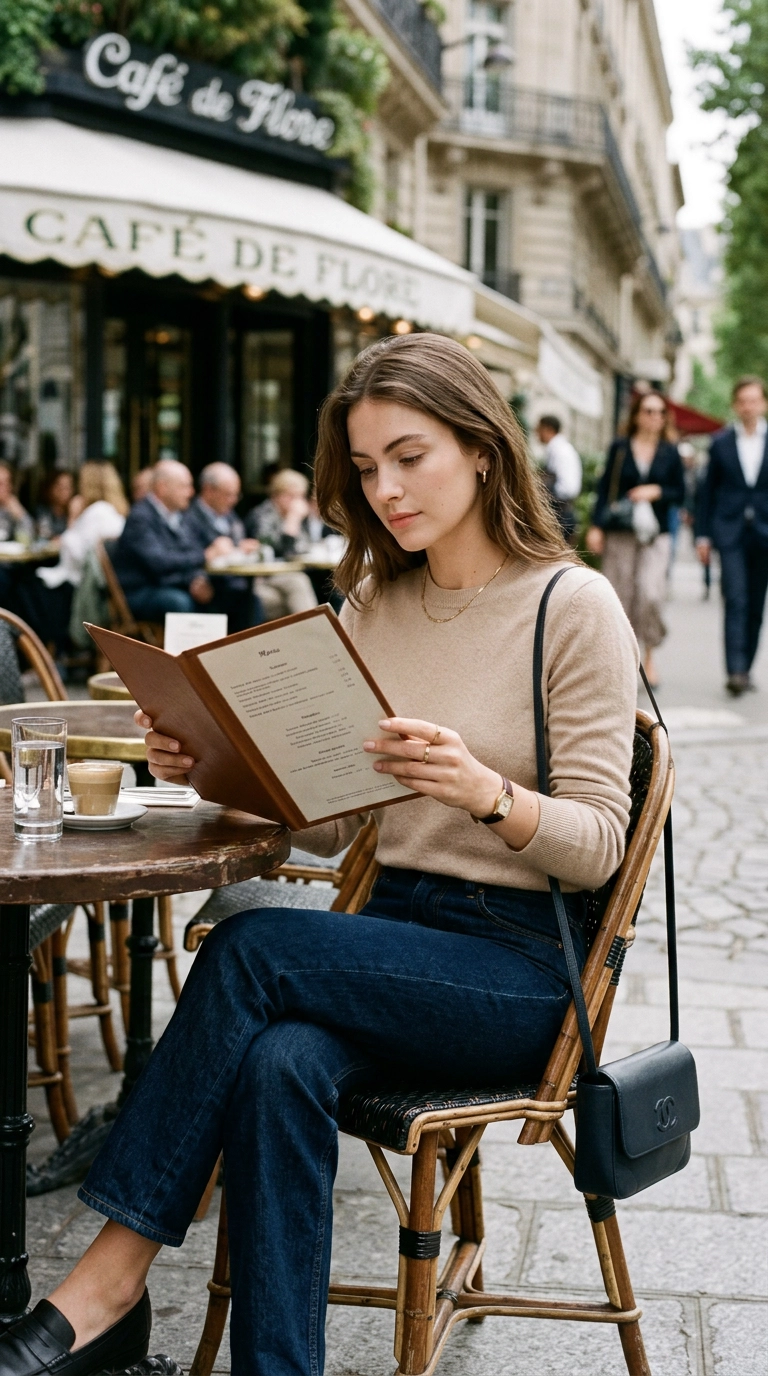
Fashion trends often introduce elements that are beautiful in a vacuum but difficult in practice. Bell sleeves, oversized ruffles, and dramatic cuffs are currently very popular, but they are a nightmare at the dinner table. Having to physically hold back your sleeve every time you reach for the bread basket is frustrating and awkward.
Similarly, very low-cut tops can become a liability when you are leaning forward to hear someone over the restaurant noise. You want to be focused on what your date is saying, not whether you are accidentally revealing more than you intended. Balance is key when choosing which features to emphasize.
- Check the Sleeves: Ensure your cuffs end at the wrist or can be easily pushed up.
- Neckline Security: If you wear a deep V-neck, use fashion tape to ensure everything stays in place when you move.
- Shoulder Stability: Avoid off-the-shoulder tops that limit your arm movement or require constant tugging.
7. Relying on Unpredictable Footwear
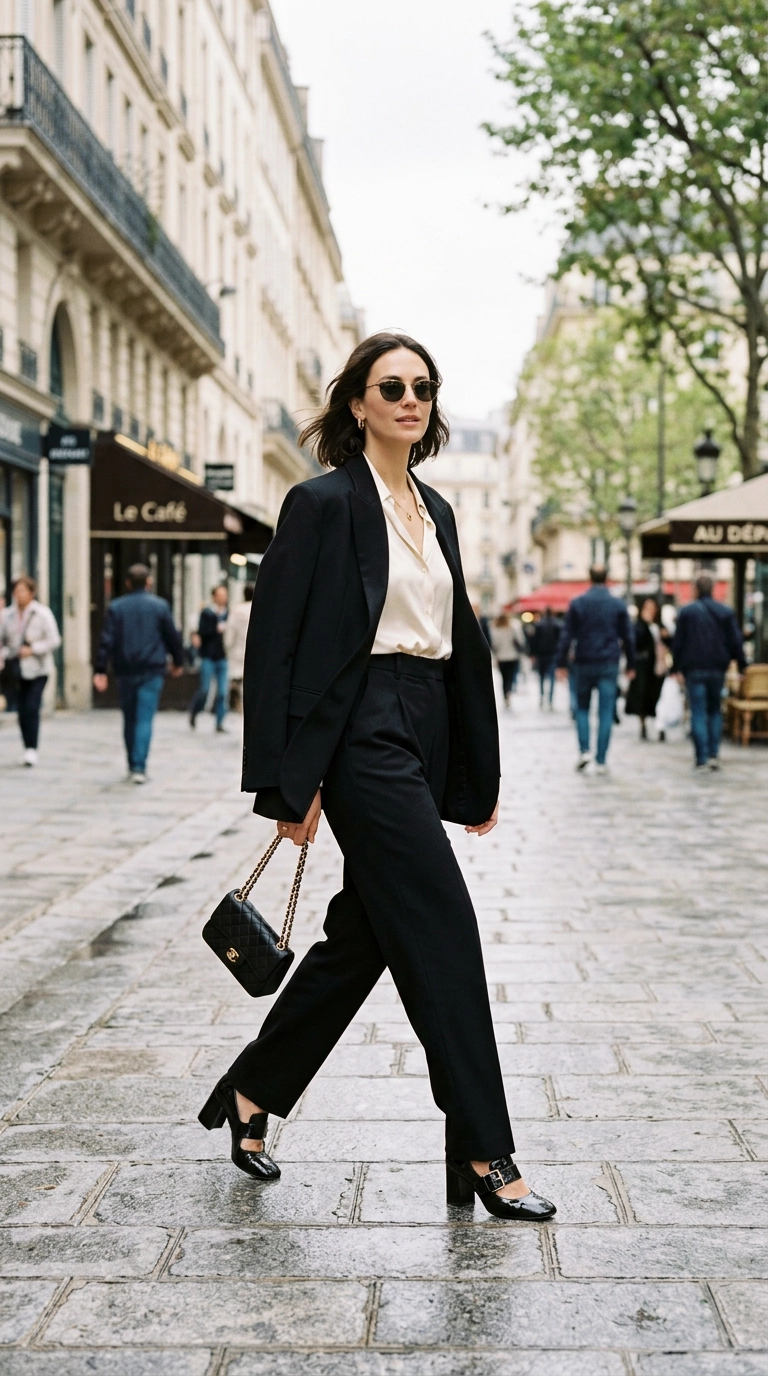
The footwear mistake isn’t just about height; it’s about reliability. Wearing a brand-new pair of heels that haven’t been broken in is a recipe for a painful night. Even if you think you’ll just be sitting, you never know if the date will lead to a post-dinner stroll or a change in venue.
Avoid shoes that make a loud “clack” on hard restaurant floors, as this can feel uncomfortably conspicuous in a quiet, intimate setting. Also, steer clear of styles that are difficult to walk in gracefully. Shuffling or wobbling as you are being led to your table detracts from the polished image you’ve worked to create.
A mid-height block heel, a sophisticated pointed-toe flat, or a sleek ankle boot offers both style and stability. These choices allow you to focus on the person you are with rather than searching for the nearest place to sit down. Confidence comes from being able to move through the world without pain.
A Final Thought on Date Night Style
Successful dinner date fashion is about finding the intersection of your personal aesthetic and the practical realities of the evening. When you avoid these seven common mistakes, you remove the barriers between yourself and your companion. Choose pieces that let you breathe, move, and eat with ease, and your natural charm will always be the most memorable part of the night.