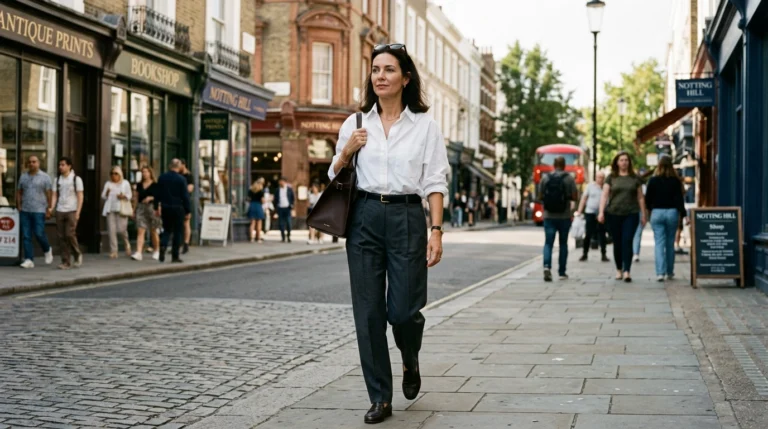
8 Special Occasion Outfit Mistakes That Look Cheap
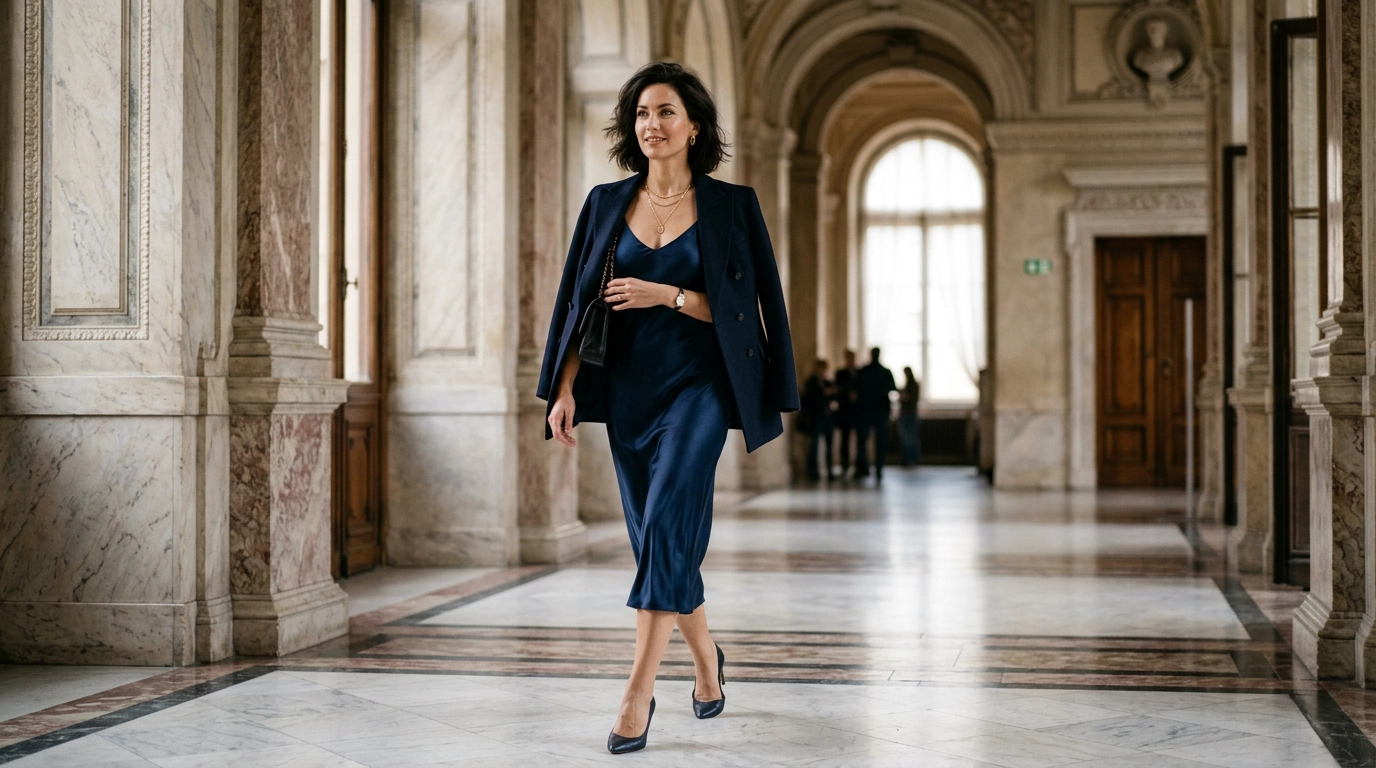
Walking into a high-stakes event feeling less than your best is a distraction you don’t need. Often, it isn’t the price of the dress that betrays you, but subtle styling choices that signal a lack of attention to detail.
You can wear a designer gown and still look unpolished if the proportions or finishes are slightly off. This guide identifies the specific visual cues that drain the luxury from your look and how to fix them instantly.
Refining your style is about making intentional choices that prioritize quality over quantity. Let’s look at the eight common mistakes that make special occasion outfits look budget and how you can achieve a high-end aesthetic instead.
The Distracting Shine of Low-Quality Synthetic Fabrics
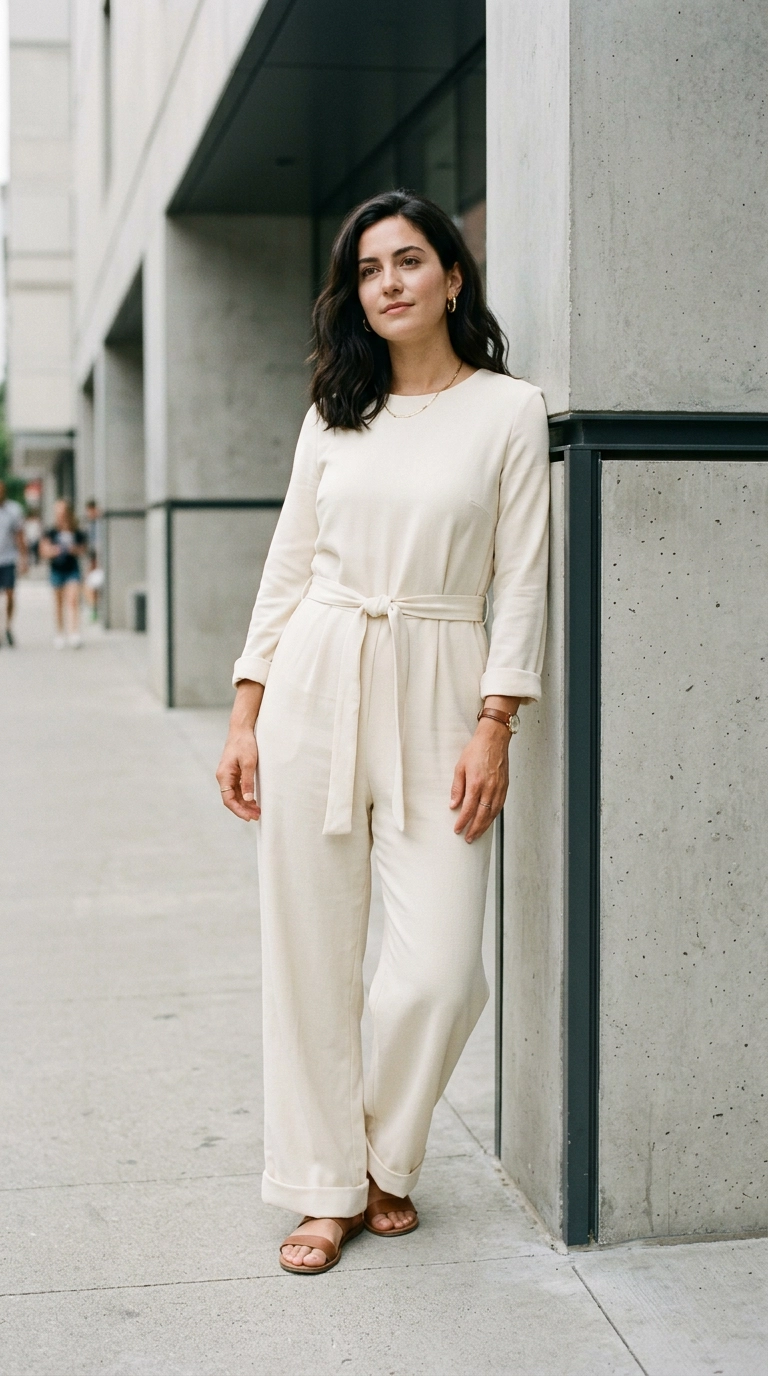
Inexpensive synthetic fabrics like low-grade polyester often have a harsh, reflective shine that looks artificial under camera flashes. This “plastic” sheen immediately cheapens even the most beautiful silhouette, making the garment look mass-produced rather than curated.
High-end fabrics like silk, wool, and heavy crepe absorb light beautifully and offer a depth of color that synthetics cannot replicate. If you are shopping on a budget, look for matte finishes and natural blends that mimic the drape of luxury textiles.
How to Identify Better Textiles
Hold the fabric up to the light to see if it has a greasy reflection or a soft, diffused glow. A heavier weight usually indicates better quality, as it will hold its shape and resist the flimsy appearance of cheaper alternatives.
- Choose matte satin over high-shine varieties.
- Look for cupro or viscose blends instead of 100% polyester.
- Prioritize natural fibers for a more breathable and expensive feel.
Poor Tailoring and Sagging Silhouettes
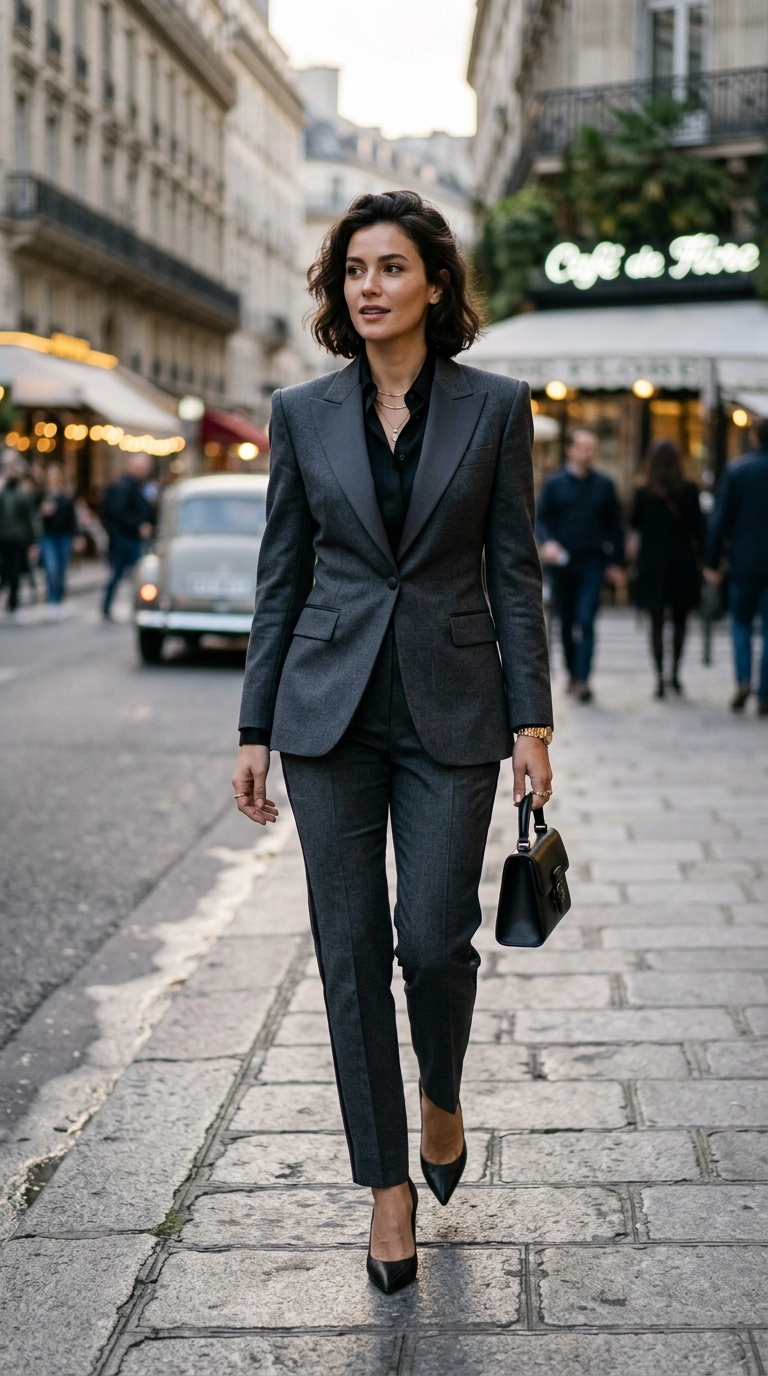
Nothing reveals a budget price tag faster than a garment that doesn’t follow the lines of your body. Off-the-rack clothing is designed for a generic shape, meaning it rarely fits anyone perfectly without professional adjustments.
Shoulders that hang too low, sleeves that cover the knuckles, or hems that drag on the floor create a sloppy appearance. A small investment in a tailor can make a mid-range dress look like a custom-made masterpiece by aligning the seams with your natural frame.
The Secret of the Tailor
Focus on the “three points of precision”: the shoulders, the waist, and the hemline. If these three areas are fitted correctly, the rest of the outfit will naturally look more expensive and intentional.
| Area | Cheap Indicator | Luxury Fix |
|---|---|---|
| Shoulders | Seams drooping past the bone | Seams sitting exactly on the shoulder edge |
| Hems | Dragging or uneven edges | Grazing the floor or ankle perfectly |
| Waist | Excess fabric bunching at the back | Contoured to your natural curves |
Over-Accessorizing and Visual Clutter
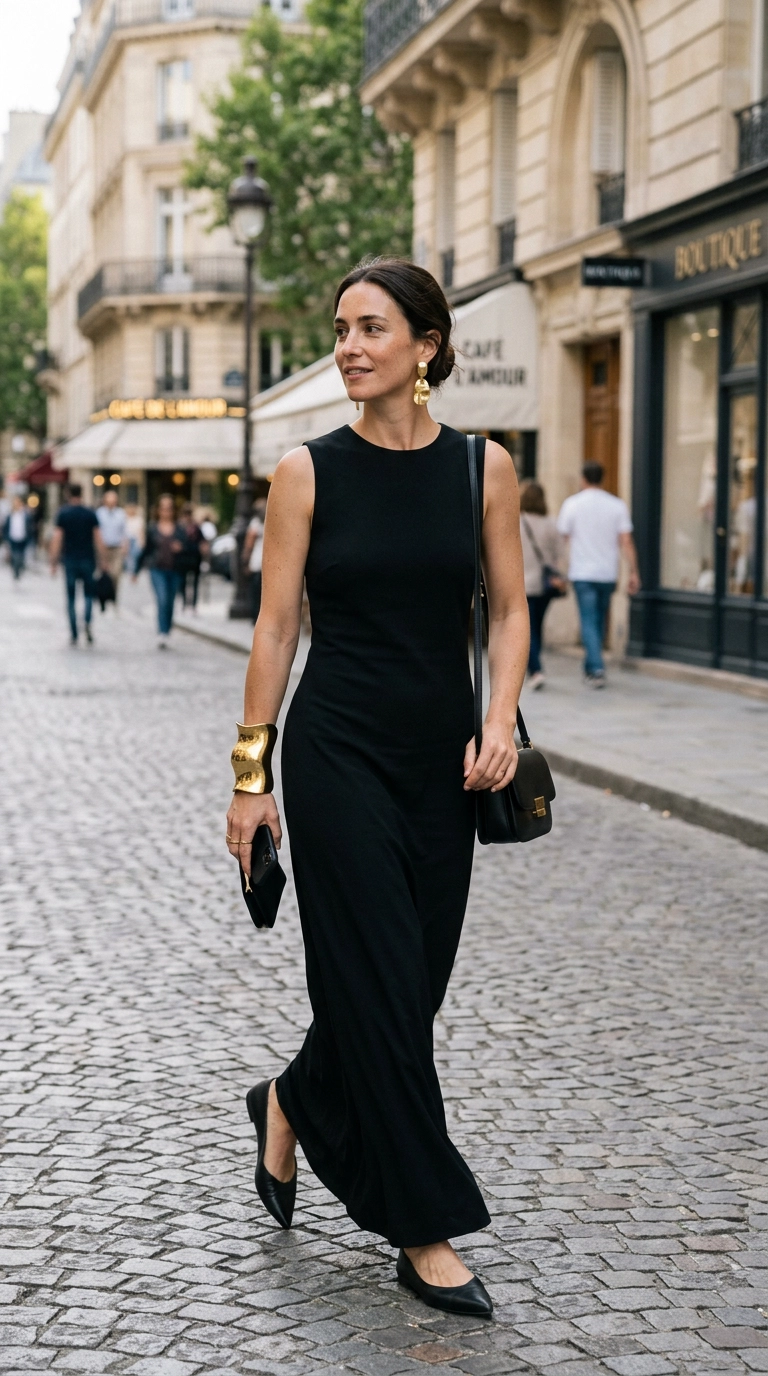
There is a fine line between a curated look and one that feels cluttered with too many competing elements. Wearing a statement necklace, large earrings, and multiple bracelets all at once creates a chaotic visual that lacks a focal point.
Luxury styling is often about restraint and choosing one or two high-quality pieces to anchor the look. If your jewelry looks like it came in a matched set, it often gives off a dated and less sophisticated vibe.
Try mixing textures and sizes rather than wearing a uniform set of “costume” jewelry. A single bold piece often carries more weight and suggests a more confident, personal sense of style than a dozen smaller items.
Visible Foundation Lines and Poor Structural Support
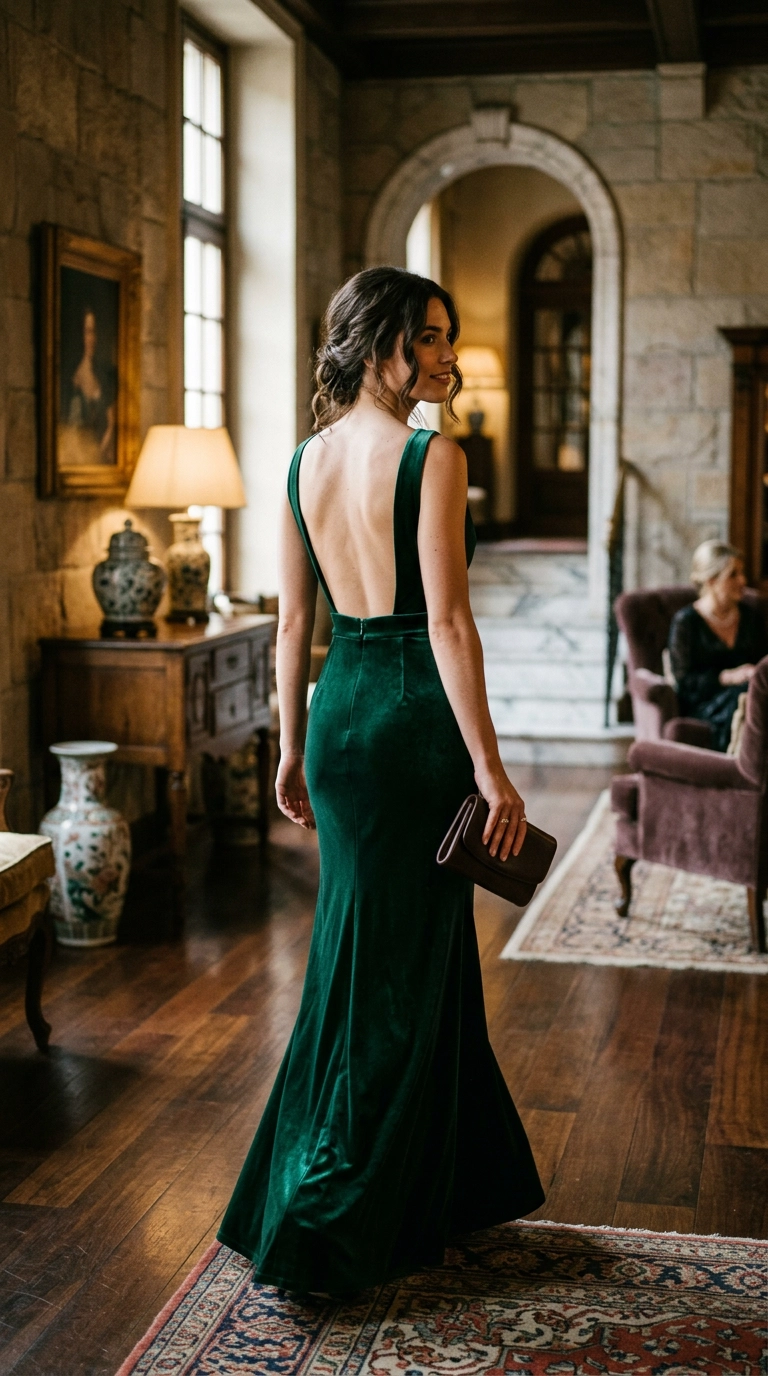
The foundation of your outfit is just as important as the outfit itself, yet it is often the most overlooked detail. Visible bra straps, panty lines, or lack of proper support can ruin the smooth lines of an expensive silk gown.
Luxury garments often have built-in structure, but for those that don’t, seamless undergarments are non-negotiable. If you can see the texture of your lace bra through your dress, the sophisticated illusion is broken immediately.
Invest in high-quality, skin-toned shapewear that matches your complexion rather than the color of your dress. This ensures that the undergarments remain invisible even if the fabric is slightly sheer or light-colored.
Scuffed Footwear and Low-Quality Hardware
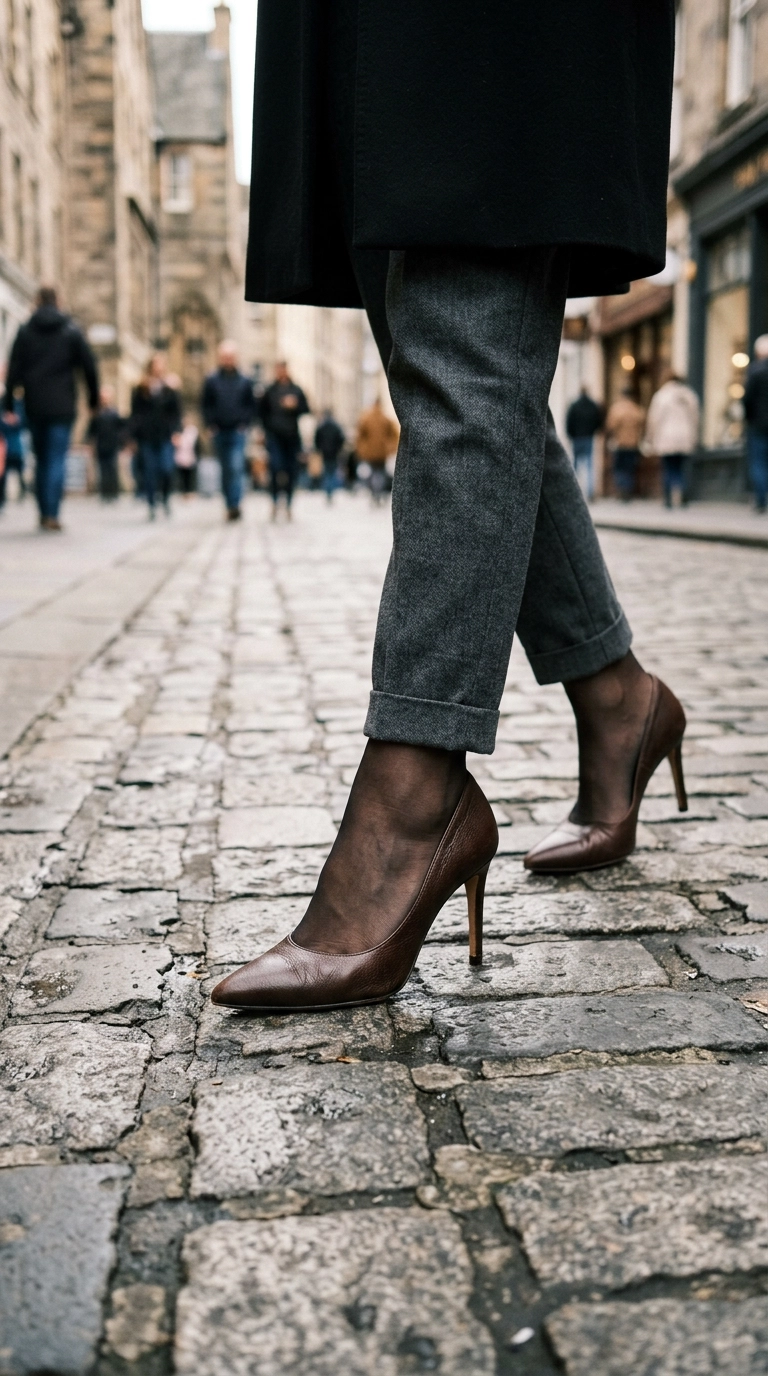
Your shoes are the punctuation mark of your outfit, and if they are scuffed or peeling, the whole look suffers. Pay close attention to the “hardware” on your shoes and bags, such as zippers, buckles, and chains.
Shiny, yellow-gold plastic hardware is a classic sign of a lower-priced item that will quickly tarnish. Opt for muted metals or brushed finishes, and ensure your heels are free of nicks and worn-down caps.
A simple trick to upgrade cheap shoes is to take them to a cobbler to have the plastic heel tips replaced with rubber ones. Not only will they last longer, but they will also sound “more expensive” when you walk on hard floors.
Chasing Fleeting Trends Over Personal Style
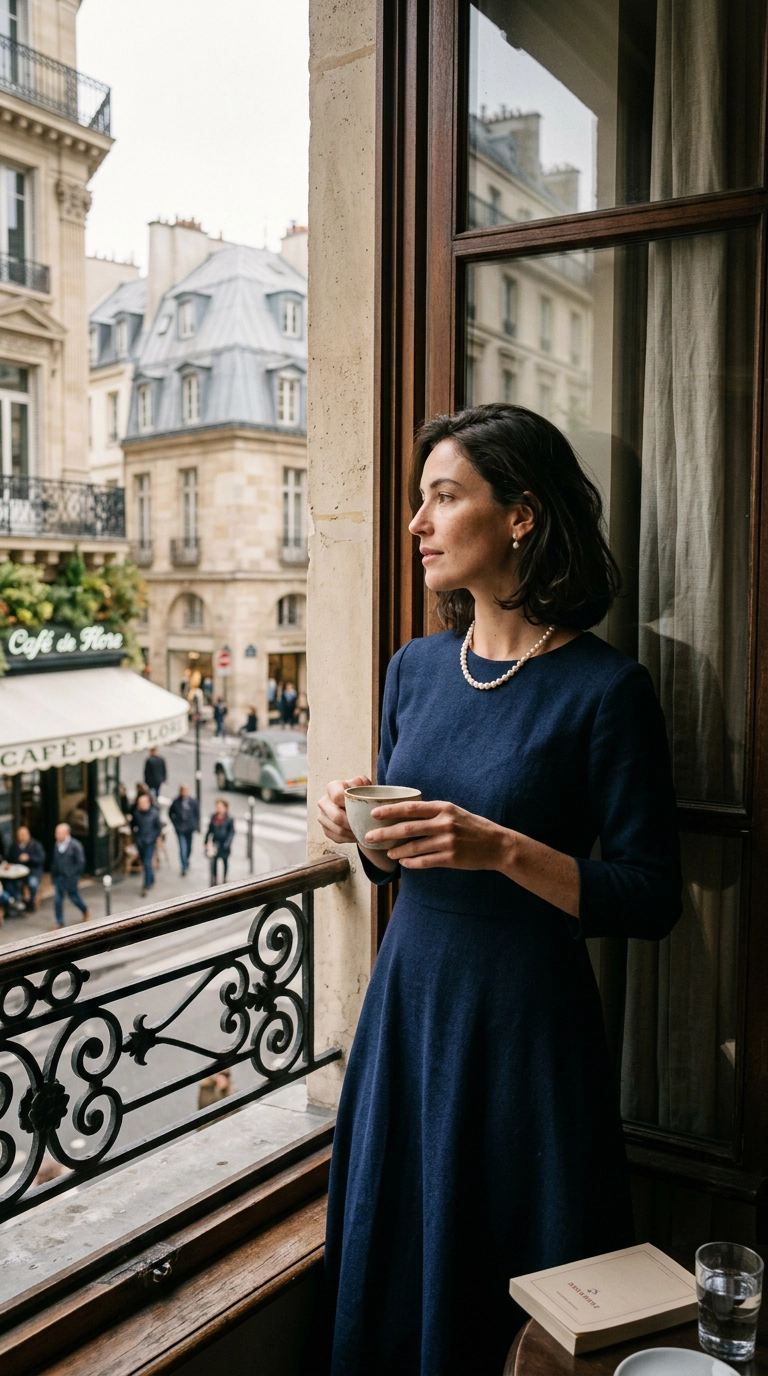
Wearing every single “micro-trend” at once is a fast way to make your outfit look dated within months. When an outfit is composed entirely of items that are currently viral on social media, it lacks the depth of personal style.
Expensive-looking wardrobes are built on a foundation of classic silhouettes that are then accented with modern touches. Prioritize items that have stood the test of time, like a well-cut blazer or a simple slip dress.
If you want to experiment with trends, do so with your smaller accessories rather than the main pieces of your ensemble. This allows you to stay current without looking like you are trying too hard to keep up with the fast-fashion cycle.
Neglecting the Power of a Garment Steamer
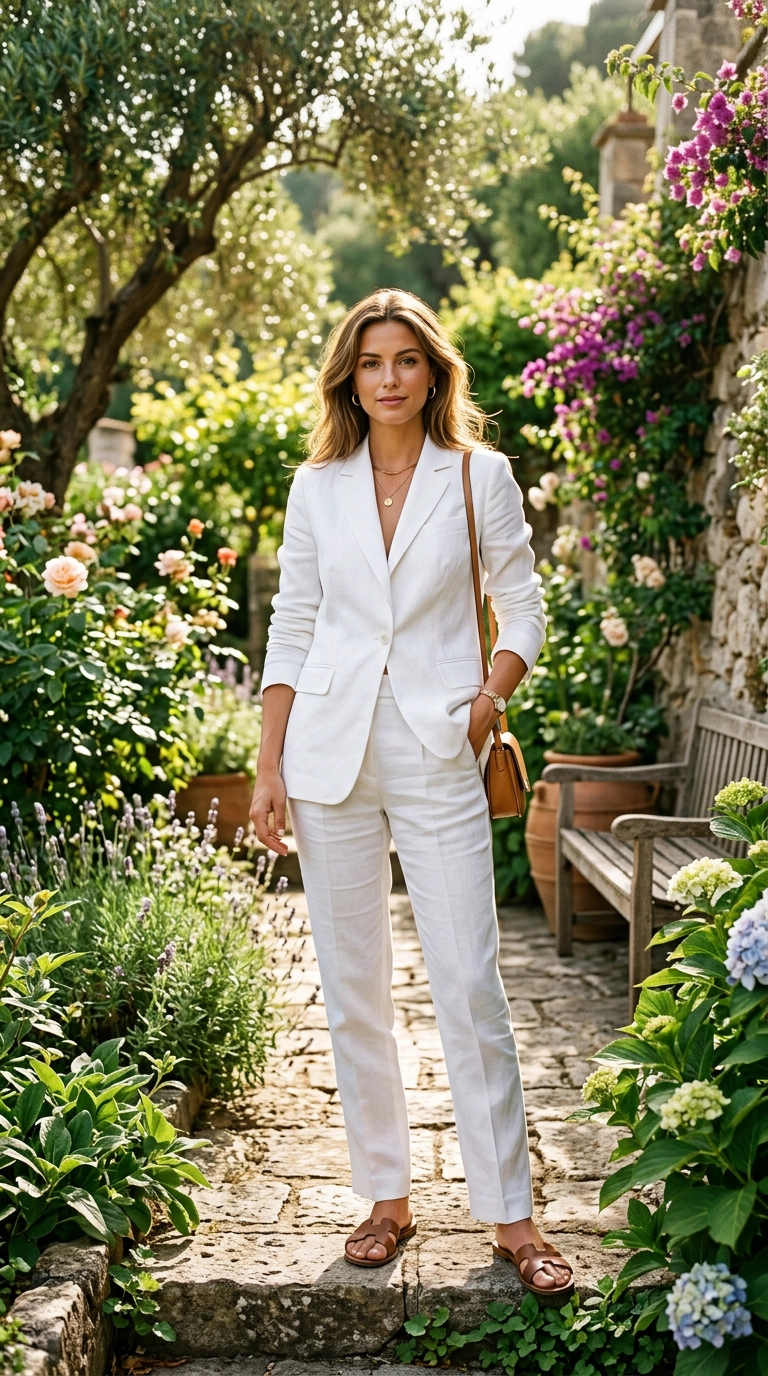
Wrinkles are the enemy of elegance, and even the most expensive designer dress will look cheap if it looks like it was pulled from a laundry basket. Creases in the lapel or at the back of a skirt suggest a lack of care and preparation.
A handheld steamer is the most effective tool in a fashion editor’s kit for a reason. Taking five minutes to remove packing creases or sitting-wrinkles will instantly lift the perceived value of your clothing.
Be particularly careful with fabrics like linen and silk, which wrinkle easily throughout the evening. Choosing blends that include a bit of stretch or weight can help maintain a crisp appearance from the start of the event to the finish.
Misunderstanding Body Proportions and Balance
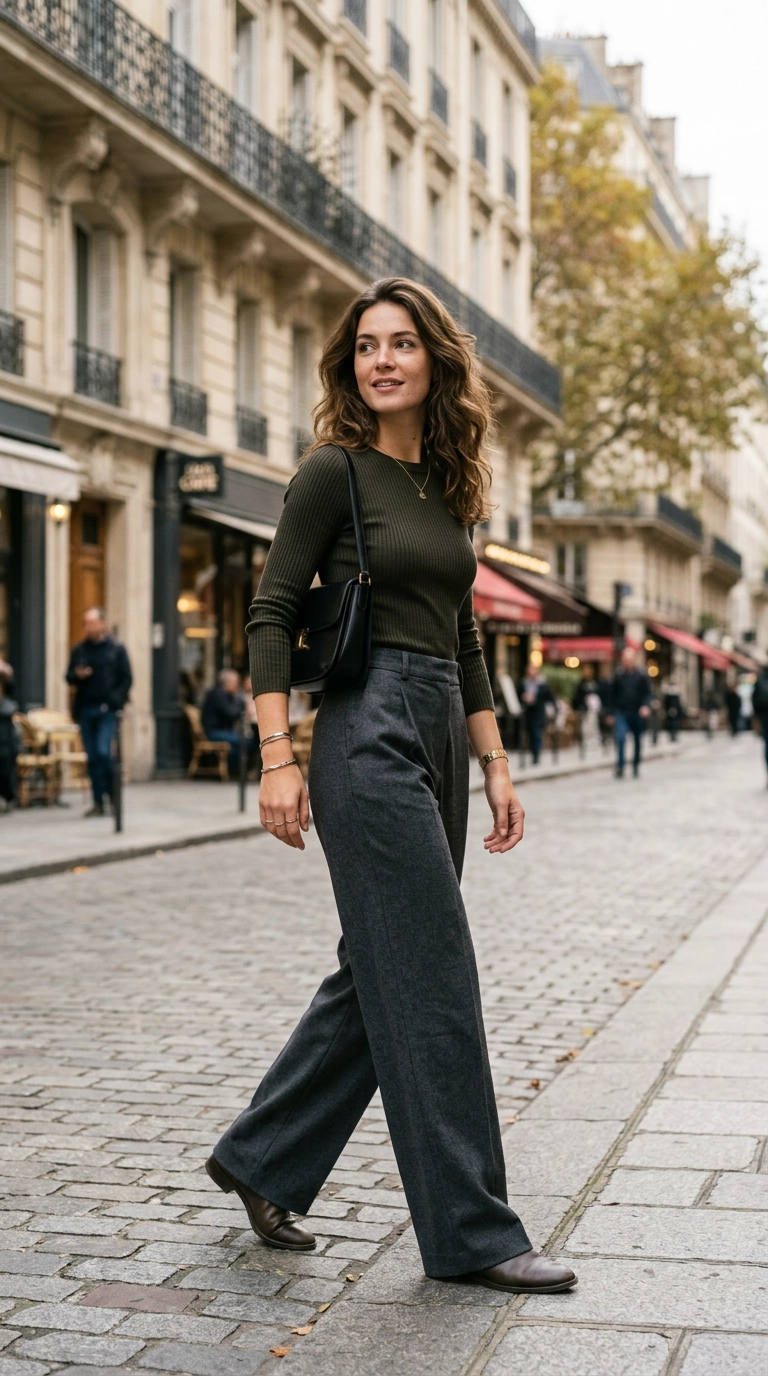
An outfit that is too “heavy” in one area can make you look swallowed by fabric or, conversely, overly exposed. High-end styling relies on a careful balance of volume—if you wear a wide-leg trouser, pair it with a more fitted top.
When you wear a short skirt, a higher neckline often feels more sophisticated and balanced than a deep plunge. Understanding where to show skin and where to add volume is the secret to a refined, editorial-ready look.
Check your profile in a full-length mirror before leaving. If you feel like your outfit is wearing you instead of the other way around, try swapping one piece for something with a different structure to restore the balance.
Common Proportion Fixes
- Belt a loose dress to define the natural waistline.
- Roll up sleeves on an oversized blazer to show the wrists.
- Pair chunky shoes with more delicate fabrics to ground the look.
Frequently Asked Questions
Can I look expensive on a tight budget? Yes, focus on the fit and fabric quality rather than the brand name on the tag. Use a tailor to adjust cheaper pieces so they hang perfectly on your frame.
What is the best color to wear to look high-end? Monochromatic looks in neutral tones like cream, navy, charcoal, or camel always look more expensive than busy prints. These colors allow the quality of the fabric and the cut of the garment to take center stage.
How do I fix a dress that is too shiny? If the fabric is synthetic and has an artificial glow, you can sometimes use a light dusting of translucent setting powder on specific areas. However, it is usually better to avoid high-shine synthetics from the start.
Mastering the art of special occasion dressing is about shifting your focus from the labels to the details. By avoiding these common mistakes and prioritizing tailoring, fabric, and balance, you can ensure that your presence is always associated with effortless luxury and refined taste.