Essential Skincare Guide for Teenagers Starting Their Journey
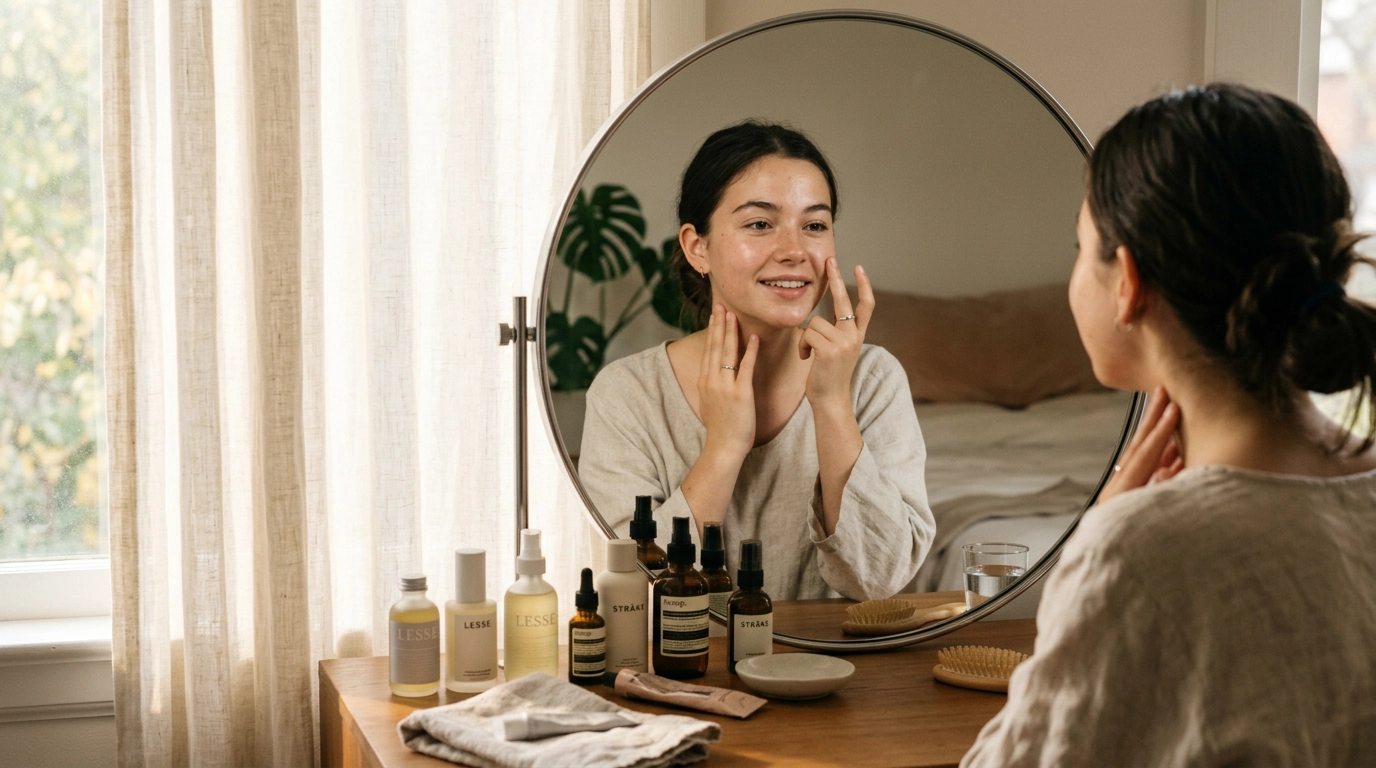
Starting your skincare journey often feels like trying to learn a new language while everyone else is already fluent. Between the viral trends on social media and the endless rows of colorful bottles at the drugstore, it is easy to feel overwhelmed by all the choices available. You might feel pressured to buy every serum you see, but your skin actually thrives on a much simpler approach during these years.
Your skin is going through significant changes right now due to shifts in hormones and environment, which means what works for your favorite influencer might not work for you. Building a solid foundation now helps you avoid unnecessary irritation and sets you up for a lifetime of healthy, resilient skin. Taking care of your face should be a relaxing part of your day, not a stressful chore or a complicated science experiment.
This guide breaks down the basics so you can spend less time guessing and more time enjoying your natural glow. We will focus on gentle products that respect your skin barrier while keeping your pores clear and your hydration levels balanced. Let’s get your shelf organized with a routine that actually makes sense for your busy lifestyle and your specific skin needs.
Understanding Your Skin’s Unique Changing Needs

Teenage skin is often characterized by increased oil production because your sebaceous glands are more active than they were a few years ago. This extra oil can lead to clogged pores and occasional breakouts, but it also means your skin is naturally quite resilient. You do not need the heavy, anti-aging ingredients that adults use because your collagen production is currently at its peak.
The biggest mistake many beginners make is using products that are too harsh in an attempt to dry out oily spots. Stripping your skin of its natural oils actually signals your body to produce even more oil to compensate, creating a cycle of shine and irritation. Instead of fighting your skin, you want to work with it by keeping it clean and balanced.
Focus on maintaining a healthy skin barrier, which is the outer layer that keeps moisture in and bacteria out. When this barrier is strong, you will notice less redness, fewer dry patches, and a more even tone. Keeping things simple allows you to see how your skin reacts to individual products without the confusion of a ten-step process.
The Essential Three-Step Morning Routine
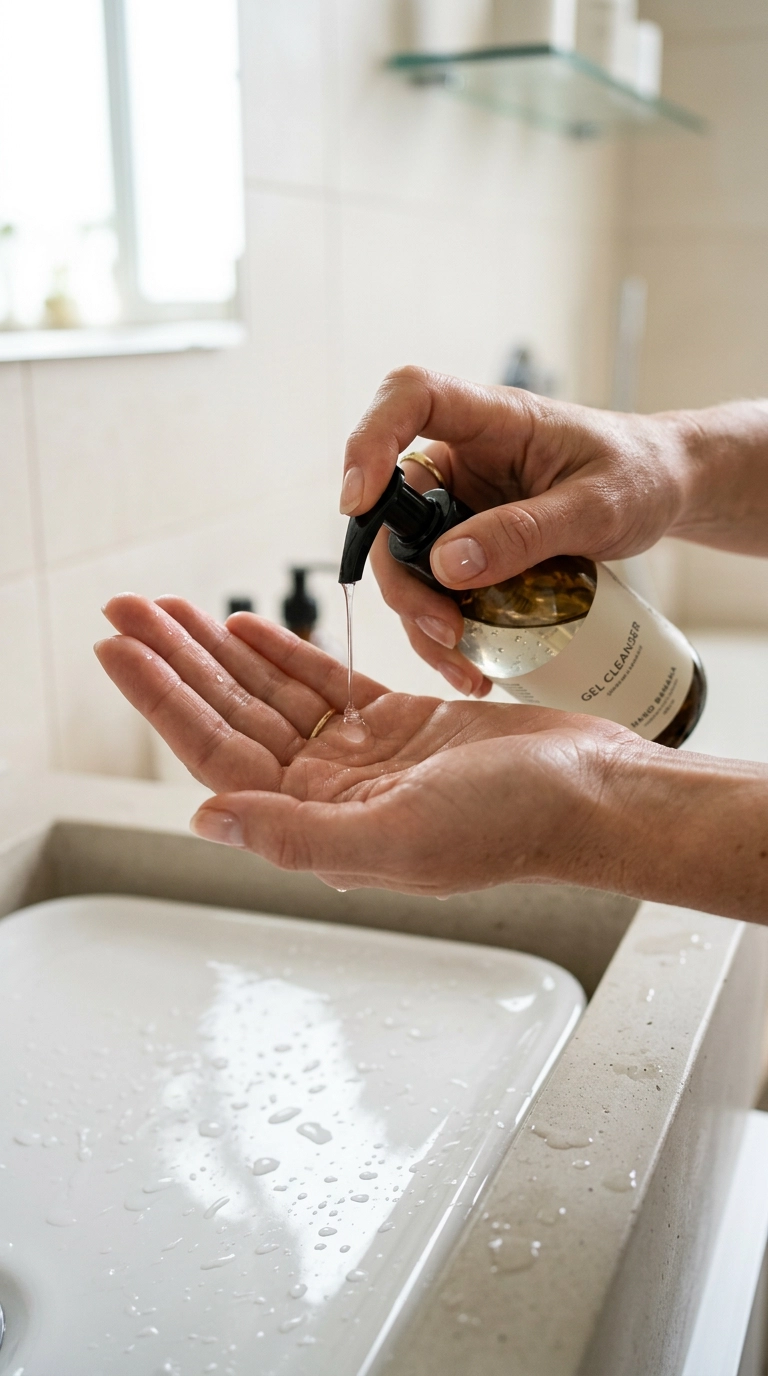
Your morning routine is all about preparing your face for the day ahead and protecting it from environmental factors like pollution and sun. You do not need a lot of time to get this right; five minutes is usually more than enough to get out the door. The goal here is to refresh your skin after a night of sleep and provide a shield against the elements.
Consistency is more valuable than having a dozen different products that you only use once a week. By following the same steps every morning, you help your skin stay predictable and calm. It is much easier to identify what is working when you keep your variables low and your technique steady.
Step One: A Gentle Morning Cleanse
While some people prefer to just splash their face with water in the morning, using a very gentle, pH-balanced cleanser can help remove any sweat or leftover nighttime products. Look for “non-foaming” or “creamy” textures if your skin feels tight after washing. If you tend to be very oily by noon, a light foaming gel can help manage that excess sebum without causing dryness.
Step Two: Lightweight Hydration
Even if you have oily skin, you still need to hydrate your face to keep it from becoming dehydrated. Choose a moisturizer with a gel-like consistency if you want something that sinks in immediately without feeling greasy. For those with drier patches, a thin lotion with ceramides will help lock in moisture and keep your skin feeling soft throughout the school day.
Step Three: Daily Sun Protection
This is the most critical step in any routine, regardless of your age or skin tone. Sunscreen prevents dark spots from acne scars from getting darker and protects you from UV damage that adds up over time. Aim for at least SPF 30, and look for “non-comedogenic” on the label, which means the formula is designed not to clog your pores.
The Evening Reset: Cleaning and Repairing

Your nighttime routine is when the real magic happens because your skin goes into repair mode while you sleep. Throughout the day, your face collects dust, oil, and sweat that can sit in your pores if not properly removed. This is also the time to address any specific concerns, like occasional pimples or rough texture, with targeted treatments.
Think of your evening routine as a way to wash away the stress of the day and give your skin the nutrients it needs to recover. It is the perfect time to be a bit more thorough with your cleansing process, especially if you wear makeup or a water-resistant sunscreen. Taking these few minutes for yourself can also help you wind down before bed.
The Power of Double Cleansing
If you wear concealer, foundation, or heavy sunscreen, a single wash might not be enough to get everything off. Start with a micellar water on a cotton pad or a gentle cleansing balm to break down the surface grime. Follow up with your regular water-based cleanser to actually clean the skin underneath, ensuring no residue is left behind to cause breakouts.
Nighttime Moisture and Recovery
At night, you can use a slightly richer moisturizer if your skin feels like it needs extra comfort. This is also when you can apply spot treatments for any active blemishes you might have. Applying these products to clean, damp skin helps them absorb more effectively so you wake up with a refreshed and balanced complexion.
Choosing the Right Ingredients for Your Skin Type
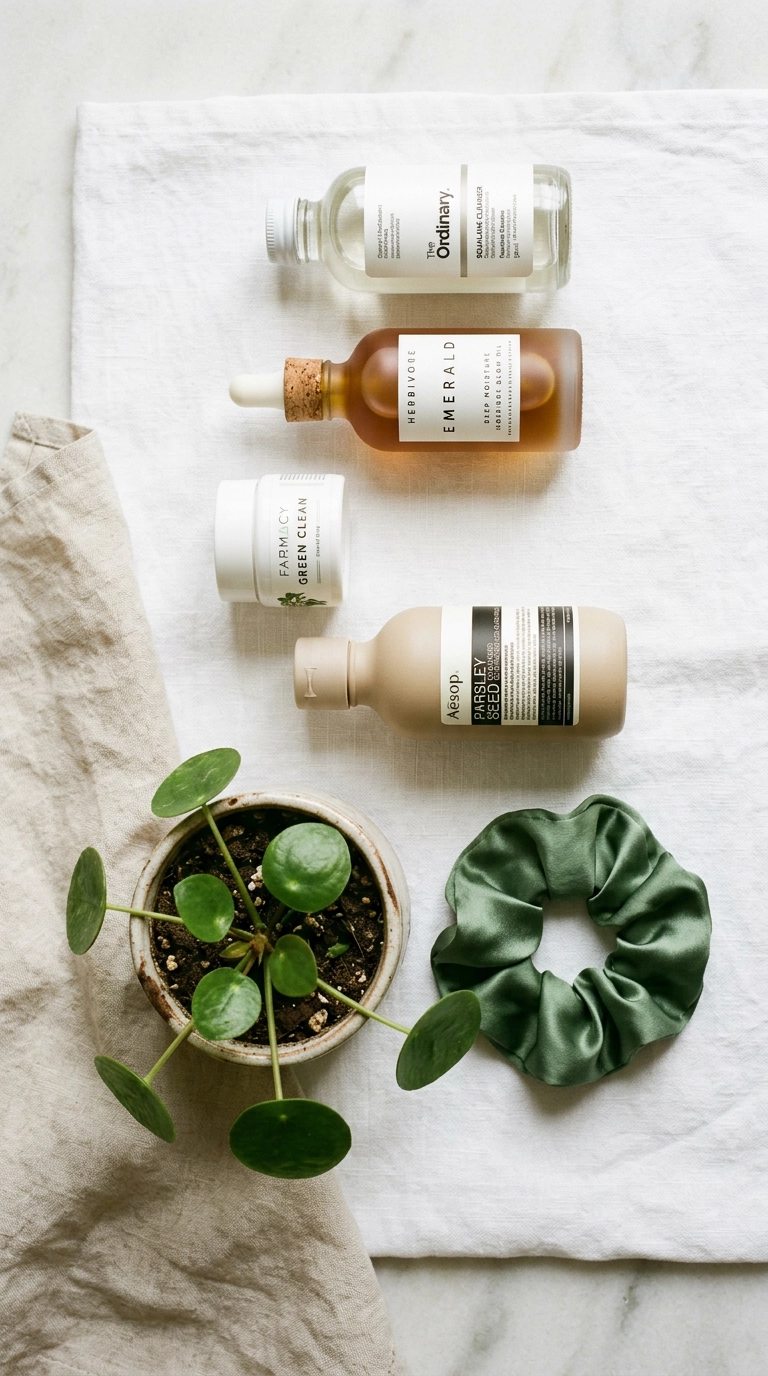
Knowing which ingredients to look for makes shopping for products much less confusing. Instead of buying something because of the pretty packaging, you can check the back of the bottle for specific components that help your skin concerns. Here is a simple breakdown of beginner-friendly ingredients that provide great results without being too aggressive.
| Ingredient | What It Does | Best For |
|---|---|---|
| Salicylic Acid | Cleans deep inside pores to prevent blackheads. | Oily or Acne-Prone Skin |
| Hyaluronic Acid | Acts like a sponge to pull moisture into the skin. | All Skin Types / Dehydration |
| Niacinamide | Calms redness and helps balance oil production. | Sensitive or Shiny Skin |
| Ceramides | Strengthens the skin barrier and locks in water. | Dry or Irritated Skin |
| Glycerin | A classic hydrator that keeps skin soft and smooth. | Beginner Basic Hydration |
Start by introducing only one new active ingredient at a time. If you try three new products at once and your face gets red or itchy, you won’t know which one caused the reaction. Give your skin about two weeks to adjust to a new product before deciding if it is a permanent part of your collection.
Common Skincare Habits to Avoid

Sometimes, what you stop doing is just as important as the products you start using. Many common habits can accidentally irritate your skin and make existing problems worse. One of the most frequent mistakes is over-exfoliating with grainy scrubs that cause micro-tears in the skin. If you want to exfoliate, a gentle liquid exfoliant used twice a week is much safer and more effective.
Another habit to break is touching your face throughout the day or trying to pop blemishes yourself. Your hands carry bacteria that can easily transfer to your pores, leading to more inflammation. Instead of picking, use a hydrocolloid pimple patch to protect the area and help it heal faster without leaving a scar behind.
Finally, make sure you are changing your pillowcase at least once a week. Oil from your hair and residue from your skin can build up on the fabric and lead to “sleep-related” breakouts on the side of your face. Keeping your environment clean is a simple way to support the hard work your skincare products are doing every night.
Creating Your Own Signature Routine
Building a skincare routine is a personal process that changes as you grow. The most important thing is to listen to your skin and adjust your products based on how it feels each day. If your face feels tight, add more moisture; if it feels congested, focus on gentle cleansing and light textures.
You do not need a massive budget or a complicated shelf to achieve a healthy glow. Stick to the basics of cleansing, moisturizing, and protecting with sunscreen, and you will see results over time. Consistency and patience are your best friends on this journey, so take it one day at a time and enjoy the process of caring for yourself.