
Middle School Guide to Gorgeous Healthy Hair

Middle school is a time of major transitions, and your hair often feels the brunt of those changes. Between gym class, busy social schedules, and changing hormones, keeping your strands looking their best requires a new approach. This guide helps you navigate those changes with simple habits that fit into a student’s busy life.
Developing a solid routine now prevents damage and sets the stage for a lifetime of healthy hair. You do not need a shelf full of expensive products to see a difference in your hair’s shine and strength. Instead, focusing on the right techniques and gentle care will give you the confidence to rock any style in the hallway.
We are looking at how to balance scalp health, manage frizz, and protect your hair from daily stress. These tips are easy to follow and focus on maintaining the natural beauty of your hair. Let’s look at the specific steps you can take to keep your hair looking fresh from Monday morning until Friday afternoon.
Mastering the Art of the Wash
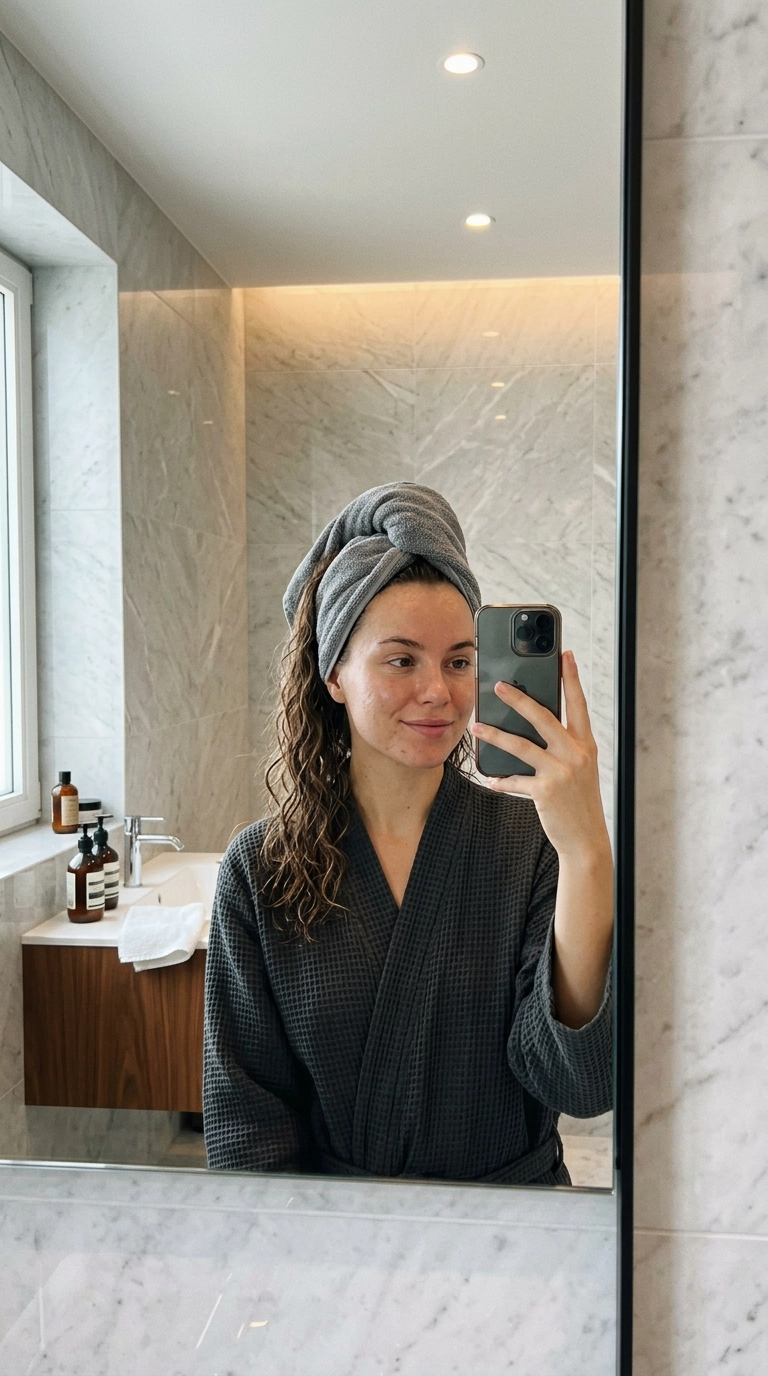
The way you wash your hair determines how it behaves for the next two days. Many students make the mistake of scrubbing their hair roughly, which leads to tangles and breakage. Focus your shampoo efforts entirely on the scalp where oil and sweat accumulate during the school day.
Use your fingertips to massage the shampoo into your scalp in circular motions rather than using your fingernails. This increases blood flow to the hair follicles and ensures a deep clean without irritating the skin. Let the suds run down the lengths of your hair as you rinse, which is enough to clean the ends.
Temperature Matters
While a steaming hot shower feels relaxing, it is often too harsh for your hair cuticles. High heat strips away the natural oils that keep your hair flexible and shiny. Try using lukewarm water for your wash and a cool rinse at the very end to seal the hair shaft.
Sealing the cuticle with cool water helps reflect light, making your hair look much glossier. It also helps to reduce frizz once your hair dries. This simple swap in temperature makes a visible difference in how smooth your hair feels throughout the day.
Conditioning the Right Way
Conditioner is meant for the oldest parts of your hair, which are the mid-lengths and ends. Avoid applying conditioner to your scalp, as this can weigh your hair down and make it look greasy by lunchtime. Leave the product on for at least two minutes to let the moisture soak in.
If your hair is particularly thick or curly, use a wide-tooth comb to distribute the conditioner while you are still in the shower. This prevents painful tangles later on. Gently squeezing the water out of your hair before applying conditioner helps the product work more effectively.
Deciphering Your Specific Hair Needs
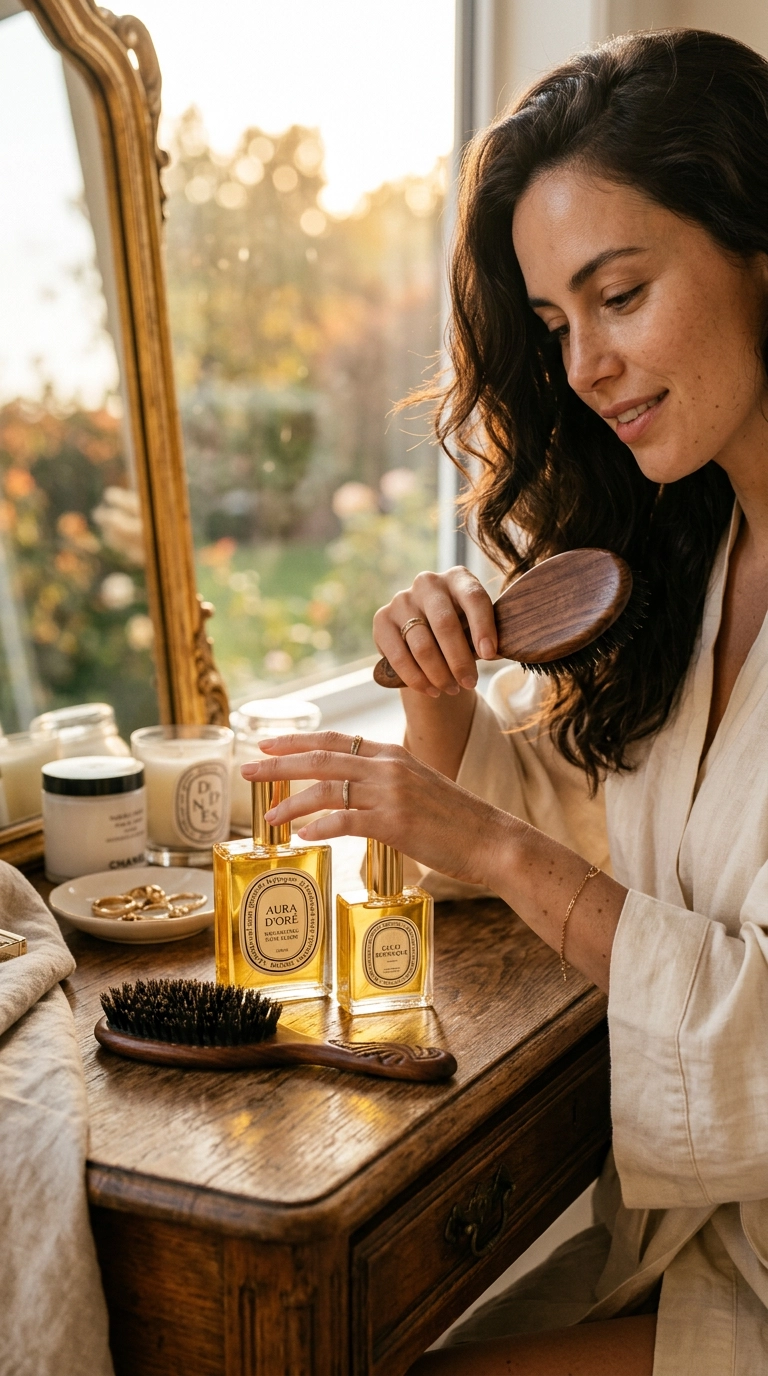
Every student has a unique hair type that requires a specific care plan. What works for your best friend might leave your hair feeling dry or looking flat. Identifying whether your hair is oily, dry, or balanced is the first step toward a better routine.
Middle school hormones can cause an increase in oil production, making a clarifying shampoo useful once every two weeks. This removes any buildup from styling products or hard water. For daily use, stick to a gentle, sulfate-free formula that cleanses without stripping.
Hair Type Management Table
| Hair Type | Common Challenge | Best Habit |
|---|---|---|
| Oily | Greasy roots by day two | Use dry shampoo before bed |
| Dry | Frizz and split ends | Weekly deep conditioning mask |
| Curly | Tangling and lack of definition | Avoid brushing when dry |
| Fine | Lacking volume | Lightweight, volumizing mousse |
Understanding Porosity
Porosity refers to how well your hair can absorb and hold onto moisture. If your hair takes a very long time to dry, you likely have low porosity hair. This hair type needs lighter products that won’t sit on the surface and cause a heavy feel.
High porosity hair absorbs water quickly but loses it just as fast, often feeling dry or rough. This hair type benefits from leave-in conditioners and oils that lock in moisture. Knowing this helps you choose products that actually improve your hair’s texture rather than just coating it.
Protecting Strands from Daily Damage
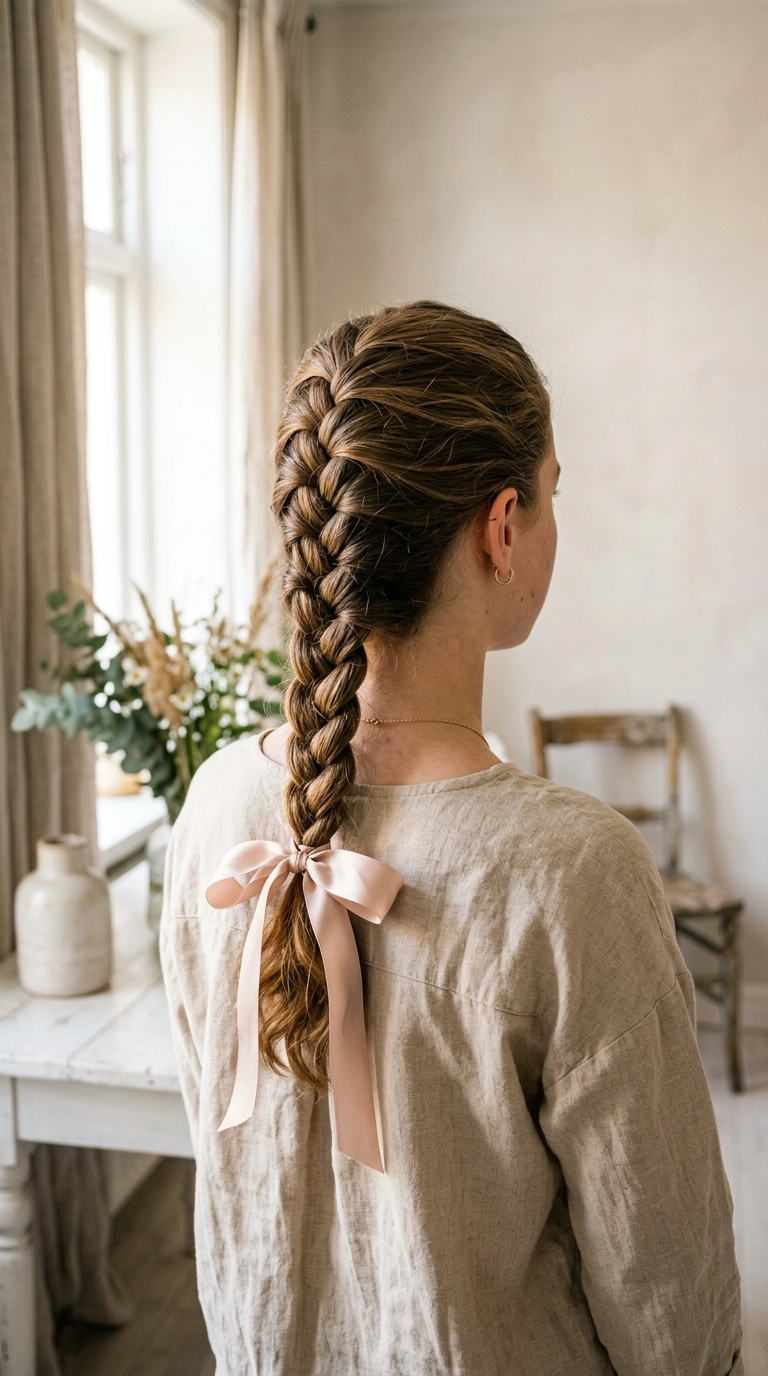
Between sports practice and using heat tools, your hair faces a lot of stress. Protecting your hair from physical damage is just as important as using the right shampoo. Small changes in how you handle your hair can prevent the need for a big trim later.
If you use a blow dryer or straightener, a heat protectant spray is a requirement. This creates a barrier that prevents the heat from frying the delicate proteins in your hair. Set your tools to a medium or low heat setting rather than the highest option.
The Power of Gentle Styling
Tight ponytails can cause “traction alopecia,” which is thinning around the hairline from too much pulling. Opt for silk or satin scrunchies instead of rubber bands to reduce friction. These accessories look stylish and are much kinder to your hair strands.
Try heatless styling methods like overnight braids or foam rollers for school days. These methods give you beautiful waves or curls without any heat damage. They also save you a lot of time in the morning, giving you extra minutes for breakfast or sleep.
Brushing with Care
Always start detangling from the ends of your hair and work your way up to the roots. Brushing from the top down pushes tangles into a larger knot, which leads to breakage. Use a brush with flexible bristles or a wide-tooth comb for the best results.
Never brush your hair while it is soaking wet unless you are using a tool specifically designed for wet hair. Hair is at its weakest when wet and stretches easily, which causes snapping. Pat your hair dry with a microfiber towel before you begin the detangling process.
Nightly Rituals for Better Mornings

What you do before you go to sleep significantly impacts how your hair looks the next morning. Tossing and turning on a cotton pillowcase can cause friction, leading to “bedhead” and knots. A few simple steps before bed can save you from a morning hair crisis.
Switching to a silk or satin pillowcase is one of the easiest ways to maintain hair health. The smooth surface allows your hair to glide without snagging or roughening the cuticle. This also helps your hair retain its natural moisture throughout the night.
Pre-Sleep Detangling
Spend two minutes brushing your hair before you hit the pillow. This removes any knots from the day and distributes the natural oils from your scalp down to your ends. It makes your morning styling much faster and more manageable.
For those with long hair, a loose braid or a “pineapple” bun on top of the head prevents tangling. This keeps the hair contained and reduces the surface area exposed to friction. You will wake up with hair that feels soft and is ready to be styled.
Using Overnight Treatments
Nighttime is a great opportunity to use a lightweight hair oil on your ends. A tiny amount of argan or jojoba oil can work wonders while you sleep. These oils penetrate the hair shaft to provide deep hydration without making your hair look greasy during the day.
If you have a dry scalp, a quick massage with a few drops of scalp oil can be very soothing. Use your fingers to rub the oil in for a few minutes to promote relaxation. Just be sure to wash it out the next morning if you find it too heavy.
Inner Health for Outer Shine

No amount of product can replace the benefits of a healthy lifestyle for your hair. Your hair is an extension of your body, and it needs specific nutrients to grow strong and shiny. Simple adjustments to your daily habits can lead to faster hair growth and less shedding.
Hydration is the foundation of healthy hair from the inside out. Drinking enough water ensures that your scalp stays hydrated and your hair remains flexible. When you are dehydrated, your hair is often one of the first things to become brittle and dull.
Nutrition for Strong Strands
Include plenty of protein in your meals, as hair is primarily made of a protein called keratin. Foods like eggs, beans, and Greek yogurt are excellent choices for fueling hair growth. Healthy fats found in avocados and nuts also contribute to that sought-after shine.
Iron and Zinc are two minerals that play a huge role in hair strength. If you notice your hair is thinning or falling out more than usual, you might need to check your intake of leafy greens and fortified cereals. A balanced diet reflects directly on the quality of your hair.
Managing Stress Levels
Middle school can be stressful with exams and social dynamics, and high stress can actually lead to hair shedding. Finding ways to relax, such as listening to music or practicing a hobby, helps keep your body in balance. When you feel good, your hair usually looks good too.
Sleep is when your body repairs itself, including your hair follicles. Aim for eight to nine hours of quality sleep every night. Consistent rest allows your body to focus on growth and repair, leading to thicker and more resilient hair over time.
Frequently Asked Questions
How often should a middle schooler wash their hair?
Most students find that washing every two to three days is the sweet spot. If you play sports or have a very oily scalp, you might need to wash daily using a gentle formula. Pay attention to how your scalp feels and adjust your schedule accordingly.
Is dry shampoo safe for everyday use?
While dry shampoo is a lifesaver for busy mornings, using it every day can clog your hair follicles. Use it to extend your wash by one day, but make sure to thoroughly cleanse your scalp afterward. Overusing it can lead to itchiness or even flakes if not washed out properly.
Can I get rid of split ends without cutting my hair?
Unfortunately, the only way to truly remove split ends is to cut them off. Products can temporarily “glue” the ends together to make them look better, but they won’t fix the damage. Regular trims every eight to twelve weeks will keep your hair looking thick and healthy.
Why is my hair suddenly so frizzy?
Frizz is often caused by a lack of moisture or humidity in the air. Hormonal changes in middle school can also change your hair texture, making it more prone to dryness. Using a leave-in conditioner or a small amount of hair oil can help smooth the cuticle and block out moisture.
Building Your Best Hair Future
Taking care of your hair in middle school does not have to be a chore or a complicated process. By focusing on gentle cleansing, protection from heat, and a few healthy lifestyle choices, you can maintain beautiful hair. These habits will serve you well for years to come as you continue to find your own style.
Remember that everyone’s hair journey is different, and it takes time to see the results of new habits. Be patient with your hair as it goes through various stages and changes. With consistent care and a little bit of knowledge, you can feel confident and proud of your healthy, glowing hair every single day.