How to Fix Frizzy Hair Naturally – Detailed Guide to Smooth, Shiny Strands

We have all been there—spending an hour styling our hair only to step outside and watch it transform into a chaotic cloud of frizz the second it hits the humidity. It feels like an endless battle against the elements, often leaving us reaching for expensive serums that only provide a temporary fix. This frustration is universal, but the solution does not have to be found in a luxury department store bottle.
Living with frizzy hair usually means dealing with raised cuticles that are desperate for moisture. When your hair is dry or damaged, it reaches out into the air to grab hydration, which causes that fuzzy, flyaway texture we try so hard to avoid. Understanding the relationship between moisture and your hair’s outer layer is the first step toward a smoother look.
You do not need a shelf full of synthetic products to reclaim your hair’s natural shine and smoothness. These DIY remedies use simple, kitchen-staple ingredients to nourish your strands from the inside out, giving you polished results without the harsh chemicals. Let’s look at how you can transform your hair routine at home with these effective, natural strategies.
Understanding Why Your Hair Gets Frizzy

Frizz happens when the cuticle layer of your hair is raised, allowing moisture to pass through and swell the strands. This usually occurs because the hair is dehydrated or the cuticle has been roughed up by heat and friction. When the hair is smooth, the cuticle scales lie flat, reflecting light and creating that coveted shine.
Several factors contribute to this condition, ranging from environmental triggers to your daily styling habits. Knowing your specific triggers helps you choose the right remedy. Below are the most frequent culprits that lead to a halo of frizz:
- Lack of Moisture: Dry hair is the primary cause of frizz as the hair seeks moisture from the atmosphere.
- High Humidity: Excess moisture in the air enters the hair shaft and causes it to expand unevenly.
- Heat Styling: Frequent use of flat irons and blow dryers strips away natural oils and damages the protein structure.
- Chemical Treatments: Bleach and perms raise the cuticle permanently, making it harder for hair to stay smooth.
- Friction: Rough towel drying and sleeping on cotton pillowcases can snag the hair cuticle.
The Porosity Factor
Your hair’s porosity determines how well it absorbs and retains moisture. High-porosity hair has gaps in the cuticle, making it prone to frizz because it loses moisture as quickly as it takes it in. Low-porosity hair has a tightly closed cuticle that resists moisture, often leading to product buildup and surface dryness.
The Magic of Honey and Yogurt Masks
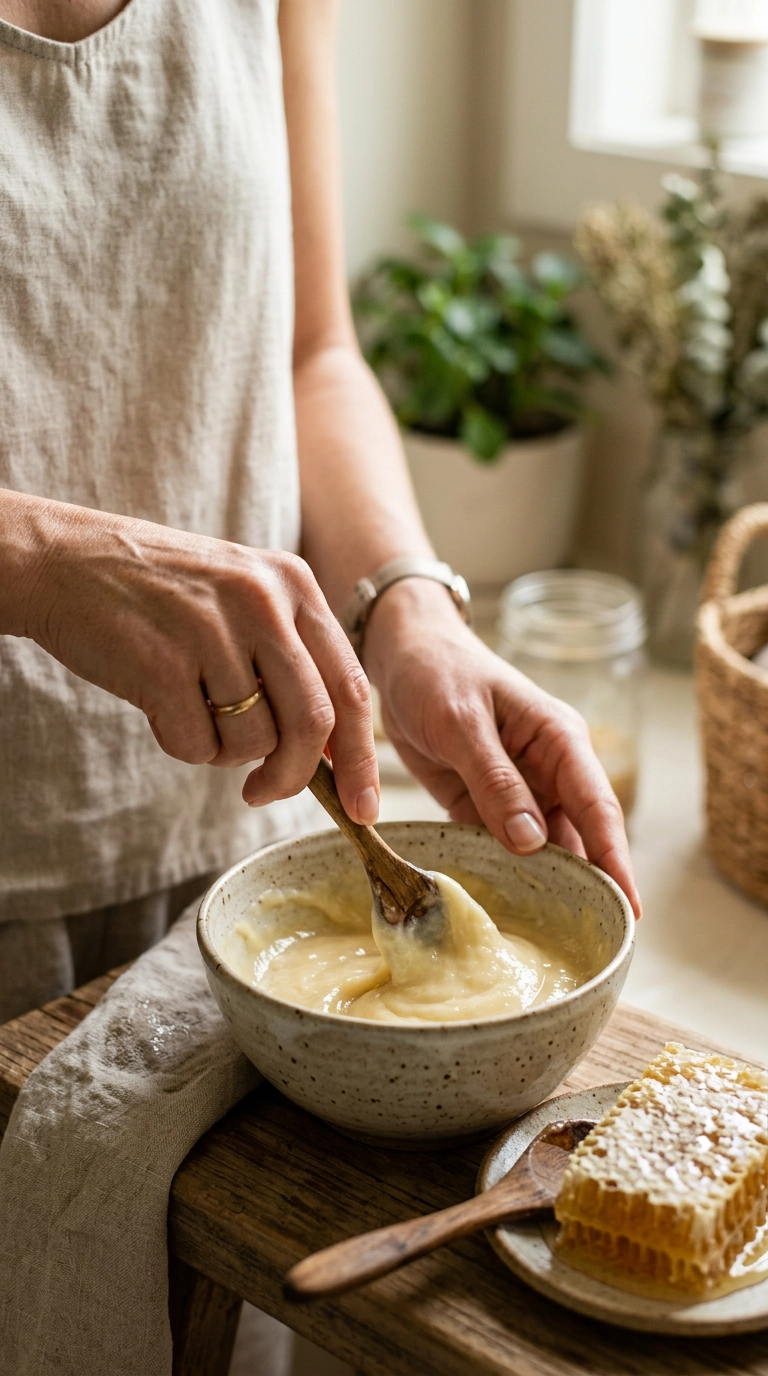
Honey is a natural humectant, meaning it draws moisture from the air and seals it into the hair shaft. When paired with yogurt, which contains lactic acid and fats, it creates a powerful treatment for smoothing the hair surface. This combination works well for all hair types but is especially helpful for those with fine hair that gets weighed down by heavy oils.
To make this mask, mix two tablespoons of plain, full-fat yogurt with one tablespoon of raw honey. Apply it to damp hair, focusing on the mid-lengths and ends where dryness is most prominent. Leave it on for 20 to 30 minutes before rinsing with cool water to ensure the cuticle closes tightly.
Yogurt and Honey Recipe Variation
If your hair feels particularly brittle, you can add a teaspoon of olive oil to this mixture. The oil provides an extra layer of lubrication that helps the honey penetrate deeper into the hair cortex. Use this treatment once a week to maintain a consistent moisture balance and prevent seasonal frizz.
Avocado and Coconut Oil for Deep Repair
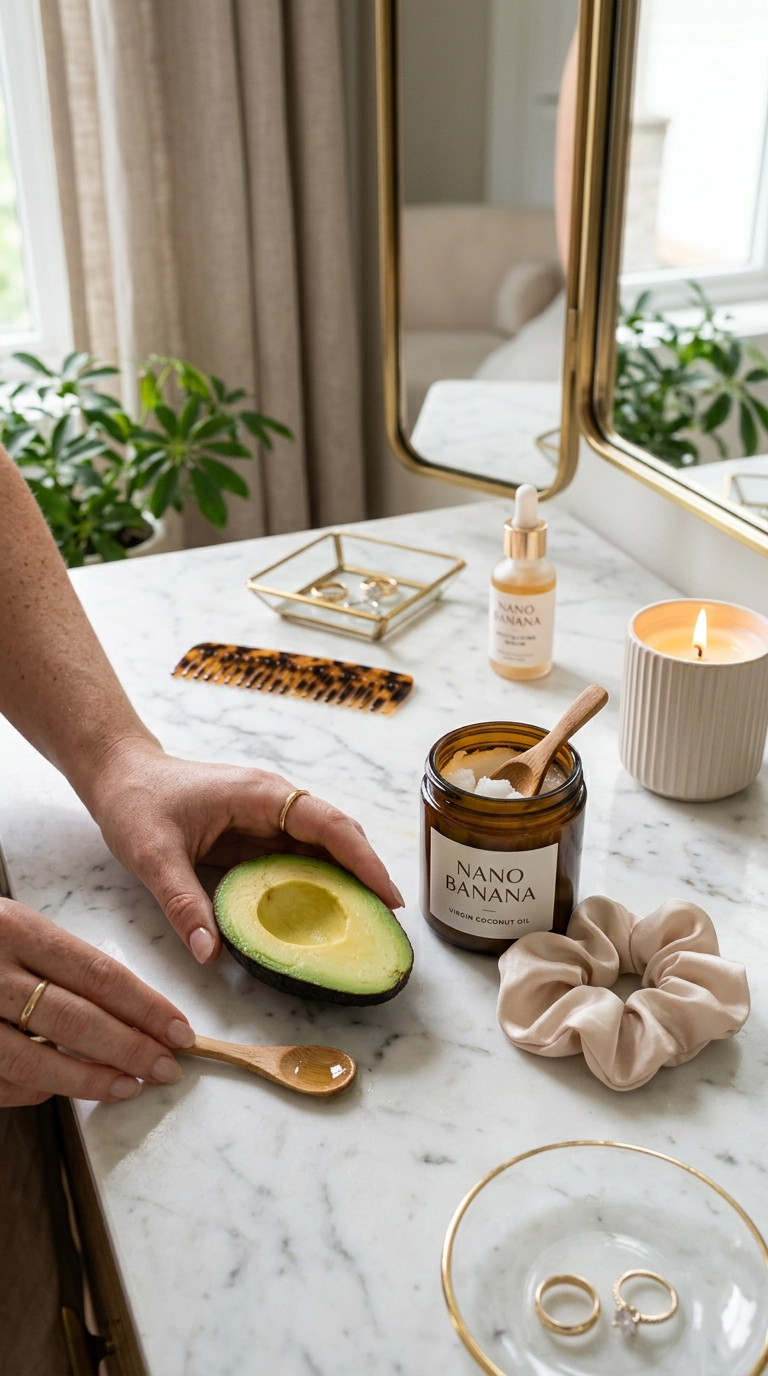
Avocados are packed with fatty acids and vitamin E, which are essential for repairing damaged hair cuticles. Coconut oil is one of the few oils that can actually penetrate the hair shaft rather than just sitting on top. Together, they form a dense, nutrient-rich mask that tames even the most stubborn flyaways.
Mash one ripe avocado until it is completely smooth to avoid leaving green bits in your hair. Stir in two tablespoons of organic coconut oil until you have a buttery consistency. Work this through your hair in sections, ensuring every strand is coated, and let it sit under a shower cap for 45 minutes.
The heat from your scalp trapped under the cap helps the oils move into the hair more effectively. When you wash it out, use a gentle, sulfate-free shampoo to remove the excess oil while keeping the nutrients locked in. Your hair will feel significantly heavier in a healthy way, with much more “slip” and less tangling.
Why These Ingredients Work
| Ingredient | Main Benefit | Best For |
|---|---|---|
| Avocado | Rich in biotin and vitamins | Brittle, snapping hair |
| Coconut Oil | Deep protein protection | Thick, high-porosity hair |
| Honey | Moisture retention | Dull, lifeless strands |
| Yogurt | Cleanses and softens | Fine or oily-prone hair |
Apple Cider Vinegar: The Shine Secret

Healthy hair has an acidic pH level, usually between 4.5 and 5.5. Many commercial shampoos are alkaline, which causes the hair cuticle to swell and lift, leading to frizz. An Apple Cider Vinegar (ACV) rinse helps restore the natural pH balance, smoothing the cuticle instantly for a mirror-like shine.
Mix one part raw ACV with four parts water in a spray bottle or a pitcher. After shampooing, pour the mixture over your hair, massage it into your scalp, and let it sit for two minutes. Rinse thoroughly with cold water to remove the scent; the smell will disappear completely once your hair is dry.
This rinse also helps remove product buildup from silicones and waxes found in styling products. By stripping away this “gunk,” your hair becomes lighter and more responsive to natural oils. Use this rinse twice a month to keep your hair’s surface smooth and light-reflective.
Pro Tip for Sensitive Scalps
If you have a sensitive scalp, start with a more diluted version of the rinse. Use six parts water to one part vinegar and see how your skin reacts before increasing the concentration. You can also add a few drops of lavender essential oil to the mix for a more spa-like experience.
Choosing the Right Oils for Your Hair Type
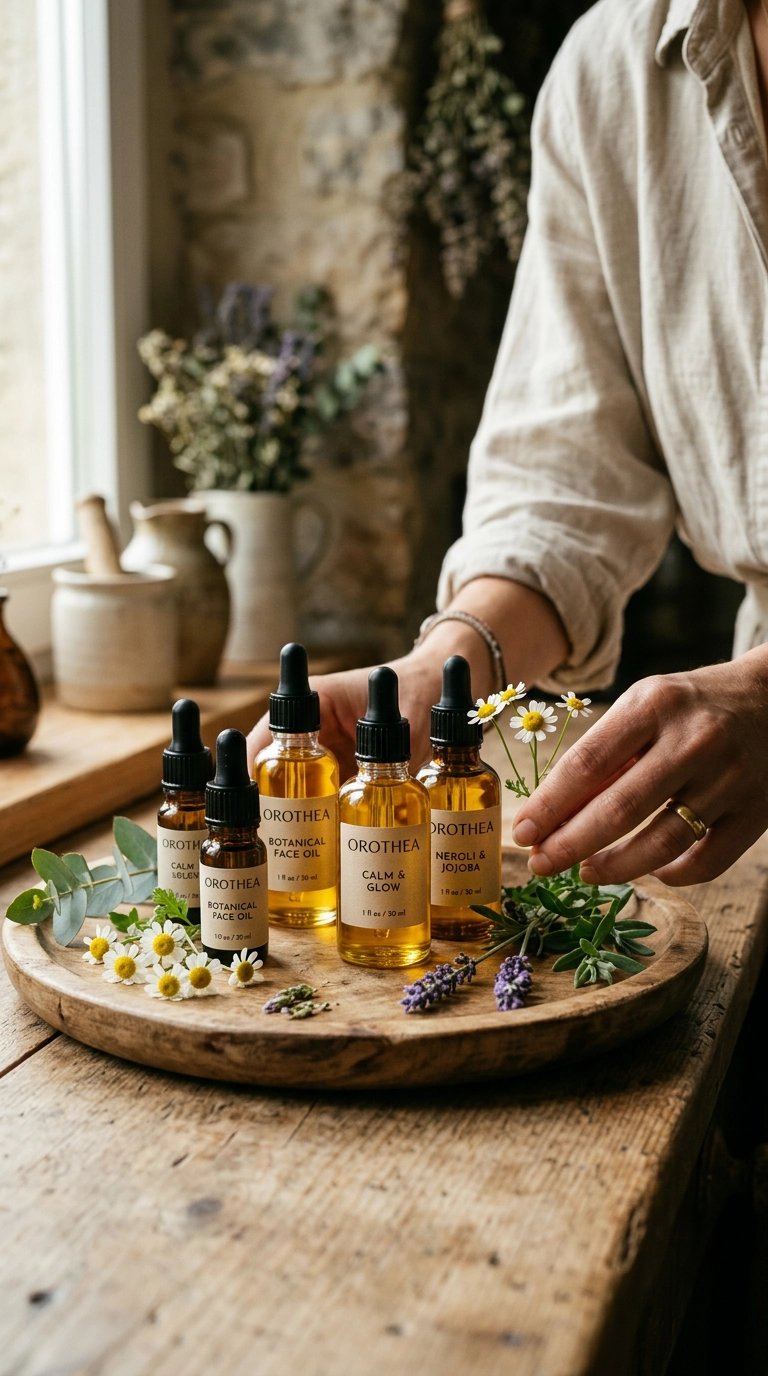
Not all oils are created equal when it comes to fighting frizz. Some are “sealing oils” that sit on top of the hair to block out humidity, while others are “penetrating oils” that nourish from within. Choosing the wrong one can leave your hair looking greasy rather than glossy.
Argan oil is often called “liquid gold” for a reason. It is lightweight enough for fine hair but rich enough in antioxidants to smooth thick manes. Just two drops rubbed between your palms and pressed into your dry ends can act as a natural silicone substitute, blocking out moisture from the air.
For those with very thick or curly hair, almond oil or jojoba oil are excellent choices. Jojoba oil is chemically very similar to the natural sebum produced by your scalp, making it highly compatible with your hair’s biology. It mimics your natural oils to keep the hair supple and elastic, preventing the snapping that leads to frizz.
- Argan Oil: Best for daily smoothing and thermal protection.
- Sweet Almond Oil: Great for adding intense shine to dark hair.
- Rosehip Oil: Perfect for repairing sun-damaged or color-treated hair.
The Role of Drying Techniques
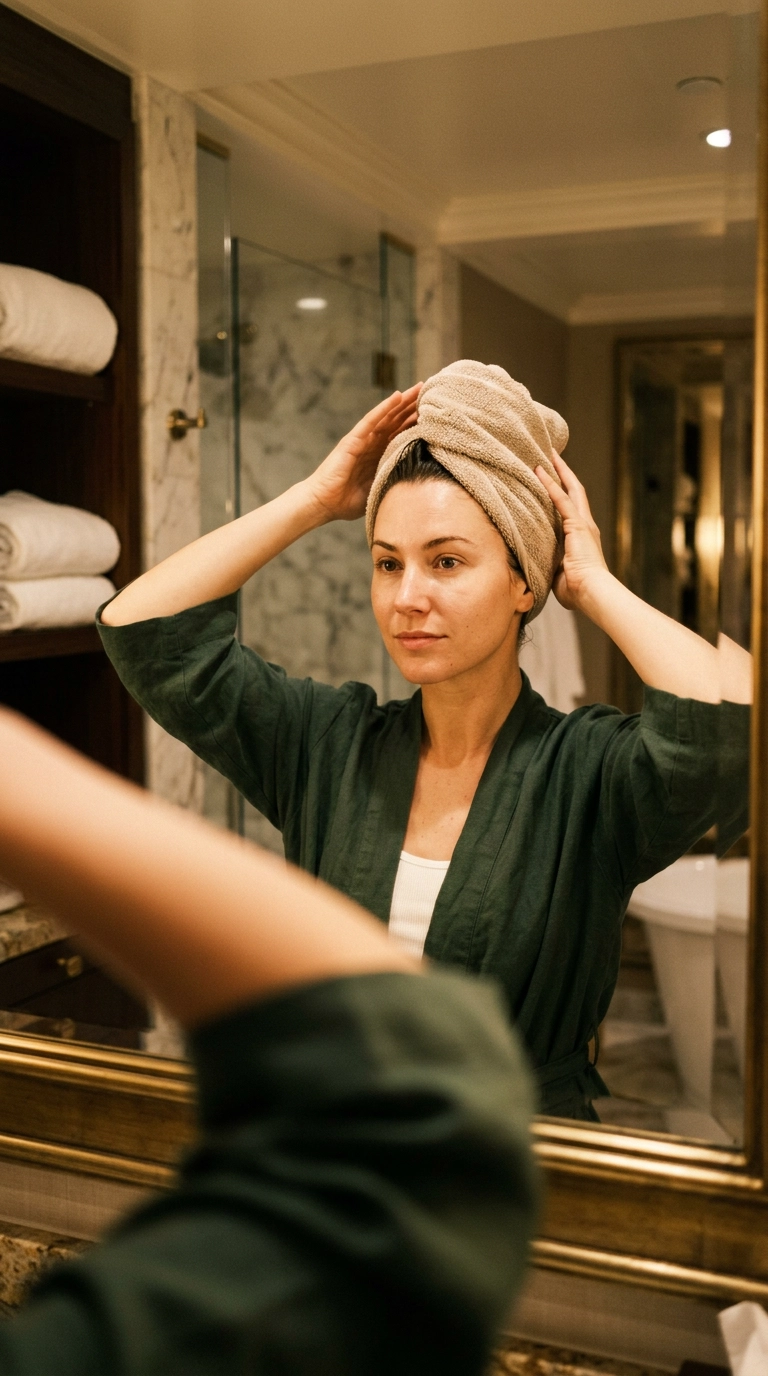
The way you dry your hair is just as important as the products you put in it. Traditional terry cloth towels have tiny loops of fiber that catch on the hair cuticle and tear it open. This friction is a major contributor to “mystery frizz” that appears even after you have used a mask.
Switch to a microfiber towel or even an old cotton T-shirt. Instead of rubbing your hair, gently squeeze the water out in a “scrunching” motion. This preserves the natural shape of your waves or curls and keeps the cuticle lying flat as it begins to dry.
Whenever possible, let your hair air dry about 80% of the way before using a blow dryer. If you must use heat, always use a diffuser attachment and keep the dryer on a cool or medium setting. Point the nozzle downward from the roots to the ends to encourage the cuticle to seal shut rather than blowing it upward.
Creating a Frizz-Proof Nighttime Routine

You can undo all your hard work during the day by sleeping on the wrong surface. Cotton pillowcases absorb moisture from your hair while you sleep, leaving it parched by morning. The friction between your hair and the cotton also causes tangles and breakage.
Investing in a silk or satin pillowcase is a low-effort way to maintain hair health. Silk allows your hair to glide across the surface without catching, which keeps your style intact and prevents the “bedhead” frizz. It also helps your hair retain the natural oils you worked so hard to balance during the day.
If you have long hair, consider a loose “pineapple” bun at the top of your head secured with a silk scrunchie. This keeps the ends of your hair protected and prevents you from lying on them. You will wake up with hair that requires significantly less styling and smoothing in the morning.
Hydration From Within

External treatments can only do so much if your body is dehydrated. Your hair is the last part of your body to receive nutrients and hydration from what you consume. If you are not drinking enough water, your hair will be the first to show signs of dryness and frizz.
Incorporate healthy fats into your diet to support your hair’s natural oil production. Walnuts, salmon, flaxseeds, and chia seeds are excellent sources of omega-3 fatty acids that contribute to hair elasticity. These fats provide the building blocks for a strong, resilient hair shaft that resists environmental damage.
Vitamin C is also vital as it helps with collagen production, which strengthens the hair. Eating a variety of colorful fruits and vegetables ensures your hair follicles have everything they need to produce smooth, healthy strands. When your body is nourished, your hair naturally reflects that vitality with less effort on your part.
A Sustainable Path to Smooth Hair
Fixing frizzy hair is not about finding a magic one-time cure, but rather about adopting better habits. By using these natural remedies, you are giving your hair the moisture and protection it needs to stay sleek. Small changes, like switching your towel or using an ACV rinse, make a massive difference over time.
Consistency is key when working with natural ingredients. You may not see a total transformation after one mask, but with regular care, your hair texture will improve. Embrace the process and enjoy the healthy, radiant hair that comes from using the best of what nature has to offer.