
10 Quick Frizzy Hair Hacks for Busy Mornings

Waking up to a cloud of frizz can feel like an immediate roadblock when you have a packed schedule and zero time for a full blowout. We have all been there, staring at the mirror and wondering how a peaceful night of sleep resulted in such chaotic texture. You deserve a morning routine that feels like a calm ritual rather than a frantic damage-control session.
Managing frizz is less about expensive salon treatments and more about understanding how your hair reacts to moisture and friction. These simple adjustments are designed to fit into the small gaps of your morning, from your first cup of coffee to the moment you walk out the door. You will find that small, intentional shifts in your technique yield much smoother results than heavy styling products ever could.
This guide gathers practical, expert-level secrets that prioritize hair health while saving you precious minutes. Whether you are dealing with humid weather or naturally porous strands, these hacks will help you reclaim your style. Let’s look at how you can transform your morning hair routine into something effortless and polished.
1. The Overnight Silk Transition
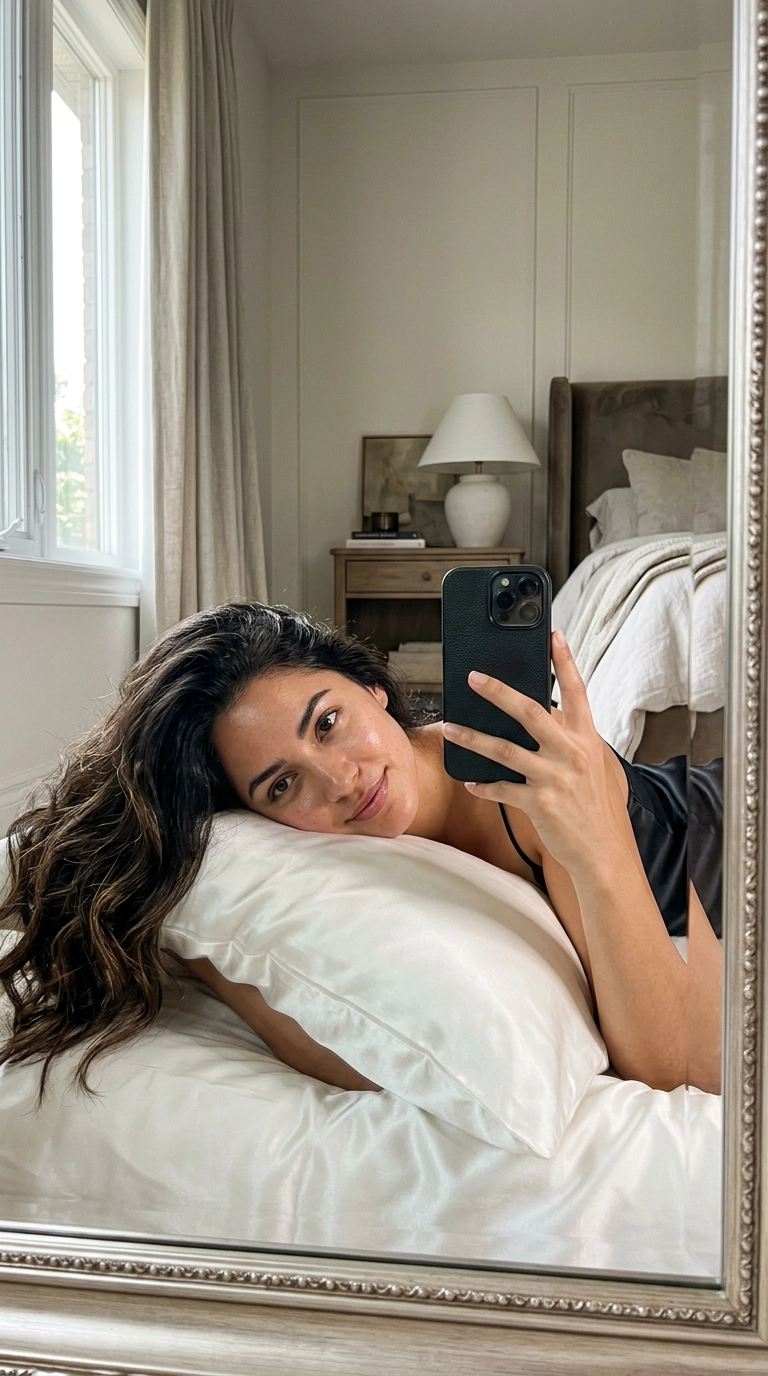
One of the easiest ways to prevent morning frizz is to stop it before it starts by switching to a silk or satin pillowcase. Standard cotton covers are surprisingly abrasive, creating friction that lifts the hair cuticle while you toss and turn. Silk allows your strands to glide smoothly, keeping the hair shaft flat and preserving your natural oils.
If you find that your hair is particularly tangled in the morning, this single change can reduce breakage significantly. You will notice that your style from the previous day lasts much longer, requiring less heat intervention in the AM. It is a simple investment that pays off every single day.
Why Material Matters
- Cotton absorbs moisture, leaving your hair dehydrated and prone to static.
- Silk is non-absorbent, meaning your expensive leave-in conditioners stay on your hair.
- Reducing friction prevents the “roughed up” look that characterizes morning frizz.
2. The Microfiber Towel Squeeze
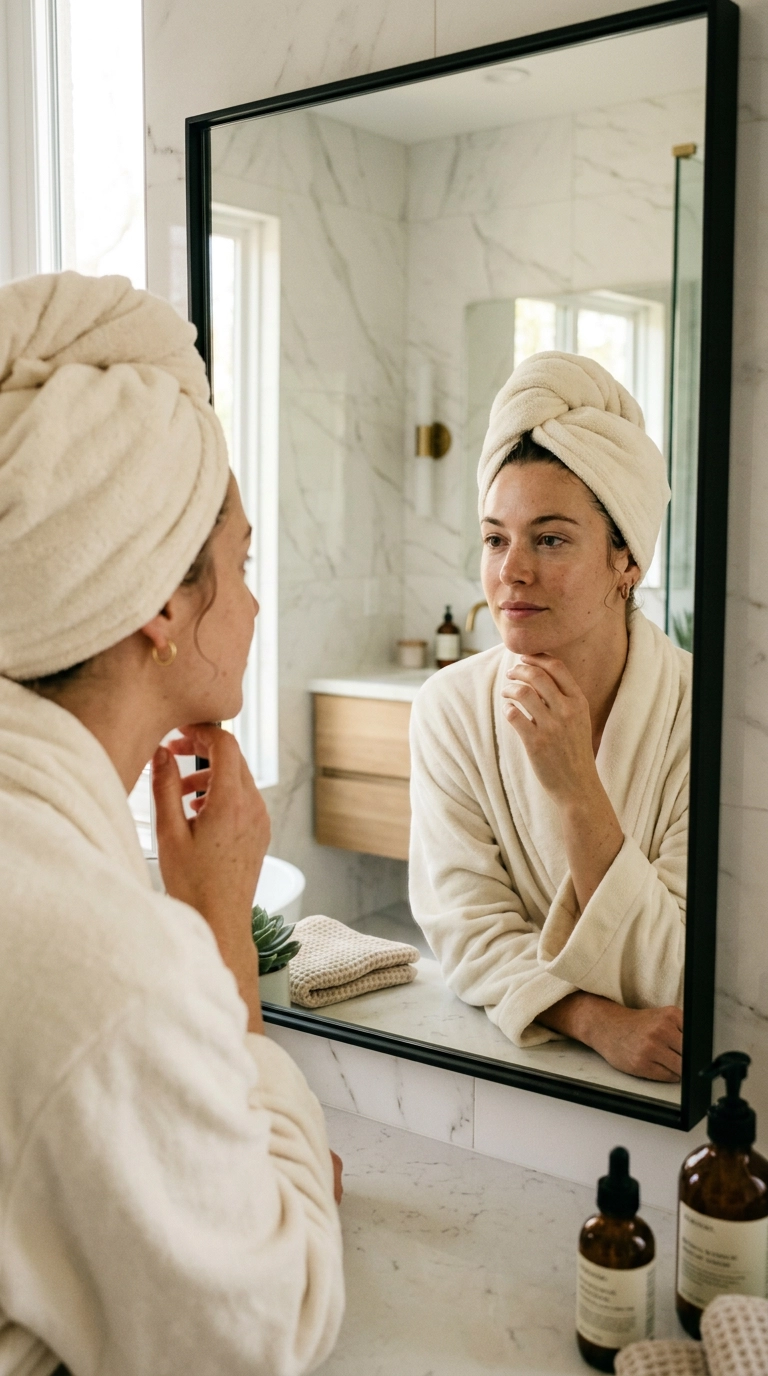
Stepping out of the shower and rubbing your hair with a heavy terry cloth towel is a recipe for disaster. The large loops of a standard towel act like tiny hooks that snag and tear at your delicate wet hair. Instead, use a microfiber towel or even a soft cotton t-shirt to gently blot the water out.
The goal is to squeeze the moisture into the fabric rather than creating friction. Press the hair between the folds of the cloth and hold for a few seconds. This preserves the natural pattern of your hair and prevents the cuticles from standing on end, which is the primary cause of that fuzzy halo effect.
Proper Blottng Technique
Never twist your hair too tightly into a turban, as this puts immense stress on the hairline. Gently scrunch from the ends upward if you have curls, or press down the length if you have straight hair. This keeps the hair fibers aligned and ready for a smooth air-dry or quick blow-dry.
3. Tame Flyaways with a Mascara Wand
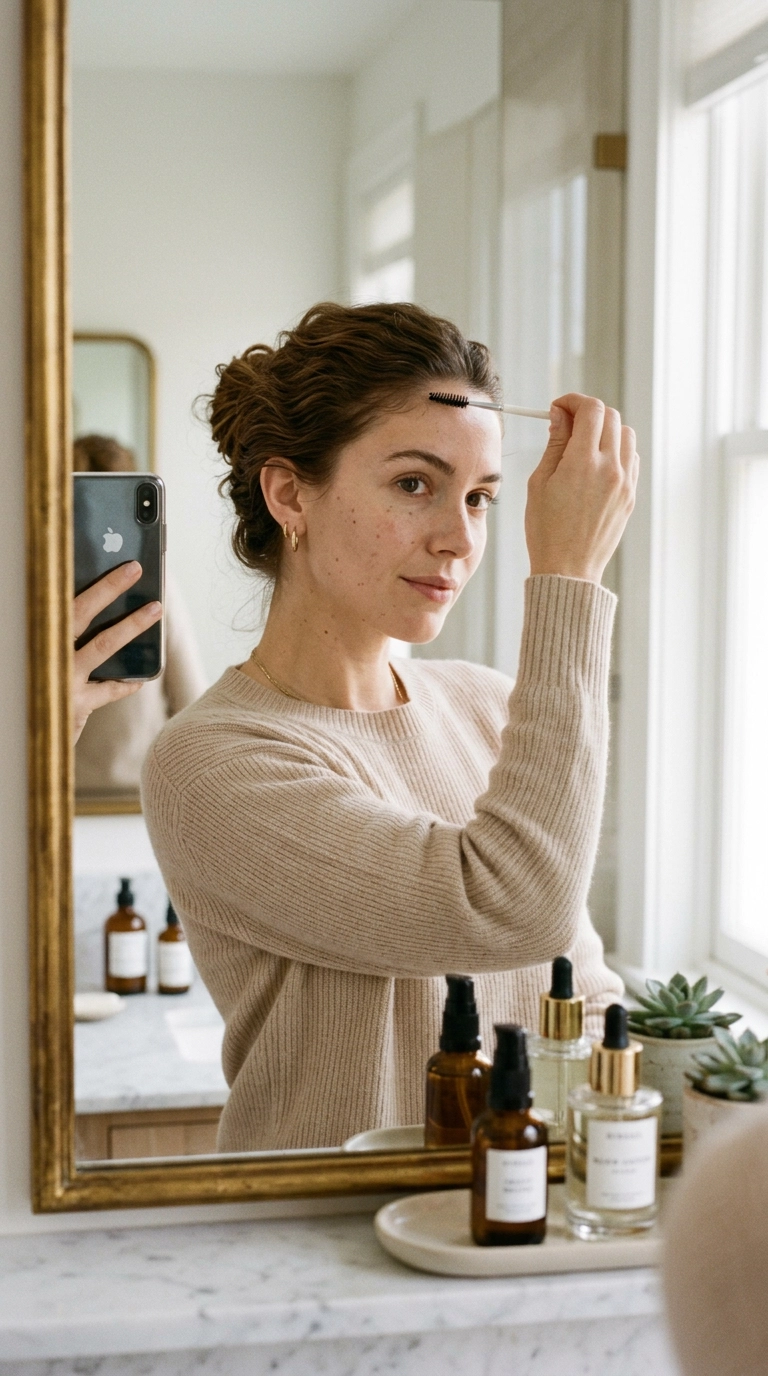
For those stubborn baby hairs that refuse to stay down, a clean mascara wand or a spoolie is your best friend. Spritz the wand with a light-hold hairspray and gently brush it over the surface of your hair. This allows for precision that you simply cannot get with a regular hairbrush or your hands.
This technique is perfect for sleek ponytails or polished buns when you want a clean finish without making your hair feel crunchy. It targets only the hairs that are sticking up, leaving the rest of your style soft and touchable. Keep a spare wand in your purse for mid-day touch-ups if the humidity starts to climb.
4. The Cold Water Cuticle Seal

Hot water is great for opening the cuticle to allow shampoo and conditioner to work, but it is the enemy of smoothness. At the very end of your shower, turn the temperature down to a cool or cold setting for thirty seconds. This “shocks” the cuticles, forcing them to lay flat and seal in the moisture from your conditioner.
A closed cuticle reflects more light, giving your hair a healthy shine that looks like you just left the salon. It also creates a barrier against external humidity, making your hair less likely to puff up as soon as you step outside. It is a quick habit that makes a visible difference in texture and manageability.
5. Hand Cream as an Emergency Smoother
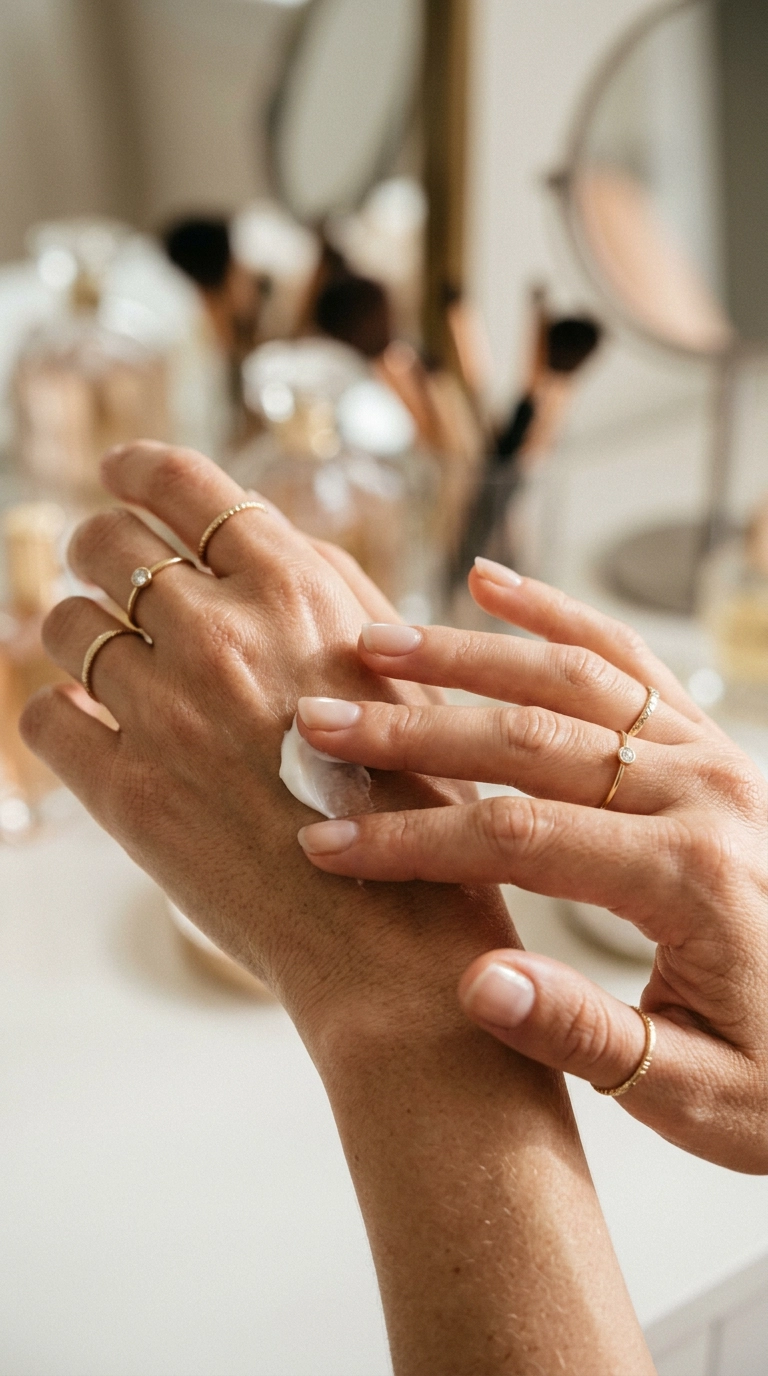
If you are at work or on the go and realize your hair has become a static mess, look in your handbag for hand cream. A tiny, pea-sized amount of lotion rubbed between your palms can act as a temporary smoothing balm. Lightly graze your palms over the top layer of your hair to weigh down the frizz.
Be careful not to use too much, as you don’t want to make your hair look greasy or weighed down. Focus only on the mid-lengths and ends where the dryness is most apparent. Most hand creams contain glycerin or light oils that provide the exact moisture your thirsty hair is looking for.
6. Mist Your Brush Not Your Head

Spraying hairspray directly onto your hair can often lead to uneven distribution and “wet” spots that eventually turn back into frizz. Instead, spray your brush with a anti-humidity mist or light hairspray before running it through your hair. This ensures every strand gets a microscopic coating of protection without the stiffness.
This method is particularly effective for those with fine hair that gets easily weighed down by product. It provides a sheer veil of hold that keeps your style in place while maintaining natural movement. Use a boar bristle brush for the best results, as it helps distribute your hair’s natural oils simultaneously.
7. The “Pineapple” Method for Waves
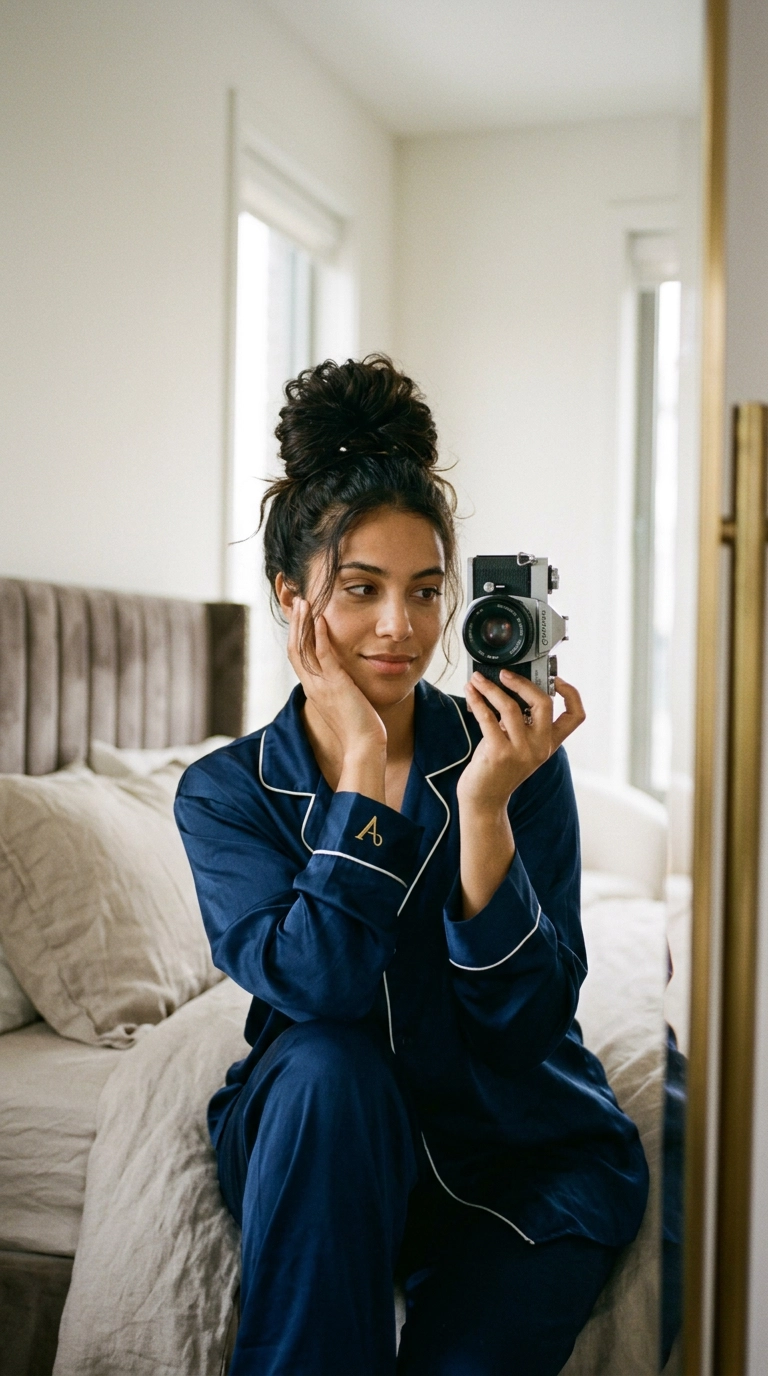
If you have wavy or curly hair, the “pineapple” method is a life-saver for preserving your texture overnight. Simply gather your hair at the very top of your head and secure it loosely with a silk scrunchie. This prevents you from sleeping on your curls and crushing them into a frizzy mess.
In the morning, take the scrunchie out and let your hair fall naturally. You will find that the volume is preserved at the roots and the ends are still defined. A quick shake and a tiny bit of water or curl refresher are usually all you need to be ready for the day.
8. Use a Serum Sandwich
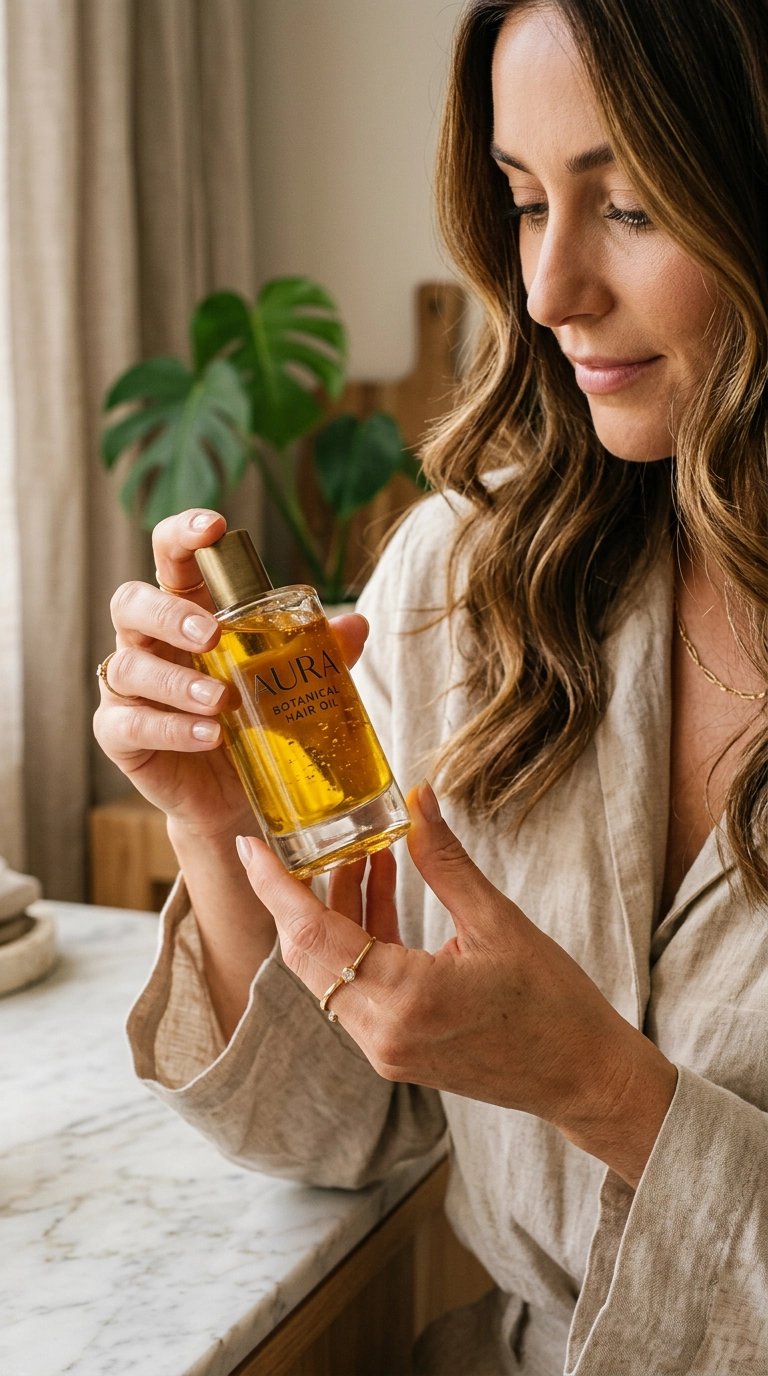
Applying products in the right order is essential for long-term frizz control. Try the “sandwich” method: apply a leave-in conditioner to damp hair, dry it partially, and then seal the ends with a tiny bit of oil or serum. This locks the water into the hair shaft and creates a physical barrier against the air.
When choosing a serum, look for ingredients like argan oil or jojoba oil which mimic the natural oils produced by your scalp. These ingredients penetrate the hair rather than just sitting on top of it. This creates a soft, touchable finish that lasts through the afternoon commute.
Key Ingredients for Frizz Control
| Ingredient | Benefit | Best For |
|---|---|---|
| Glycerin | Attracts moisture to the hair | Dry, brittle hair |
| Argan Oil | Adds shine and softens texture | Thick or coarse hair |
| Coconut Oil | Prevents protein loss | Damaged or high-porosity hair |
| Shea Butter | Deeply hydrates and defines | Curls and coils |
9. The Low Humidity Blowout Hack
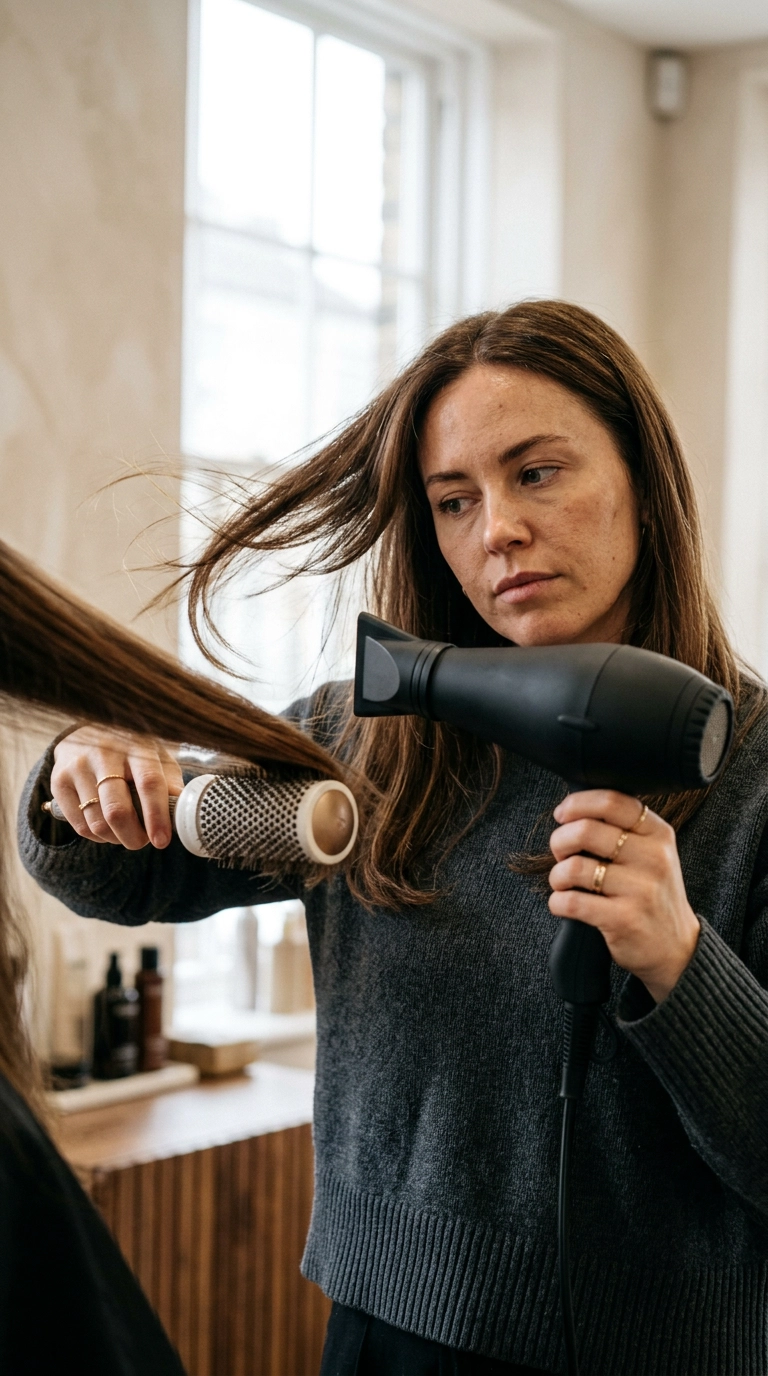
If you must use a hair dryer, always use the concentrator nozzle attachment. Point the airflow downward, following the direction of the hair growth from roots to ends. Blowing air upward or randomly all over the head will lift the cuticles and create instant frizz.
Finish with a “cool shot” on each section once it is dry. Most dryers have a blue button that releases cool air, which helps set the shape and add a final layer of shine. This extra ten seconds per section makes the difference between a messy dry and a polished look.
10. Master the Sleek Half-Up Knot

When all else fails and the humidity is just too high, a sleek half-up knot is your best friend. This style pulls the most frizz-prone sections away from your face while allowing the rest of your hair to flow. It looks intentional and professional, even if you only spent two minutes on it.
Use a small amount of pomade or styling cream on your fingertips to smooth the top section before tying it back. This style works for almost every hair length and hides any root frizz perfectly. It is the reliable “plan B” that ensures you always look put together regardless of the weather.
Common Questions About Morning Frizz
Why is my hair so frizzy only in the morning?
Morning frizz is usually caused by a combination of friction against your pillow and the loss of moisture overnight. As you move in your sleep, you ruffle the cuticles of your hair. If the air in your room is dry, your hair will also reach out for moisture, causing it to puff up.
Can I use water to tame frizz?
While a little water can help reactivate products, too much can actually make frizz worse if you don’t seal it in. When hair gets wet, the hydrogen bonds break and reset; if it dries without a sealant, it will likely frizz again. Always follow a water mist with a tiny bit of oil or cream.
How often should I wash my hair to avoid frizz?
Over-washing strips the hair of natural oils that keep it weighted and smooth. Most people find that washing every two to three days helps maintain a healthy balance. On off-days, use a dry shampoo only at the roots to keep the lengths hydrated.
Does the weather really affect hair that much?
Yes, humidity is the primary external cause of frizz. When the air is damp, the hair shaft absorbs that moisture, causing it to swell and break the smooth alignment of the strands. Using anti-humectant products is vital during the summer months or in tropical climates.
Embracing these small shifts in your routine can transform how you feel about your hair each morning. By focusing on reducing friction and locking in moisture, you turn a potential stressor into a manageable part of your beauty ritual. Start with just one or two of these hacks tomorrow, and you will see how easy it is to achieve a polished, frizz-free look even on your busiest days.