Complete Strategy for Frizz-Free, Defined Curls

Waking up to a cloud of frizz when you were expecting bouncy, defined ringlets is a frustration many of us know all too well. It feels like a constant battle against humidity, friction, and the natural dryness that often accompanies textured hair. You deserve a routine that works with your hair rather than against it, providing the moisture and structure needed for curls to shine.
The secret to managing frizz isn’t about finding one magical product, but rather about understanding how moisture and technique work together. By focusing on the health of your hair cuticle and the way you apply your styling products, you can achieve results that look like you just stepped out of a high-end salon. This guide walks you through every necessary step to master your texture and reclaim your curl definition.
Whether you have loose waves or tight coils, the principles of hydration and gentle handling remain the same. We will look at everything from the initial wash to the way you protect your hair while you sleep. These small, intentional changes to your daily habits will make a visible difference in how your curls behave throughout the week.
Start with a Hydrating Cleanse
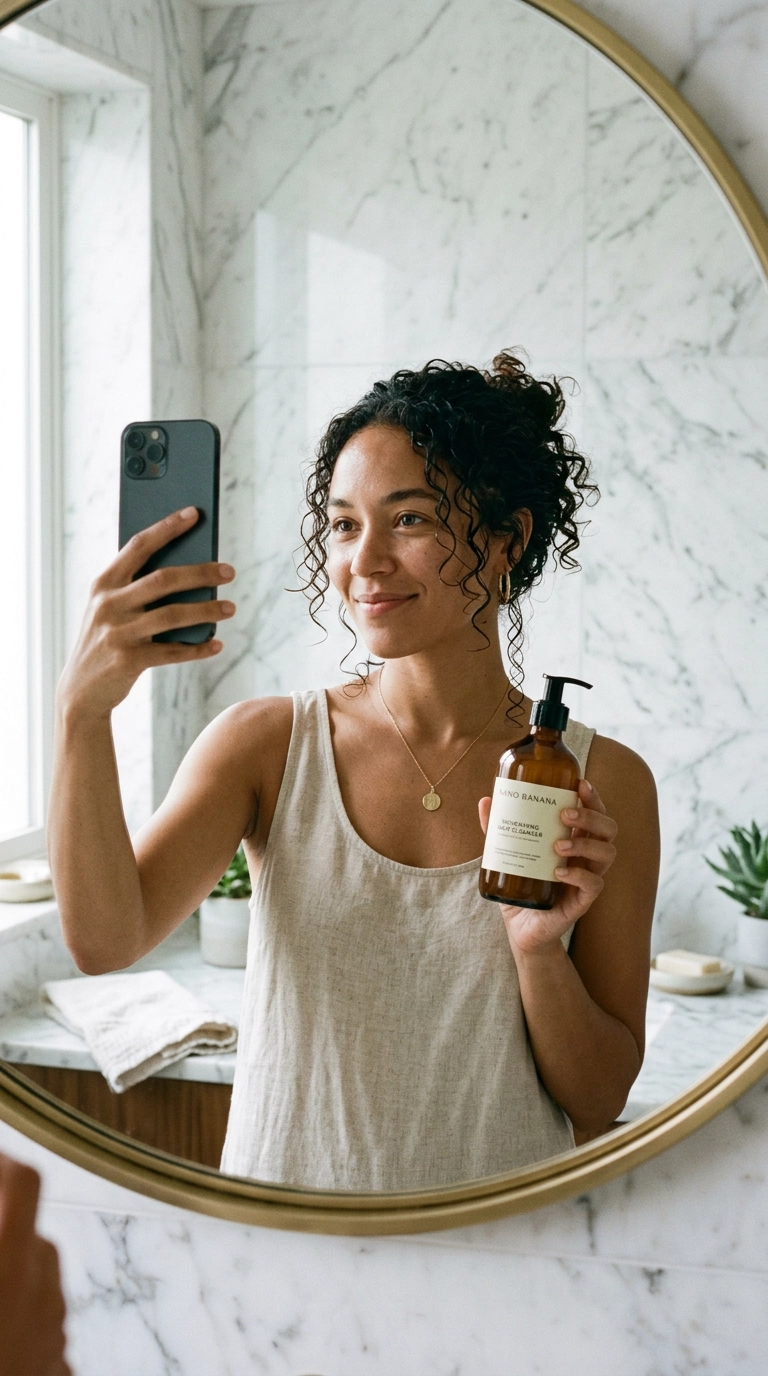
Everything starts at the scalp. Frizz often begins during the washing process if you use harsh detergents that strip away the natural oils your curls desperately need. Switch to a sulfate-free cleanser or a co-wash that gently removes buildup while leaving the hair fiber intact and moisturized.
Focus your application on the scalp, using your fingertips to massage and lift away oils and debris. Avoid rubbing the lengths of your hair aggressively, as this can roughen the cuticle and lead to tangles. Let the suds rinse down the strands naturally, which is usually enough to clean the hair without causing mechanical damage.
If you live in an area with hard water, consider using a chelating shampoo once a month. This removes mineral deposits that can make curls feel brittle and look dull. Following this up with a hydrating cleanser ensures your hair stays soft and receptive to the conditioning steps that follow.
Understanding Porosity and Washing
Your hair’s porosity determines how it absorbs and retains moisture. High porosity hair has gaps in the cuticle, meaning it drinks up water quickly but loses it just as fast. Low porosity hair has a tightly closed cuticle, making it harder for moisture to enter in the first place.
For low porosity curls, use warm water to help open the cuticle during your wash. For high porosity curls, cooler water is better to help seal that cuticle shut and keep the moisture inside. Knowing your hair’s specific needs allows you to tailor your washing temperature for better results.
The Power of Deep Conditioning
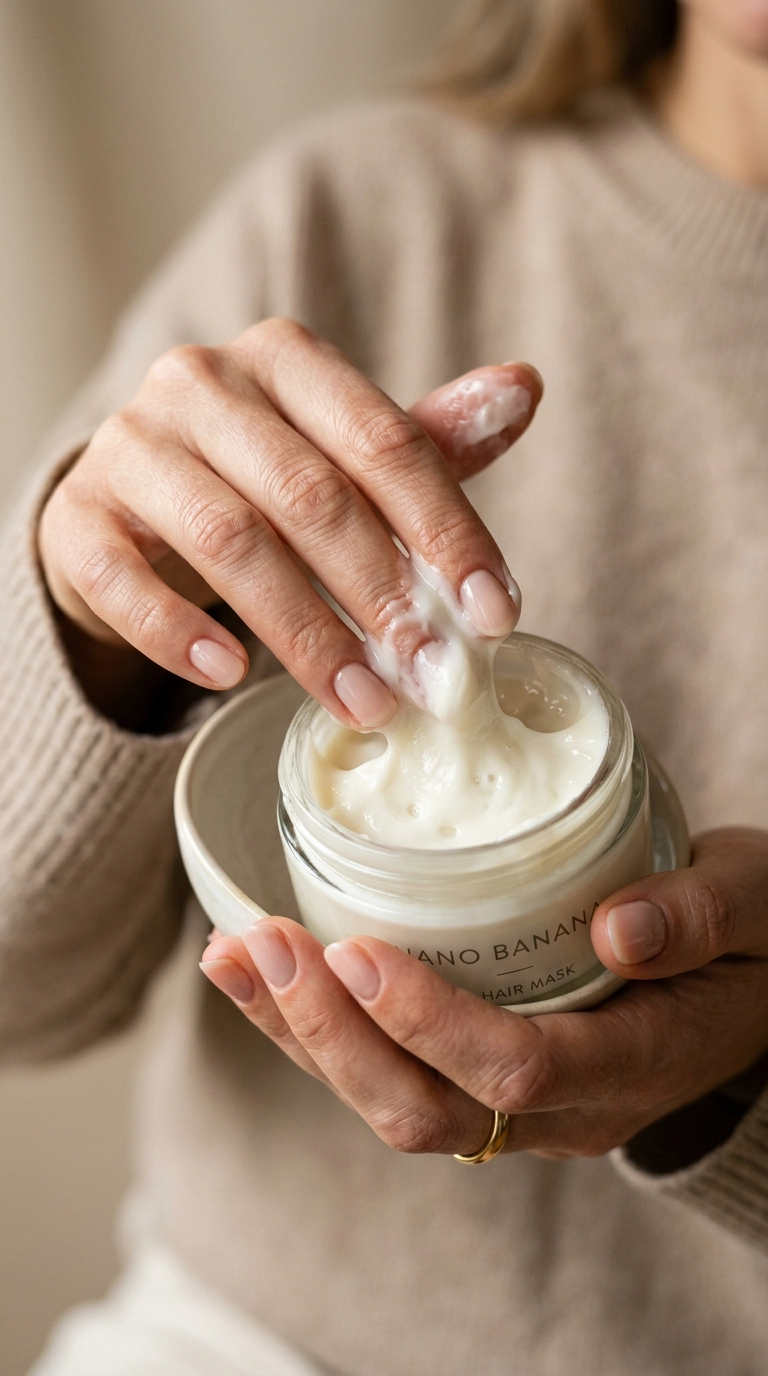
Conditioning is not just an optional step for curly hair; it is the most vital part of the routine. A high-quality conditioner provides the “slip” needed to detangle without breakage. Apply a generous amount from the mid-lengths to the ends, ensuring every strand is coated.
While the conditioner is in your hair, use your fingers or a wide-tooth comb to gently detangle. Start from the bottom and work your way up to avoid creating knots. This is the only time you should be brushing or combing your curls to maintain their natural pattern and prevent unnecessary frizz later.
Weekly deep conditioning treatments are a must for maintaining elasticity. Look for ingredients like shea butter, argan oil, or honey. These humectants and emollients work together to fill in the gaps in the hair shaft, making the hair smoother and more resilient against environmental stressors.
The Squish to Condish Method
This technique involves pulsing water and conditioner into your hair with a cupping motion. After applying conditioner, take handfuls of water and “squish” them into your hair repeatedly. You will hear a squelching sound, which indicates that the water and product are being forced into the hair cuticle.
This method ensures maximum hydration and helps the curls begin to clump together naturally before you even reach for styling products. The more hydrated the hair is at this stage, the less frizz you will see once it dries. It creates a solid foundation for any gel or cream you apply next.
Styling Techniques for Maximum Definition
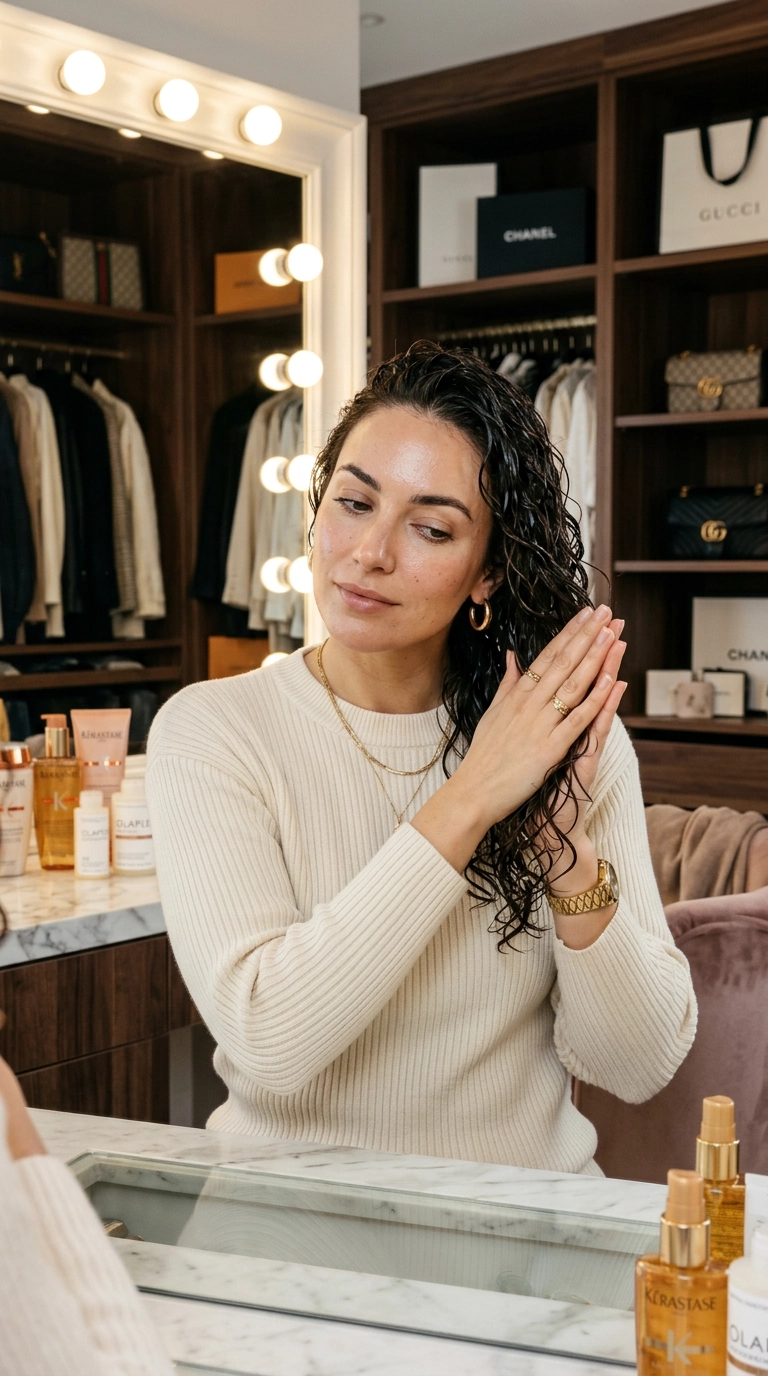
Application technique is just as important as the products you choose. For the best definition, apply your styling products to soaking wet hair. This helps lock in the moisture from your shower and prevents frizz from forming as the hair begins to air dry.
The “Praying Hands” method is highly effective for smoothing the cuticle. Rub the product between your palms, then sandwich a section of hair between your flat hands and slide down from root to tip. This ensures even distribution without disrupting the natural curl clumps that formed during your conditioning step.
After smoothing, use the “Scrunch” method to encourage the curl pattern. Cup your hair in your palms and push upward toward the scalp, squeezing gently. This helps the curls spring back into their natural shape while removing excess water that could weigh them down.
Choosing Between Gel and Cream
Creams are excellent for providing moisture and a soft, touchable hold. They work best for thicker hair types that need extra weight to manage volume. Gels, on the other hand, provide a “cast” that protects the curl from frizz while it dries. Many people find that a combination of both provides the best balance of hydration and long-lasting hold.
If you use a gel, do not be afraid of the “crunch.” This firm layer is exactly what keeps your curls defined against humidity. Once your hair is 100% dry, you can gently squeeze the hair to break that cast, leaving behind soft, bouncy curls that stay in place all day.
Drying Without the Frizz

How you dry your hair can make or break your entire routine. Avoid using traditional cotton towels, as the tiny loops of fabric can snag the hair cuticle and cause instant frizz. Instead, use a microfiber towel or an old cotton T-shirt to gently blot out excess moisture.
The “Plopping” technique is a favorite for a reason. Lay your T-shirt or microfiber towel on a flat surface, flip your hair forward into the center, and wrap the fabric around your head. This keeps the curls compressed against your scalp while they dry, preventing gravity from stretching out the pattern and helping to maintain volume at the roots.
If you prefer to use a hair dryer, always use a diffuser attachment. The diffuser spreads the airflow so it doesn’t disturb the curl clumps. Use a low heat and low speed setting, and try to avoid touching your curls with your hands until they are completely dry to prevent creating friction-induced frizz.
Air Drying Tips
If you choose to air dry, the “hands-off” rule is essential. Every time you touch your hair while it is damp, you break the bonds the styling products are trying to form. Find a comfortable way to let your curls hang and resist the urge to fluff them until they are entirely dry to the touch.
Maintaining Curls Overnight

You’ve put in all this work, so don’t let a cotton pillowcase ruin it overnight. Cotton absorbs moisture from your hair and creates friction as you move in your sleep. Switching to a silk or satin pillowcase allows your curls to slide smoothly, significantly reducing morning frizz and tangles.
The “Pineapple” method is a classic way to preserve definition. Flip your hair forward and secure it in a very loose ponytail at the very top of your head using a silk scrunchie. This keeps the majority of your curls from being flattened while you sleep, making your morning refresh much easier.
For those with tighter coils or hair prone to extreme dryness, a silk bonnet or scarf provides even more protection. It keeps the hair contained and prevents it from rubbing against your bedding or pajamas. This small investment saves you significant time the following day.
Troubleshooting Common Curl Struggles
Even with a solid routine, you might run into specific issues. Use the table below to identify what your hair might be telling you and how to fix it quickly.
| Issue | Possible Cause | Quick Solution |
|---|---|---|
| Limps Curls | Product buildup or too much moisture | Use a clarifying shampoo |
| Flash Frizz | Reaction to glycerin in high humidity | Switch to glycerin-free stylers |
| Brittle Feeling | Protein overload | Deep condition with a moisture-only mask |
| Stringy Ends | Needs a trim or more product | Apply more gel to soaking wet ends |
Consistency is key. It can take a few weeks for your hair to adjust to a new routine, especially if you are transitioning away from heat styling or harsh chemicals. Be patient with your texture and pay attention to how it reacts to different weather conditions and products.
Refresh your curls between washes by lightly misting them with water mixed with a bit of leave-in conditioner. This reactivates the products already in your hair and helps smooth down any stray flyaways without needing to start the whole process over. A quick scrunch can bring the bounce back to life in minutes.
A Final Word on Your Curl Journey
Learning to love and care for your natural texture is a rewarding process that goes beyond just aesthetics. When you provide your curls with the right balance of moisture and protection, they become an effortless extension of your personal style. Remember that every head of hair is unique, so feel free to adjust these steps until you find the perfect rhythm for your specific needs. With the right techniques and a bit of patience, those defined, frizz-free curls you’ve always wanted are well within reach.