7 Common Outfit Mistakes That Make Your Basics Look Cheap

You have likely spent hours scrolling through curated feeds, wondering why your carefully chosen basics don’t radiate the same effortless elegance as those of your favorite style icons. It is incredibly common to invest in wardrobe staples only to find that the final look feels unpolished or surprisingly low-budget. The difference between a “cheap” look and a “chic” look rarely comes down to the price tag on the label.
The reality is that styling basics is an art form that relies on precision, maintenance, and a keen eye for subtle details. When these foundational pieces are worn without intention, they can easily lose their structural integrity and visual appeal. This guide identifies the specific habits that are holding your wardrobe back and provides actionable shifts to ensure you look expensive every time you step out.
We are stripping away the confusion and focusing on the tangible elements that define high-end style for the modern woman. By correcting these seven frequent errors, you will breathe new life into your existing clothes and build a presence that feels intentional and refined. It is time to stop settling for “fine” and start mastering the subtle nuances of a luxury-inspired aesthetic.
Overlooking Fabric Texture and Weight
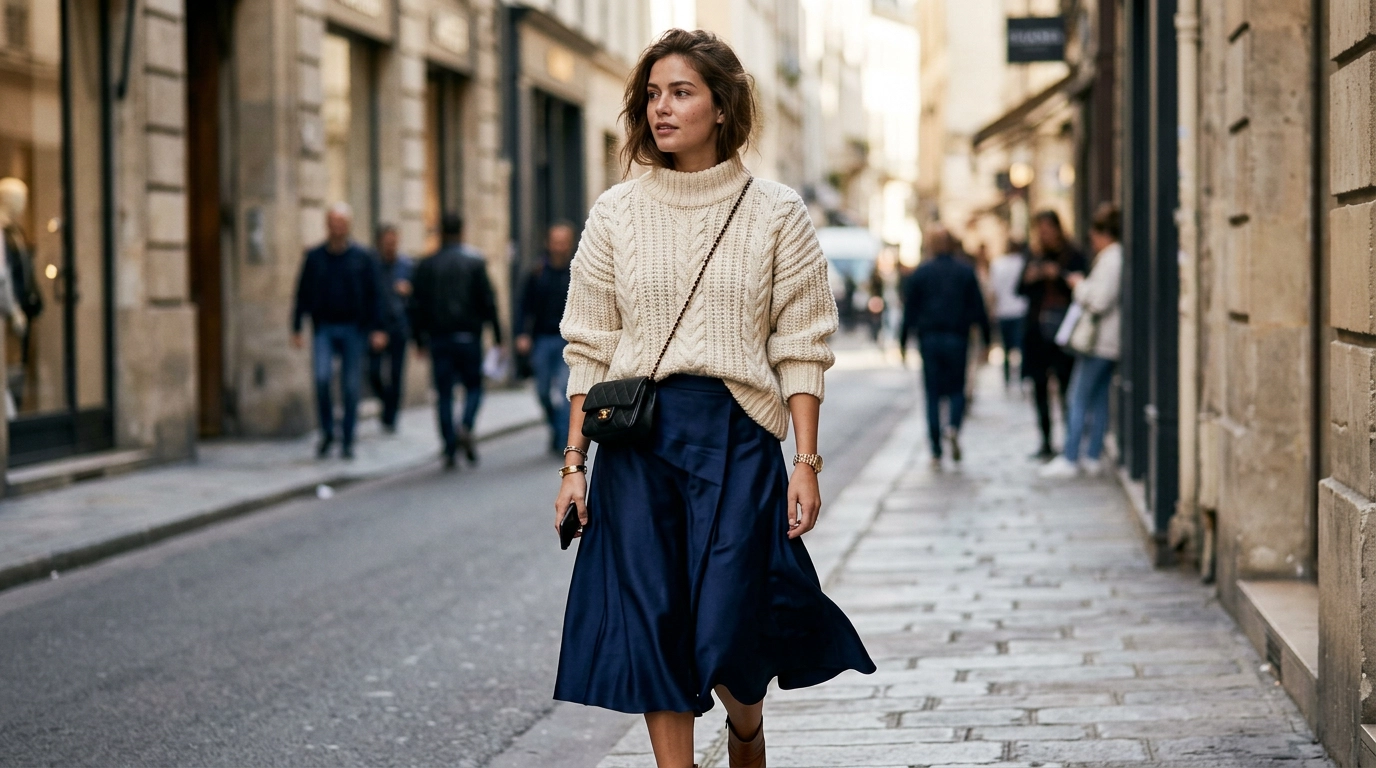
One of the fastest ways to make a basic outfit look inexpensive is by choosing fabrics that are too thin or overly synthetic. Flimsy materials often cling in the wrong places and lack the structural integrity needed to create a clean silhouette. When a garment is see-through or loses its shape after one hour of wear, it immediately signals a lack of quality.
High-end basics rely on “hand feel” and visual weight to convey value. Materials like heavy-weight cotton, 100% linen, or dense merino wool provide a natural drape that synthetics simply cannot replicate. You should always check the composition label before buying; even a small percentage of cheap polyester can ruin the longevity of a classic t-shirt.
To fix this, prioritize natural fibers that offer some substance. A thick, opaque white tee will always look more expensive than a thin, translucent one, regardless of the brand. Look for “interlock” cotton or “double-knit” fabrics that hold their form even after multiple washes.
The Fabric Comparison Guide
| Cheap Choice | Elevated Alternative | The Impact |
|---|---|---|
| Thin Polyester Blend | High-Weight Pima Cotton | Increased opacity and better structure. |
| Acrylic Knitwear | Cashmere or Wool Blend | Rich texture and superior warmth. |
| Flimsy Rayon | Sand-Washed Silk | Elegant drape and subtle luster. |
Neglecting the Power of Professional Tailoring
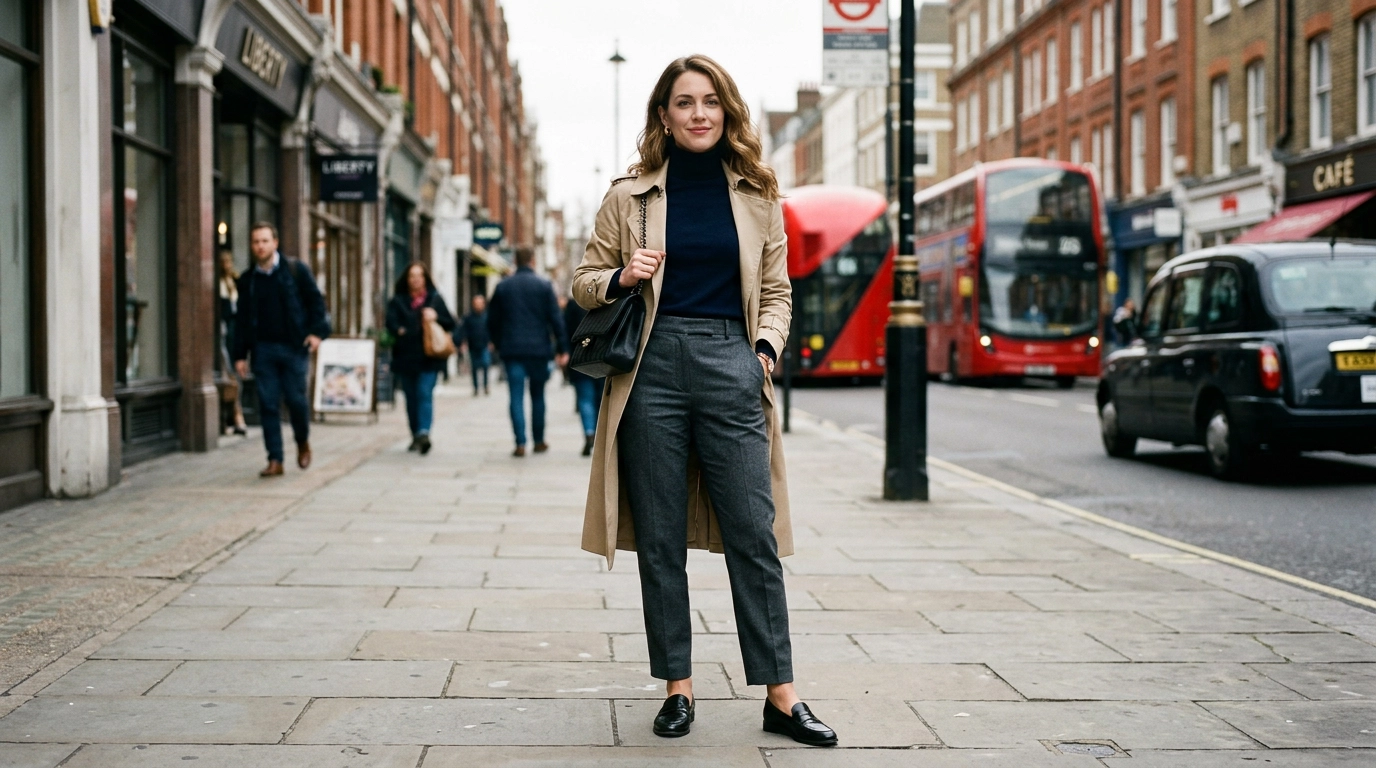
The most common mistake people make is assuming that off-the-rack basics are ready to wear immediately. Mass-market brands design clothes to fit the widest possible range of body types, which often results in a “good enough” fit that looks sloppy. Extra fabric around the waist or trousers that bunch at the ankles are clear indicators of a generic wardrobe.
Taking your staples to a local tailor can make a ten-dollar shirt look like a five-hundred-dollar custom piece. A slight adjustment to the hem, the sleeve length, or the waistline creates a bespoke silhouette that honors your body. This attention to detail is the hallmark of a high-tier fashion sense that prioritizes fit over trends.
Focus your efforts on tailoring your most-worn items first, such as blazers, denim, and trousers. A blazer that fits perfectly in the shoulders but is nipped in at the waist creates an instant “power look.” When your clothes fit your frame perfectly, the entire outfit gains a sense of purpose and high-value polish.
- Hem your trousers to the specific height of your favorite shoes.
- Shorten sleeves so they hit exactly at the wrist bone.
- Remove belt loops from trousers if you plan to wear them without a belt for a cleaner line.
- Adjust the shoulder seams of blazers to align with your natural frame.
Allowing Wrinkles and Poor Maintenance to Show

Even the most expensive cashmere sweater or silk blouse will look cheap if it is covered in lint, pilling, or deep creases. Basics are often worn frequently, leading to wear and tear that we might stop noticing over time. However, to an outside observer, a pilled sweater looks neglected and aged, dragging down your entire aesthetic.
Investing in a high-quality steamer is one of the best style moves you can make. Steaming is gentler on fabrics than ironing and removes the wrinkles that make basics look like they were pulled from a laundry basket. A crisp, flat surface reflects light better and gives the fabric a fresh, “just-bought” appearance.
Maintenance also includes managing pilling and lint, especially on dark-colored basics. Use a fabric shaver or a lint roller before every wear to keep the surface of your clothes smooth. This small habit takes less than two minutes but significantly increases the perceived value of your outfit.
Daily Maintenance Checklist
- Steam your garments the night before to save time in the morning.
- Use a fabric shaver on high-friction areas like underarms and inner thighs.
- Switch to cedar or padded hangers to maintain the shape of your shoulders.
- Store knitwear folded rather than hanging to prevent “shoulder bumps.”
Choosing Low-Quality Hardware and Finishes
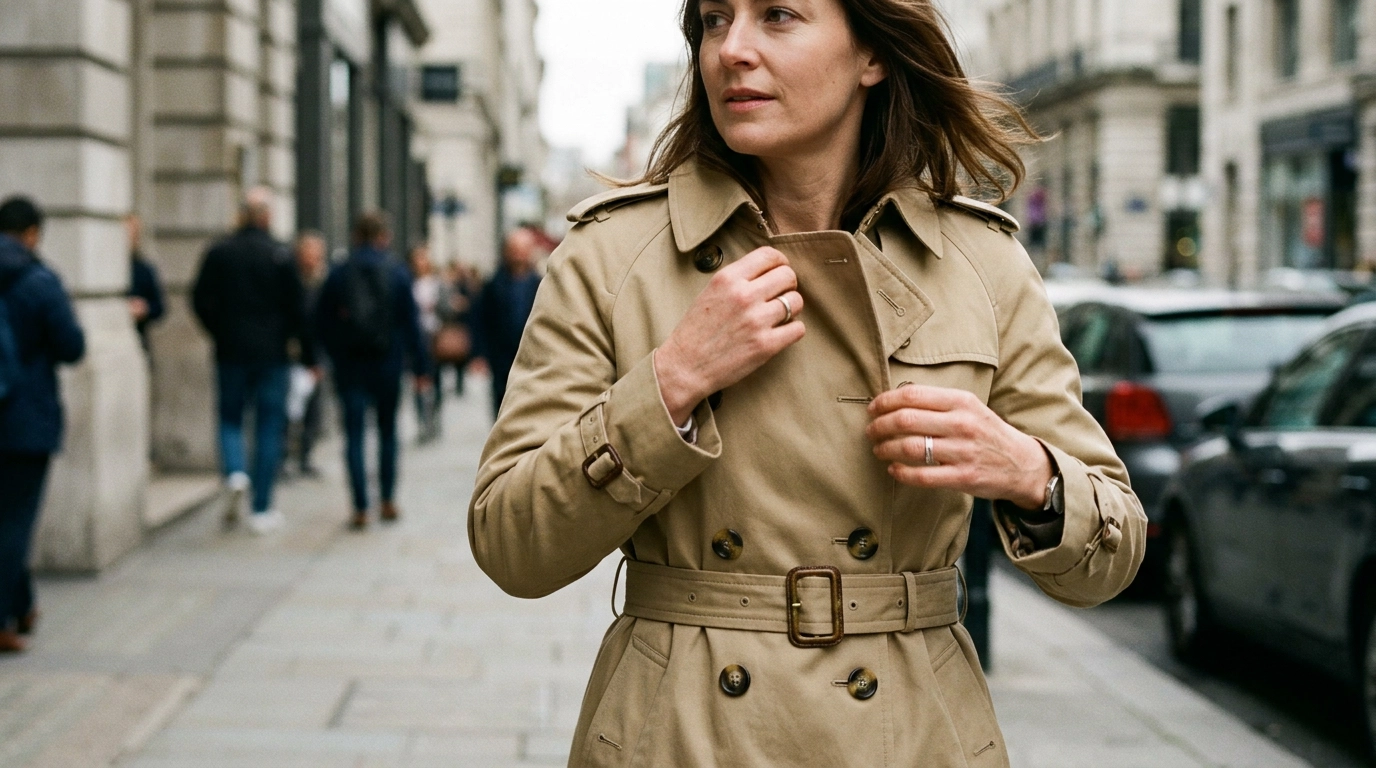
Often, it is not the fabric itself that looks cheap, but the buttons, zippers, and buckles attached to it. Cheap, shiny plastic buttons or flimsy gold-toned zippers that look “orange” are immediate giveaways of fast fashion. These details are frequently overlooked by shoppers but are the first things an expert eye notices.
You can instantly elevate a basic cardigan or blazer by swapping out generic plastic buttons for ones made of horn, wood, or mother-of-pearl. This simple DIY project changes the entire personality of the garment. Look for hardware that has a weight to it and a matte or brushed finish rather than a high-gloss, “tinny” shine.
Pay close attention to the stitching as well; loose threads or uneven seams can make even a great design look poorly constructed. Use a small pair of embroidery scissors to trim any stray threads you find on new purchases. High-quality basics feature tight, consistent stitching that blends seamlessly into the garment.
Ignoring the Impact of Seamless Undergarments
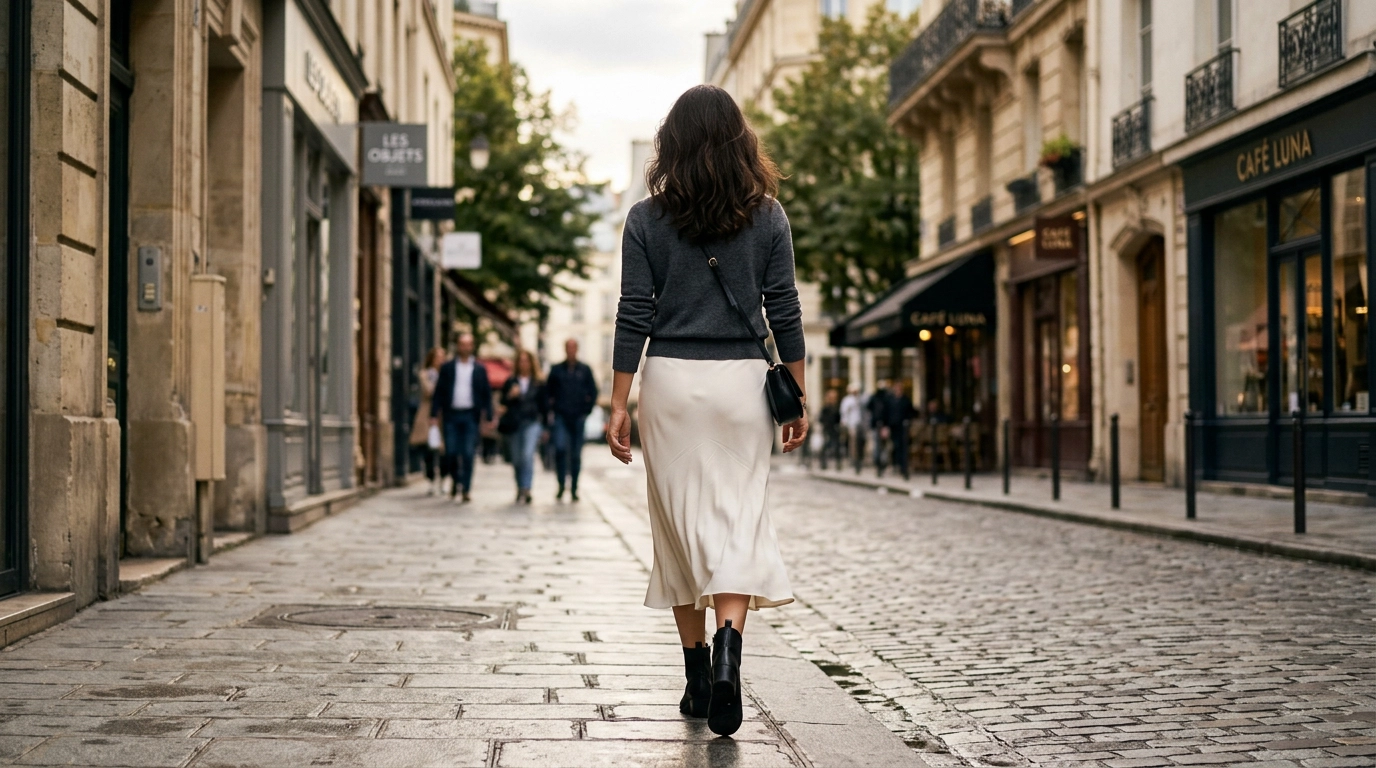
A sophisticated look is built on a foundation of smooth lines and invisible transitions. Visible bra straps, bulging waistbands, or obvious panty lines (VPL) can disrupt the visual flow of a minimal outfit. Basics, especially those with a slimmer fit, are notorious for highlighting what is underneath.
To achieve a high-end look, you must treat your undergarments with the same importance as your outerwear. Laser-cut, seamless pieces in a shade that matches your skin tone are essential for white tees and light-colored trousers. Avoid white undergarments under white clothing, as they create a stark contrast that is easily seen through the fabric.
Choose bras that provide a smooth silhouette without excessive lace or padding that can create lumps under thin cotton fabrics. When your foundation is seamless, your basics sit better on the body and the overall look remains clean and professional. It is the hidden secret to that “airbrushed” real-life appearance.
Mismanaging Silhouette and Proportions
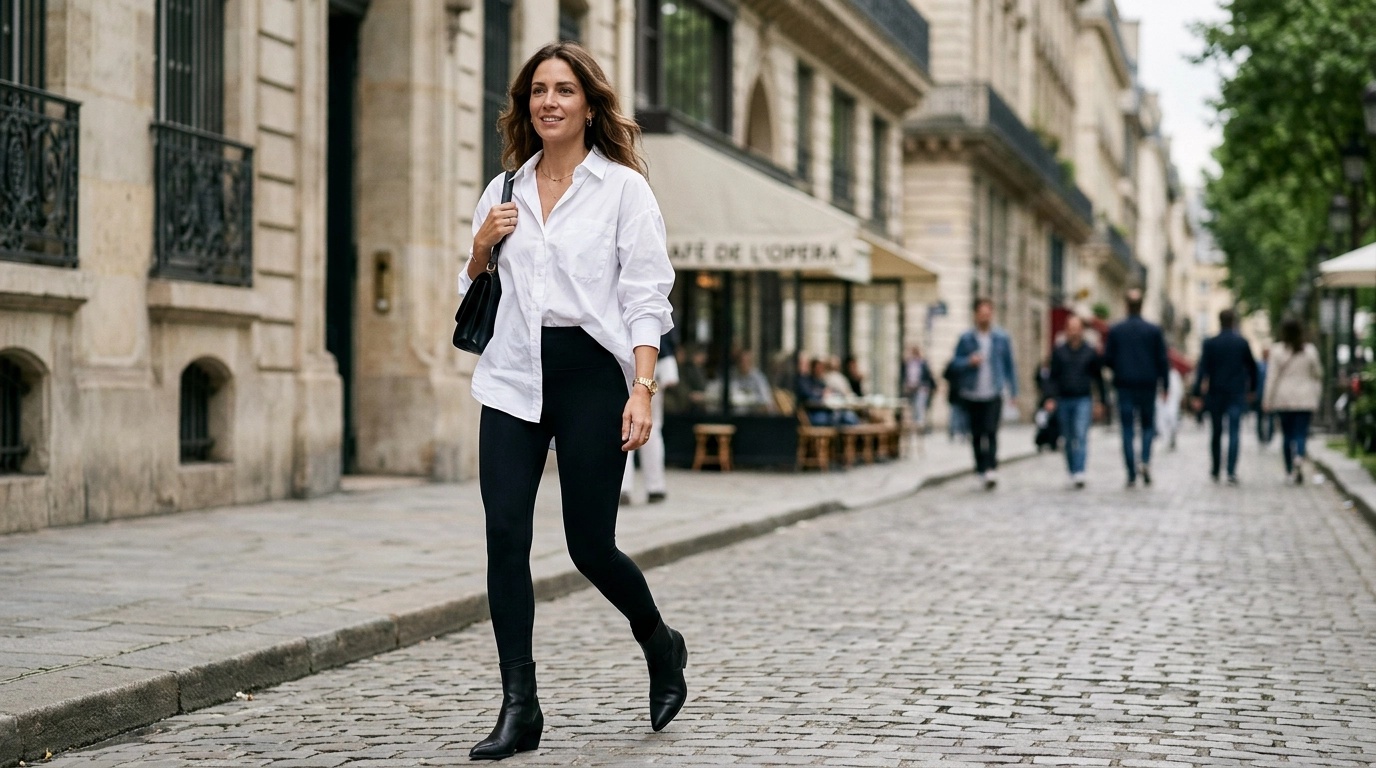
One of the most frequent styling errors is wearing basics that are all the same volume. Pairing a baggy t-shirt with wide-leg sweatpants often results in a look that feels accidental rather than intentional. Without a clear sense of proportion, basics can look like pajamas or gym wear rather than a curated outfit.
The key to a high-fashion silhouette is the “Big-Small Rule.” If your top is oversized and voluminous, keep your bottom half more tailored or fitted. Conversely, if you are wearing wide-leg trousers, pair them with a more form-fitting top or a tucked-in shirt to define your waistline.
Defining the waist is a crucial step in making basics look expensive. A simple French tuck—tucking only the front part of your shirt—can instantly create a more polished shape. This small adjustment shows that you have put thought into how the clothes interact with your body, rather than just throwing them on.
The Proportions Cheat Sheet
- Oversized Blazer + Slim Jeans + Pointed Flats
- Fitted Turtleneck + Wide-Leg Trousers + Heeled Boots
- Cropped Cardigan + High-Waisted Midi Skirt
- Large Button-Down (Open) + Fitted Tank Top + Straight-Leg Denim
Failing to Accessorize with Intent
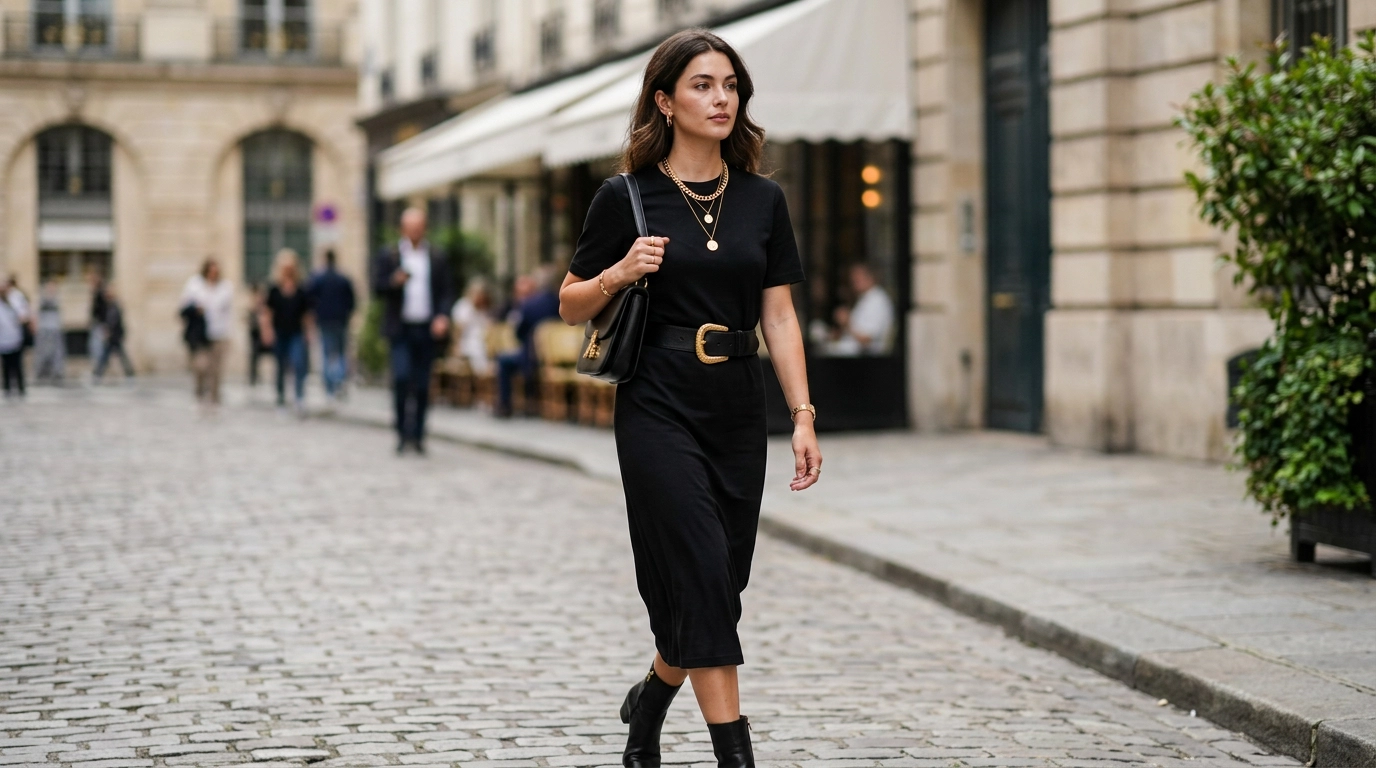
Basics are a blank canvas, and leaving them completely unadorned can sometimes make the outfit look unfinished or “naked.” While minimalism is a valid style choice, there is a fine line between “minimal” and “boring.” A lack of accessories can make your basics look like you didn’t finish getting dressed.
To elevate your staples, use accessories to provide a focal point and a sense of luxury. A high-quality leather belt with a subtle buckle can anchor a pair of simple jeans and a white tee. Similarly, a structured handbag and a pair of classic sunglasses provide the “armor” that completes a high-street look.
Focus on “hero” accessories that have a bit of weight and shine. Think of gold hoop earrings, a classic watch, or a silk scarf tied to your bag. These items act as the finishing touch that signals your outfit was a deliberate choice, turning standard basics into a signature look.
Refined Style Thoughts
Mastering your wardrobe essentials is less about spending more money and more about respecting the details of what you already own. By focusing on fabric quality, perfect tailoring, and the often-ignored nuances of maintenance and proportion, you shift your style from generic to exceptional. Remember that the most expensive thing you can wear is confidence, and that confidence comes from knowing every detail of your outfit is exactly where it should be. Start implementing these shifts today and watch as your simplest outfits begin to command the attention they deserve.