Art of Styling a Bob Wig with Bangs – From Parisian Chic to Modern Edge
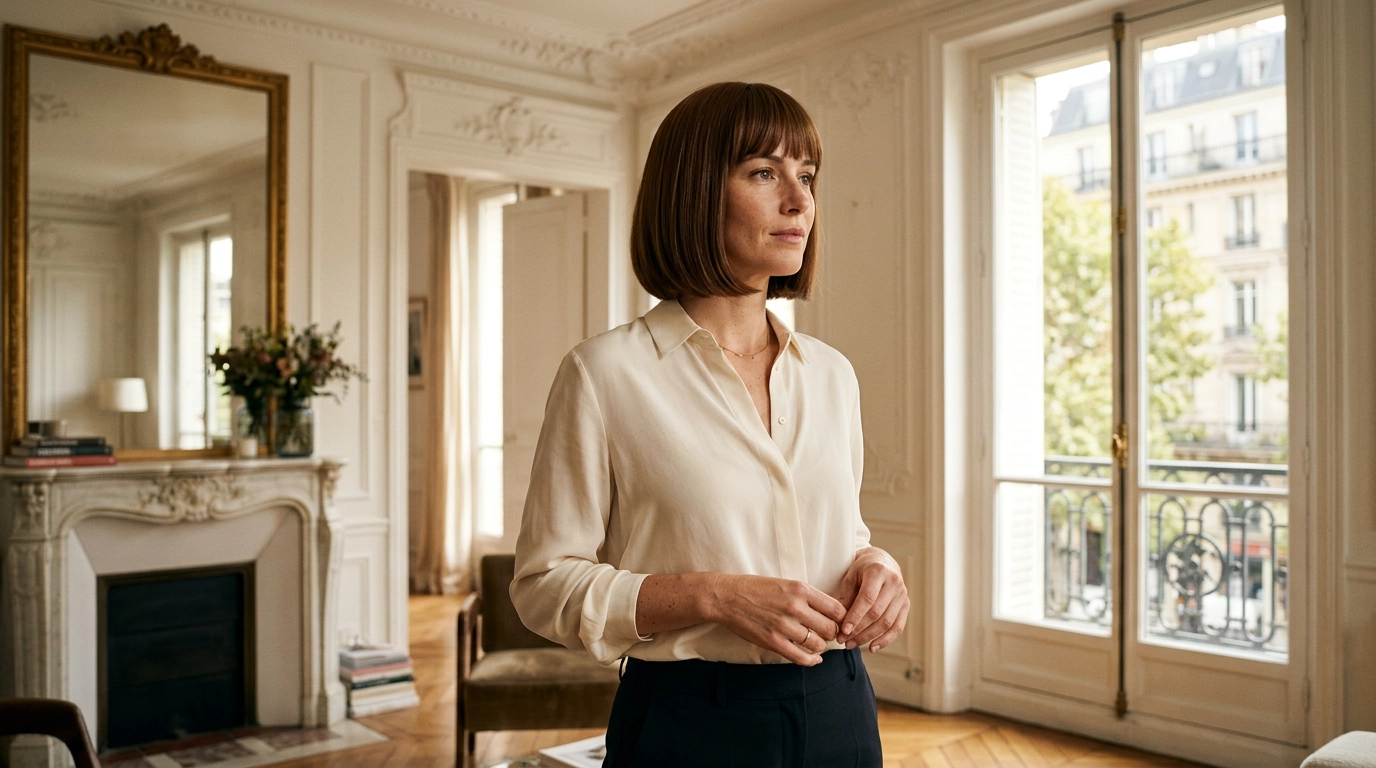
Switching up your look with a bob wig and bangs is one of the fastest ways to redefine your personal style. Whether you are aiming for a sharp, professional vibe or a playful, French-inspired aesthetic, the bob remains a timeless choice that frames the face beautifully. This guide will help you master the techniques needed to make your wig look indistinguishable from natural hair.
If you have ever felt intimidated by the maintenance of bangs or worried about a wig looking too “perfect,” you are in the right place. We will explore how to customize the fit, adjust the density, and use the right tools to create movement and texture. You will find that with a few specific tweaks, your bob can become your most versatile accessory.
Learning to style your wig effectively saves time during your morning routine and preserves the life of the hair fibers. We will cover everything from heat settings to product selection so you can feel confident in your look every day. Let’s get started with the fundamentals of choosing and prepping your new favorite style.
Choosing the Right Bob Length for Your Face Shape

The first step in styling is ensuring the base cut complements your natural features. A chin-length bob works wonders for heart-shaped faces by adding volume near the jawline. If you have a rounder face, opting for a slightly longer “lob” that hits an inch below the chin can provide a lengthening effect.
Bangs also play a critical role in balancing your proportions. Thick, blunt bangs are striking and modern, while wispy, “see-through” bangs offer a softer, more ethereal appearance. Consider the distance between your brows and hairline when deciding where the bangs should sit.
When you first receive your wig, it might look a bit flat from the packaging. Shaking it out upside down and letting it breathe on a wig stand for twenty-four hours helps the fibers regain their intended shape. This simple step makes the subsequent styling process much easier and more effective.
Matching Lengths to Features
- Oval Faces: Most lengths work well, but a mid-neck bob with curtain bangs is particularly flattering.
- Square Faces: A textured, layered bob helps soften a strong jawline.
- Long Faces: A chin-length cut with heavy bangs can help create the illusion of width and balance.
Mastering the Perfect Bang Trim and Shape
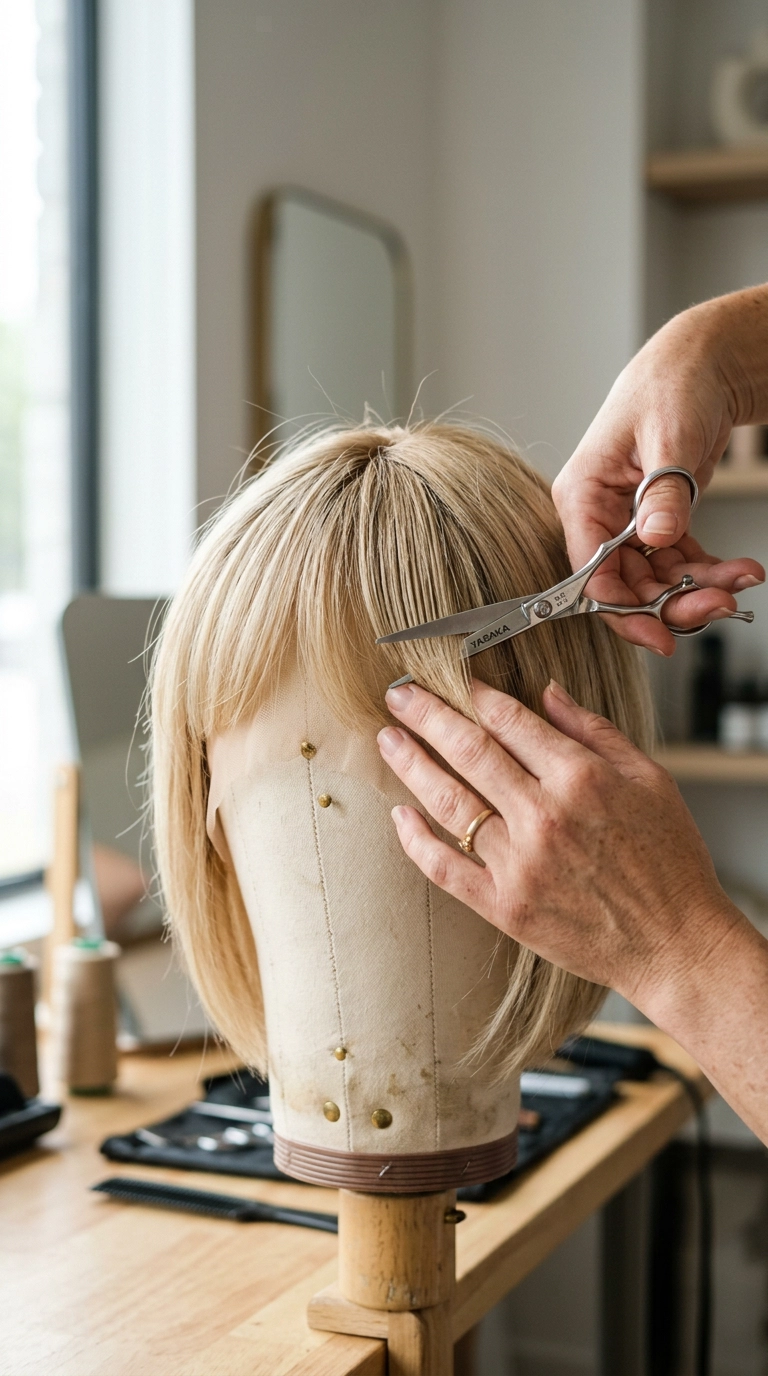
Most wigs come with bangs that are intentionally long so you can customize them to your forehead height. To trim them, always wear the wig so you can see exactly where the hair falls relative to your eyes. Use sharp hair-cutting shears rather than kitchen scissors to avoid frayed ends and static.
Instead of cutting straight across, try the point-cutting technique by holding the scissors vertically. This creates a softer, more natural edge that mimics the way real hair grows. Small, incremental snips are always better than one large cut, as you can always take more off, but you cannot add it back.
If the bangs feel too thick or “wiggy,” you can use thinning shears to remove some of the bulk from the middle layer. This allows the bangs to lay flatter against your forehead and move more naturally when you walk. A little bit of customization goes a long way in achieving a high-end look.
Tools for Customizing Your Bangs
| Tool | Purpose | Expected Result |
|---|---|---|
| Professional Shears | Shortening length | Clean, precise edges |
| Thinning Scissors | Reducing bulk | Lightweight, airy texture |
| Fine-Tooth Comb | Sectioning hair | Even distribution of fibers |
Heat Styling Techniques for Synthetic and Human Hair
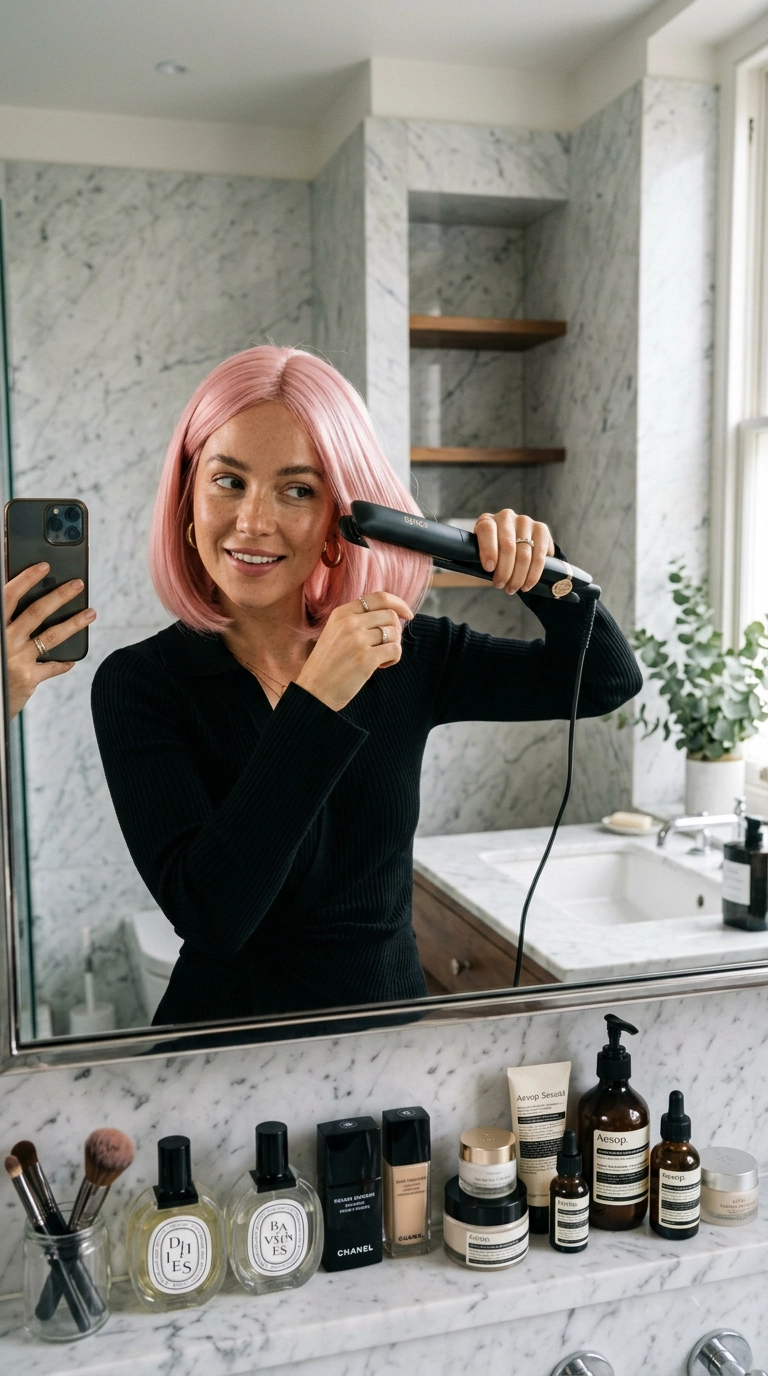
Before applying any heat, verify if your wig is made of human hair or heat-friendly synthetic fibers. Human hair can be styled just like your own, but synthetic fibers require lower temperatures to prevent melting. Keep your styling tools set between 250°F and 300°F for most heat-resistant synthetic wigs.
To get that classic bob “flip” at the ends, use a round brush and a blow dryer on a medium setting. Work in small sections, starting from the nape of the neck and moving upward toward the crown. This ensures every layer has consistent volume and a professional finish.
For a more modern, flat-ironed look, pull the hair straight down with a flat iron and slightly turn your wrist inward at the very bottom. This prevents the bob from looking too triangular and keeps the silhouette sleek. Always use a heat protectant spray specifically formulated for wig fibers to maintain the shine.
Temperature Guide for Safe Styling
- Human Hair: 300°F – 350°F for curls or straightening.
- Heat-Friendly Synthetic: 250°F – 280°F to avoid fiber damage.
- Standard Synthetic: No heat; use steam or rollers instead.
Creating Texture and Movement with Products

A bob can sometimes look a bit stiff if it is too uniform, so adding texture is key for a contemporary feel. Use a lightweight dry shampoo or a sea salt spray to break up the fibers and add a “lived-in” vibe. Spray the product from about ten inches away to avoid any sticky buildup on the wig cap.
For styles with bangs, a tiny amount of hair wax or pomade on the tips can prevent them from separating too much throughout the day. Rub the product between your fingertips first to warm it up before lightly pinching the ends of the bangs. This adds definition without weighing the hair down.
If you prefer a high-shine, editorial finish, a drop of finishing oil worked through the mid-lengths to the ends will do the trick. Avoid applying any oils or heavy products near the roots or the wig lace, as this can cause the hair to look greasy and might loosen the knots on a lace-front wig.
Accessorizing Your Bob for a Personalized Touch

Accessories are a fantastic way to hide the hairline and add some personality to your look. A wide velvet or silk headband can instantly turn a simple bob into a polished, vintage-inspired outfit. This is also a great trick for days when you don’t have time to perfectly blend the lace or silk top.
Decorative bobby pins or small clips can be used to pin back one side of the bob, creating an asymmetrical look that is very on-trend. This exposes the ear and jawline, which can be very flattering for showing off statement earrings. Experimenting with placement can completely change the vibe of the wig from day to night.
During colder months, a beret or a structured fedora looks incredibly chic with a bob and bangs peeking out from underneath. This styling choice protects the wig from wind and frizz while making a bold fashion statement. Just ensure the hat isn’t too tight, as you want to avoid flattening the volume you worked so hard to create.
Maintaining the Shape and Longevity of Your Wig
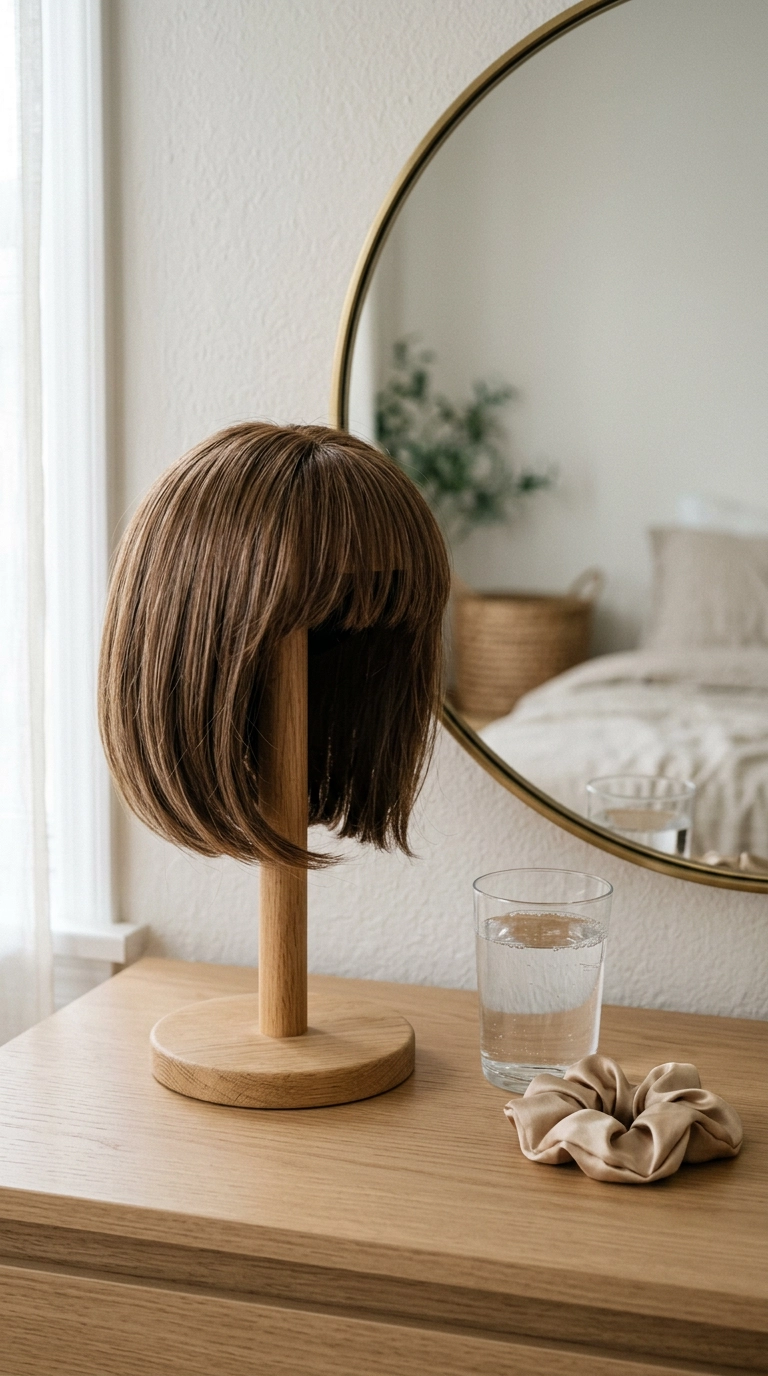
Proper storage is the most overlooked part of wig styling. Always place your bob on a wig stand or a mannequin head when you are not wearing it to keep the cap shape intact. This also prevents the bangs from getting crushed or developing awkward cowlicks that are hard to fix the next morning.
Wash your wig every 10 to 15 wears using cool water and specialized wig shampoo. When drying, pat the hair gently with a microfiber towel rather than rubbing it, which can cause tangles and frizz. Allow the wig to air dry completely before attempting to restyle it with heat or products.
Detangle the hair regularly using a wide-tooth comb or a dedicated wig brush, starting from the ends and working your way up. This is especially important for bobs, as the hair constantly rubs against your collar and can develop “nape frizz.” A little daily maintenance ensures your bob remains smooth and bouncy for months.
Comparison: Synthetic vs. Human Hair Bobs
| Feature | Synthetic Bob | Human Hair Bob |
|---|---|---|
| Style Retention | High (stays after washing) | Low (requires restyling) |
| Price Point | Affordable | Premium Investment |
| Natural Movement | Good (if high quality) | Excellent |
Frequently Asked Questions
How do I stop my bangs from separating?
To keep bangs together, use a tiny amount of hairspray on a clean mascara wand and brush it through the bangs. This provides enough hold to keep them in place without making them look crunchy or stiff. Avoid touching your bangs throughout the day, as the oils from your forehead and fingers can cause them to clump.
Can I change the part on a bob wig with bangs?
This depends on the cap construction. If your wig has a monofilament top or a large lace area, you can shift the part slightly. However, if it is a basic wefted wig, the bangs are usually sewn to stay in one position. You can use a bit of steam to coax the fibers into a slightly different direction if the wig is heat-safe.
How do I make the wig hairline look more natural?
The bangs already do most of the work by hiding the transition between the wig and your skin. To make it even more seamless, you can use a small amount of concealer or foundation that matches your skin tone along the parting line. Plucking a few stray hairs from the parting can also create a more realistic, less dense appearance.
Perfecting Your Signature Bob Look
Styling a bob wig with bangs is an empowering way to experiment with your image and find a look that truly resonates with you. By focusing on the right cut for your face, mastering basic trimming techniques, and using the proper products, you can achieve a professional result at home. Remember that the best style is the one that makes you feel most like yourself.
Take your time to play with different textures, from sleek and straight to tousled and wavy. Every bob has its own personality, and yours will evolve as you become more comfortable with the styling process. Enjoy the versatility and the instant confidence boost that comes with a perfectly styled bob.