8 Puffer Jacket Winter Outfit Mistakes Adding Too Much Bulk
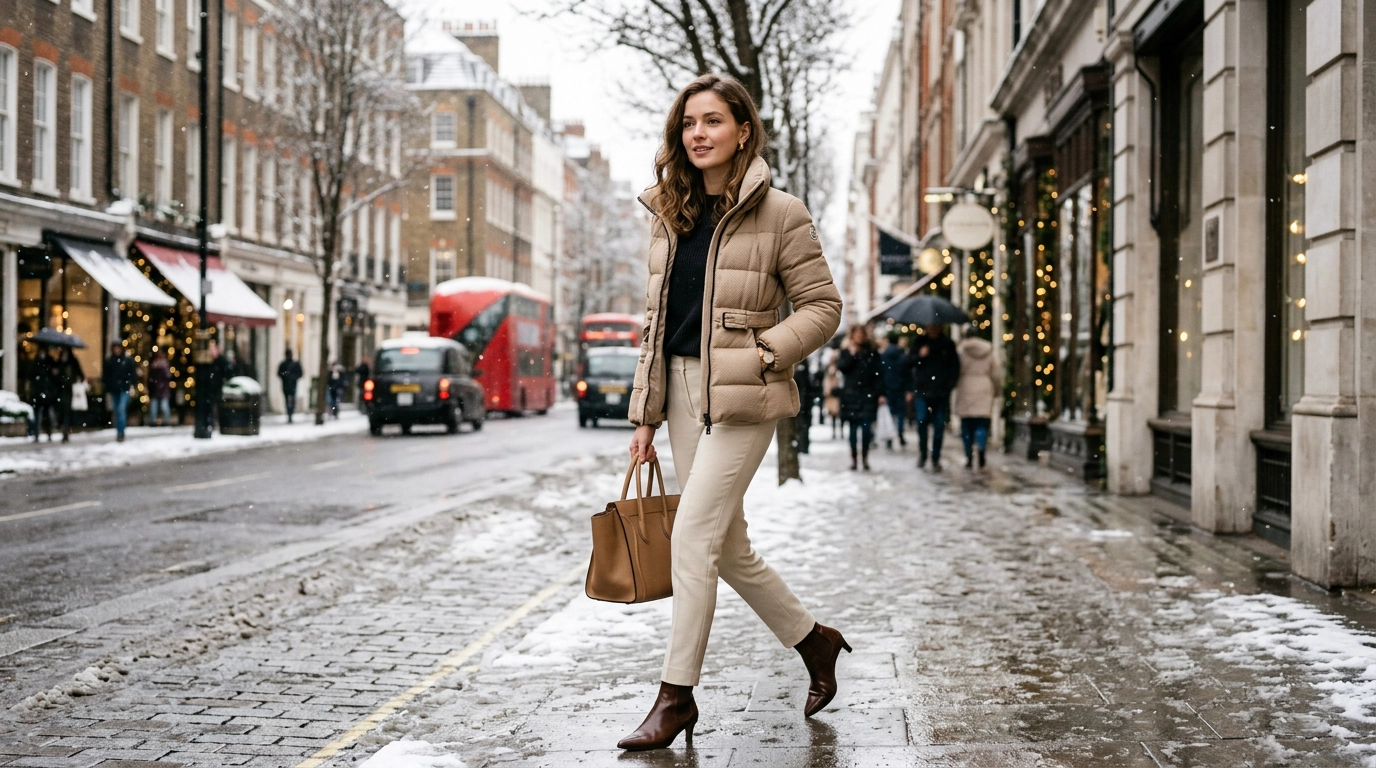
Winter fashion often feels like a constant battle between staying warm and maintaining a recognizable human silhouette. The puffer jacket is an absolute necessity for survival, but its inherent volume can quickly make you look like you are swallowed by a sleeping bag. Mastering this garment requires more than just throwing it on; it requires a strategic approach to proportions and fabric choice.
Many women find themselves frustrated when a high-quality jacket looks heavy or unflattering in photos, often blaming the coat itself rather than the styling around it. You deserve to feel sleek and sophisticated even when the temperature drops below freezing. Understanding the subtle mistakes that lead to unwanted bulk will immediately refine your winter wardrobe and elevate your overall presence.
By adjusting how you layer, which silhouettes you pair together, and the specific details of the jacket you choose, you can achieve a high-fashion look that feels effortless. This guide breaks down the eight most common styling errors that add unnecessary visual weight. Let’s fix these mistakes so you can walk through the winter season with confidence and a polished, streamlined aesthetic.
1. Pairing Oversized Bottoms with an Oversized Puffer
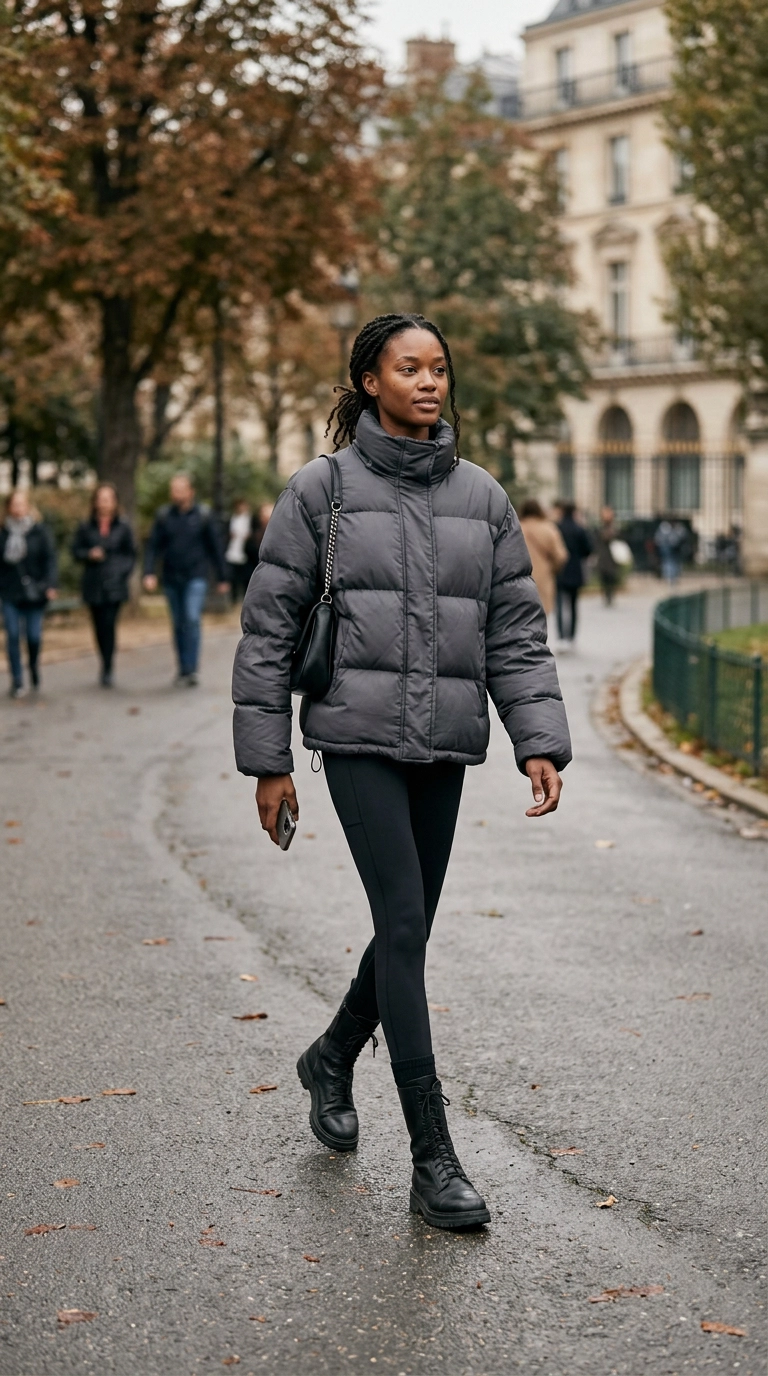
The biggest mistake in puffer styling is the “double volume” error, where you pair a wide-leg trouser or baggy cargo pant with a voluminous jacket. This creates a rectangular block shape that hides your frame entirely and makes you appear shorter than you actually are. When both the top and bottom halves of your outfit are oversized, there is no place for the eye to rest or find a point of reference for your body.
To fix this, apply the rule of opposites: if your jacket is big and puffy, your bottoms must be streamlined. Choose leggings, skinny jeans, or tailored cigarette pants to create a clear contrast in volume. This simple shift ensures that while your upper body is protected from the cold, your legs remain defined, maintaining a balanced and intentional silhouette.
If you absolutely must wear wide-leg trousers, ensure the puffer is cropped at the waist. A cropped length allows the high waist of the pants to be visible, which preserves your proportions. Avoid mid-thigh puffers with wide bottoms at all costs, as this is the quickest way to add visual bulk to your midsection and hips.
2. Neglecting the Importance of Waist Definition
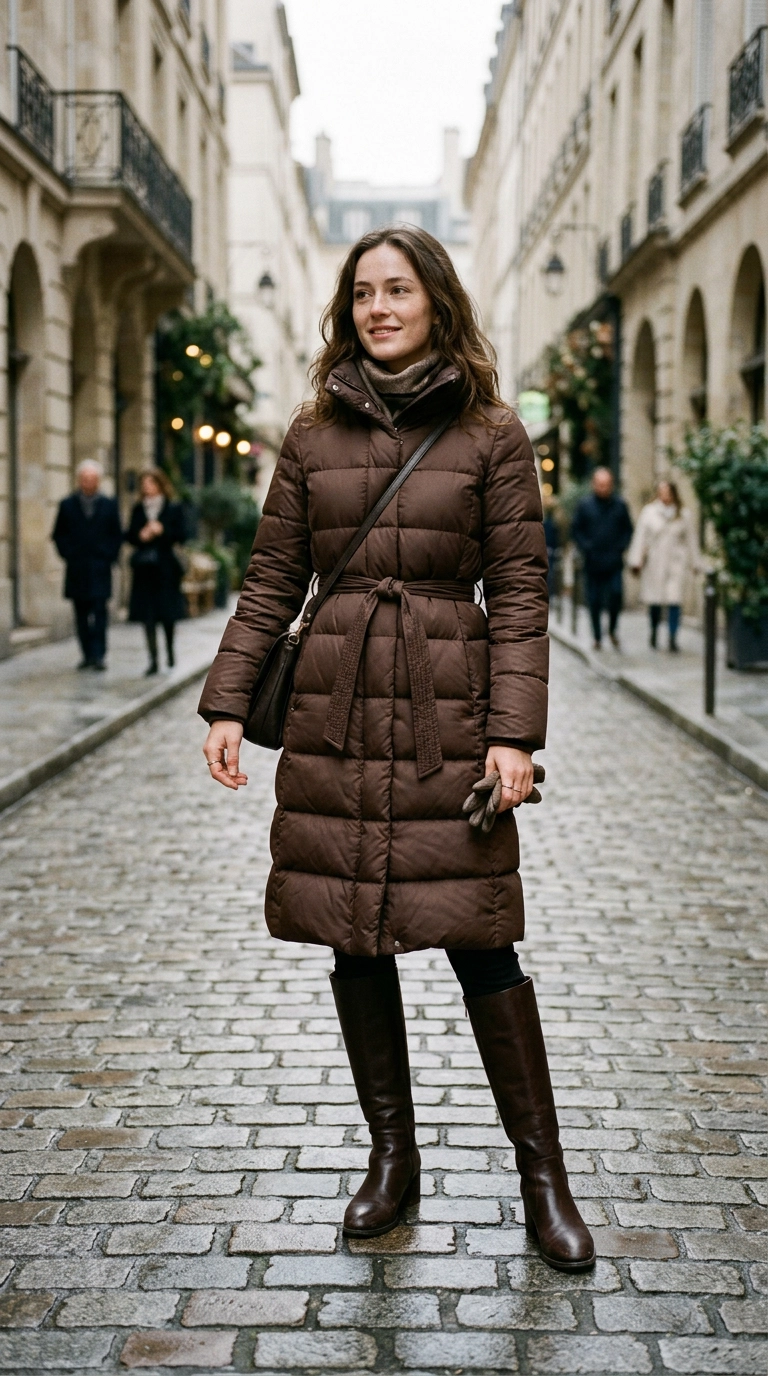
Many puffer jackets are designed with a boxy cut that ignores the natural curve of your waist, leading to a shapeless appearance. When a heavy fabric hangs straight down from your bust, it creates a tent-like effect that suggests you are much wider than your true size. This lack of definition is particularly noticeable in longer coats that hit below the knee.
Look for jackets that feature internal drawstrings or external belts to pull the fabric closer to your center. If your current coat doesn’t have these features, you can often add a wide leather belt over the top to create a more editorial, high-fashion look. Cinching the waist breaks up the mass of the jacket and reminds the viewer that there is a person beneath the insulation.
Even a slight cinch can make a massive difference in how the light hits the fabric. By creating shadows and folds at the waistline, you introduce dimension to the outfit. This prevents the coat from looking like a flat, monolithic wall of fabric and instead turns it into a structured piece of outerwear.
3. Choosing the Wrong Quilting Scale
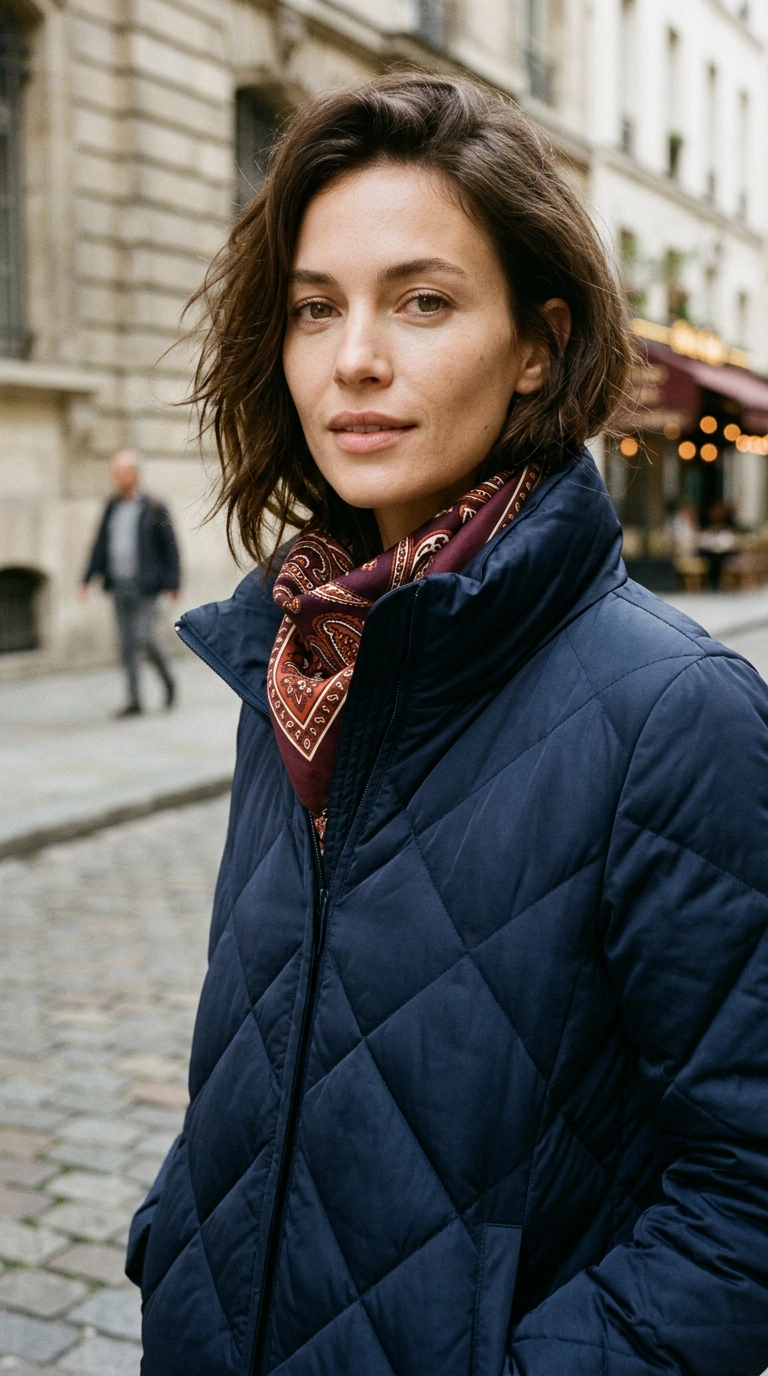
The size and direction of the quilting, or “baffles,” on your puffer jacket play a significant role in how much bulk is perceived. Massive, wide horizontal baffles act like stripes, visually widening your frame and making the jacket look more like athletic gear than a fashion piece. If the horizontal sections are too large, they puff outward significantly, adding inches to your profile.
Smaller, more frequent quilting or diamond-shaped patterns are much more flattering for a sleek look. These designs keep the down or synthetic fill more compressed, which provides warmth without the extreme “poof” factor. If you prefer a traditional horizontal look, ensure the baffles are no more than three to four inches wide to keep the silhouette under control.
Consider the vertical lines in your outfit as well. Some modern puffers feature chevron or vertical quilting patterns that draw the eye up and down rather than side to side. These patterns are incredibly effective at slimming the torso while still providing the high-level insulation needed for peak winter temperatures.
4. Layering Thick Knitwear Underneath Heavy Down
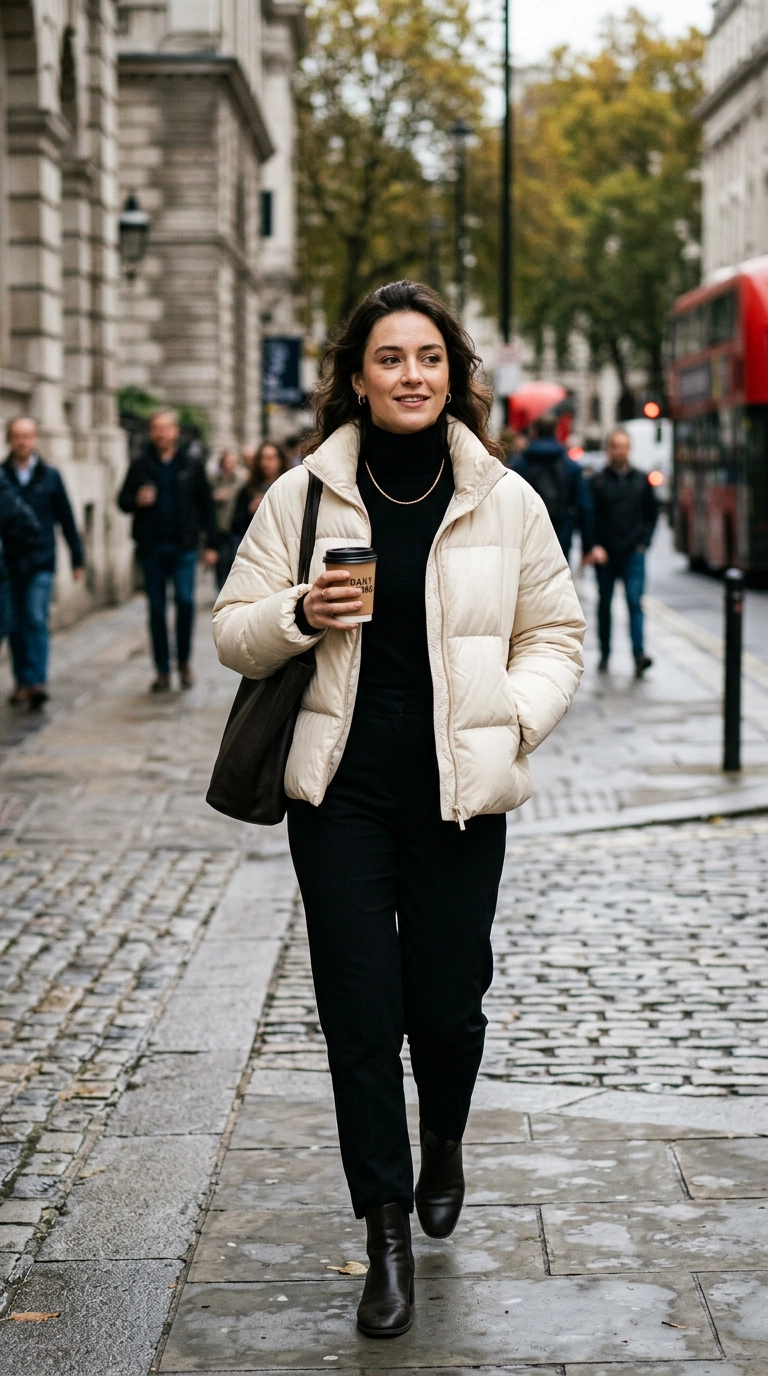
It is a common instinct to wear your thickest, chunkiest wool sweater under your puffer jacket on the coldest days. However, this creates a “stuffing” effect where the sleeves and chest of the jacket are pushed to their absolute limit. This not only looks bulky but can actually make you colder by compressing the air pockets in the puffer that are meant to trap heat.
The secret to a streamlined winter look is high-tech, thin layering. Use thermal base layers made of merino wool or specialized heat-trapping fabrics that provide warmth without the thickness. A thin cashmere turtleneck provides as much heat as a chunky cable-knit sweater but allows the puffer jacket to drape naturally over your shoulders.
If you must wear a heavy knit, try a puffer vest instead of a full jacket. This keeps your core warm while allowing your arms to move freely without the extra circumference of puffy sleeves. Balancing the density of your layers is the most effective way to stay warm without looking like you are wearing your entire wardrobe at once.
| Bulk-Adding Choice | Streamlined Alternative |
|---|---|
| Chunky Cable Knit Sweaters | Thin Merino or Cashmere Knits |
| Wide-Leg Fleece Joggers | Slim-Fit Tailored Trousers |
| Massive Blanket Scarves | Silk or Thin Wool Wraps |
| Heavy Double-Layer Hoodies | Thermal Tech Base Layers |
5. Wearing the Wrong Length for Your Height
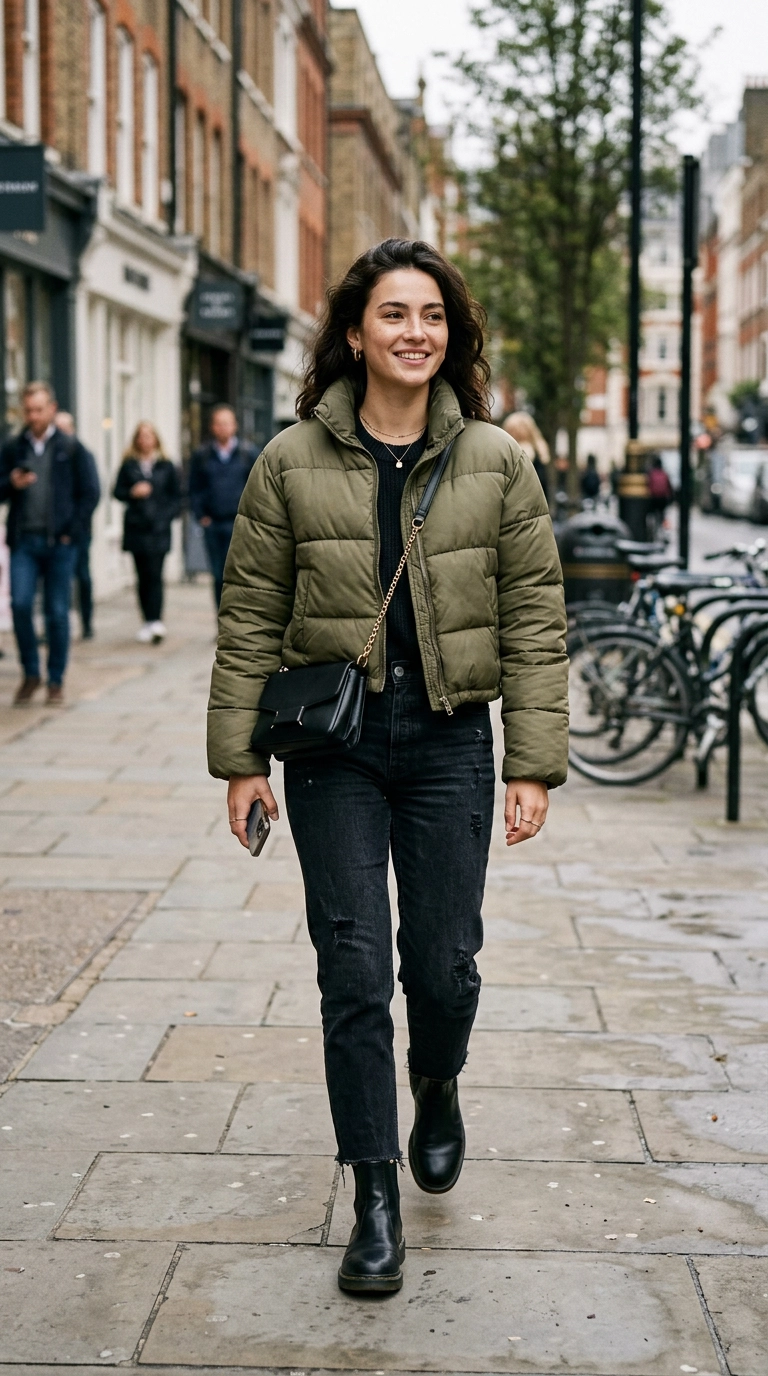
Proportion is everything in fashion, and puffers are especially sensitive to length. For petite individuals, a long, oversized puffer that ends at the mid-calf can overwhelm the frame and make the wearer look like they are disappearing into the coat. Conversely, a jacket that ends exactly at the widest part of the hips can create an unflattering horizontal line that adds visual width.
If you are shorter, a cropped puffer that hits just above the hip bone is usually the most flattering choice. This style elongates the legs and keeps the focus on your waistline. For taller individuals, a longline puffer can look incredibly elegant, provided it has enough structure or a belt to prevent it from looking like a giant rectangle.
When shopping, pay attention to where the hem falls. A hem that hits at the narrowest part of your leg—usually just below the knee or at the ankle—will always be more flattering than one that cuts across the calf. Choosing a length that complements your height is a simple way to ensure the jacket works with your body rather than against it.
6. Clashing Textures and Overly Shiny Fabrics
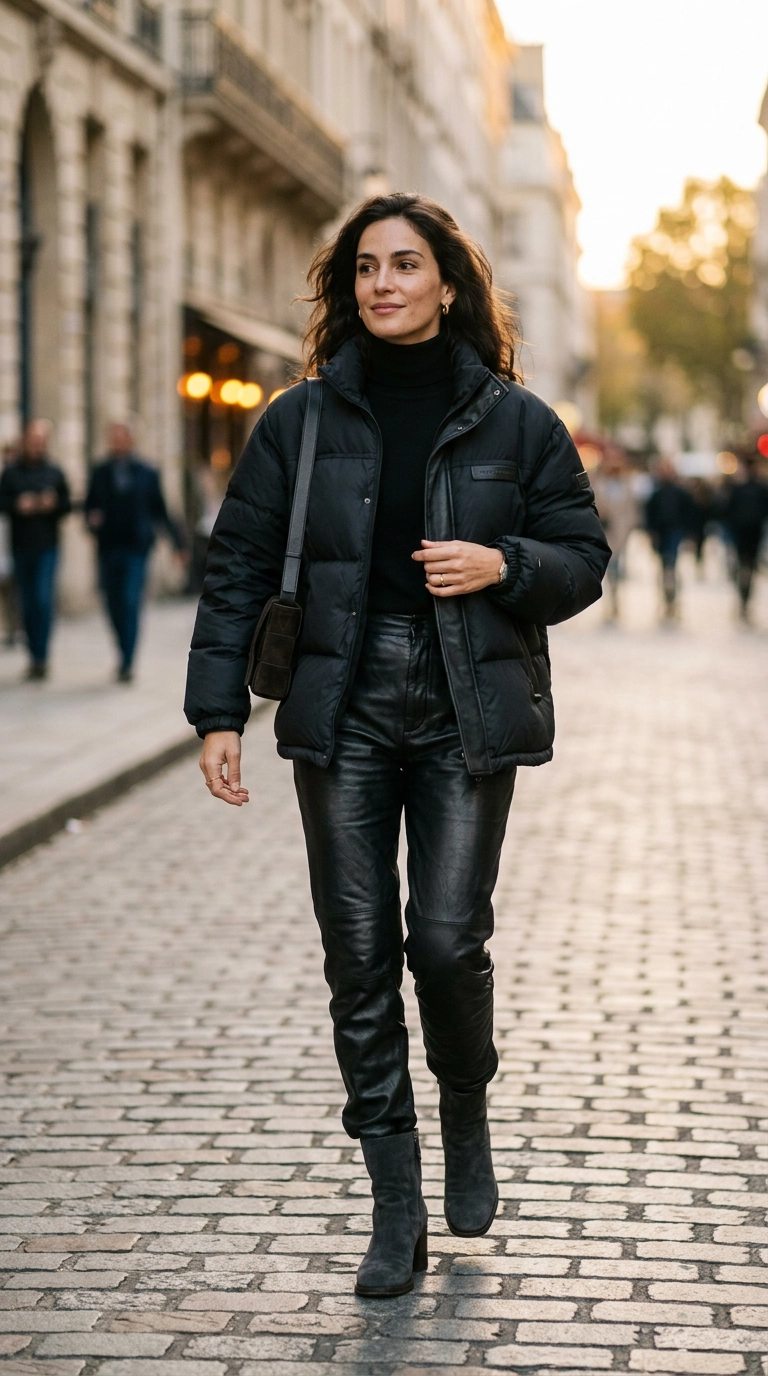
High-shine, “trash bag” style puffers were a major trend, but they are notoriously difficult to wear without adding visual bulk. Light reflects off shiny surfaces, highlighting every curve and air pocket in the jacket, which makes it appear larger than a matte version of the same coat. This glossy finish can also look more casual and less expensive if not styled with extreme precision.
Matte fabrics, such as treated nylon or wool-blend puffers, absorb light and create a more receding, slimming effect. These textures are easier to pair with other winter staples like denim, leather, and suede. If you do love a shiny finish, try to find a “semi-gloss” or sateen texture rather than a full patent finish to keep the look sophisticated.
Mixing textures is also a great way to distract from the bulk of a puffer. Pairing a matte jacket with leather leggings or a silk skirt creates visual interest that moves the eye away from the volume of the coat. This contrast makes the outfit feel curated and expensive rather than just functional for the weather.
7. Oversized Accessories Creating Neck Bulk
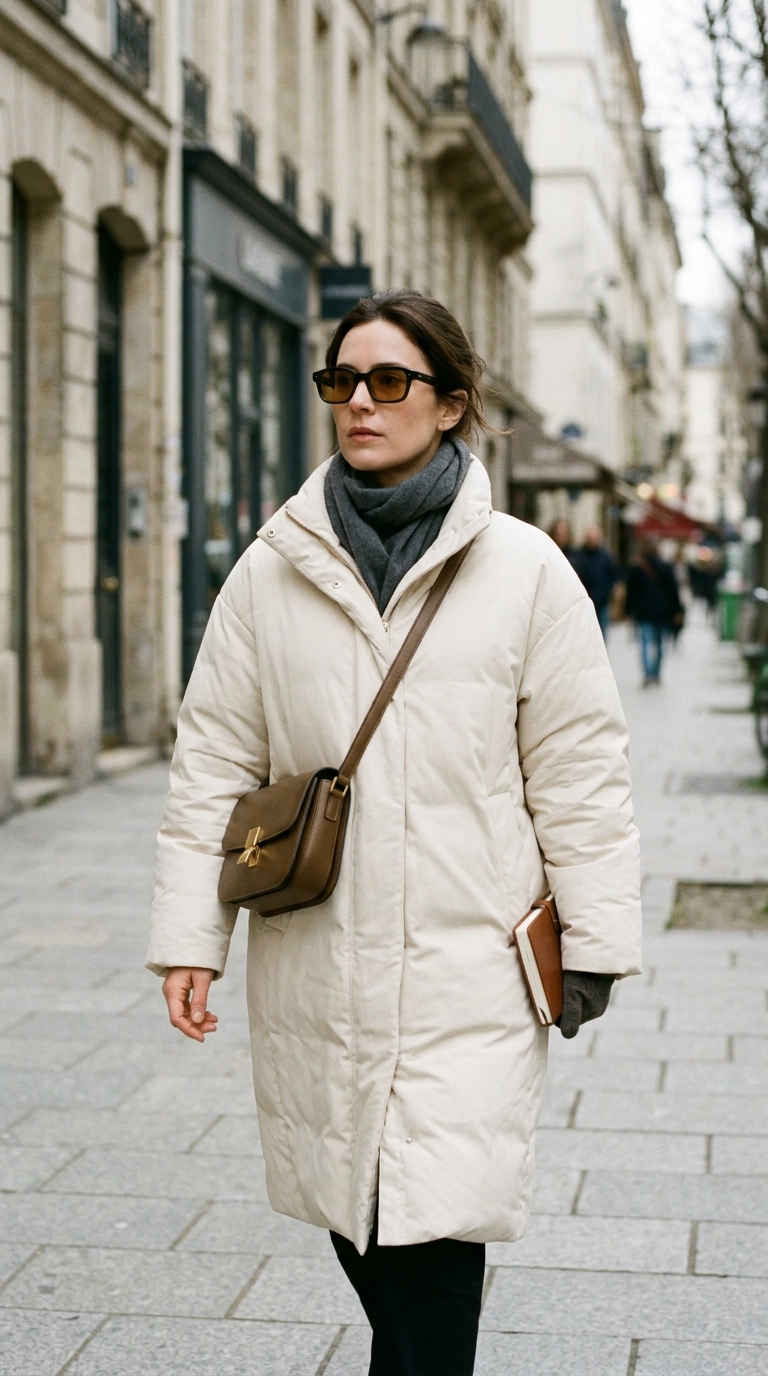
A common mistake is adding a massive blanket scarf on top of a puffer jacket that already has a large, insulated hood. This creates a mountain of fabric around your neck and shoulders, making your head look small and your upper body look disproportionately heavy. This “no-neck” look is a primary cause of the bulky appearance many women want to avoid.
When wearing a puffer with a substantial collar or hood, opt for a thinner scarf that can be tucked inside the jacket. A sleek cashmere wrap or a silk scarf provides warmth without adding three inches of fabric to your circumference. If the weather is truly extreme, choose a jacket with a detachable hood so you can swap the hood for a scarf when needed.
Your choice of hat also matters. A sleek beanie or a simple headband works better with a voluminous puffer than a giant, oversized faux-fur hat. Keep the accessories streamlined to allow the jacket to be the statement piece without competing for space around your face and shoulders.
8. Ignoring the Footwear Balance
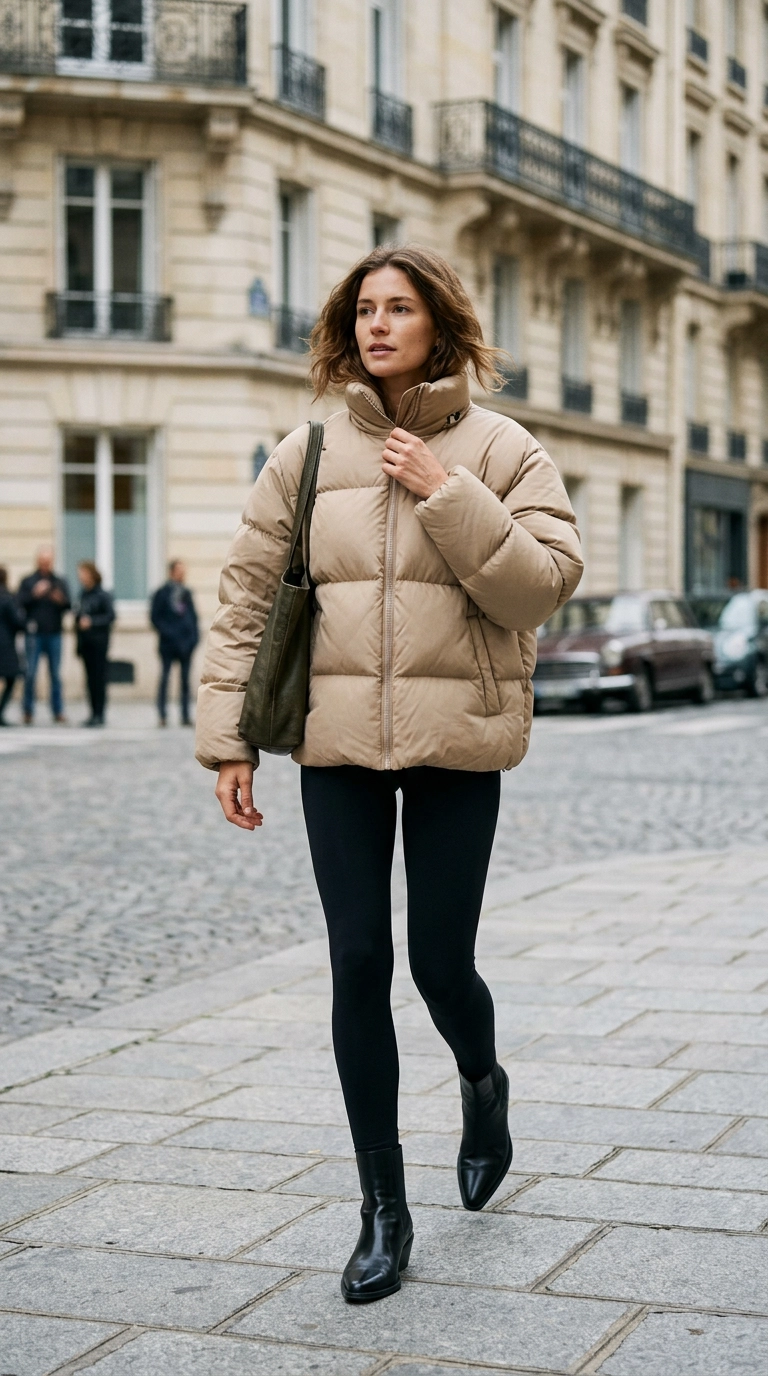
Footwear acts as the “anchor” for your entire puffer look. If you wear a heavy, puffy jacket with tiny, flimsy shoes or low-profile sneakers, the outfit becomes top-heavy and unbalanced. Conversely, wearing massive, chunky “moon boots” with a giant puffer can make the entire look feel heavy and clumsy, adding bulk from top to bottom.
The goal is to find a middle ground that provides a sturdy base without looking like athletic gear. A sleek, pointed-toe ankle boot or a structured Chelsea boot with a moderate sole provides the perfect balance. The pointed toe helps elongate the leg, which counteracts the volume of the jacket and creates a more elegant line.
If you are wearing a long puffer, knee-high boots with a bit of a heel can work wonders. The heel adds height and the tall boot keeps the lower leg looking long and lean. This creates a more cohesive, “intentional fashion” look rather than a “just trying to stay warm” look. Always consider how the weight of your shoes interacts with the weight of your coat.
- Choose matte finishes to absorb light and minimize visual expansion.
- Balance proportions by pairing big jackets with slim-fit bottoms.
- Define the waist using belts or internal drawstrings.
- Opt for thinner layers like cashmere or thermals to prevent “stuffing.”
- Select footwear that anchors the look without adding clunky weight.
Avoiding these eight common mistakes will transform your relationship with winter outerwear. You no longer have to choose between shivering in a thin wool coat or feeling shapeless in a heavy puffer. By focusing on balance, fabric choice, and strategic accessories, you can master the art of the puffer jacket and maintain a sophisticated, elite aesthetic all season long.