5 Rainy Day Fashion Mistakes Making You Look Messy
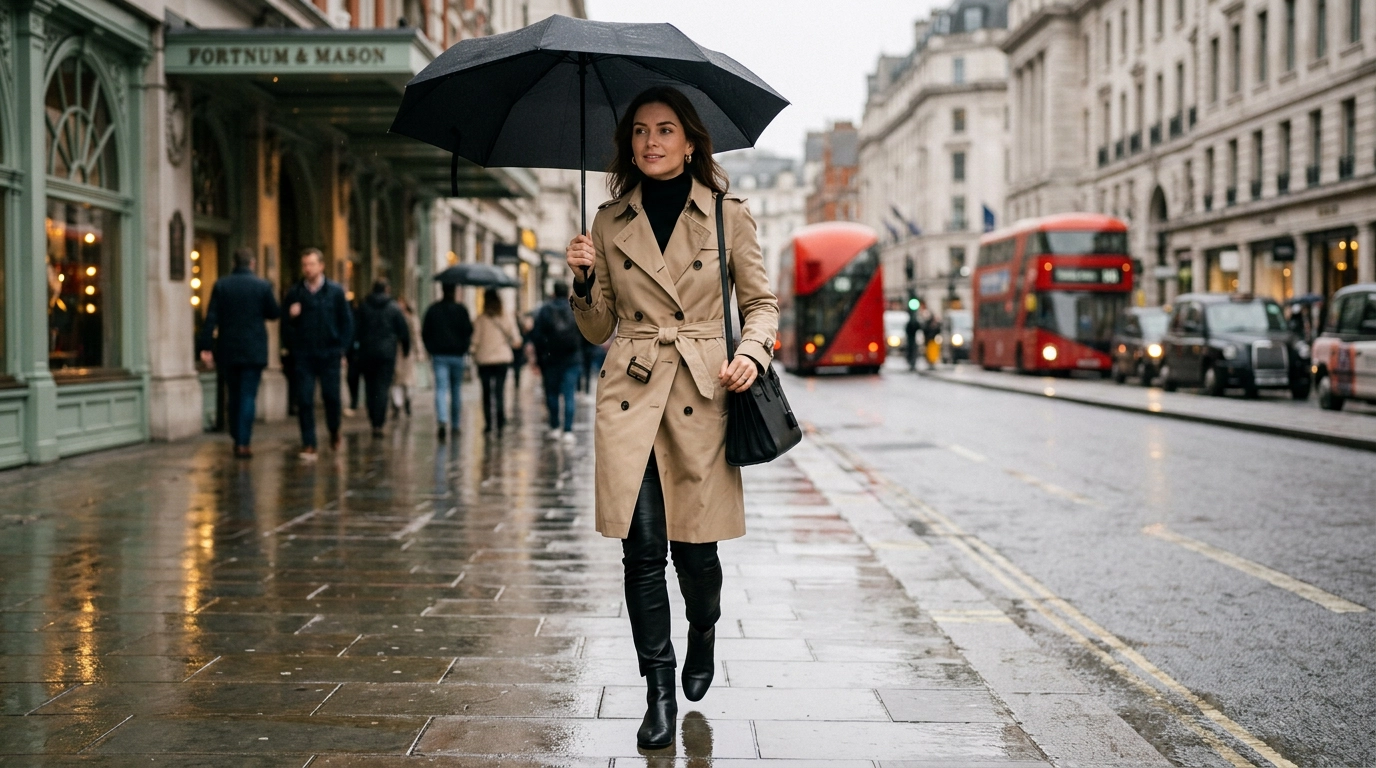
Stormy mornings often trigger a frantic reach for the nearest oversized hoodie, but rain shouldn’t derail your personal style or professional image. Many women accidentally sabotage their aesthetic by prioritizing survival over style in ways that actually ruin their most expensive clothing items.
Mastering the wet-weather wardrobe is about choosing smart technical fabrics and intentional silhouettes that resist the elements while maintaining a sharp, high-end look. You can look just as polished during a downpour as you do on a sunny afternoon by avoiding a few common styling traps.
The following guide identifies the specific errors that cause a messy appearance and provides the elevated alternatives you need to stay chic and dry. Let’s refine your rainy day strategy to ensure you always look intentional, regardless of the humidity or the forecast.
1. Choosing Fabrics That Absorb Moisture
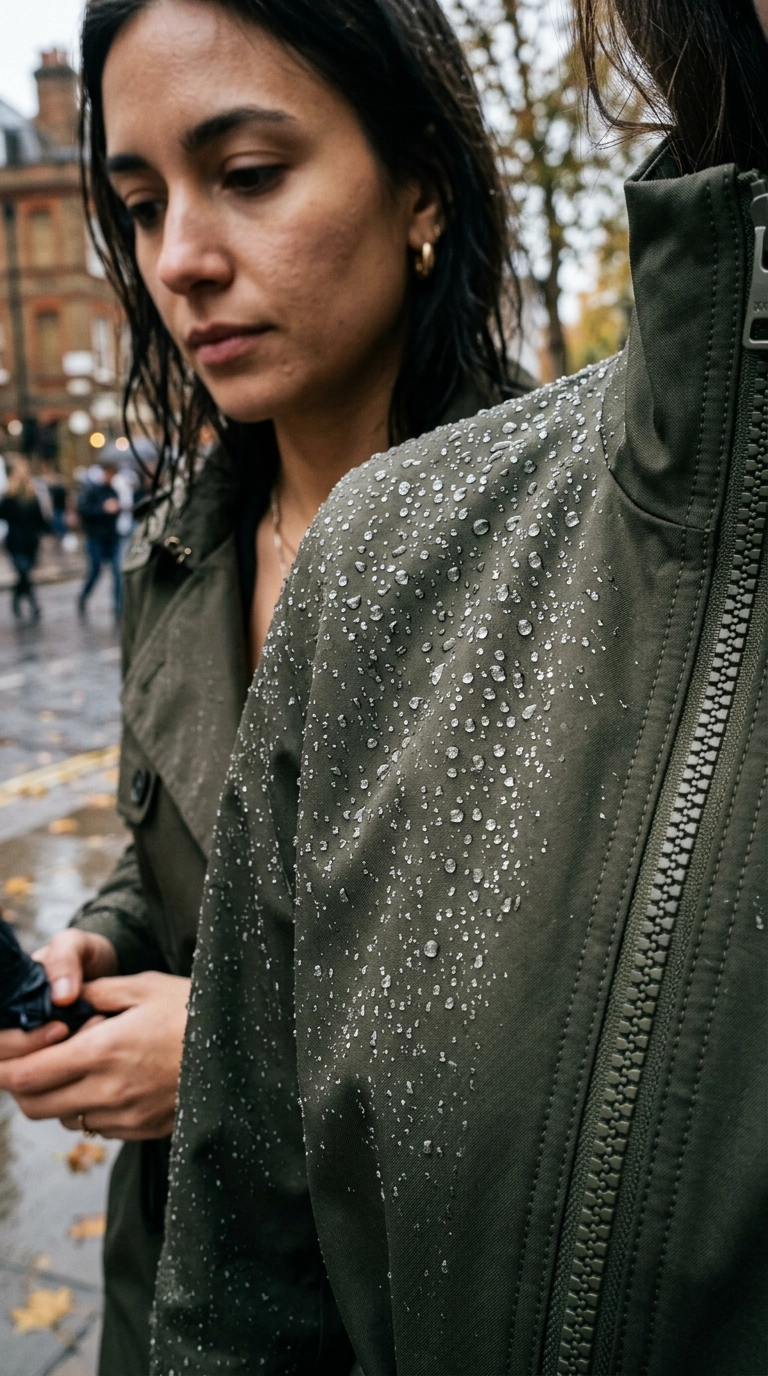
Wearing heavy cotton, linen, or untreated silk during a storm is a recipe for a visible disaster. These porous materials act like sponges, absorbing every drop and creating dark, unsightly water spots that take hours to dry.
Beyond the aesthetic mess, wet natural fibers become heavy and lose their structure, causing your outfit to sag and cling to your body in unflattering ways. Silk is particularly risky as rain can leave permanent water rings that ruin the garment’s finish forever.
Instead, opt for high-quality synthetics or treated wools that naturally repel water. Modern technical fabrics offer a matte, sophisticated finish that looks like luxury evening wear while providing the protection of high-performance gear.
The Best and Worst Fabrics for Wet Weather
| Fabric Type | Rain Performance | Visual Result |
|---|---|---|
| Untreated Silk | Poor | Water spots and fabric distortion |
| Heavy Cotton | Very Poor | Soggy, heavy, and slow-drying |
| Patent Leather | Excellent | Water beads off, stays shiny |
| Technical Nylon | Superior | Resists moisture and wind |
2. Wearing Wide-Leg Trousers That Drag
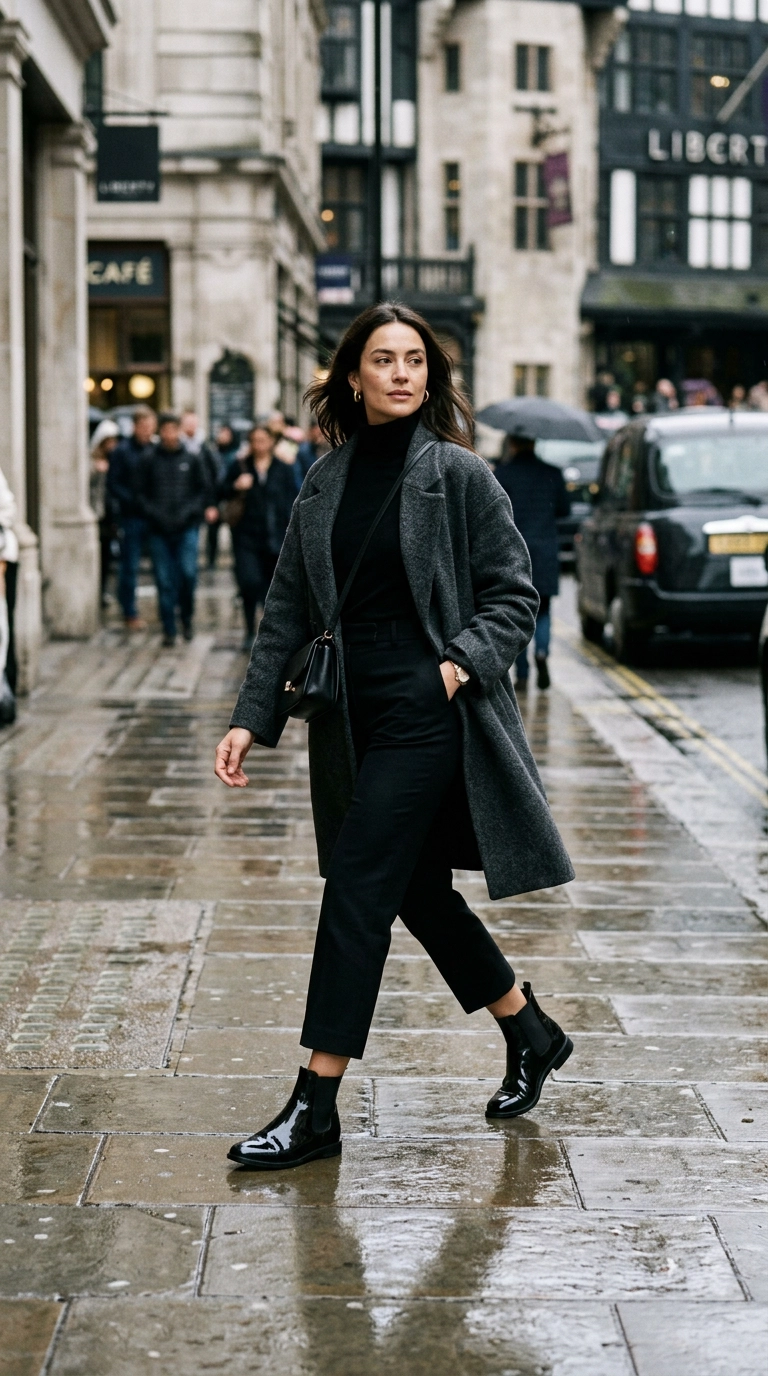
The “puddle pant” trend might work on a dry runway, but it is a functional nightmare when the clouds open up. If your hemlines touch the ground, they will wick up muddy water and salt, creating a dirty ring around your ankles.
This moisture travels up the fabric, making the bottom of your trousers look heavy and frayed. By the time you reach your destination, you aren’t just damp; you look unkempt and careless about your wardrobe maintenance.
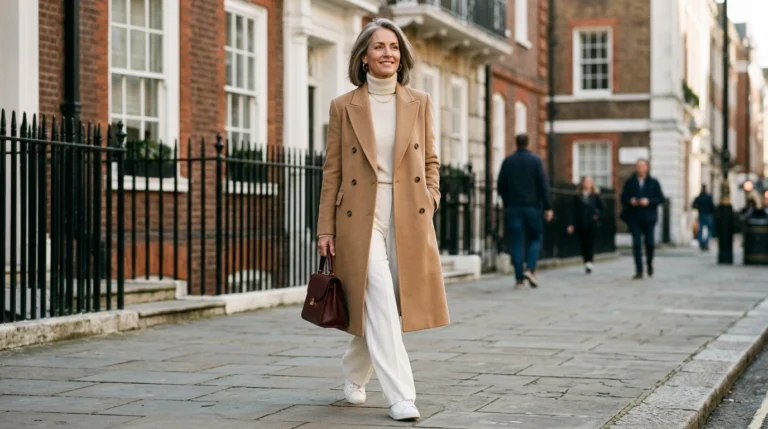
Switch to cropped silhouettes or slim-tapered cuts that end just above the ankle bone. This creates a clean line between your pants and your footwear, ensuring your hems stay pristine and dry throughout the day.
3. Risking Suede and Light Leather Footwear
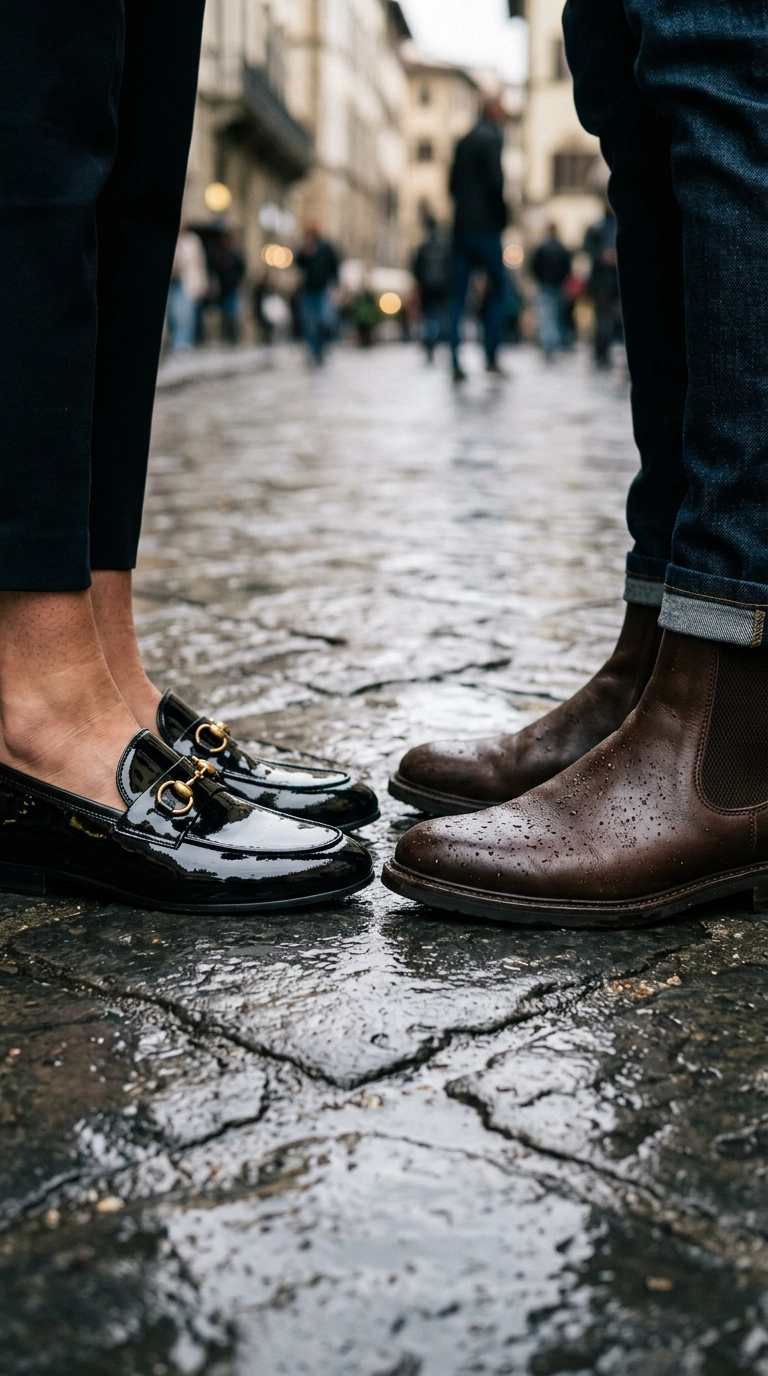
Suede is perhaps the most fragile material you can wear during a storm. Rain instantly flattens the nap of the suede, and city street water often contains oils that leave permanent stains on light-colored leathers.
Many people assume a quick spray of protector is enough, but deep puddles can still penetrate the seams and destroy the internal structure of the shoe. Walking around in salt-stained or warped boots immediately drags down the quality of your entire ensemble.
Choose patent leather, polished calfskin, or high-end rubberized boots for these days. These materials provide a reflective, expensive-looking texture that cleans up with a simple wipe once you step indoors.
- Patent Loafers: Perfect for professional settings where rain boots feel too casual.
- Treated Combat Boots: Adds an edgy, intentional feel to feminine dresses while keeping feet dry.
- Polished Chelsea Boots: A timeless choice that transitions perfectly from a commute to a boardroom.
4. Over-Layering Without Structural Definition
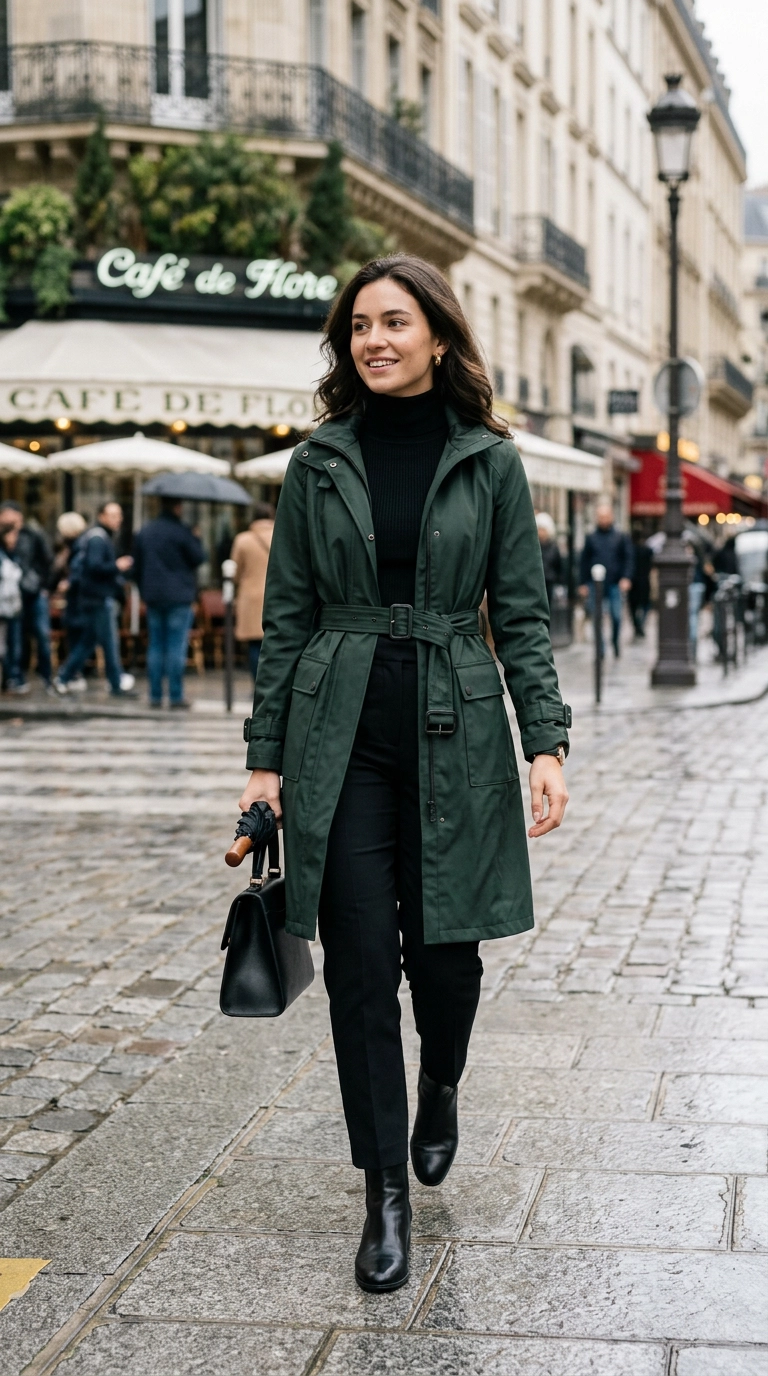
In an attempt to stay warm and dry, it is easy to pile on bulky knits and oversized parkas. This often results in a shapeless, “bundled” look that swallows your frame and makes you appear shorter and heavier than you are.
When your outer layer is too voluminous, it traps moisture in the folds of the fabric, making the coat look lumpy rather than sleek. This lack of proportion is the primary reason rainy day outfits feel “messy” compared to your usual style.
Prioritize pieces with an internal drawstring or a sturdy belt to define your waist. A structured shoulder on a raincoat provides a framework for your body, ensuring you look like you are wearing the clothes rather than the clothes wearing you.
5. Carrying Flimsy or Clashing Accessories
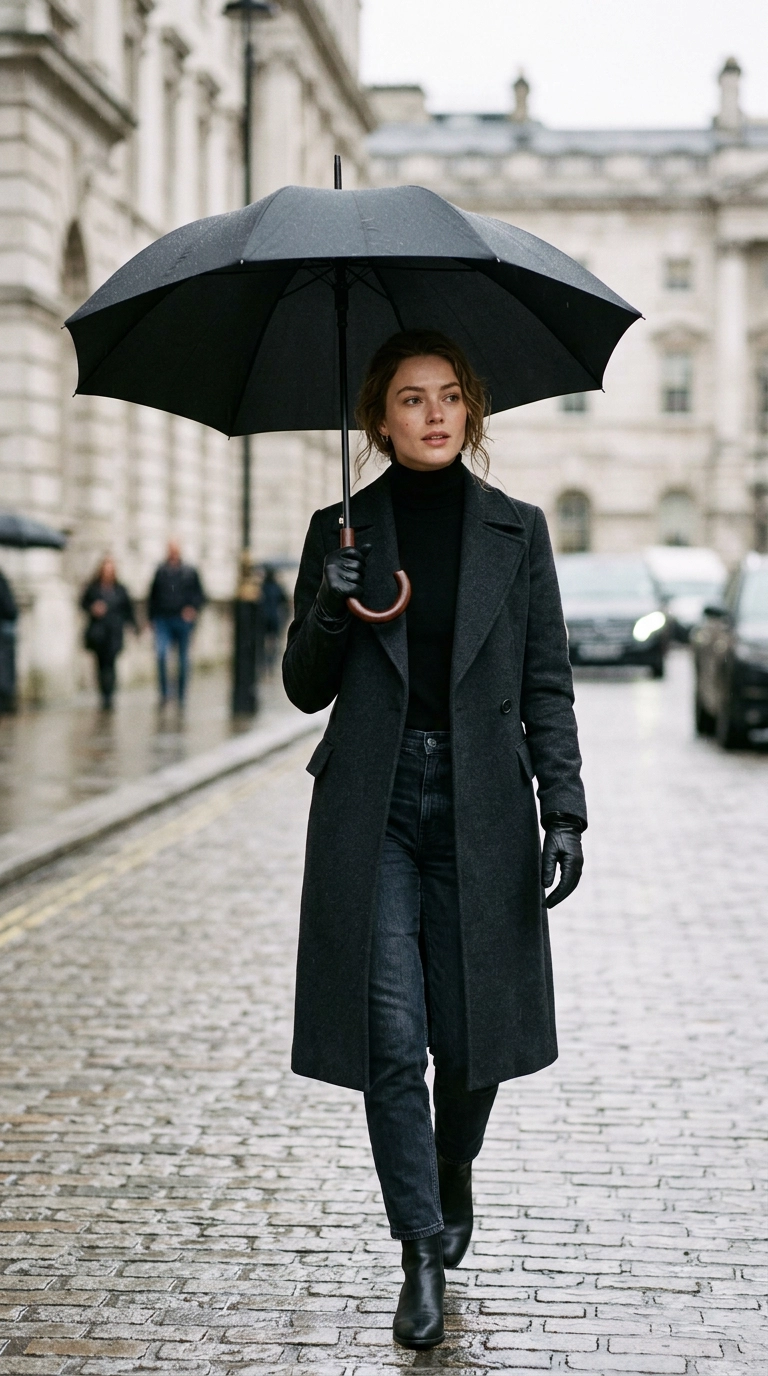
The most common style killer is the “emergency” umbrella—the bright pink or neon green one bought from a drugstore during a sudden downpour. These flimsy tools break easily in the wind and clash with a sophisticated neutral outfit.
A broken or cheap umbrella suggests you were unprepared, which contradicts the “expert” fashion persona you’ve built. Your bag choice also matters; carrying a canvas tote or a light suede handbag will lead to water damage and a limp, soggy accessory by noon.
Invest in a sturdy, architectural umbrella in a classic tone like black, navy, or forest green. Pair this with a structured leather bag that has been treated with a water-repellent wax to ensure your belongings and your look stay intact.
Rainy Day Accessory Checklist
- Stick Umbrella: Offers better wind resistance and a more elegant silhouette than compact versions.
- Top-Handle Leather Bag: Keeps your bag away from splashing puddles on the ground.
- Silk Scarf: Use as a hair protector under your hood to prevent frizz without sacrificing style.
- Waterproof Tech Case: Protects your electronics inside your bag so you don’t have to carry extra plastic.
Elevating your rainy day style is simply a matter of choosing intentional textures and protecting your silhouettes from the damp. When you stop fighting the weather and start styling for it, you gain a level of polished confidence that stands out in any storm.