5 Common Outfit Mistakes With Crossbody Bags and Accessories

Most women treat a crossbody bag as a mere utility, but this small accessory can make or break your entire silhouette in seconds. If you have ever looked in the mirror and felt your outfit was slightly off despite wearing high-end pieces, the culprit is likely hanging right at your hip.
We are going to fix the subtle styling errors that drag down your look and keep you from achieving that curated, high-fashion aesthetic. These adjustments require zero extra spend and focus entirely on the geometry of your body and the texture of your garments.
Elevating your wardrobe starts with mastering how your accessories interact with your frame instead of fighting against it. Let’s refine your daily uniform by eliminating these five common mistakes that even seasoned fashionistas occasionally make.
The Trap of the Low-Slung Strap
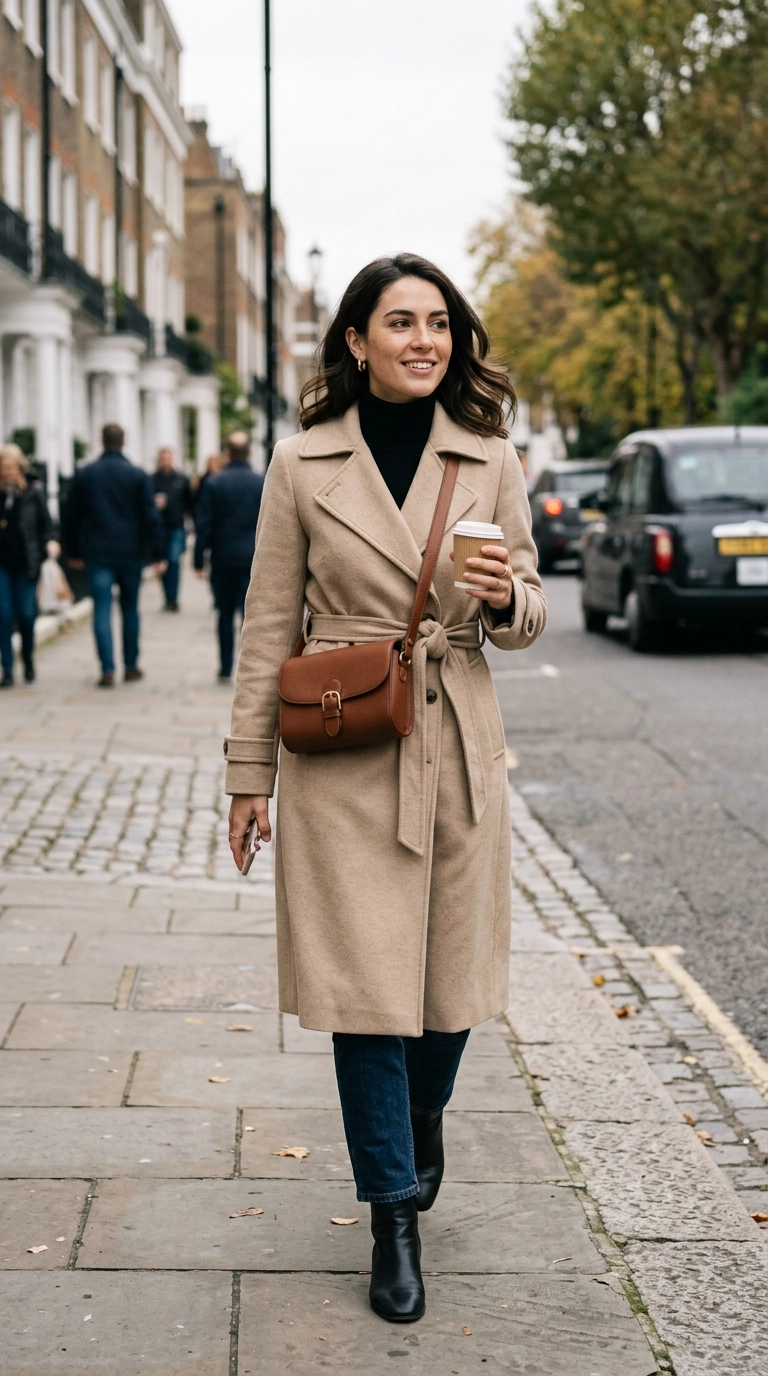
Allowing your bag to bounce against your mid-thigh is one of the quickest ways to shorten your legs visually. When a bag sits too low, it pulls the eye downward and creates a heavy, bottom-weighted appearance that disrupts the natural flow of your outfit.
Ideally, your bag should rest between your natural waist and your hip bone. This positioning keeps the bulk of the accessory centered on your torso, which preserves the vertical line of your trousers or skirt and makes you appear taller and more balanced.
Adjusting for Your Height
Not every strap is designed for every torso length, so do not be afraid to take your bags to a local cobbler for custom adjustments. A bag that sits just an inch too high or low can change how a blazer drapes over your frame.
Check the table below to see how bag placement affects your visual proportions:
| Bag Position | Visual Effect | Best For |
|---|---|---|
| Natural Waist | Highlights the narrowest part of the body | Dresses and high-waisted trousers |
| Hip Bone | Balanced, classic look | Blazers and structured coats |
| Mid-Thigh | Shortens the legs and adds bulk | Rarely recommended for street style |
Ignoring the Scale of the Silhouette
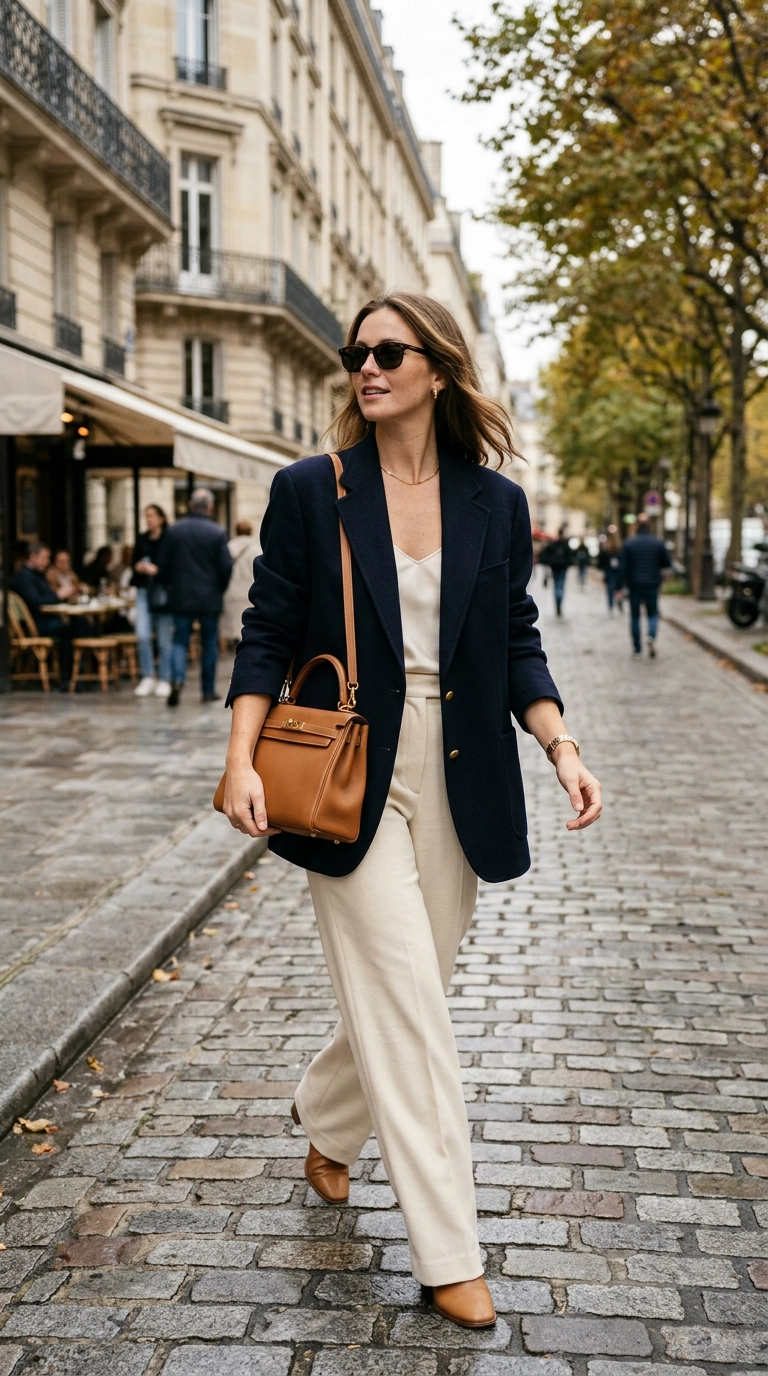
Proportion is the foundation of high-end styling, yet many people pair tiny micro-bags with heavy, oversized outerwear. A small bag can easily get lost against a voluminous puffer coat or a chunky knit sweater, making the accessory look like an afterthought rather than a choice.
Conversely, a massive, slouchy crossbody paired with a delicate silk slip dress can overwhelm your frame and look messy. You must match the weight of your bag to the weight of your fabric to maintain a sense of intentionality in your look.
Matching Texture and Volume
If you are wearing a structured suit, choose a bag with sharp edges and a firm leather finish. For relaxed weekend wear, such as a linen set, you can opt for softer shapes and more tactile materials like suede or woven leather.
Think of your bag as the punctuation mark at the end of a sentence; it should provide the right amount of emphasis without distracting from the main message. When the scale is correct, the bag looks like a natural extension of the garment.
Consider these pairing rules for your next outing:
- Chunky Knits: Pair with medium-sized, structured leather bags.
- Light Summer Linens: Pair with small to medium woven or canvas textures.
- Evening Wear: Stick to minimalist, sleek silhouettes that do not compete with the fabric.
Conflicting Hardware and Metal Tones
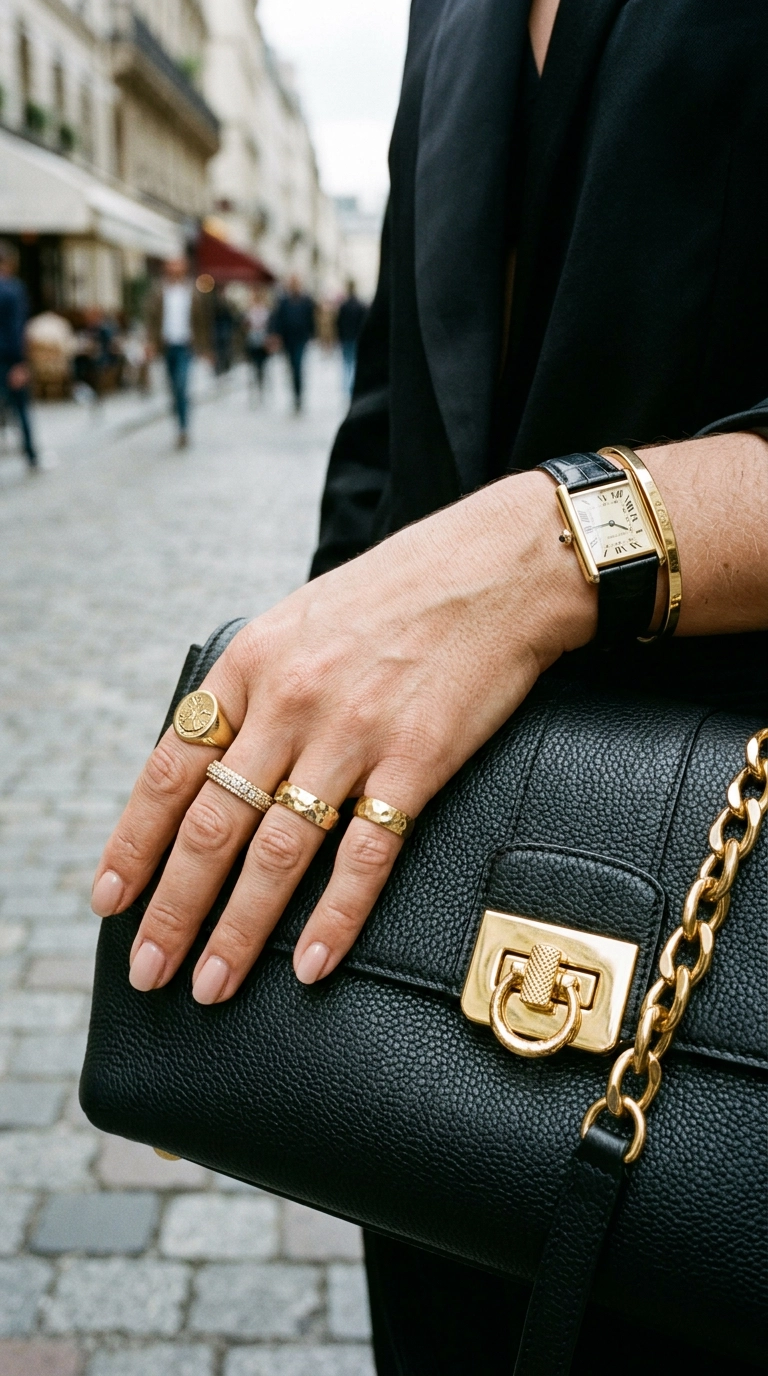
Mixing metals can be done successfully, but it often looks accidental when the hardware on your bag clashes with your jewelry and belt buckle. If your bag has a heavy brass chain but you are wearing cool-toned silver earrings and a chrome watch, it creates a visual friction that feels unpolished.
For a cohesive Tier 1 look, try to harmonize your metal tones across your entire ensemble. This small detail creates a “pulled together” effect that signals luxury and attention to detail without needing to show off expensive logos.
Creating a Unified Color Story
Gold and brass hardware pair beautifully with warm tones like camel, olive, and chocolate brown. Silver and gunmetal hardware work best with cool tones like navy, charcoal, and crisp white.
If you prefer to mix metals, do so with purpose by wearing jewelry that specifically features both gold and silver elements. This bridges the gap between your bag and your other accessories, making the combination look like a deliberate style choice.
Use this quick guide for metal pairing:
- Warm Palettes (Beige, Brown, Rust): Opt for Gold or Antique Brass.
- Cool Palettes (Grey, Black, Navy): Opt for Silver, Chrome, or Gunmetal.
- Monochrome Black: Use heavy gold hardware for a high-contrast, expensive feel.
Burying the Bag Under Heavy Outerwear
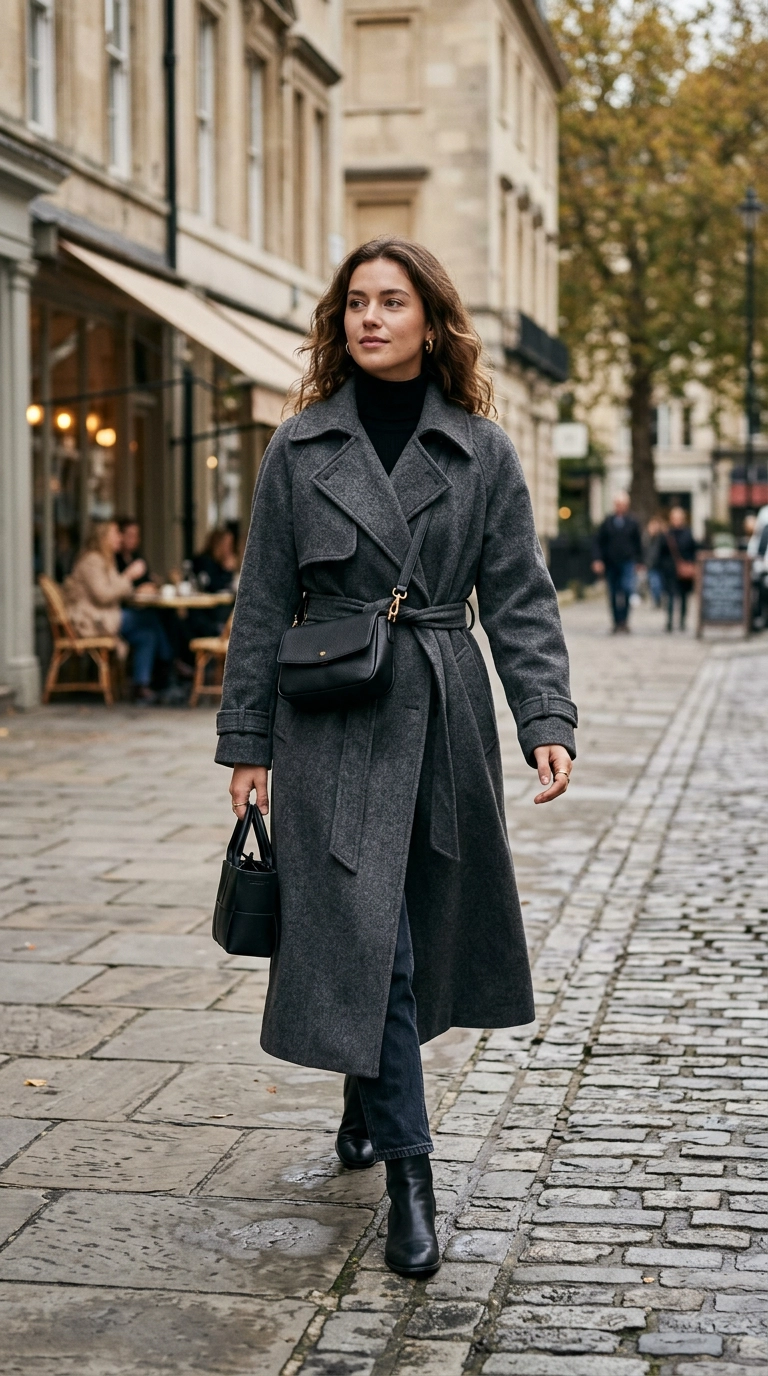
During colder months, many women instinctively put their crossbody bag on first and then layer a heavy coat over the top. This creates a strange bulge under the fabric and makes it difficult to access your essentials without unbuttoning your entire outfit.
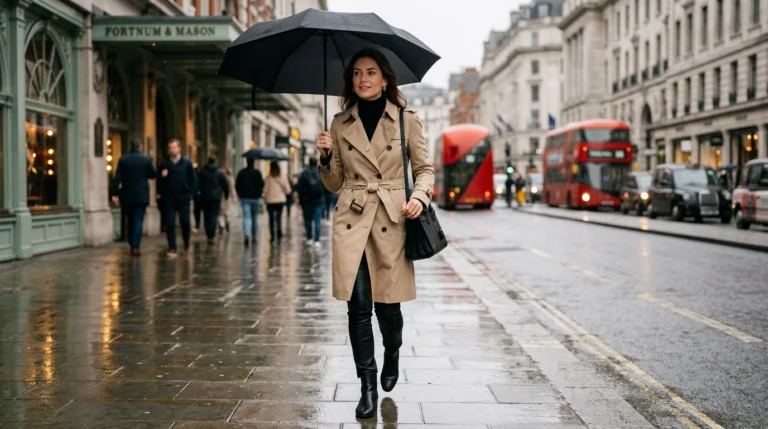
Wearing your bag over your coat is not only more functional but also serves as a styling tool. A crossbody strap can act as a sash, breaking up the expanse of a long coat and adding a layer of visual interest to an otherwise flat silhouette.
Refining the Layered Look
When wearing a bag over a coat, ensure the strap is long enough to prevent the coat from bunching up around your neck or shoulders. The goal is to have the bag sit flush against the outerwear, creating a streamlined and modern look.
This technique is particularly effective with trench coats and long wool overcoats, as it defines the waistline that often gets lost in heavy fabrics. It transforms a functional necessity into a focal point of your winter street style.
Follow these layering tips:
- Thin Straps: Best for wearing under light jackets or blazers for a subtle look.
- Wide Webbing Straps: Perfect for wearing over heavy parkas or puffers.
- Chain Straps: Best worn over structured wool coats for a touch of elegance.
Overstuffing and Distorting the Shape
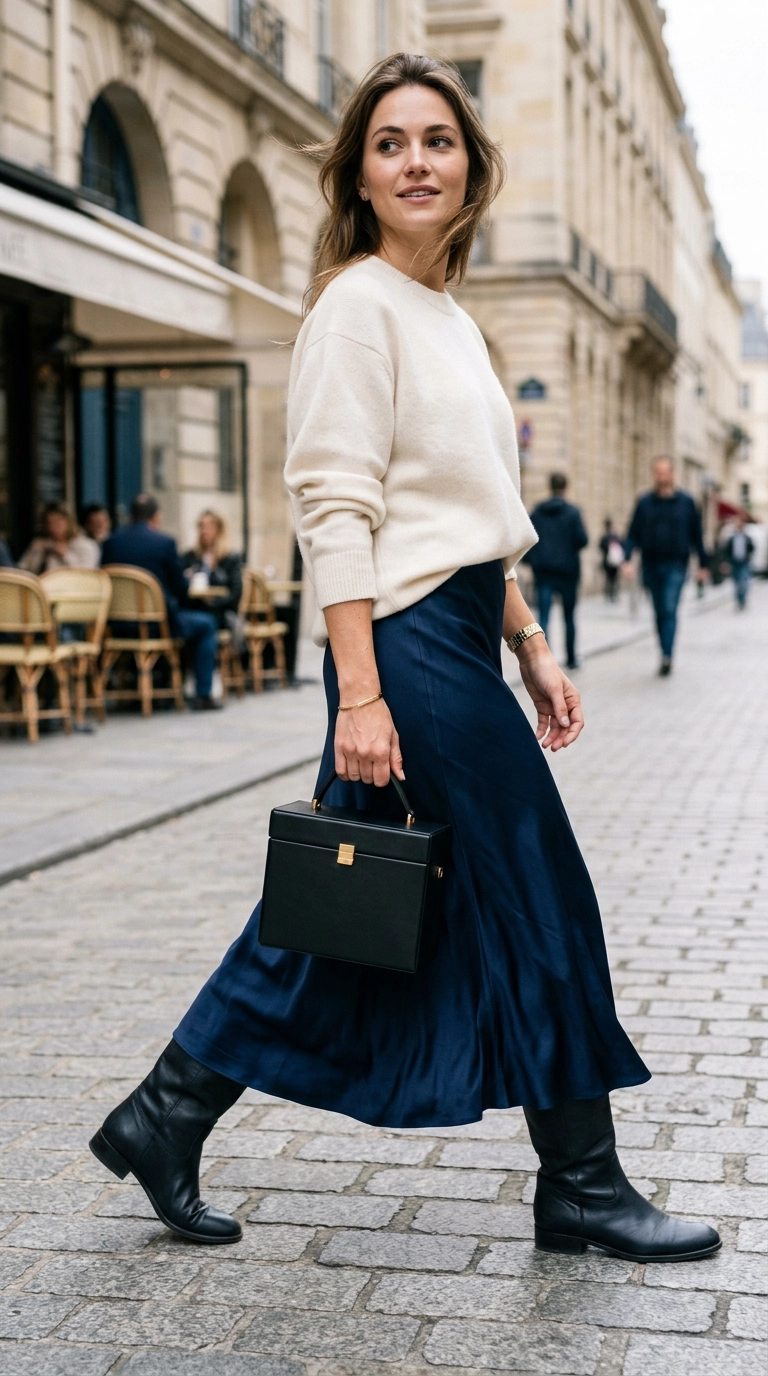
The beauty of a high-quality leather bag lies in its architecture and clean lines. When you cram a phone, a bulky wallet, keys, makeup, and a portable charger into a small crossbody, the leather stretches and bulges in unattractive ways.
An overstuffed bag looks messy and can permanently damage the shape of your accessory. If you find that your bag is losing its form, it is a sign that you need to edit your daily carry or switch to a larger tote for that specific day.
The Secret to a Sleek Carry
Switch to a slim cardholder instead of a full-sized continental wallet to save significant space. Only carry the essentials that allow the bag to close naturally without the zipper or flap being under tension.
A well-maintained bag that retains its original silhouette looks significantly more expensive than a distorted one, regardless of the brand name. Keeping your bag light also prevents the strap from digging into your shoulder, which improves your posture and overall confidence.
Items to audit in your bag:
- Bulky Keychains: Switch to a single key or a slim leather fob.
- Large Makeup Bags: Carry only a single lipstick or touch-up powder.
- Old Receipts: Clear out the paper clutter every evening to maintain the bag’s interior.
True style is found in the precision of the details rather than the quantity of the items you wear. By mastering these small adjustments to your crossbody bag and accessories, you ensure that every outfit you put together looks deliberate, polished, and effortlessly sophisticated.