10 Basic Fashion Mistakes That Ruin Your Minimalist Wardrobe
You have spent months purging your closet and investing in neutral basics, yet your reflection still feels uninspired and messy. It is frustrating when your attempt at a sophisticated minimalist aesthetic ends up looking like you simply forgot to finish getting dressed. The truth is that minimalism is the most difficult style to master because there is nowhere for a mistake to hide.
A single stray thread or a clashing undertone can instantly dismantle the high-end look you are trying to achieve. When your outfit consists of only three pieces, each of those pieces must be flawless in its execution and fit. Many women fall into common traps that turn a chic capsule wardrobe into a collection of boring, poorly-fitting garments.
We are identifying the specific habits that are quietly sabotaging your style and preventing you from looking truly polished. By correcting these ten basic errors, you will shift from looking plain to looking purposeful. Let us refine your wardrobe and restore the quiet luxury you deserve.
The Hidden Cost of Low-Quality Synthetic Fabrics
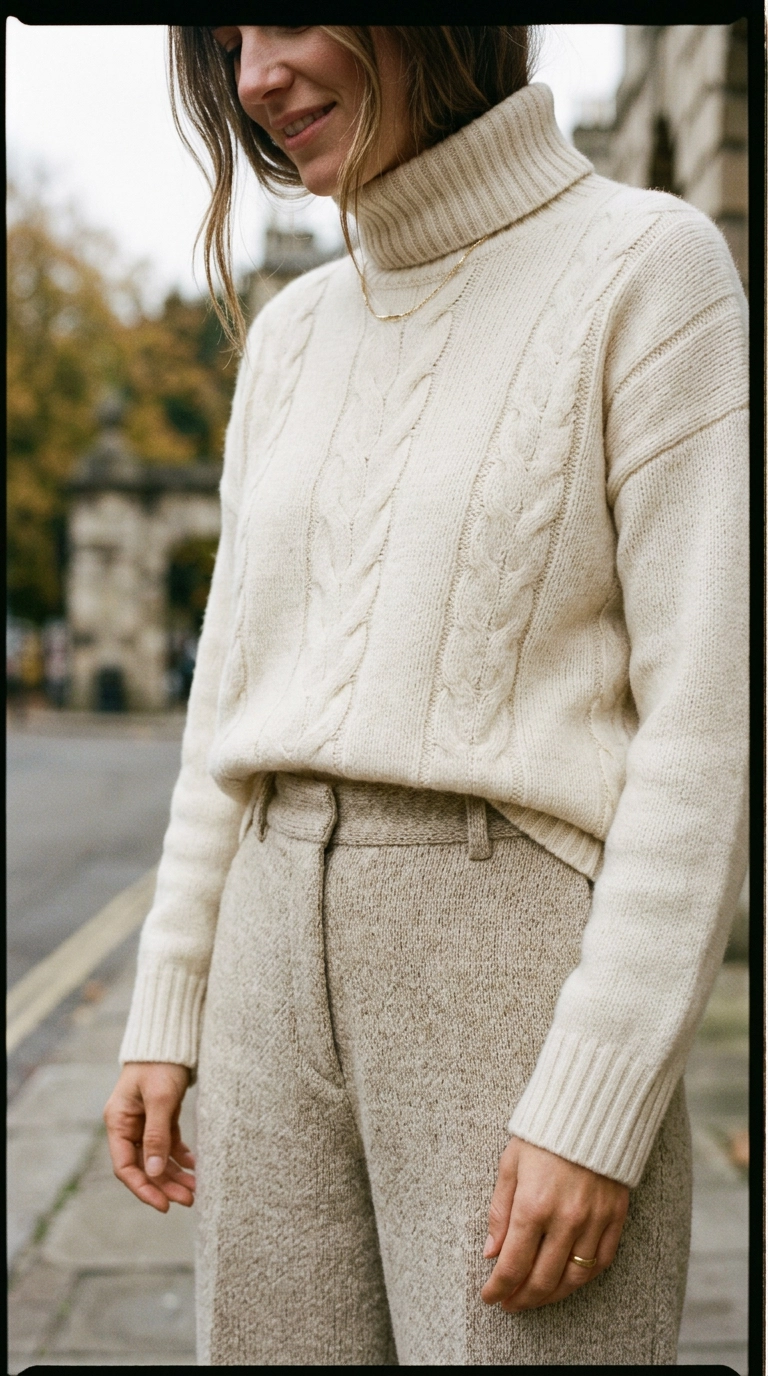
Minimalism relies on the physical presence of the garment rather than loud patterns or logos to create an impact. When you choose thin, polyester-heavy fabrics, they lack the weight and drape required to hold a clean silhouette. These materials often have a synthetic sheen that looks inexpensive under natural light and pilling happens almost immediately.
Prioritize Natural Fibers
Natural fibers like organic cotton, mulberry silk, and heavy-weight wool are the backbone of a successful minimalist closet. These materials breathe better, last longer, and possess a natural matte finish that screams quality. Even a simple white t-shirt looks significantly more expensive when it is made from a dense, high-grade pima cotton.
High-quality fabrics also retain their shape after multiple washes, which is vital for a small wardrobe. Cheap synthetics tend to warp, stretch, or shrink, leaving you with a collection of garments that no longer fit the way they were intended. Invest in the best material your budget allows to ensure your basics remain crisp.
Settling for a Generic Off-the-Rack Fit
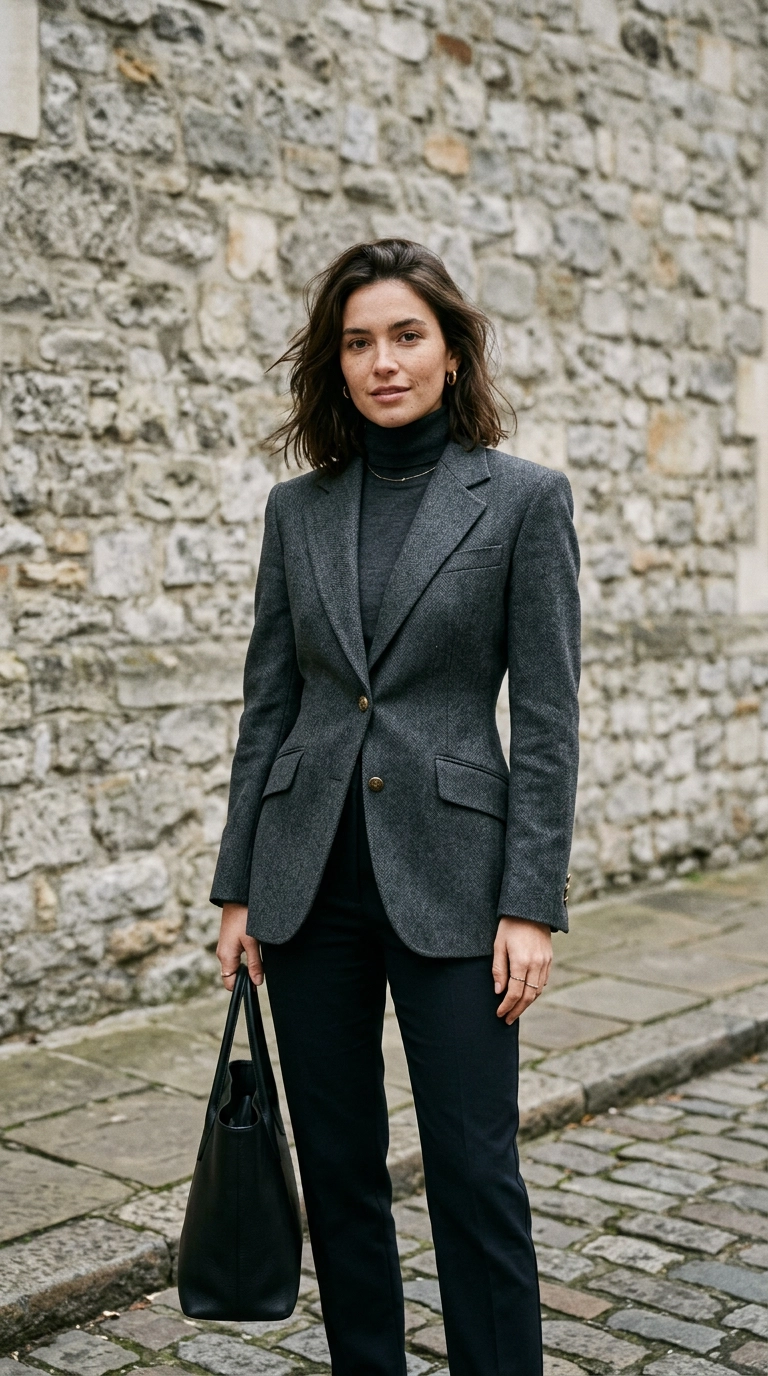
The biggest secret of the well-dressed elite is that they almost never wear clothes exactly as they bought them. Minimalist clothing is often boxy or simple, which means if the proportions are slightly off, the garment looks like it belongs to someone else. Long sleeves that swallow your hands or trousers that bunch at the ankles ruin the clean lines of your outfit.
The Power of Professional Tailoring
Find a local tailor and build a relationship with them to elevate your entire wardrobe. Small adjustments, such as shortening a hem or taking in the waist of a blazer, create a bespoke look for a fraction of the cost. A $50 blazer that has been tailored to your specific proportions will always look better than a $500 designer piece that fits poorly.
Pay close attention to where the shoulder seam sits and how the fabric drapes across your back. If there is pulling or sagging, the garment is not doing its job of highlighting your frame. Precision is the difference between looking like a fashion editor and looking like an afterthought.
Mixing Incompatible Color Temperatures
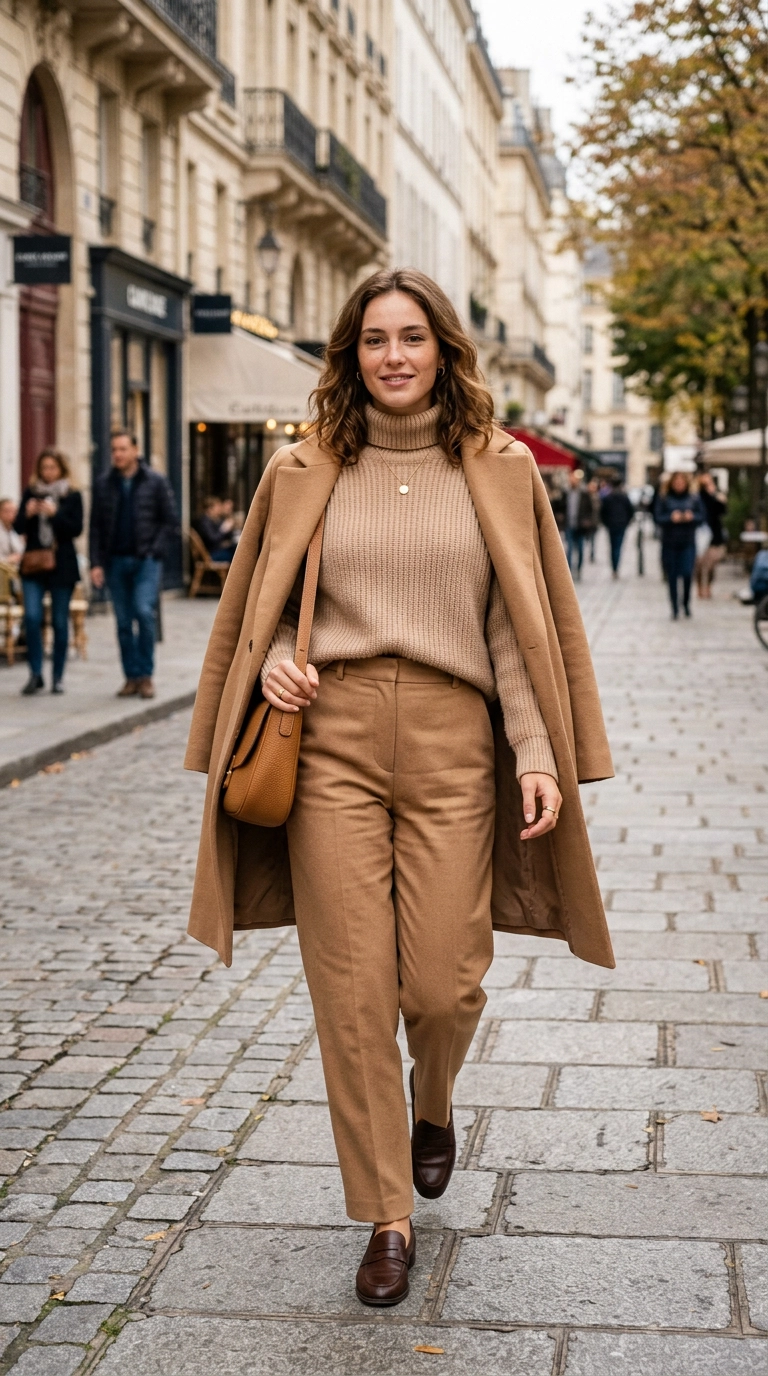
Not all neutrals are created equal, and mixing them incorrectly is a fast way to make your outfit look disjointed. For example, a “cool” white with blue undertones will often make a “warm” ivory or cream look dirty or yellowed when worn together. This visual vibration creates a sense of clutter even if you are only wearing two items.
Mastering Tonal Harmony
To avoid this mistake, identify whether your personal palette leans toward warm or cool tones and shop accordingly. If you prefer camel, gold, and cream, stick to those warm shades for your entire capsule. If you gravitate toward grey, navy, and stark white, ensure your accessories follow that cool-toned lead.
When you stay within one temperature family, getting dressed becomes effortless because everything in your closet naturally coordinates. Tonal dressing—wearing different shades of the very same color—is a hallmark of sophisticated minimalism. It creates a long, lean vertical line that looks incredibly expensive.
The Clutter of Over-Accessorizing
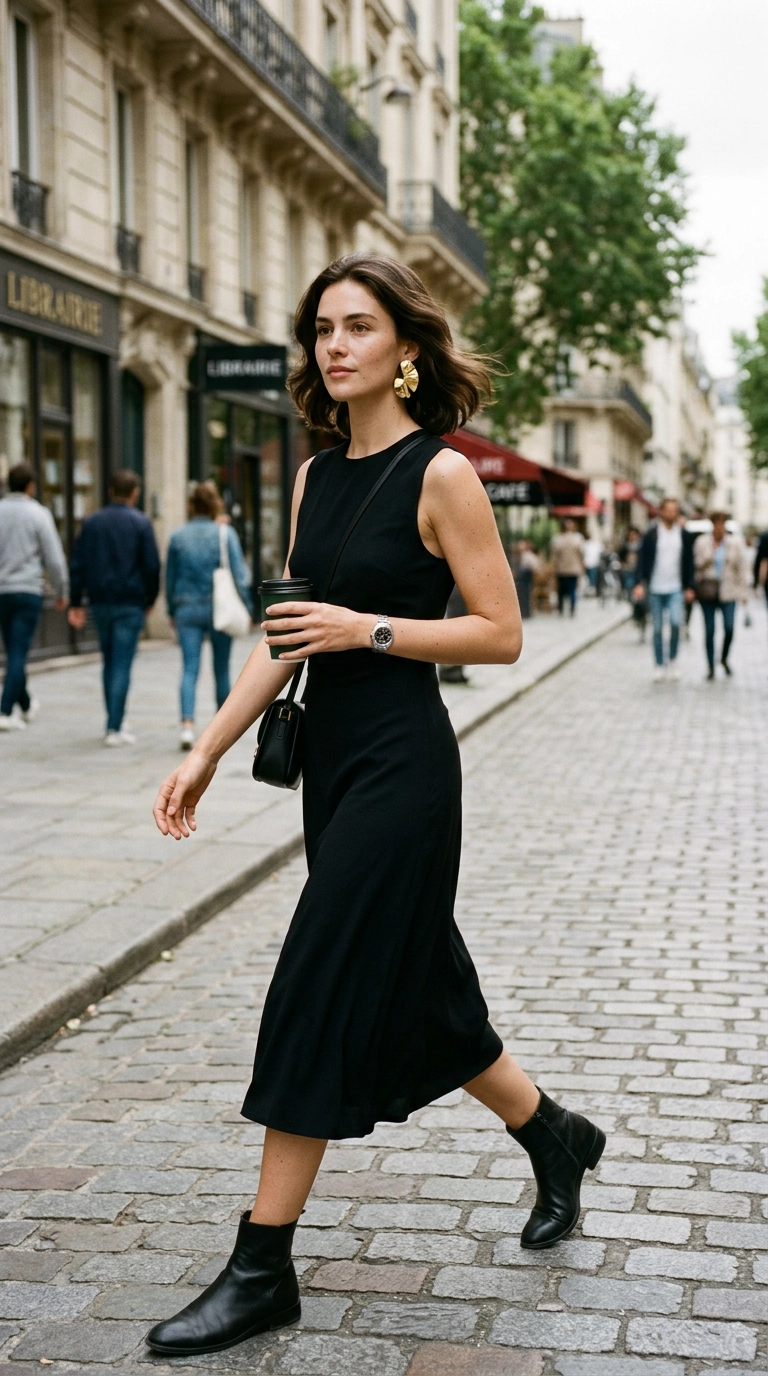
Many people feel that a minimalist outfit is too “plain” and try to compensate by adding layers of jewelry or a loud belt. This instinct often backfires by distracting the eye from the clean silhouette of the clothing. Minimalism is about restraint and choosing one or two high-impact pieces rather than a dozen small ones.
Choosing a Hero Accessory
Instead of wearing a stack of rings and several necklaces, choose one “hero” accessory that makes a statement. This could be a pair of sculptural gold earrings, a high-quality leather belt with a simple buckle, or a classic watch. Let that one piece be the focal point while the rest of your look remains quiet and supportive.
Remember that your handbag and shoes are also accessories and should be treated with the same level of curation. A structured, logo-free leather bag adds a sense of order and luxury to any basic outfit. When in doubt, follow the old rule: before you leave the house, look in the mirror and take one thing off.
Ignoring the Foundations of Undergarments
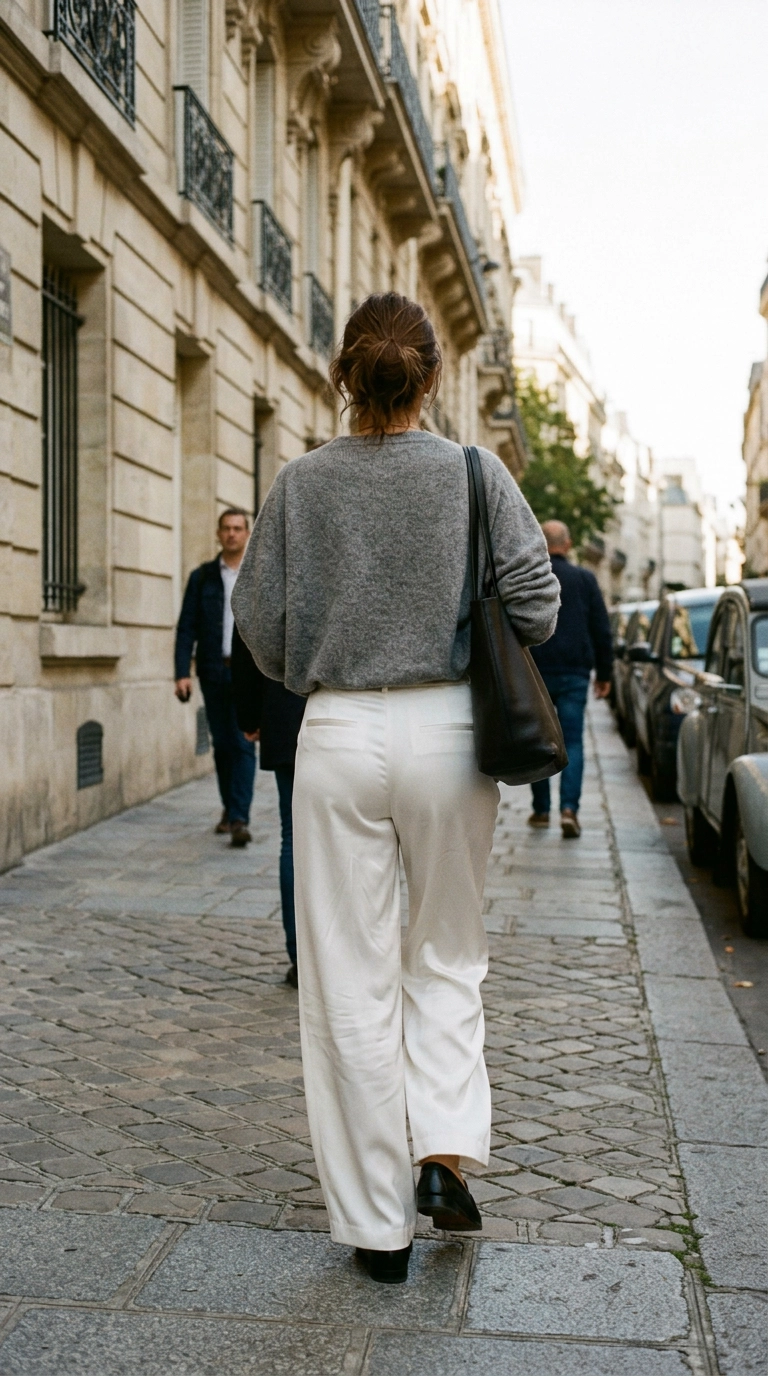
Minimalist fashion often involves light colors and smooth, fine-gauge knits that are notoriously unforgiving. Visible panty lines or bra straps that dig into your shoulders will instantly ruin the streamlined effect of a beautiful silk blouse or tailored trousers. The foundation of your look is just as important as the top layer.
Invest in Seamless Solutions
Every minimalist wardrobe needs a collection of seamless, laser-cut undergarments in a shade that matches your skin tone. Avoid white undergarments beneath white clothing, as they actually create more contrast and become visible. Skin-toned pieces disappear under the fabric, allowing the garment’s silhouette to take center stage.
Ensure your bras provide the correct support and shape for your clothing. A poorly fitting bra can change the way a sweater drapes or how a blazer sits on your chest. Take the time to get professionally fitted to ensure your base layers are working for you rather than against you.
Falling into the Flat Texture Trap
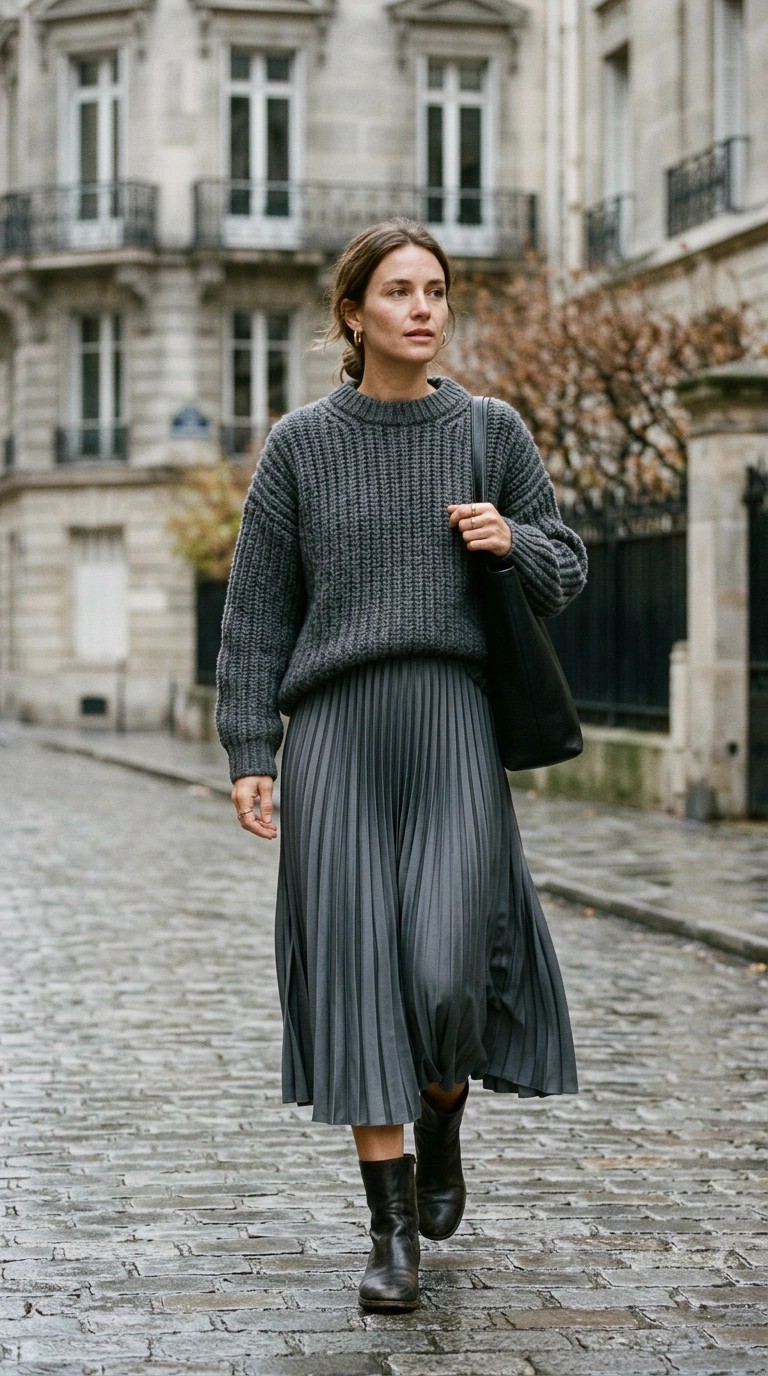
A common complaint about minimalist wardrobes is that they feel boring or one-dimensional. This usually happens when every item in the outfit has the same smooth, matte texture. Without variety in the materials, a monochromatic outfit can look flat and lack visual interest.
The Art of Textural Contrast
To make a neutral outfit pop, you must mix different fabric finishes to create depth. Pair a rugged denim jacket with a soft silk camisole, or a chunky wool sweater with a sleek leather skirt. This contrast provides the eye with something to explore without needing to add loud colors or patterns.
The following table illustrates how to pair textures for a more dynamic look:
| Base Texture | Recommended Pairing | The Result |
|---|---|---|
| Smooth Silk/Satin | Heavy Wool or Cashmere | Sophisticated balance of sheen and matte |
| Crisp Cotton Poplin | Supple Leather | Modern, edgy take on professional wear |
| Coarse Denim | Soft Ribbed Knit | Elevated casual with visual depth |
Neglecting Shoe Care and Maintenance
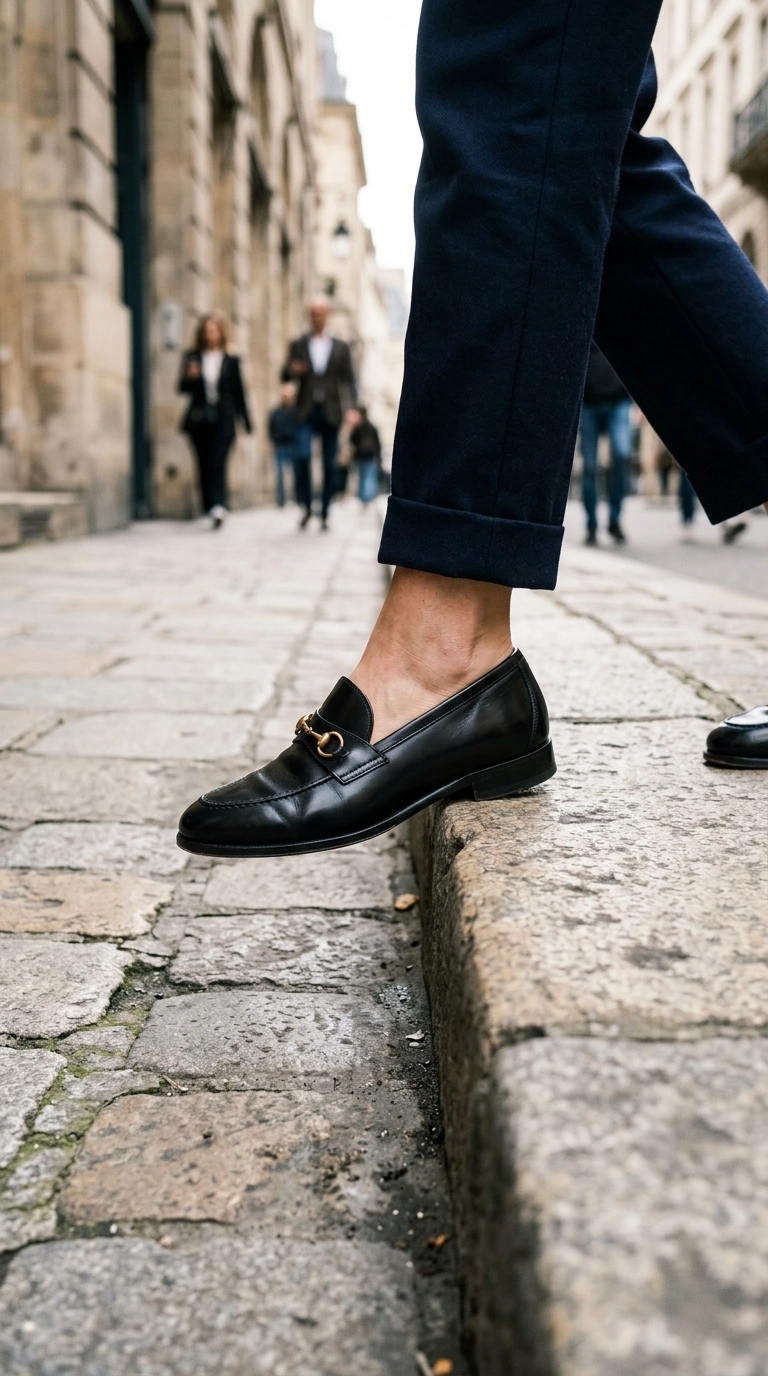
Your shoes are the literal foundation of your outfit and can either anchor your look or pull it down. In a minimalist ensemble, every detail is magnified, which means scuffed toes, worn-out heels, or dirty laces are impossible to ignore. A perfectly tailored outfit is instantly cheapened by footwear that looks neglected.
Establishing a Care Routine
Invest in a high-quality leather conditioner and a polishing kit to keep your shoes looking brand new. For suede items, use a protective spray and a suede brush to maintain the nap of the fabric. If you notice the soles are wearing thin, take them to a cobbler immediately rather than waiting for them to fall apart.
Choosing the right shoe silhouette is also vital for the minimalist aesthetic. Avoid overly trendy footwear with excessive hardware or loud branding. A classic loafer, a sleek ankle boot, or a clean white leather sneaker will serve your wardrobe far better and longer than a passing fad.
Failing to Respect the Rule of Thirds
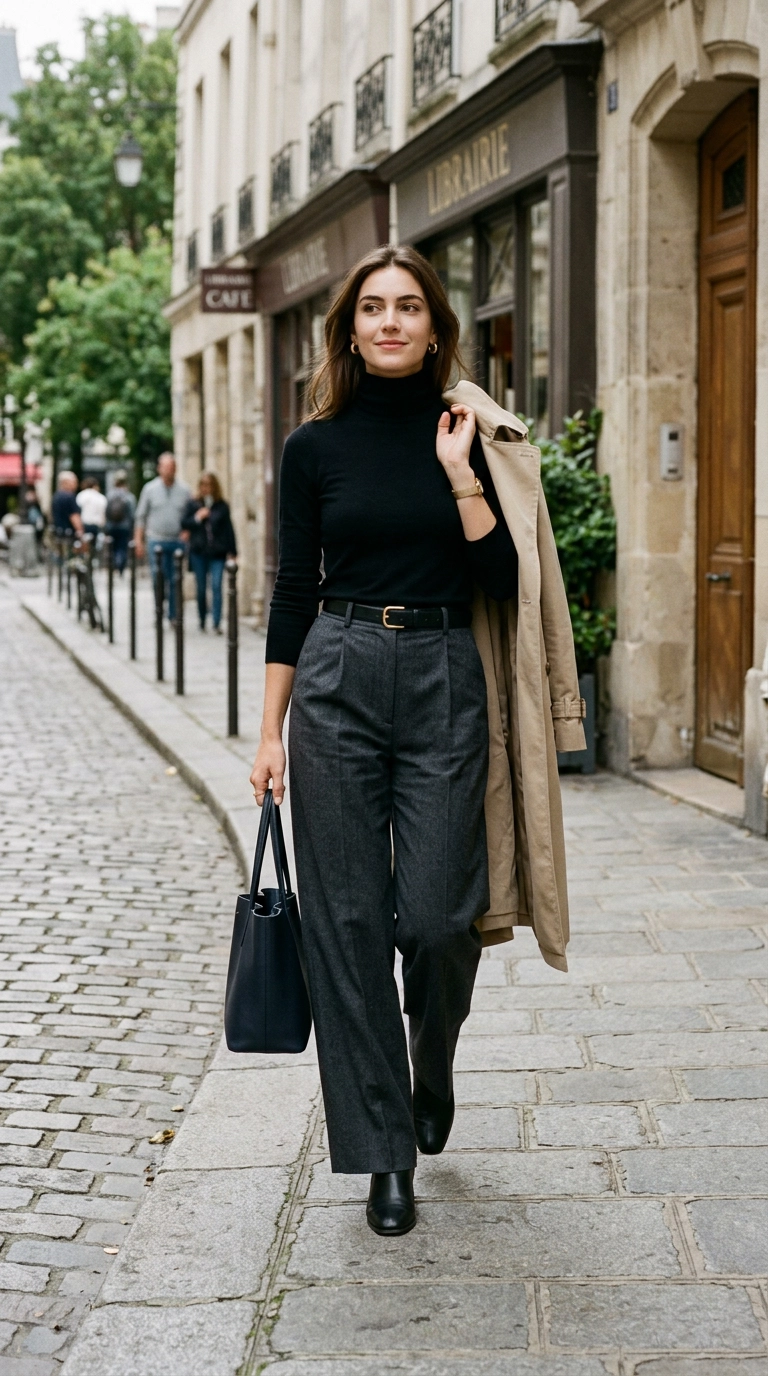
Proportion is the most underrated element of great style. A frequent mistake is wearing two items that cut the body exactly in half, such as a long tunic over mid-rise trousers. This creates a boxy, shortened appearance that lacks the elegance typical of a well-curated minimalist look.
Creating Long Visual Lines
Use the “rule of thirds” by wearing high-waisted bottoms with a tucked-in top. This creates a 1/3 top to 2/3 bottom ratio, which is naturally pleasing to the eye and makes your legs appear longer. If you prefer oversized pieces, balance them by keeping the other half of your outfit slim-fitting.
For example, pair an oversized man-style blazer with slim-leg trousers or a fitted ribbed knit with voluminous wide-leg pants. Playing with these volumes creates architectural interest that makes your outfit look intentional. When you master your proportions, even the simplest clothes look like they were made for a runway.
Keeping “Just in Case” Items for Too Long
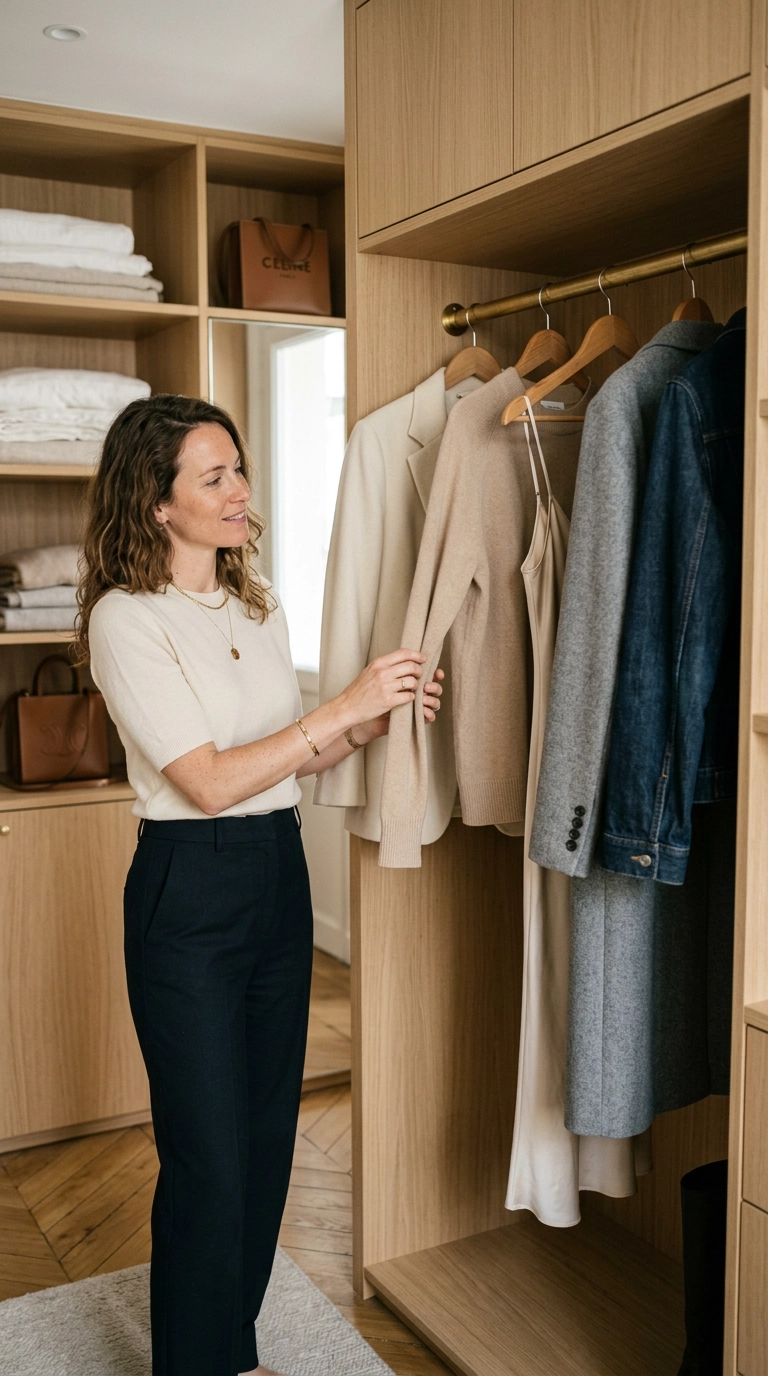
Minimalism is as much about what you don’t wear as what you do wear. Keeping items that “almost” fit or that you might wear “someday” creates visual noise in your closet. This lead to decision fatigue, making you more likely to grab a mediocre outfit instead of a great one.
Editing with Intention
Be ruthless during your seasonal closet edits. If you haven’t worn an item in a year, or if it requires a specific set of circumstances to look good, it doesn’t belong in a minimalist wardrobe. Your closet should only contain pieces that you love, that fit you perfectly right now, and that you feel confident wearing.
A smaller, highly curated selection of clothes is far more functional than a stuffed closet full of average pieces. When every item is a “ten,” getting dressed becomes a joyful, five-minute process. Space in your closet also provides physical and mental room for the high-quality investments you truly want to make.
Choosing Quantity Over Longevity
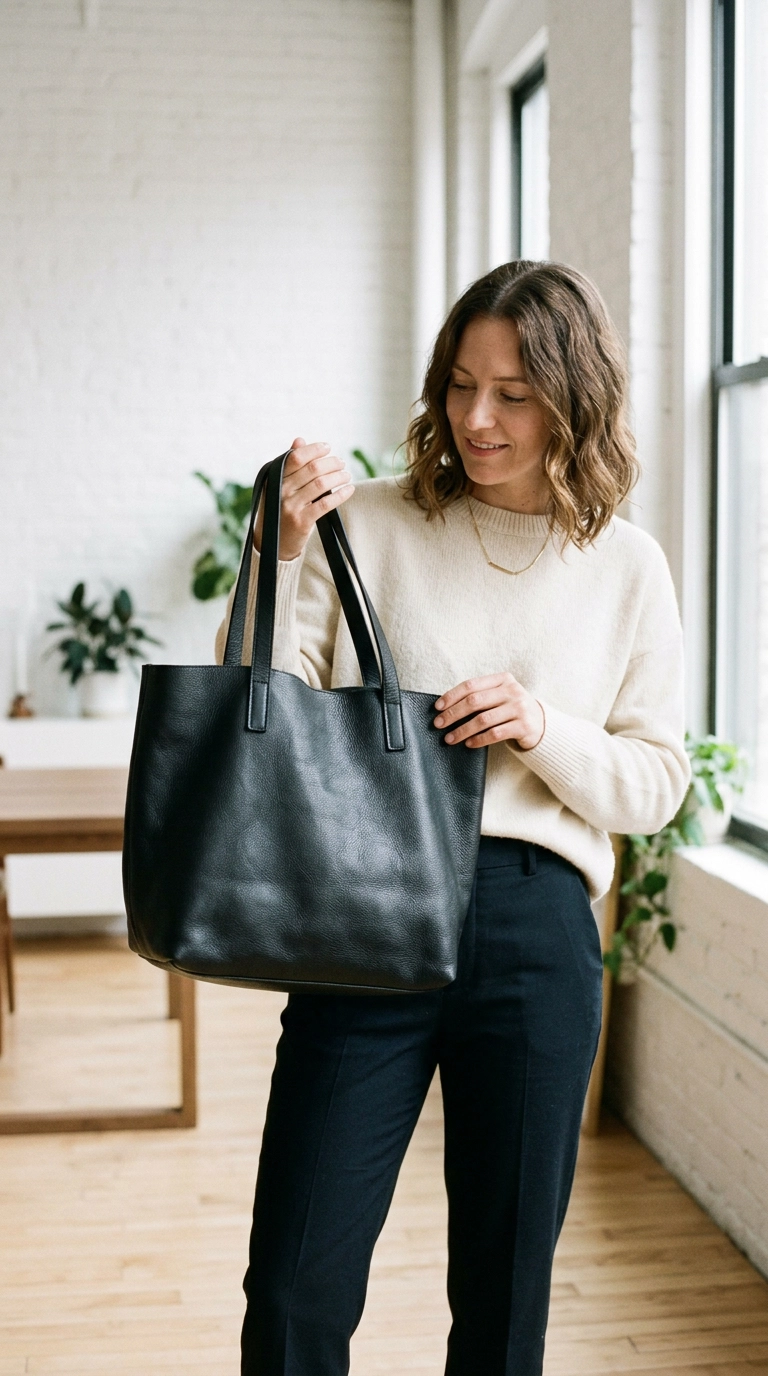
The rise of fast fashion has conditioned us to want new things constantly, but this is the antithesis of a minimalist philosophy. Buying five inexpensive t-shirts because they are on sale is a mistake that ruins your aesthetic. These items lose their shape, fade, and end up in a landfill within months, requiring you to start over.
The Investment Mindset
Shift your perspective from “how much can I get for my money” to “how long will this piece serve me.” One $100 sweater that lasts ten years is a far better value than five $30 sweaters that last one season each. Look for reinforced seams, spare buttons, and high-quality linings as signs of a garment meant to endure.
Building a wardrobe this way takes time and patience, but the result is a collection of clothing that feels personal and permanent. When you stop chasing the “new,” you start appreciating the “great.” This mindset shift is the final step in moving from someone who simply has a few clothes to someone with a truly iconic minimalist style.
Refining your wardrobe is a continuous process of editing and elevating. By focusing on fabric quality, precision fit, and thoughtful proportions, you transform basic pieces into a powerful style statement. Minimalism is not about deprivation; it is about the quiet confidence of knowing exactly who you are and presenting that to the world with absolute clarity.