
8 Layering Winter Outfit Mistakes That Make You Sweat
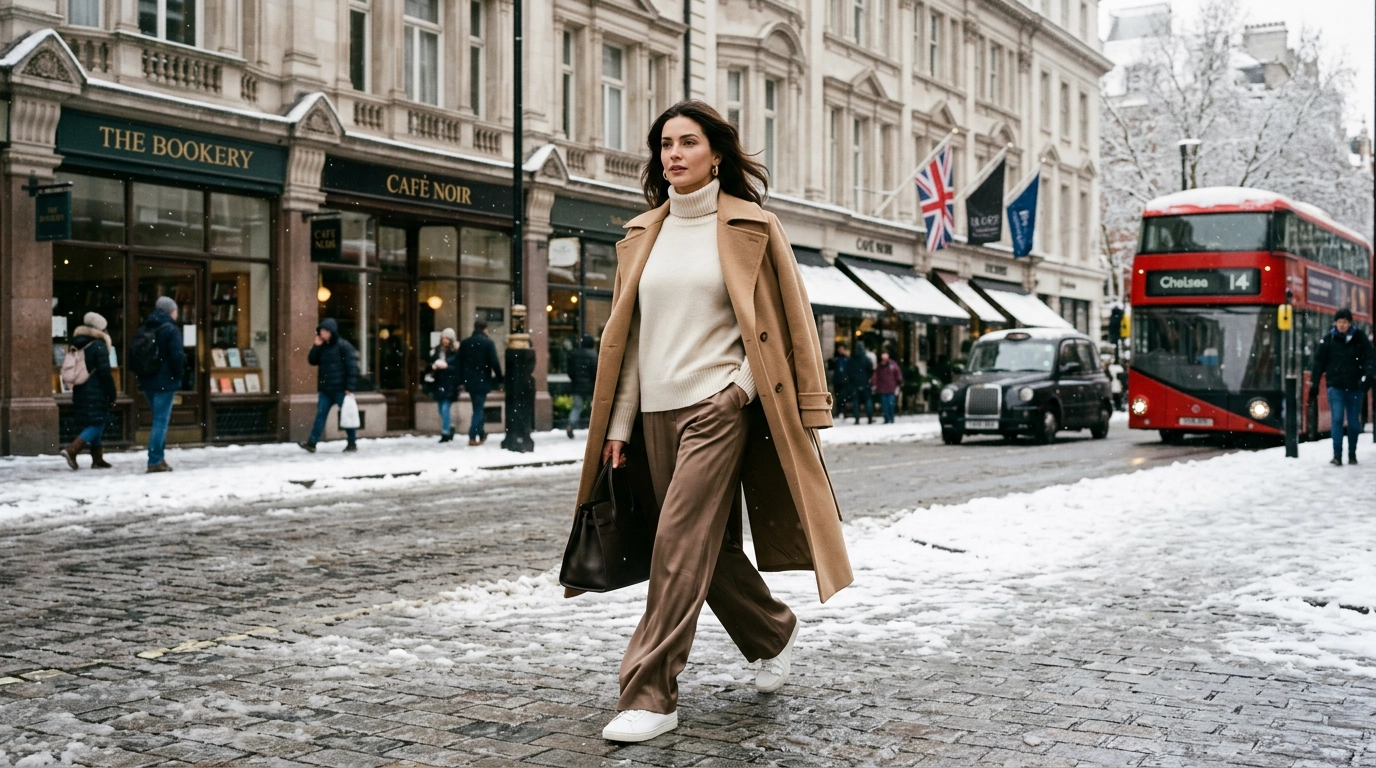
Winter style should never feel like a choice between freezing on the sidewalk or melting the moment you step into a heated shop. If you find yourself peeling off layers in a sweat-induced panic, your wardrobe strategy is likely fighting against your body’s natural temperature regulation.
Most people stack clothes based on warmth alone, ignoring the crucial science of breathability and moisture management. You deserve a silhouette that looks sharp and keeps you dry from the morning commute to a late-night dinner.
This guide identifies the specific layering errors that sabotage your comfort and provides the high-end solutions used by editors to maintain a crisp, sweat-free aesthetic all season long. Let’s fix your winter rotation once and for all.
1. Choosing Synthetic Polyester as Your Base Layer

The biggest mistake you can make is placing a non-breathable synthetic fabric directly against your skin. Polyester and nylon are essentially plastics that trap heat and moisture, leading to that uncomfortable “plastic bag” feeling within minutes of movement.
Once you start sweating in these fabrics, the moisture has nowhere to go, leaving you damp and eventually chilled. High-end fashion experts always opt for natural, moisture-wicking fibers like silk or superfine merino wool for the first layer.
Merino wool is particularly effective because it can absorb up to thirty percent of its weight in moisture without feeling wet. It naturally regulates your body temperature, keeping you warm when it is cold and cool when you start to overheat indoors.
The Best Base Layer Fabrics for Temperature Control
| Fabric Type | Breathability | Wicking Ability | Luxury Level |
|---|---|---|---|
| Merino Wool | High | Excellent | Premium |
| Pure Silk | High | Good | Elite |
| Cashmere Blend | Medium | Moderate | High |
| Polyester | Low | Poor | Mass Market |
2. Overestimating the Need for High-Density Thermals

Many shoppers reach for the “heavy” or “extra-warm” thermal ratings for daily city life, which is a recipe for disaster. These garments are designed for sub-zero outdoor activities, not for navigating the subway or sitting in a heated office.
When you wear high-density thermals under a thick sweater and coat, you create a furnace effect that your body cannot escape. It is much more effective to use “light” or “ultra-light” weight base layers that offer a thin barrier without the bulk.
Think of your base layer as a second skin rather than a heating element. This approach allows you to maintain a slim, elegant profile while ensuring you do not overheat the moment you step inside.
3. Creating a “Compression” Effect with Tight Layers

One of the most overlooked rules of warmth is that air is the best insulator. When you wear three or four tight layers on top of each other, you squeeze out the air pockets that actually keep you warm.
This compression also restricts blood circulation, which can paradoxically make your hands and feet colder while your core overheats. Tight clothing prevents sweat from evaporating, causing it to pool against your skin and create a humid microclimate.
Instead, follow the “rule of volumes” by mixing fits. Pair a fitted base layer with a slightly relaxed mid-layer and a structured, roomy coat to allow air to flow and moisture to escape.
4. Neglecting the Power of Natural Mid-Layers

A mid-layer should be your temperature “dial,” yet many people choose heavy fleece or bulky acrylic knits. These materials are often too warm for indoor settings and do not offer enough ventilation when worn under a heavy coat.
Vests are an elite editor’s secret for winter layering. A slim-down vest or a wool waistcoat keeps your core warm while allowing heat to escape through your arms, preventing that claustrophobic, sweaty sensation.
If you prefer sleeves, stick to open-knit cashmere or lightweight lambswool. These natural fibers allow for much better air exchange than their synthetic counterparts, keeping your outfit looking expensive and feeling comfortable.
5. Wearing Socks That Are Too Thick for Your Boots
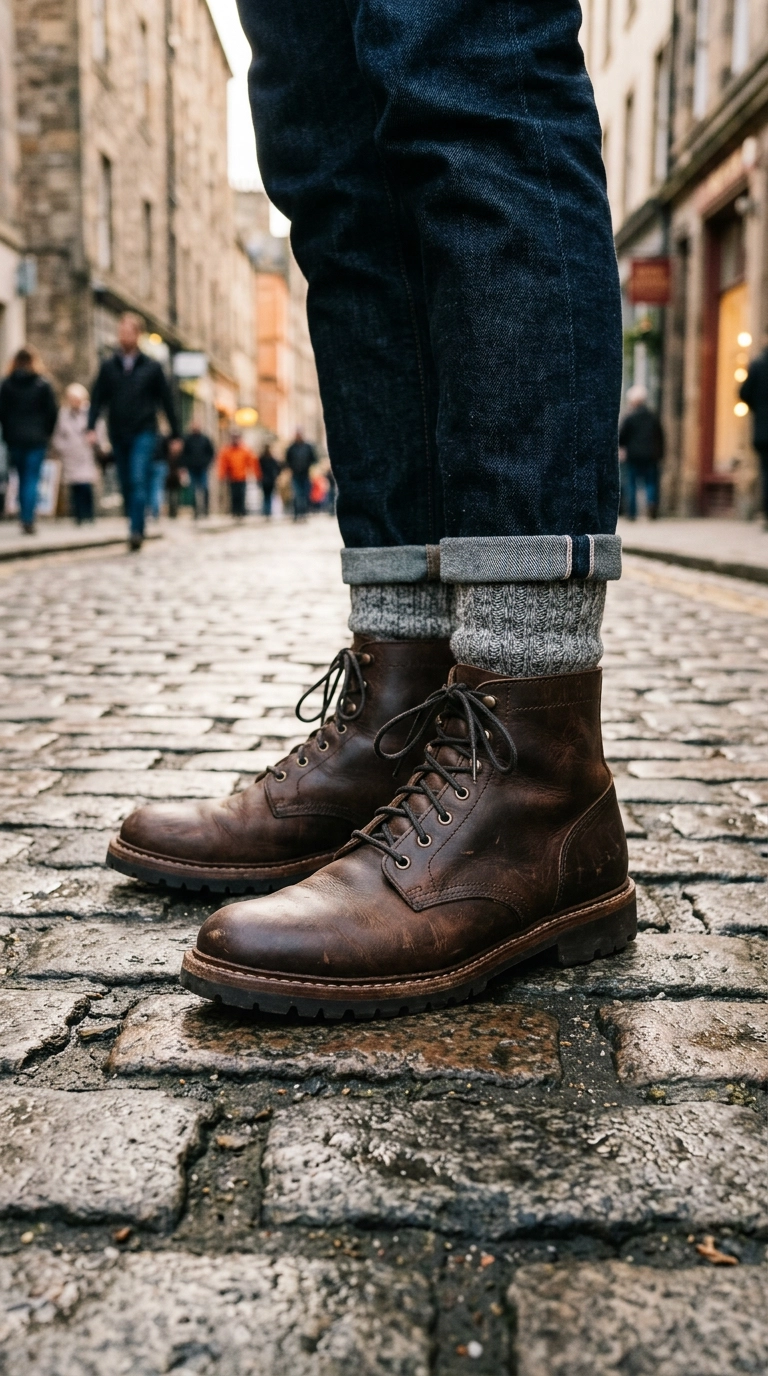
It is a common myth that thicker socks always mean warmer feet. If your socks are so thick that they press your feet against the sides of your boots, you are cutting off the circulation and the insulating air layer.
This pressure causes your feet to sweat more, and in a tight boot, that moisture has nowhere to go. You end up with damp, cold feet that make your entire body feel chilled and uncomfortable.
Select medium-weight merino wool socks that leave a bit of “wiggle room” inside your footwear. This allows for better blood flow and ensures that your feet stay dry and warm throughout the day.
6. Forgetting the Critical “Ventilation Points”

Your neck, wrists, and waist are the primary areas where heat can be vented quickly. If you wear high-neck sweaters under scarves under zipped-up coats, you are sealing off every exit point for rising body heat.
Smart layering involves choosing pieces that can be easily opened or adjusted. A zip-up sweater or a cardigan is often superior to a pullover because it allows for instant airflow when you feel a spike in temperature.
Always ensure your outer coat has a functional zipper or buttons that can be undone quickly. Being able to expose your neck or wrists for just a few minutes can lower your core temperature and prevent a full-blown sweat session.
7. Relying on Heavy Outerwear for Short Commutes
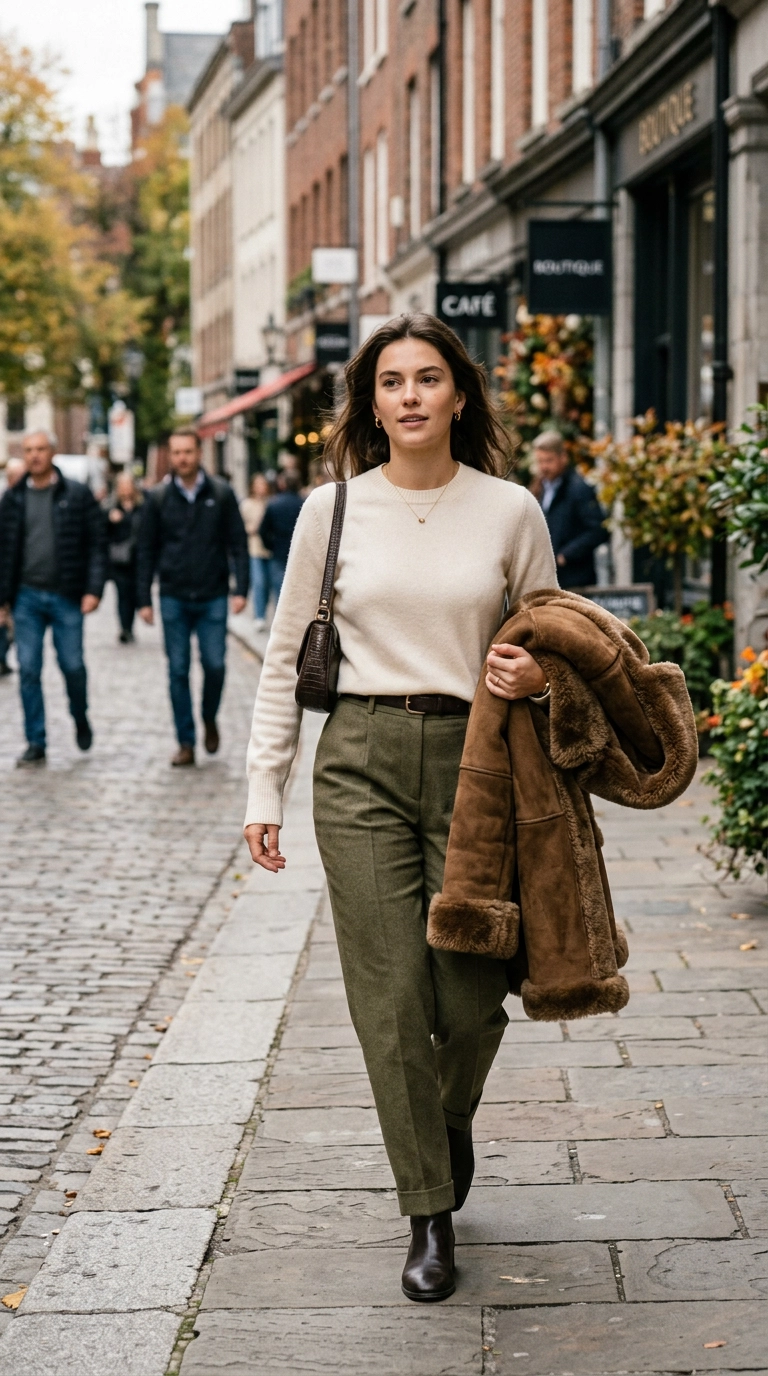
If your daily routine involves walking from a car to an office or taking the train, a heavy arctic-grade parka is likely overkill. These coats are designed for static cold, not for active movement or transition periods.
When you exert energy walking in a heavy coat, your body produces significant heat. If the coat is too heavy and lacks breathability, that heat is trapped instantly, leading to moisture buildup on your back and underarms.
Consider a modular approach: a medium-weight wool coat paired with a removable light down liner. This gives you the flexibility to shed the “heat” layer while maintaining the sophisticated exterior that fits your personal style.
8. Ignoring the Lining Material of Your Coat
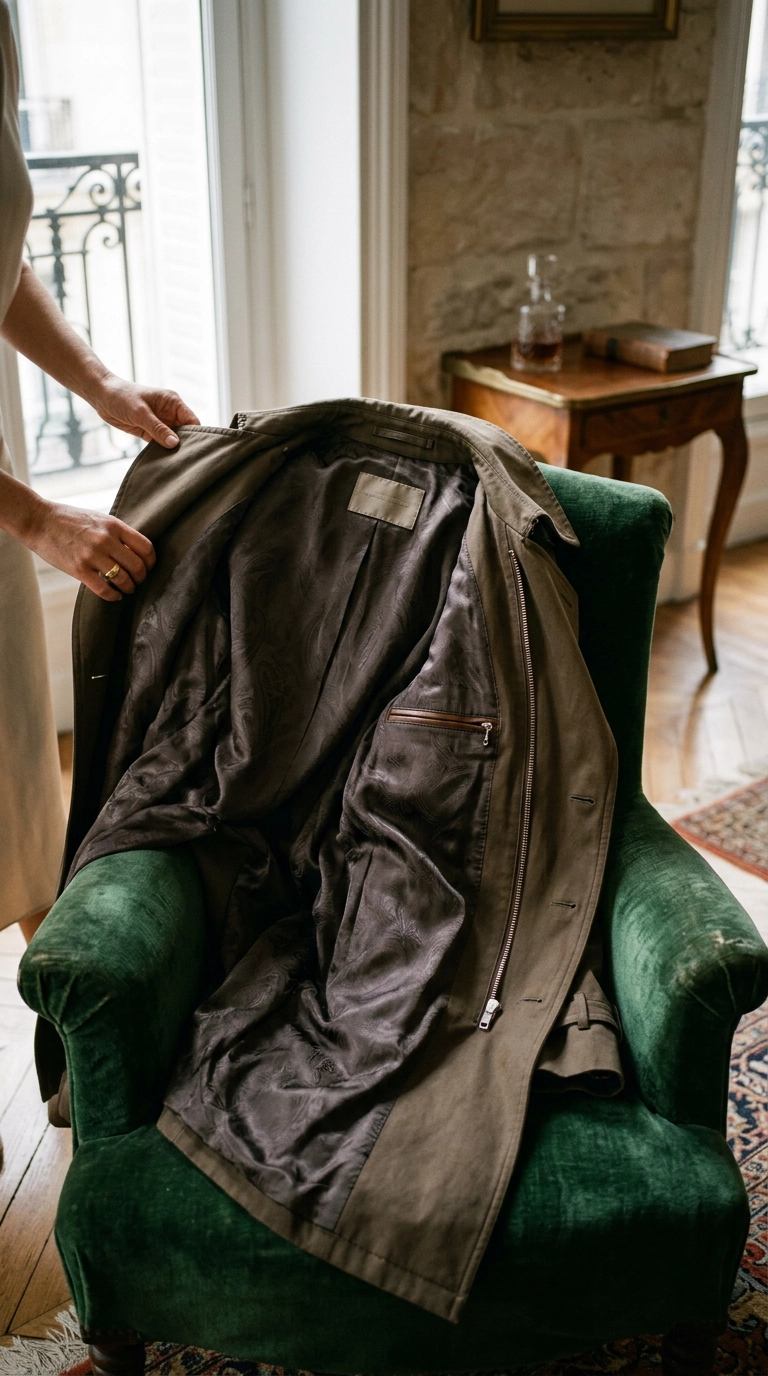
The lining of your coat is just as important as the outer shell. Many fast-fashion coats use cheap polyester linings that act like a heat-reflective blanket, making even a thin wool coat feel stifling.
High-quality outerwear typically uses Bemberg (cupro) or silk linings. These materials are breathable, anti-static, and feel cool against the skin, allowing for much better temperature regulation than standard synthetics.
Check the labels of your coats before you buy. If the outer is 100% wool but the lining is 100% polyester, you will likely still struggle with overheating during the winter months.
Winter Layering Best Practices
- Always prioritize natural fibers for layers closest to the skin.
- Use “light” thermals instead of “heavy” ones for city living.
- Ensure there is enough space between layers for air to circulate.
- Opt for openable mid-layers like cardigans and vests for easy venting.
- Invest in quality coat linings like cupro or silk for better breathability.
Mastering the art of winter layering is about balance, not just bulk. By avoiding these common mistakes and focusing on high-quality natural fibers and proper ventilation, you can maintain your elite fashion standards without the discomfort of overheating. Your wardrobe should work for you, providing the perfect climate no matter how the weather or the thermostat changes.