5 Critical Interview Outfit Mistakes Costing You the Job
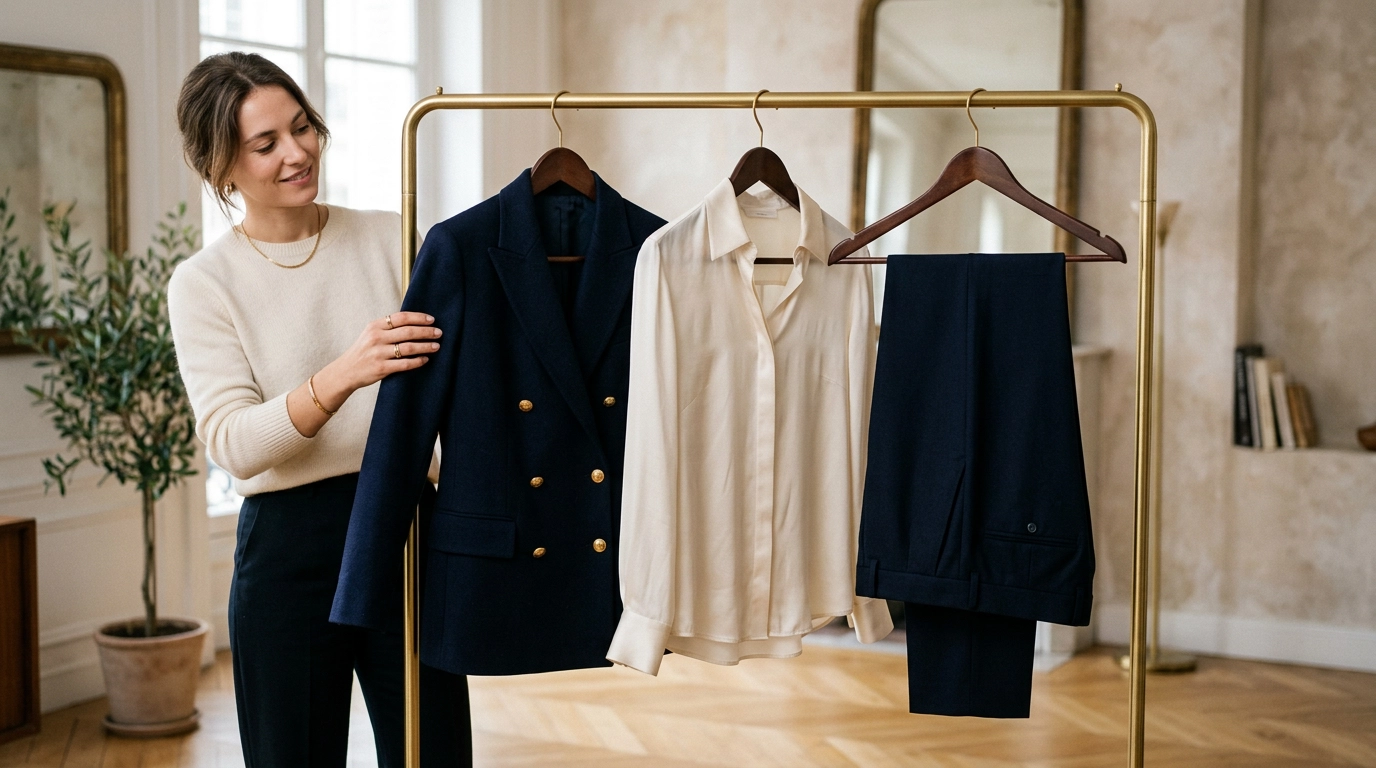
You have worked hard to refine your resume and prepare for every possible question, but your visual presentation speaks before you do. In a competitive job market, your outfit acts as a silent messenger that signals your professional standards and attention to detail.
The wrong clothing choice can create an unintentional barrier between you and the hiring manager, casting doubt on your cultural fit. Many qualified candidates lose out on roles because their attire distracted from their expertise rather than supporting it.
Correcting these five common styling errors will ensure your wardrobe reinforces your authority and keeps the focus on your skills. Let’s explore how to sharpen your professional image to secure that offer.
1. Prioritizing Trendy Aesthetics Over Professional Presence

While fashion serves as a tool for self-expression, an interview is a strategic moment to prove you understand the professional landscape. Wearing loud patterns or excessive jewelry shifts the focus from your verbal responses to your wardrobe.
Choose a clean, monochromatic palette that conveys confidence and stability without being distracting. A well-chosen neutral base allows your personality and intelligence to take center stage during the conversation.
The Psychology of Color Choice
- Navy Blue: Projects a sense of trust, loyalty, and calm authority.
- Charcoal Grey: Signals logic, efficiency, and a structured mind.
- Soft White: Suggests clarity, organization, and a fresh perspective.
Ensure that any accessories you choose are silent and stationary. Large bracelets that clank against a desk or earrings that sway excessively can break the rhythm of your delivery and irritate the interviewer.
2. Ignoring the Impact of Poor Tailoring
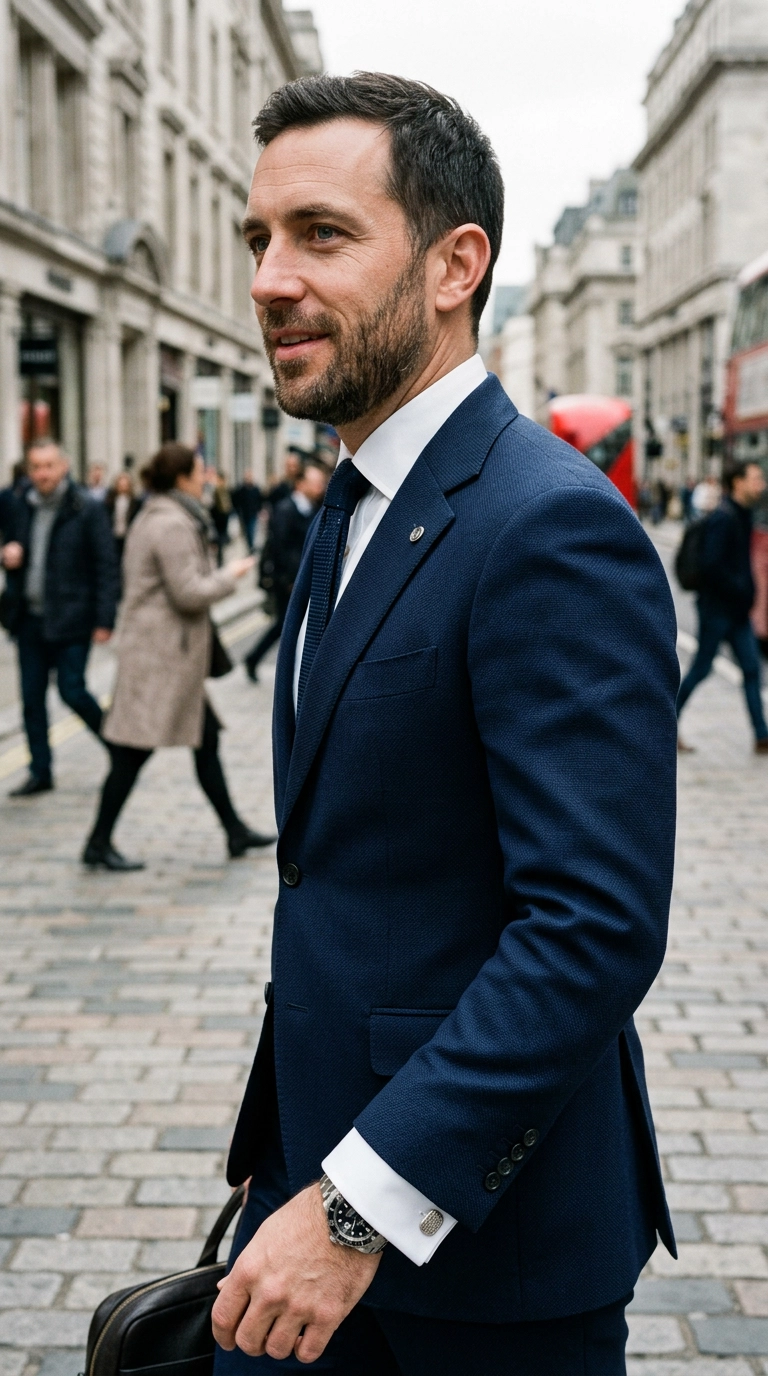
An ill-fitting suit or dress suggests a lack of precision that recruiters may assume extends to your work habits. Shoulders that sag or waistlines that pull create a disorganized silhouette that looks sloppy and unconvincing.
Investing in a professional tailor to adjust your sleeves and trousers can make an affordable garment look like a custom piece. A precise fit shows that you care about your presentation and respect the gravity of the meeting.
What Your Fit Says About You
| Fit Issue | Perceived Message | Professional Fix |
|---|---|---|
| Oversized Shoulders | Lack of confidence or experience | Shoulder seams must sit flush with your natural frame. |
| Too-Tight Buttons | Lack of preparation or discomfort | Ensure you can fit two fingers between the fabric and your body. |
| Long Trouser Hems | Disorganized or careless | Hems should hit the top of your shoe with a slight break. |
Take the time to move around in your outfit before the big day. If you find yourself constantly adjusting your skirt or tugging at your collar, the fit is wrong and will sap your confidence.
3. Misreading the Specific Company Culture

Showing up in a formal three-piece suit to a creative tech startup can make you look out of touch with their modern workflow. Conversely, wearing casual chinos to a traditional law firm suggests a lack of respect for their established norms.
Research the company’s social media presence to see what current employees wear in their daily environment. Aim to dress one level above their standard attire to show that you are taking the opportunity seriously.
Decoding the Modern Dress Code
- Creative/Tech: Clean dark denim, a crisp shirt, and a high-quality blazer or knitwear.
- Business Casual: Tailored trousers, a silk blouse or button-down, and polished loafers.
- Business Formal: A matching suit in a dark neutral with a conservative tie or modest blouse.
If you are unsure, it is always better to be slightly more formal than too casual. It is easy to remove a blazer if the environment is relaxed, but impossible to fix a look that is too informal.
4. Neglecting the Small Finishing Touches
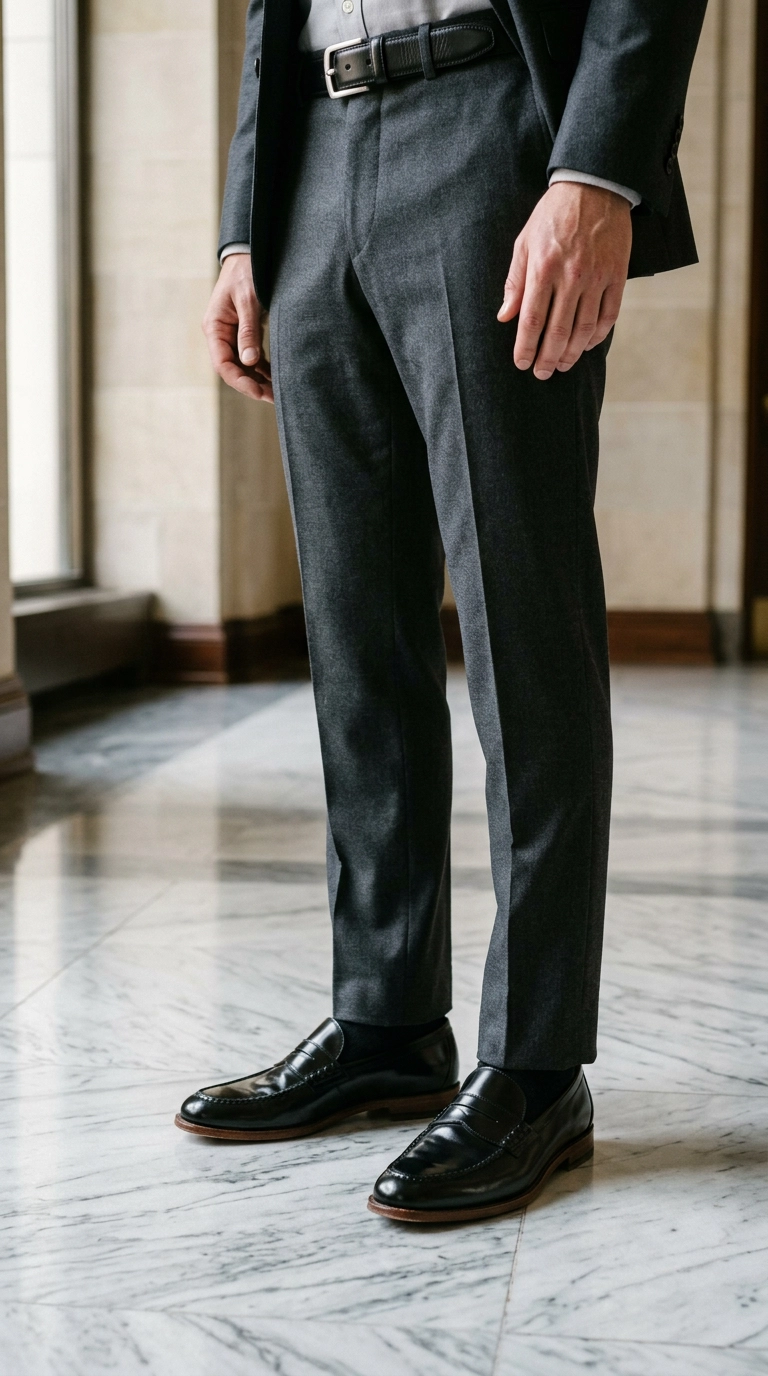
Scuffed shoes, wrinkled fabric, or chipped nail polish are subtle cues that suggest you might overlook details on the job. These minor oversights often stand out more than the actual brand of clothing you are wearing.
Steam your garments the night before to remove every crease and check for loose threads or missing buttons. Your footwear should be spotless, as many hiring managers look at shoes to gauge a candidate’s level of self-discipline.
The Pre-Interview Checklist
- Polish leather shoes to remove scuffs and restore shine.
- Use a lint roller to remove hair or dust from dark fabrics.
- Ensure your fingernails are clean and groomed with a neutral polish or natural finish.
- Carry a small kit for last-minute touch-ups, including a comb and breath mints.
Remember that grooming is just as much a part of your outfit as the clothes. Clean hair and a subtle scent—or no scent at all—ensure that you come across as a polished professional.
5. Clinging to Outdated Silhouettes
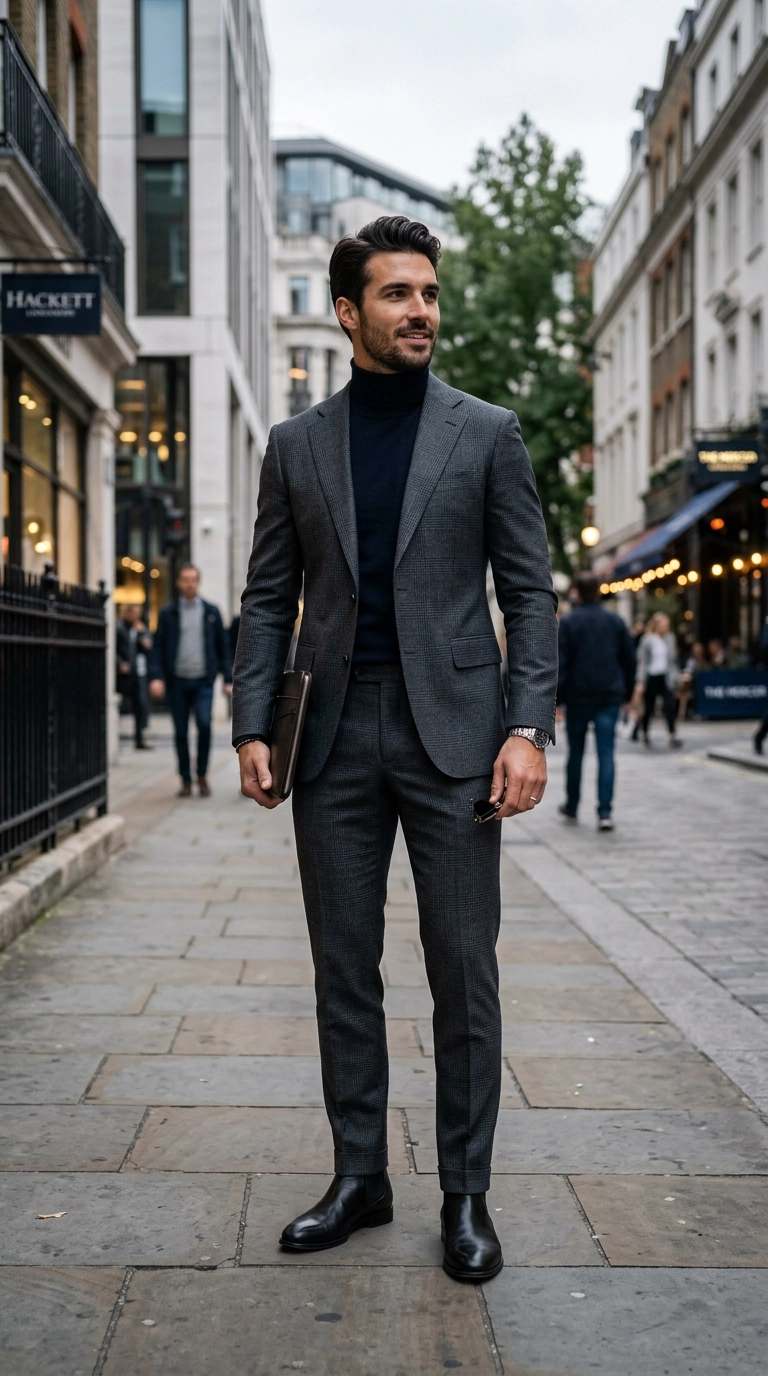
Wearing a suit or dress from a decade ago can inadvertently signal that your professional skills are also behind the times. Fashion moves forward, and keeping your professional wardrobe current shows you are engaged with the modern world.
You do not need to follow every passing trend, but modernizing your cuts helps maintain a fresh appearance. Opt for contemporary lapel widths and tapered trouser legs to ensure you look relevant and capable.
Simple Ways to Modernize Your Look
Swap out wide-leg, pleated trousers for a flat-front, slim-straight cut that elongates the leg. If you prefer dresses, choose a sheath style with a modern neckline rather than something with heavy shoulder pads or dated floral prints.
Updating your eyewear can also have a massive impact on how modern you appear to others. A pair of contemporary frames can instantly sharpen your face and make you look more alert and savvy.
Mastering the Final Impression
Your interview outfit is the container for your talent and ambition, so make sure it holds up its end of the deal. By avoiding these common traps, you allow your personality and expertise to take center stage during the conversation. When you feel polished on the outside, you carry a natural authority that hiring managers find impossible to ignore.