9 Work Outfits Mistakes That Look Completely Unprofessional

Your wardrobe speaks before you even open your mouth to present that quarterly report. Even the most talented professionals can find their credibility undermined by subtle style slips that signal a lack of attention to detail.
Navigating the fine line between personal expression and corporate expectations is a skill that separates the leaders from the followers. We have all seen how a single misplaced accessory or a poorly chosen fabric can shift the focus away from your professional achievements.
Refining your work wardrobe is not about spending thousands on a new closet, but about mastering the nuances of presentation. Let’s look at the specific mistakes that might be holding you back and how to fix them for a sharper, more authoritative presence.
Showing Up in Wrinkled or Poorly Maintained Fabrics

Walking into a meeting with a wrinkled shirt suggests that you rushed your morning and lacked the foresight to prepare. Even the most expensive designer suit looks cheap and unprofessional when it is covered in creases and fold lines.
Invest in a high-quality handheld steamer to quickly touch up your clothes before you head out the door. Pay special attention to the “elbow creases” on blazers and the back of your trousers, which tend to wrinkle after a long commute.
Check your garments for pilling, loose threads, and missing buttons at least once a month. These small defects act as visual distractions that can make you appear less organized than you truly are.
Confusing “Oversized” Trends with Ill-Fitting Tailoring
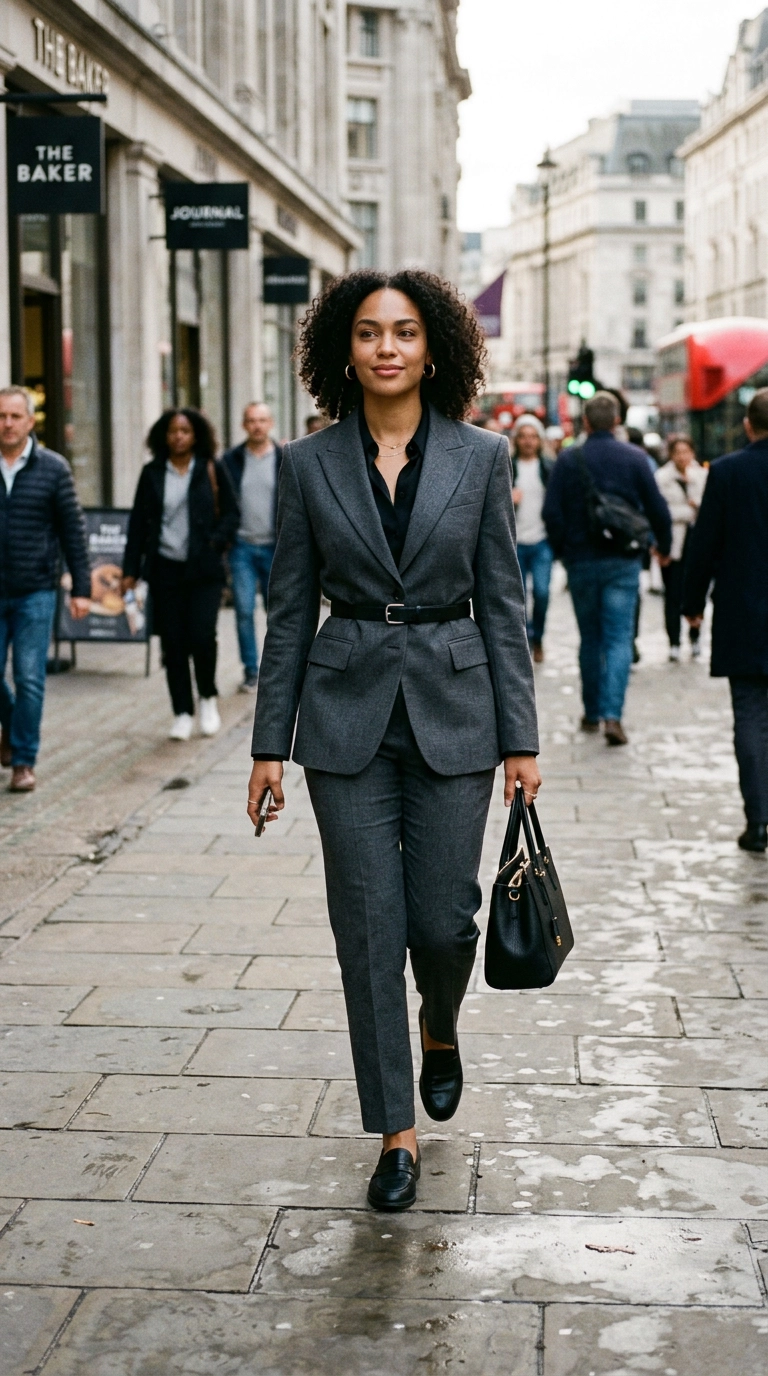
The fashion world loves a baggy, oversized silhouette, but the boardroom is rarely the place for it. When your clothes are too large, you risk looking like you are playing dress-up in your parent’s closet rather than owning your role.
On the other end of the spectrum, garments that are too tight can create unwanted pulling across the chest or hips. This often results in gaping button-downs or distorted fabric patterns that look messy and uncomfortable.
Take your work staples to a professional tailor to ensure the hems hit exactly at the right spot and the shoulders sit squarely on your frame. A well-fitted twenty-dollar shirt will always look better than a poorly fitted two-hundred-dollar one.
Wearing Footwear That Is Too Casual or Distressing
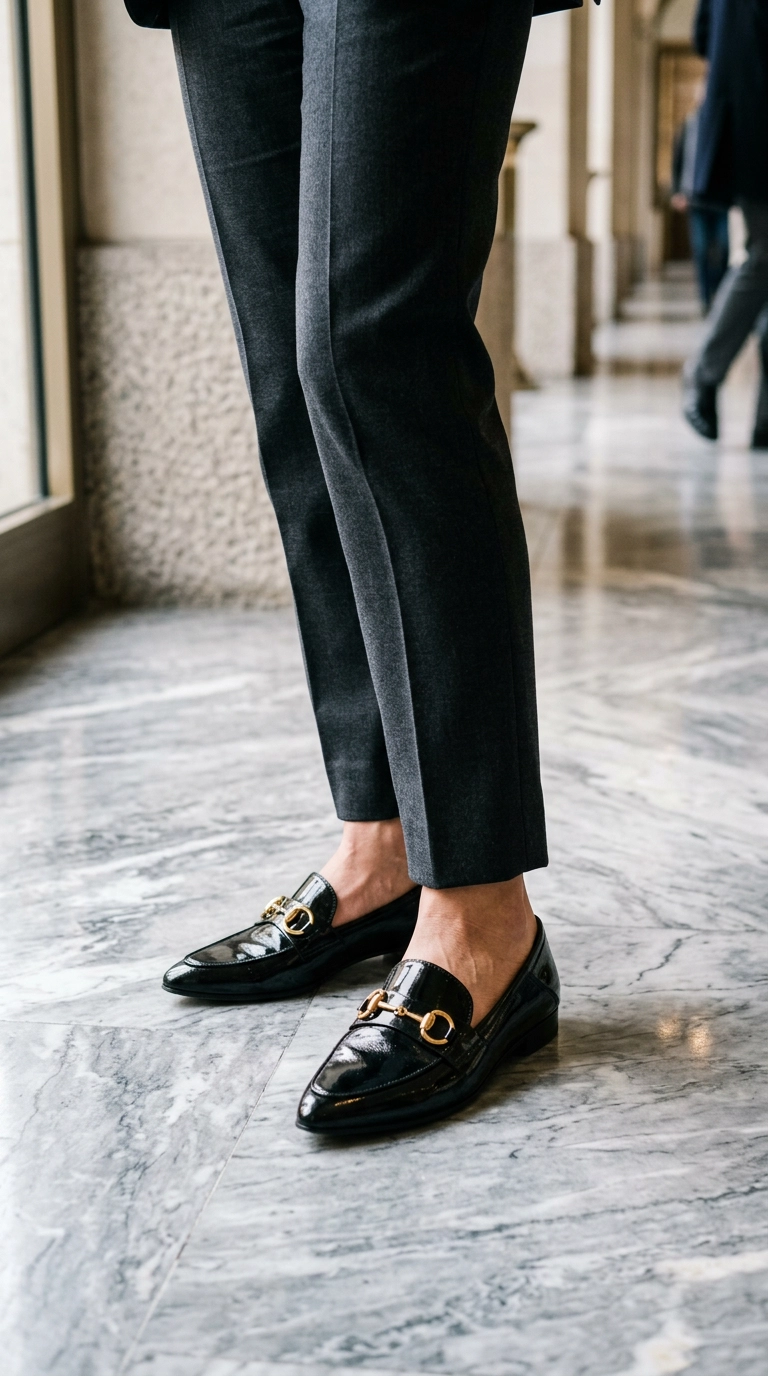
Your shoes are often the first thing people notice, and they set the tone for your entire professional persona. Scuffed heels, dirty sneakers, or flip-flops are instant indicators that you have disregarded the professional environment.
Even in a casual office, your footwear should remain structured and clean. Opt for leather loafers, sleek ankle boots, or polished pumps that show you have put effort into your appearance from head to toe.
Keep a small shoe-shining kit in your desk drawer for emergency touch-ups before big meetings. This ensures that salt stains in the winter or dust in the summer do not ruin your professional silhouette.
The Professional Footwear Hierarchy
| Occasion | Best Choice | Mistake to Avoid |
|---|---|---|
| Client Meeting | Pointed-toe pumps or oxfords | Open-toe sandals |
| Business Casual Friday | Clean leather loafers | Worn-out gym sneakers |
| Everyday Office | Sleek ankle boots or flats | Canvas flip-flops |
Overlooking Visible Undergarment Lines

Visible bra straps or prominent panty lines are common wardrobe malfunctions that immediately break the professional “wall.” These distractions take the focus away from your ideas and place it on your clothing choices instead.
Always do a “three-way mirror check” in natural light before leaving your house to ensure your undergarments remain invisible. Seek out seamless, nude-to-you options that blend perfectly with your skin tone rather than the color of your clothes.
Pay close attention to thinner fabrics like silk and light wool, which are notorious for showing every seam. A simple slip or high-waisted shaper can provide the smooth base needed for a polished look.
Choosing Distracting or Overly Loud Accessories

Accessories should complement your outfit, not compete with your message. Large, jingling bracelets or neon-colored statement necklaces can be distracting to colleagues during a serious discussion.
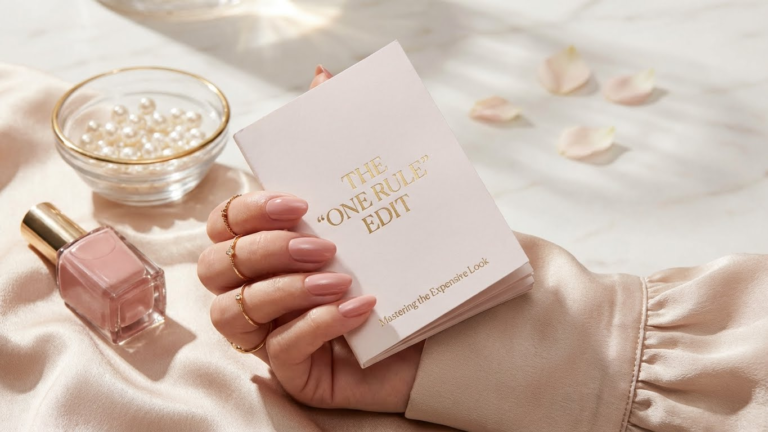
Follow the classic rule of removing one accessory before you leave the house to avoid a cluttered look. Aim for high-quality, understated pieces like a classic watch, simple studs, or a modest leather belt.
Make sure your bag is also part of the professional equation. A structured tote or a leather briefcase looks far more competent than a nylon backpack or a tattered canvas bag.
- Opt for matte metals over shiny, “cheap-looking” finishes.
- Ensure your belt matches the tone of your shoes for a cohesive appearance.
- Keep tech accessories, like phone cases, neutral and professional.
Opting for See-Through or Low-Quality Fabrics

Fluorescent office lighting is incredibly unforgiving when it comes to thin or cheap fabrics. What looks opaque in your bedroom mirror might become completely sheer under the harsh lights of the conference room.
Hold your garments up to a window before buying them to check for density. If you can see the silhouette of your hand through the fabric, it is likely too thin for a professional environment.
Natural fibers like wool, cotton, and heavy silk not only look more expensive but also hold their shape better throughout a long workday. Avoid cheap synthetics that tend to shine under artificial light and trap odors.
Misinterpreting “Business Casual” as Just “Casual”
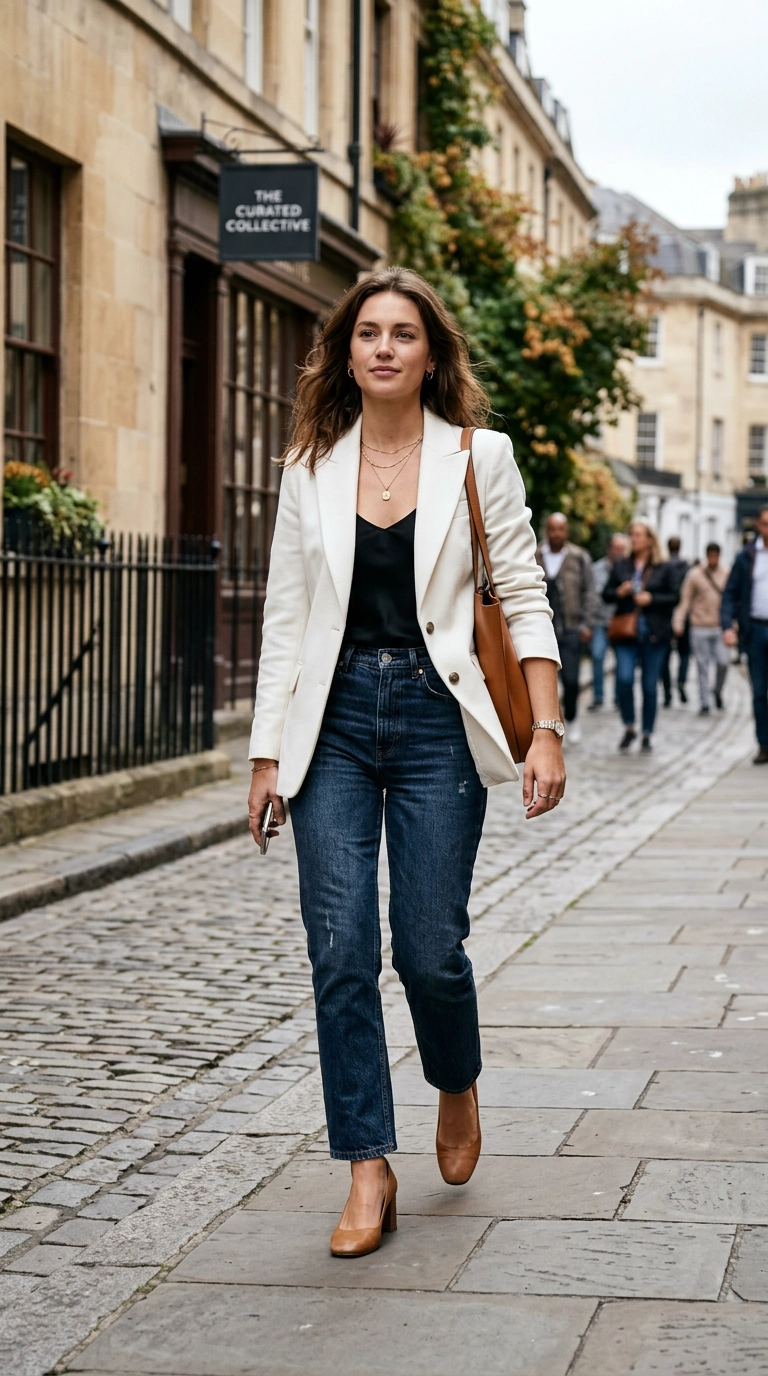
The “business casual” dress code is perhaps the most common trap for modern professionals. Many people focus too heavily on the “casual” side, showing up in hoodies, distressed denim, or graphic tees.
The goal is to find a balance between comfort and authority. If you choose to wear jeans, ensure they are a dark wash, free of holes, and paired with a structured blazer or a crisp button-down shirt.
When in doubt, it is always better to be the most dressed-up person in the room than the most dressed-down. Being slightly more formal signals that you take your work and your colleagues’ time seriously.
Neglecting the Details of Personal Grooming
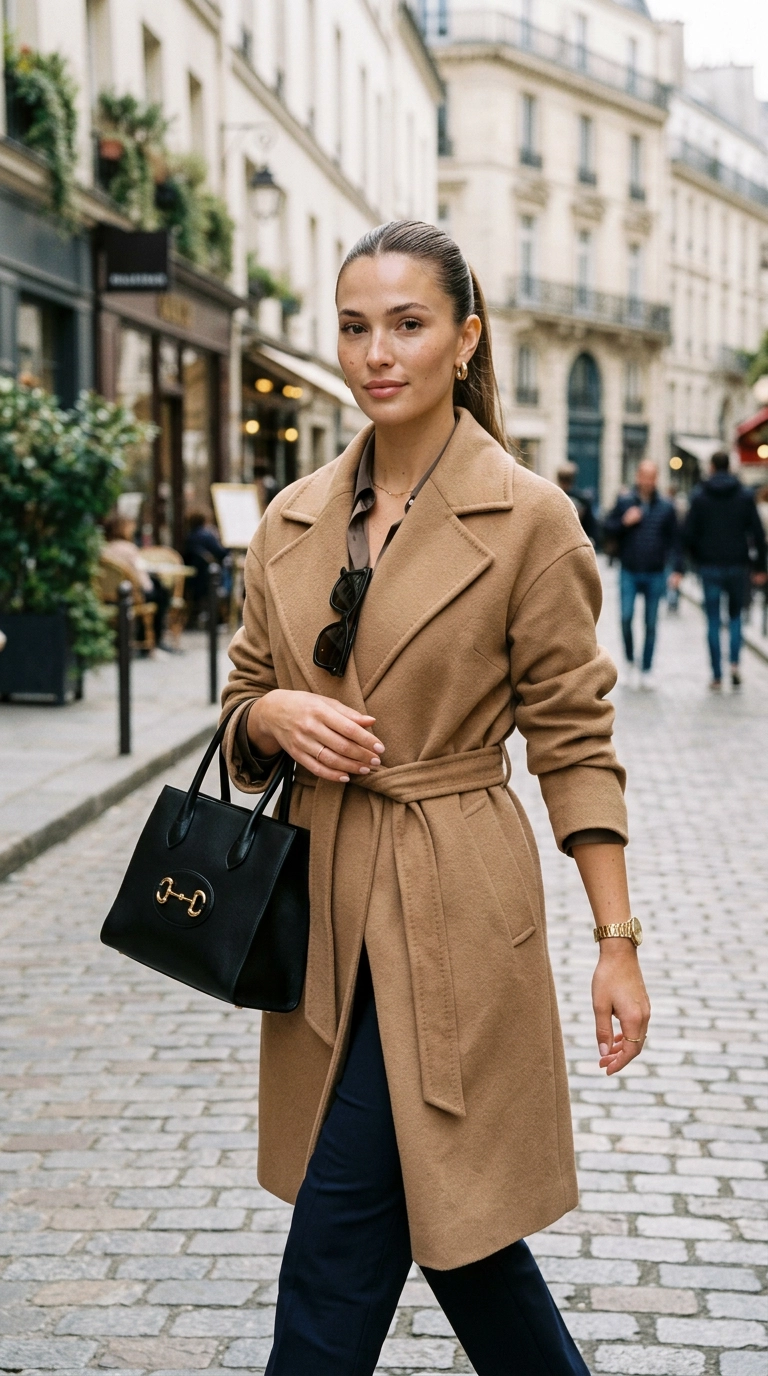
Your clothing is only half of the professional equation; your grooming completes the picture. Chipped nail polish, messy hair, or overpowering perfume can undermine even the most expensive suit.
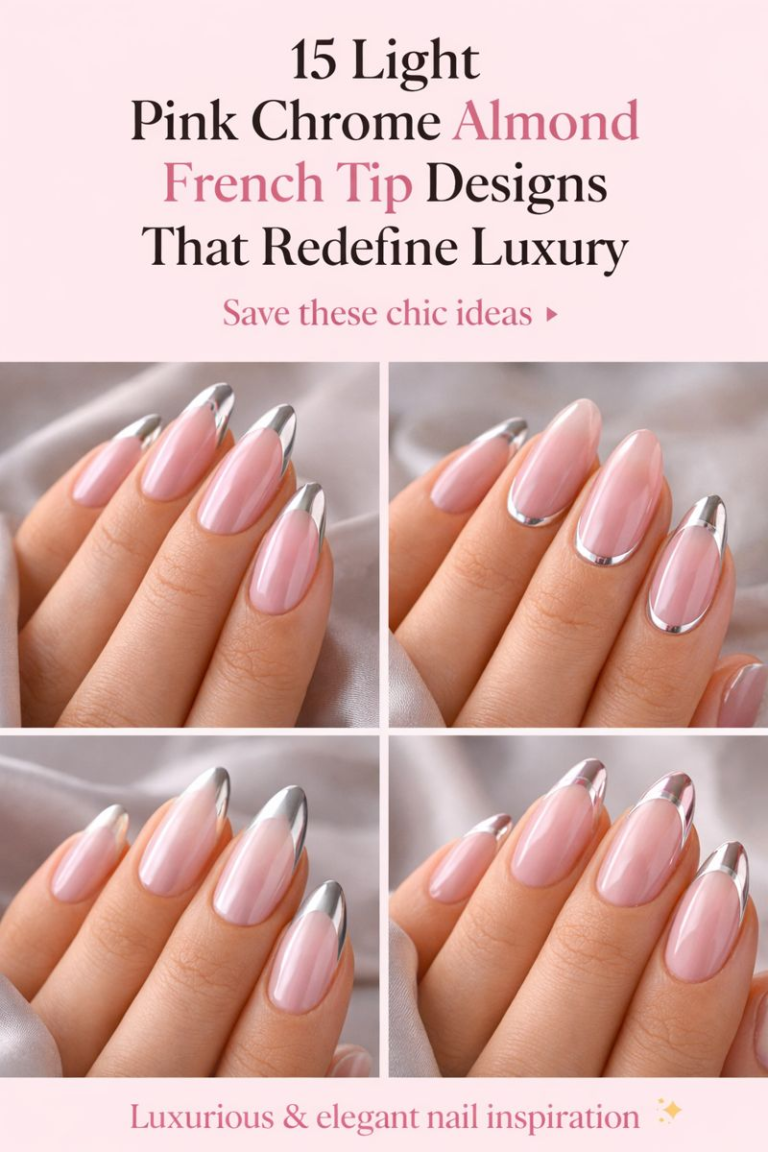
Keep your nails clean and either unpolished or painted in neutral, professional shades. If your polish starts to chip during the week, remove it immediately rather than waiting for your next appointment.
Be mindful of scent in shared workspaces, as many people have sensitivities to strong fragrances. A light, clean scent is acceptable, but it should not linger in a room long after you have left it.
Wearing Clashing Loud Patterns and Neon Colors

While fashion is an outlet for creativity, the office often requires a more grounded palette. Neon yellows and hot pinks can be visually exhausting for colleagues and can make you appear less serious.
If you love color, try incorporating it through muted tones like emerald green, burgundy, or navy. These shades offer a “pop” of personality without overwhelming the visual space of a professional setting.
When using patterns, stick to one dominant print and keep the rest of your outfit neutral. Mixing stripes with florals and animal prints is best saved for your weekend outings or creative social events.
The Professional Color Palette
| Power Colors | Neutral Staples | Use with Caution |
|---|---|---|
| Navy Blue, Charcoal | Beige, White, Black | Neon Orange, Lime Green |
| Deep Emerald, Plum | Camel, Cream, Grey | High-Contrast Animal Prints |
Mastering your professional image is a journey of consistency rather than a one-time overhaul. By avoiding these common pitfalls and focusing on quality, fit, and grooming, you ensure that your appearance always aligns with your career ambitions. Your style is a tool—use it to command the respect you have earned through your hard work.