5 Freezing Cold Winter Outfit Mistakes to Stop Making
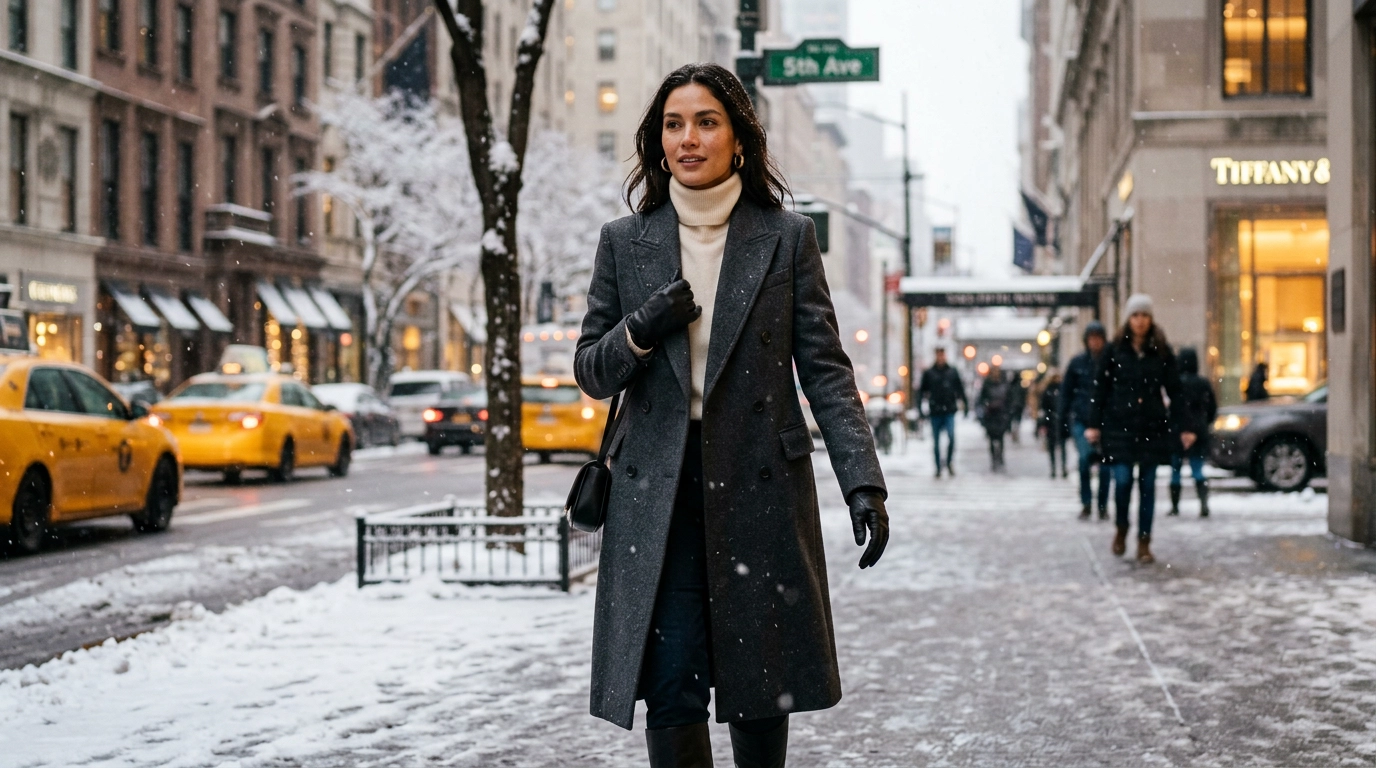
Winter fashion often feels like a constant struggle between maintaining your aesthetic and surviving the biting wind. Most of us have spent mornings staring at our wardrobes, wondering if it is possible to look sophisticated without shivering the second we leave the house.
Many common styling choices actually work against your body’s ability to retain heat, making you feel colder while also ruining the clean lines of your outfit. If you find yourself reaching for a shapeless puffer coat every single day, you are likely falling into a few easily fixed traps.
We are identifying the specific errors that drain your warmth and downgrade your style, offering high-end solutions that keep you cozy and chic. By making these simple pivots, you can master the art of the winter silhouette while staying perfectly warm in Tier 1 city climates.
Ignoring the Hidden Power of Technical Base Layers

The most frequent mistake people make is trying to stay warm by adding bulk to the outside rather than building heat from the inside. Relying solely on a heavy coat often leads to a “stuffed” appearance that restricts movement and fails to trap air efficiently.
Standard cotton t-shirts are your worst enemy in freezing temperatures because they absorb moisture and hold it against your skin. This creates a chilling effect the moment you step into a heated building and begin to sweat slightly under your layers.
To fix this, switch to high-performance base layers made from Merino wool or specialized technical blends that offer a high warmth-to-weight ratio. These pieces are thin enough to disappear under a silk blouse or a slim-fit cashmere sweater, providing a sleek foundation for any look.
The Best Base Layer Materials for Winter
| Material | Best For | Warmth Level |
|---|---|---|
| Merino Wool | Breathable everyday wear | High |
| Silk Blends | Low-profile layering | Medium |
| Technical Synthetic | Active or extreme cold | Very High |
Focus on pieces with a scoop neck or seamless edges so they remain invisible under your primary outfit. This allows you to wear your favorite blazer or lighter wool coat even when the temperature drops below freezing.
Investing in three or four high-quality thermal tops will change how you view your entire winter wardrobe. You will no longer feel the need to hide your figure under massive, unflattering layers just to avoid the wind chill.
Choosing Aesthetic Footwear Without Insulation or Grip
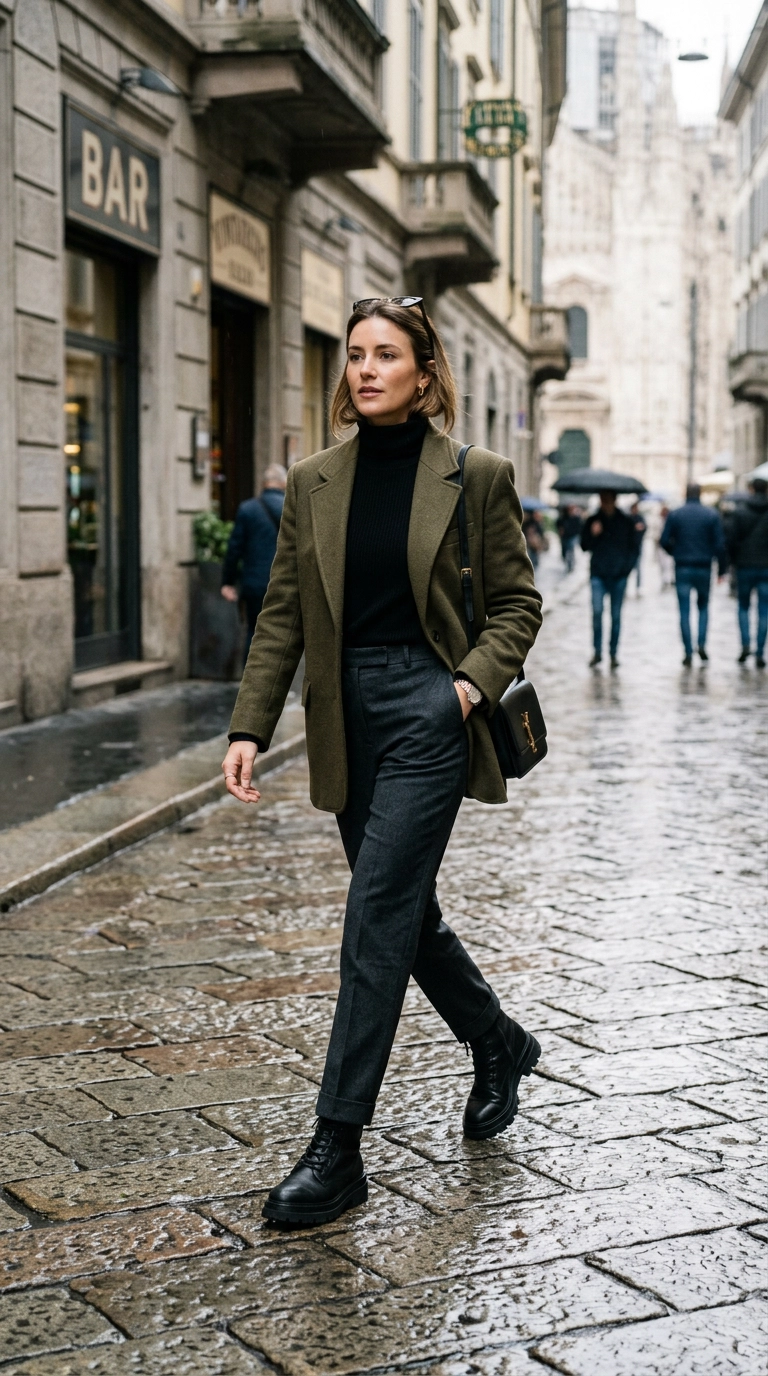
Wearing thin-soled leather boots or sneakers in the dead of winter is a fast way to lose body heat through your feet. Concrete and ice act as heat sinks, pulling warmth away from your soles and making your entire body feel cold regardless of your coat.
Many fashion enthusiasts avoid winter boots because they fear the “clunky” look of traditional snow gear. However, failing to account for traction leads to an awkward, unstable gait that ruins the effortless vibe of a well-planned outfit.
The solution is to look for “city-ready” boots that feature a hidden lug sole or a platform with a rubberized grip. These provide the necessary distance between your foot and the frozen ground while maintaining a high-fashion silhouette.
Three Ways to Upgrade Your Winter Footwear
- Swap the Insole: Replace standard factory insoles with shearling or thermal wool inserts for an instant warmth boost in any boot.
- Choose Lug Soles: Look for Vibram or rubber-treaded soles that offer grip without sacrificing the sleek look of high-end leather.
- Mind the Material: Treated calfskin or patent leather handles slush and salt much better than delicate suede or fabric sneakers.
Ensure your boots are slightly larger than your usual size to accommodate thicker socks without cutting off circulation. Tight shoes restrict blood flow, which is one of the primary reasons feet stay cold even in expensive footwear.
By selecting boots that combine a refined upper with a rugged sole, you can navigate icy sidewalks without looking like you are headed to a ski slope. This balance is key to maintaining a Tier 1 aesthetic during the harshest months.
Allowing Outerwear to Overpower Your Natural Silhouette
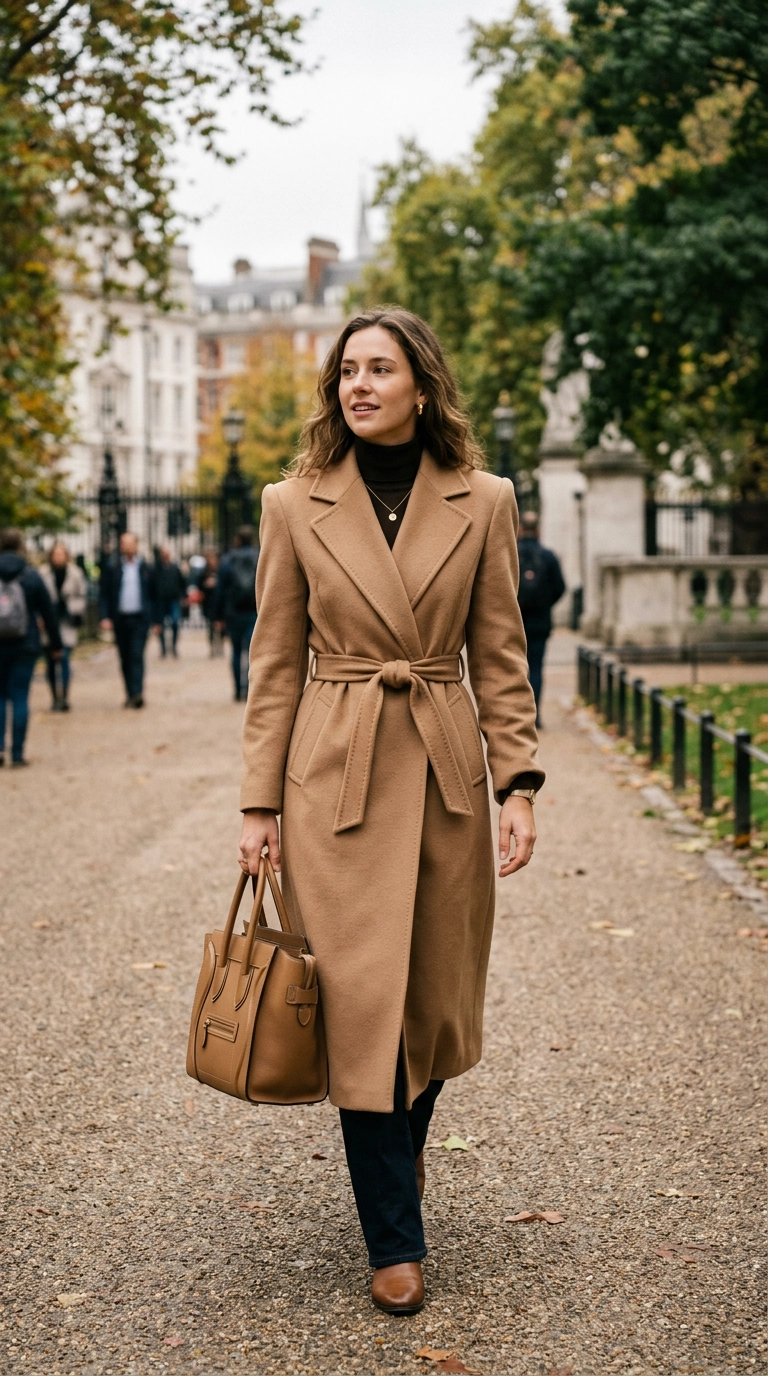
One of the biggest style mistakes in winter is the “Marshmallow Effect,” where a person disappears into a sea of puffy fabric. While oversized coats are trending, wearing one without intentional styling can make you look overwhelmed and messy.
The problem usually stems from a lack of contrast in volume; wearing wide-leg trousers with a massive puffer coat creates a blocky shape. This hides your frame and often makes you appear shorter than you actually are.
Apply the “Rule of Proportions” by balancing a voluminous top with a streamlined bottom, or vice versa. If you are wearing a heavy, oversized coat, opt for slim-fit trousers or sleek leather leggings to anchor the look.
Styling Tips for Heavy Outerwear
Use a wide leather belt to cinch a long wool coat at the waist, creating an hourglass shape even through multiple layers. This small addition provides structure and makes a standard coat look like a custom-tailored piece.
Choose coats with structured shoulders or a defined collar to frame your face and prevent the fabric from sagging. A well-defined shoulder line communicates authority and polish, even when you are bundled up for a blizzard.
If you prefer the puffer aesthetic, look for “quilt-free” options or styles with internal drawstrings that allow you to adjust the fit. This prevents the coat from flaring out at the hem and losing the heat you are trying to keep inside.
Leaving Heat Escape Points Unprotected
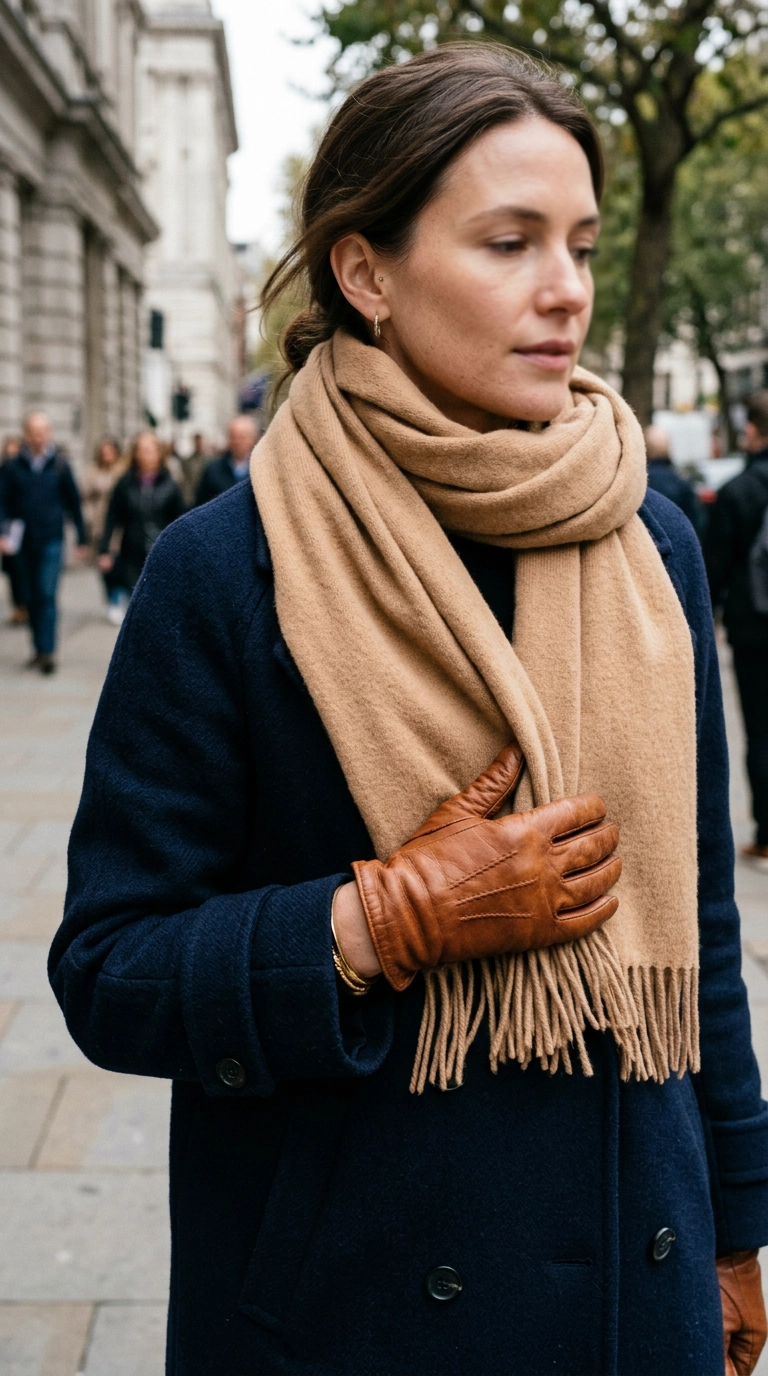
You can wear the thickest coat in the world, but if your wrists, ankles, and neck are exposed, your core temperature will drop. These “heat escape points” are where the cold air bypasses your insulation and hits your skin directly.
Exposed ankles are a major trend in spring, but in winter, they are a styling error that makes an outfit look seasonally inappropriate. Seeing bare skin between a hemline and a shoe during a snowstorm creates a visual disconnect that looks more desperate than chic.
Fixing this mistake involves using accessories as intentional design elements rather than afterthoughts. A high-quality scarf or a pair of leather gloves should be integrated into the color palette of your entire look.
Essential Winter Accessories for Thermal Retention
- Over-the-Calf Socks: Ensure your socks are long enough so no skin shows when you sit down, opting for cashmere or wool blends.
- Gauntlet-Style Gloves: Choose gloves with a longer cuff that can be tucked into your coat sleeves to block the wind.
- The Scarf Wrap: Instead of letting a scarf hang loose, use a full-wrap method to seal the gap at the top of your coat.
Accessories are the perfect place to experiment with textures like faux fur, shearling, or heavy-gauge knits. These additions provide the finishing touch that makes a winter outfit feel curated and expensive.
Don’t forget the importance of a hat; a significant amount of heat is lost through the head. A structured wool fedora or a premium cashmere beanie can pull a look together while keeping you remarkably warmer.
Relying on Low-Quality Synthetic Knits for Warmth
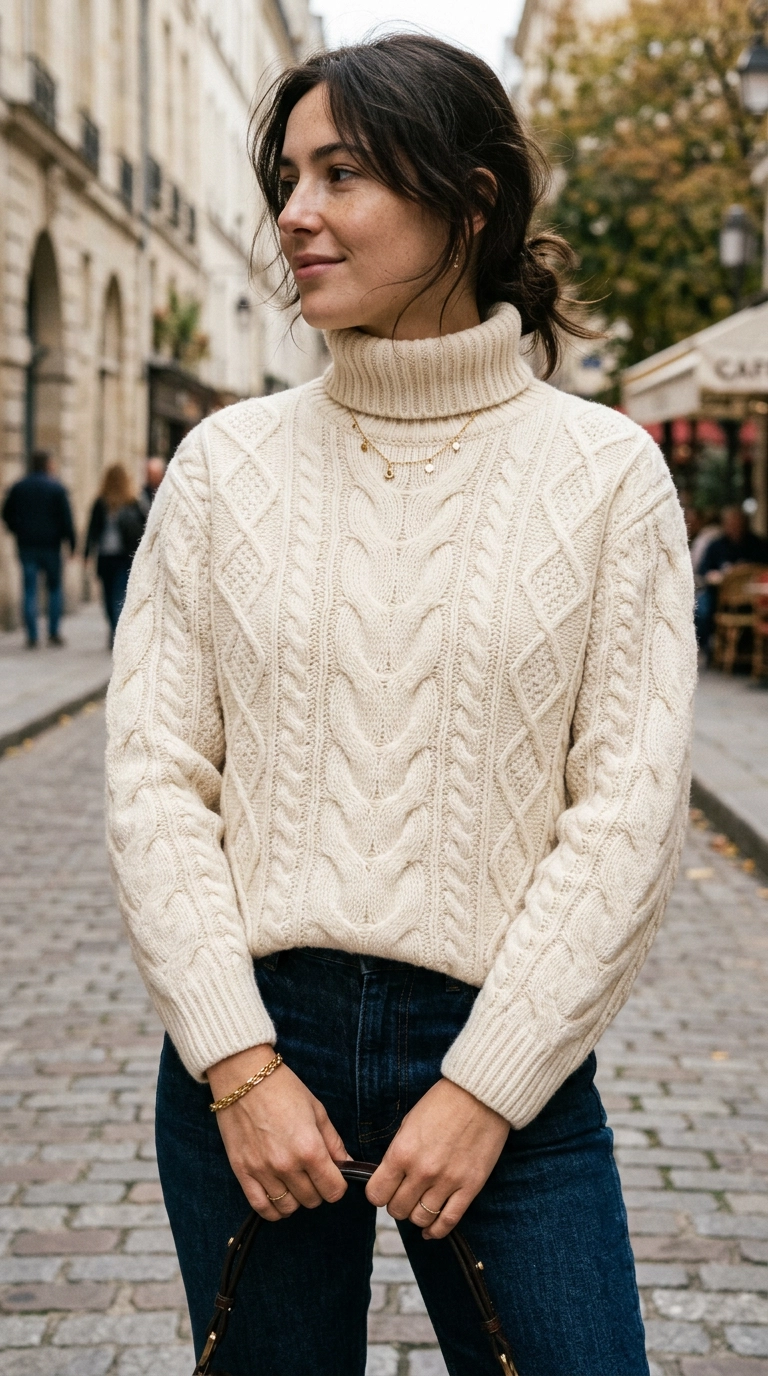
The final mistake is prioritizing quantity over quality when it comes to your knitwear collection. Many high-street brands sell sweaters made primarily of acrylic or polyester, which offer almost zero insulation and trap sweat.
Synthetic fibers don’t breathe, meaning you will often feel clammy when you are indoors and freezing the moment you step outside. These fabrics also pill and lose their shape quickly, making your outfit look cheap after only a few wears.
Switching to natural fibers like wool, cashmere, and alpaca is a logical investment for any serious winter wardrobe. These materials have natural crimps that trap air pockets, providing superior warmth without the bulk of synthetic alternatives.
Natural vs. Synthetic: The Winter Comparison
| Feature | Cashmere / Wool | Acrylic / Polyester |
|---|---|---|
| Insulation | Excellent (Natural thermoregulation) | Poor (Traps moisture) |
| Durability | High (With proper care) | Low (Prone to pilling) |
| Breathability | High | Very Low |
While natural fibers carry a higher price tag, they last for years and provide a level of comfort that synthetics cannot match. A single high-quality cashmere sweater will keep you warmer than three layered acrylic jumpers.
When shopping, always check the interior care label rather than relying on the “feel” of the fabric in the store. Manufacturers often use softeners to make cheap acrylic feel like cashmere, but that softness disappears after the first wash.
True style in winter is about the marriage of luxury materials and practical layering. When you stop making these five mistakes, you will find that dressing for the cold becomes one of the most rewarding parts of your fashion calendar.
Mastering the Winter Aesthetic with Intention
Elevating your winter wardrobe is a matter of choosing quality materials and respecting the physics of heat retention. Once you replace bulky layers with technical foundations and prioritize natural fibers, you can maintain a sharp, editorial silhouette in any weather. Use these adjustments to ensure you stay warm, look polished, and move through the season with absolute confidence.