10 Color Palette Fall Fashion Mistakes Washing You Out
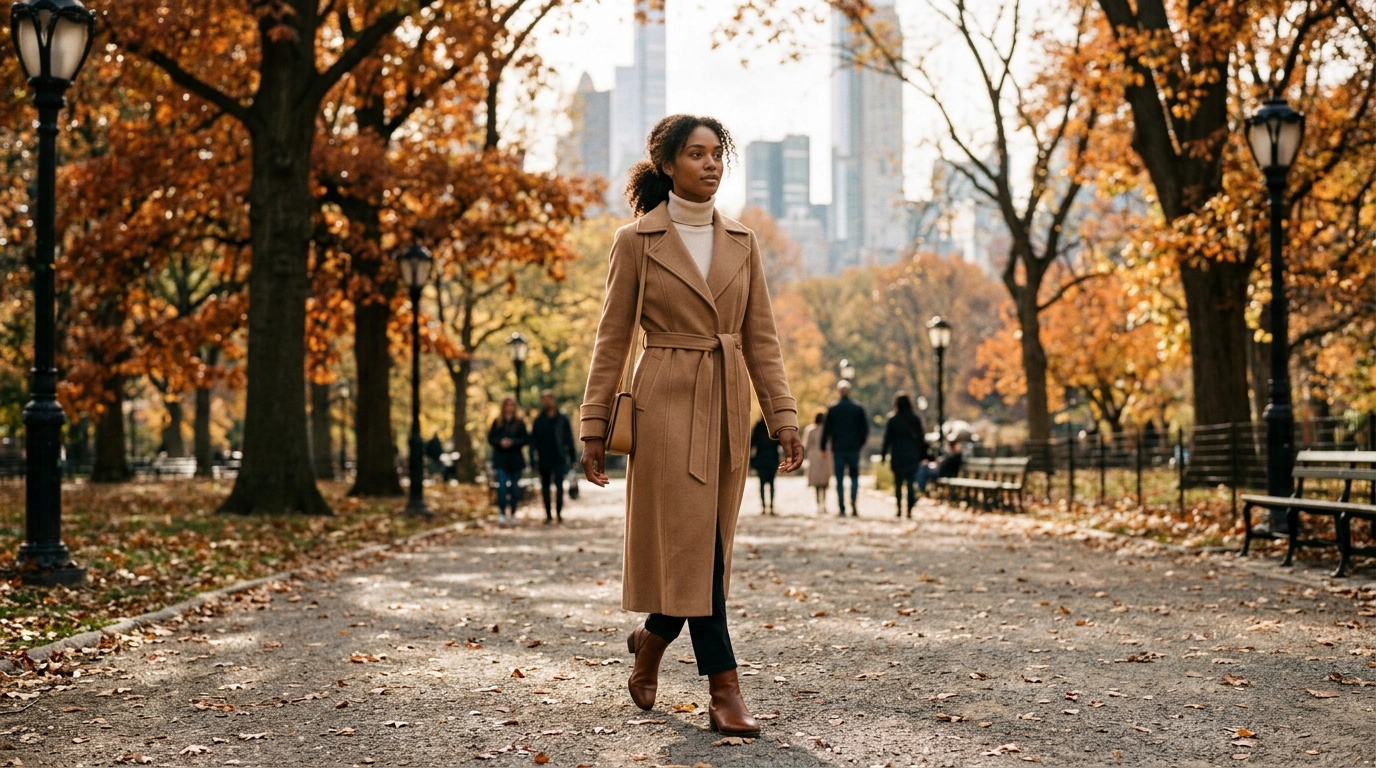
Have you ever slipped into a trendy burnt orange sweater only to realize you look more tired than you did before your morning coffee? Many of us fall into the trap of dressing for the season’s aesthetic instead of our own unique skin chemistry and undertones.
The transition into autumn often brings a rush of muddy browns and heavy yellows that can easily wash out certain complexions, making your skin appear sallow or grey. Understanding the science of color harmony is the secret to maintaining that healthy, lit-from-within glow even as the temperatures drop.
You deserve a wardrobe that works for you, highlighting your natural beauty rather than competing with it for attention. Let’s break down the most common color mistakes that might be draining your vibrance and how to pivot toward your most flattering fall palette.
1. Selecting the Wrong Undertone of Beige
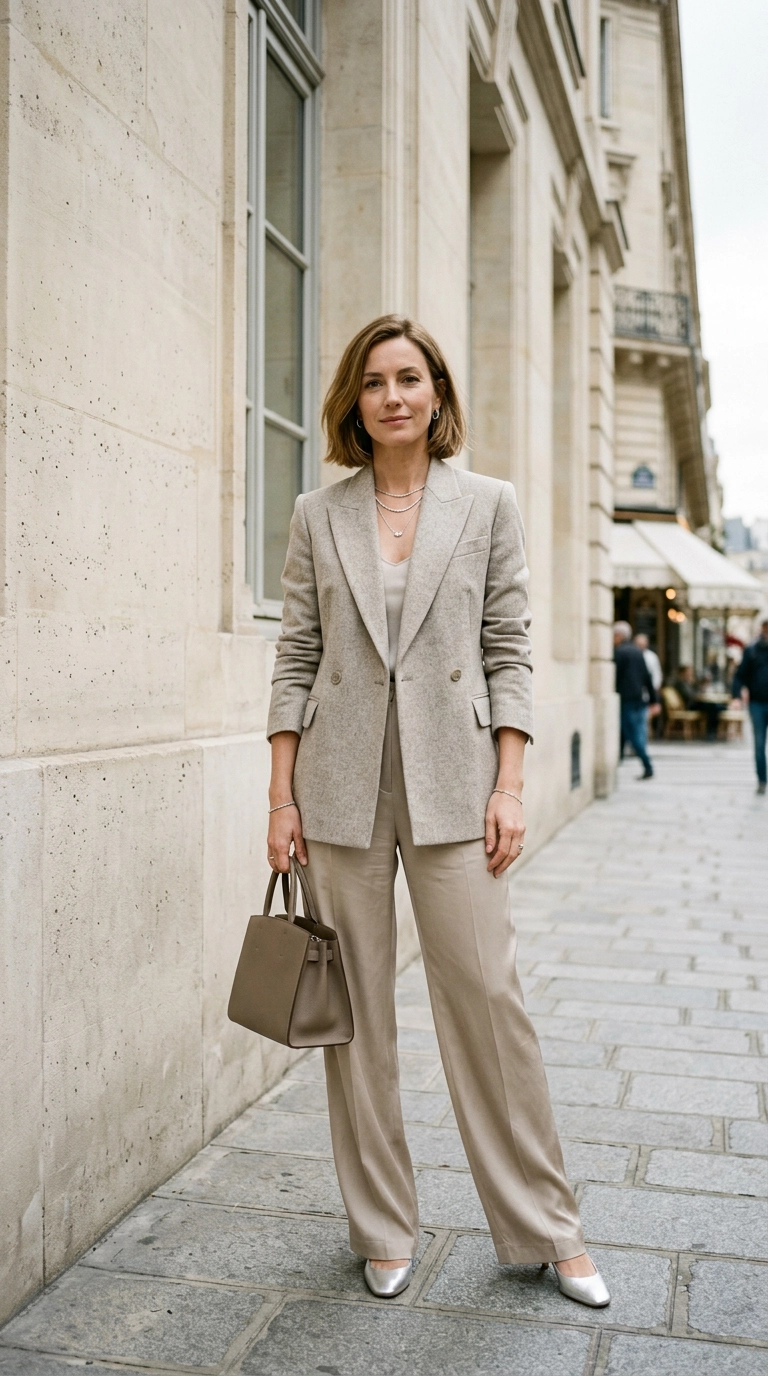
Beige is often treated as a universal neutral, but it is one of the most difficult colors to get right because of its subtle undertones. If you have cool skin and wear a yellow-based beige, you will likely look sallow and washed out.
Conversely, if you have warm skin, a pink-based or “greige” neutral can make you look dusty and aged. To fix this, always test the fabric against your jawline in natural light to see if it brightens your eyes or emphasizes dark circles.
Choosing the right neutral creates a seamless foundation for the rest of your outfit. When the base color matches your undertone, every other layer you add will look more intentional and expensive.
2. Overpowering Soft Features with Jet Black
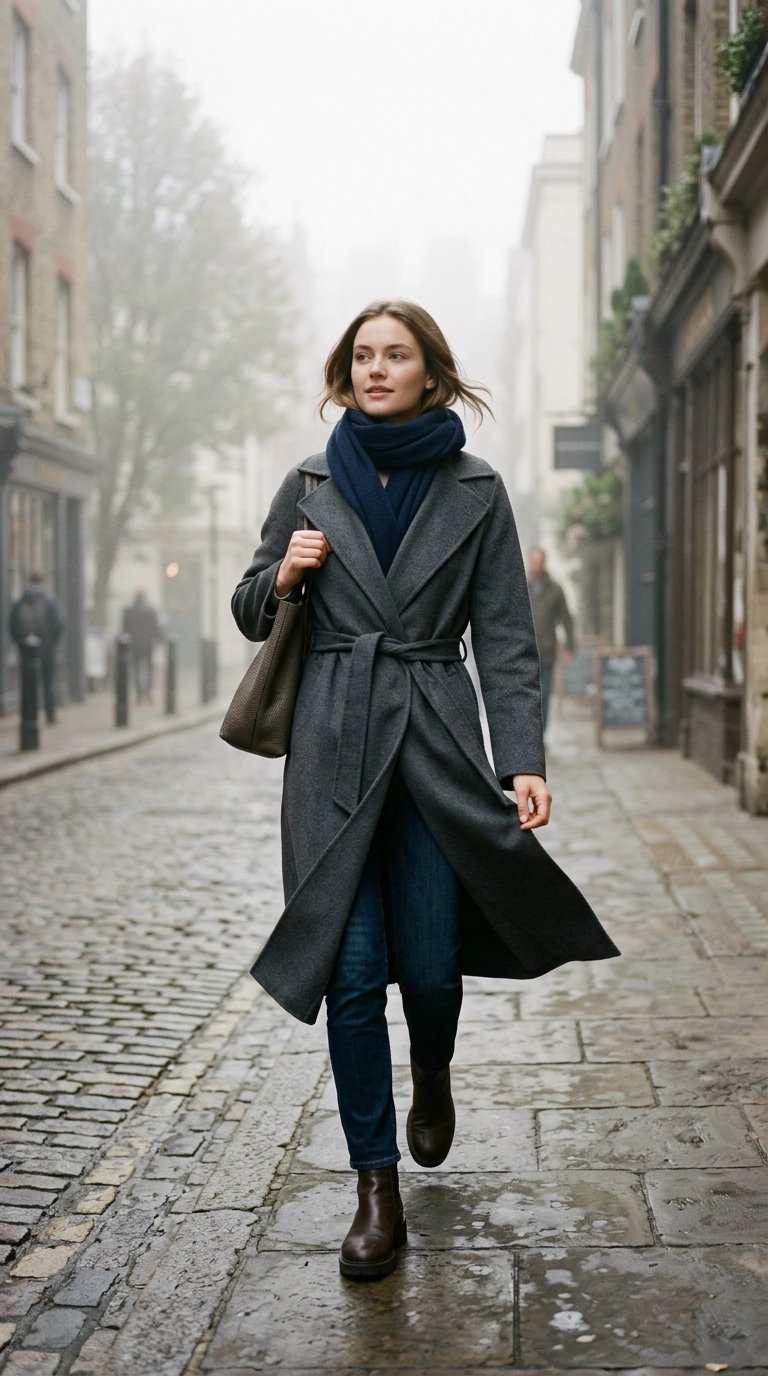
We often lean on black as a fall security blanket, but for many people, stark black is far too heavy and harsh. If you have light hair or soft, muted coloring, jet black can create deep shadows on your face and make you look ghostly.
Switching to a deep charcoal, espresso brown, or navy blue can provide the same slimming effect without the harshness. These “near-blacks” allow your natural features to stand out rather than being swallowed by the garment.
Think of these shades as a softer frame for your face. They provide the depth needed for autumn layering while keeping your complexion looking fresh and approachable.
Alternative Dark Neutrals for Fall
- Espresso Brown: Perfect for those with warm undertones who find black too cold.
- Slate Grey: A sophisticated choice for cool-toned individuals with lower contrast.
- Deep Forest Green: A rich, dark neutral that acts as a colorful alternative to black.
3. Choosing High-Saturated Oranges for Muted Skin
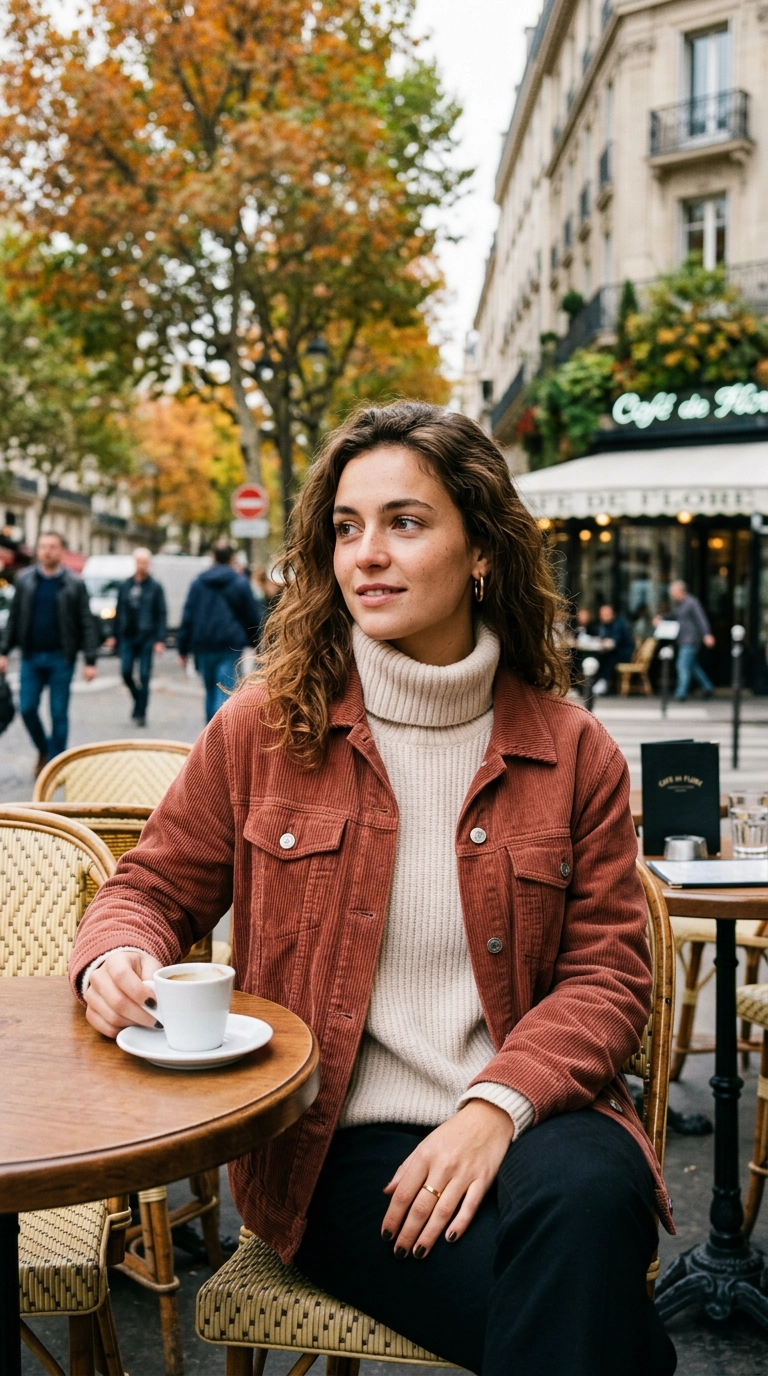
Pumpkin spice orange is the mascot of the season, but its high saturation can be overwhelming for those with muted or soft coloring. If the color of the sweater arrives in a room before you do, it is likely too bright for your skin.
Try opting for “burnt” or “dusty” versions of these shades, such as terracotta, rust, or copper. These tones have a touch of brown or grey mixed in, which helps them harmonize with your natural skin tone rather than clashing with it.
Muted shades provide a more grounded and sophisticated look that feels effortless. They capture the essence of the season without looking like a costume.
4. The Stark White Mistake in Low Light
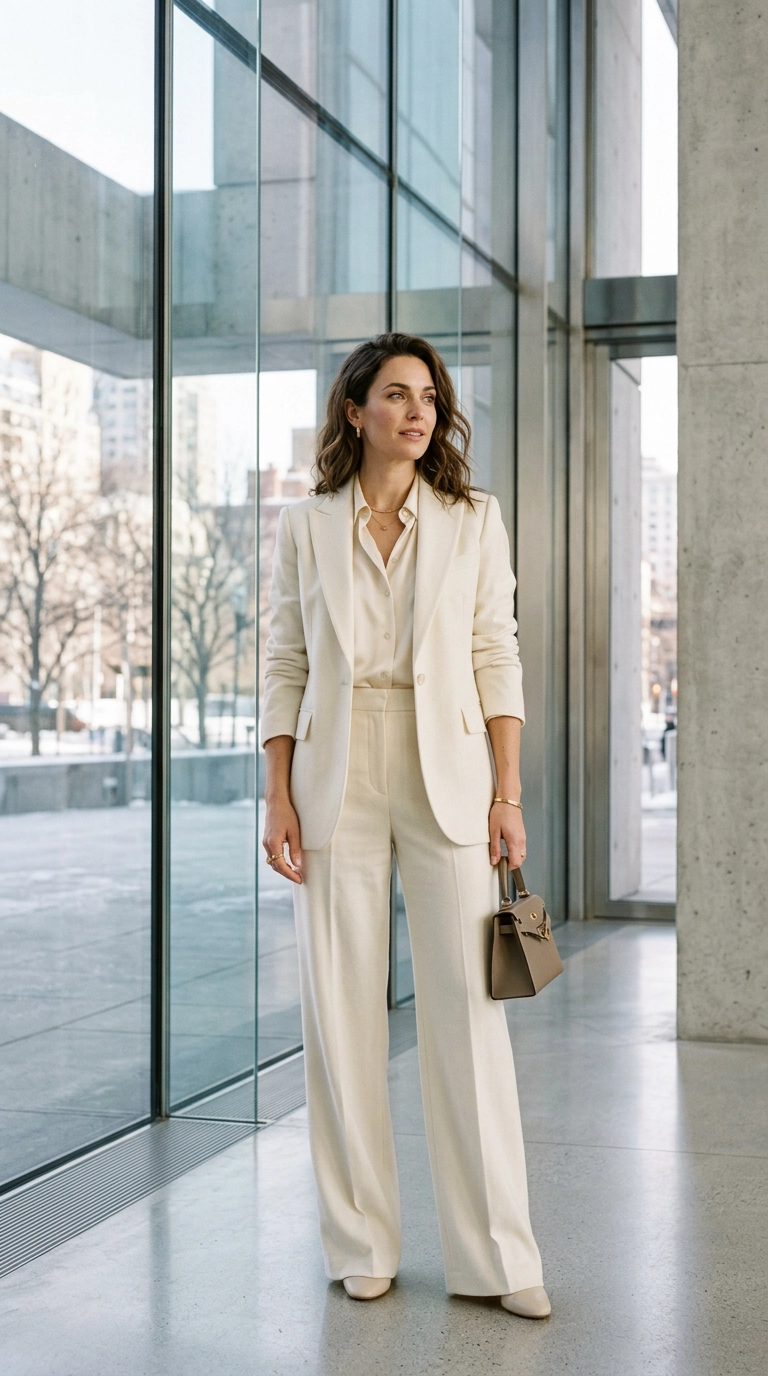
Bright, optical white is often too sterile for the golden, soft lighting of the autumn months. It can look jarring against the earthy tones of a fall wardrobe and make your skin look unusually pale or blue-toned.
Transitioning to cream, ivory, or “oatmilk” shades creates a much warmer and more luxurious aesthetic. These softer whites reflect light back onto the skin in a way that looks healthy and youthful.
When layering whites, try mixing different textures like silk, wool, and leather in similar cream shades. This creates a rich, tonal look that feels incredibly high-end and thoughtful.
5. Neglecting Personal Contrast Levels
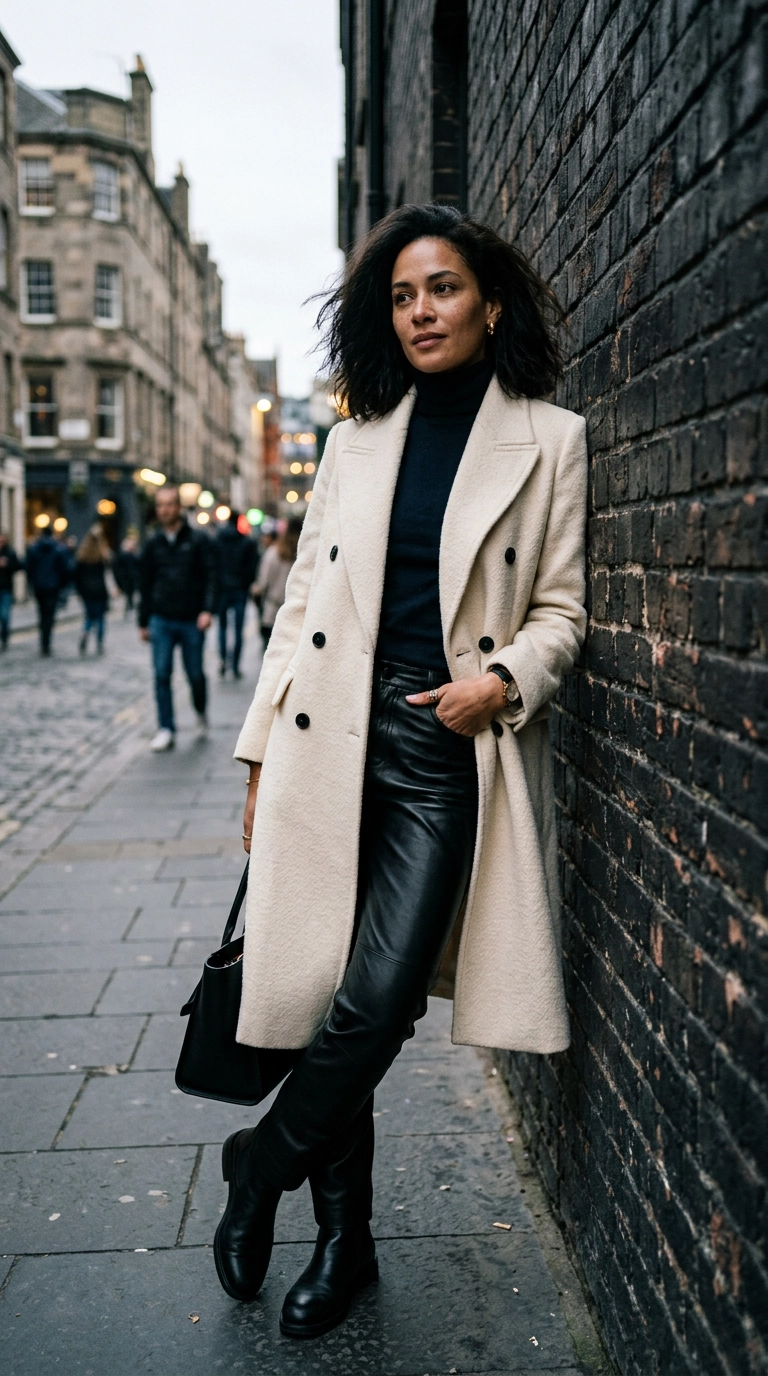
Contrast is the difference between your hair, skin, and eye color. If you have high contrast (like dark hair and pale skin), wearing a monochromatic, low-contrast outfit can make you look faded.
On the other hand, if you have low contrast (like blonde hair and fair skin), wearing a high-contrast black-and-white outfit can overwhelm you. You want your clothing to mimic the natural levels of contrast found in your own face.
Matching your outfit’s contrast to your own creates a sense of balance. It ensures that people notice you first, and your beautiful outfit second.
| Your Contrast Level | Visual Characteristics | Best Styling Approach |
|---|---|---|
| High Contrast | Dark hair, light skin, or very bright eyes. | Bold combinations like navy and cream. |
| Medium Contrast | Mid-brown hair, tan skin, hazel eyes. | Tonal layering with varying depths of color. |
| Low Contrast | Blonde or grey hair, fair skin, light eyes. | Monochromatic or soft, analogous color schemes. |
6. Wearing “Muddy” Earth Tones Near the Face
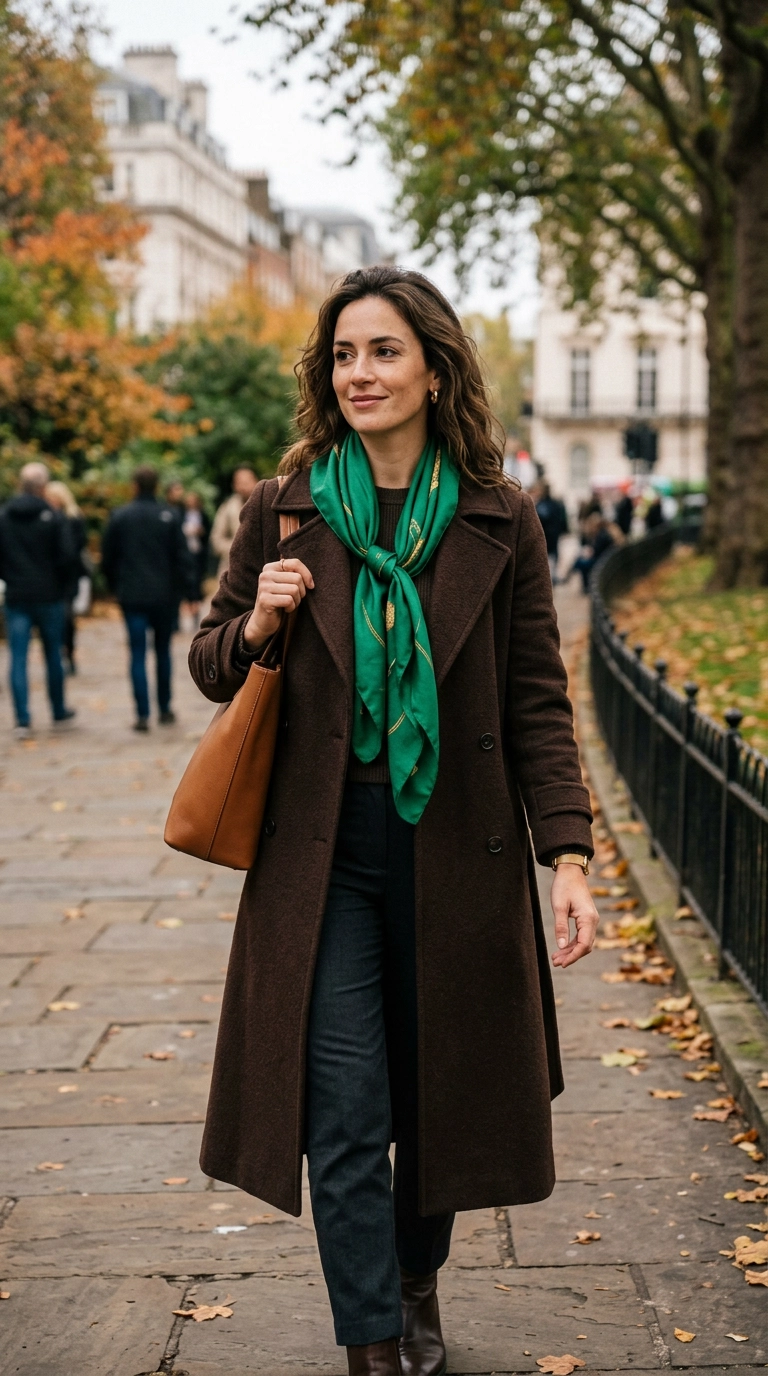
Many fall colors like olive green or mustard yellow have a “muddy” quality that can be very unflattering if they don’t match your skin’s clarity. If you have clear, bright skin, these colors can make you look tired or unwell.
You can still wear these shades, but try to keep them away from your face. Wear olive trousers or a mustard skirt, but pair them with a top in a color that you know makes your skin sing.
Using scarves in your best colors is another clever way to bridge the gap. It allows you to participate in fall trends while keeping your most flattering shades closest to your complexion.
7. Clashing Metal Tones with Fabric Palettes
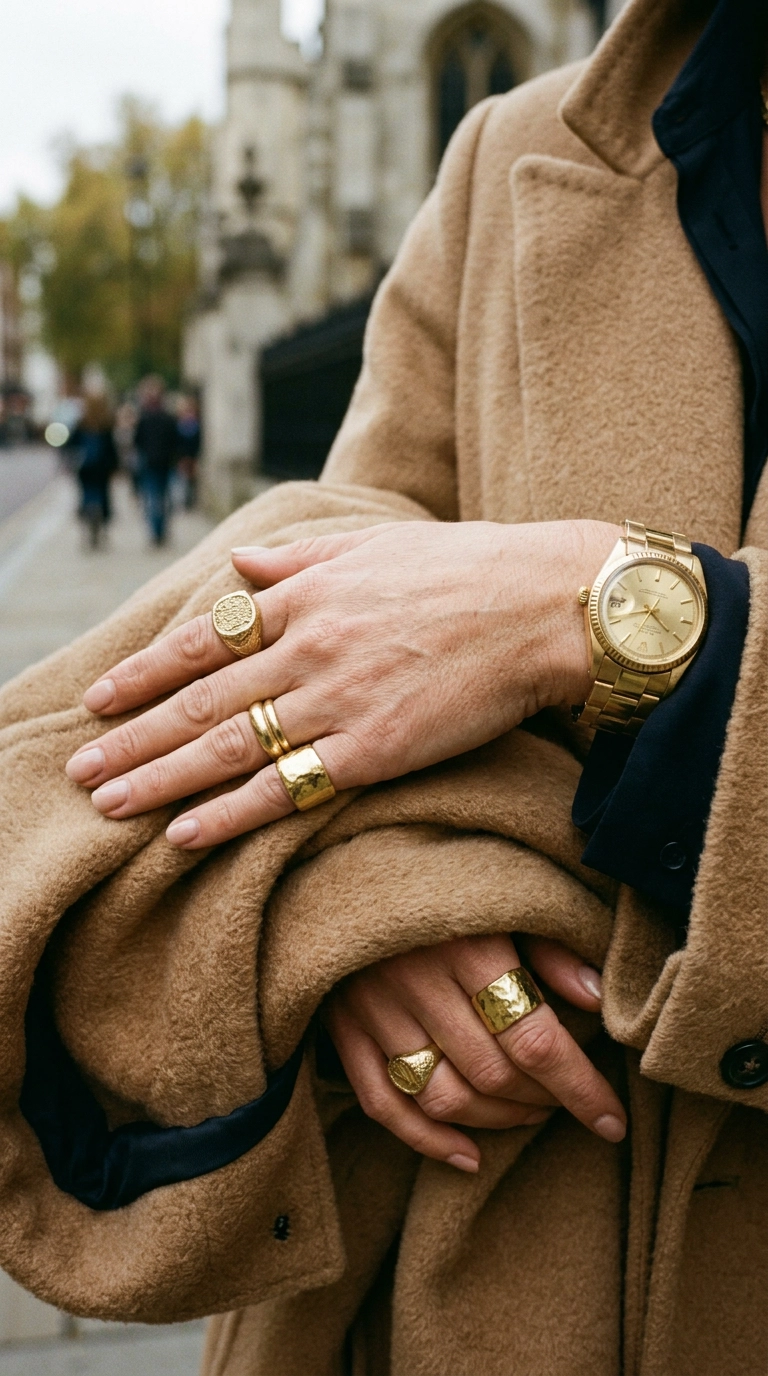
Your jewelry choice is the final touch that can either harmonize or disrupt your entire look. Wearing silver jewelry with a warm, golden-brown outfit can create a visual “vibration” that looks unpolished.
Generally, warm fabrics like camel, rust, and olive look best with gold or brass hardware. Cool colors like navy, grey, and burgundy are traditionally complemented by silver or white gold.
Matching your metals to the “temperature” of your outfit creates a cohesive, expensive-looking finish. It’s a small detail that makes a massive difference in how your overall look is perceived.
8. Mistaking Burgundy for Deep Plum
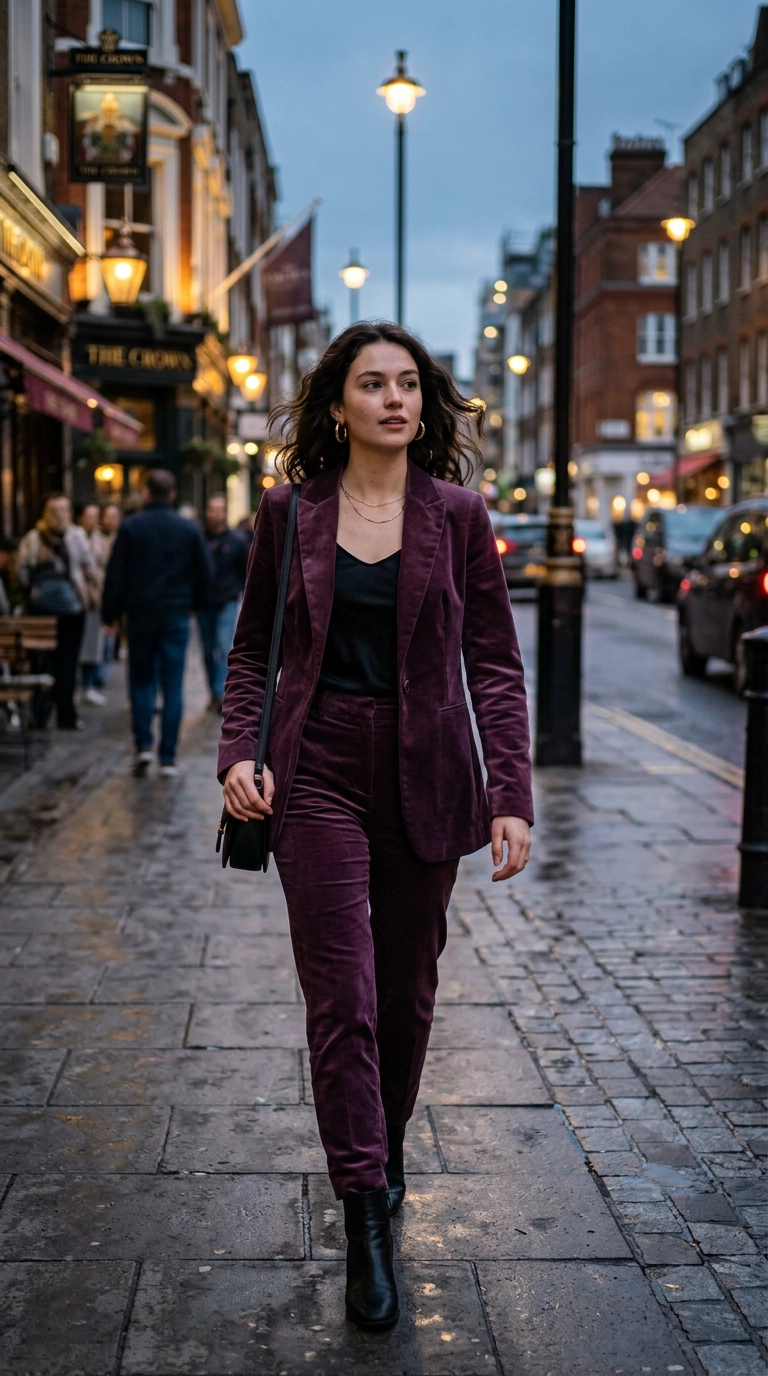
Burgundy is a staple, but it comes in both warm and cool variations. A warm burgundy has more brown and yellow in it (think brick red), while a cool burgundy has more blue and purple (think black cherry or plum).
If you have a cool skin tone, a warm, brownish burgundy will make your skin look yellow. Finding the specific “red” that belongs to your color family is the key to that classic autumn elegance.
Look for shades like “Merlot” if you are cool-toned and “Marsala” if you are warm-toned. These subtle shifts are what separate a generic outfit from a truly curated wardrobe.
9. The All-Grey Trap for Warm Complexions

Grey is often seen as the “safe” alternative to black, but for people with warm skin tones, cold grey can be incredibly draining. It can make healthy skin look flat and lifeless.
If you love grey but have warm skin, look for “warm greys” or taupes that have a hint of beige in them. These shades bridge the gap between cool neutrals and warm complexions beautifully.
Adding a pop of a warm color, like a gold necklace or a peach-toned lip, can also help balance the coolness of a grey garment. It’s all about finding that equilibrium between the fabric and your skin.
10. Ignoring Texture When Choosing Colors
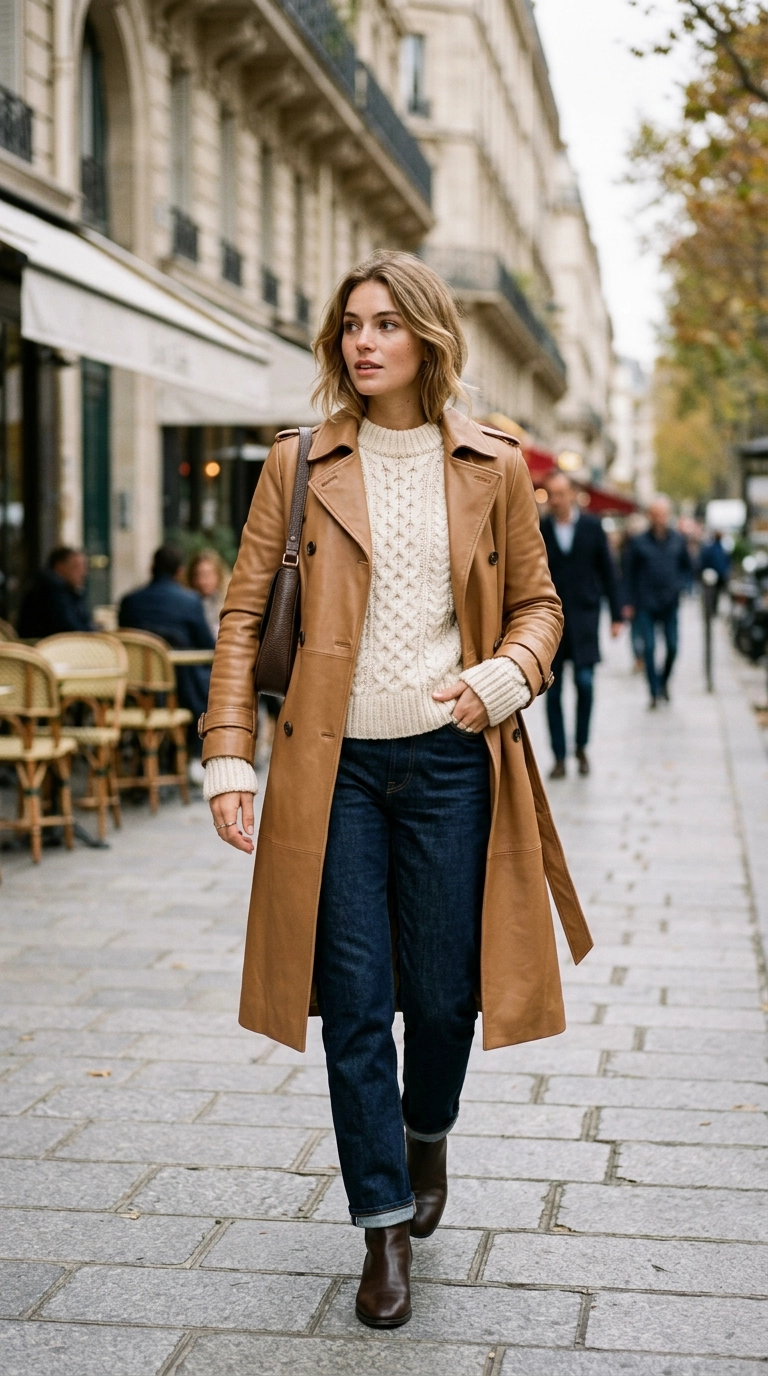
Color behaves differently depending on the texture of the fabric. A flat, matte cotton in a tan shade might look boring, whereas a rich, textured suede in the exact same color looks luxurious and vibrant.
If a color usually washes you out, try it in a more dynamic texture like velvet, wool, or silk. The way these fabrics catch the light can change how the color interacts with your skin.
Texture adds depth and interest to monochromatic outfits. Mixing your finishes allows you to wear colors that might otherwise feel “flat” on your complexion.
Dressing for fall is about more than just following the trends; it is about understanding how colors interact with your natural beauty. By being mindful of your undertones and contrast levels, you can build a wardrobe that makes you look as vibrant as the season itself.