8 Networking Event Interview Outfit Mistakes to Avoid

Walking into a networking event is about more than just your elevator pitch or your resume. Your attire acts as a silent introduction that tells potential employers and partners exactly how much you value the opportunity before you even speak.
When you dress with intention, you project a sense of competence and reliability that makes people want to listen to what you have to say. Small wardrobe errors can unintentionally signal a lack of professionalism or an inability to read the room correctly.
Fixing these common style blunders will help you navigate your next career-defining conversation with total confidence. Let us look at the specific mistakes that might be holding you back and how to correct them for a sharp, modern professional look.
1. The Casual Trap: Thinking Denim is Always Acceptable

Many modern workplaces have relaxed their dress codes, but a networking event is rarely the time for your favorite pair of distressed jeans. Even if the event is labeled as casual, showing up in denim can make you look like you are not taking the interaction seriously.
Opt for chinos or tailored trousers instead of jeans to maintain a polished edge. These pieces offer the same comfort as denim while providing a vastly more professional silhouette that commands respect from senior executives.
The goal is to be the best-dressed person in the room without appearing over-the-top. A structured trouser paired with a clean knit or a crisp shirt creates a balanced look that works for almost any industry gathering.
Recommended Alternatives for Lower Halves
- Structured wool-blend trousers in charcoal or navy.
- Slim-fit chinos in neutral tones like sand, olive, or slate.
- Mid-length pencil skirts or A-line skirts in heavy, high-quality fabrics.
- Tailored joggers only if paired with a structured blazer for a tech-forward look.
2. Neglecting Your Footwear: The Scuff That Ends Conversations
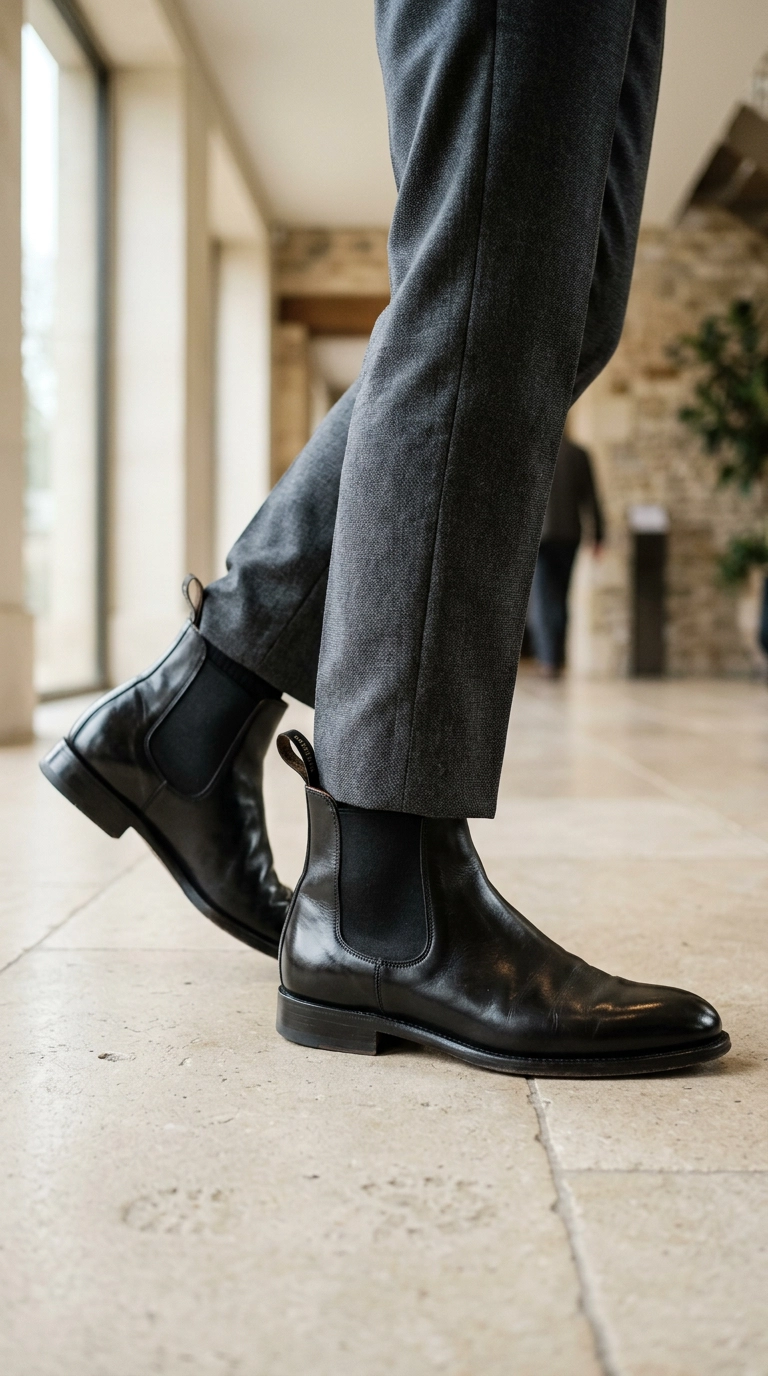
People notice shoes much sooner than you might expect, and dirty or worn-out footwear can ruin an otherwise perfect outfit. Scuffed heels, muddy soles, or overly casual sneakers suggest a lack of attention to detail that could reflect poorly on your work habits.
Invest in a pair of high-quality leather loafers, oxfords, or clean Chelsea boots that you keep specifically for professional occasions. Ensure they are polished and free of any visible wear before you head out the door.
If you must wear sneakers for a creative or tech event, they must be pristine. Choose leather minimalist sneakers in white, black, or navy, and ensure the laces are clean and the soles are wiped down.
| Avoid These Shoes | Wear These Instead |
|---|---|
| Worn-out gym sneakers | Minimalist leather sneakers |
| Scuffed stiletto heels | Block heels or pointed flats |
| Flip-flops or sandals | Loafers or Chelsea boots |
3. The Fit Failure: Clothes That Are Too Tight or Too Baggy

Ill-fitting clothes are perhaps the most common mistake made by professionals at all levels. A suit that is two sizes too big makes you look like you are playing dress-up, while clothes that are too tight can appear unprofessional and distracting.
Tailoring is the secret to looking like a high-earner, regardless of how much you actually spent on your clothing. A simple trip to the tailor to have your sleeves shortened or your trousers hemmed can change your entire aesthetic.
Pay close attention to the shoulders of your blazers and the waistline of your pants. Clothes should skim your body comfortably, allowing for easy movement while maintaining a clean, sharp line from top to bottom.
4. Distracting Visual Noise: Overdoing Prints and Accessories
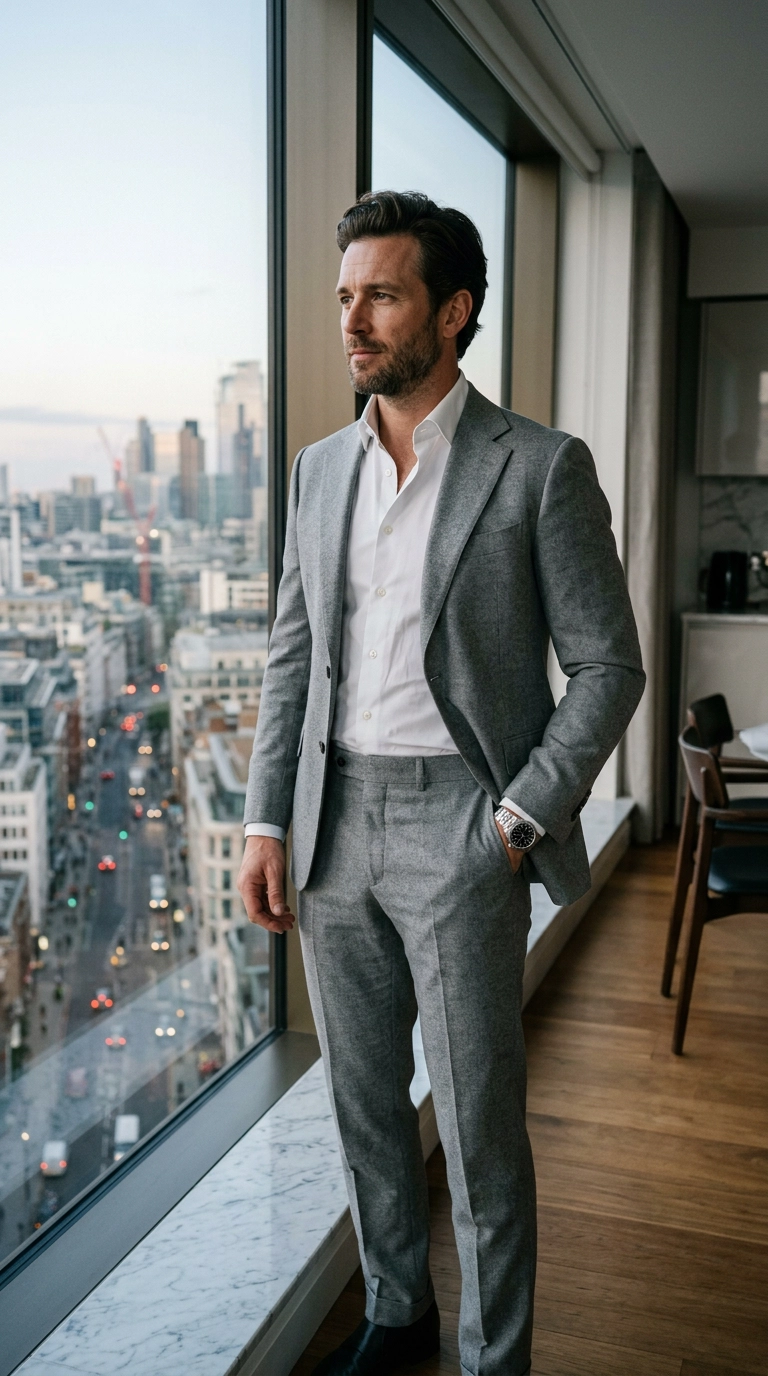
While you want to show off your personality, a networking event is not the place for loud, clashing prints or excessive jewelry. If your outfit is shouting, people might find it difficult to focus on your conversation and professional insights.
Choose one statement piece if you must, and keep the rest of your ensemble muted and professional. A bold watch or an interesting pair of glasses can be a great conversation starter without being a distraction.
Focus on textures rather than loud patterns to add depth to your look. A herringbone blazer or a silk-blend tie provides visual interest that feels sophisticated and grounded rather than chaotic or overwhelming.
5. The Wrinkle Factor: Neglecting Garment Care

Showing up in a wrinkled shirt tells the person you are meeting that you rushed or simply did not care enough to prepare. Even the most expensive designer suit looks cheap if it is covered in creases and fold lines.
Get into the habit of steaming or ironing your outfit the night before the event. This prevents a morning rush and ensures you look sharp and put-together the moment you arrive at the venue.
If you are traveling to the event, consider wearing fabrics that resist wrinkles, such as wool blends or high-quality synthetics. You can also carry your blazer in a garment bag and put it on just before entering the building.
Quick Grooming Checklist
- Check for lint or pet hair using a roller.
- Ensure all buttons are secure and no threads are hanging.
- Verify that your collar stays are in place for a crisp look.
- Confirm your clothes are free of any lingering scents or stains.
6. Misreading the Room: Overdressing or Underdressing

Wearing a full tuxedo to a casual coffee meet-up is just as awkward as wearing a t-shirt to a high-stakes corporate gala. Researching the venue and the host organization is vital to selecting the appropriate level of formality.
When in doubt, aim for one level above the expected dress code. If the event is business casual, go for a “smart professional” look with a blazer and trousers to ensure you look prepared for any interaction.
Check the social media pages of the hosting company to see photos of past events. This gives you a direct visual reference for what the leaders in that space consider appropriate and stylish for their gatherings.
7. Uncomfortable Fabrics: The Sweat and Itch Factor

Networking requires you to be at your social best, which is impossible if you are constantly scratching an itchy wool or sweating through a heavy polyester. Comfort is a key component of confidence that many people overlook when choosing an outfit.
Select natural fibers like cotton, silk, linen blends, or lightweight wool that allow your skin to breathe. These materials help regulate your body temperature, preventing embarrassing sweat patches during nervous or high-energy conversations.
Before the event, do a “movement test” in your outfit to ensure you can sit, stand, and reach to shake hands comfortably. If you feel restricted or uncomfortable, it is better to change into something more functional before you leave home.
8. The Color Clash: Failing to Use a Cohesive Palette
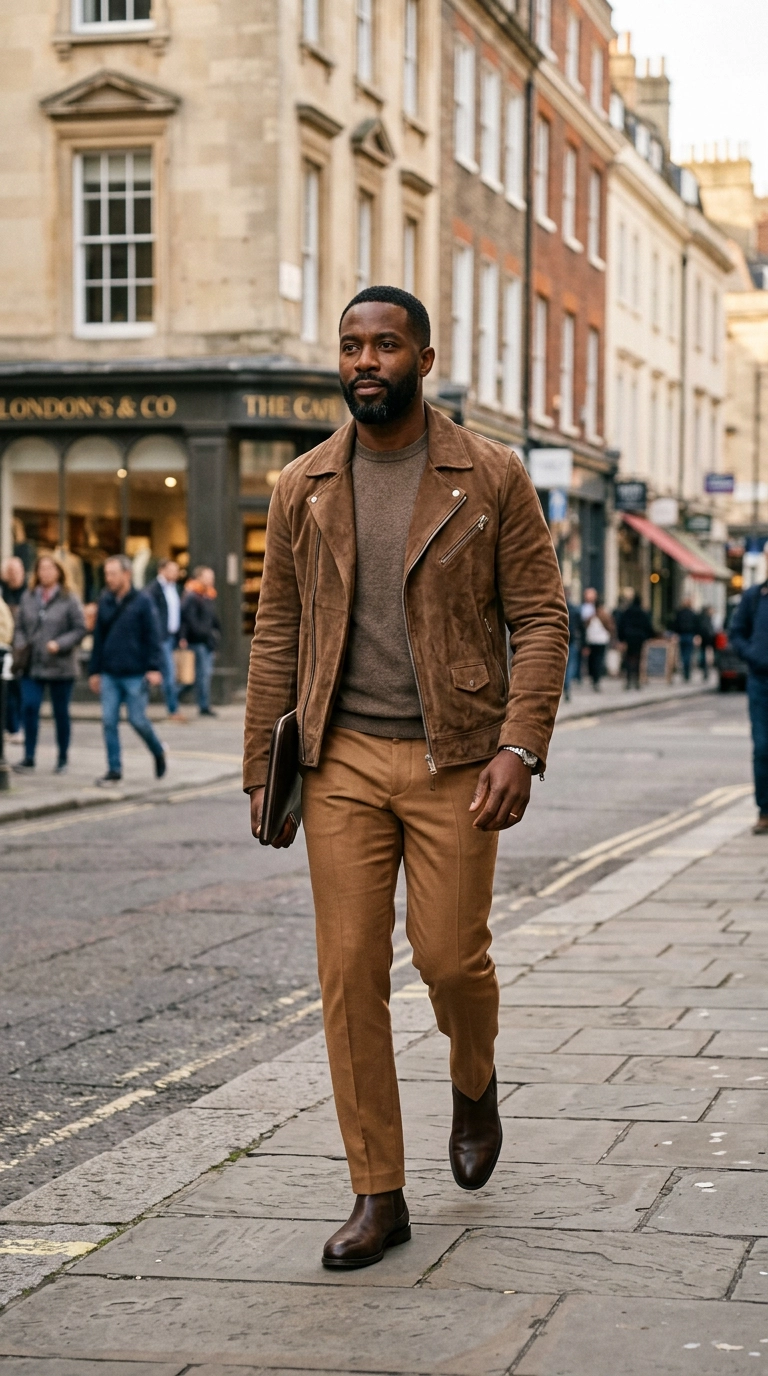
Using too many colors can make your outfit look disjointed and unprofessional. A cohesive color palette makes you look organized and intentional, which are traits any recruiter or business partner looks for.
Stick to a base of neutrals like navy, gray, black, or beige, and add a single pop of color if you want to stand out. Tonal dressing, where you wear different shades of the same color, is an easy way to look incredibly chic with minimal effort.
Consider how the colors you wear affect your skin tone and the mood you want to project. Navy blue is universally trusted and professional, while softer earth tones can make you appear more approachable and creative.
A Simple Guide to Professional Color Palettes
| Industry Style | Primary Colors | Accent Colors |
|---|---|---|
| Finance & Law | Navy, Charcoal, White | Silver, Light Blue |
| Tech & Creative | Black, Dark Green, Gray | Mustard, Burnt Orange |
| Marketing & PR | Beige, Cream, Slate | Soft Pink, Gold |
Mastering Your Professional Presence
Your outfit is the frame for your professional expertise, and avoiding these common mistakes ensures that you are seen as a serious contender in your field. By focusing on fit, fabric quality, and appropriate formality, you create a visual narrative of success that complements your skills. Remember that when you look your best, you feel your best, and that confidence is what truly closes the deal in any networking scenario.