5 Body Shape Fashion Mistakes to Avoid for a Flattering Fit
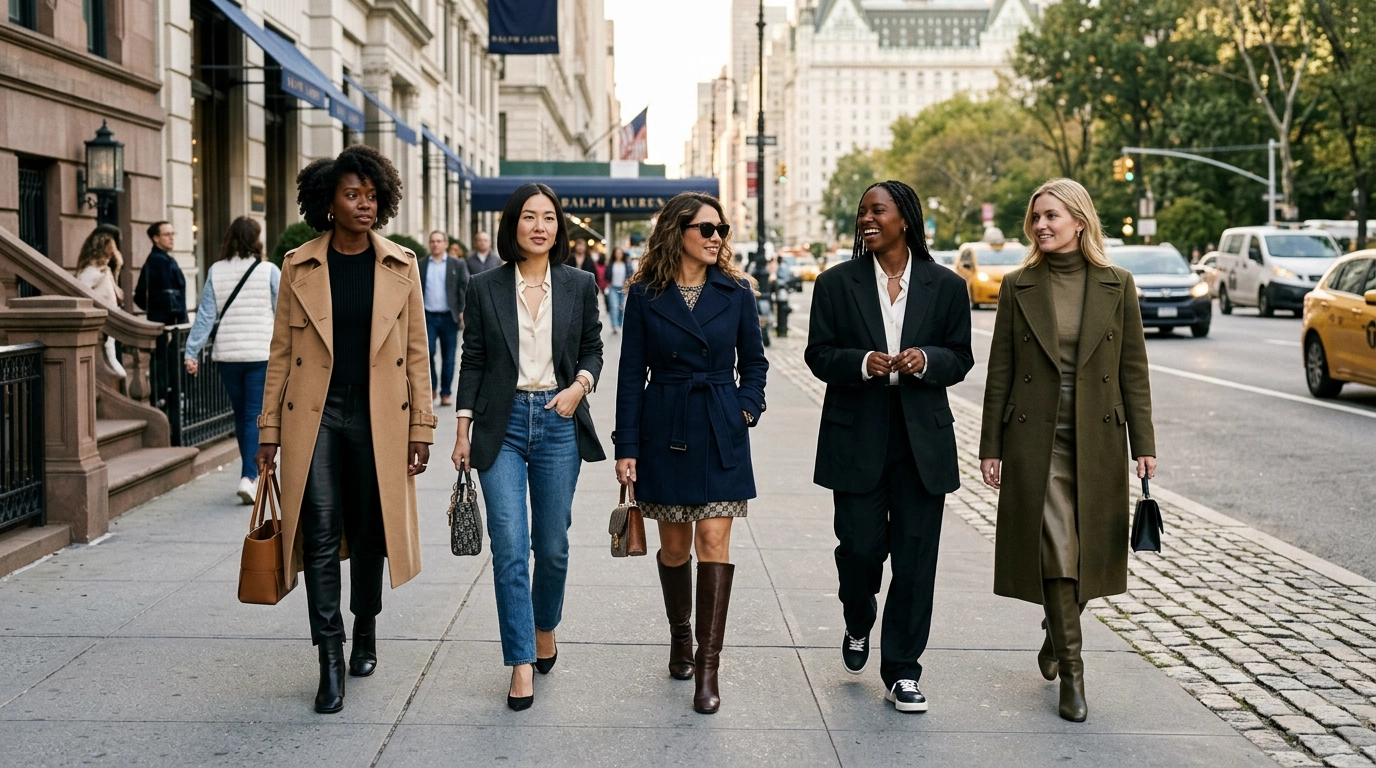
You stand in front of the mirror, wearing a piece you loved on the rack, yet something feels fundamentally “off” about the reflection. It isn’t your body that’s the problem; it’s likely a simple misalignment between the garment’s architecture and your natural frame.
Most of us fall into the trap of buying trends instead of silhouettes, leading to a wardrobe that works against our proportions. Mastering your personal geometry allows you to stop fighting your clothes and start wearing them with effortless confidence.
We are identifying the five most common silhouette errors that disrupt your visual balance. By making these small adjustments, you will create a streamlined, polished look that highlights your best features every single day.
1. Drowning Your Frame in Oversized Layers
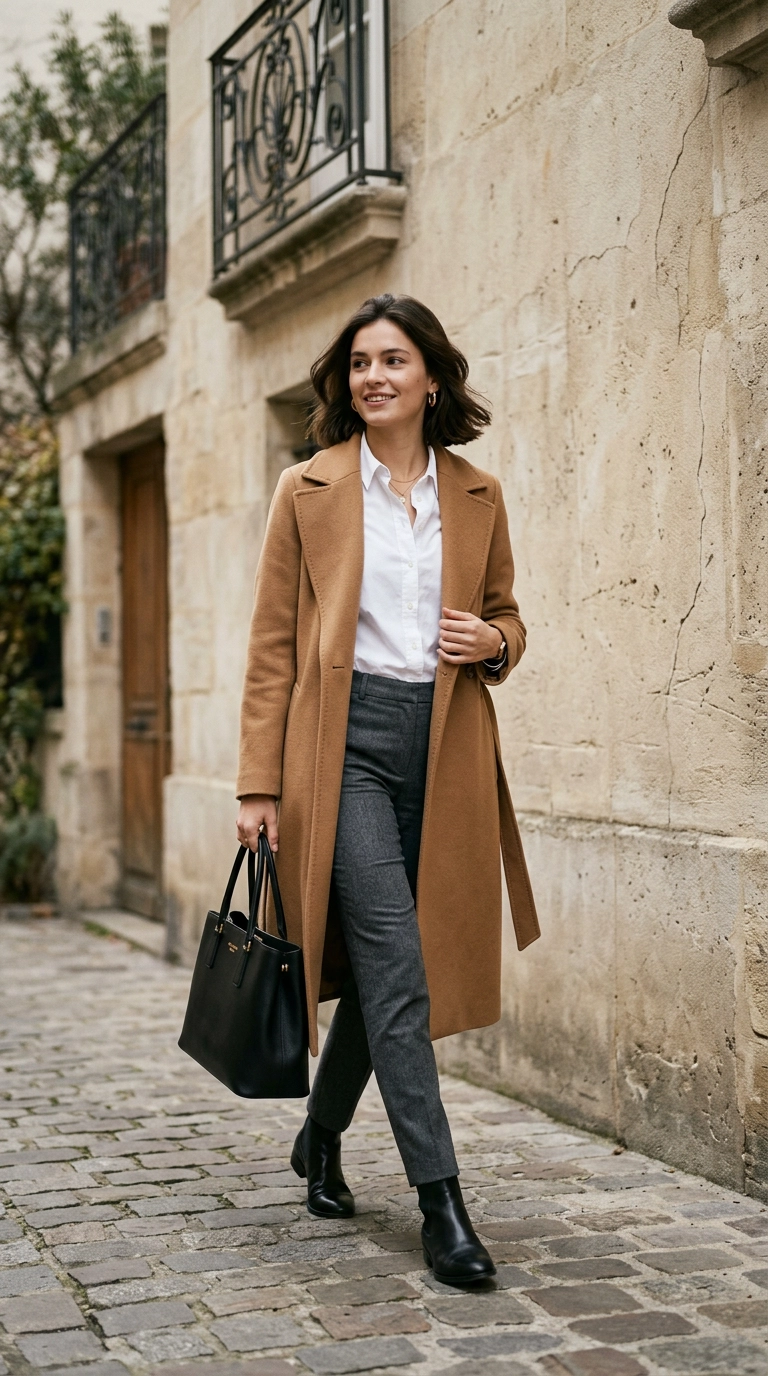
Many people believe that baggy clothes hide areas they feel insecure about. In reality, excess fabric adds visual volume and makes you look larger and shorter than you actually are.
The goal is to find pieces that skim the body rather than clinging to it or swallowing it whole. Tailoring is your secret weapon for creating a clean, high-end silhouette that looks expensive and intentional.
The “Tent Effect” on Different Shapes
For those with an Apple or Rectangle shape, a lack of structure can make the torso appear boxy and undefined. Structured shoulders and vertical seams help break up the width of the fabric and draw the eye downward.
Petite frames are especially susceptible to being overwhelmed by long, wide garments. Ensure your sleeves end exactly at your wrist bone and your hemlines don’t drag on the floor to maintain your height.
- Switch oversized hoodies for structured blazers with a slight waist nip.
- Avoid “one size fits all” garments which rarely provide the necessary points of tension for a good fit.
- Opt for slim-fit bottoms when wearing a slightly looser top to maintain a balanced ratio.
| Body Type | Common Mistake | The Elegant Solution |
|---|---|---|
| Rectangle | Straight-cut shift dresses | Belted midi dresses or peplum tops |
| Apple | Massive oversized tunics | Structured jackets over column dresses |
| Petite | Floor-length wide-leg pants | High-waisted cropped trousers |
2. Neglecting Your Natural Waist Placement
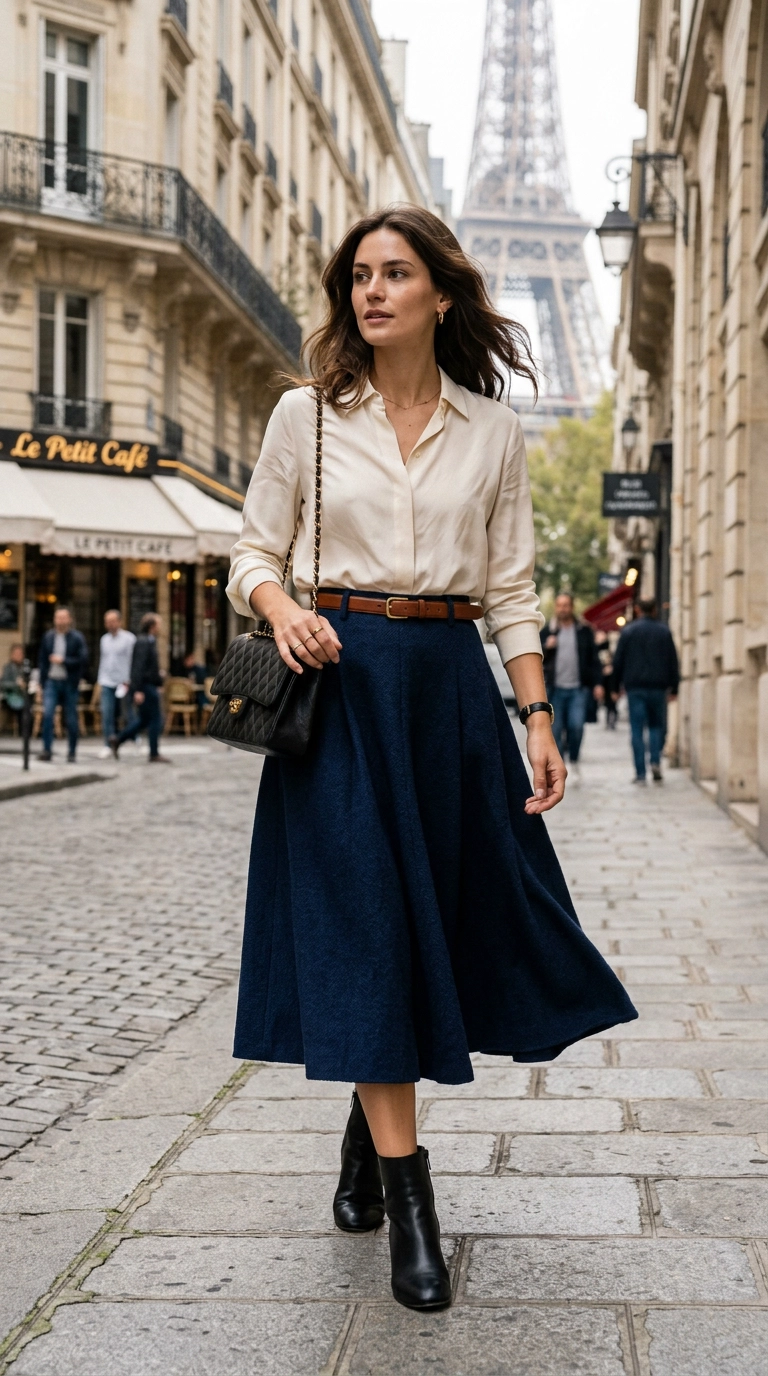
Ignoring the narrowest part of your torso is one of the fastest ways to lose your shape in an outfit. Even if you don’t have a traditional hourglass figure, creating the illusion of a waist provides a necessary focal point.
Wearing tops that end at the widest part of your hips can make your legs look shorter and your midsection wider. Tucking in your shirt or using a belt can instantly elongate your lower half and provide structure.
How to Find Your Optimal Waistline
Your “natural” waist is usually located just below your ribcage and above your belly button. Placing a belt or a seam here creates a balanced 1:2 ratio between your upper and lower body.
For those with shorter torsos, a slightly dropped waist or a monochromatic look can prevent the body from looking “cut in half.” Experiment with different belt widths to see which complements your frame without adding bulk.
Low-rise bottoms can be difficult to style because they often shorten the leg line significantly. High-rise options are generally more flattering as they smooth the midsection and emphasize the length of the legs.
Waist Definition Tips
- Try a “French tuck” by only tucking the front of your shirt into your waistband.
- Use contrasting colors between your top and bottom to highlight where your waist begins.
- Invest in high-quality leather belts that sit comfortably without pinching your skin.
3. Using Stiff Fabrics on Curvy Silhouettes
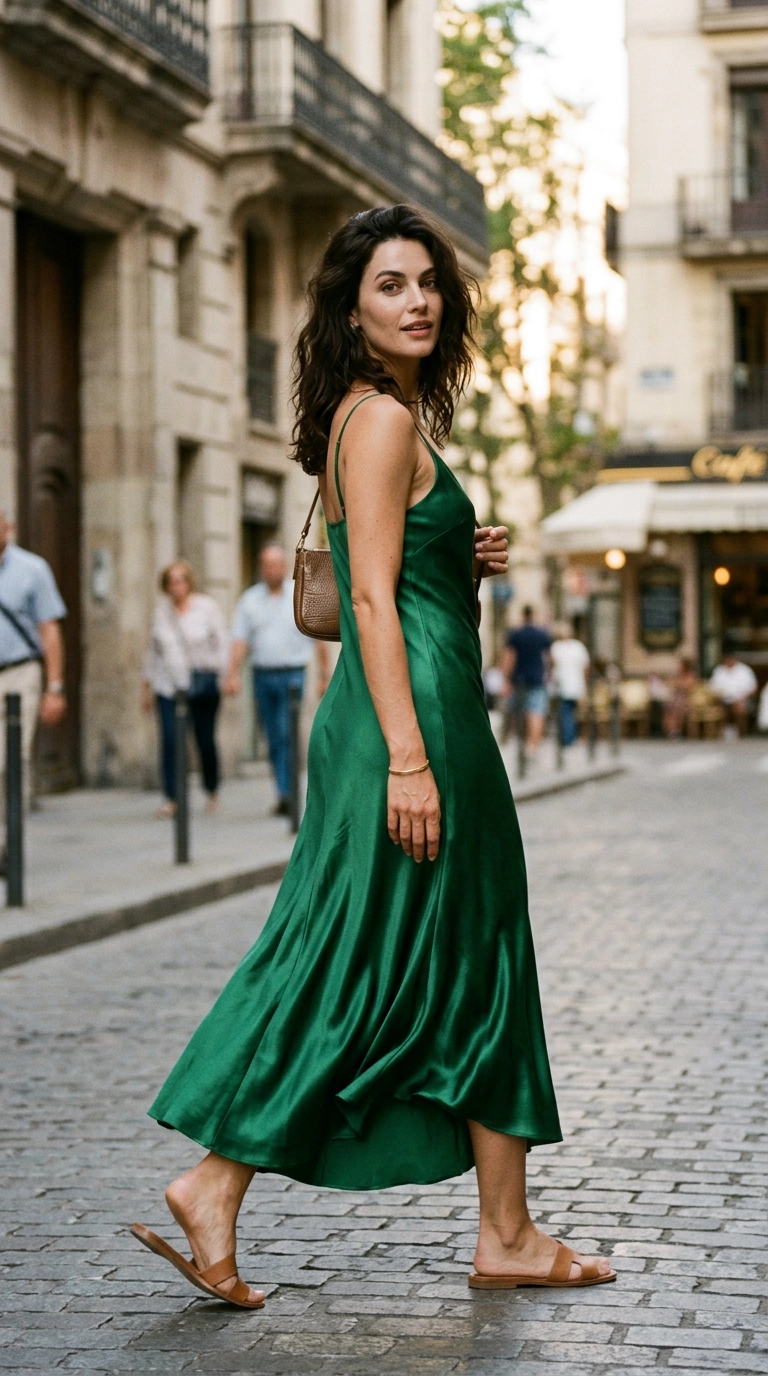
Fabric choice is just as important as the cut of the garment when it comes to a flattering fit. Stiff, heavy fabrics like thick corduroy or rigid denim can stand away from the body, creating awkward angles on a curvy frame.
If you have a Pear or Hourglass shape, look for materials with a bit of “drape” like silk, jersey, or lightweight wool. These fabrics follow the natural lines of your body rather than creating new, bulky ones.
The Physics of Fabric Drape
Rigid fabrics work well for adding volume where it is missing, such as structured shoulders for an Inverted Triangle. However, when applied to hips or busts, they can create a “boxy” look that hides your natural curves.
Check the fabric composition on the inner label before purchasing any new piece. A small percentage of elastane or lycra can provide enough stretch to ensure the garment moves with you throughout the day.
When shopping for trousers, look for “four-way stretch” or fabrics with a high thread count that feel soft to the touch. This ensures the pants don’t pull across the hips or gap at the back of the waist.
- Choose matte fabrics over shiny ones if you want to minimize visual volume in specific areas.
- Avoid heavy pleating in stiff fabrics if you have a prominent midsection or hips.
- Layer lightweight fabrics to create warmth without adding the bulk of a single heavy garment.
4. Choosing the Wrong Neckline for Your Shoulders
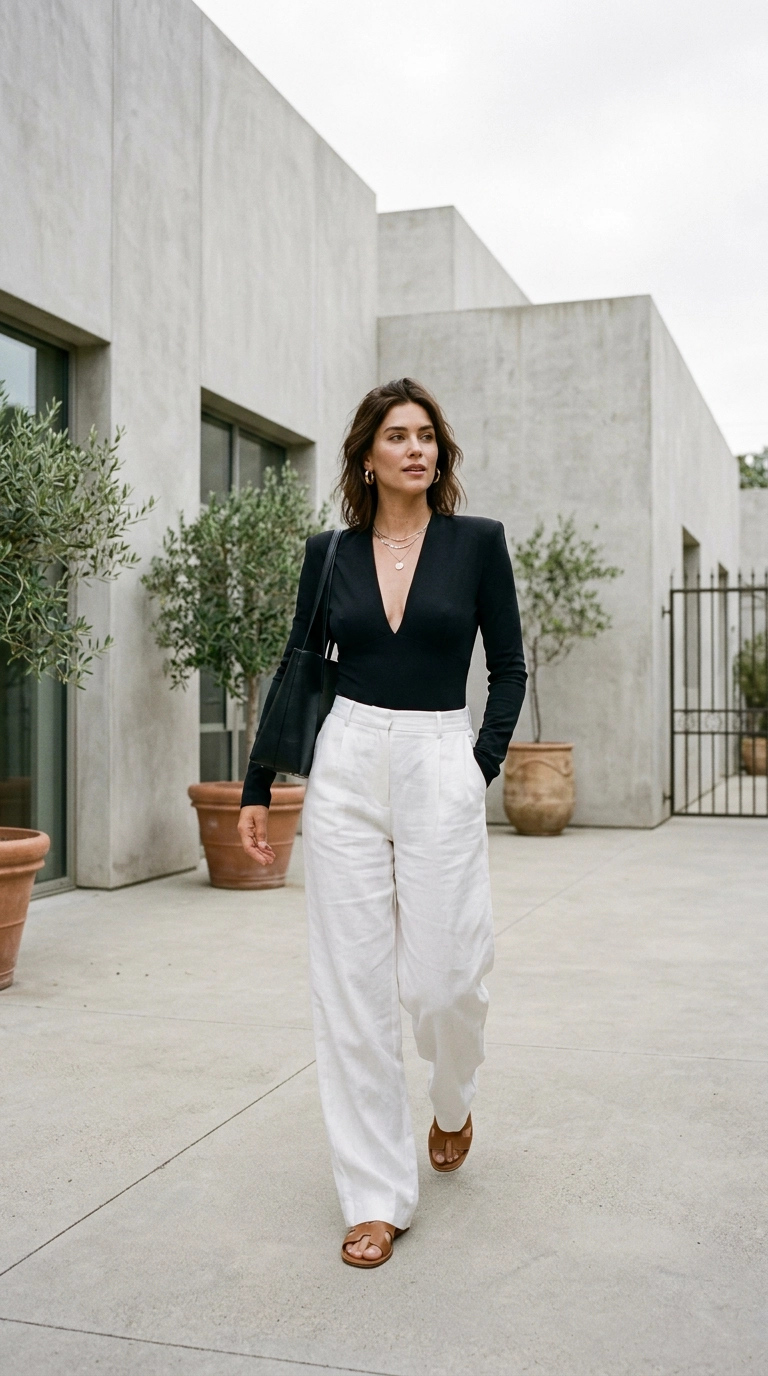
The area around your neck and shoulders dictates how the rest of the garment hangs on your frame. A common mistake is wearing high, closed necklines if you have broad shoulders or a large bust.
High necklines can create a “monolith” effect, making the upper body appear much heavier than it is. Opening up the neckline with a V-neck or scoop neck creates vertical space and draws the eye inward.
Balancing the Upper Body
If you have narrow shoulders (Pear shape), boat necks and off-the-shoulder styles are excellent for adding horizontal balance. These necklines draw the eye outward, making your shoulders appear more aligned with your hips.
For those with a shorter neck, avoiding turtlenecks and opting for open collars can make you appear taller and more elegant. The goal is to show a bit of skin around the collarbone to break up the fabric density.
Square necklines are a modern choice that provide structure and a feminine touch without being too revealing. They are particularly effective for Rectangles who want to add interest to their upper body silhouette.
| Neckline Style | Best For | Why it Works |
|---|---|---|
| V-Neck | Large bust/Broad shoulders | Creates verticality and narrows the frame |
| Boat Neck | Narrow shoulders | Adds horizontal width for balance |
| Sweetheart | Hourglass | Accentuates natural curves beautifully |
5. Disrupting Your Vertical Line with Footwear
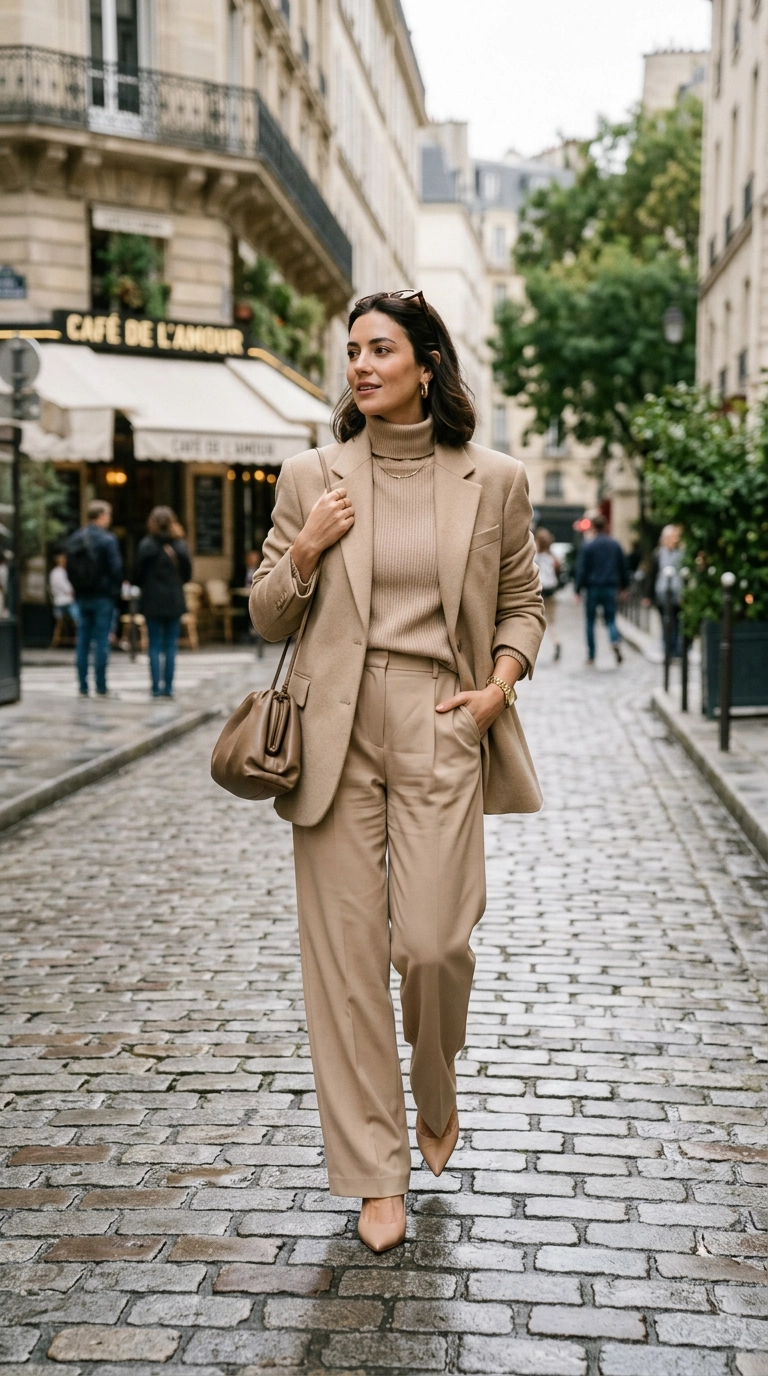
Shoes are often an afterthought, but they play a vital role in how long your legs appear. Wearing ankle straps or high-contrast shoes with cropped pants can “cut” your leg line and make you look shorter.
To maximize your height, aim for a “continuous line” from your waist to your toes. This can be achieved by matching your shoe color to your trousers or your skin tone when wearing skirts.
The Power of Pointed Toes
Pointed-toe shoes naturally extend the visual line of the leg, unlike blunt, round-toed styles. Even a small kitten heel with a pointed front can add significant perceived height to your silhouette.
If you love ankle boots, try wearing them with tights of the same color to avoid a harsh break at the ankle. This creates a seamless transition that keeps the eye moving upward rather than stopping at the floor.
Chunkier sneakers and heavy platforms can be used to balance out a wider hip, but they must be styled carefully. Pair them with straight-leg jeans that hit the top of the shoe to maintain a cohesive proportion.
- Nude-to-you heels are a staple for making legs look miles long in dresses.
- Avoid wide horizontal straps across the mid-foot if you are petite.
- Match your hosiery to your shoes for a sophisticated, elongated winter look.
Your Path to Polished Style
Fashion is a tool meant to serve you, not a set of rigid rules to restrict your creativity. By avoiding these five common mistakes, you reclaim control over how you present yourself to the world. Focus on balance, fabric, and tailoring, and you will find that your wardrobe finally reflects the confident woman you are.