5 Common Outfit Mistakes That Make Your Sweaters Look Frumpy
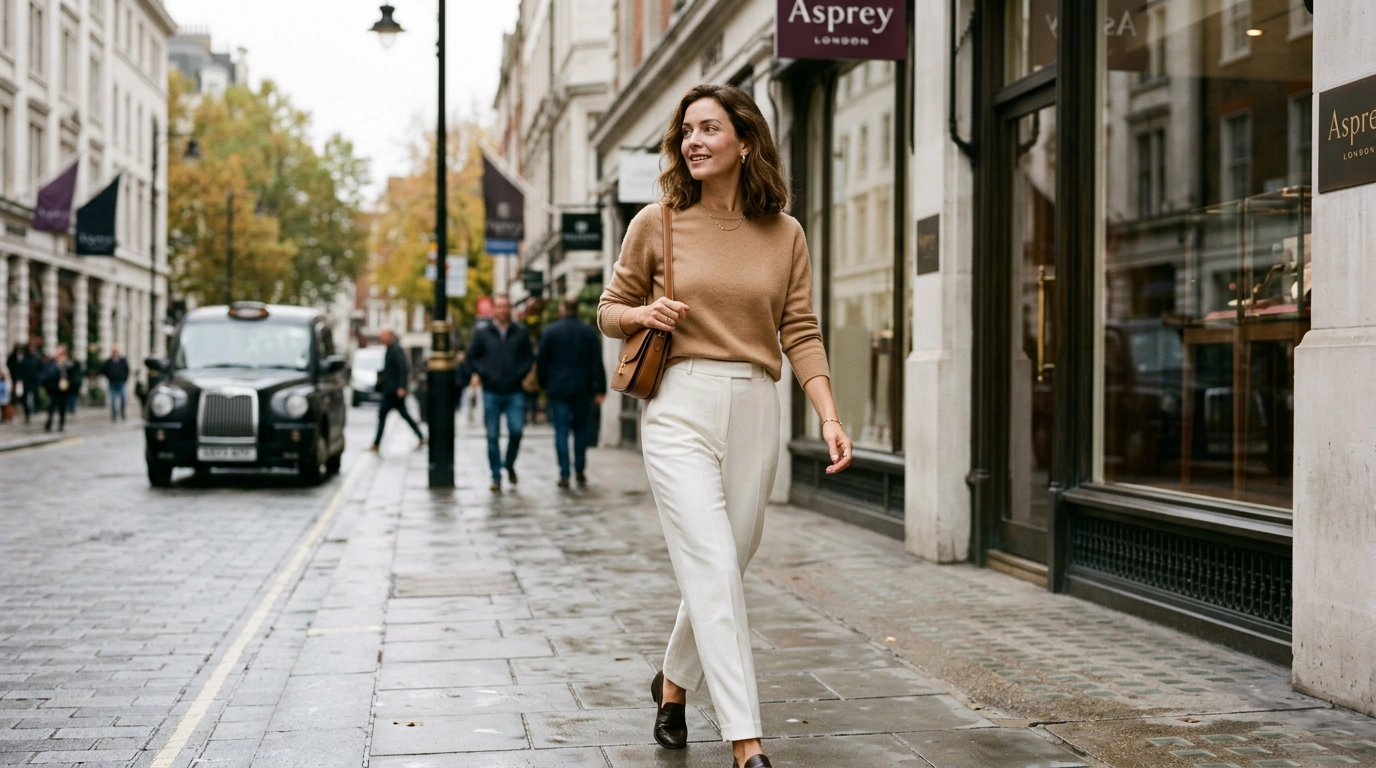
We have all been there: you buy a gorgeous, expensive knit only to catch your reflection and see a shapeless silhouette staring back. It feels like the sweater is wearing you instead of the other way around, hiding your frame and making you look heavy.
The difference between an effortless Pinterest look and feeling frumpy often comes down to five tiny styling errors. If you are ready to reclaim your shape and make your knitwear look high-end, these specific adjustments will change how you get dressed every morning.
Stop settling for outfits that feel “cozy but messy” and start leaning into a polished, intentional aesthetic that works for your body type. Here is how to fix the most common sweater blunders and elevate your winter wardrobe instantly.
1. The Head-to-Toe Oversized Trap
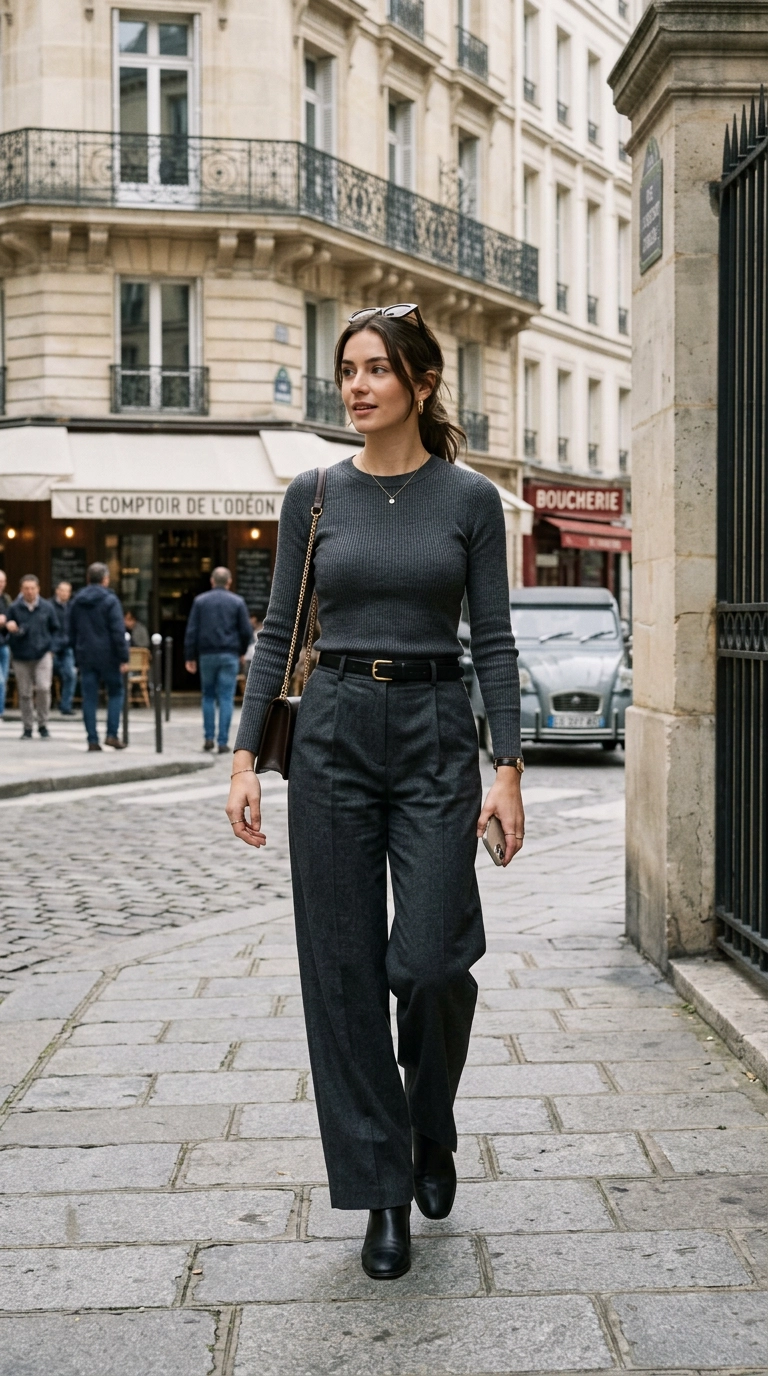
Wearing a baggy sweater with baggy bottoms is the fastest way to lose your shape. While the “oversized everything” look works on the runway, in real life it often translates to a lack of intention and a heavy visual weight.
To fix this, you must apply the rule of balance. If your sweater is chunky or boxy, your bottom half needs to be streamlined, such as leggings, skinny jeans, or a sleek pencil skirt.
Conversely, if you love your wide-leg trousers, pair them with a fitted turtleneck or a cropped cardigan. This contrast creates a visual anchor that shows you have a body underneath all that wool.
Mastering the Rule of Thirds
The goal is to avoid cutting your body exactly in half with a long sweater. Use the rule of thirds by tucking your sweater in to create a high waistline, making your legs look miles long.
If the knit is too thick to tuck, try a “front tuck” or use a thin belt to cinch the waist. This small detail defines your midsection and prevents the fabric from hanging like a tent.
2. Ignoring the Power of the “French Tuck”
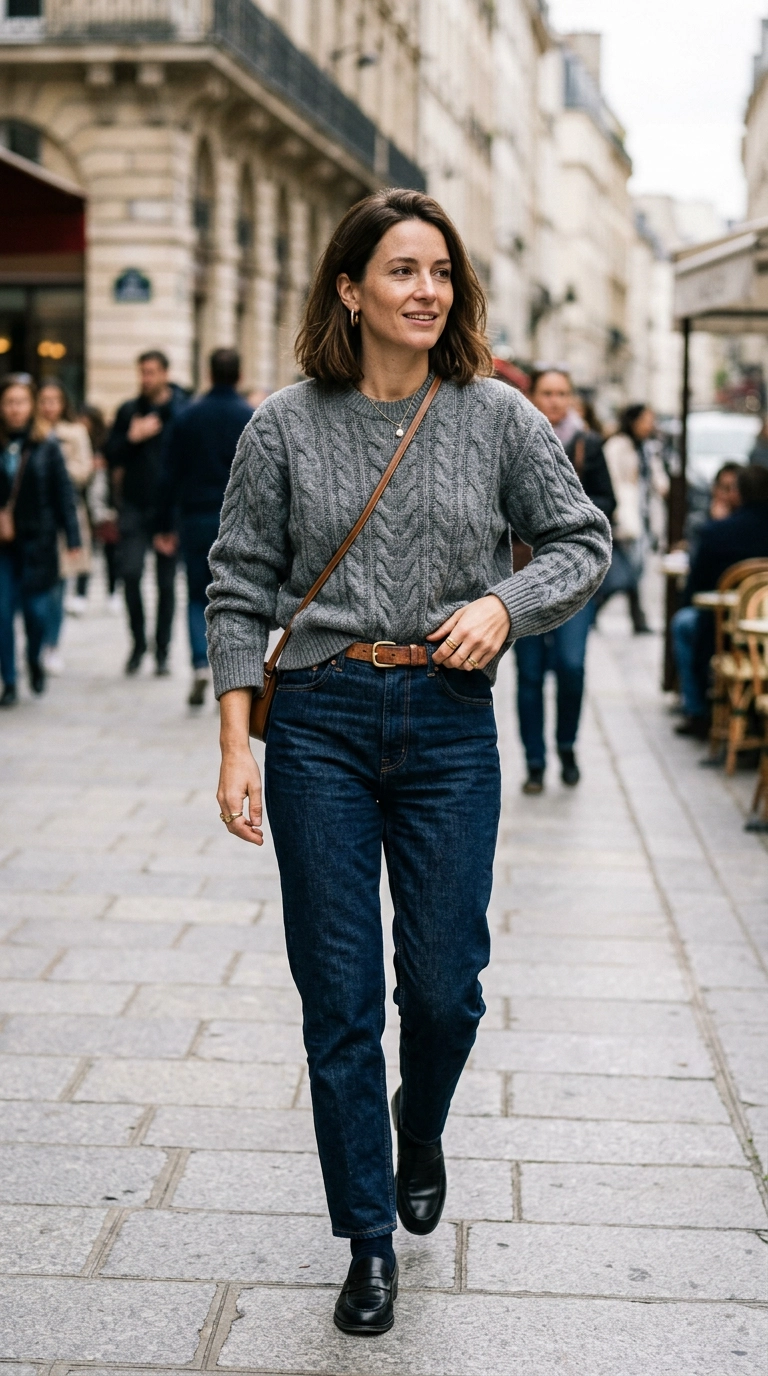
Letting a long, heavy sweater hang straight down over your hips creates a blocky, rectangular shape. This hides your natural curves and can make even the most expensive cashmere look cheap and unflattering.
The “French Tuck”—tucking just the front center portion of your sweater into your waistband—is a secret weapon for fashion editors. It exposes your belt line and elongates your legs while keeping the cozy vibe in the back.
For very thick sweaters that would create a bulge in your pants, try the bra-tuck method. Fold the bottom of the sweater up and tuck it into the bottom of your bra or a thin waist elastic for a cropped look without the bulk.
When to Avoid the Tuck
Not every sweater should be tucked. If the hem is ribbed and tight, it is designed to sit at the hip; trying to tuck it will only create lumps.
In these cases, look for sweaters with side slits. These allow the fabric to drape naturally around your hips without pulling or creating a horizontal line that widers your frame.
3. Choosing the Wrong Neckline for Your Frame
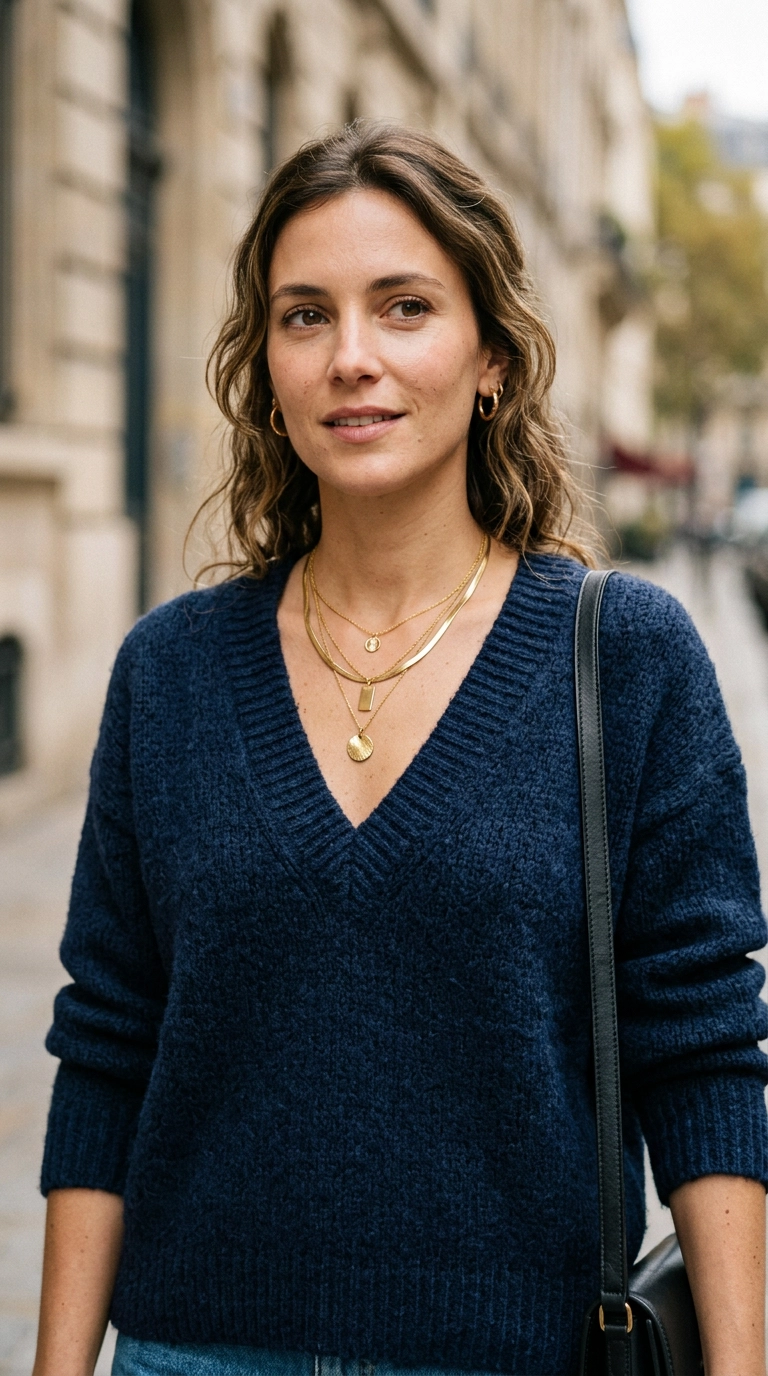
A sweater’s neckline can either open up your face or completely swallow your neck. Many women reach for high crew necks or heavy turtlenecks, which can create a “floating head” effect if you have a shorter neck or a larger bust.
If you feel suffocated by high collars, switch to a V-neck or a scoop neck. These styles show a bit of skin, which breaks up the mass of fabric and draws the eye upward toward your face.
For those who love turtlenecks, look for “mock necks” or “cowl necks” instead. They provide the same warmth without the restrictive feel, offering a more relaxed and sophisticated silhouette.
| Sweater Type | Best For | Styling Tip |
|---|---|---|
| V-Neck | Large Bust/Short Neck | Add a delicate necklace to draw the eye down. |
| Turtleneck | Long Necks/Small Bust | Hair up in a sleek bun to show off the collar. |
| Boat Neck | Narrow Shoulders | Wear with statement earrings to broaden the frame. |
| Oversized Cardigan | All Body Types | Leave the bottom two buttons undone for movement. |
4. Neglecting the “Foundation” Layer
What you wear under your sweater is just as important as the knit itself. Bulky bras with lace or bows can create visible lumps under thin knits, immediately making the outfit look messy.
Always opt for a smooth, t-shirt bra or a seamless bralette. If your sweater is slightly sheer, match your undergarment to your skin tone rather than the color of the sweater to keep it invisible.
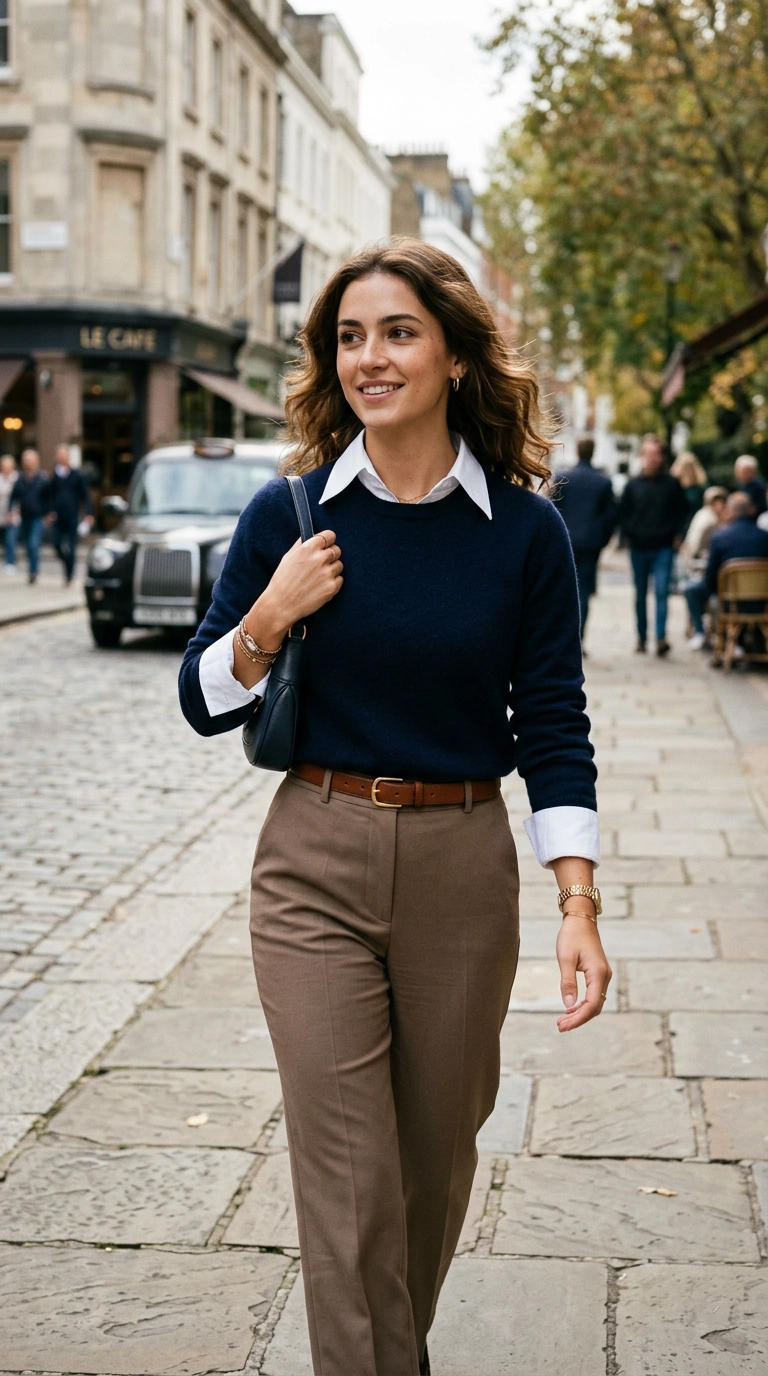
Adding a structured layer, like a crisp collared shirt, can also prevent a sweater from looking too casual. The collar and cuffs provide “hard” edges that contrast with the “soft” knit, adding a professional touch.
Avoiding the Static Cling
Synthetic fabrics like acrylic often suffer from static cling, which causes the sweater to stick to your stomach or back in an awkward way. This is a major “frump” factor that is easily avoidable.
Spray a little static guard on your base layer or use a metal safety pin hidden inside the hem to discharge the static. A smooth camisole can also act as a barrier to ensure the sweater drapes properly.
5. Wearing Pilled or Mismanaged Fabrics
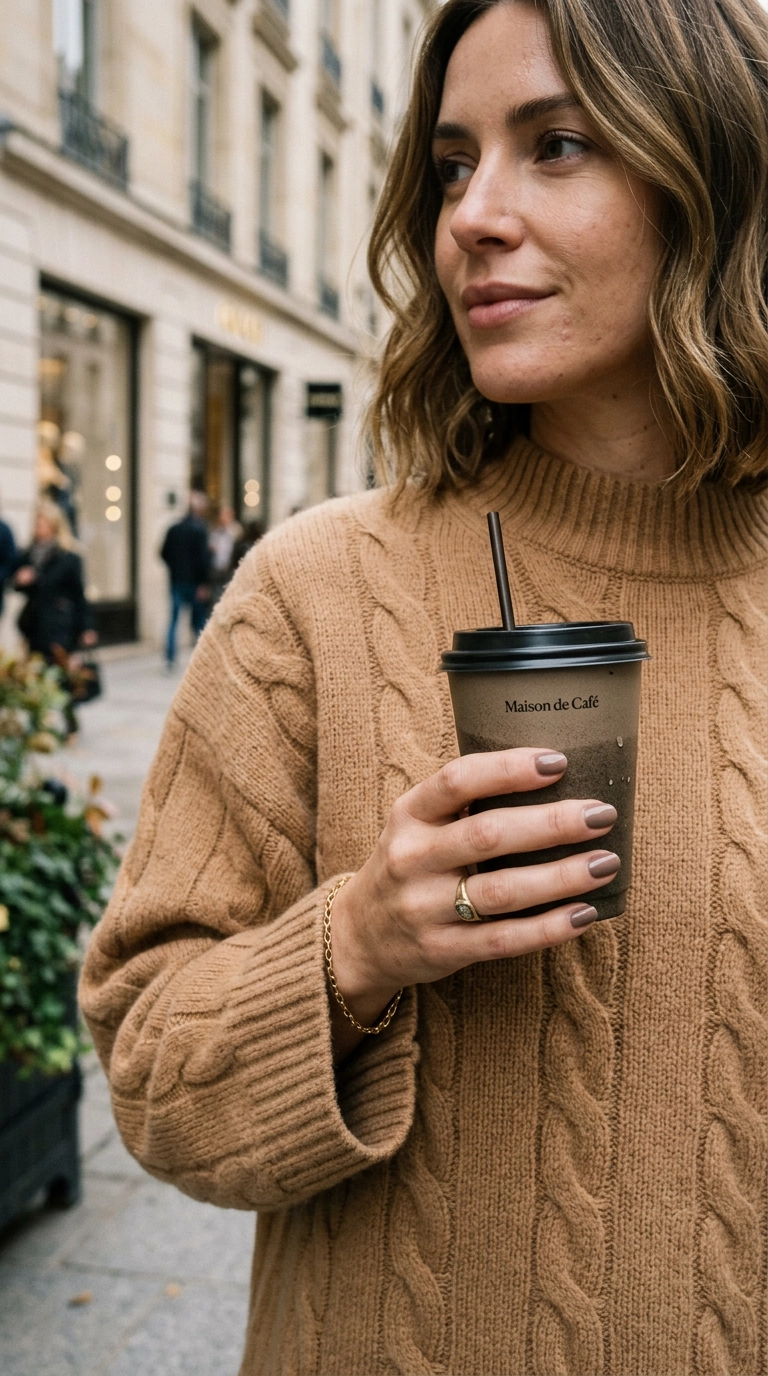
Even the most perfectly styled outfit will look frumpy if the fabric is covered in pills, fuzz, or pet hair. Pilling happens when fibers rub together, creating those tiny balls of fluff that make a sweater look old and worn out.
Invest in a high-quality fabric shaver or a sweater stone. Taking five minutes to “shave” your knits before wearing them can make a $30 sweater look like it cost $300.
Storage also plays a massive role. Never hang your heavy sweaters on wire hangers, as this causes “hanger bumps” in the shoulders and stretches the garment out of shape. Always fold your knits to keep the silhouette crisp and original.
- Fabric Shaver: Use weekly on high-friction areas like underarms and cuffs.
- Folding: Store knits flat to prevent gravity from ruining the shape.
- Cedar Blocks: Keep moths away to avoid those tiny, annoying holes.
- Cold Wash: Always wash in cold water and air dry flat to prevent shrinkage.
Check the Composition
When shopping, check the label. 100% natural fibers like wool, cashmere, and cotton hold their shape much better than polyester blends. Synthetics tend to lose their elasticity quickly, leading to that “stretched out” look that defines frumpiness.
If you do buy blends, look for those with a small percentage of elastane. This helps the sweater snap back into its original shape after a long day of wear.
A Quick Fix for Every Knit
Style is about the details that others might miss but everyone notices. By balancing your proportions, defining your waist, and maintaining your fabrics, you turn a basic sweater into a fashion statement.