9 Fast Fashion Mistakes Ruining Your Everyday Outfits
Your closet is full of clothes, yet you feel like you have nothing to wear that actually looks expensive. The culprit isn’t your budget, but rather the subtle mistakes that scream mass-produced the second you step out the door.
Elevating your everyday style requires a sharp eye for the details that most people overlook when shopping at big-box retailers. We are going to fix the small errors that are quietly sabotaging your aesthetic and making your outfits feel unfinished.
By the end of this guide, you will know exactly how to curate a wardrobe that looks high-end, regardless of the price tag on the label. Let’s reclaim your style and build a look that radiates intentionality and grace.
1. Neglecting Fabric Composition and Weight

The most immediate giveaway of a cheap garment is the fabric. Synthetic blends like high-gloss polyester or thin acrylic often have an unnatural shine and a flimsy drape that fails to hold its shape throughout the day.
Luxury fashion relies on the structural integrity of natural fibers. Materials like wool, silk, cotton, and linen breathe better, last longer, and possess a matte finish that reflects light in a more flattering way.
| Fabric Type | The Fast Fashion Mistake | The High-End Alternative |
|---|---|---|
| Knits | Thin acrylic that pills quickly. | Merino wool or heavy cotton blends. |
| Tops | Shiny, static-heavy polyester. | Silk, tencel, or high-thread-count cotton. |
| Trousers | Low-weight blends that wrinkle instantly. | Heavyweight wool crepe or structured twill. |
When shopping, always check the inner care label before heading to the register. Aim for at least 70% natural fibers to ensure the piece maintains its elegance over time.
2. Overlooking the Power of a Steam Iron

Even a $1,000 dress will look inexpensive if it is covered in packing creases or laundry wrinkles. Fast fashion fabrics are particularly prone to stubborn wrinkling, which makes the entire outfit look neglected.
Taking five minutes to steam your clothes can change your entire presentation. A smooth surface signals that you value your appearance and pay attention to the finer points of grooming.
- Invest in a handheld steamer for quick morning touch-ups.
- Hang clothes immediately after drying to prevent deep-set creases.
- Pay special attention to collars, cuffs, and hemlines where wrinkles are most visible.
A crisp silhouette is the foundation of a polished look. If you skip this step, your outfit will never reach its full potential, no matter how much you spent on the pieces.
3. Keeping Cheap, Flimsy Plastic Hardware
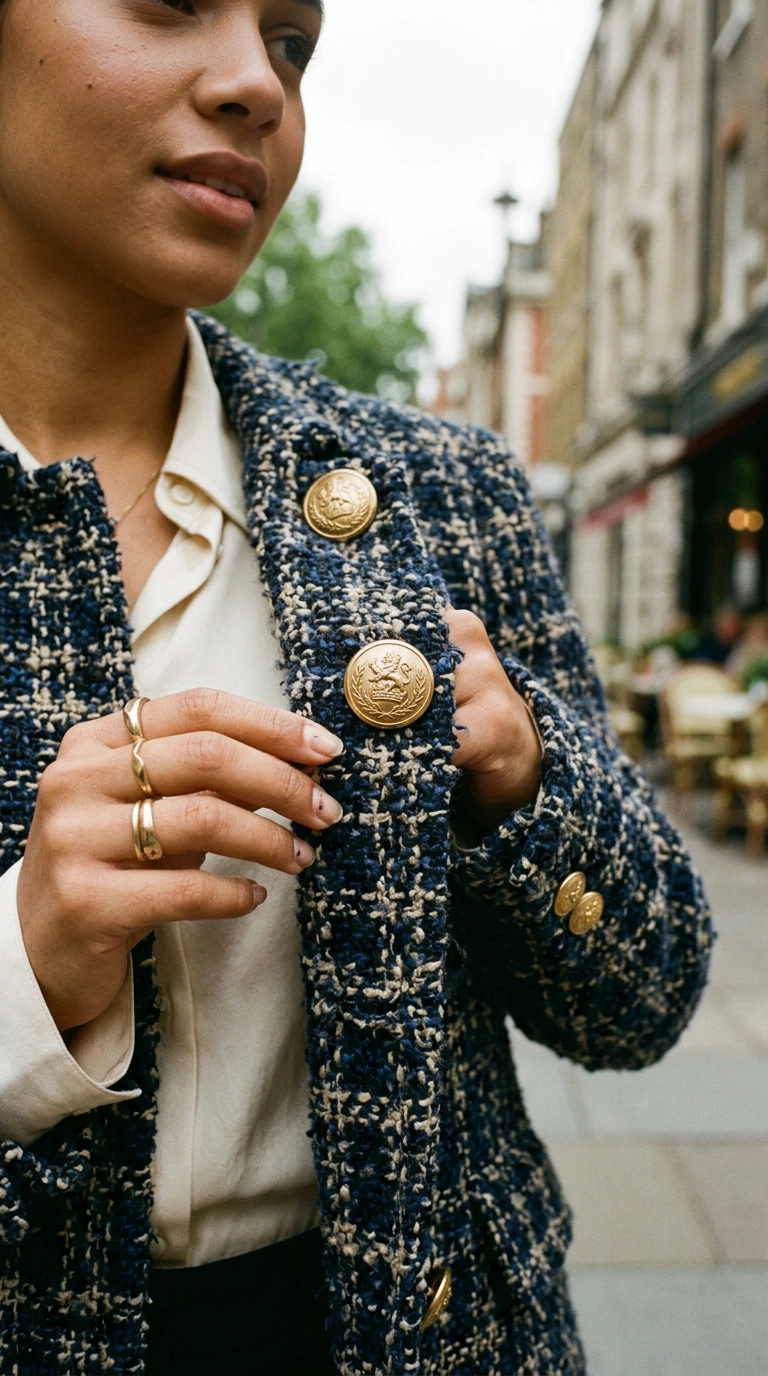
Mass-market brands often cut costs by using lightweight plastic buttons and zippers. These components often have a “tinny” sound and a bright, fake gold or silver finish that wears off quickly.
Swapping out cheap buttons for horn, wood, or heavy metal versions is a secret weapon for fashion editors. This simple DIY fix can make a standard blazer look like a bespoke piece from a luxury boutique.
Examine the zippers on your skirts and trousers. If they are wavy or visible when they should be hidden, it creates a bumpy silhouette that ruins the flow of your body line.
4. Ignoring the Proportions of Your Silhouette
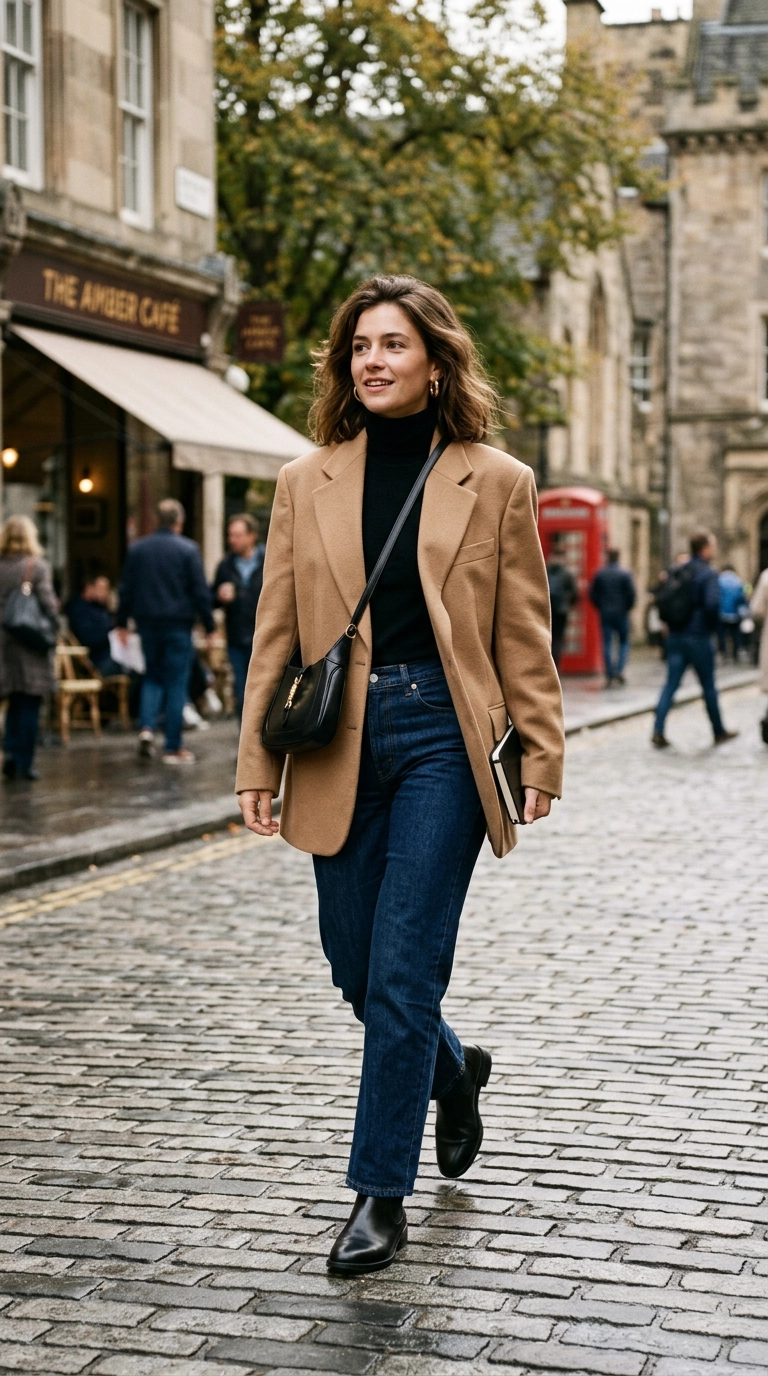
A common mistake is wearing clothes that are “almost” the right size. Fast fashion is cut for a generic body type, which often results in sleeves that are too long or waists that sit too low.
Proportion is about balance. If you are wearing a voluminous top, pair it with structured bottoms to avoid looking like you are drowning in fabric.
Tailoring is the bridge between a budget purchase and a luxury fit. Having a local tailor hem your trousers or nip in the waist of a dress can create a custom look for a fraction of the cost of designer clothing.
5. Settling for Poorly Constructed Footwear
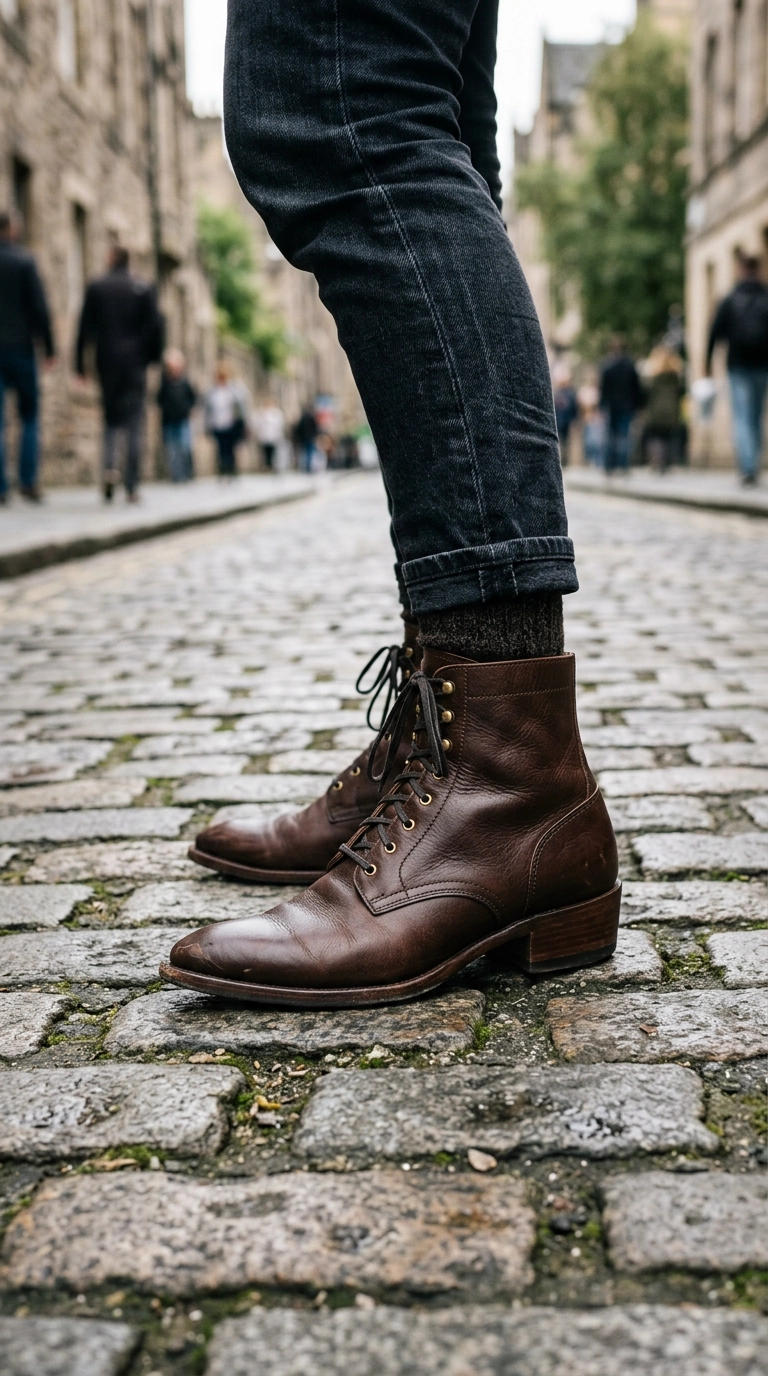
Shoes are the foundation of any outfit, both literally and figuratively. Faux leather that peels or heels that make a loud, hollow clicking sound will immediately lower the quality of your look.
Cheap shoes often lack the structural support needed for a graceful gait. If you are wobbling because the heel is unstable, the aesthetic of the entire outfit is compromised.
Focus on buying fewer pairs of shoes made from real leather or high-quality suede. These materials mold to your feet and can be repaired by a cobbler, whereas plastic shoes are disposable and age poorly.
6. Letting Visible Underwear Lines Disrupt the Line
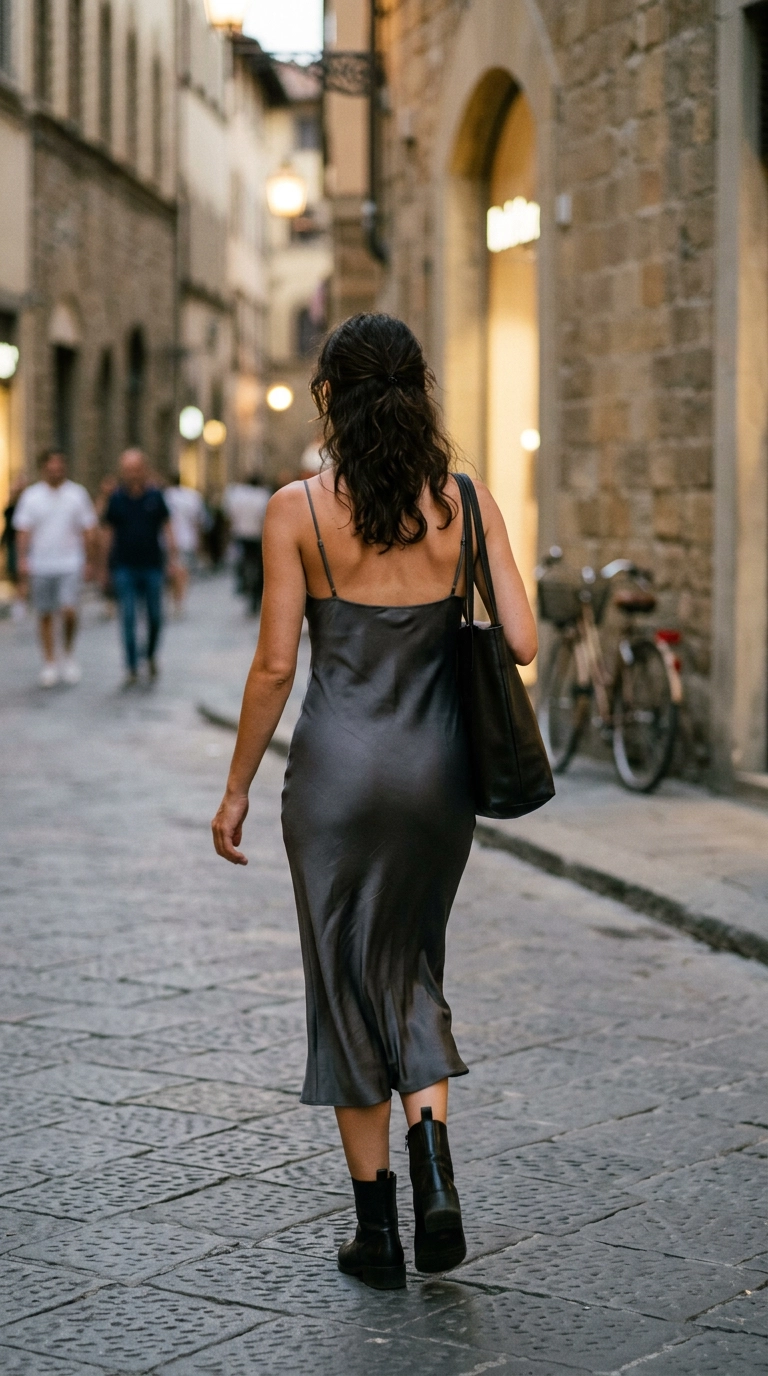
No matter how beautiful the fabric is, a visible panty line or a bra strap that doesn’t match the neckline will break the visual continuity of your outfit. This is a subtle error that suggests a lack of preparation.
Fast fashion fabrics are often thinner and less opaque than premium materials. This makes the choice of undergarments even more critical to maintaining a professional and clean appearance.
Use seamless, nude-to-you undergarments that disappear under your clothing. This ensures that the focus remains on your style rather than what is underneath it.
7. Clinging to Overly Trendy Seasonal Prints
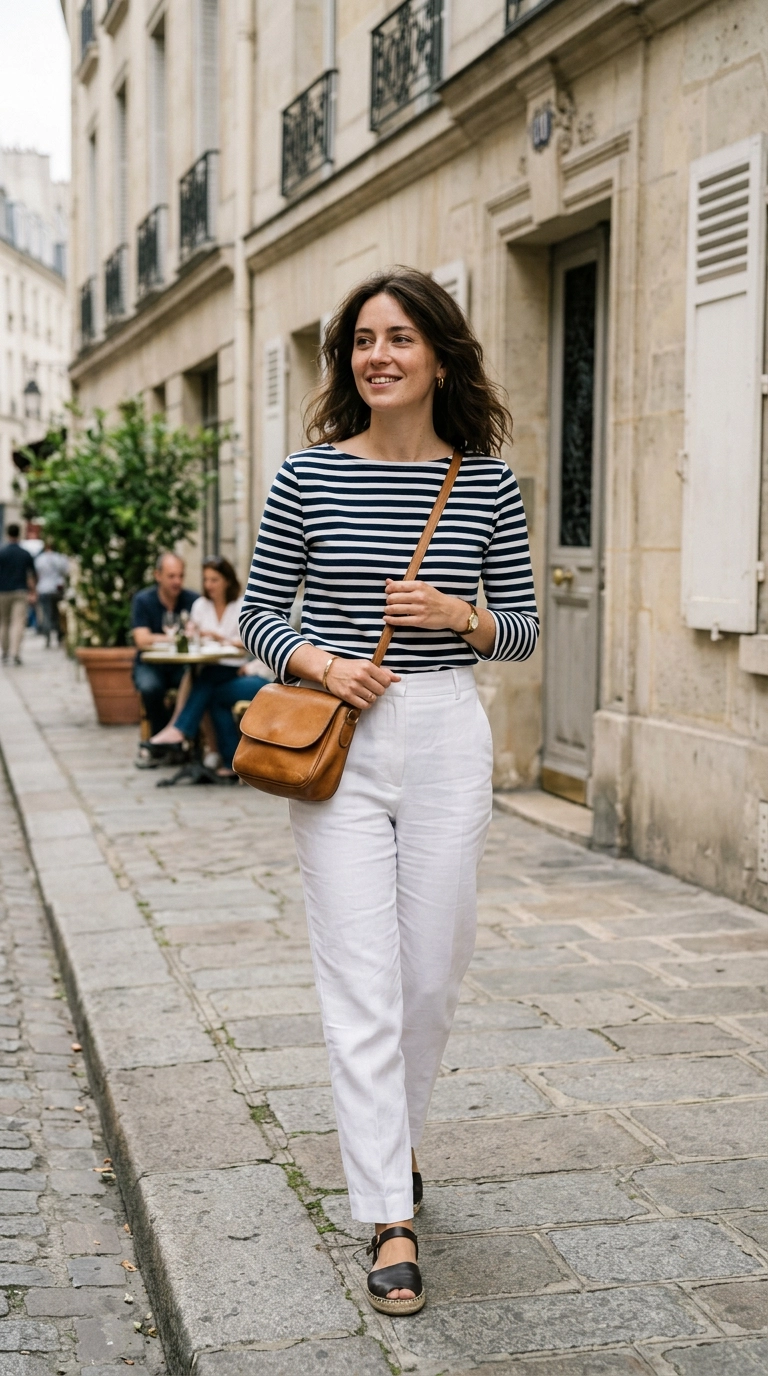
Fast fashion thrives on “micro-trends” that disappear as quickly as they arrive. Wearing a very specific, loud print from three seasons ago can make your wardrobe feel dated and cheap.
Instead of chasing every viral pattern, lean into timeless motifs. Think stripes, subtle polka dots, or classic plaids that carry weight across different years and seasons.
Solid colors are generally safer and easier to style. They allow the focus to stay on the cut and fit of the garment rather than a fleeting trend that might feel embarrassing in six months.
8. Wearing Garments with Distorted Seams and Hems
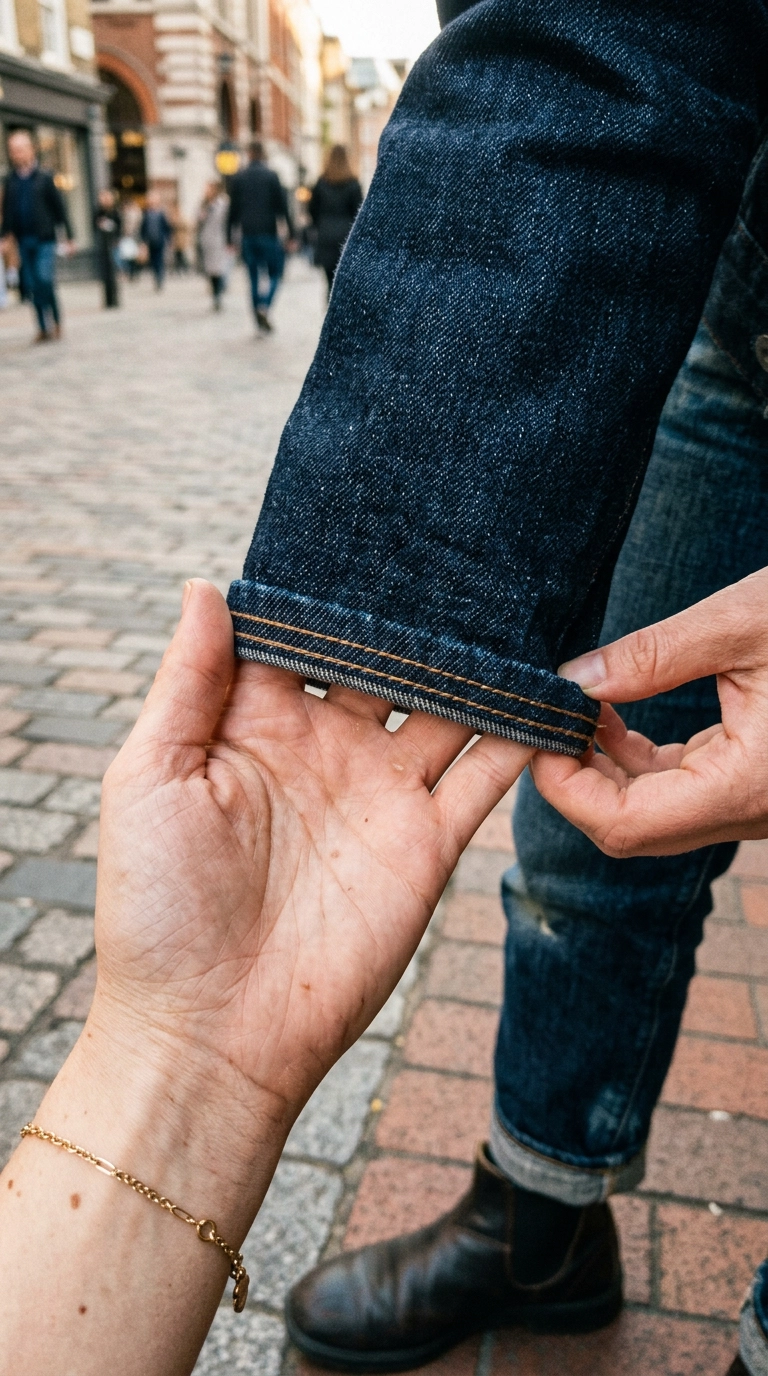
Check the side seams of your shirts and dresses. In low-quality manufacturing, the fabric is often cut off-grain, causing the seams to twist toward the front of your body after a few washes.
Distorted seams create a messy, asymmetrical look that cannot be fixed with ironing. It is a sign that the garment was rushed through production without care for the fabric’s natural direction.
Before purchasing, pull the fabric gently at the seams. If the stitching looks loose or the fabric puckers excessively, it will likely lose its shape after the first cleaning cycle.
9. Carrying Low-Quality Bags with Heavy Branding
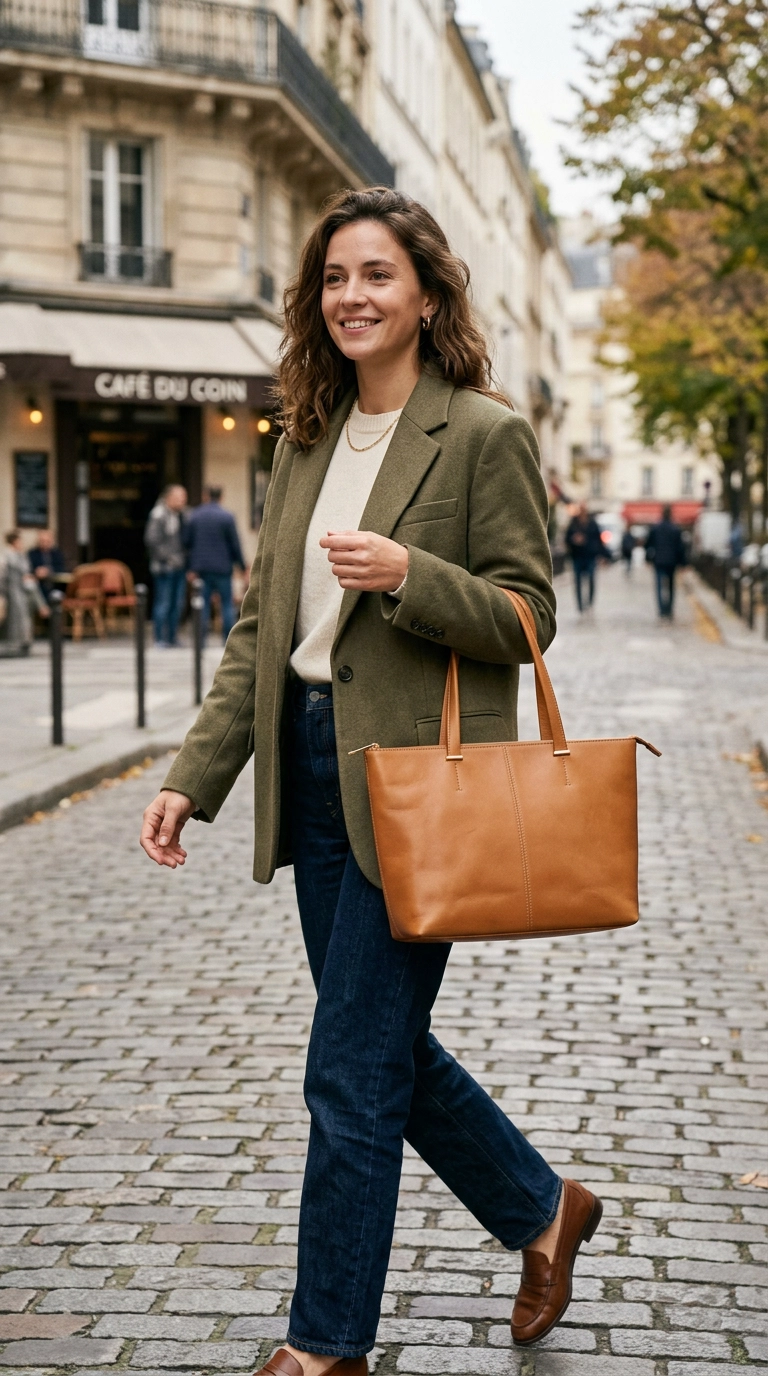
Huge logos on inexpensive bags often look like they are trying too hard. Cheap metal chains and plastic “vegan leather” that has a chemical scent will distract from an otherwise great outfit.
A minimalist, unbranded leather bag in a neutral tone like chocolate brown, black, or cream is a much better investment. It adds a touch of quiet luxury that complements any look.
| Feature | Cheap Bag Indicators | High-End Details |
|---|---|---|
| Material | Plastic-like feel, peeling edges. | Grainy leather or high-quality canvas. |
| Hardware | Lightweight, yellowy gold finish. | Solid weight, brushed or polished metal. |
| Stitching | Frayed threads, uneven spacing. | Straight, reinforced, and tonal. |
Avoid bags with excessive “bling” or fringe. Clean lines and quality materials will always serve you better than a trendy accessory that loses its appeal in a matter of weeks.
True style is found in the details that most people ignore. By prioritizing fabric quality, fit, and maintenance over quantity, you can transform your everyday wardrobe into a collection that feels intentional and luxurious. Focus on these small adjustments, and you will find that your outfits command more respect and feel significantly more comfortable for your daily life.