7 Winter Outfit Mistakes Making You Look Super Bulky
Winter dressing often feels like a constant battle between staying warm and maintaining a sleek, intentional silhouette. You layer up to survive the dropping temperatures, only to realize your reflection looks more like a shapeless marshmallow than a style enthusiast. These subtle styling errors are likely sabotaging your proportions and hiding your actual frame under unnecessary visual weight.
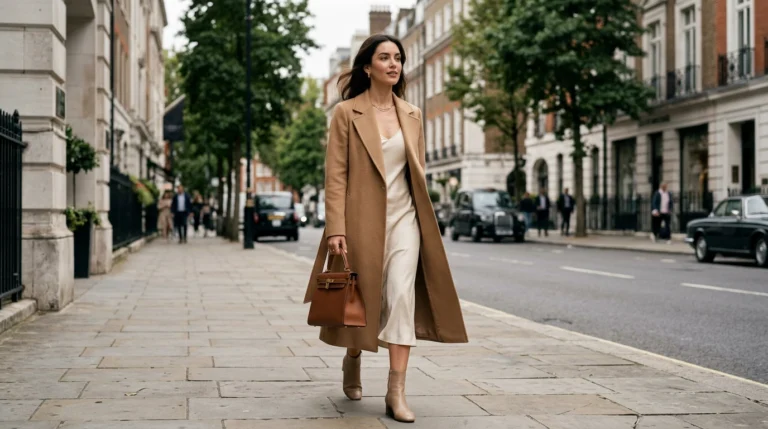
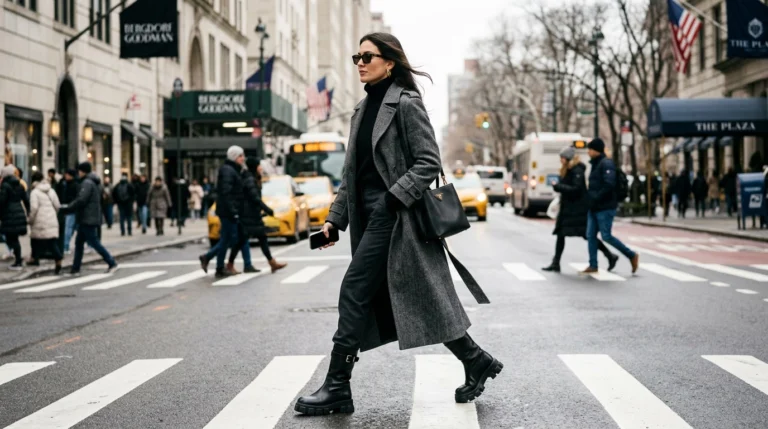
The secret to a polished winter wardrobe isn’t about wearing fewer clothes, but about managing the volume you choose to wear. Most people fall into the trap of adding bulk in all the wrong places, which creates a heavy, cluttered appearance that lacks sophistication. This guide identifies the technical shifts you need to make so your cold-weather outfits work for you instead of against you.
We are going to refine your cold-weather aesthetic by stripping away the habits that lead to a “super bulky” look and replacing them with editor-approved techniques. By understanding how fabrics interact and where to place volume, you can reclaim your style confidence even in the middle of a blizzard. Let’s fix these seven common mistakes and elevate your winter wardrobe today.
1. Pairing Oversized Knits with Baggy Bottoms
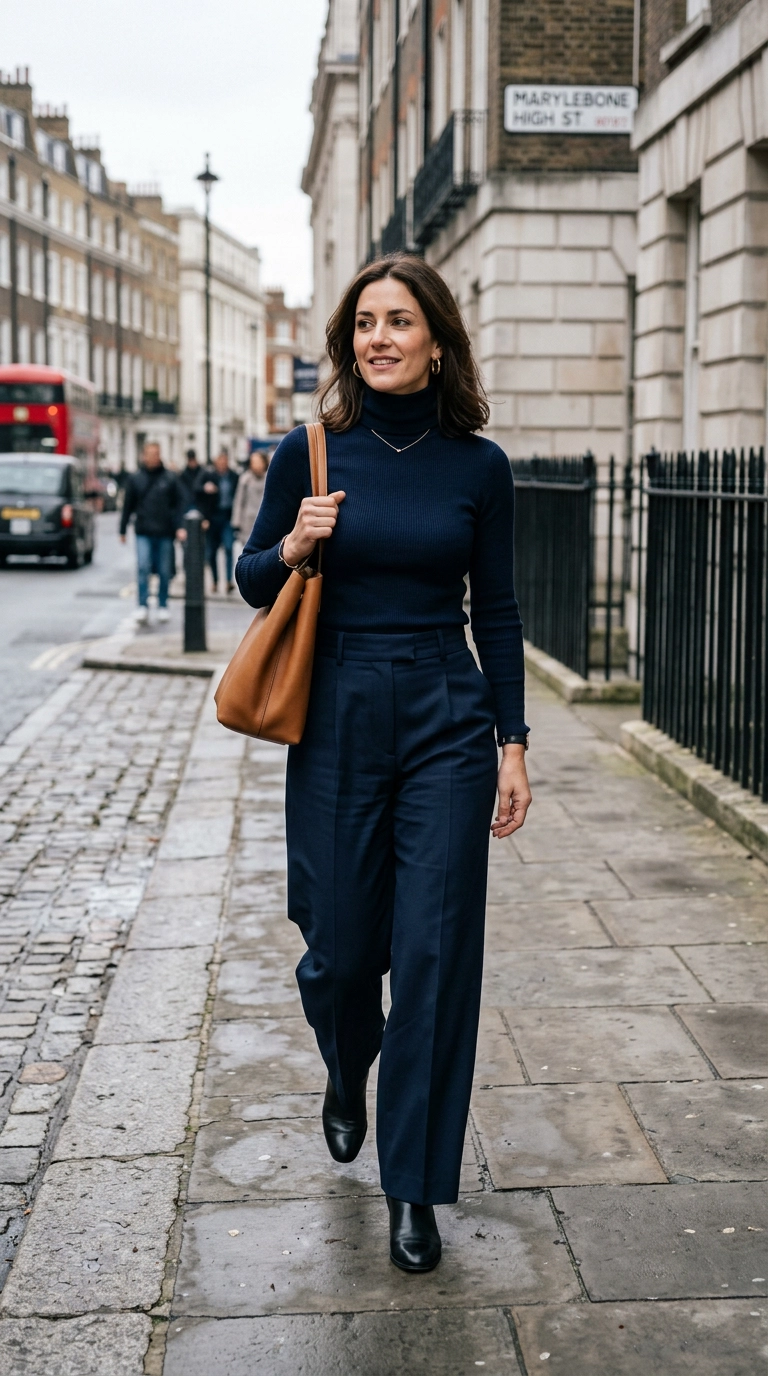
The most common mistake in winter styling is the “double oversized” trap. When you pair a massive, chunky sweater with wide-leg trousers or baggy jeans, you lose any sense of a human frame underneath. This creates a rectangular silhouette that adds visual weight to both your upper and lower body simultaneously.
To fix this, you must prioritize balance and contrast in your proportions. If you want to wear that heavy fisherman sweater, pair it with slim-fit leather leggings or a sleek pencil skirt to show the actual shape of your legs. Conversely, if you are opting for trendy wide-leg wool trousers, choose a fitted bodysuit or a fine-gauge cashmere top to keep your upper body looking sharp.
The goal is to provide the eye with a point of reference for your actual size. When every piece of clothing is voluminous, there is no contrast, and the body appears much wider than it truly is. Always ensure at least one half of your body is wearing a garment that follows its natural lines.
2. Ignoring the Power of the Natural Waistline
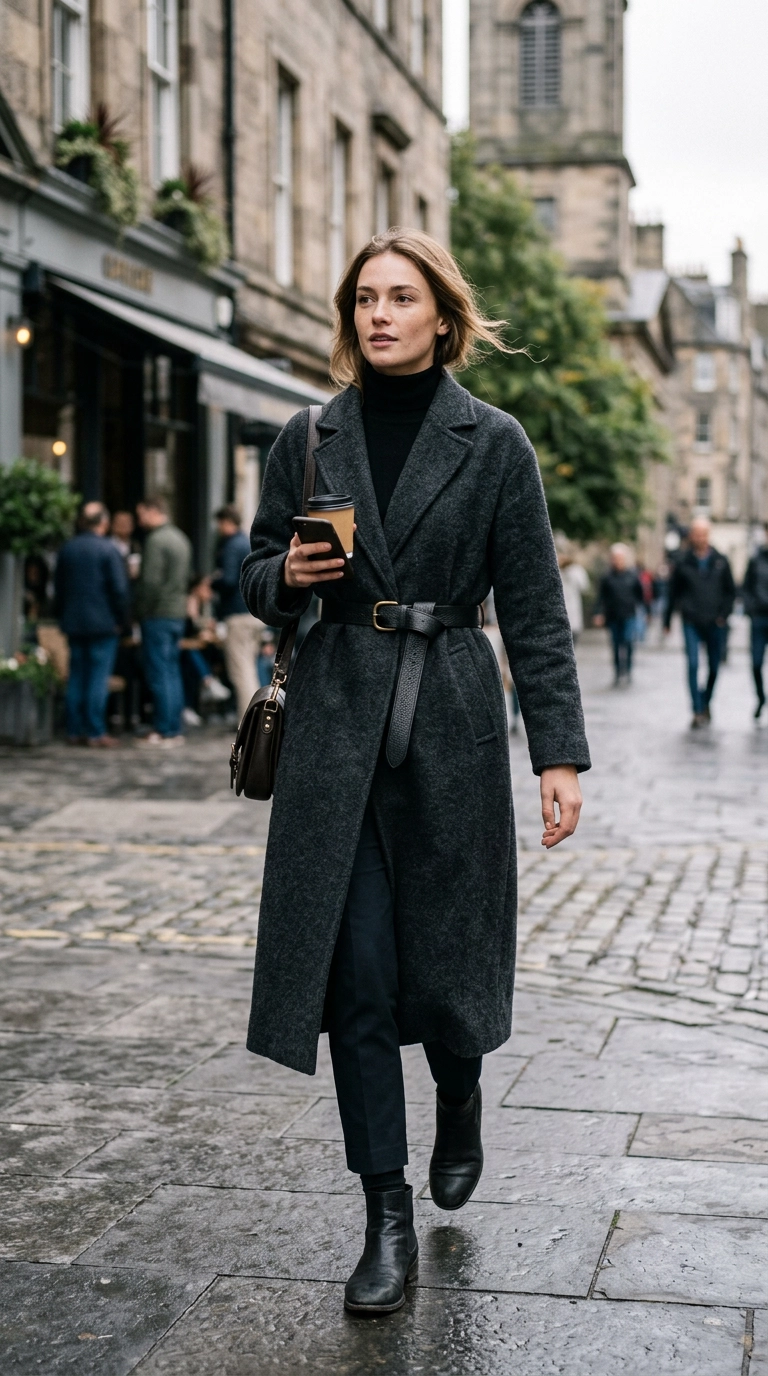
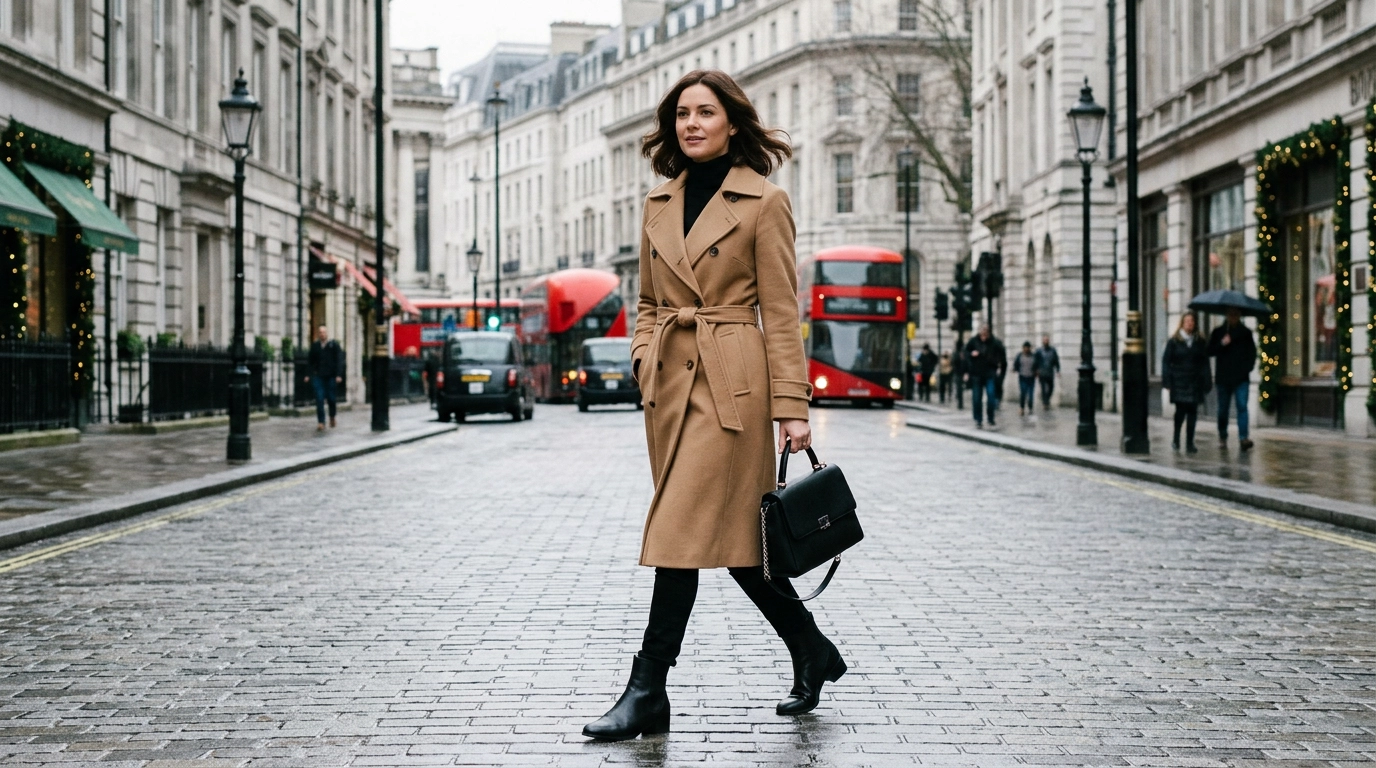
Heavy winter fabrics like wool, tweed, and down naturally obscure the narrowest part of your torso. When you wear a straight-cut coat or a boxy sweater without any waist definition, you create a solid block of fabric from shoulder to hip. This lack of definition is the fastest way to look bulky and shorter than you are.
Define your waist by using high-waisted bottoms and the “French tuck” method for your sweaters. Tucking just the front portion of your knitwear into your waistband reveals your hip line and instantly elongates your legs. For outerwear, look for coats with built-in belts or add your own leather belt over a blazer or cardigan to create an hourglass shape.
Creating this break in the fabric helps to separate the top and bottom halves of your outfit. Even a subtle hint of a waistline can drastically reduce the perceived heaviness of a thick winter outfit. It’s about creating a silhouette that mimics your body’s natural architecture rather than fighting against it.
3. Selecting Heavy Knits with Dropped Shoulder Seams

Many trendy sweaters feature dropped shoulders where the seam sits several inches down the arm. While this looks relaxed, on thick fabrics, it adds significant width to your upper arms and chest. This extra fabric bunches up under your coat, making your shoulders look rounded and heavy.
Instead, look for sweaters with set-in sleeves or raglan sleeves that follow the natural curve of your shoulder. A seam that sits exactly where your shoulder ends provides structure and prevents the fabric from sagging outward. This small detail keeps your frame looking crisp and prevents that “top-heavy” appearance common with lower-quality knits.
Structural integrity is key when dealing with heavy materials. A well-constructed shoulder acts as an anchor for the rest of the garment, allowing the fabric to drape vertically rather than expanding horizontally. If you love the oversized look, ensure the shoulder seam is still relatively close to your natural anatomy.
4. Layering Thick Fabrics in the Wrong Order
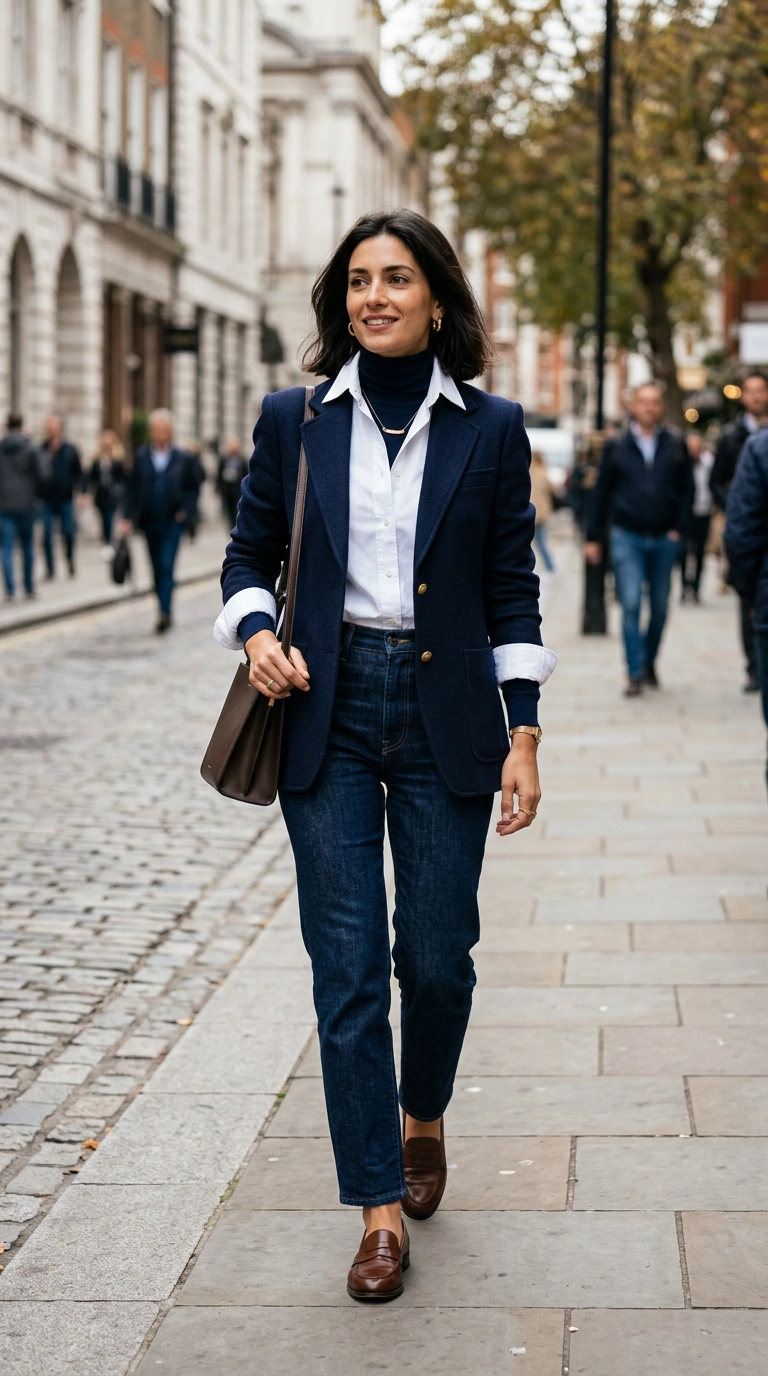
Many people try to stay warm by layering several medium-weight pieces on top of each other. This results in “bunching” at the elbows and armpits, which restricts movement and looks incredibly cluttered. If your layers are fighting for space under your coat, you will inevitably look bulkier than necessary.
The gold standard for winter layering is the “thin to thick” rule. Start with a paper-thin thermal base layer made of merino wool or silk, which provides maximum heat retention with zero volume. Follow this with a slightly thicker shirt or light knit, and finish with your heaviest piece of outerwear.
By keeping the layers closest to your skin as thin as possible, you maintain a slim profile while staying warmer than you would with one giant sweater. This technical approach allows you to move comfortably and keeps your silhouette looking intentional and refined. Avoid putting a bulky hoodie under a slim-cut wool coat at all costs.
Comparison: Bulky vs. Sleek Winter Choices
| Garment Category | The Bulky Mistake | The Sleek Solution |
|---|---|---|
| Knitwear | Heavy horizontal cable patterns | Vertical ribbing or flat-knit cashmere |
| Outerwear | Boxy, unstructured puffer jackets | Tailored wool coats or belted puffers |
| Base Layers | Cotton t-shirts or thick sweatshirts | Merino wool or silk thermal skins |
| Footwear | Chunky boots that gap at the ankle | Sock boots or fitted leather boots |
5. Wearing Unstructured Puffer Jackets Without Tapering
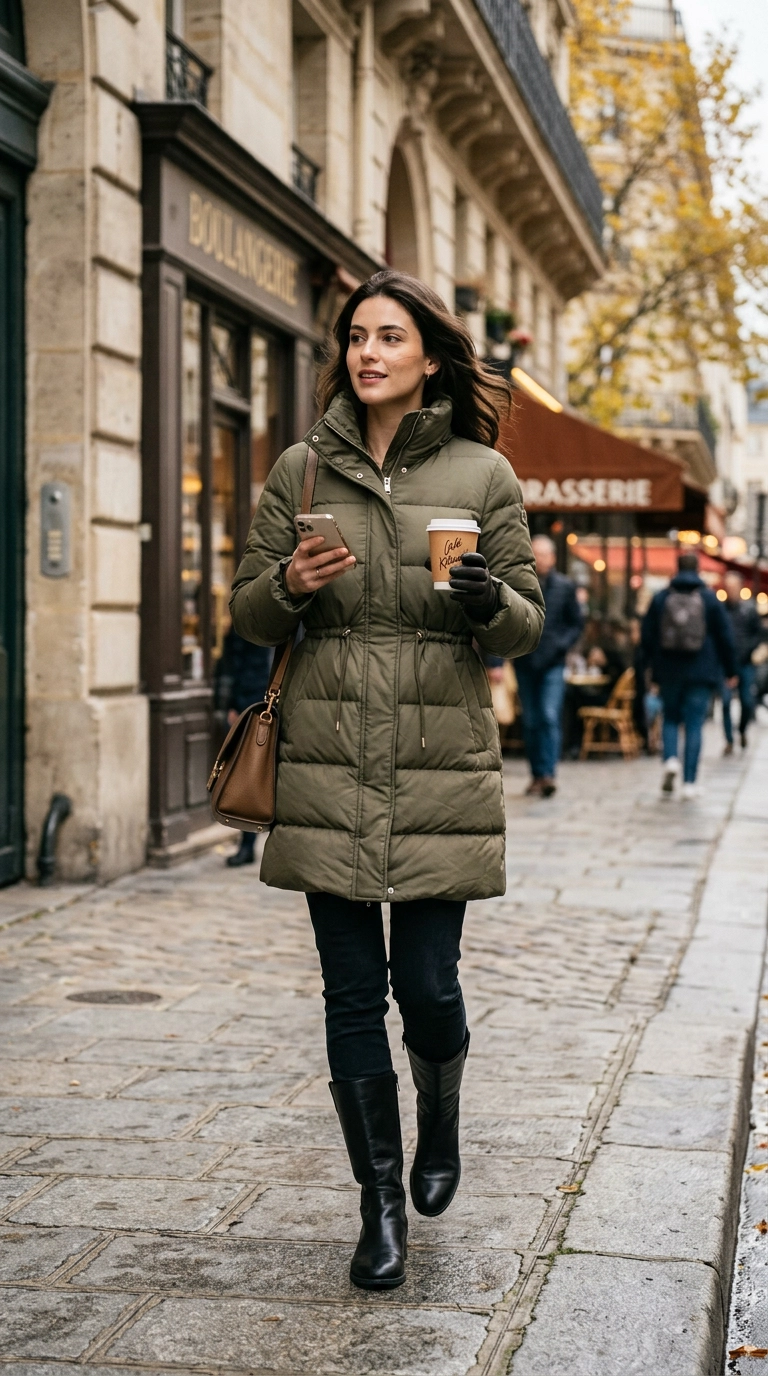
Puffer jackets are essential for extreme cold, but the wrong cut can make you look twice your actual size. Jackets with wide, horizontal quilting and no internal structure are the primary culprits for a bulky aesthetic. These designs trap air and expand outward in every direction, hiding your figure completely.
Look for puffer coats that feature chevron or vertical quilting patterns, which draw the eye up and down rather than side to side. Many high-end puffers now include internal drawstrings at the waist or articulated seams that follow the curve of the back. These features allow the jacket to keep you warm without billowing out like a tent.
If you already own a boxy puffer, style it with very slim bottoms like leggings or skinny jeans to create a “top-heavy” fashion statement that still shows off your legs. Keeping the bottom half of your body streamlined is the only way to balance the extreme volume of a traditional down jacket. Choose styles that hit at the hip or mid-thigh for the most flattering proportions.
6. Allowing Your Boots to Cut Off the Leg Line
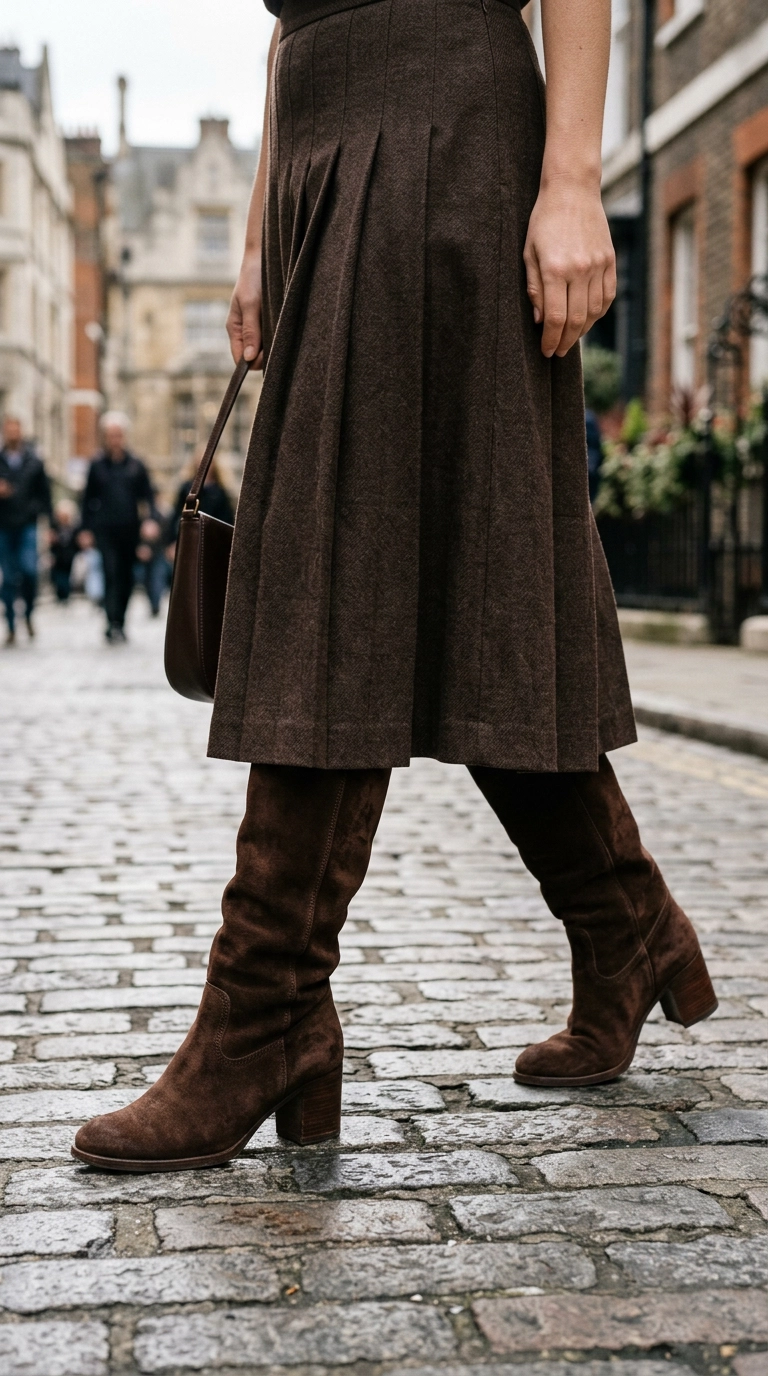
A major winter mistake is creating “visual breaks” in your legs. When you wear a midi skirt with ankle boots and leave a small gap of skin or contrasting tights, you effectively chop your legs into three sections. This makes you look shorter and adds bulk to the lower half of your body.
To create a long, lean line, ensure your boots either disappear under the hem of your skirt or match the color of your trousers/tights. This creates a continuous vertical line that tricks the eye into seeing more height and less width. Tall, fitted boots are particularly effective for this, as they provide a smooth silhouette without the clunky transitions of ankle boots.
Avoid boots with excessive fur trim or heavy buckles at the widest part of your calf. These details draw attention downward and widen the appearance of your legs. Opt for clean, streamlined leather or suede finishes that hug the leg and provide a sophisticated foundation for your winter layers.
7. Overloading on Oversized Accessories Simultaneously
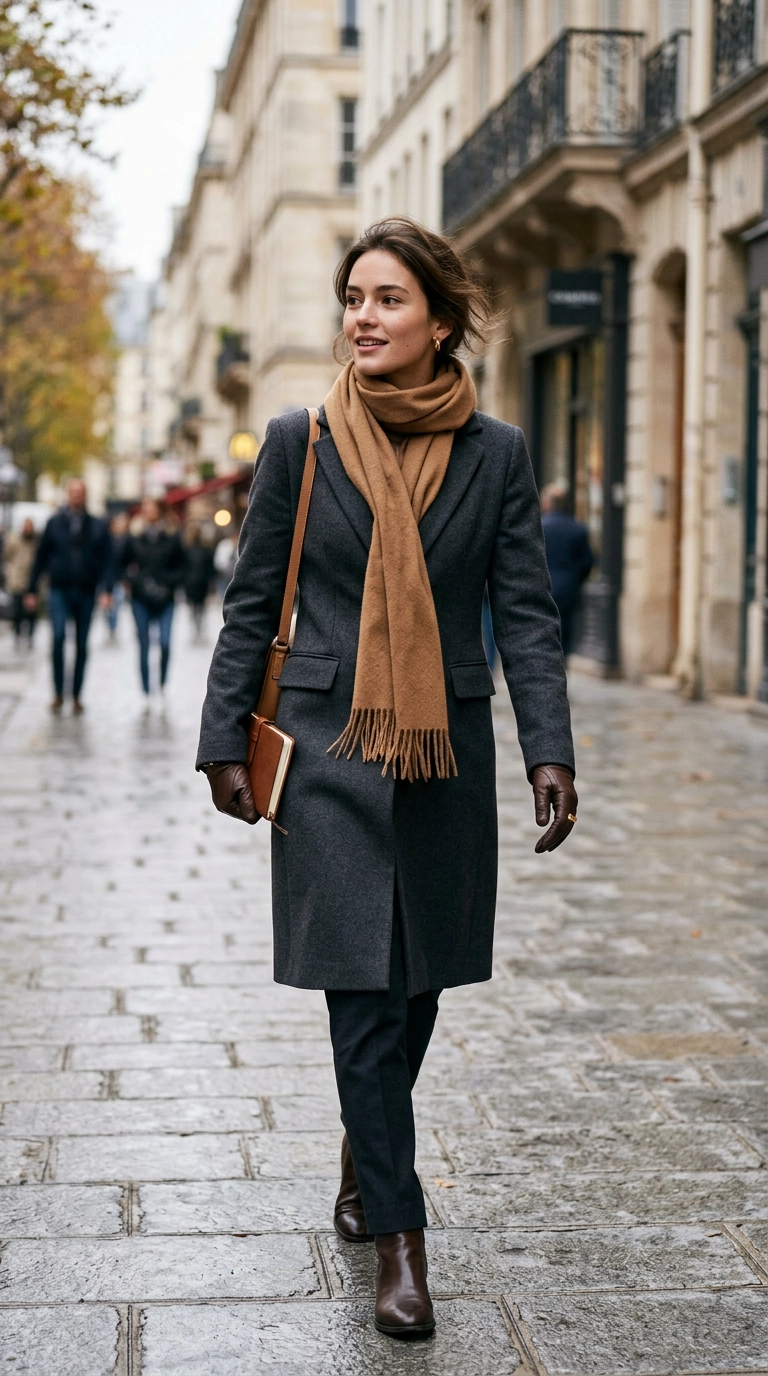
Accessories are the finishing touch, but a massive blanket scarf combined with a chunky beanie and thick mittens can drown your face and neck. When you lose the visibility of your neck, your head appears to sit directly on your shoulders, which creates a heavy and stout appearance. This “no-neck” look is a primary driver of the bulky winter aesthetic.
Instead of the blanket scarf, try a high-quality cashmere scarf that provides immense warmth without the excessive yardage. Learn to tie your scarf in a way that adds verticality, such as a simple drape or a Parisian knot, rather than wrapping it five times around your throat. This keeps the area around your face clear and maintains a more elegant proportion.
If you choose a statement accessory, let it be the only one. If you are wearing a bold, fuzzy hat, keep the scarf minimal and thin. Scaling back the volume of your accessories allows your features to shine through and prevents you from looking like you are hiding behind your clothes. Balance is the key to making winter accessories look intentional rather than purely functional.
Frequently Asked Questions
How can I stay warm without adding five layers?
The secret is high-tech fabrics. One high-quality merino wool thermal top provides more warmth than three cotton t-shirts combined, without adding any visible bulk to your frame.
Does the color of my winter clothes affect how bulky I look?
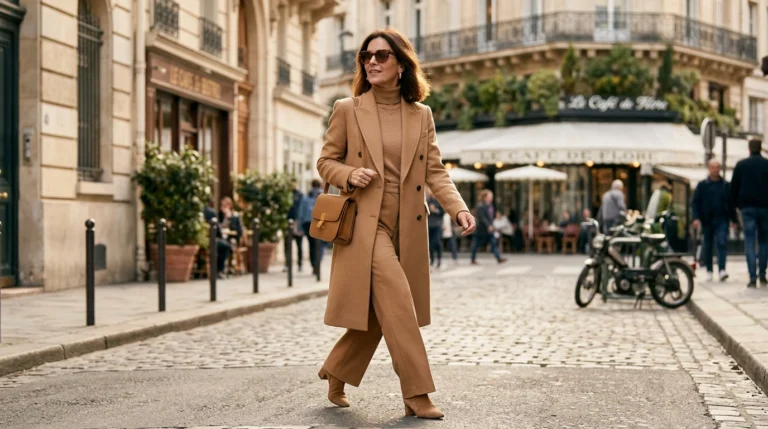
Monochromatic outfits are your best friend in winter. Wearing a single color from head to toe creates an uninterrupted vertical line that makes you look taller and slimmer, regardless of fabric thickness.
Are there specific fabrics I should avoid?
Avoid stiff, heavy fabrics like thick corduroy or unlined, low-quality wool. These materials don’t drape well and tend to stand away from the body, creating artificial volume that looks unflattering.
Refining Your Winter Silhouette
Mastering the art of winter style is entirely about managing volume and being intentional with your proportions. By avoiding these seven common mistakes, you can transition from feeling “bulky” to feeling polished, sleek, and high-fashion. Remember that warmth and style are not mutually exclusive; they simply require better fabric choices and a focus on maintaining your natural frame. Take these shifts into your wardrobe this week and notice how much more put-together you feel in the cold.