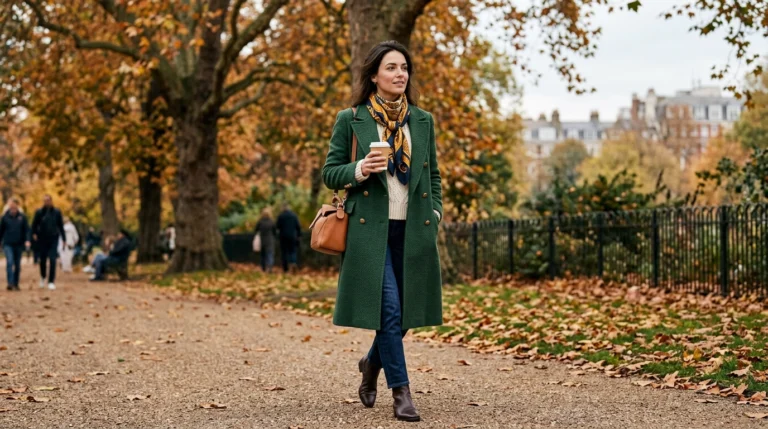
5 Transitional Weather Fashion Mistakes to Avoid Women

Dressing for the shift between seasons is arguably the most difficult task in a woman’s style calendar. You leave the house in a chilly fog only to find yourself sweltering under the midday sun, wondering why you chose a heavy wool sweater for a sixty-degree afternoon. Most people treat this period as an afterthought, but it is actually the best time to showcase your styling range and sartorial intelligence.
The secret to navigating this unpredictable climate lies in avoiding the “all or nothing” approach that ruins so many outfits. Instead of sticking to strictly summer or winter pieces, you must learn to bridge the gap with intention and technical precision. By identifying the common errors that lead to discomfort and visual clutter, you can curate a wardrobe that feels effortless and expensive regardless of the fluctuating mercury.
This guide highlights the specific mistakes that compromise your aesthetic during these bridge months and provides the exact fixes needed to elevate your look. From fabric choices to footwear logic, we are refining your approach to ensure you never look out of place or unprepared. Let’s clean up your transitional rotation and establish a style that looks as good at 8 AM as it does at 4 PM.
Ignoring the Strategic Mid-Layer
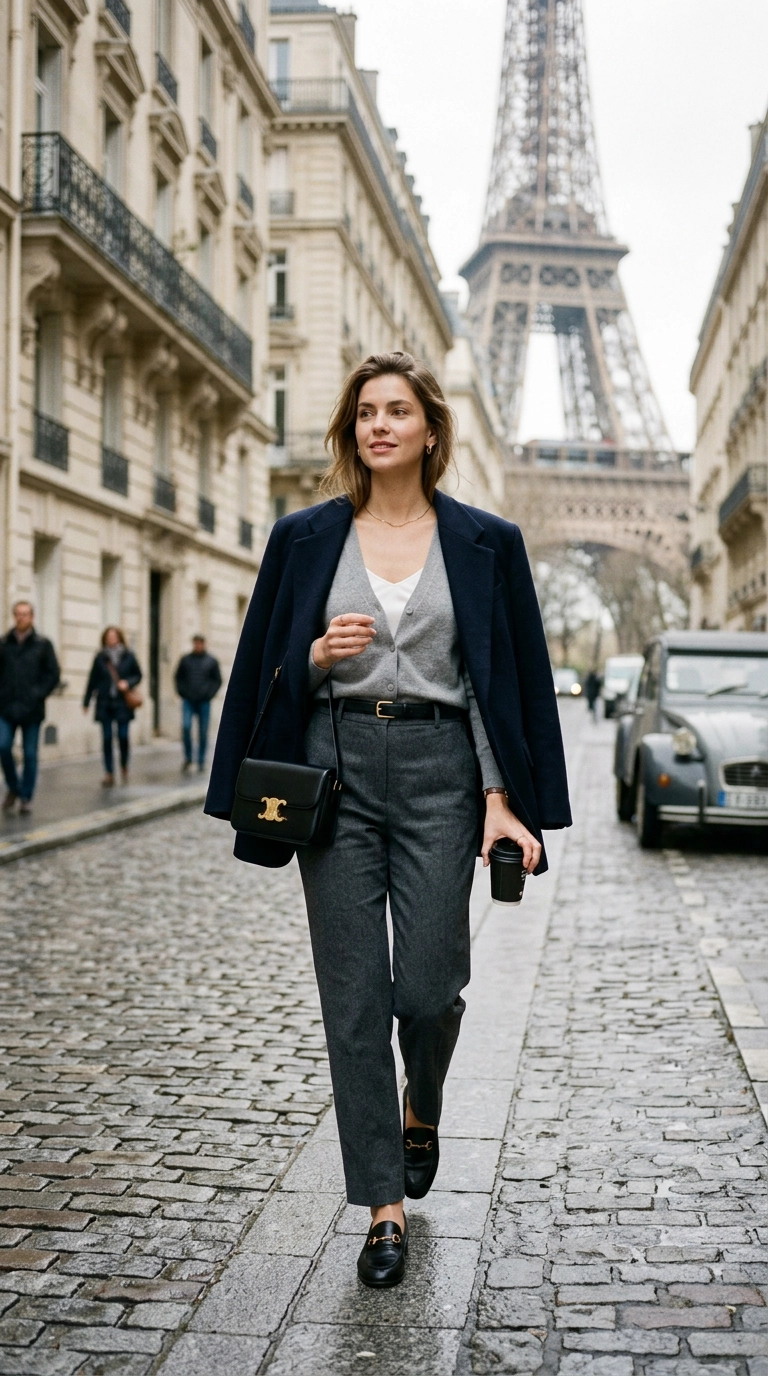
The biggest error women make is jumping straight from a light t-shirt to a heavy parka the moment the first leaf falls. This creates a binary wardrobe that lacks flexibility, leaving you either too cold or far too hot. The mid-layer is the most important element of transitional dressing, yet it is frequently forgotten in favor of bulkier, less versatile options.
Think of the mid-layer as your temperature regulator. High-quality knitwear in natural fibers like silk-cashmere blends or fine merino wool provides warmth without adding unnecessary volume. These pieces are thin enough to fit under a blazer but substantial enough to stand alone when the sun peaks through the clouds in the afternoon.
- The Cardigan Hack: Use a button-down cardigan as a top rather than a jacket to reduce bulk.
- The Shoulder Drape: Carry a lightweight knit over your shoulders to add texture and a safety layer.
- Vests: A tailored wool vest offers core warmth while keeping your arms free to prevent overheating.
Using these pieces correctly ensures that your outfit remains balanced. When you rely on a single heavy coat, you lose the ability to adjust to indoor heating or sudden outdoor temperature spikes. A well-planned mid-layer keeps the silhouette sharp while providing the practical insulation required for a Tier 1 city lifestyle.
Recommended Layering Combinations
| Morning Temp | Base Layer | Mid-Layer | Outer Layer |
|---|---|---|---|
| 45°F – 55°F | Silk Camisole | Merino Turtleneck | Structured Blazer |
| 55°F – 65°F | Cotton Tee | Cashmere Cardigan | Trench Coat |
| 65°F+ | Linen Shirt | Sweater over shoulders | None |
Clinging to High-Summer Fabrics and Textures
Lightweight linen and gauzy cotton are beautiful in July, but they look fragile and out of place once the light begins to turn golden. Continuing to wear these fabrics into the transition period is a mistake because they lack the visual weight needed for an autumn aesthetic. The goal is to start introducing textures that suggest warmth even if the weight remains relatively light.
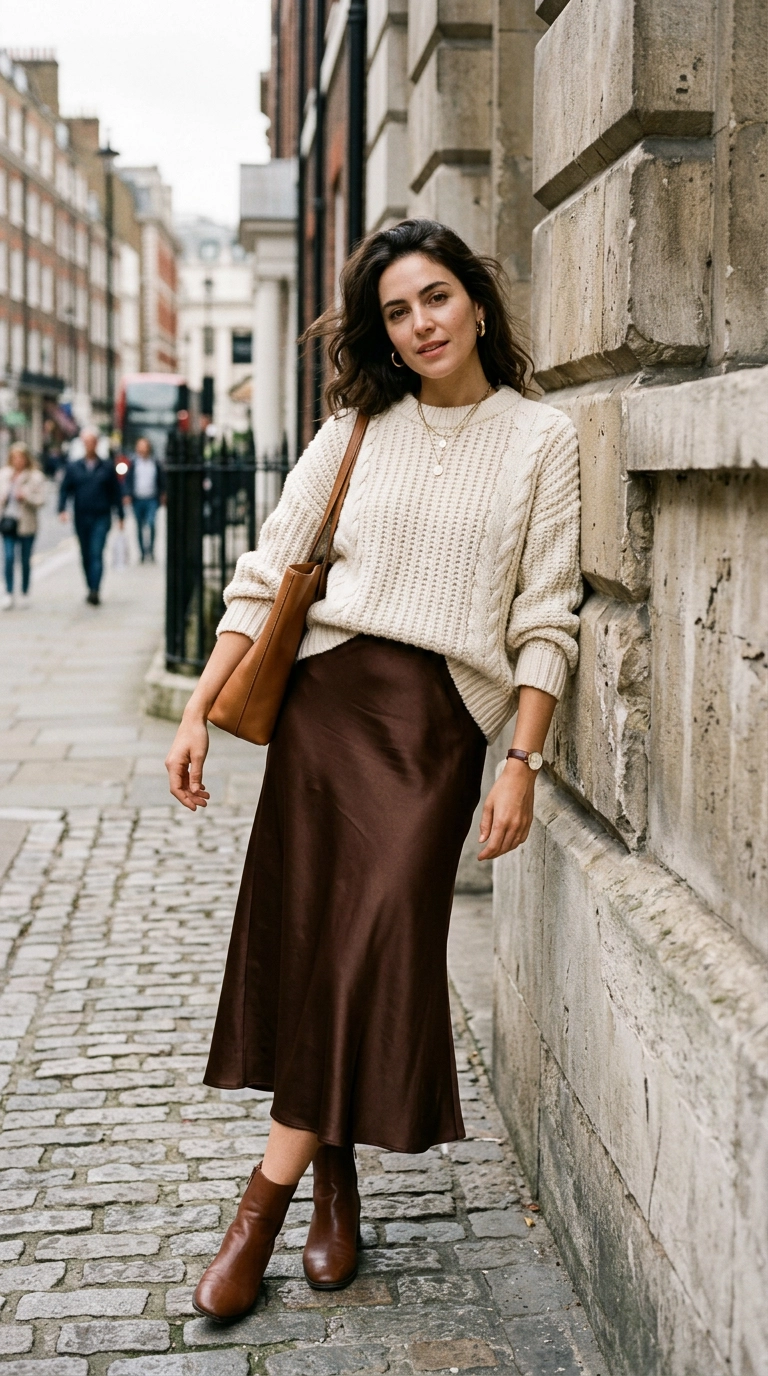
Swap your linen trousers for lightweight wool or heavy silk. Silk is an incredible transitional fabric because it regulates body temperature naturally, keeping you cool when it is warm and trapping heat when it is cold. It also offers a lustrous finish that pairs perfectly with the heavier knits you will soon be wearing every day.
Suede and leather are also vital during this period. Even a small touch of leather, such as a belt or a well-structured bag, can ground a lighter outfit and make it feel seasonally appropriate. If you aren’t ready for a full leather jacket, try a leather midi skirt paired with a simple cotton rib tank and a light jacket.
- Transition Silk: Move from floral silk prints to solid, darker jewel tones.
- Denim Density: Switch from light-wash, distressed denim to dark indigo or black for a more seasonal feel.
- Suede Accents: Introduce suede loafers or bags to add an earthy, rich texture to your look.
By shifting your fabric choices, you signal that you are in tune with the season. A woman wearing a linen sundress in late September often looks like she is desperately holding onto summer, whereas a woman in a silk slip skirt and a light knit looks intentional and sophisticated. Focus on “visual weight” as much as actual warmth.
Selecting Footwear That Fails the Weather Test
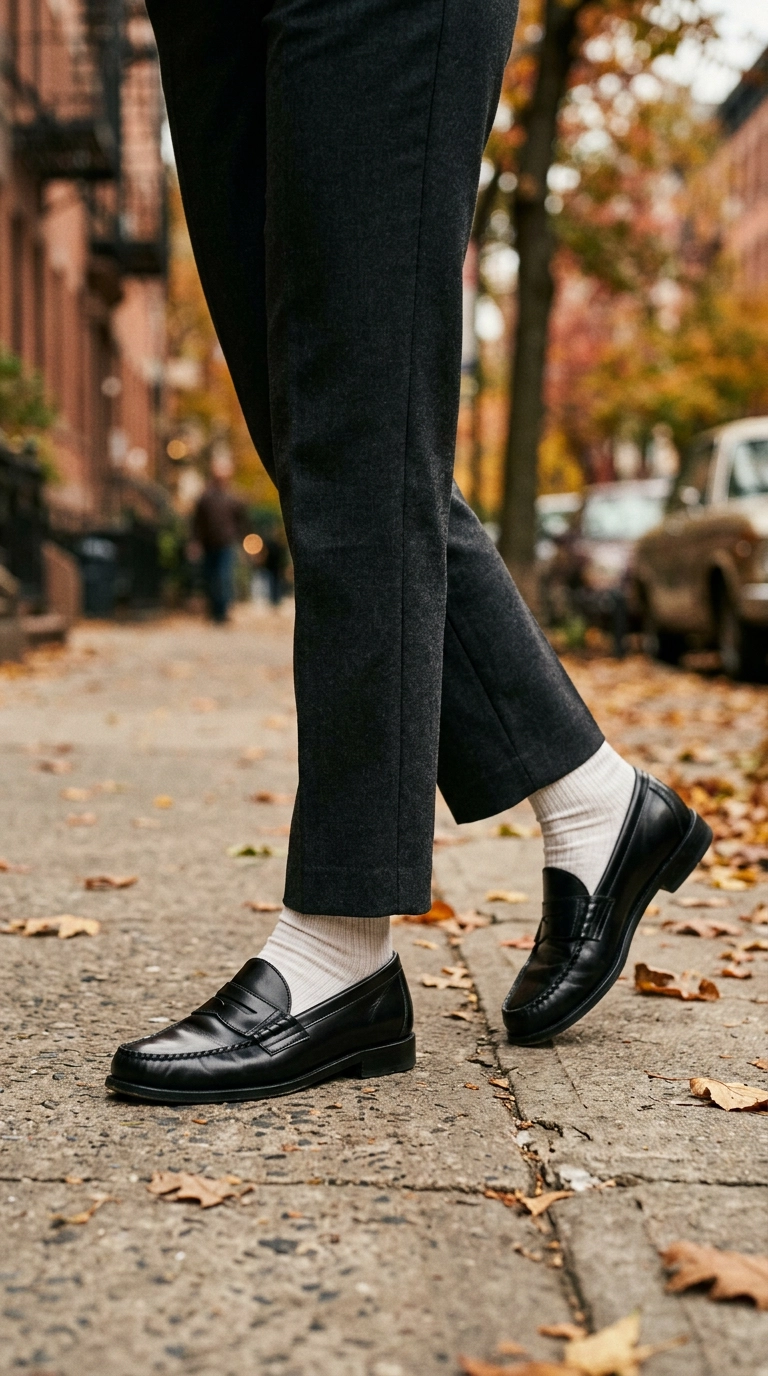
Footwear is often the first place transitional outfits fall apart. Keeping your toes exposed in sandals when the temperature drops below 60 degrees looks unbalanced and usually results in frozen feet. Conversely, pulling out heavy shearling-lined boots too early can make an outfit feel clunky and lead to discomfort during the warmer parts of the day.
The solution is the “closed-toe transition.” Loafers, ballet flats, and pointed-toe slingbacks are the heroes of this season. They provide enough coverage to protect you from a cool breeze but remain light enough to feel appropriate with a skirt or cropped trousers. If you choose boots, stick to ankle-height or tall boots with a thin leather construction rather than heavy lug soles.
Consider the humidity and potential for rain as well. Suede is beautiful but risky during unpredictable spring or autumn showers. Having a polished leather option ensures you stay dry while maintaining a high-fashion edge. A classic leather loafer is perhaps the most useful investment you can make for this specific time of year.
The Footwear Swap Guide
- Replace Strappy Sandals with: Leather Loafers or Pointed Flats.
- Replace Canvas Sneakers with: Sleek Leather Trainers.
- Replace Heavy Winter Boots with: Chelsea Boots or Kitten Heel Ankle Boots.
- Replace Espadrilles with: Mules or Clogs in dark tones.
Matching your shoes to the “vibe” of the sky is just as important as matching them to your pants. When the clouds are grey and the wind is picking up, a heavy-soled loafer or a sleek boot provides the visual and physical grounding the outfit needs. It anchors the silhouette and prevents the “floating” look that occurs when wearing summer shoes with autumn layers.
Skipping the Trench Coat and Blazer Tier
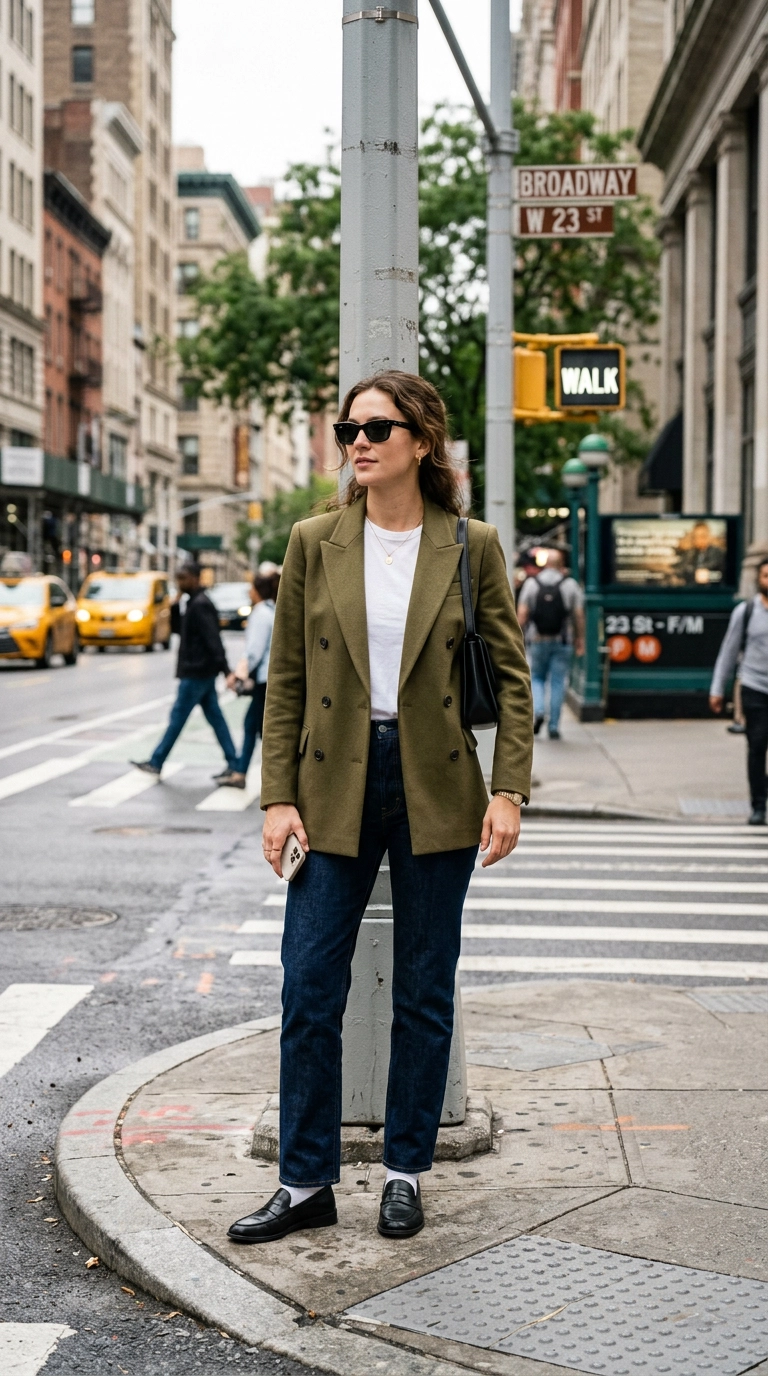
Many women view outerwear as a winter-only necessity, completely skipping the light-jacket category. They end up shivering in just a sweater or carrying around a massive coat they don’t actually want to wear. This “outerwear amnesia” is a major mistake that prevents you from looking polished and put-together.
A trench coat is the undisputed queen of transitional weather. Its water-resistant fabric and classic silhouette make it perfect for layering over anything from a tracksuit to a cocktail dress. Beyond the trench, a structured blazer serves as the perfect final layer for dry, crisp days. It adds an immediate professional polish to even the most casual base layers.
The key is to find jackets that offer structure without heavy insulation. Look for unlined wool blazers, cotton gabardine trenches, or light leather bombers. These pieces define your shoulders and waist, creating a sharp silhouette that a baggy sweater simply cannot achieve. They also provide the necessary barrier against the wind without causing you to overheat.
- The Oversized Blazer: Great for layering over thicker sweaters as the season progresses.
- The Cropped Trench: A modern take that works perfectly with high-waisted wide-leg trousers.
Having a dedicated “third piece” is what separates a basic outfit from a curated look. Even if you only wear the jacket for ten minutes while walking from your car to the office, it completes the visual story of your ensemble. It provides a sense of finish and preparedness that is essential for a high-end fashion aesthetic.
Neglecting the Shift Toward Deeper Color Palettes
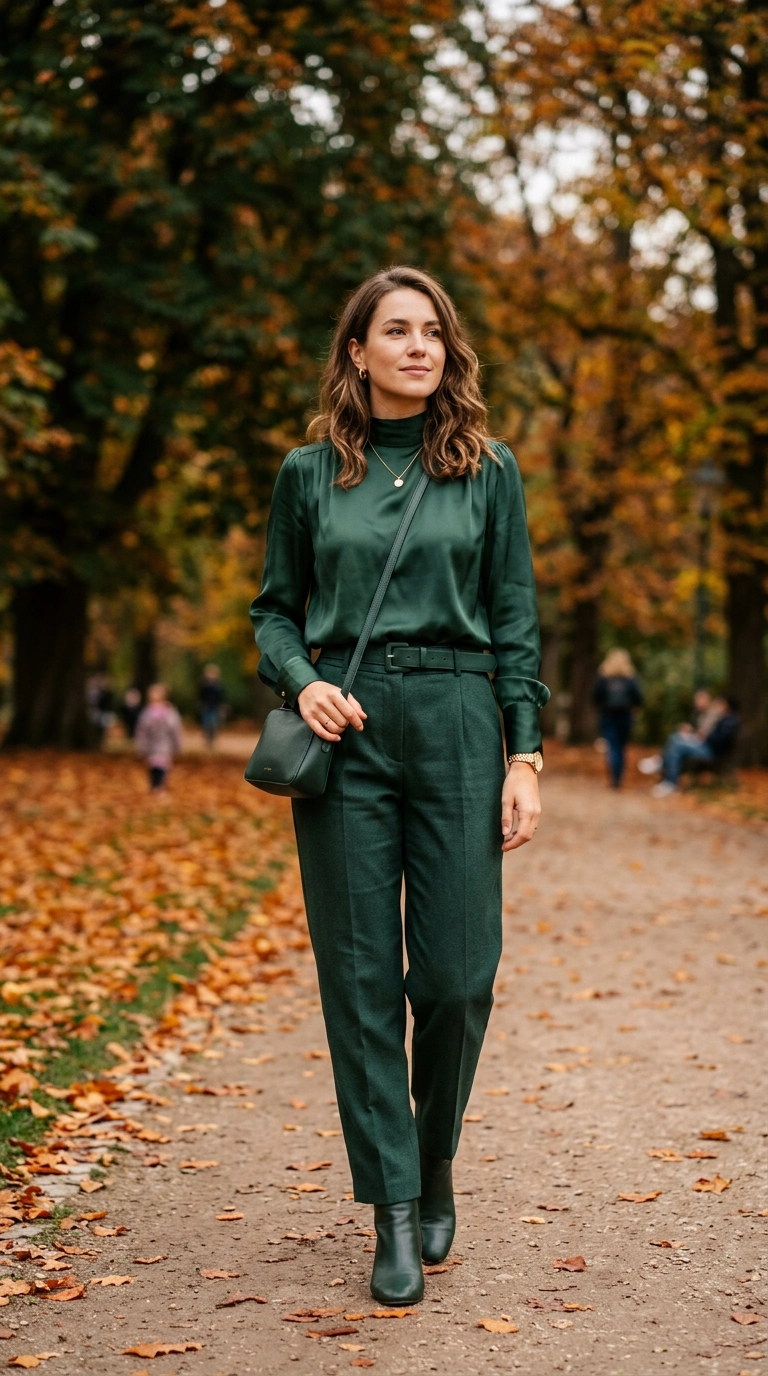
Wearing neon pink or bright turquoise in the middle of October often creates a jarring visual disconnect. While “dopamine dressing” has its place, the most elegant transitional wardrobes lean into colors that reflect the changing environment. Ignoring this shift makes your wardrobe feel stagnant and disconnected from the current season.
You don’t have to switch to an entirely black wardrobe. Instead, move from pastels to “dusty” or “muted” versions of those colors. Swap baby blue for navy or slate; exchange pale pink for burgundy or mauve. These deeper tones naturally complement the heavier textures like wool and leather that you are starting to introduce.
Monochrome dressing is particularly effective during the transition. Wearing different shades of the same neutral—like cream, tan, and camel—creates an expensive-looking depth that works in any weather. It allows you to layer multiple pieces without the outfit feeling busy or uncoordinated.
Color Transition Table
| Summer Shade | Transitional Alternative | Visual Effect |
|---|---|---|
| Bright White | Oatmeal or Cream | Softer, warmer, and more luxe. |
| Sky Blue | Steel Grey or Navy | Grounded and sophisticated. |
| Fuchsia | Deep Merlot or Plum | Rich, seasonal, and elegant. |
| Mint Green | Sage or Forest Green | Earthier and more cohesive. |
The psychological impact of color is significant. When you wear tones that mirror the landscape—deep greens, rich browns, and muted greys—you look more in tune with your surroundings. It gives off an air of quiet confidence and shows that you understand the nuances of seasonal style beyond just following basic trends.
Refining Your Seasonal Shift
Mastering the transition between seasons is about more than just surviving the wind; it is about proving your skill as a stylist. By focusing on mid-layers, choosing the right fabrics, and grounding your look with seasonal footwear and colors, you eliminate the guesswork from your mornings. Stop treating these months as a waiting room for winter and start seeing them as your most stylish season yet. Use these adjustments to ensure your wardrobe remains functional, flattering, and completely unignorable.