
9 Shoe and Sock Winter Outfit Mistakes to Avoid
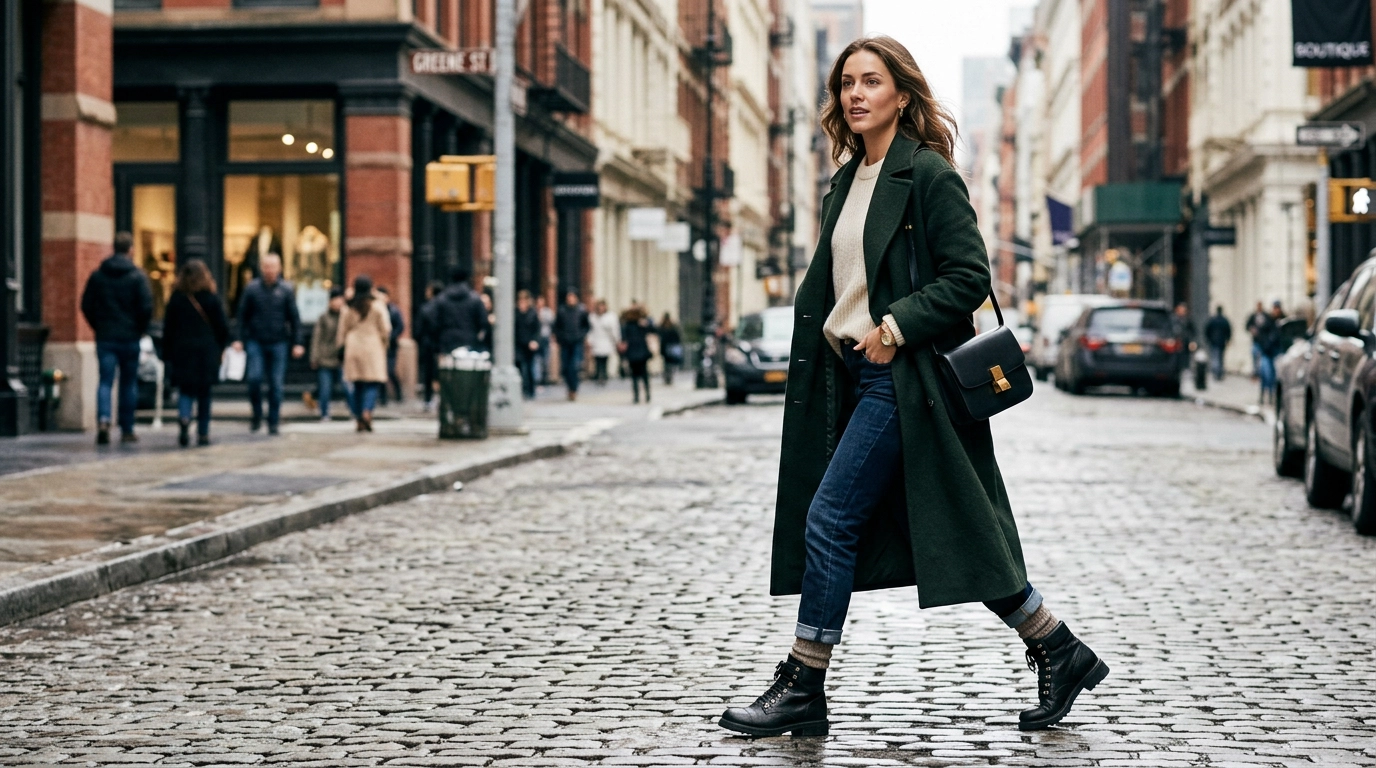
Winter style often falls apart at the ankles, leaving even the most expensive coats looking unfinished. You’ve likely felt that biting chill or noticed your silhouette looks slightly “off” in the mirror when pairing boots with your favorite trousers.
Mastering the interplay between your footwear and hosiery is the fastest way to look like you’ve hired a personal stylist. Small adjustments in height, fabric, and color make the difference between a messy outfit and a curated, intentional look.
We are fixing the most common errors that sabotage your winter aesthetic and your physical comfort. Here is how to refine your shoe and sock combinations for a polished, weather-appropriate finish that keeps you warm without sacrificing elegance.
1. Leaving a Drafty Gap Between Hemlines and Boots
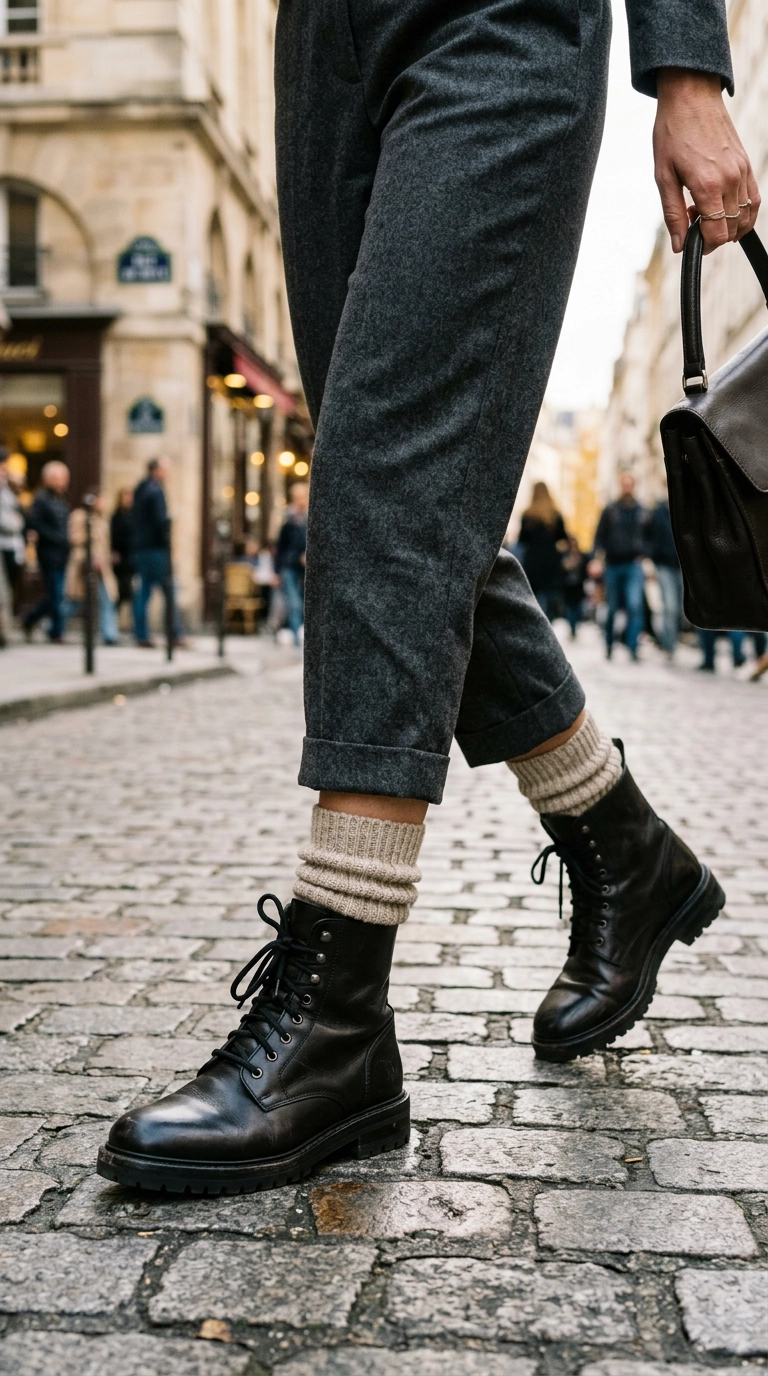
The “cold ankle” is perhaps the most frequent mistake seen during the transition into deep winter. Wearing cropped jeans or trousers with low-cut socks leaves a strip of bare skin exposed to the elements.
This gap breaks the visual line of your leg, making you look shorter and noticeably uncomfortable in the cold. Instead of letting your skin show, use a high-rise sock that disappears under your trouser leg to create a seamless, sophisticated vertical line.
If you want to lean into the styling, choose a ribbed texture in a neutral tone that complements your footwear. This adds a layer of visual interest while ensuring you don’t look like you simply forgot to check the weather forecast before leaving the house.
2. Choosing the Wrong Sock Height for Ankle Boots
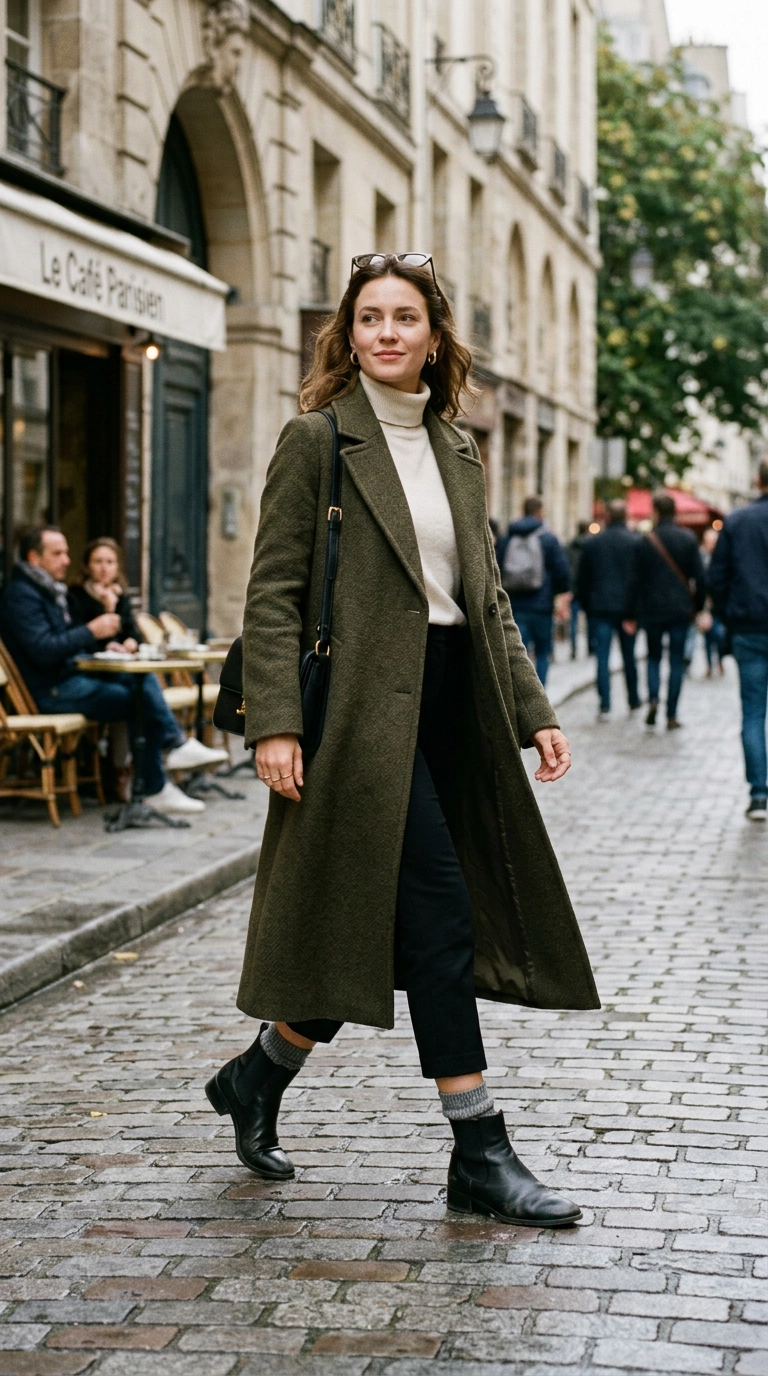
Many people struggle with exactly how much sock should show above the top of an ankle boot. If the sock is too low, it often slips down and bunches uncomfortably around your arch, leading to blisters and a messy look.
If the sock is too high, it can cut off your leg at an awkward point, especially if the colors clash with your boots. The golden rule is to aim for about one to two inches of sock visibility above the boot collar.
This height provides a deliberate “peek-a-boo” effect that suggests careful styling rather than an accidental wardrobe choice. Use this space to introduce a subtle pop of color or a luxurious texture like cashmere to elevate the entire ensemble.
3. Ignoring the Power of Tonal Matching
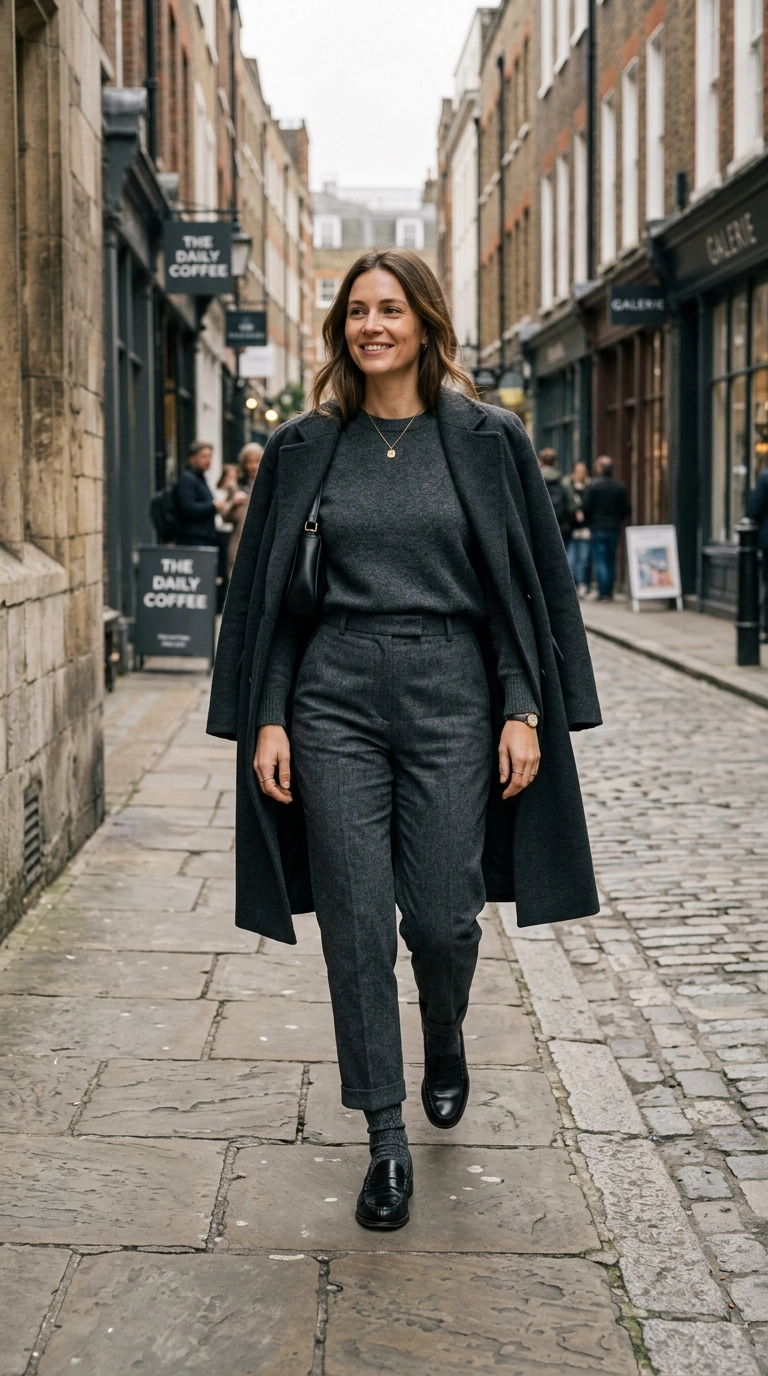
High-contrast socks can be a bold fashion statement, but more often than not, they create a jarring visual break. When your socks are significantly lighter than your shoes and pants, they draw the eye straight to your feet, often for the wrong reasons.
Tonal matching is the secret weapon of the elite fashion set for creating an expensive-looking outfit. By choosing socks in a shade similar to your footwear or your trousers, you extend the appearance of your legs and create a cohesive flow.
Consider the following color pairings for a foolproof winter wardrobe:
| Shoe Color | Recommended Sock Tone | Visual Effect |
|---|---|---|
| Black Leather | Charcoal or Black Ribbed | Classic, slimming, and seamless. |
| Chocolate Brown | Oatmeal or Espresso | Warm, earthy, and sophisticated. |
| Burgundy | Deep Plum or Navy | Rich, intentional, and high-fashion. |
| Cream/Beige | White or Soft Sand | Fresh, airy, and expensive. |
4. Wearing Cotton Socks with Winter Boots
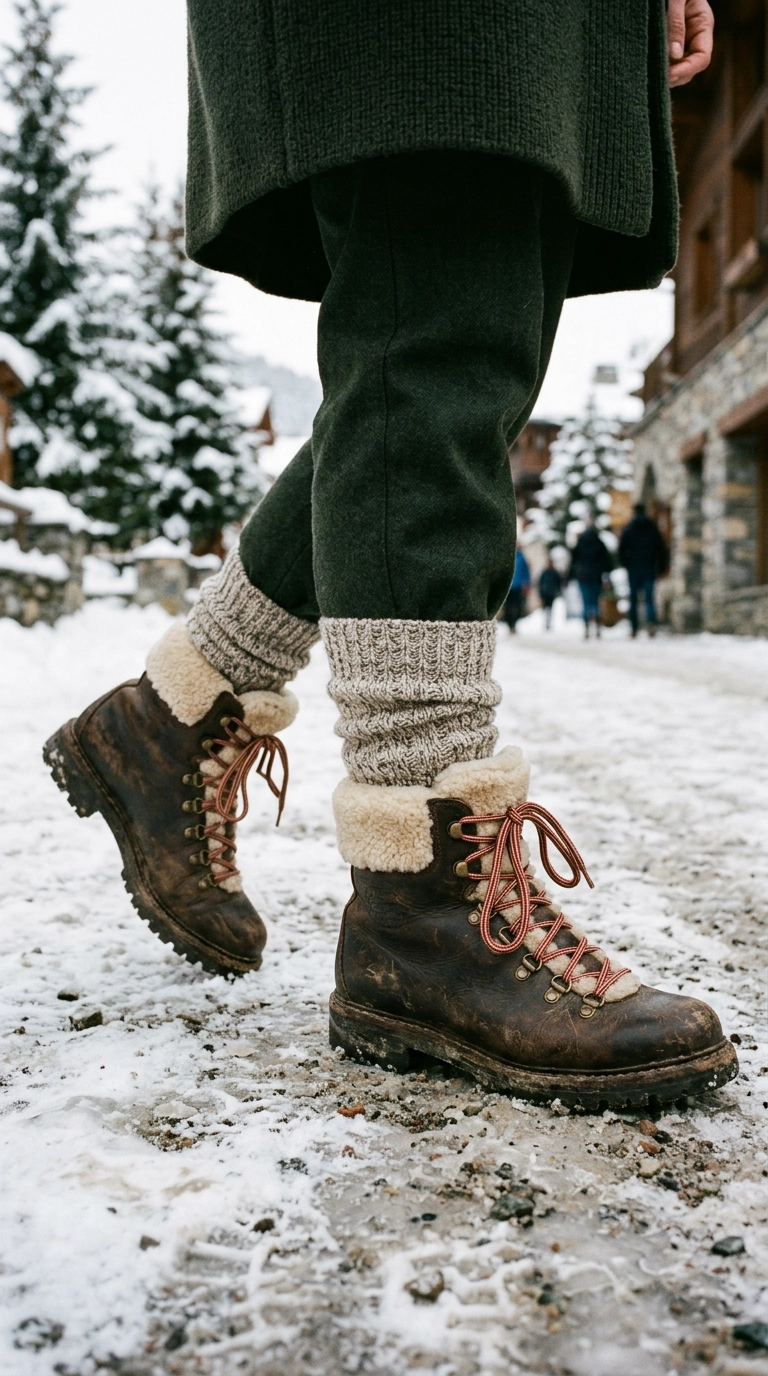
Cotton is a fantastic fabric for summer, but it is a poor choice for winter footwear. Cotton traps moisture and provides very little insulation once it becomes damp from snow or perspiration.
This leads to cold feet and potential odors, regardless of how high-quality your boots are. Switch your daily socks to merino wool or cashmere blends for a much more comfortable experience.
Merino wool is naturally moisture-wicking and temperature-regulating, keeping your feet dry and warm throughout the day. These materials are also thinner and stronger, allowing for a better fit inside your shoes without the unnecessary bulk of cheap cotton blends.
5. Neglecting the “Sandwich Method” of Styling

The “Sandwich Method” is a simple styling trick that ensures your outfit feels balanced from head to toe. It involves matching the color of your top or accessories with the color of your socks and shoes.
A common mistake is wearing a heavy dark boot with a light outfit, which makes the look feel bottom-heavy. By introducing a sock that matches your scarf or knitwear, you pull the entire look together with zero effort.
This technique creates a rhythmic visual pattern that the human eye finds pleasing and organized. It transforms a basic “jeans and a sweater” outfit into something that looks curated and high-end.
6. Forcing Bulky Socks into Sleek Silhouettes
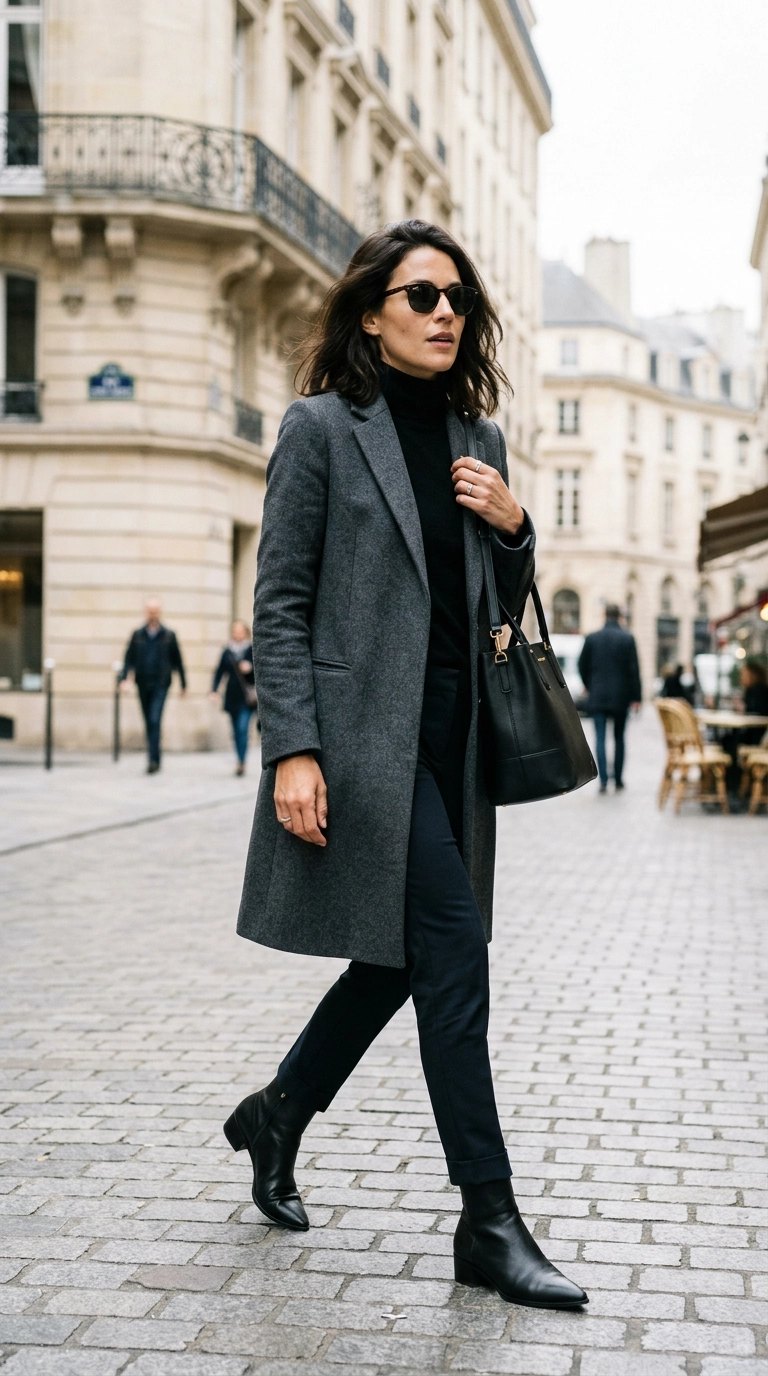
We often think that thicker socks mean warmer feet, but this isn’t always true if they are crammed into tight shoes. When a sock is too thick for a sleek boot, it restricts blood flow to your toes, actually making your feet colder.
Furthermore, bulky socks can distort the shape of a high-quality leather boot, causing it to stretch or bulge in unflattering ways. For dressier boots or pointed-toe styles, always opt for thin thermal socks or fine-gauge wool.
These specialized fabrics provide the same warmth as a chunky knit without the excess volume. You maintain the sharp, elegant silhouette of your footwear while staying perfectly cozy in sub-zero temperatures.
7. Mismatched Textures Between Hosiery and Outerwear
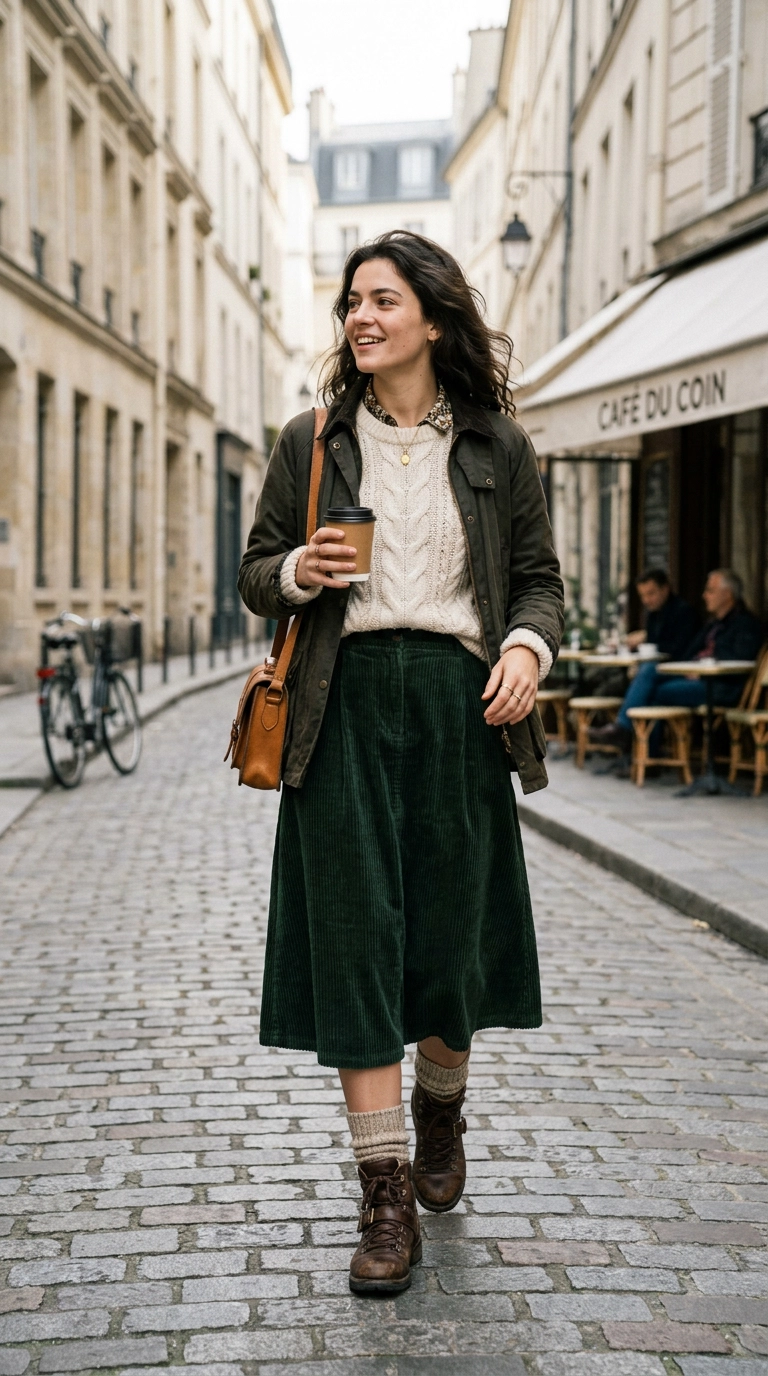
Winter fashion is all about the play of textures, and your socks are a vital part of that mix. A mistake people often make is pairing very delicate, thin socks with rugged, heavy items like parkas or lug-sole boots.
This creates a visual imbalance that feels flimsy and disconnected. When wearing heavy fabrics like wool, corduroy, or shearling, your socks should have enough weight and “heft” to stand up to the rest of the look.
Try these texture combinations to add depth to your style:
- Pair chunky cable-knit socks with rugged combat boots and denim.
- Use sheer black tights with a thin wool sock over the top for a layered look with loafers.
- Match silk-blend socks with velvet slippers or sleek leather Chelsea boots for evening events.
8. Misplacing the White Athletic Sock

While the “dad sneaker” and white sock trend is popular, it is incredibly easy to get wrong in a professional or elevated winter context. Plain white gym socks can often look cheap and stark against dark winter palettes.
If you want the athletic aesthetic, opt for an “off-white,” “oatmeal,” or “heather grey” ribbed sock instead. These softened tones feel more intentional and far more expensive than a standard multipack of sports socks.
The subtle change in hue bridges the gap between casual and polished, making the outfit work for a brunch date or a creative office. Save the pure white cotton socks for the gym and choose “lived-in” neutrals for your street style moments.
9. Relying on the “No-Sock” Illusion in Sub-Zero Temps
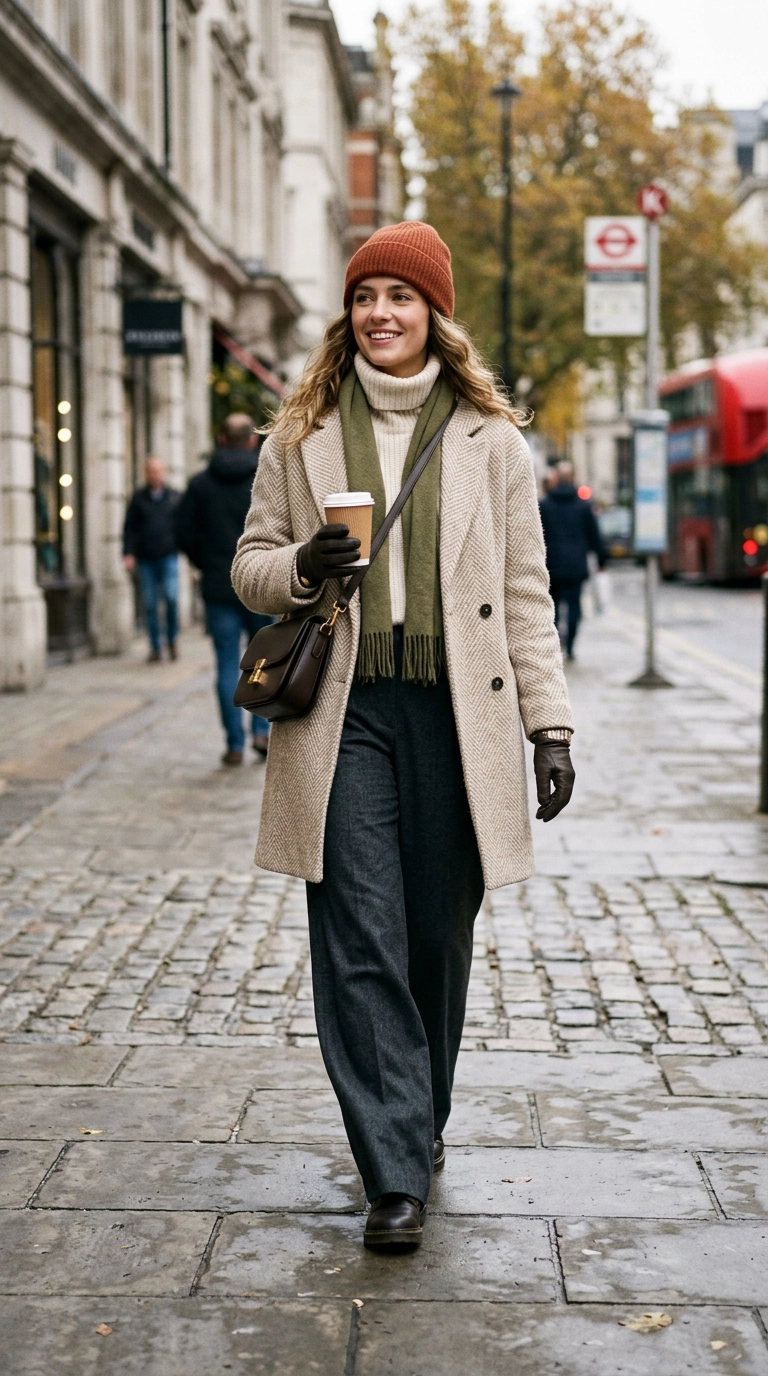
The “no-sock” look, achieved with hidden liner socks, is a staple of summer, but it looks out of place in the middle of a snowstorm. Seeing a bare ankle when the rest of the body is bundled in layers creates a confusing visual narrative.
Fashion is as much about appropriateness as it is about aesthetics. If the weather demands a heavy coat and scarf, your footwear styling should reflect that same need for protection.
If you hate the look of socks, choose a boot with a higher shaft that goes up under your trousers so no skin or sock is visible. This maintains your clean silhouette while ensuring you don’t look like you’re fighting the season.
Final Style Notes
Refining your winter shoe and sock game is about more than just staying warm; it is about finishing your look with intention. By avoiding these common pitfalls and focusing on quality materials and tonal harmony, you ensure that every step you take this season is a stylish one. Take a moment to audit your sock drawer today and invest in the pieces that will support your wardrobe through the coldest months.