5 Fabric Choice Summer Fashion Mistakes Making You Sweat
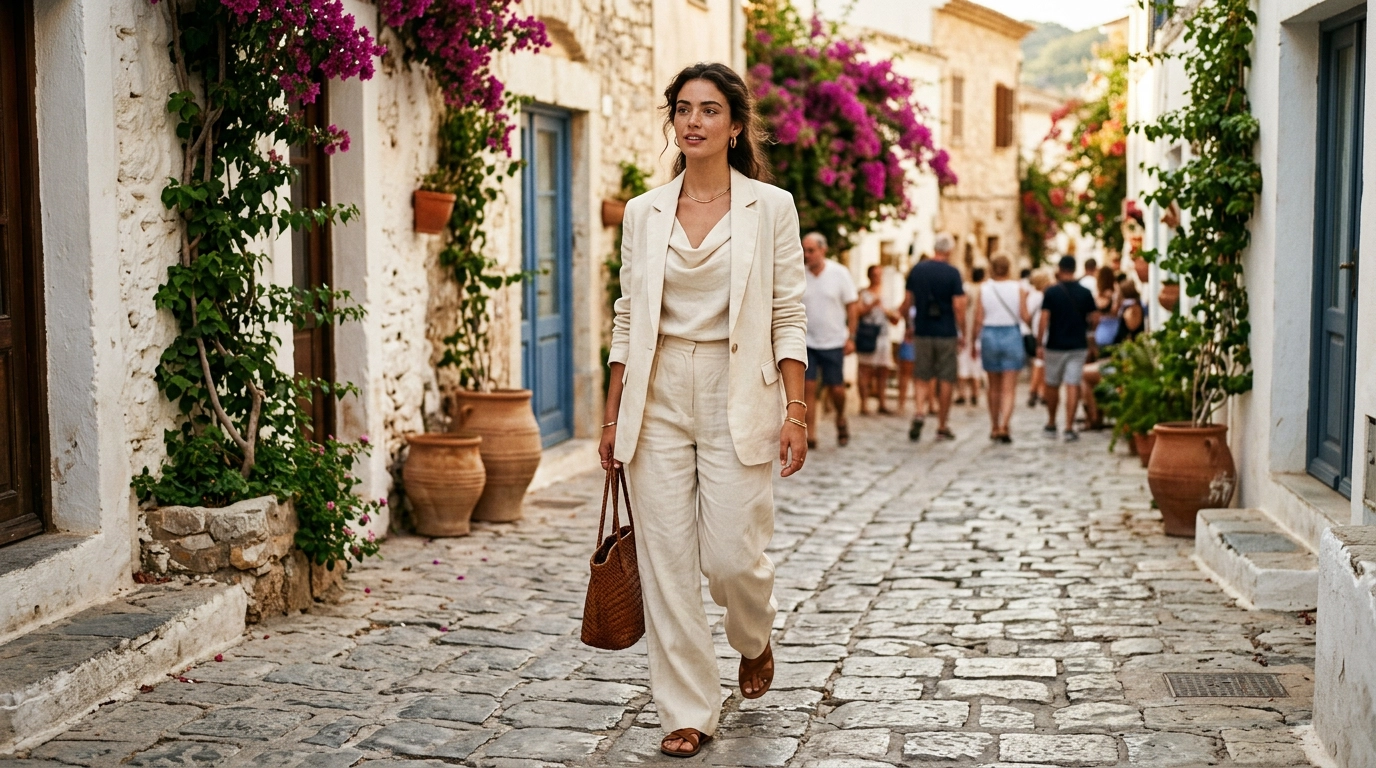
You spent hours curating the perfect summer look only to find yourself drenched in sweat before you even reach the brunch table. It is a common frustration that often has nothing to do with the temperature and everything to do with your textile choices.
Most high-street brands prioritize cheap production over breathability, leaving you trapped in fabrics that act like a personal greenhouse. We are going to fix your summer wardrobe by identifying the specific fabric traps that are sabotaging your style and comfort.
By the end of this guide, you will know exactly how to shop for luxury-level comfort that keeps you cool even during a July heatwave in the city. You deserve to look polished without the physical tax of overheating.
1. The Polyester Trap: Wearing a Plastic Bag
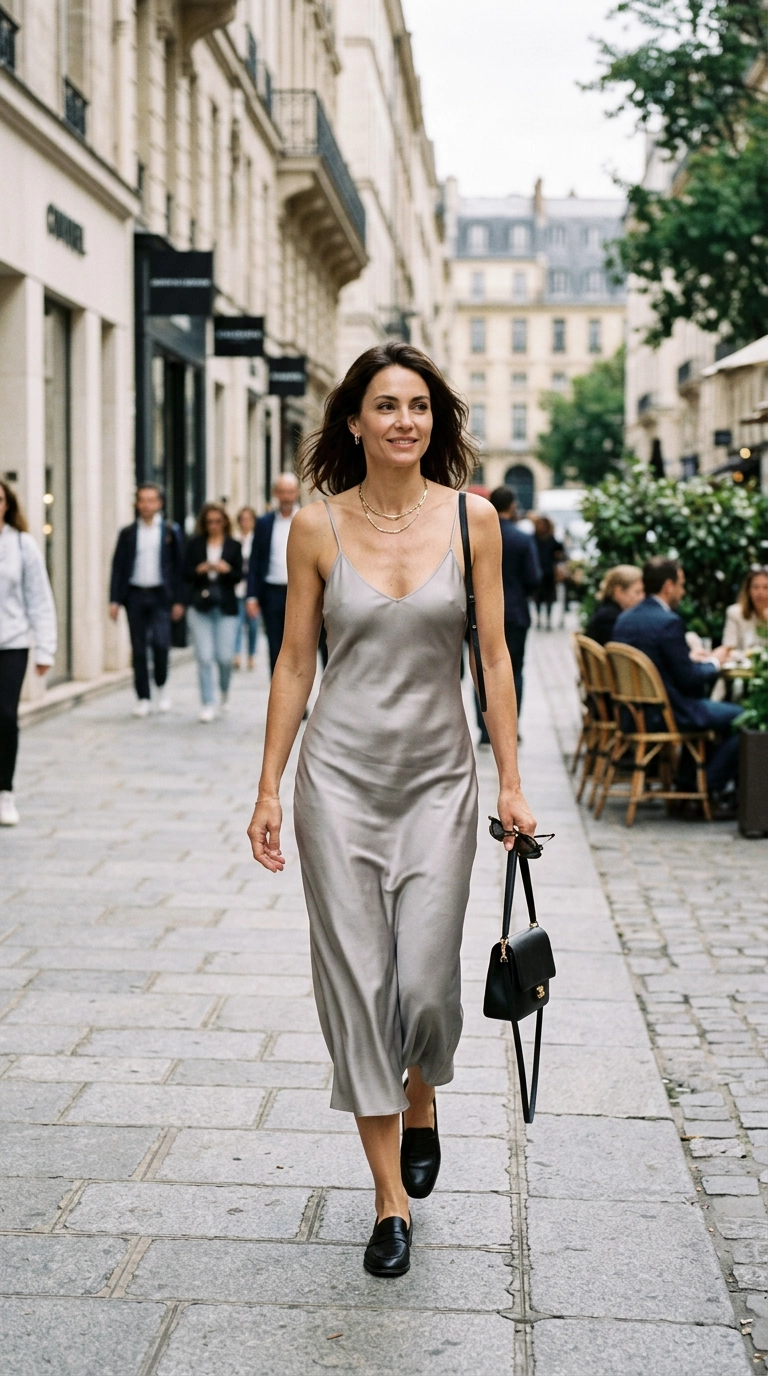
Polyester is essentially made of plastic fibers, which means it has zero moisture-wicking capabilities. When you wear that “silky” polyester blouse, you are effectively wrapping your skin in a non-porous layer that traps heat against your body.
This leads to that dreaded damp feeling that lasts all day because the sweat has nowhere to evaporate. High-end designers often swap this out for cupro or silk because these natural-based fibers allow air to circulate freely through the weave.
If you are shopping on a budget, always check the care label before heading to the register. Even a 20% polyester blend can significantly reduce the breathability of an otherwise natural garment.
| Fabric Type | Breathability Rating | Best Use Case |
|---|---|---|
| Polyester | Low | Winter linings only |
| Silk | High | Evening events and blouses |
| Cupro | High | Vegan silk alternative |
Why Texture Deceives You
Many fast-fashion retailers use “satin” or “chiffon” labels to describe the look of a garment rather than the fiber. These are often 100% polyester masquerading as luxury materials, leading to an immediate sweat response in direct sunlight.
True luxury is found in the fiber, not just the finish of the fabric. Focus on sourcing items made from protein-based or cellulose-based fibers to ensure your skin can actually sense the breeze.
2. Rigid Heavyweight Denim: The Lower Body Heat Trap
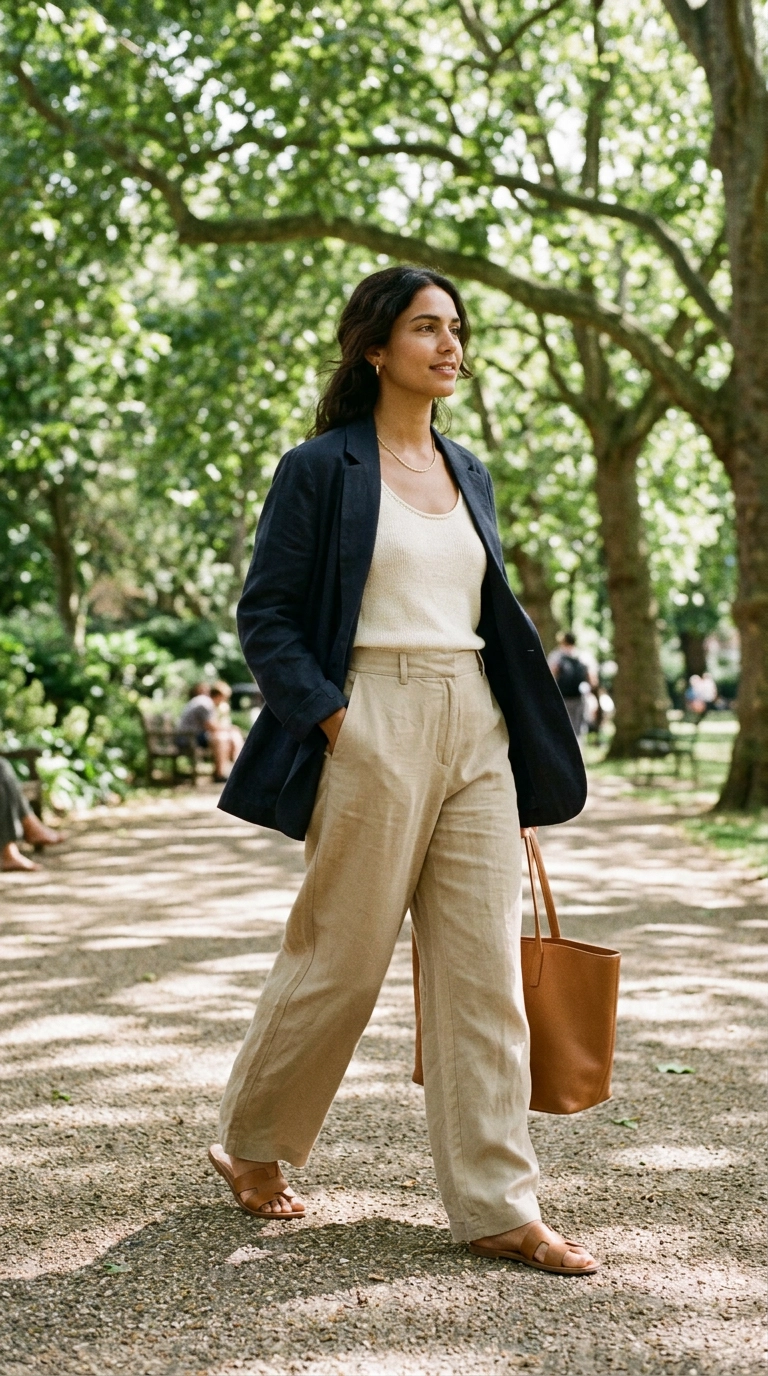
Thick, 14-ounce denim is a winter staple but a summer disaster for your internal temperature. The density of the weave prevents any breeze from reaching your skin, making your legs feel heavy and overheated.
If you cannot give up jeans, look for “summer weight” denim which is typically under 10 ounces. Better yet, transition to chambray or linen-blend trousers that offer a similar aesthetic without the thermal weight.
The indigo dye in heavy denim also tends to bleed more when your skin is damp, leading to messy stains on your legs and light-colored furniture. Lightweight alternatives provide a more sophisticated, intentional look for the warmer months.
- Switch heavy jeans for 100% linen wide-leg trousers.
- Opt for Tencel denim blends for a softer, cooler feel.
- Choose skirts or dresses in cotton poplin to maximize airflow.
3. Dark-Toned Synthetic Blends: Thermal Absorption Overload
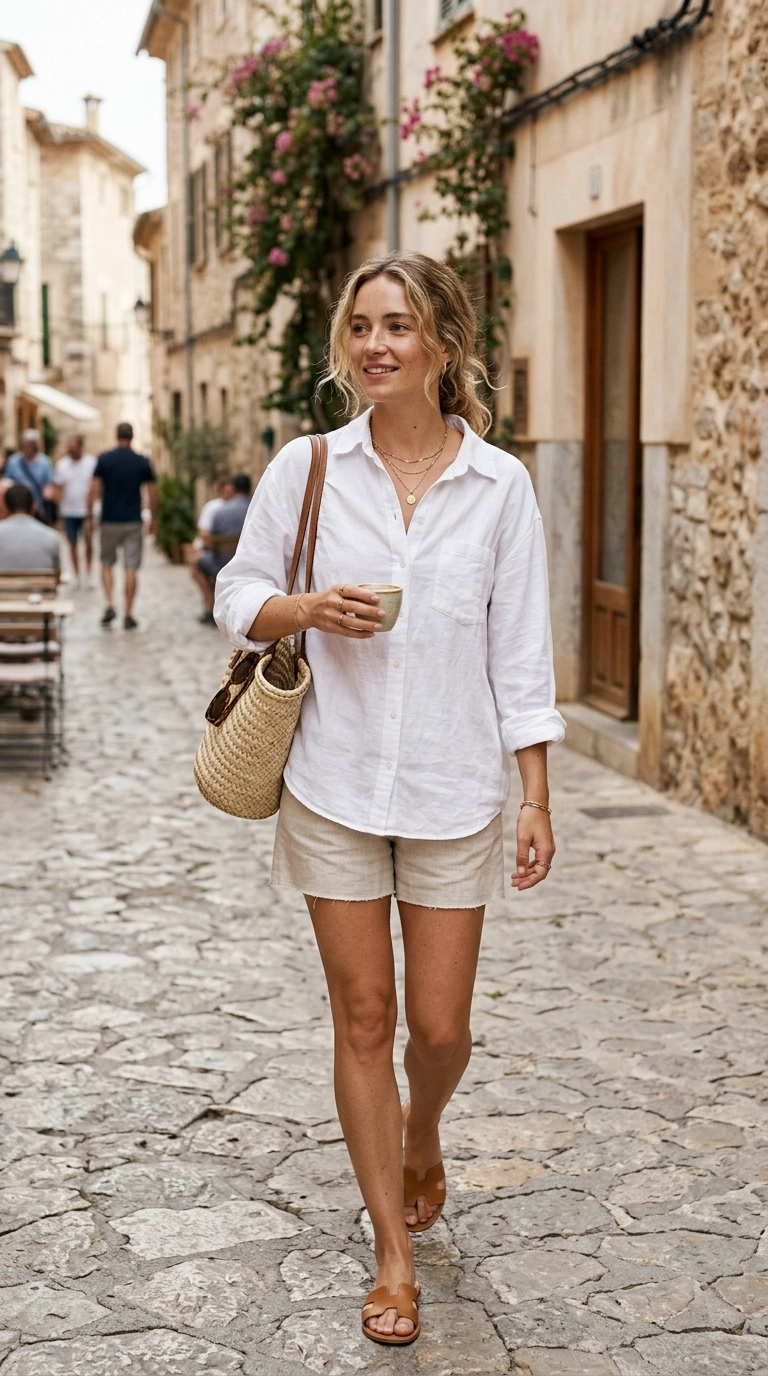
Dark colors like navy and black naturally absorb more UV rays, but the mistake is amplified when those colors are dyed into synthetic fabrics. The combination creates a double-hit of heat absorption and zero ventilation.
When the sun hits a black polyester shirt, the fabric temperature can rise significantly higher than the ambient air. This heat is then transferred directly to your skin with no way for the warmth to escape the tight weave.
Instead, choose lighter hues in natural fibers like organic cotton or hemp to reflect heat away from your body. If you must wear dark colors, ensure the fabric is a very loose weave linen to compensate for the heat absorption.
The Science of Reflection
Lighter colors like crisp white, ecru, and soft pastels do more than just look “summery.” They actively reflect the sun’s energy, keeping the surface temperature of your clothing much lower.
Pairing these light colors with open-weave structures creates a personal cooling system. You will notice an immediate difference in your stamina during outdoor events simply by making this color swap.
4. Body-Con Spandex: Friction and Moisture Retention
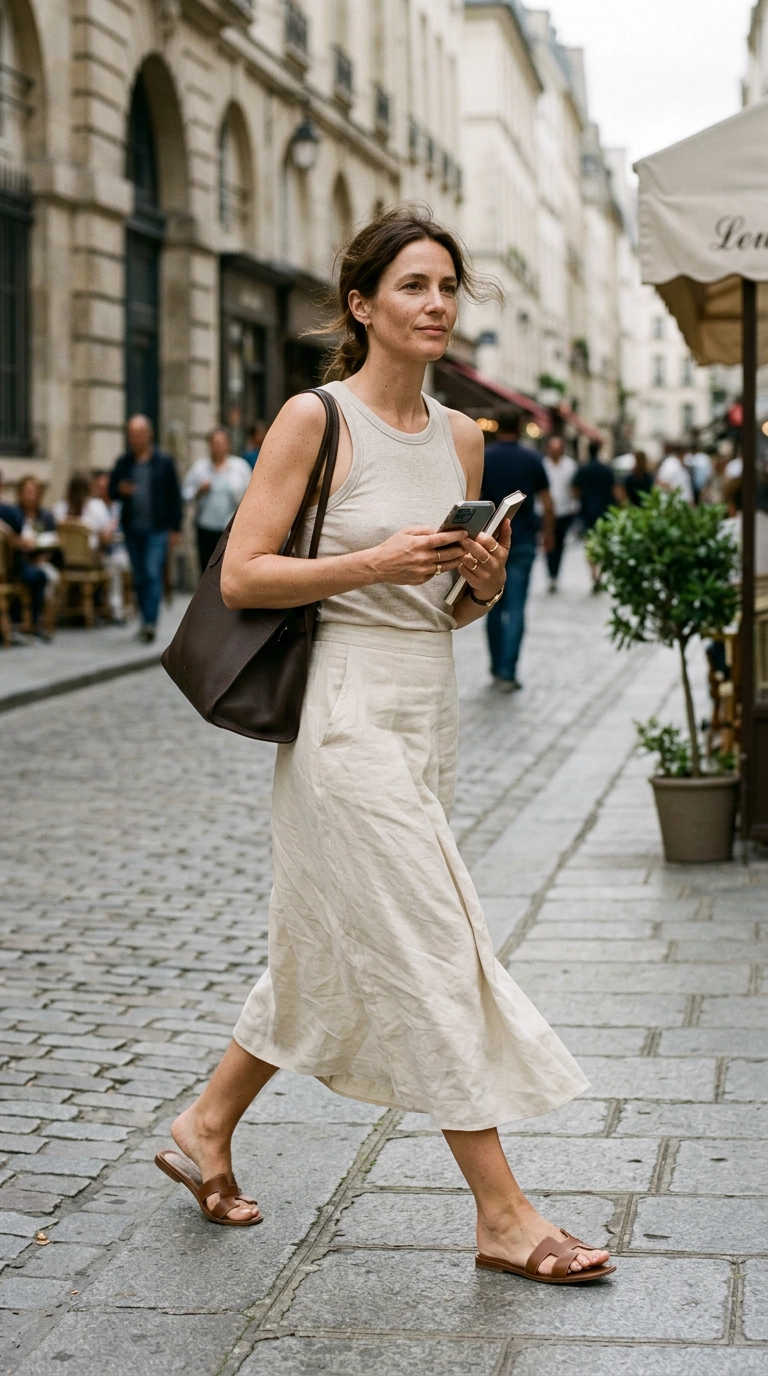
Tight-fitting clothes made with high spandex or nylon content are notorious for causing skin irritation in the heat. These fabrics sit too close to the skin, creating friction and trapping sweat in areas that are prone to heat rashes.
Summer elegance is found in the space between the fabric and your skin. Choosing a relaxed silhouette allows for air to circulate around your body, facilitating the natural evaporation of sweat.
Look for “oversized” or “relaxed” fits in your favorite summer staples. This not only looks more high-fashion and editorial but also keeps you significantly drier throughout the day.
The Chimney Effect
When you wear loose clothing, you create a “chimney effect” where hot air rises and escapes through the neck and armholes. Tight clothing destroys this natural cooling process and forces your body to work harder to stay cool.
Designers often use darts and clever tailoring to give loose garments shape without them clinging to your midsection. Seek out these structural details to maintain your silhouette while staying comfortable.
5. The Low-Quality Rayon Deception: The Fabric That Gets Heavy
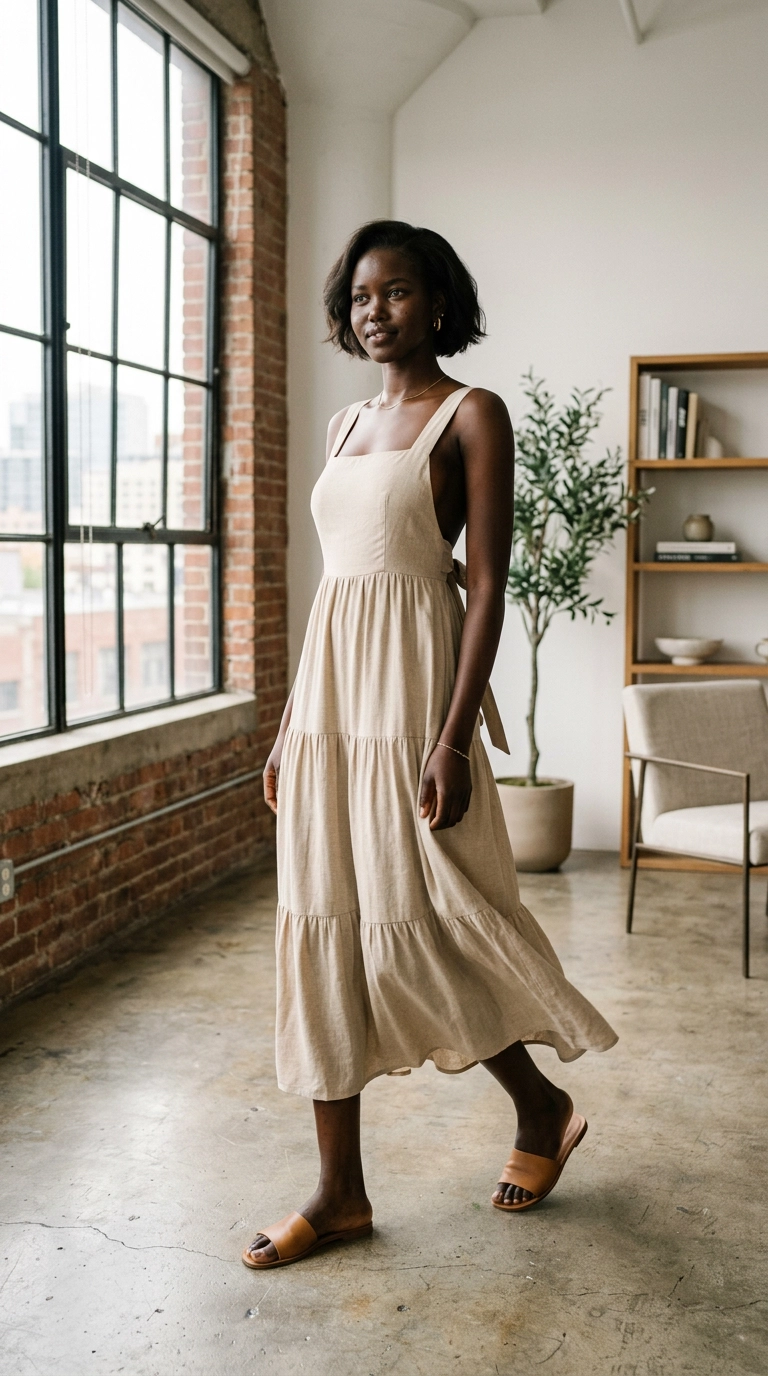
Rayon is often marketed as a “cool” fabric, but cheap versions are highly absorbent without being quick-drying. Once you start sweating, the fabric becomes heavy, limp, and clings to your body in an unflattering way.
This creates a cold, damp sensation that feels uncomfortable the moment you step into air conditioning. Low-quality rayon also tends to shrink or lose its shape when exposed to moisture and heat.
Instead, look for Tencel or high-grade Viscose which are engineered to handle moisture much more efficiently than standard rayon. These fabrics maintain their structure and drape even when the humidity levels are soaring.
| Fabric | Moisture Handling | Durability |
|---|---|---|
| Cheap Rayon | Absorbs but stays wet | Low (shrinks easily) |
| Tencel (Lyocell) | Wicks moisture away | High (retains shape) |
| Linen | Dries almost instantly | Very High |
Stop settling for clothes that make you feel miserable in the sun and start investing in the textiles that work with your body. By avoiding these five common fabric mistakes, you will transform your summer experience into one of effortless, sweat-free style.