10 Layering Fall Fashion Mistakes Ruining Your Vibe
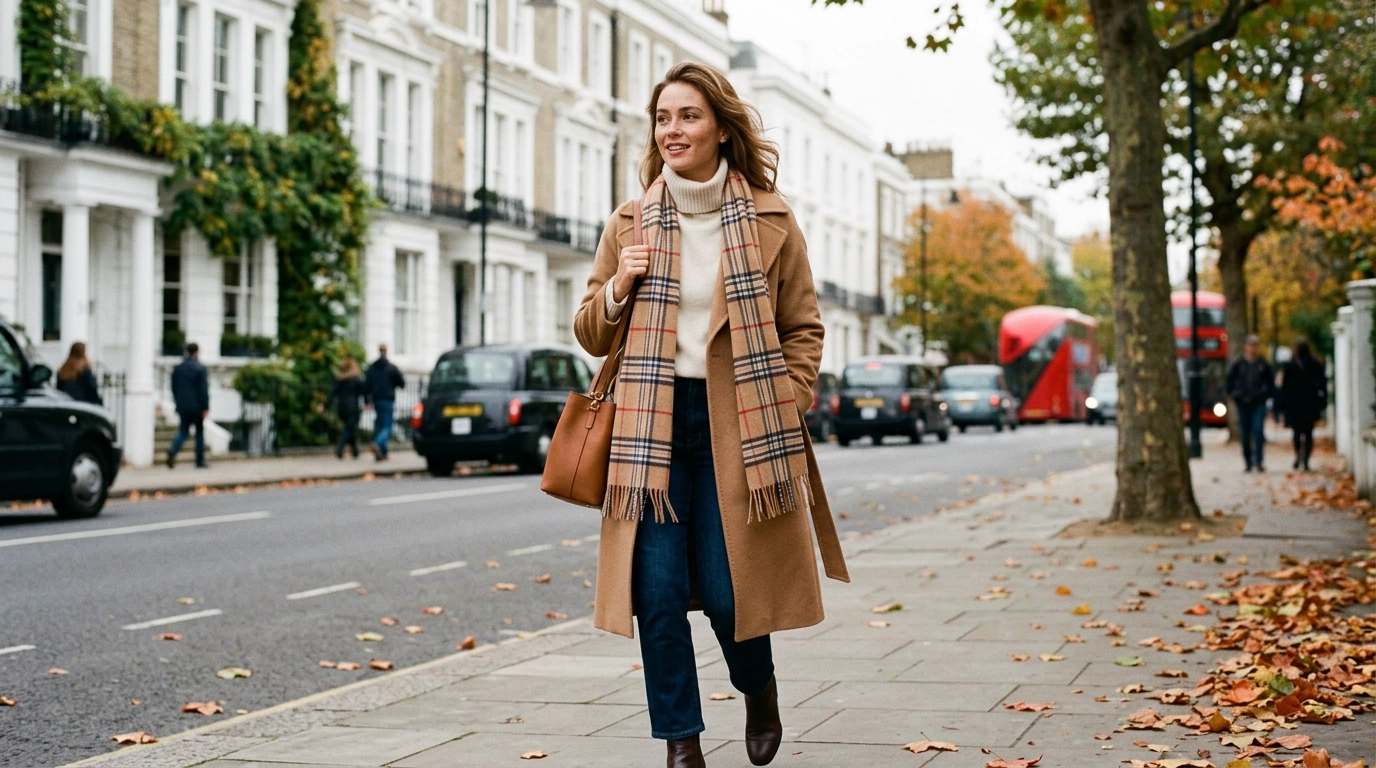
Fall layering is an art form that often feels like a puzzle with missing pieces. You start with a vision of effortless chic but frequently end up feeling bulky and uncomfortable before you even leave the house.
Your wardrobe holds the potential for incredible style, but specific pitfalls are quietly sabotaging your daily confidence. It is time to stop guessing and start building outfits that feel as good as they look in the mirror.
We are breaking down the specific errors that make your outfits feel cluttered so you can master the seasonal transition with ease. Prepare to refine your aesthetic and reclaim your style with these simple, high-impact adjustments.
1. Losing Your Shape in Oversized Proportions
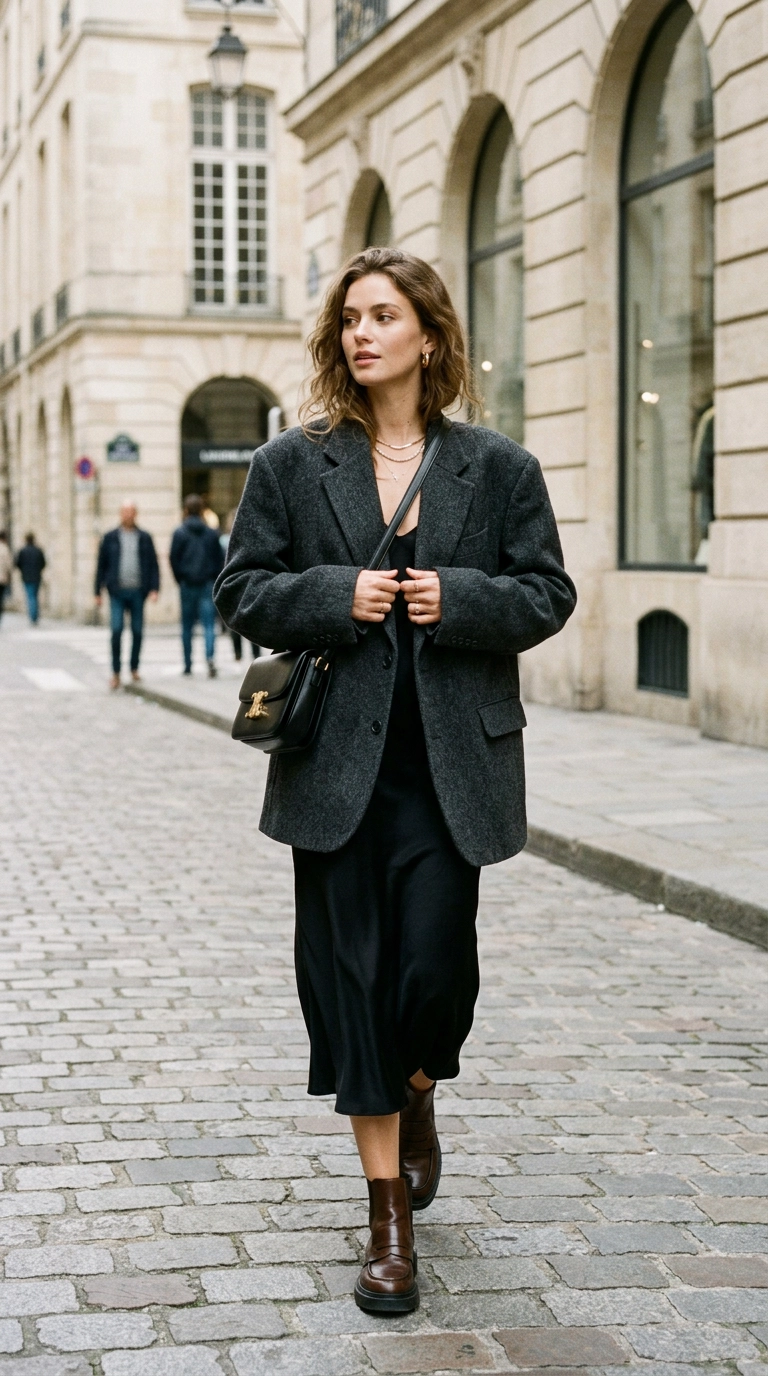
Wearing loose pieces on top of other loose pieces is the fastest way to drown your frame. While the oversized look is popular, it requires a careful balance of volume to remain intentional and polished.
Try pairing a voluminous knit with slim-fit trousers or a structured skirt to maintain a clear silhouette. This contrast ensures you look styled rather than just covered up by excess fabric.
When both your top and bottom layers lack structure, your body’s natural lines disappear completely. Aim for at least one fitted element to anchor the entire outfit and provide a sense of balance.
2. Ignoring Fabric Weight and Friction
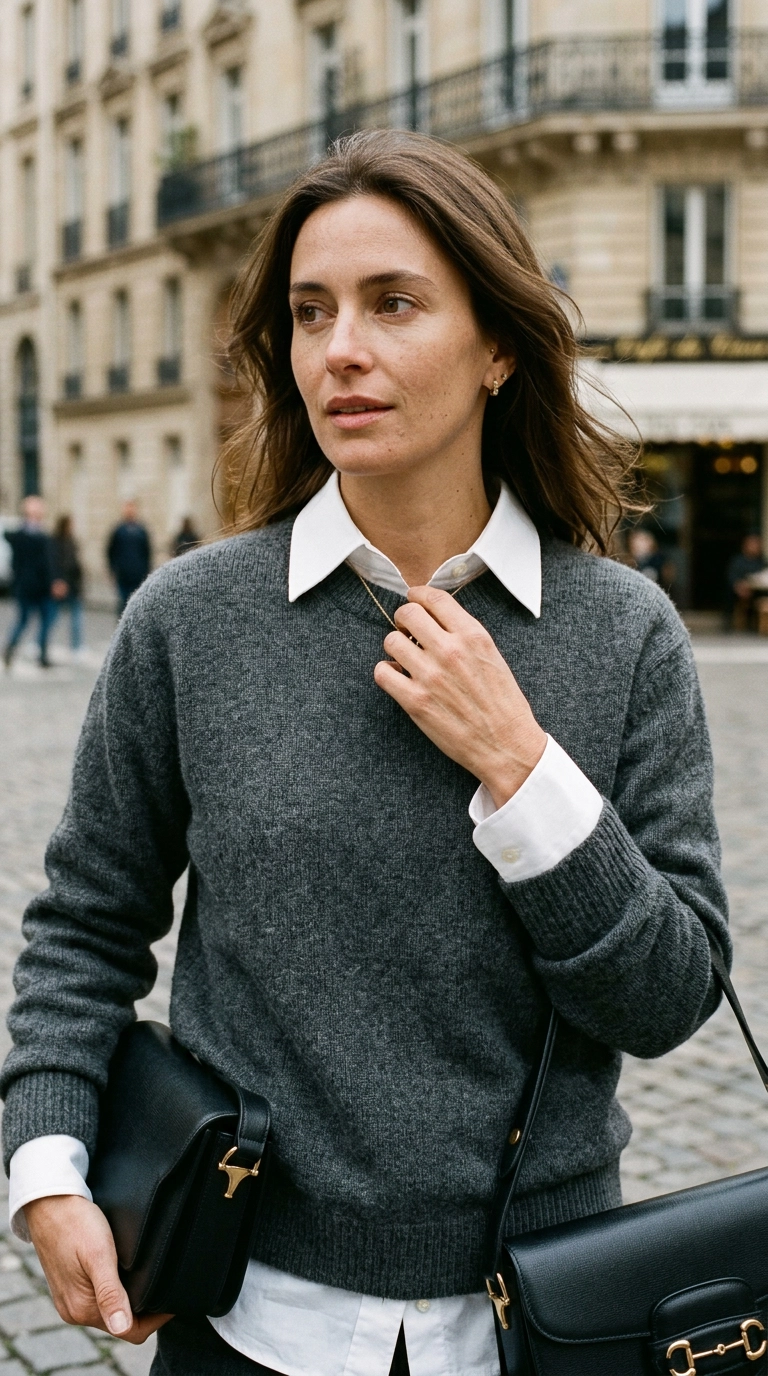
Combining two heavy fabrics like chunky wool and thick corduroy creates unnecessary bulk and restricted movement. This mistake often results in a stiff appearance that feels uncomfortable throughout the day.
The secret is to layer from thinnest to thickest, starting with lightweight silks or cottons against the skin. This progression allows garments to glide over each other without bunching or creating odd lumps.
Pay attention to how fabrics interact; a sticky wool sweater over a flannel shirt will often ride up. Choose smooth base layers like mercerized cotton or modal to ensure your outer pieces hang correctly.
3. The Hidden Waistline Disaster
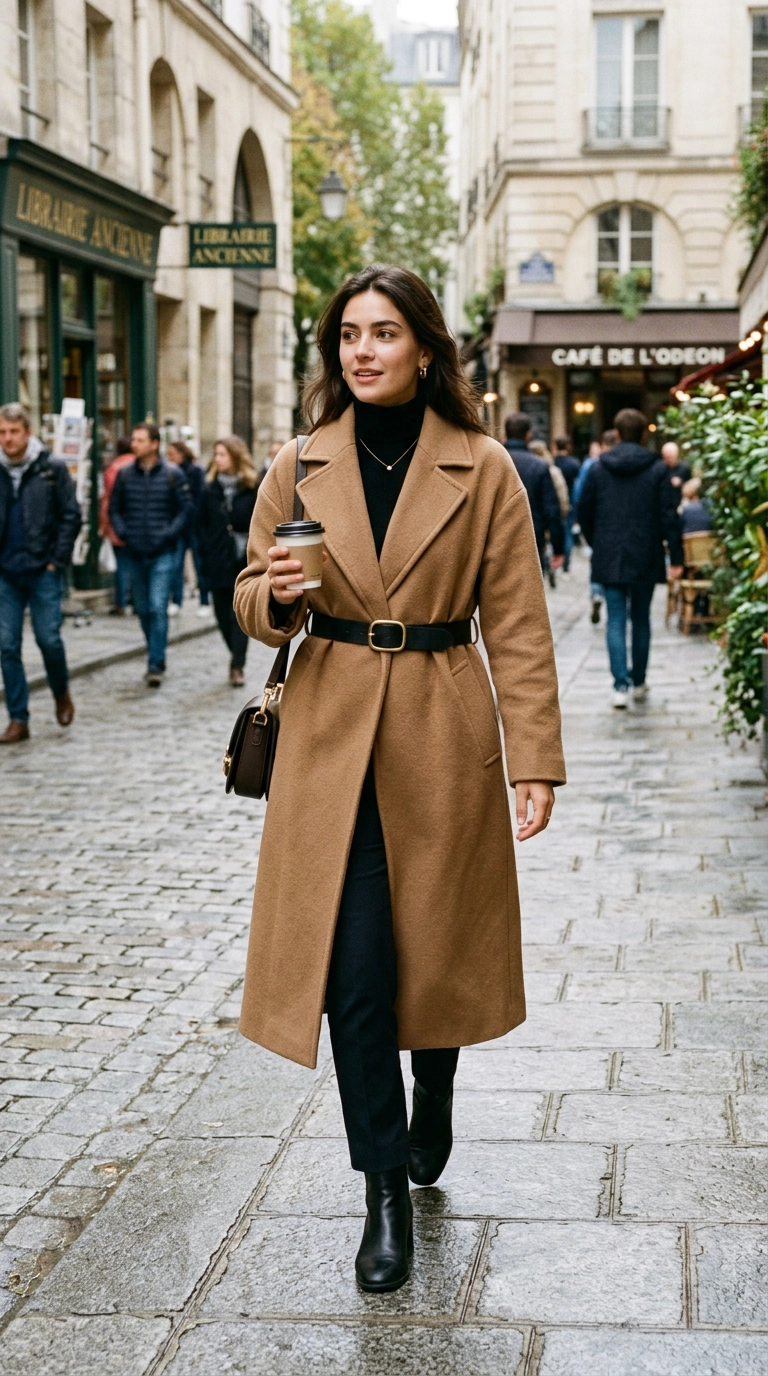
Many people forget to define their waist when adding multiple layers, leading to a boxy and unflattering shape. Even the most expensive coats can look sloppy if they swallow your midsection entirely.
Use a belt to cinch your outer layer or half-tuck your sweater to reveal where your waist begins. This small adjustment creates a focal point and prevents the “Michelin Man” effect often seen in cold weather.
If you prefer a loose coat, keep the layers underneath tucked in or fitted to show the narrowest part of your body. This visual cue helps the eye process your shape even under heavy winter gear.
4. Neglecting the Importance of Necklines
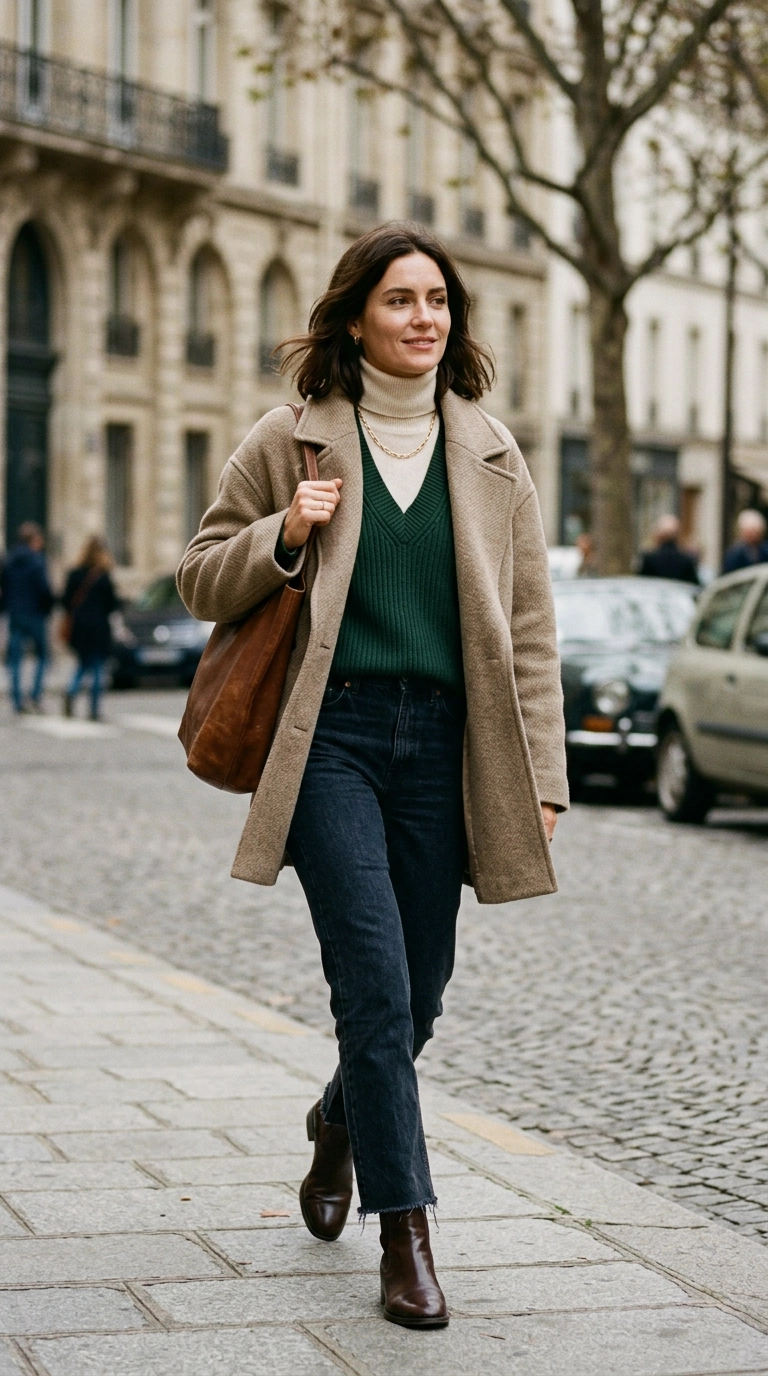
Clashing necklines can make an outfit look chaotic and unplanned. Forcing a high-collared shirt under a crew neck sweater often results in a messy, crowded look around the throat.
Try a turtleneck under a deep V-neck or an unbuttoned shirt under a round-neck knit for a cleaner transition. Thoughtful neckline layering draws attention to the face and adds a sophisticated touch to the ensemble.
Ensure that each layer is visible but not competing for space. If your scarf is heavy, opt for a simpler collar underneath to avoid overwhelming your upper body.
5. Mismatched Sleeve Lengths
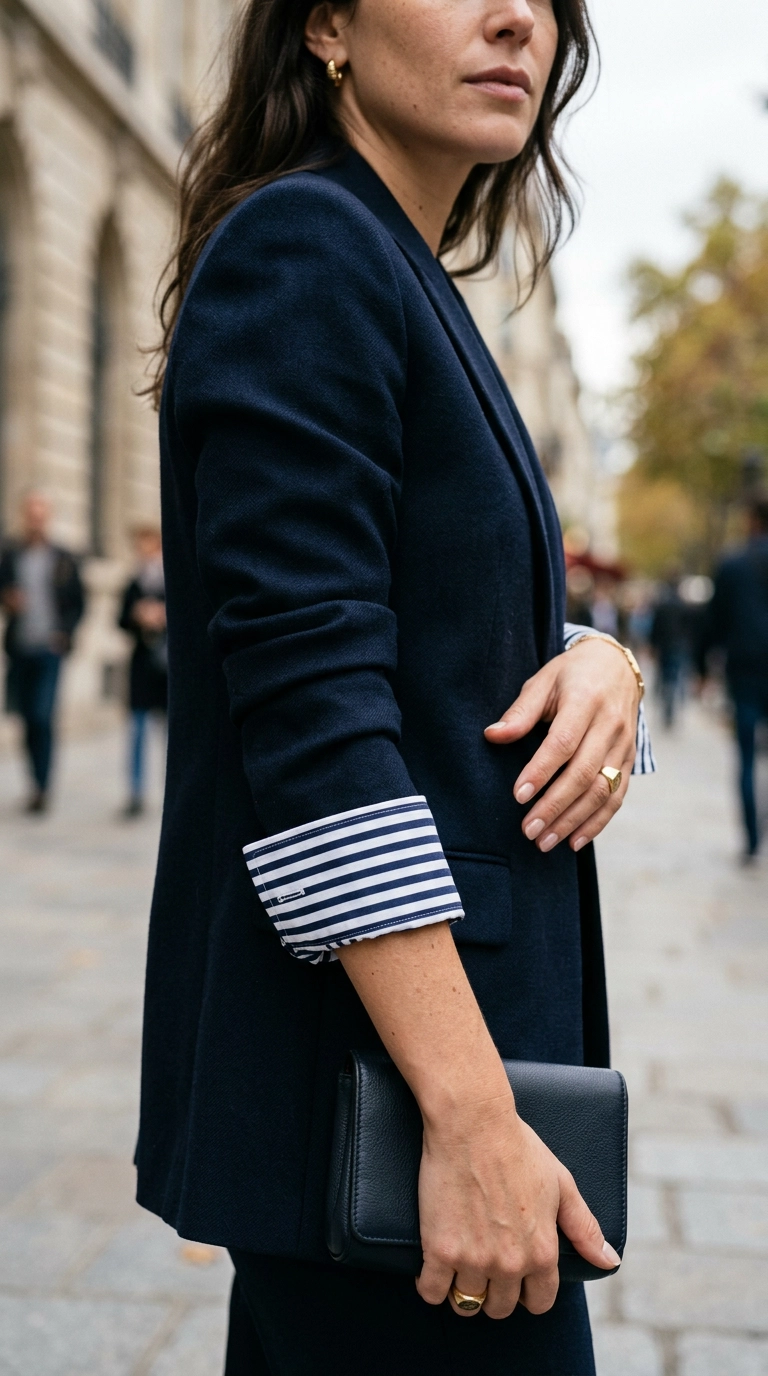
Sleeves that are too long or too short for the layers above them create a disheveled appearance. Seeing a bunch of crumpled fabric at the wrist is a tell-tale sign of a layering error.
The inner layer should either be completely hidden or intentionally peeking out by about half an inch. If your sweater sleeves are longer than your coat, fold them back neatly over the coat cuff for a purposeful look.
Check your range of motion before leaving the house to ensure your sleeves stay in place. Using sleeve garters or a simple fold can keep everything aligned and looking sharp.
Recommended Sleeve Layering Guide
| Base Layer | Outer Layer | Styling Tip |
|---|---|---|
| Long Sleeve Cotton Tee | Leather Jacket | Hide the tee cuff completely. |
| Oversized Button-Down | Crew Neck Sweater | Expose the shirt cuff and fold it back. |
| Fine Knit Turtleneck | Wool Blazer | Let the turtleneck sleeve show slightly. |
6. Over-Coloring the Palette
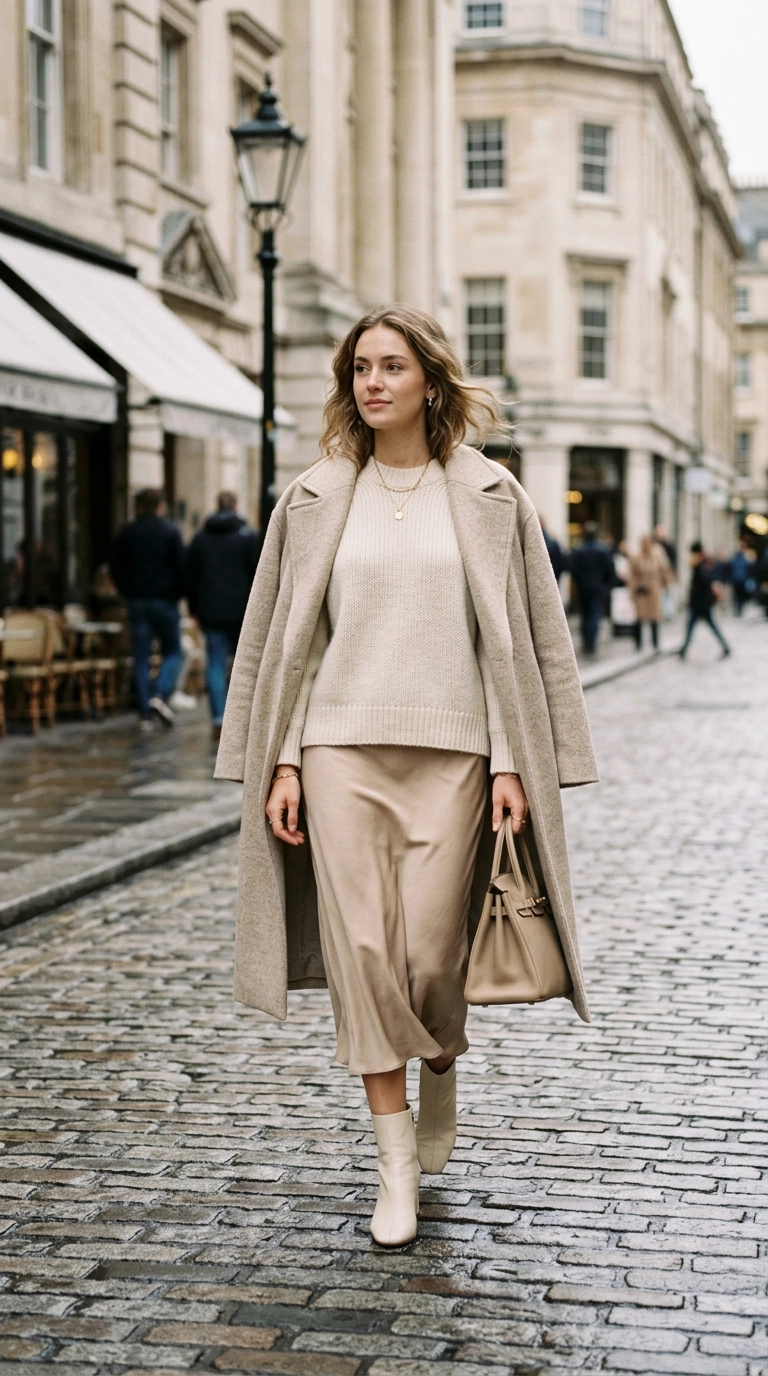
Using too many bold colors in one layered outfit can look frantic rather than fashionable. Fall fashion thrives on a cohesive color story that feels grounded and sophisticated.
Stick to a maximum of three colors, or experiment with different shades of the same neutral tone. Tonal layering—mixing beige, cream, and tan—is an easy way to look expensive and put-together.
If you want to use a bright color, keep it as the focal point and surround it with muted tones. This prevents the different layers from fighting for attention and ruining the overall vibe.
7. Forgetting the Hemline Hierarchy
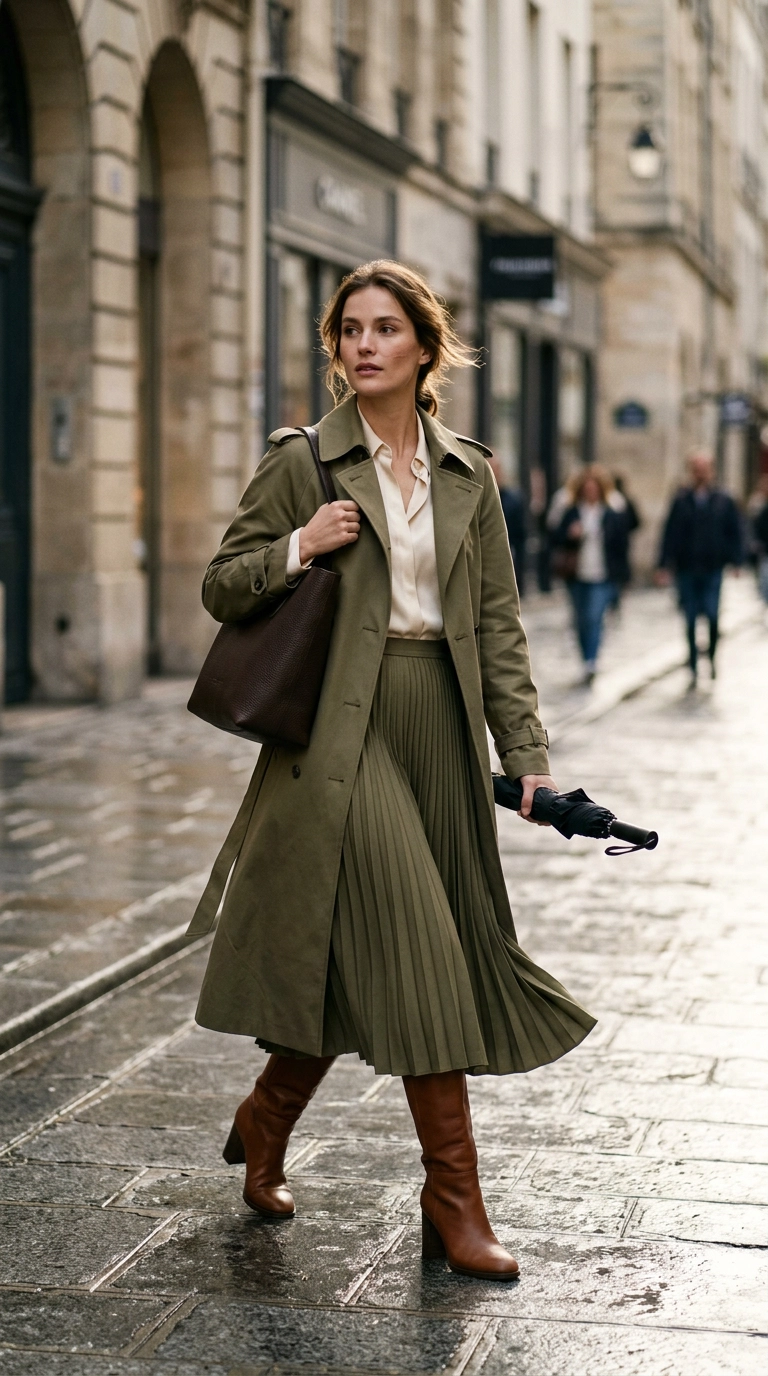
Hemlines that end at awkward, competing lengths can visually shorten your legs. A long shirt peeking out from under a short jacket often creates a messy horizontal line across the hips.
Aim for your layers to either match in length or for the inner layer to be significantly shorter than the outer one. This creates a long, lean line that is much more flattering for all body types.
When wearing a skirt, ensure your coat is either the same length or longer than the hemline. This creates a unified look that feels intentional and high-end.
8. Visible Bulge from Improper Tucking
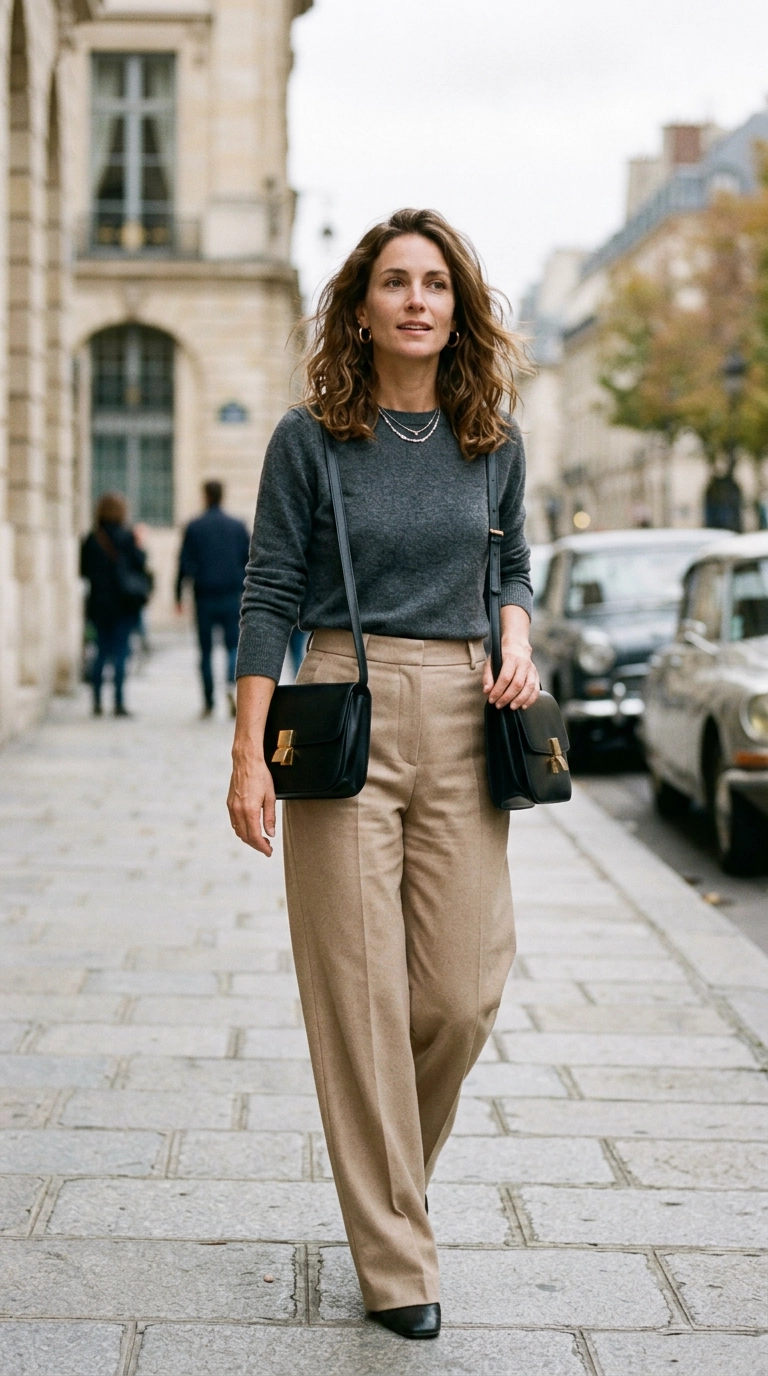
Tucking a thick sweater into tight jeans creates a lumpy midsection that ruins the flow of your outfit. This bulk is distracting and often makes perfectly good clothes look ill-fitting.
Use the “French tuck” or tuck your sweater into your bra band to create the illusion of a tuck without the extra fabric. For thinner layers, ensure they are pulled flat against the body before zipping your bottoms.
Choosing bodysuits as base layers is a professional trick to maintain a seamless look. This ensures your outfit remains crisp and smooth, no matter how many pieces you add on top.
9. Mismatched Footwear Weight
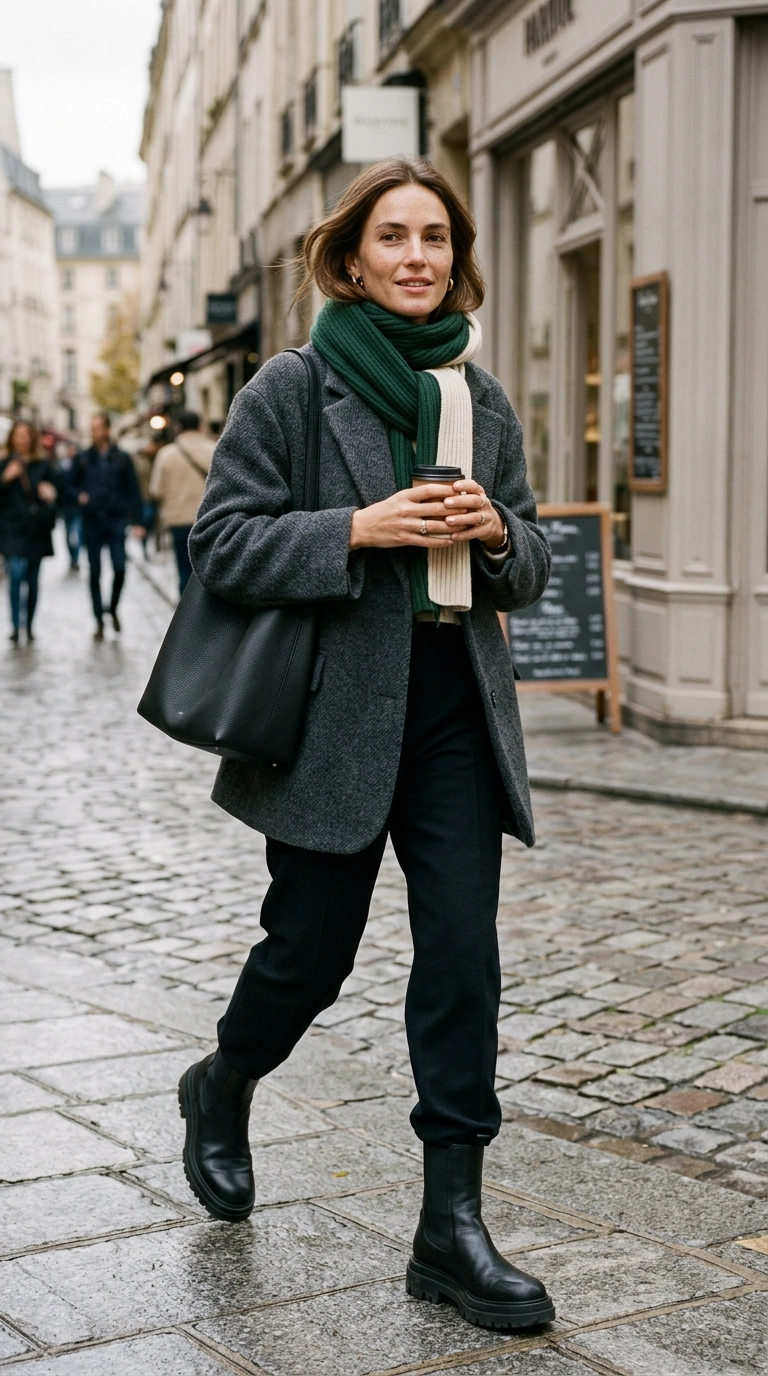
Pairing a heavy, multi-layered upper body with dainty, thin-soled shoes creates a top-heavy appearance. Your footwear must have enough visual “weight” to support the bulk of your fall clothing.
Switch out flat ballet flats for loafers, boots, or sneakers with a more substantial sole. This balances the silhouette and makes the entire outfit feel anchored and proportional.
Consider the texture of your shoes as well; suede and leather pair much better with heavy knits than canvas. Matching the seasonal vibe of your footwear to your layers is essential for a cohesive look.
10. Over-accessorizing the Bulk
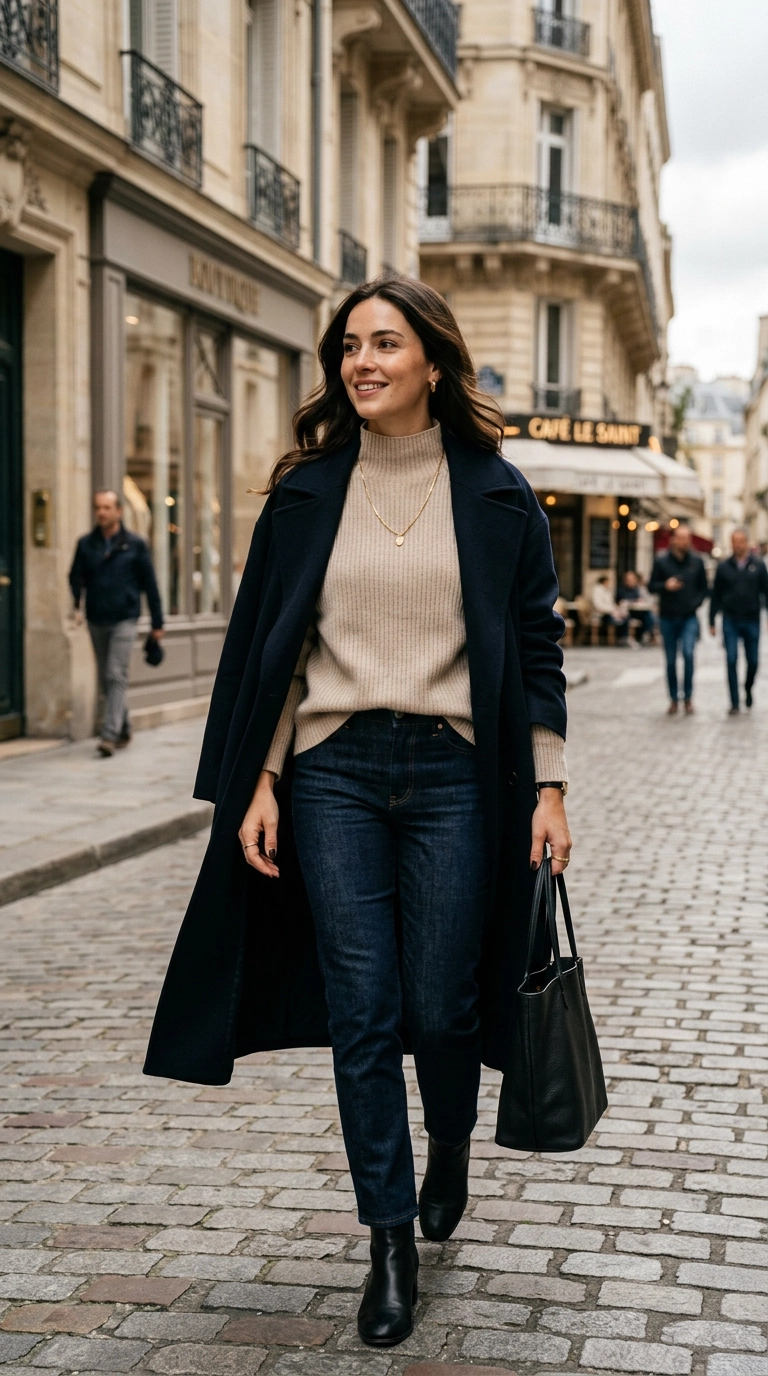
Adding a massive scarf, a floppy hat, and heavy jewelry to a layered outfit can lead to visual overload. When you have multiple garments on, the clothes themselves act as the primary interest.
Choose one “hero” accessory and keep the rest minimal to avoid looking like you are wearing a costume. If you are wearing a statement scarf, skip the large earrings or chunky necklace.
Modern style is often about what you can take away rather than what you can add. Focus on the quality of your layers and let the textures do the heavy lifting for your aesthetic.
Fall Layering Quick-Check List
- Is there a clear balance between oversized and fitted pieces?
- Are the fabrics moving freely without creating friction?
- Can you see a defined waistline or a clear silhouette?
- Do the necklines sit neatly without crowding the face?
- Is the color palette cohesive and limited to a few tones?
Mastering the art of fall layering is a simple way to make your existing wardrobe feel new and expensive. By avoiding these common mistakes, you ensure that every outfit you wear is a reflection of your personal style and attention to detail. Start experimenting with these rules tomorrow morning and watch how your confidence transforms along with your look.