How to Style a Short Wolf Cut for Effortless Texture and Volume?

The short wolf cut has quickly become a favorite for anyone wanting a mix of edgy mullet vibes and soft, shaggy layers. It offers a unique silhouette that focuses on volume at the crown and tapered, flicky ends that frame the face perfectly. If you have recently taken the plunge and chopped your hair into this style, you might be wondering how to recreate that messy, “cool-girl” aesthetic at home without spending hours in front of the mirror.
This haircut is surprisingly versatile and works with almost every hair texture, from pin-straight to tight curls. The magic lies in how you emphasize the layers, as the right styling routine can turn a flat haircut into a high-fashion statement. Whether you prefer a polished look for the office or a gritty, lived-in texture for the weekend, mastering a few simple techniques will help you make the most of your new layers.
I have put together this guide to help you navigate the world of sea salt sprays, flat irons, and diffusers specifically for the short wolf cut. We will look at different methods for styling, from quick air-dry routines to more structured heat-styling sessions. By the end of this post, you will feel confident managing your fringe and layers to ensure your hair looks intentional and stylish every single day.
The Foundation: Choosing the Right Products for Your Layers
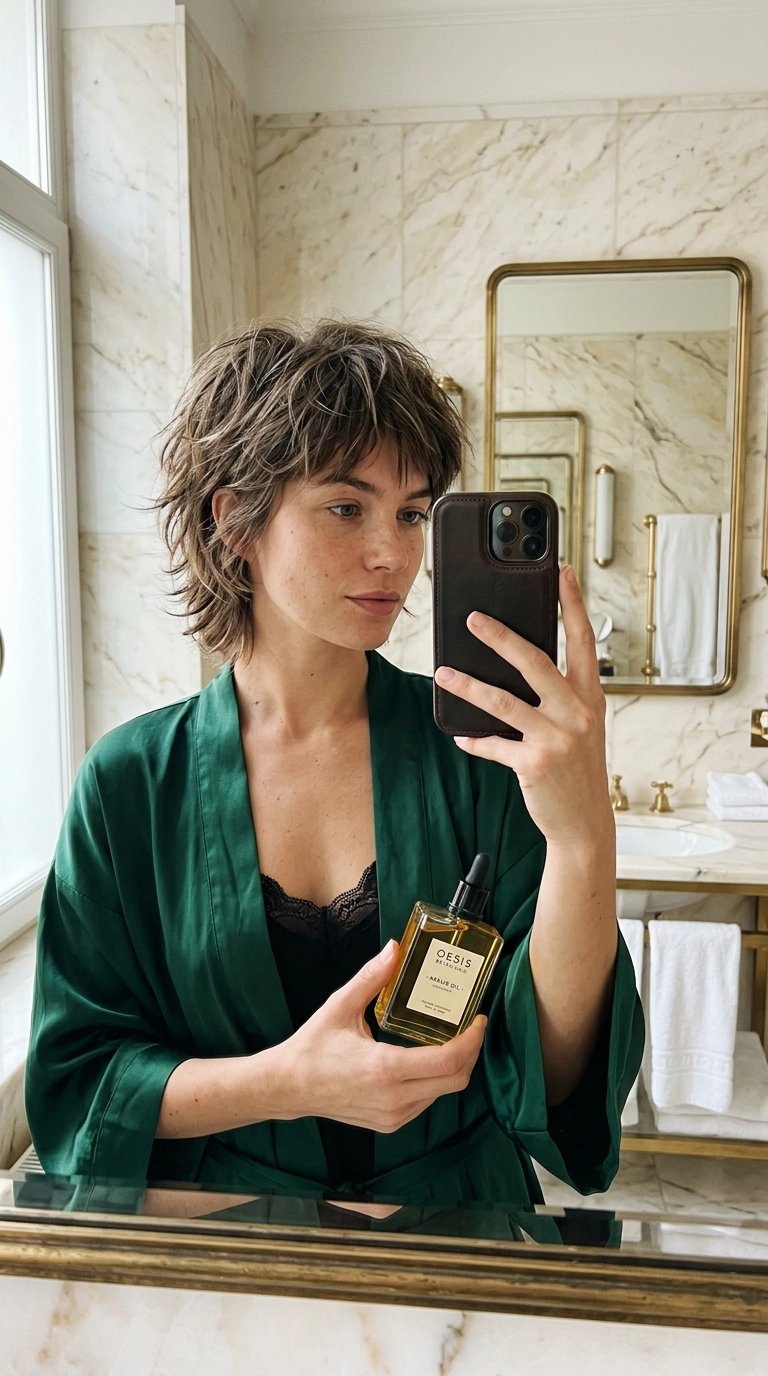
A short wolf cut relies heavily on movement, and that movement starts with the products you use before you even pick up a brush. Because this cut features a lot of internal thinning and jagged layers, heavy creams or silicones can weigh the hair down and make it look limp. Instead, focus on lightweight formulas that provide “grip” and lift at the root.
For fine hair, a volumizing mousse is your best friend when the hair is still damp. It provides a structural base that helps the layers stand out rather than blending together. If you have thicker or coarser hair, a light leave-in conditioner or a smoothing balm can help define the ends without sacrificing the natural volume at the crown.
Once your hair is dry, texturizing products become the star of the show. A dry matte pomade or a texture spray can be worked through the ends to create that signature piecey look. This prevents the hair from looking like a solid “helmet” and instead allows the wind to move through the layers, which is the hallmark of a successful wolf cut.
Recommended Product Guide
| Hair Concern | Product Type | What It Does |
|---|---|---|
| Flat Crown | Root Lift Spray | Adds height and structure to the top layers. |
| Frizzy Ends | Lightweight Hair Oil | Smooths the “flicks” without adding weight. |
| Limp Layers | Sea Salt Spray | Creates grit and a beachy, lived-in feel. |
| Dull Texture | Dry Texturizing Spray | Provides instant volume and a matte finish. |
Mastering the Air-Dry Method for a Natural Vibe

One of the best things about a short wolf cut is that it is designed to look better when it isn’t “perfect.” Air-drying is an excellent way to lean into your natural texture while saving your hair from heat damage. The key to a successful air-dry is the “scrunch and set” technique which encourages the layers to flick outward.
Start with towel-dried hair that is still significantly damp. Apply a small amount of sea salt spray or a curl-enhancing cream from the mid-lengths to the ends. Use your fingers to scrunch the hair upward toward the scalp, holding each scrunch for a few seconds to encourage the shape to take hold.
Avoid touching your hair too much as it dries, as this is the primary cause of frizz. Once the hair is about 90% dry, you can go back in and gently shake out the roots with your fingertips to add a bit of height. This method results in a soft, ethereal version of the wolf cut that feels effortless and modern.
Step-by-Step Air-Drying
- Gently pat hair dry with a microfiber towel to avoid roughing up the cuticle.
- Mist a texturizing spray throughout the layers, focusing on the back of the head.
- Scrunch the ends with your hands to create natural waves and flicks.
- Let the hair sit undisturbed until fully dry.
- Finish with a tiny drop of oil on the very tips of the layers for shine.
Using Heat Tools to Define Face-Framing Layers
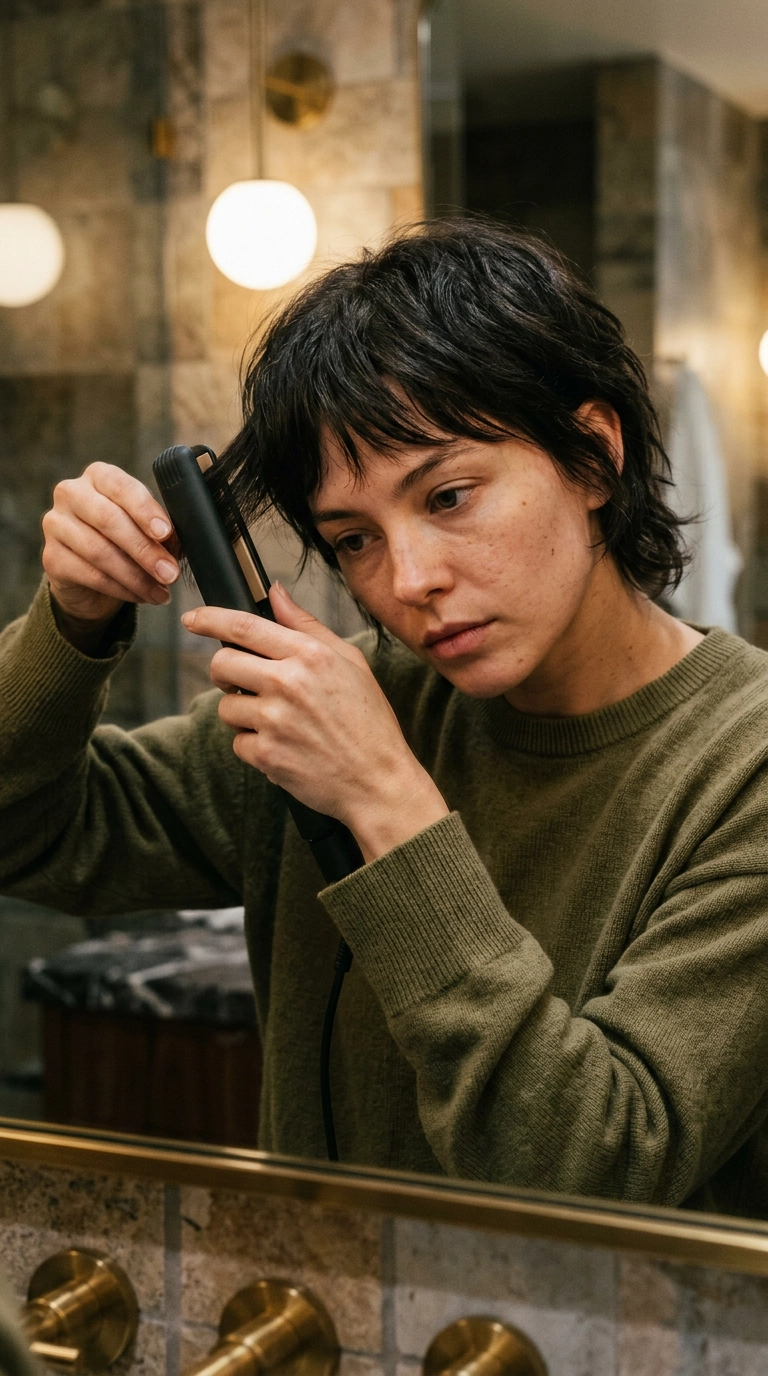
If you want a more “done” or editorial look, heat tools can help you emphasize the specific geometry of the wolf cut. A small flat iron or a narrow curling wand is perfect for manipulating the short layers around your face. The goal here is to create “C-shape” curves that direct the hair both toward and away from the face.
Take small sections of hair near your cheekbones and use the flat iron to twist the hair outward. This creates the “flicked” look that gives the wolf cut its feline, aggressive edge. For the crown, take sections of hair and pull them straight up with the iron, curving slightly at the base to create lasting volume that won’t fall flat by noon.
Always use a heat protectant spray before applying any hot tools to your hair. Short hair can show damage more easily than long hair because the ends are so close to your face. Keep the iron on a medium heat setting and move quickly through the hair to maintain a soft, touchable texture rather than a stiff, burnt appearance.
Common Heat Styling Mistakes
Many people make the mistake of curling the hair too uniformly. A wolf cut should have variety, so try alternating the direction of your flicks. Some should go toward your face, while others should wing outward toward your ears. This variety is what creates the messy, high-fashion depth the style is known for.
Another mistake is over-styling the fringe. If you have curtain bangs or a choppy fringe, try to keep the heat styling minimal. A quick pass with a round brush and a blow dryer is usually enough to give bangs the shape they need without making them look too “eighties.”
Refreshing Your Wolf Cut on Second-Day Hair

Short hair often shows oil faster than longer styles, but the wolf cut actually thrives on a bit of second-day grit. Instead of washing your hair every morning, use dry shampoo to absorb excess oils at the crown. This also adds a significant amount of “lift” that helps the top layers stay fluffy and voluminous.
If your ends have flattened out overnight, you don’t need to re-style your whole head. Simply mist the ends with a little bit of water or a refreshing spray to reactivate any product already in your hair. You can then use your fingers to pinch and twist the ends back into their flicked-out positions.
For an evening refresh, you can transition the look by using a tiny bit of hair wax or pomade to create a “wet look” or a more structured, piecey finish. Tucking one side behind your ear and slicking down the layers can instantly make the cut feel more sophisticated and intentional for a dinner date or an event.
Second-Day Toolkit
- Dry Shampoo: To remove shine and add volume at the roots.
- Water Mist Bottle: To dampen and reshape stubborn “bedhead” sections.
- Matte Wax: To define the tips of the layers and add a bit of weight.
- Wide-Tooth Comb: To gently detangle without ruining the textured shape.
Maintaining the Shape and Health of Your Cut
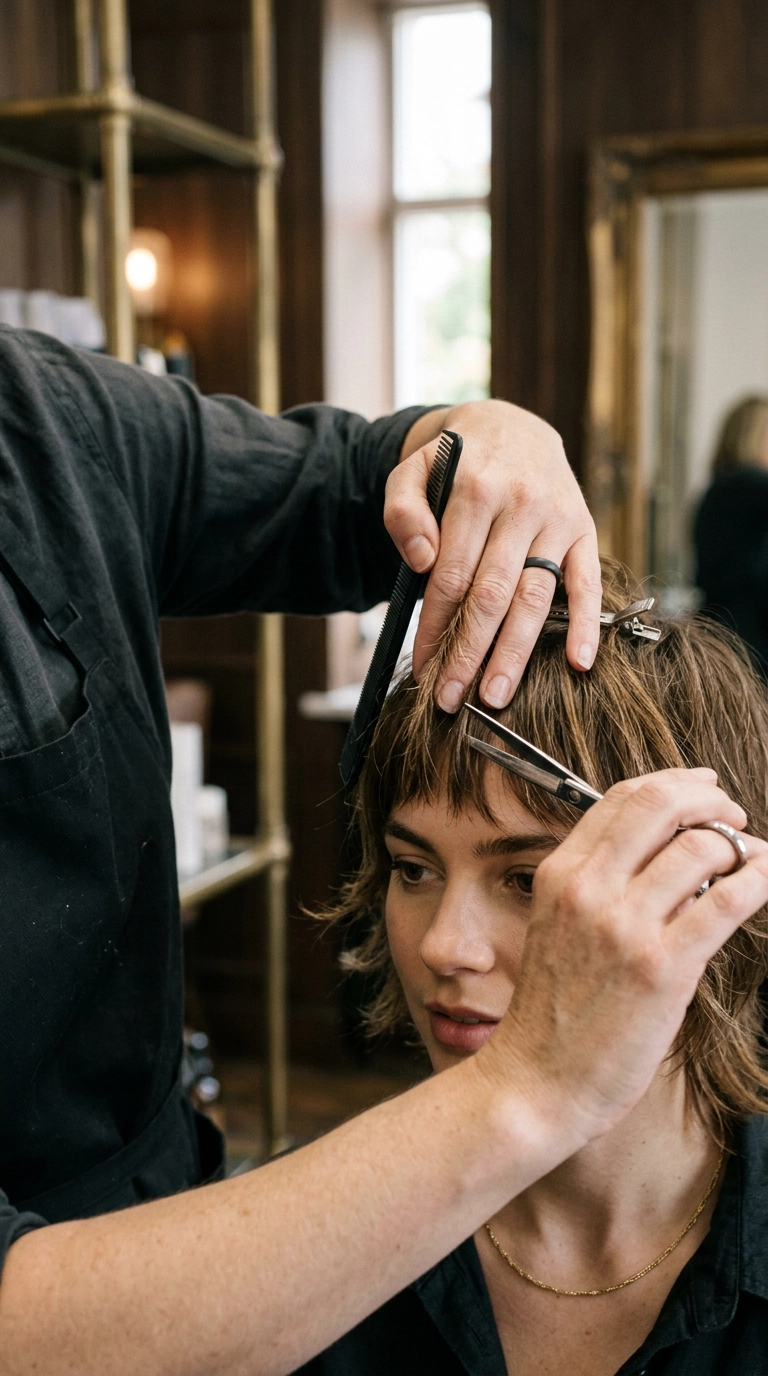
Because the short wolf cut is so technical, it requires regular maintenance to keep it looking like a wolf cut and not just an overgrown mullet. Typically, you will want to visit your stylist every 6 to 8 weeks for a “shape-up.” This involves thinning out the bulk that accumulates around the ears and neck and sharpening the layers at the crown.
In between salon visits, you can maintain the health of your hair by using a weekly deep conditioning mask. Even though you want “grit” for styling, the hair still needs internal moisture to prevent the layers from becoming brittle. Focus the mask on the ends of your hair, avoiding the roots to ensure you don’t lose that precious volume.
Pay close attention to your bangs as they grow. A wolf cut often looks best when the fringe sits just at or below the eyebrows. If you feel confident, a very light “point-cut” trim at home can help you see through your bangs until your next professional appointment, but always proceed with caution.
Questions You Might Have
Can I style a wolf cut if I have very thin hair?
Yes, the wolf cut is actually one of the best styles for thin hair. The heavy layering creates the illusion of thickness and volume. Use a thickening mousse on damp hair and focus on blow-drying the hair upside down to maximize the lift at the roots.
Is it possible to wear a hat with a short wolf cut?
Absolutely. Beanies and berets look fantastic with this cut. Let the face-framing layers and the fringe peek out from under the hat. When you take the hat off, use a bit of dry shampoo and a quick head-shake to revive the volume that might have been compressed.
How do I stop my wolf cut from looking like a 1980s mullet?
The difference between a modern wolf cut and an old-school mullet is the blending. Ensure your layers are soft and the transition from the top to the bottom is somewhat fluid. Styling with soft waves rather than tight curls also helps keep the look modern and fresh.
Final Styling Thoughts
Styling a short wolf cut is all about embracing imperfection and playing with texture. It is a haircut that celebrates movement, so do not be afraid to let a few strands fall out of place. By using the right mix of lightweight products and simple finger-styling techniques, you can achieve a look that is both edgy and wearable.
Remember that hair is an accessory that should make you feel confident. Whether you are going for a high-volume blowout or a simple air-dry, the wolf cut provides the perfect canvas for self-expression. Take your time to experiment with how your specific hair texture reacts to different products, and soon you will be able to style your layers in under ten minutes.