7 Formal Event Outfit Mistakes That Break the Dress Code
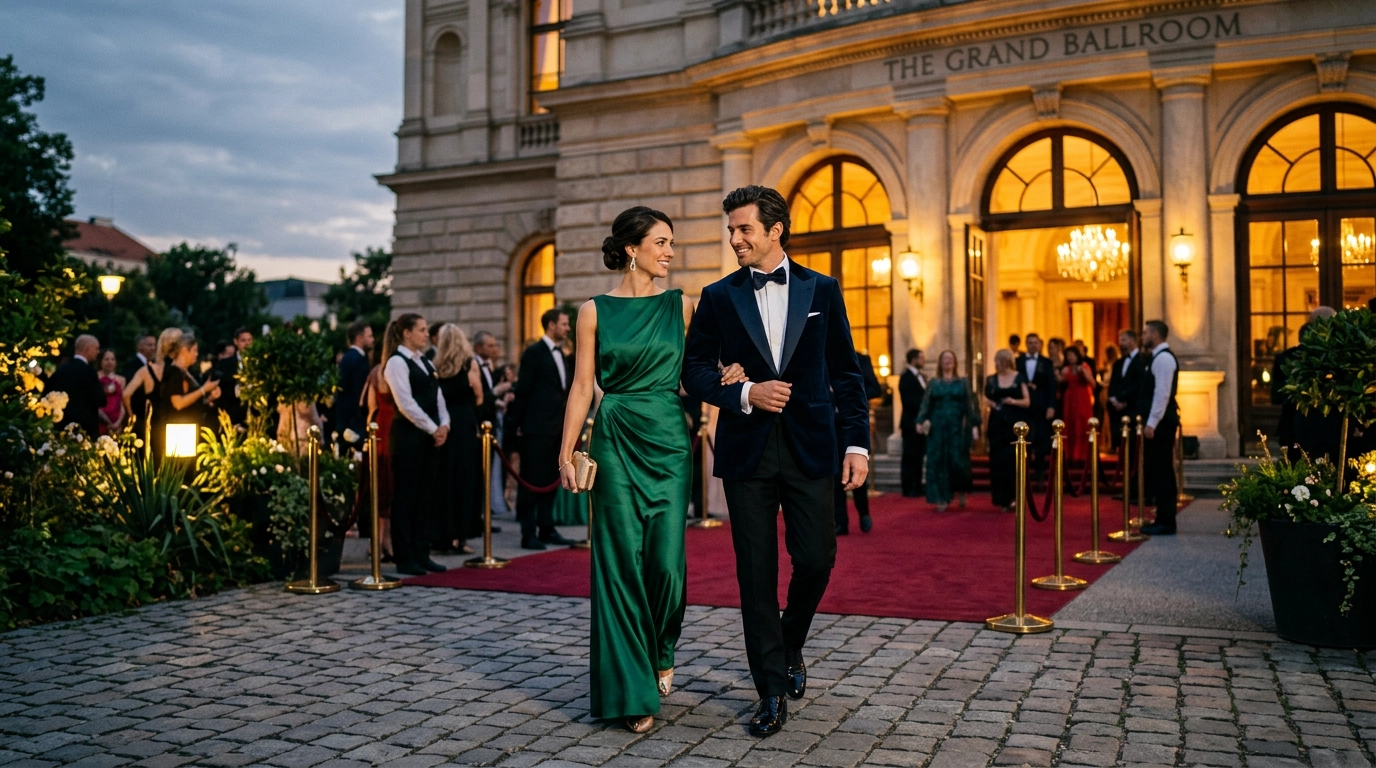
Walking into a high-stakes formal event only to realize you are the only one in a cocktail dress is a style nightmare most of us have faced. These high-profile moments require more than just a nice outfit; they demand a deep understanding of unspoken sartorial rules. When you master the dress code, you project an aura of confidence and respect for the occasion that opens doors in any room.
Navigating the nuances of “Black Tie,” “White Tie,” and “Creative Formal” can feel like decoding a complex language without a dictionary. Many professionals and socialites miss the mark by overthinking the trends and underestimating the power of classic silhouettes. This guide identifies the specific errors that can undermine your presence so you can step out with absolute certainty.
Whether you are preparing for a charity gala, a corporate ceremony, or a high-end wedding, your wardrobe choices speak before you do. Avoiding these common pitfalls ensures your look remains timeless, sophisticated, and perfectly aligned with the host’s expectations. Let’s refine your approach to formal dressing by stripping away the mistakes that hinder your personal brand.
The “Black Tie Optional” Hesitation
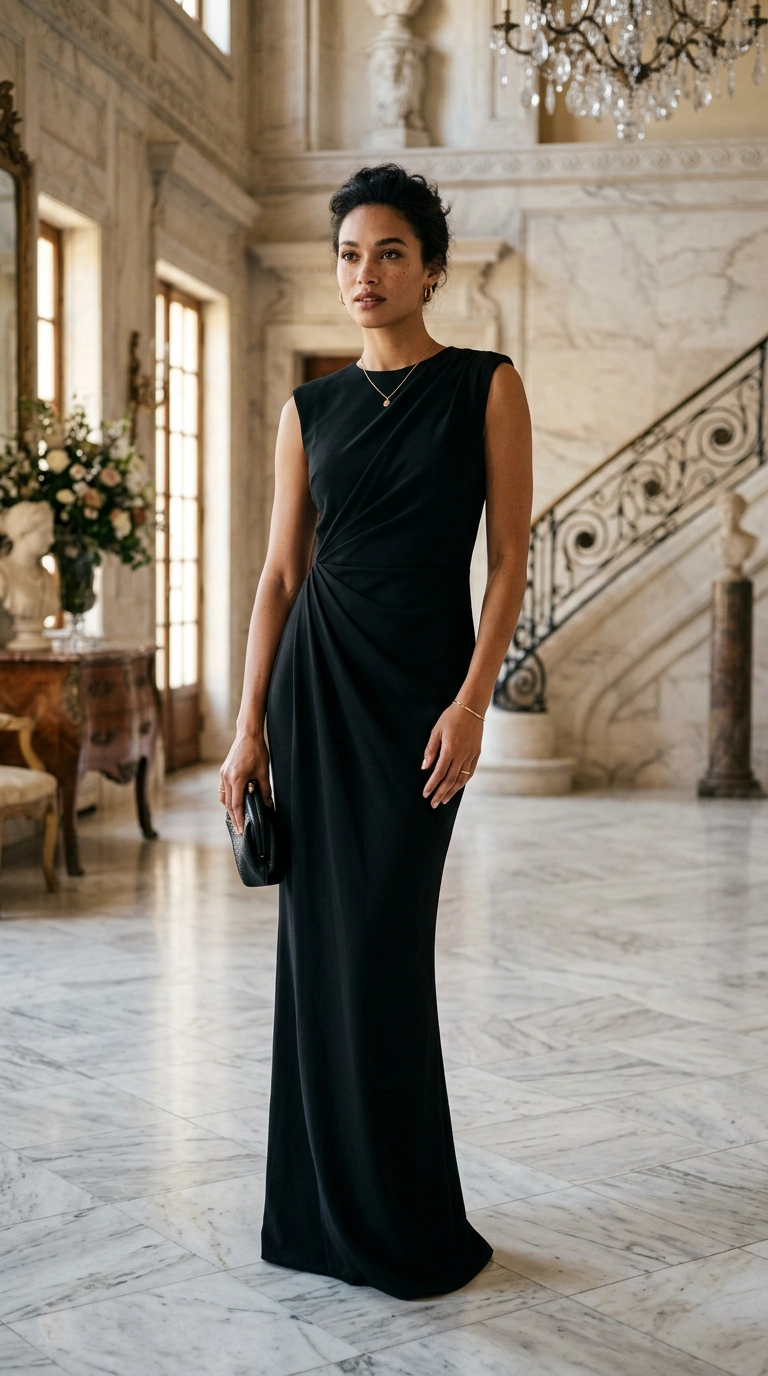
The most frequent error occurs when guests see the word “optional” and interpret it as an invitation to go casual. In the world of high-tier events, “Black Tie Optional” is a polite way of asking you to wear a tuxedo or a floor-length gown if you have one. Choosing a business suit or a knee-length sundress in this scenario often leaves you looking underdressed compared to the rest of the room.
If you find yourself stuck between two choices, always lean toward the more formal option. It is significantly more graceful to be the best-dressed person in the room than to feel like you didn’t put in enough effort. High-quality fabrics like silk, chiffon, or fine wool help bridge the gap between semi-formal and true evening attire.
Consider the following table to help you decide on your level of formality for “Optional” events:
| Element | The “Safe” Choice | The “Risky” Choice |
|---|---|---|
| Hemline | Floor-length or sophisticated midi | Above the knee |
| Suit Style | Tuxedo or dark charcoal/black suit | Light grey or tan linen suit |
| Accessories | Fine jewelry and patent leather | Casual watches and canvas belts |
Ignoring the Precision of Proper Tailoring
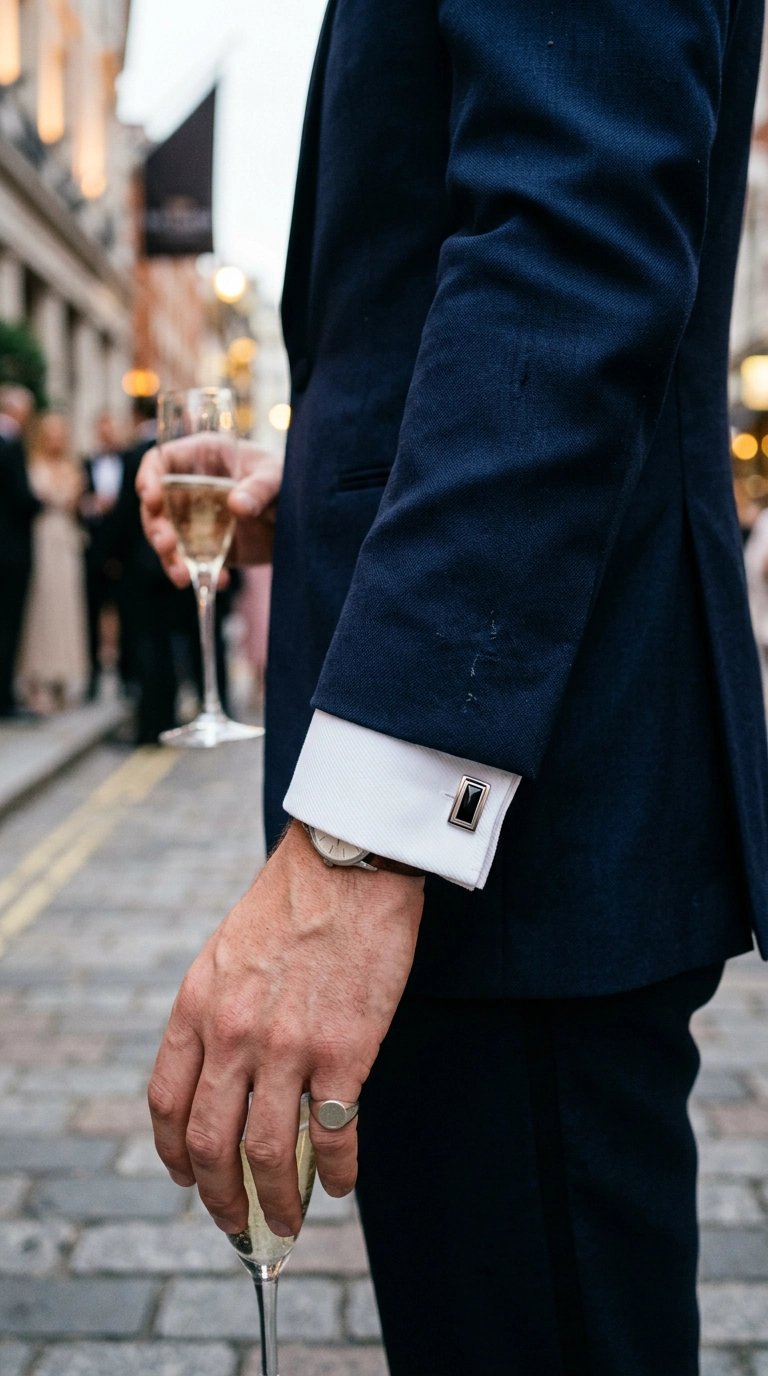
Even the most expensive designer gown or suit will look cheap if it does not fit your frame perfectly. Formal wear relies on clean lines and structured silhouettes to create that “luxury” appearance we all want. Common tailoring mistakes include trousers that bunch at the ankles or shoulder seams that hang too far down the arm.
Off-the-rack sizing is designed for a generic body type, but formal events require a custom feel. Investing a small portion of your budget into a professional tailor can make a five-hundred-dollar suit look like a five-thousand-dollar bespoke piece. Pay close attention to the waistline and the sleeve length, as these are the first things the eye notices.
Focus on these specific tailoring check-points before your next event:
- The jacket sleeve should end just above the wrist bone to show a hint of shirt cuff.
- Gown hemlines should graze the floor without causing you to trip or showing your entire shoe.
- The waist of a suit jacket should taper slightly to emphasize a structured V-shape.
- Strapless bodices must be fitted tightly enough to stay in place without needing constant adjustment.
Choosing Cheap Synthetic Fabrics for Evening Wear
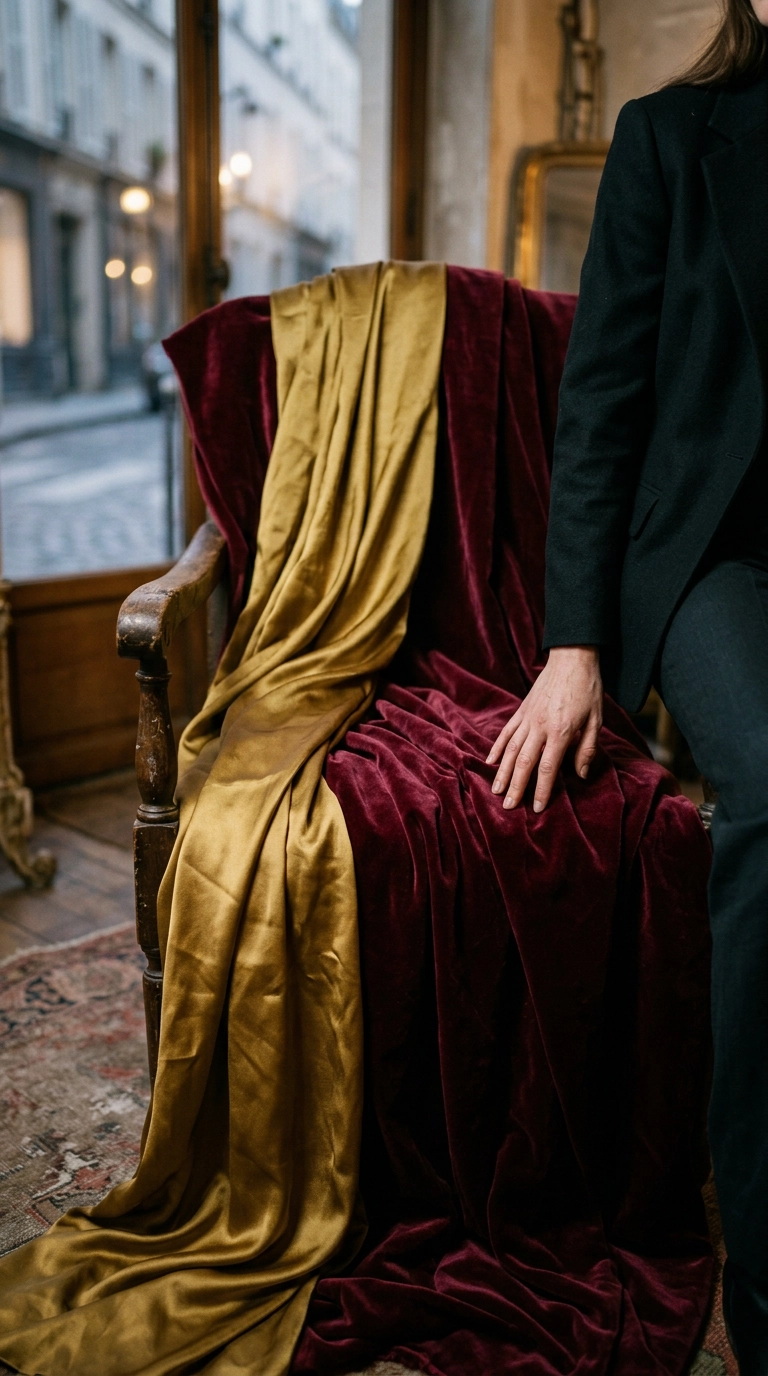
The camera flash at a formal event is unforgiving when it comes to low-quality materials. Polyester blends often have a shiny, plastic-like sheen that screams “fast fashion” and can ruin an otherwise beautiful design. Natural fibers like silk, wool, velvet, and high-end lace hold their shape better and photograph with a rich, matte finish.
Weight is another factor that distinguishes luxury garments from budget versions. A heavy silk crepe or a thick wool gabardine drapes over the body in a way that conceals imperfections and creates a smooth silhouette. When shopping, touch the fabric and check the interior labels to ensure you are investing in longevity and style.
Switching to high-quality textiles changes the entire dynamic of your outfit. Silk satin reflects light softly, while velvet adds a layer of depth and mystery to your look. These materials breathe better, ensuring you stay comfortable during long dinners and dancing without the stiff feel of synthetics.
The Mistake of Over-Accessorizing
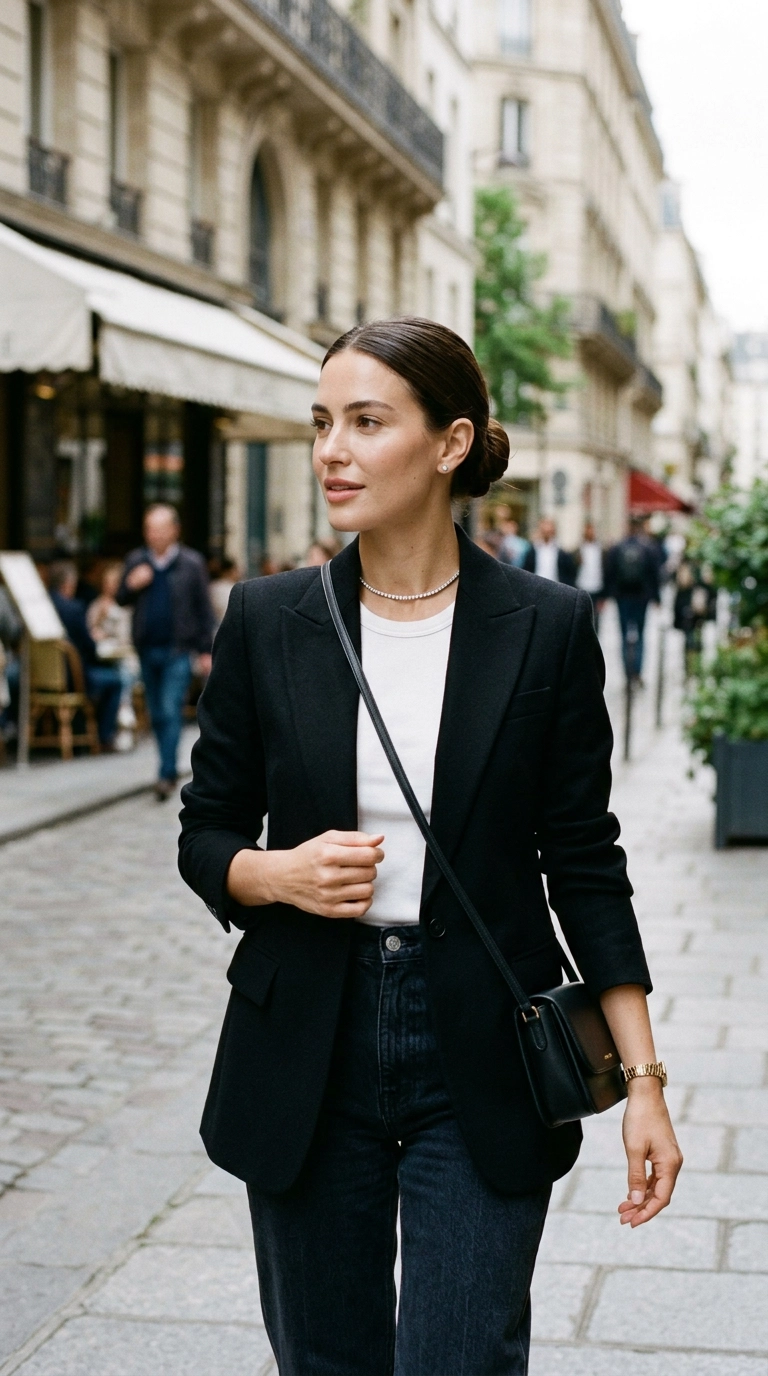
Formal events are about curated elegance, not showing off every piece of jewelry you own at once. A common error is wearing a statement necklace, large earrings, and multiple bracelets simultaneously, which creates visual clutter. This competes with the neckline of your dress or the lapel of your suit rather than enhancing it.
Choose one “hero” piece and let the rest of your accessories play a supporting role. If you are wearing bold, dangling earrings, skip the necklace entirely to keep the focus on your face. For men, a classic watch and a simple set of cufflinks are usually all that is needed to complete a formal ensemble.
Follow these accessory guidelines to maintain a high-fashion balance:
- Match your metals—gold with gold, silver with silver—to create a cohesive aesthetic.
- Ensure your clutch or evening bag is small enough to be held in one hand comfortably.
- Avoid oversized “daily” watches with rubber straps; opt for a slim leather or metal dress watch.
- Use a pocket square that complements your tie but does not match the pattern exactly.
Wearing Inappropriate or Unpolished Footwear
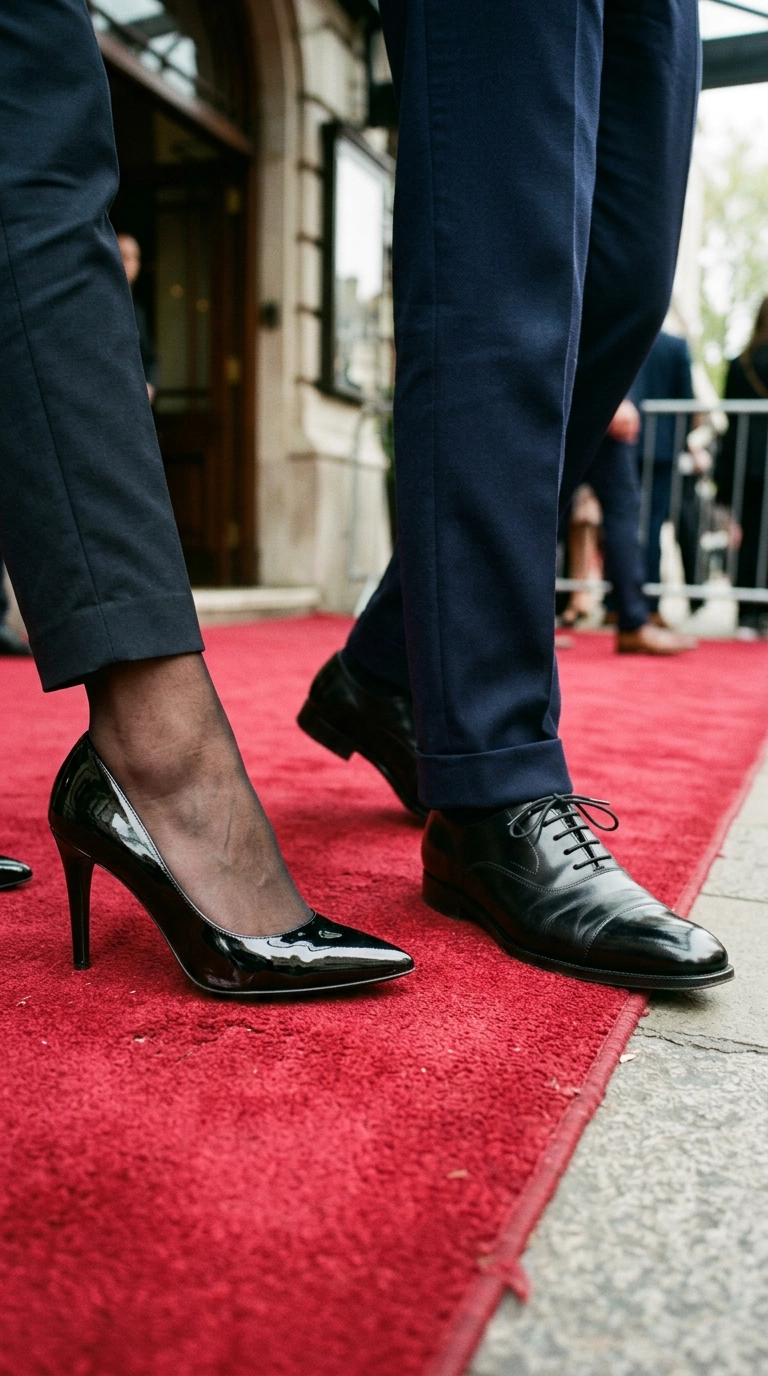
Your shoes are the foundation of your formal look, and wearing the wrong pair can break the entire dress code. Even the most expensive tuxedo is ruined by scuffed loafers or, worse, “dressy” sneakers. For women, open-toe sandals can sometimes feel too casual for a strict Black Tie event where a closed-toe pump or a sophisticated evening heel is preferred.
Condition and cleanliness are just as important as the style of the shoe itself. Before the event, check for worn-down heels or visible scuffs that need professional repair. Patent leather is the gold standard for formal events, but a highly polished calfskin is also an excellent and versatile choice.
Choosing the Right Shoe for the Code
For Black Tie, men should stick to patent leather oxfords or velvet slippers for a touch of personality. Women should prioritize comfort alongside style, as limping in painful shoes is the quickest way to lose your poise. High-quality leather soles allow for better movement and a more silent, elegant stride across the ballroom floor.
Neglecting the “Total Look” Grooming
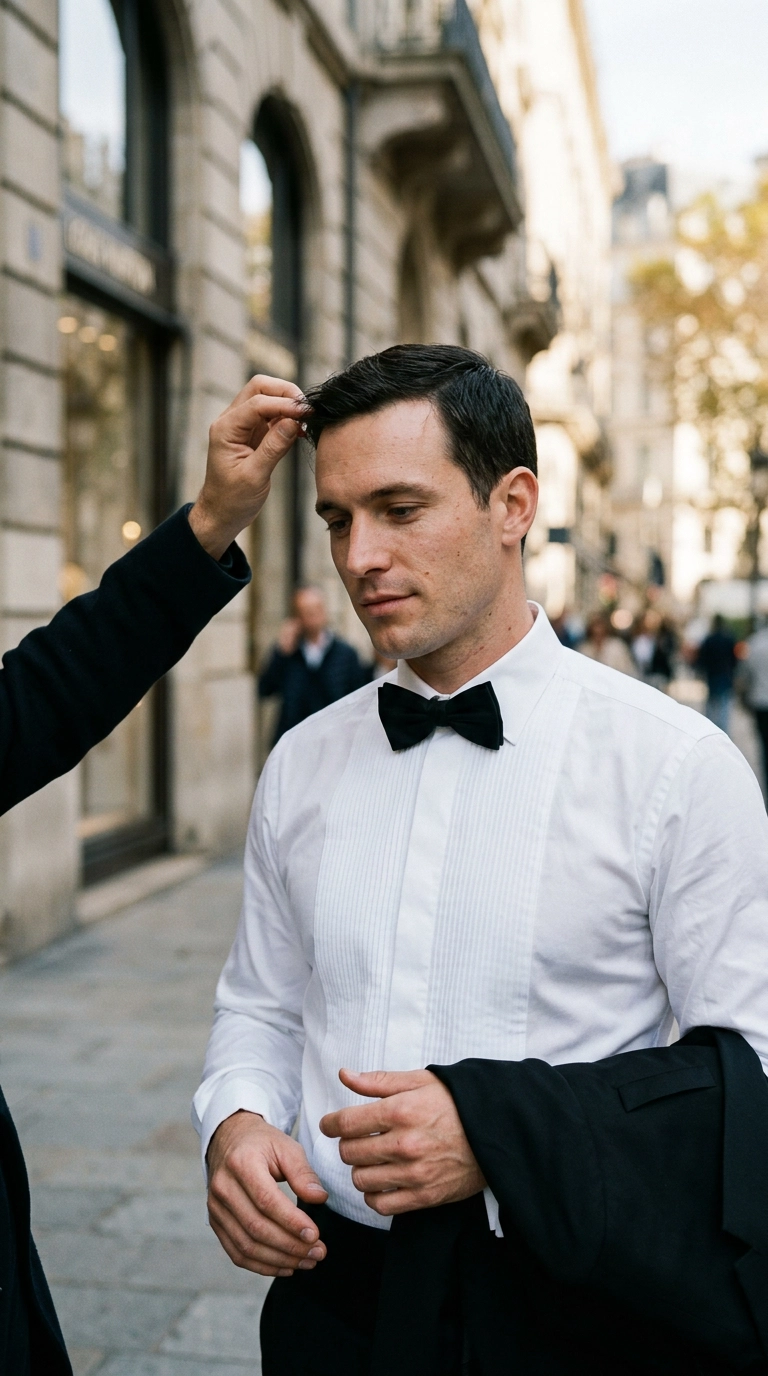
An outfit does not end at the clothes; it extends to your hair, skin, and nails. Many people spend thousands on a gown but arrive with messy hair or unmanicured hands, which creates a jarring contrast. Formal dressing is a top-to-bottom commitment that requires attention to the smallest details of your personal presentation.
For men, a fresh haircut and a neatly trimmed beard or clean shave are non-negotiable for formal settings. For women, a polished “updo” or a controlled blowout provides a clean frame for the jewelry and the garment’s neckline. Neutral or classic nail colors like nude, sheer pink, or deep red ensure your hands look elegant when holding a glass or greeting others.
Consider this checklist for your final grooming routine:
- Ensure your skin is well-hydrated to avoid a dull appearance under harsh event lighting.
- Check the back of your hair in a mirror to ensure no stray strands are out of place.
- Apply a subtle, high-quality fragrance that lingers without overpowering those sitting next to you.
- Keep a small touch-up kit in your bag for lipstick or flyaway hairs throughout the evening.
Disregarding the Venue and Seasonal Context
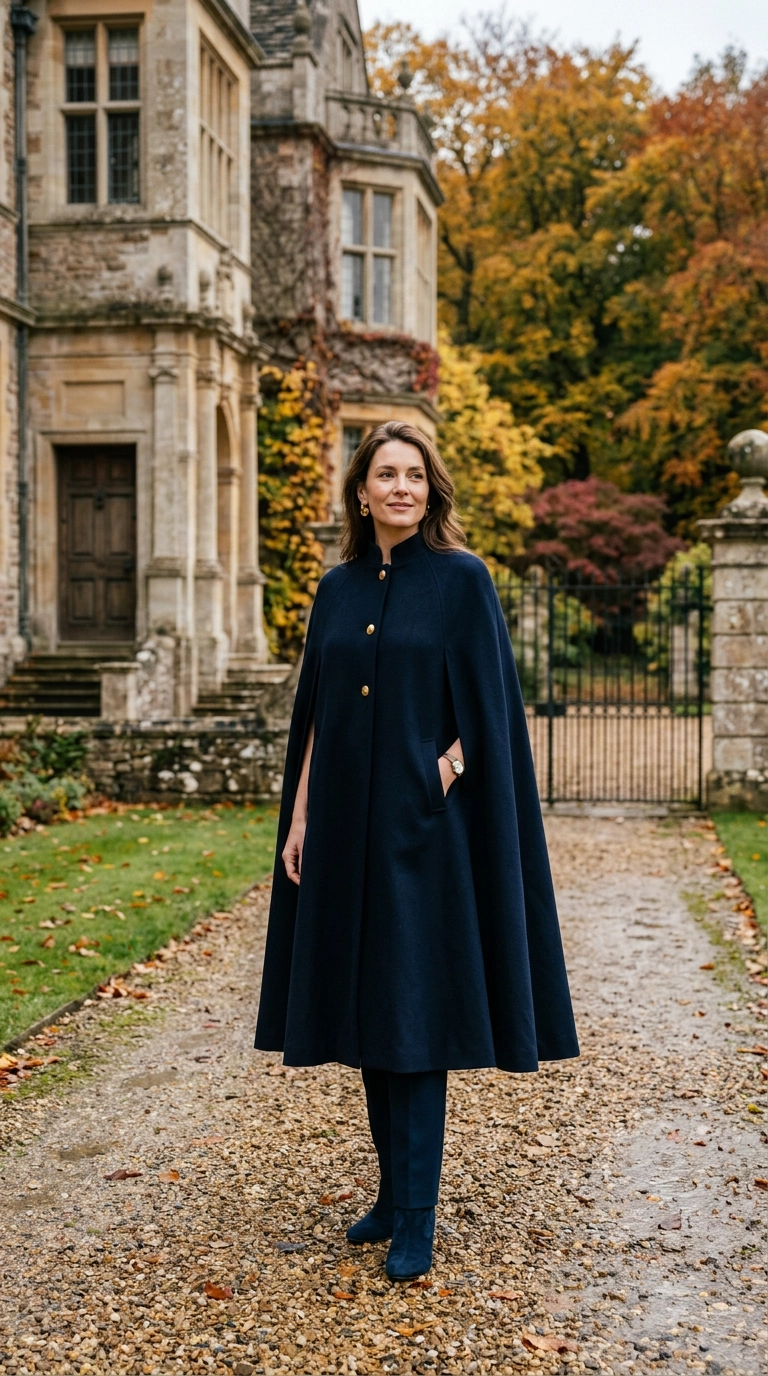
A mistake often seen at destination weddings or outdoor galas is failing to adapt the formal code to the environment. Wearing a heavy velvet gown to a summer garden party is just as inappropriate as wearing a flimsy floral chiffon to a winter city ballroom. The venue should dictate your fabric weight, color palette, and even your choice of outerwear.
Colors also play a massive role in how well you fit the occasion’s mood. Deep jewel tones like burgundy, navy, and emerald are perfect for evening events in the cooler months. In contrast, lighter shades like champagne, dusty rose, or silver work beautifully for spring and summer formal gatherings.
Always research the venue beforehand to understand the flooring and temperature you will encounter. If the event is at a historic estate with stone floors, avoid stiletto heels that could get caught in the cracks. Bringing a coordinated evening wrap or a tailored coat ensures you remain stylish even when transitioning between indoor and outdoor spaces.
Mastering the Final Details
Formal dressing is an art form that rewards those who pay attention to the subtle cues of the invitation. By avoiding these seven mistakes, you transition from someone who just “showed up” to someone who truly belongs in the room. Focus on quality, fit, and appropriateness, and your style will naturally command the respect it deserves at every gala, wedding, or ceremony on your calendar.