10 Business Casual Fashion Mistakes to Avoid at the Office
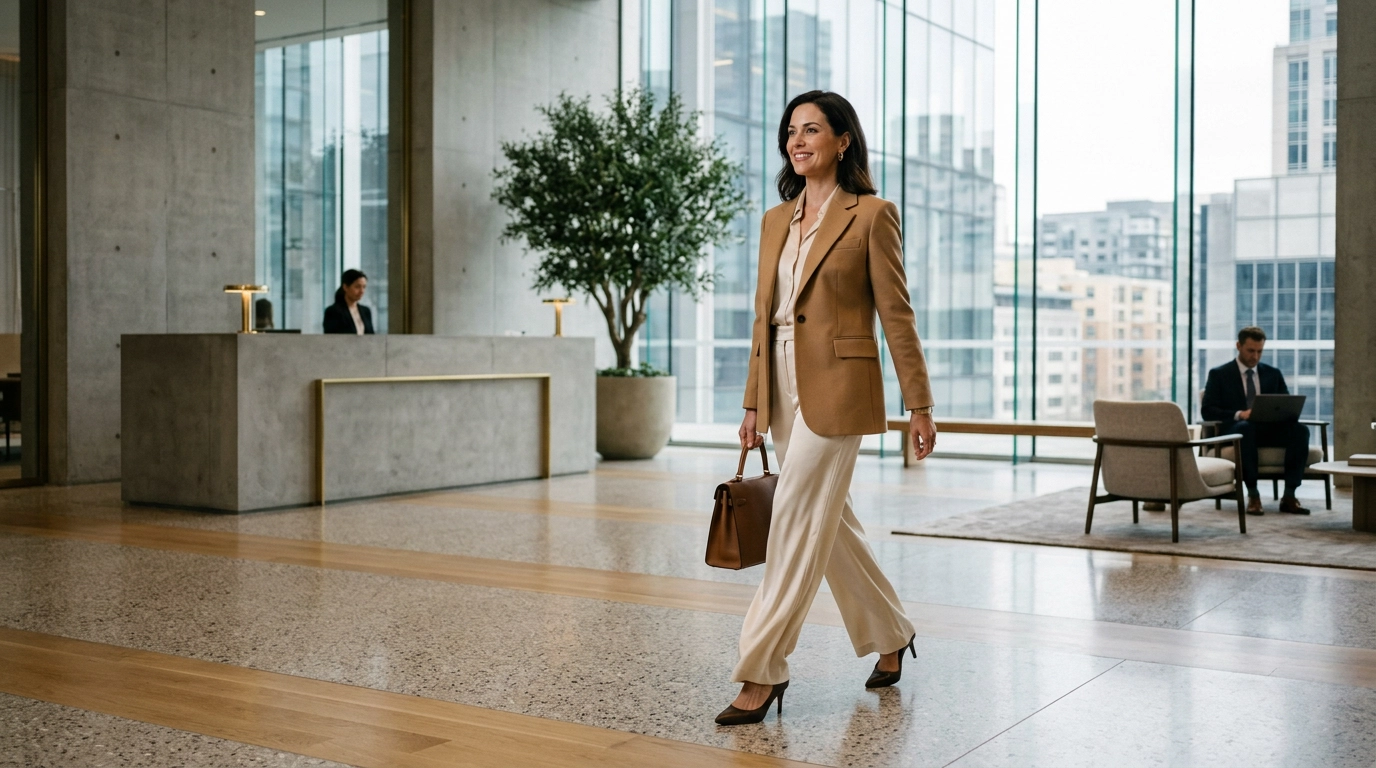
Walking into the office with a “business casual” dress code often feels like navigating a minefield without a map. Most professionals swing too far toward the “business” side or trip over the “casual” line, losing their personal style in the process. Your wardrobe is your visual resume, and even small styling errors can quietly undermine your authority before you even speak.
The goal isn’t just to follow rules, but to use your clothing as a tool for career advancement and self-expression. Mastering this balance allows you to feel comfortable throughout long meetings while maintaining a sharp, polished edge that commands respect. Small adjustments in fabric choice and fit will turn your daily outfit into a strategic asset.
Let’s fix the common mistakes that are holding your professional wardrobe back from its full potential. By replacing these habits with intentional choices, you will simplify your morning routine and elevate your presence. Here are the ten most frequent business casual errors and the exact steps you need to take to fix them today.
1. The Distressed Denim Deception
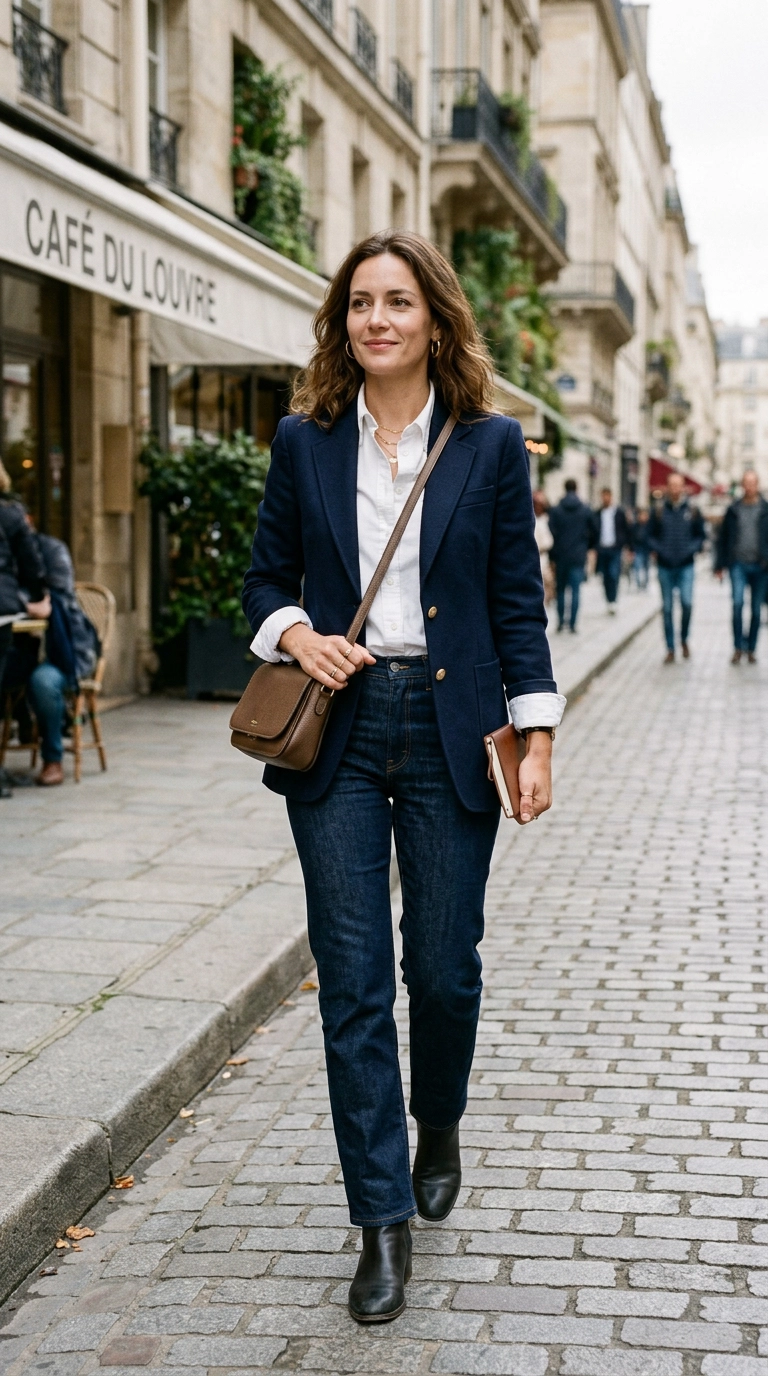
Denim is often permitted in modern offices, but many people mistake “casual” for “weekend wear.” Ripped knees, frayed hems, or heavy whiskering instantly pull your look toward a Sunday brunch rather than a Monday board meeting. These details communicate a lack of effort that can be distracting in a professional setting.
To keep denim office-appropriate, focus on “elevated” washes and finishes. Look for deep indigo, charcoal, or solid black denim with no visible distressing or fading. The silhouette should be structured, such as a straight-leg or a subtle flare, which mimics the shape of traditional trousers.
Choosing the Right Denim Cut
Avoid extremely tight skinny jeans that lean toward leggings, as well as baggy “boyfriend” styles that appear sloppy. A high-rise, straight-leg jean in a heavy-weight denim provides the necessary structure to look intentional. Pair these with a leather belt and a crisp shirt to bridge the gap between comfort and professionalism.
2. Overlooking the Power of an Iron
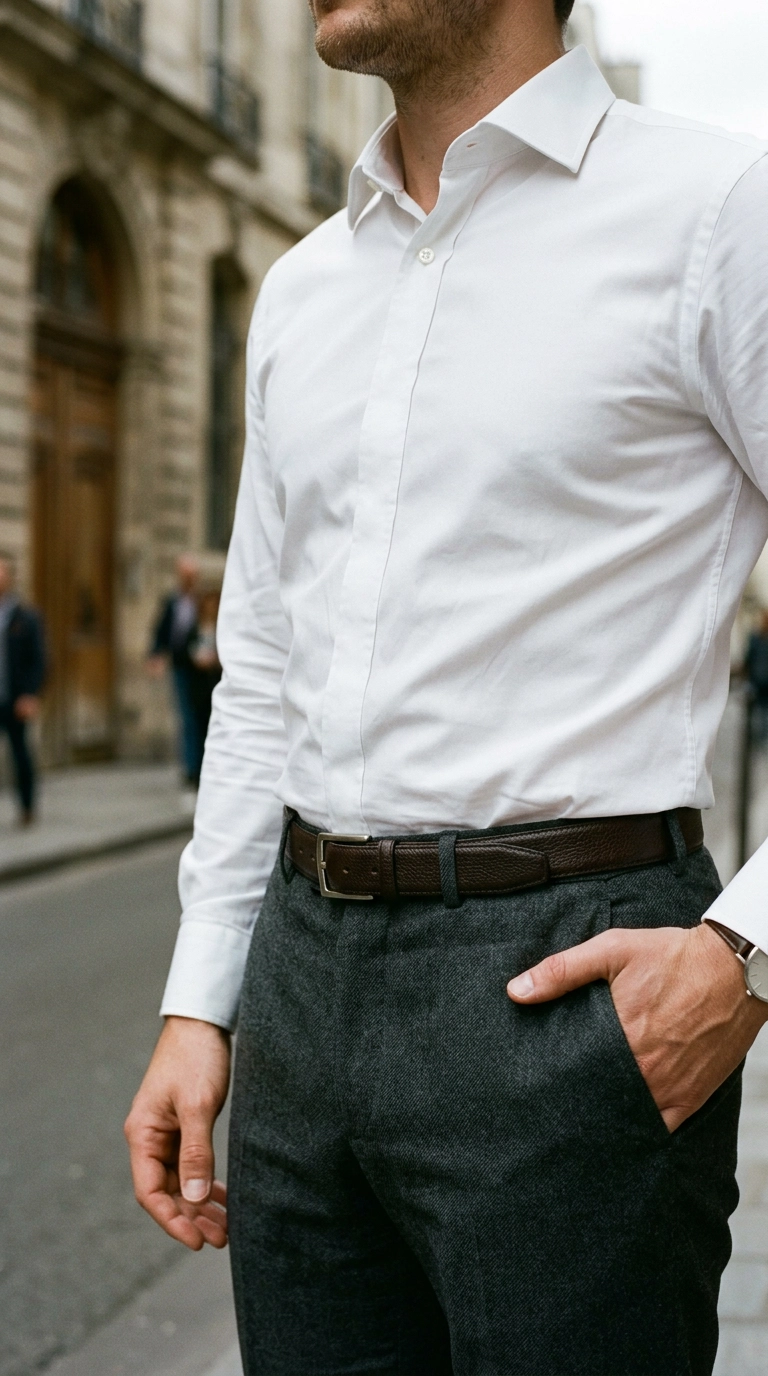
You could be wearing a three-thousand-dollar suit, but if it is covered in wrinkles, it will look cheap. Wrinkled garments suggest that you rushed your morning or that you don’t pay attention to details. In the world of business, detail-orientation is a trait people look for in leaders.
Fabric choice plays a huge role in how much maintenance your clothes require throughout the day. Natural fibers like linen are beautiful but prone to heavy creasing, making them difficult for long office hours. Opt for high-quality cotton poplin or wool blends that have a bit of natural bounce-back to resist wrinkles.
Investment in Garment Care
A handheld steamer is the most efficient tool for a busy professional who hates ironing. Five minutes of steaming each morning can change the entire energy of your outfit from “disheveled” to “distinguished.” Hanging your clothes properly at the end of the day also prevents deep creases from setting into the fabric.
3. Treating Leggings Like Real Trousers
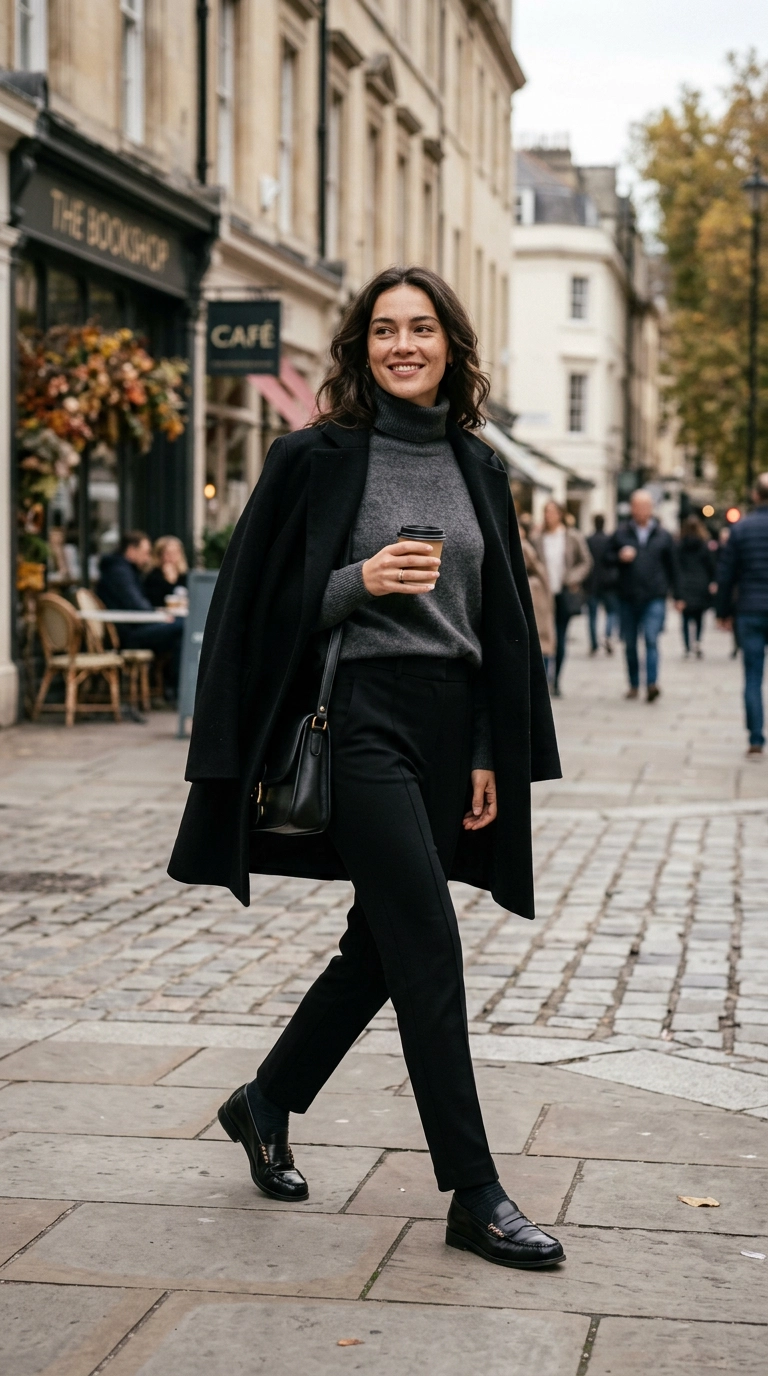
Yoga pants and athletic leggings have become staples in our wardrobes, but they rarely belong in a Tier 1 office environment. Even the thickest black leggings lack the seams, pockets, and waistbands that give trousers their professional shape. They often appear too informal and can sometimes be unexpectedly sheer under bright office lights.
If you crave the comfort of leggings, look for “ponte” trousers. These are made from a thick, double-knit fabric that stretches like athletic wear but looks like a formal pant. They offer the same ease of movement while providing a polished silhouette that works perfectly with blazers.
| Swap This | For This | Why It Works |
|---|---|---|
| Thin Cotton Leggings | Ponte Knit Trousers | Added structure and weight. |
| Distressed Jeans | Dark Wash Indigo Denim | Looks like a formal trouser. |
| Hoodies | Merino Wool Cardigans | Warmth without the bulk. |
4. The Misstep of Overly Casual Footwear
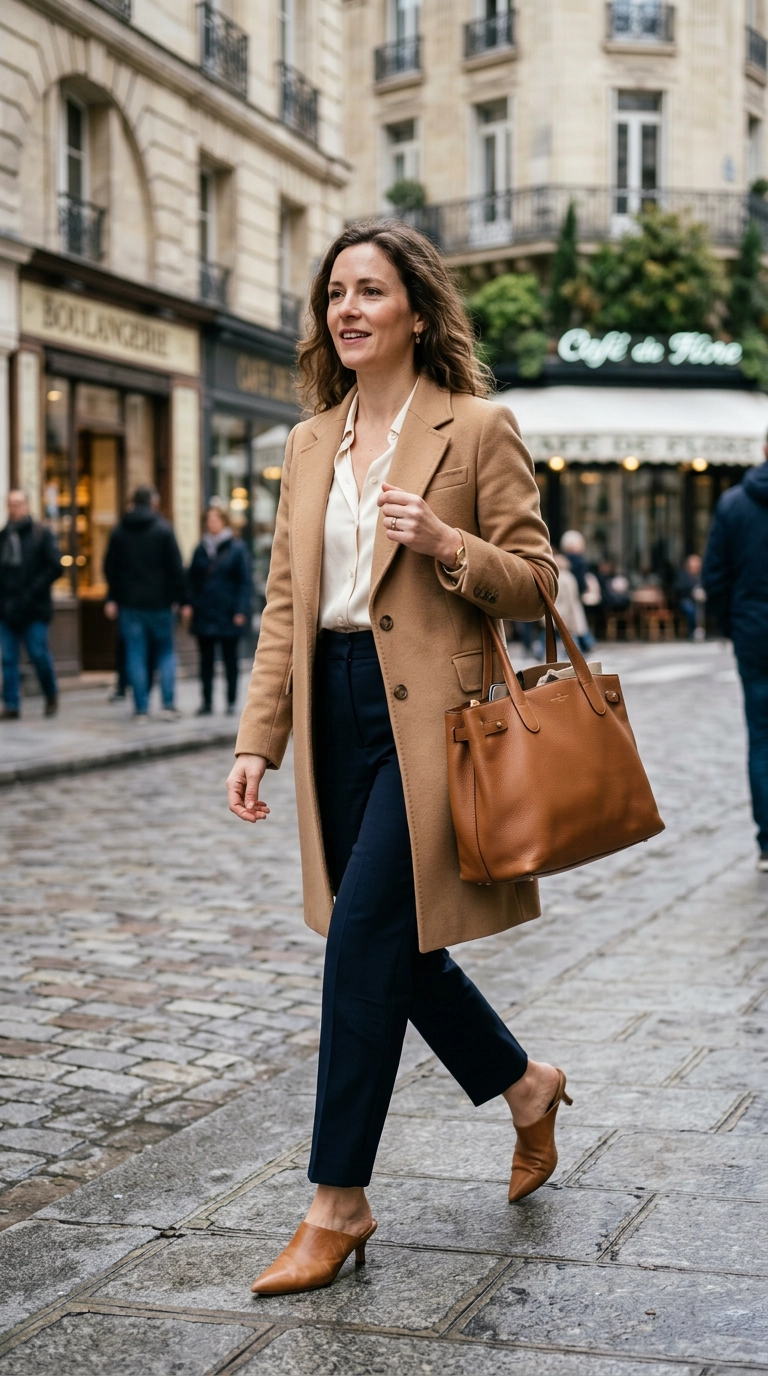
Your shoes are the foundation of your outfit, and they often dictate the overall level of formality. Flip-flops, beachy sandals, or heavily worn gym sneakers are the most common footwear mistakes in the workplace. Even if the rest of your outfit is perfect, the wrong shoes can drag the entire look down.
The “business casual” sweet spot for shoes involves polished leather or suede options. Loafers, mules, block heels, and sleek leather sneakers are excellent choices that provide comfort without sacrificing style. Ensure your shoes are clean and scuff-free, as dirty footwear is an immediate style killer.
The Rise of the Professional Sneaker
If your office allows sneakers, they must be “dress sneakers.” This means minimalist designs in leather or suede, usually in neutral colors like white, navy, or tan. Avoid chunky “dad shoes” or neon running sneakers, as these are too rooted in athletic performance for a professional setting.
5. Poor Tailoring and Ill-Fitting Silhouettes
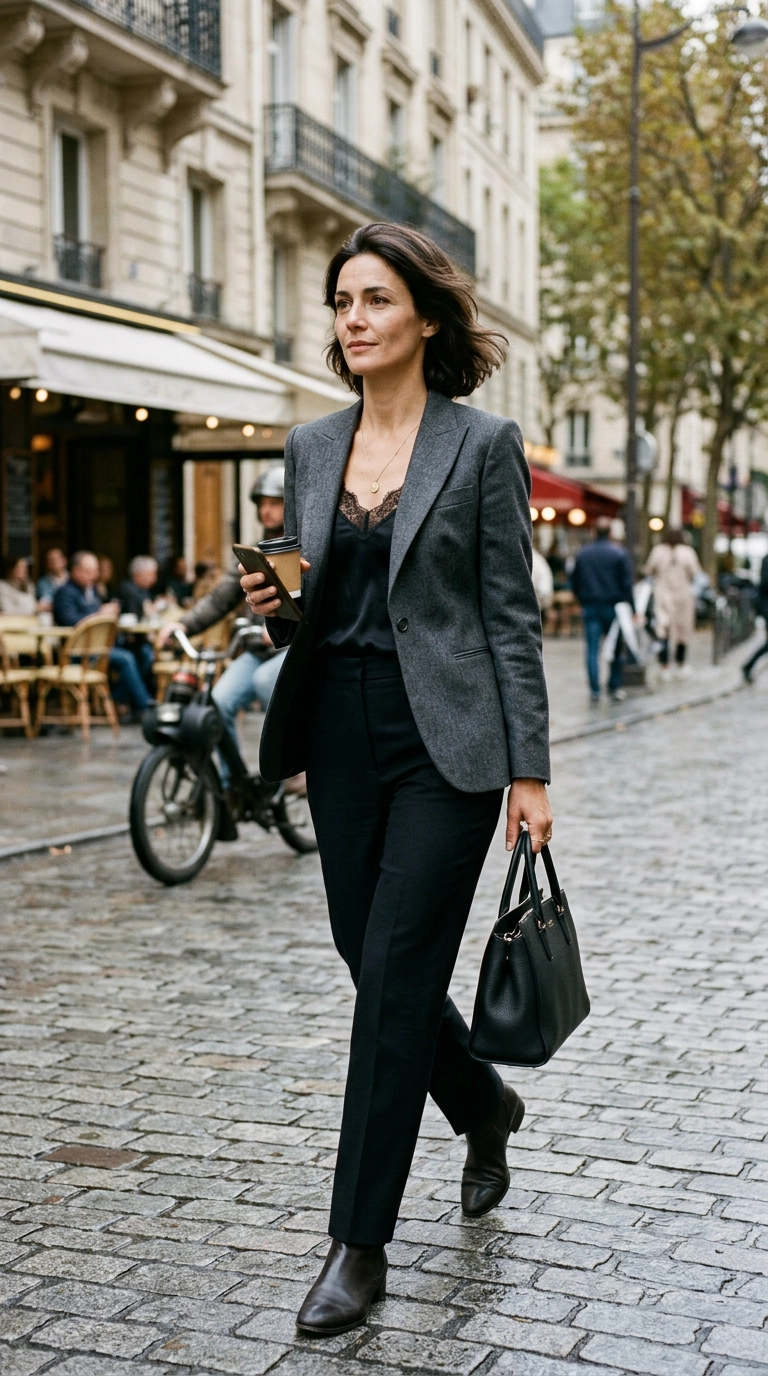
Many people wear clothes that are either a size too big, thinking it hides flaws, or a size too small, which creates discomfort. Baggy clothing can make you look swallowed by your garments, appearing younger or less experienced. Conversely, clothes that are too tight can look unprofessional and restrict your movement during the day.
Tailoring is the secret weapon of every well-dressed professional. A simple trip to the tailor to have your sleeves shortened or your trousers hemmed can make a twenty-dollar shirt look like it was custom-made. Focus on where the seams hit your shoulders and where the hem lands on your ankle.
Focus on the Shoulders
When buying blazers or shirts, always prioritize the fit of the shoulders first. This is the hardest part of a garment to alter later. If the shoulder seam sits perfectly at the edge of your natural shoulder, the rest of the garment will drape much better.
6. Visible Undergarments and Sheer Fabrics
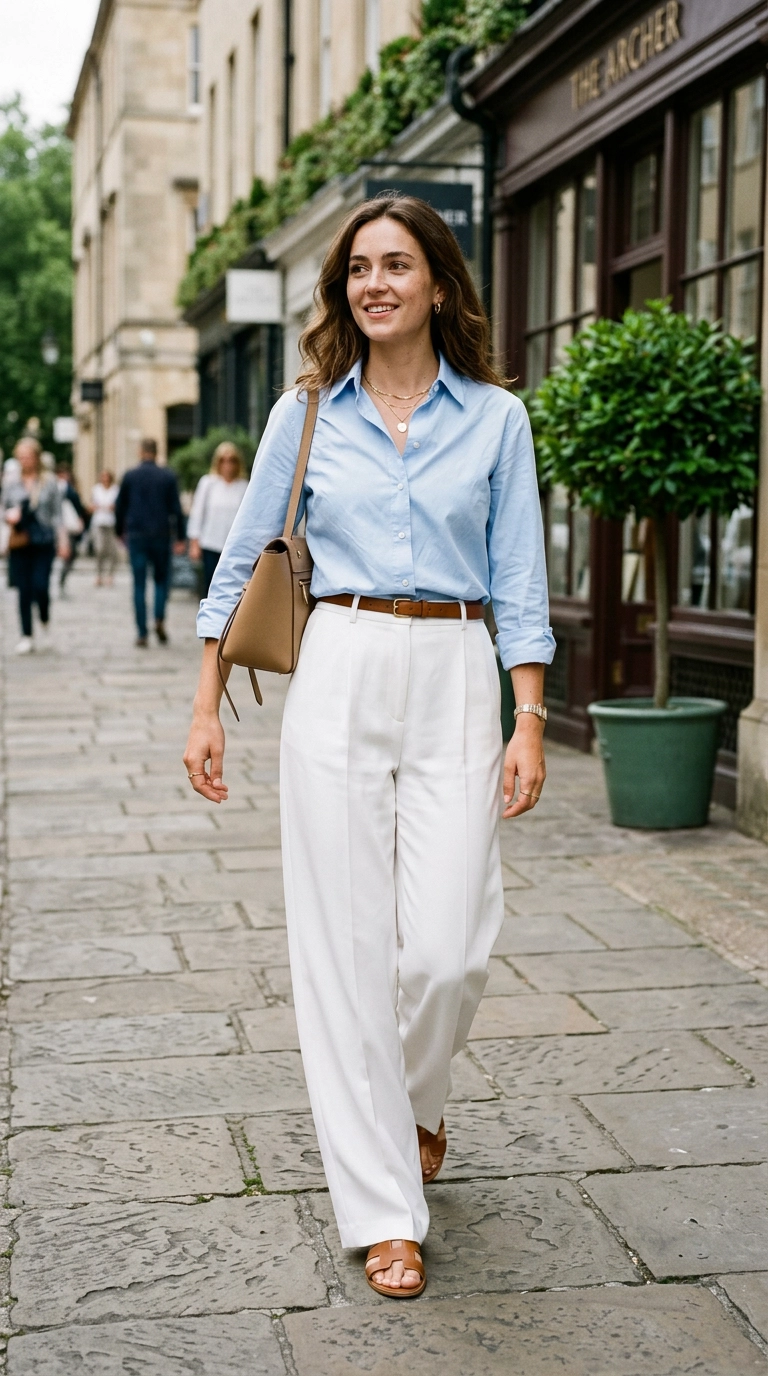
Office lighting is notoriously unforgiving and can make seemingly opaque fabrics appear translucent. Visible bra straps, bold colors underneath white shirts, or panty lines are distractions that take away from your professional message. These errors often happen because we check our outfits in dim bedroom lighting before leaving.
Invest in high-quality, “skin-tone” undergarments that match your complexion rather than the color of your shirt. A red bra, surprisingly, is often less visible under a white shirt than a white bra is. Always do a quick “light test” near a window to ensure your outfit remains modest in all settings.
The Importance of Layering
If you have a favorite blouse that is slightly sheer, use a silk camisole as a base layer. This adds a level of luxury to the outfit while providing the necessary coverage. It also helps the outer garment drape more smoothly over your body.
7. Excessive Logo Branding
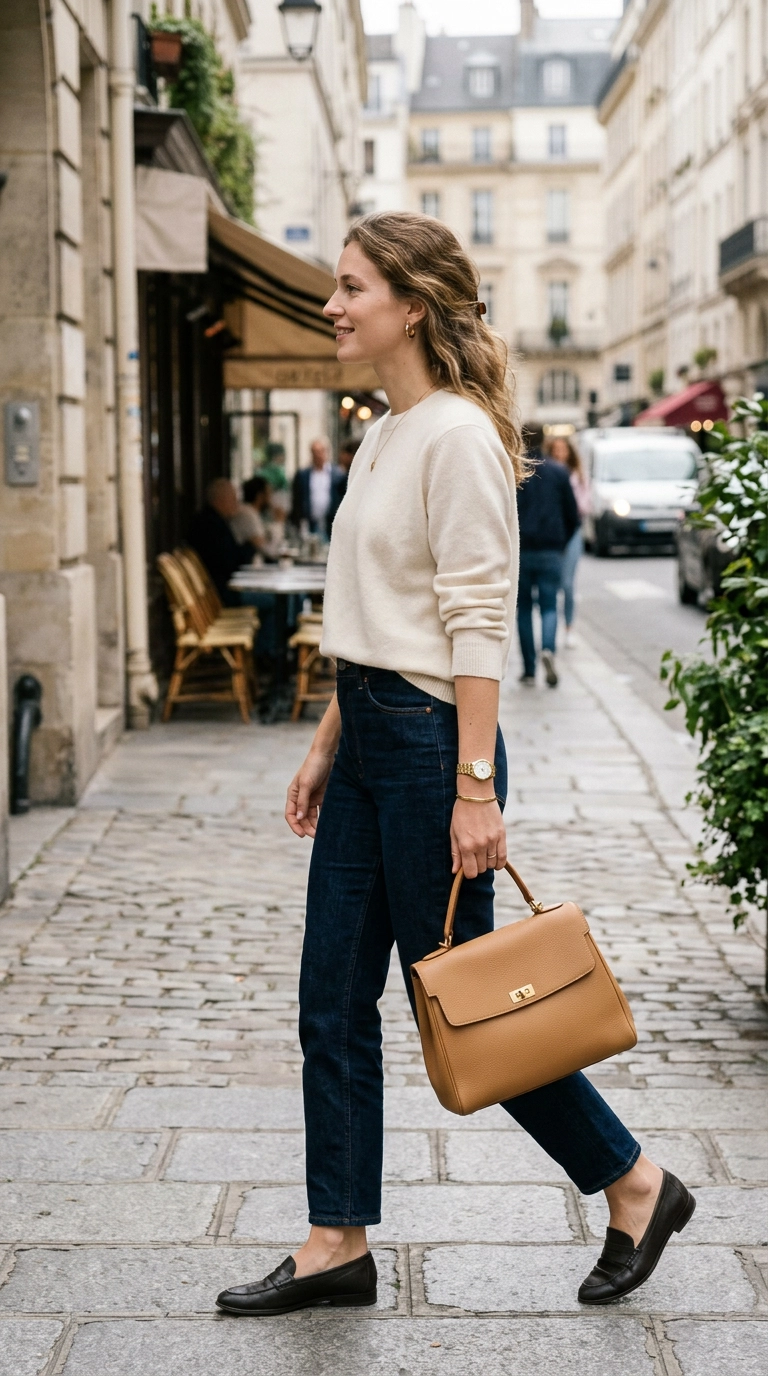
Wearing large, loud logos can come across as flashy or status-seeking rather than professional. In a Tier 1 business environment, “quiet luxury” is the preferred aesthetic. You want people to notice the quality of your work and the elegance of your silhouette, not the brand name plastered across your chest.
Choose pieces that emphasize texture and cut over branding. A well-made wool coat or a structured leather bag with minimal hardware speaks volumes about your taste. When you remove logos, you allow your personal style and professional capabilities to take center stage.
- Avoid large “belt-buckle” logos that draw focus away from your face.
- Opt for tonal embroidery if you must have a brand mark.
- Focus on high-quality fabrics like silk, wool, and cashmere.
- Let the silhouette be the statement, not the label.
8. Misunderstanding Proportions
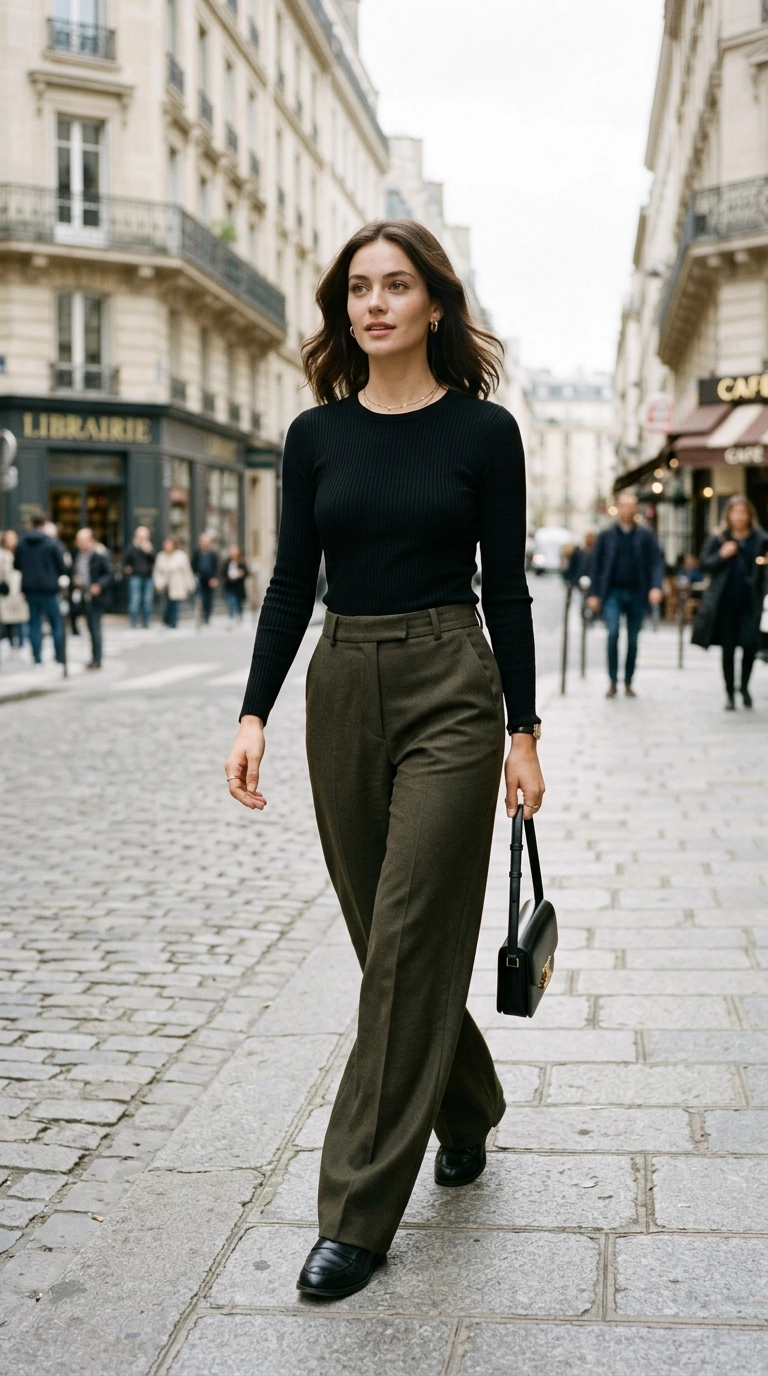
Wearing two oversized pieces at once—like a boxy blazer with wide-leg trousers—can make you look messy. Similarly, wearing two very tight pieces can feel too casual or dated. The key to a sophisticated business casual look is the balance between volume and structure.
If you choose a voluminous bottom, like a midi skirt or wide-leg pants, keep the top more fitted or tucked in. If you are wearing slim-fitting trousers, you can afford to wear a slightly more relaxed, oversized sweater or blazer. This creates a pleasing visual harmony that looks intentional and modern.
The Rule of Thirds
Avoid cutting your body in half visually by wearing a long top over long pants. Instead, tuck your shirt in or use a belt to create a “one-third to two-thirds” ratio. This elongates your legs and makes you appear taller and more composed.
9. Over-Accessorizing and Distracting Jewelry
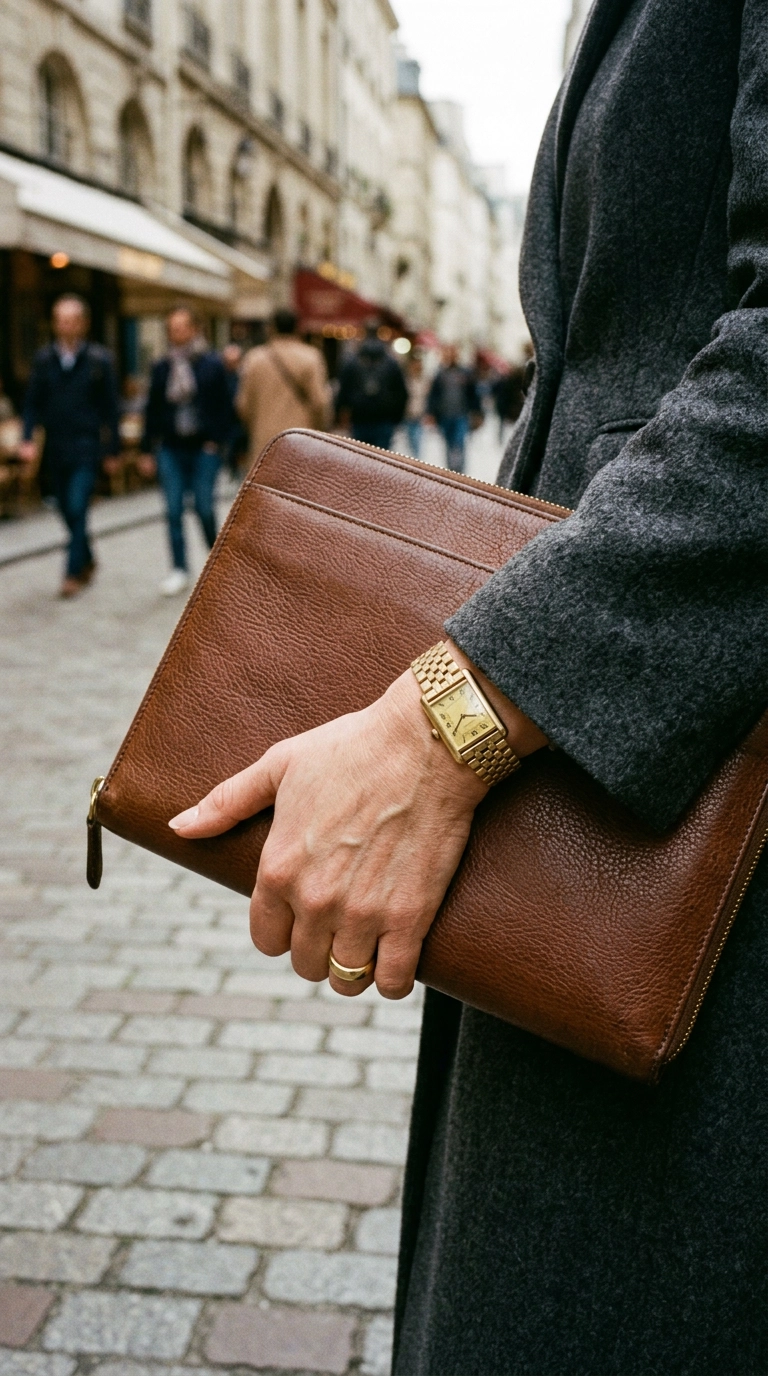
Jewelry should complement your outfit, not compete with your voice for attention. Loud, clanking bracelets or overly sparkly “statement” necklaces can be distracting during meetings or while typing. In a professional setting, accessories should be the “period” at the end of the sentence, not the headline.
Stick to a few high-quality pieces that you can wear every day. A classic watch, simple hoop or stud earrings, and a delicate necklace are usually all you need. If you want to wear a bolder piece, make it the only accessory you wear so it doesn’t feel cluttered.
Functional Accessories
Your work bag and phone case are also part of your accessory suite. A structured leather tote in a neutral color is far more professional than a nylon backpack. Keeping these functional items clean and minimalist reinforces your image as an organized professional.
10. Seasonal Disconnect
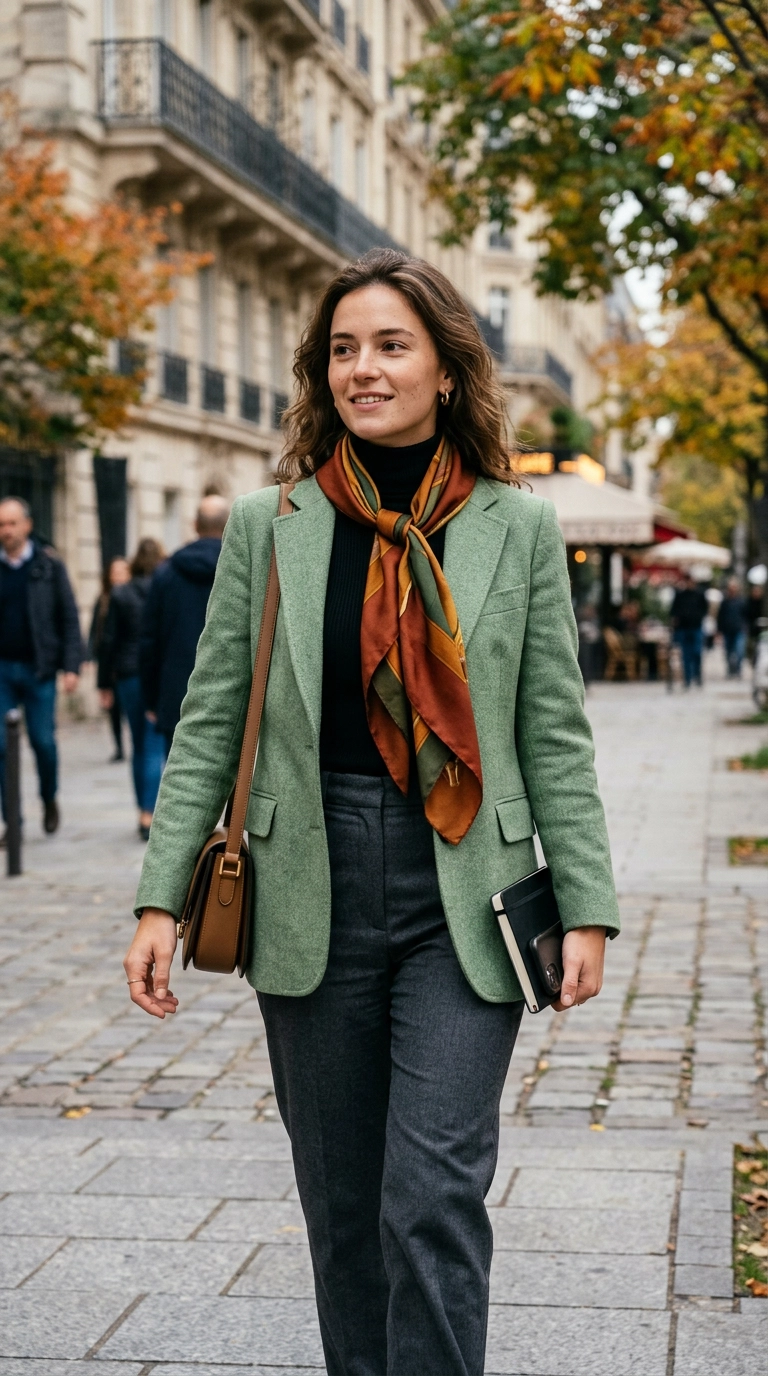
Wearing heavy, dark wool in the middle of summer or light, floral linen in the dead of winter creates a visual disconnect. It suggests that you aren’t in tune with your environment. Dressing for the season shows that you are prepared and thoughtful about your presentation.
Transition your wardrobe by changing your color palette and fabric weights. Use breathable cotton and silk in warmer months, and switch to merino wool, flannel, and cashmere when the temperature drops. This keeps you comfortable and ensures you always look appropriate for the current time of year.
Mastering the “Third Piece”
The “third piece” rule is the easiest way to finish any business casual look. Your pants and top are the first two pieces; the third piece is a blazer, a cardigan, or a structured vest. This final layer adds a level of intentionality that separates a “basic” outfit from a “styled” one.
Your Next Style Move
Refining your office wardrobe doesn’t require a complete overhaul; it requires a focus on the small details that matter. Start by auditing your closet for fit and fabric quality, and gradually phase out the items that feel too casual or unpolished. When you dress with intention, you feel more capable, and that confidence is the most powerful accessory you can bring to any meeting.