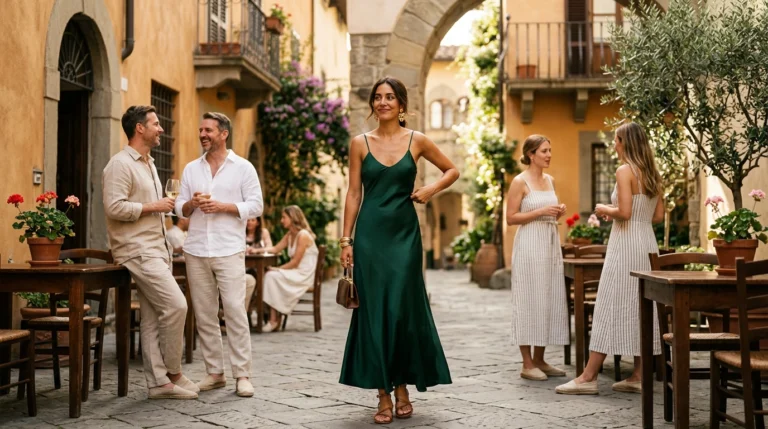
9 Scarf and Accessory Winter Outfit Mistakes to Fix
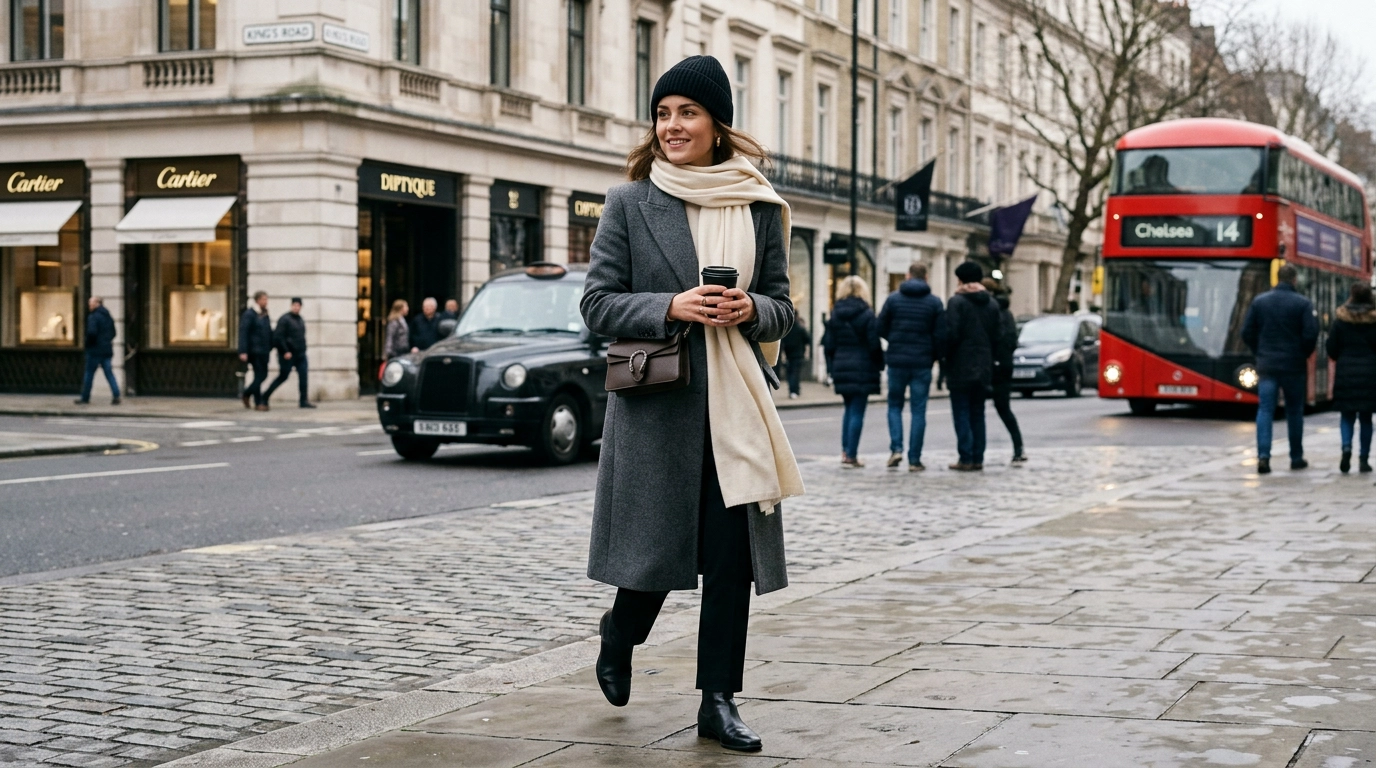
Winter fashion often feels like a balancing act between staying warm and looking intentional. You’ve likely put together a stunning coat and boot combination, only to feel the entire look fall apart the moment you add a scarf. These small accessory choices are actually the silent pillars of a sophisticated cold-weather wardrobe.
Most style enthusiasts struggle with bulk, clashing textures, or proportions that swallow their frame. By identifying these common pitfalls, you can shift from simply surviving the cold to mastering the art of layered elegance. This guide breaks down the specific adjustments that turn a functional outfit into a high-fashion statement.
Elevating your winter aesthetic doesn’t require a total wardrobe overhaul. Instead, it’s about understanding how your accessories interact with your silhouette and color palette. Let’s look at the nine most frequent mistakes and the simple styling shifts that fix them instantly.
The Strangled Silhouette: Avoiding the Neck Brace Wrap
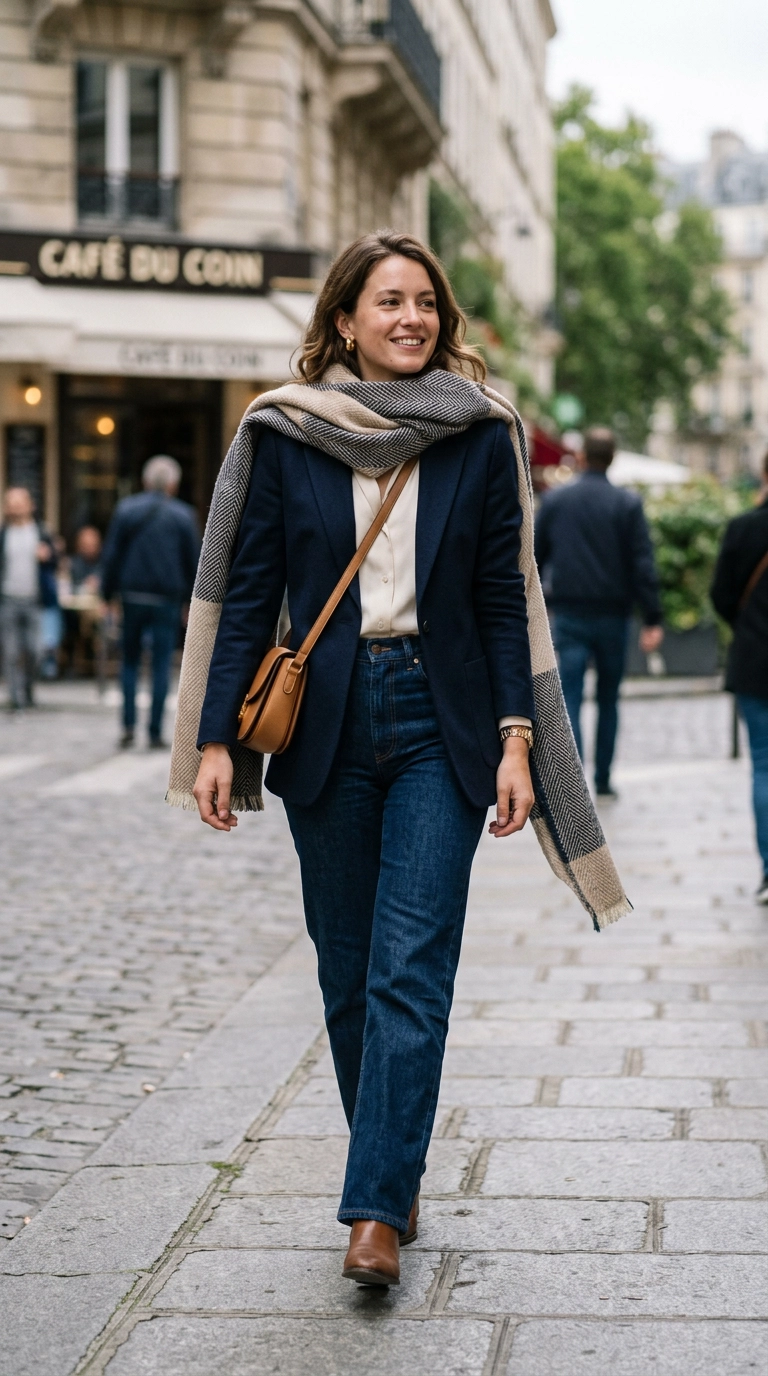
Wrapping a thick scarf too tightly around your neck creates a “neck brace” effect that eliminates your collarbone and chin. This look creates a visual block of fabric that makes your head appear disconnected from your body. It often feels claustrophobic and ruins the clean lines of a well-tailored winter coat.
Instead, try the “tossed” look or a loose Parisian knot. Allow some space between the scarf and your chin to maintain a visible neckline, which elongates your torso. If the weather is truly freezing, opt for a high-quality turtleneck under a loosely draped scarf rather than choking the fabric tight.
Consider the weight of your scarf material when choosing your wrap style. Thicker wools need more breathing room to look intentional, while thin silks can handle a closer fit. A little bit of negative space around the neck makes a massive difference in how expensive your outfit looks.
Texture Tension: Misaligning Fabric Weights
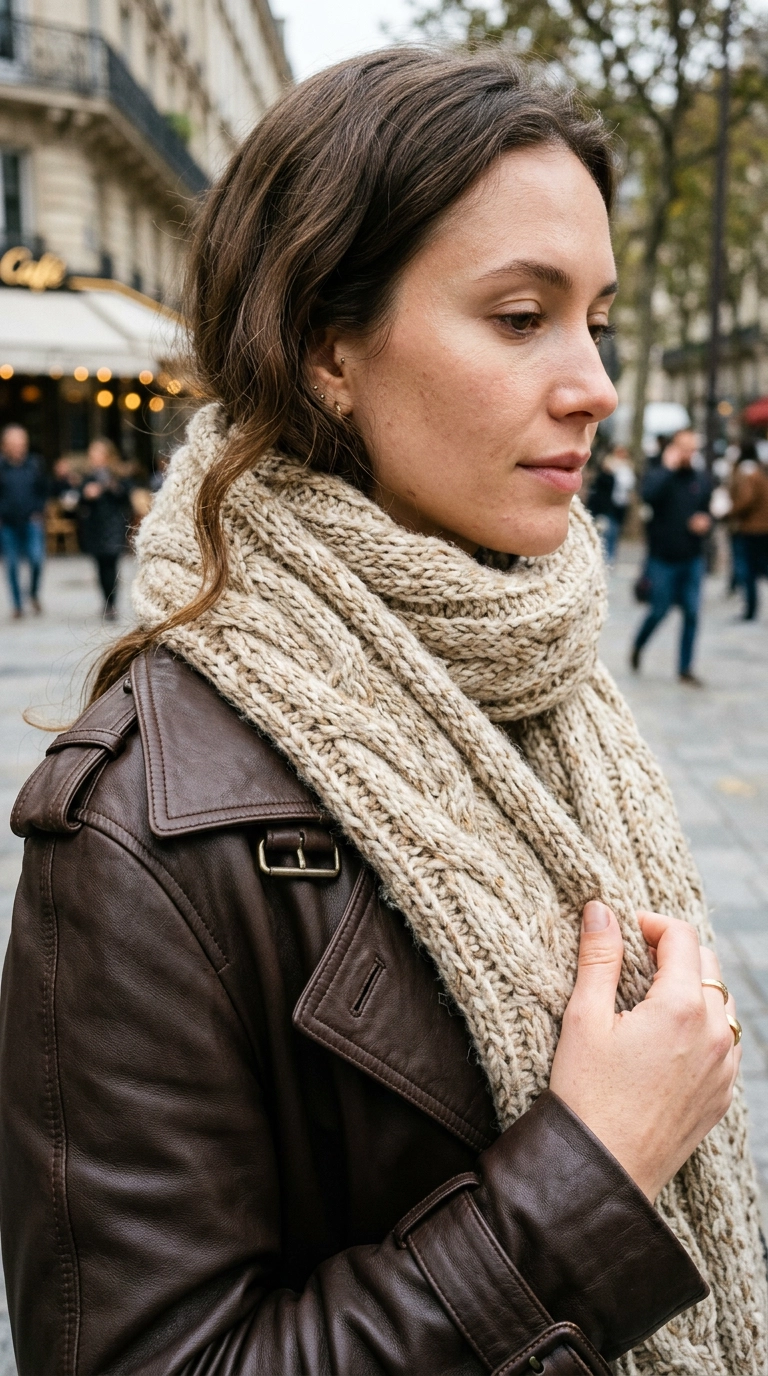
Pairing a very delicate, flimsy scarf with a heavy, textured wool coat creates a jarring visual disconnect. The light fabric often looks cheap or accidental when placed against the gravity of winter outerwear. This mistake typically happens when we grab whatever is closest without considering the fabric’s visual weight.
The goal is to match “like with like” or create intentional contrast that feels balanced. Heavy coats demand substantial fabrics like cashmere, thick wool, or chunky knits. If you want to use a silk scarf in winter, tie it around your handbag or wear it under a sweater rather than as a primary outer layer.
| Coat Material | Ideal Scarf Texture | What to Avoid |
|---|---|---|
| Heavy Wool / Felt | Cashmere or Brushed Mohair | Thin Jersey or Chiffon |
| Puffer / Quilted | Ribbed Knit or Tech Fabric | Fine Lace or Satin |
| Leather / Shearling | Chunky Cable Knit | Flimsy Cotton Wraps |
Proportional Imbalance: Small Frames vs. Mega Scarves
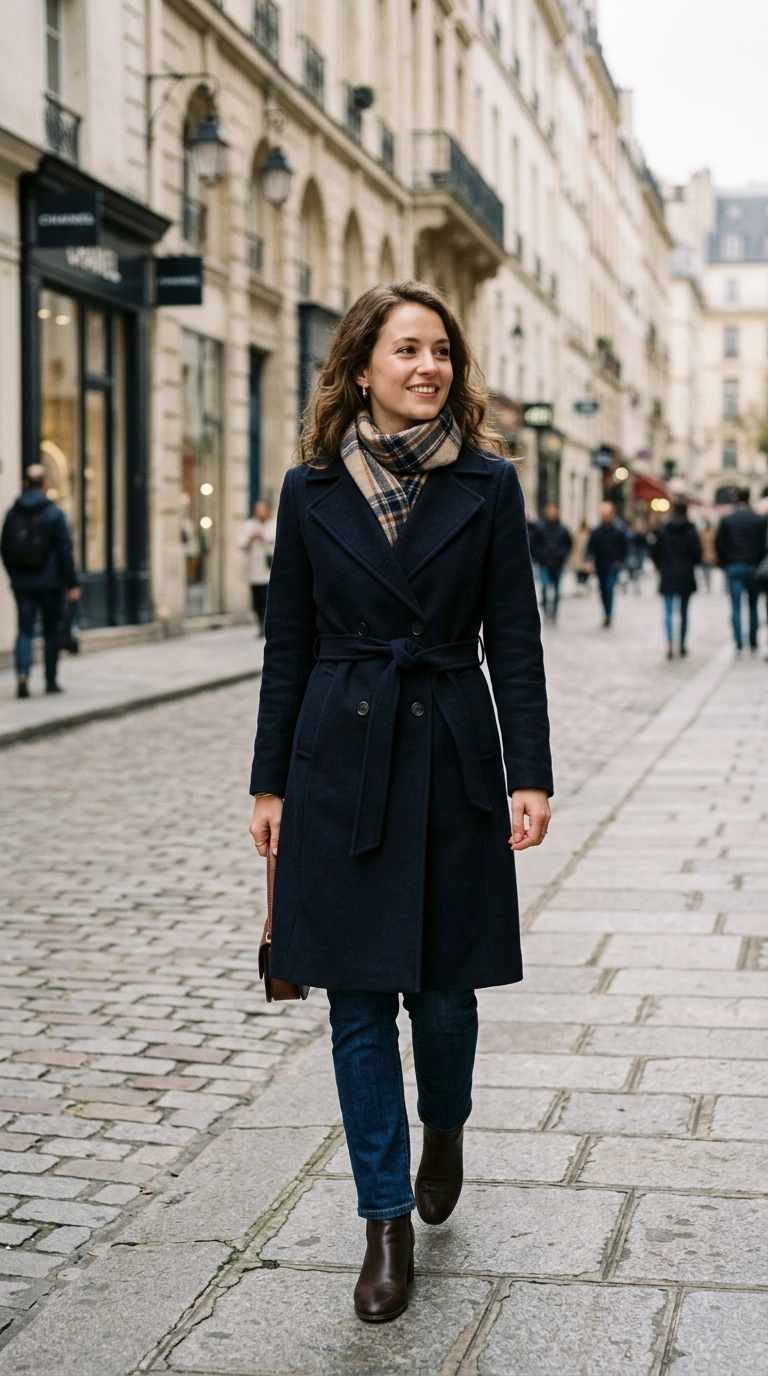
The “blanket scarf” trend can easily overwhelm anyone with a smaller frame or shorter stature. When the scarf is wider than your shoulders, it hides your silhouette and makes you look shorter than you actually are. While comfort is key, losing your body shape entirely rarely looks polished.
If you love a large scarf, try belting it. Drape the scarf over your shoulders and secure it at the waist with a leather belt over your coat. This creates a vertical line that adds height while keeping the warmth of the extra fabric. Alternatively, choose a scarf that is long but narrow to maintain verticality without the horizontal bulk.
Keep your footwear in mind when wearing larger accessories. If your top half is heavy with a large scarf, you need a substantial boot to anchor the look. Thin stiletto heels paired with a massive blanket scarf create a “top-heavy” appearance that feels unstable and unbalanced.
The Color Afterthought: Disconnected Palettes
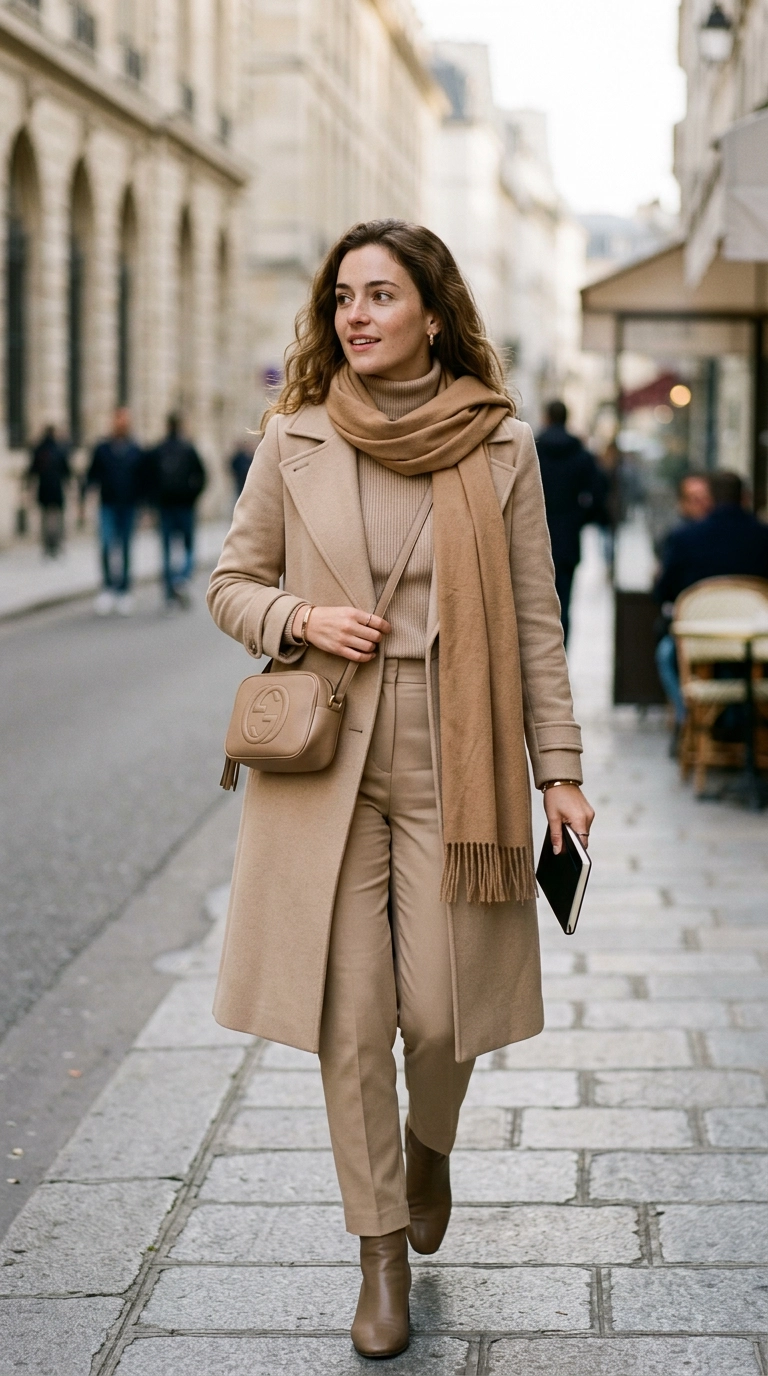
Treating a scarf as a purely functional item often leads to color choices that clash with the rest of your outfit. A bright, neon scarf might be warm, but if it doesn’t relate to any other tone in your look, it becomes a distraction. Accessories should either harmonize with your palette or provide a purposeful, sophisticated pop of color.
Try the “sandwich” method for easy styling. Match your scarf color to your shoes or your handbag to create a cohesive loop for the eye to follow. If you are wearing a neutral coat, a scarf in the same color family—just a few shades lighter or darker—creates a high-end tonal look.
- Tonal: Mix different shades of the same color (e.g., camel coat with a cream scarf).
- Complimentary: Use subtle pops like a deep burgundy scarf with an olive green parka.
- Neutral: Stick to greys, blacks, and navy for a timeless, foolproof aesthetic.
Neglecting Footwear Harmony
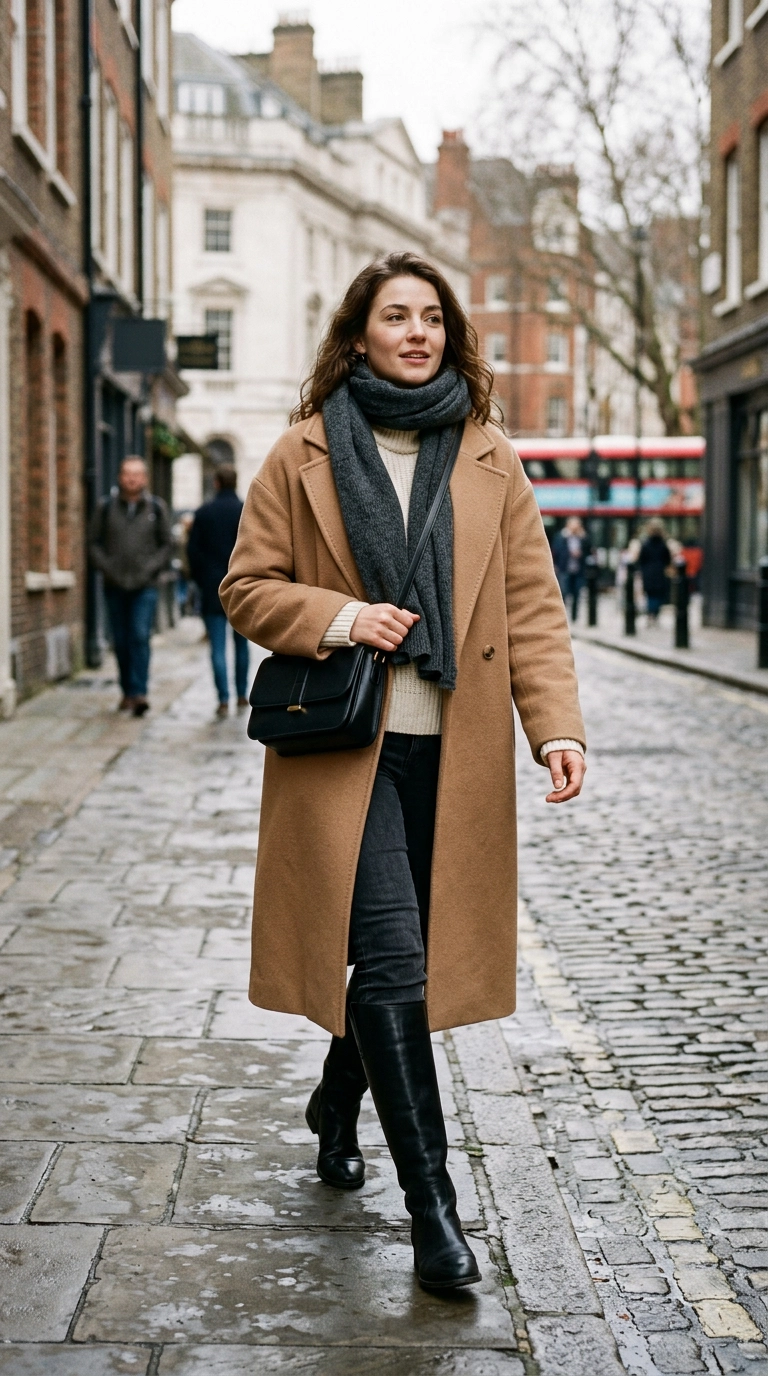
Winter accessories aren’t just for your neck and head; your shoes are the most important accessory for your overall silhouette. A common mistake is wearing a heavy, voluminous scarf with very dainty or low-profile shoes. This creates a visual imbalance where the outfit looks like it’s crushing the wearer.
Balance a chunky knit scarf with a lug-sole boot or a structured tall boot. The visual weight at the bottom of your body needs to match the visual weight at the top. If you prefer sleek footwear, keep your scarf choice more streamlined, such as a flat cashmere wrap or a silk-lined wool scarf.
Consider the color of your socks if they are visible. A stray white athletic sock peeking out between a luxury boot and a tailored trouser can break the flow of an otherwise perfect outfit. Opt for wool socks in a shade that matches your trousers or your boots for a seamless transition.
The “Hat Hair” Beanie Fail: Poor Quality Materials
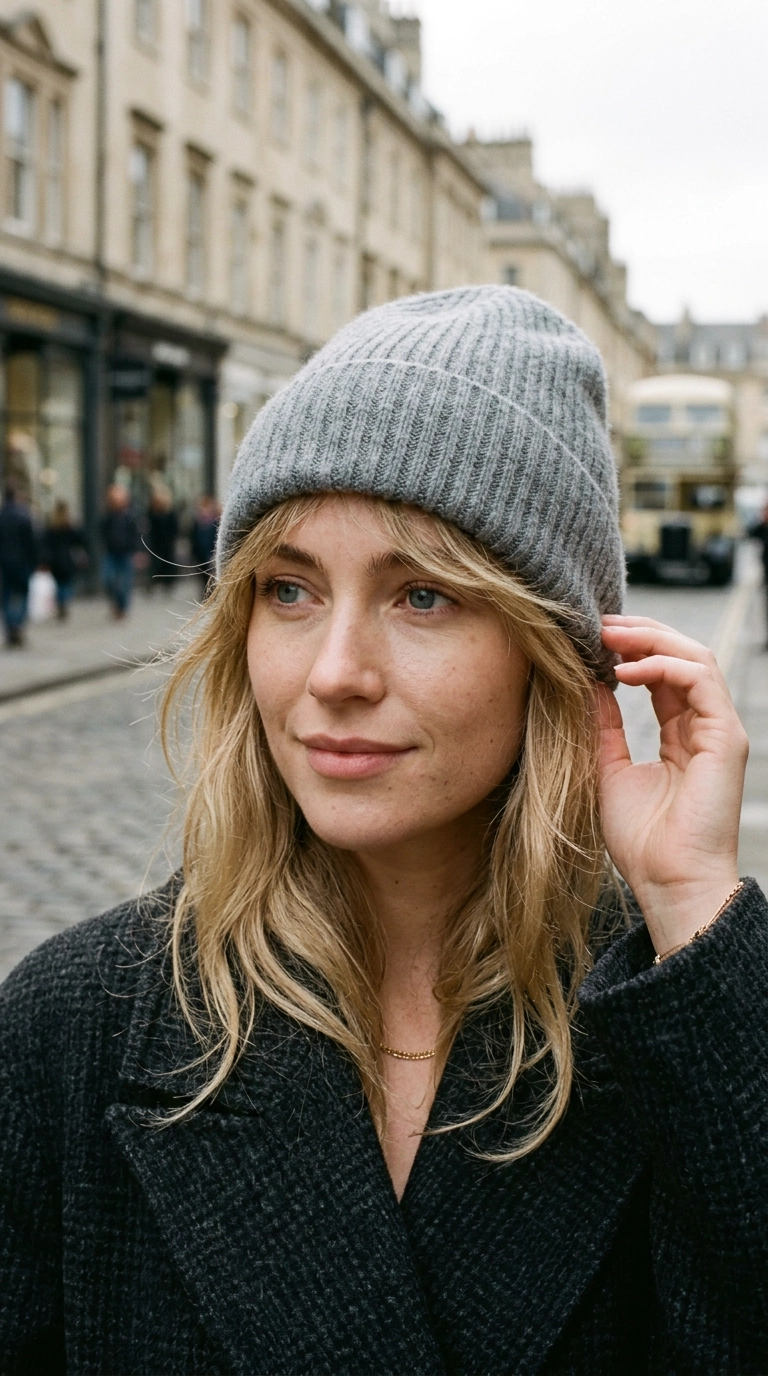
Acrylic beanies often pill quickly, look shiny under artificial light, and cause excessive static in your hair. While they are inexpensive, they often detract from a high-quality wool coat. The hat is often the first thing people see, so it needs to reflect the quality of the rest of your ensemble.
Invest in one or two high-quality beanies made from natural fibers like merino wool or cashmere. These materials breathe better, reducing the dreaded “hat hair” and sweat buildup. They also hold their shape over time, ensuring you don’t end up with a saggy, shapeless mess on your head.
Pay attention to the “fold” of the beanie. A thick, double-cuffed beanie adds volume to the top of the head, which can help balance a wide-shouldered coat. For a sleeker look, a single-layer slouchy cashmere beanie provides warmth without the extra bulk.
Visual Overcrowding: Too Many Focal Points

Adding a patterned scarf, a bold hat, statement earrings, and a bright bag all at once creates visual chaos. In fashion, the eye needs a place to rest. When every accessory is fighting for attention, the overall outfit loses its impact and looks cluttered.
Choose one “hero” accessory per outfit. If you are wearing a bold leopard print scarf, keep your hat and gloves neutral and simple. If your coat has a complex pattern or texture, opt for solid-colored accessories that complement the base tones of the garment.
Remove one item before you leave the house. This old rule still holds weight in winter styling. If you have a scarf, hat, and earmuffs on, consider if you really need all three, or if two would provide enough warmth while looking more curated.
The Exposed Gap: Functional Fashion Failures
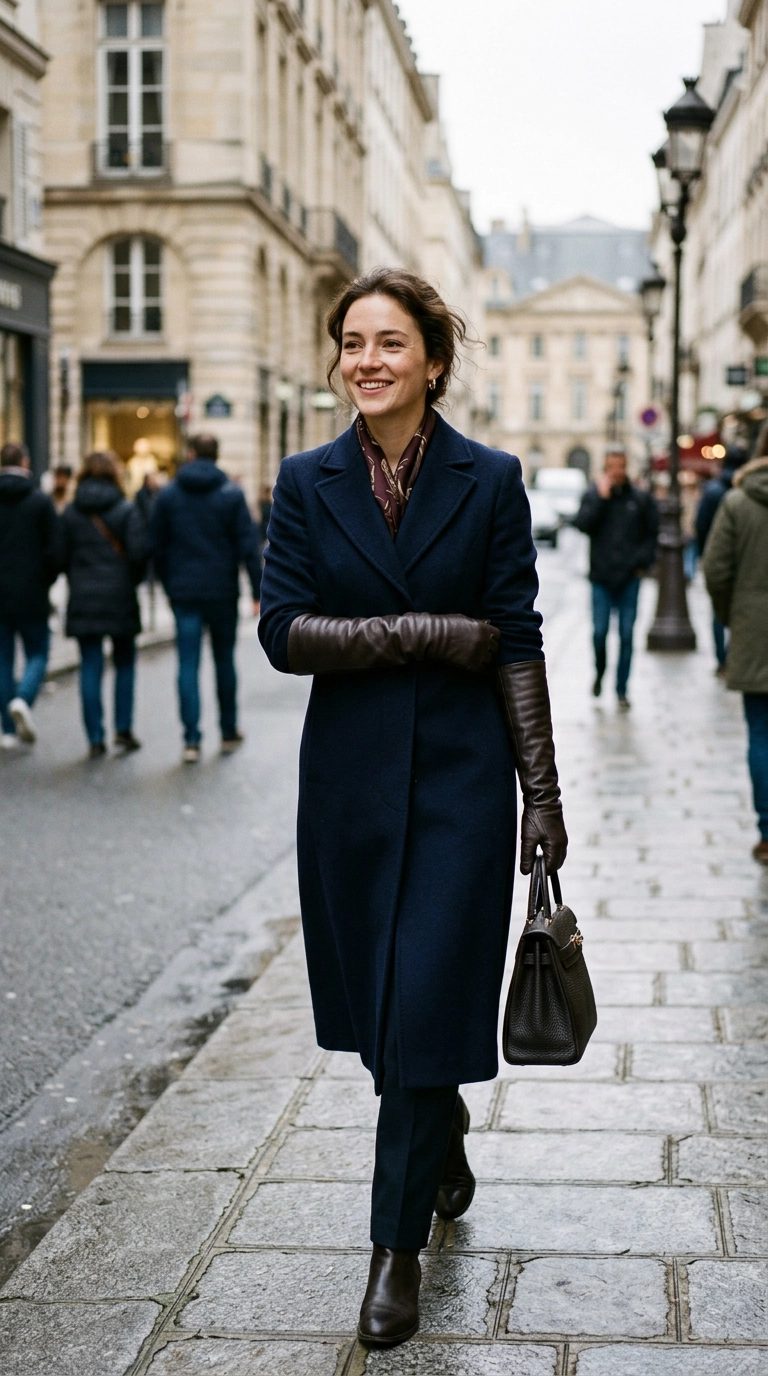
Nothing ruins a chic winter look faster than shivering. An “exposed gap” occurs when your gloves are too short for your coat sleeves, or your trousers are too short for your boots, leaving a patch of cold skin. This looks accidental rather than stylistic and suggests the outfit wasn’t planned for the climate.
Invest in longer gloves—often called “opera length” but available in casual leather or wool—that tuck up into your sleeves. For footwear, ensure your socks or hosiery are tall enough that no skin shows when you sit down. A continuous line of color and fabric looks much more intentional and high-end.
This is particularly important with cropped wide-leg trousers. Pair them with a tall, slim-fitting boot that goes up under the hem of the pants. This creates a sophisticated, unbroken silhouette that keeps you warm and looks incredibly polished on the street.
Hardware Mismatch: Bag Straps and Jewelry
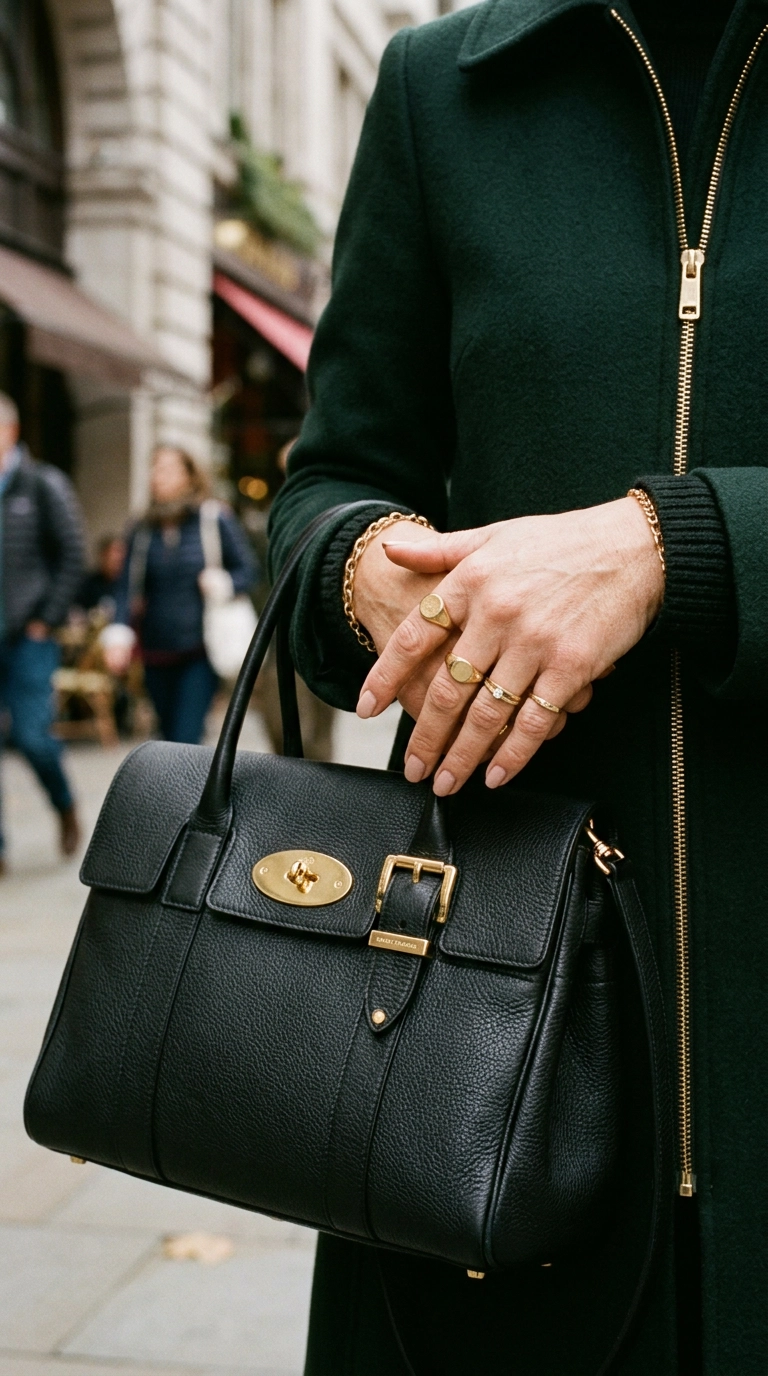
Winter outfits involve a lot of hardware: zippers on coats, buckles on boots, bag chains, and jewelry. Mixing bright silver zippers with heavy gold bag chains and rose gold earrings can make an outfit feel disjointed. While mixing metals can be done intentionally, it often looks like an oversight in winter layering.
Try to coordinate the dominant metal in your outfit. If your favorite winter coat has prominent silver snaps and zippers, lean into silver-toned jewelry and bags with silver hardware. This creates a subtle thread of consistency that ties the entire look together from head to toe.
If you must mix metals, do it in a “two-to-one” ratio. If your bag has gold hardware, wear a mixed-metal watch or a stack of rings that includes both gold and silver to bridge the gap. This makes the choice look like a deliberate style move rather than a mistake.
Winter Accessory Styling Guide
Use this quick reference to ensure your accessories are working for you, not against you.
| Accessory | Common Mistake | The Pro Fix |
|---|---|---|
| Scarf | Too tight / “Neck brace” | Loose drape or belted |
| Beanie | Pilling acrylic fabric | 100% Cashmere or Merino |
| Gloves | Too short / Exposed wrists | Long leather or knit sleeves |
| Belts | Wrong width for coat | Match belt weight to coat bulk |
Frequently Asked Questions
How do I wear a scarf without looking bulky?
Choose thinner, high-quality fabrics like cashmere over chunky acrylic. Use a vertical drape where the ends hang down the front of your coat to create a slimming line.
Can I wear a hat and a scarf at the same time?
Yes, but ensure they are not identical sets. Matching “hat and scarf sets” can often look a bit dated; instead, choose pieces in the same color family but with slightly different textures.
What is the best scarf length for a petite person?
Look for scarves that don’t fall past your knees when draped around your neck. Anything longer will pull the eye downward and make you appear shorter.
Refining Your Winter Aesthetic
Mastering winter style is less about following strict rules and more about understanding balance. By paying attention to how your scarves, hats, and hardware interact, you move away from the “bundled up” look toward a truly curated wardrobe. Take a moment to check your proportions in a full-length mirror before you step out, and don’t be afraid to adjust your layers until the silhouette feels just right.