Affordable Body Skin Care Routine Essentials for Glowing Skin

Most of us spend a small fortune on serums and creams for our faces while neglecting the skin from the neck down. Your body skin is your largest organ, and it deserves more than just a quick rinse with whatever bar soap happens to be in the shower. I have found that you can achieve high-end, silky results without spending a fortune on designer labels.
The secret to a beautiful body routine isn’t about the price tag; it is about the consistency and the ingredients you choose. By focusing on a few core steps, you can eliminate dry patches, soothe irritation, and get that healthy sheen we all see on social media. This guide will help you build a routine that feels luxurious but fits into a realistic budget.
I have tested dozens of products to find the ones that actually perform as well as their expensive counterparts. Whether you are dealing with seasonal dryness or just want to feel more confident in your skin, these essentials are the foundation of a solid routine. Let’s look at the specific steps and products that will help you achieve your smoothest skin yet.
The Foundation: Cleansing Without Stripping
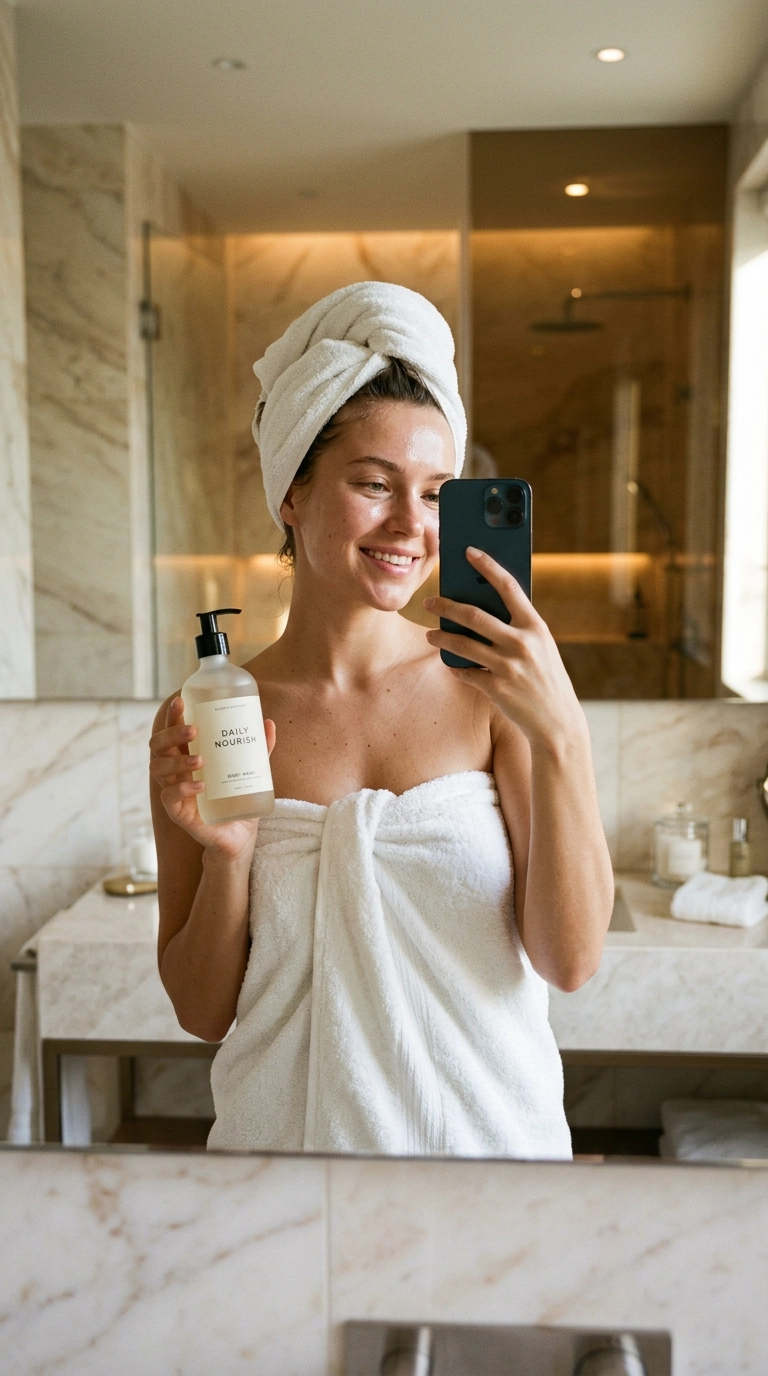
The first step in any body care routine is cleansing, but many traditional soaps are far too harsh. They often contain sulfates that strip away your natural oils, leaving your skin feeling tight and itchy. A good affordable cleanser should lift away dirt and sweat while keeping your moisture barrier intact.
Look for terms like “pH-balanced” or “soap-free” on the label to ensure you aren’t damaging your skin during your daily shower. Many affordable brands now offer sophisticated formulas that include hydrating ingredients like glycerin or soybean oil. These ingredients help the skin retain moisture even after you have rinsed the product away.
Choosing Between Gel and Cream Formulas
Gel cleansers are excellent for the summer months or after a heavy workout because they feel refreshing and rinse away cleanly. They are particularly effective for those who may experience occasional body breakouts on their back or chest. Look for formulas that include soothing extracts like green tea or aloe.
Creamy body washes are a savior for anyone with chronically dry or sensitive skin. These often feel more like a lotion and do not produce a massive amount of foam, which is actually a good sign that they are gentle. During the winter, switching to a cream-based cleanser can prevent the “ashy” look that often comes with cold weather.
The Benefits of Oil-Based Cleansers
If you have extremely dry skin, an in-shower body oil or an oil-to-foam cleanser is a fantastic budget-friendly luxury. These products help to dissolve sunscreen and sweat while depositing a light layer of hydration on the skin surface. They leave a subtle glow that makes your skin look healthy before you even reach for your moisturizer.
You can find very effective oil cleansers at the drugstore that use almond or grapeseed oil as their base. Using these during your shaving routine can also help prevent razor burn and irritation. It is a simple way to add an extra layer of protection to your skin barrier.
Exfoliation: The Secret to Silky Texture
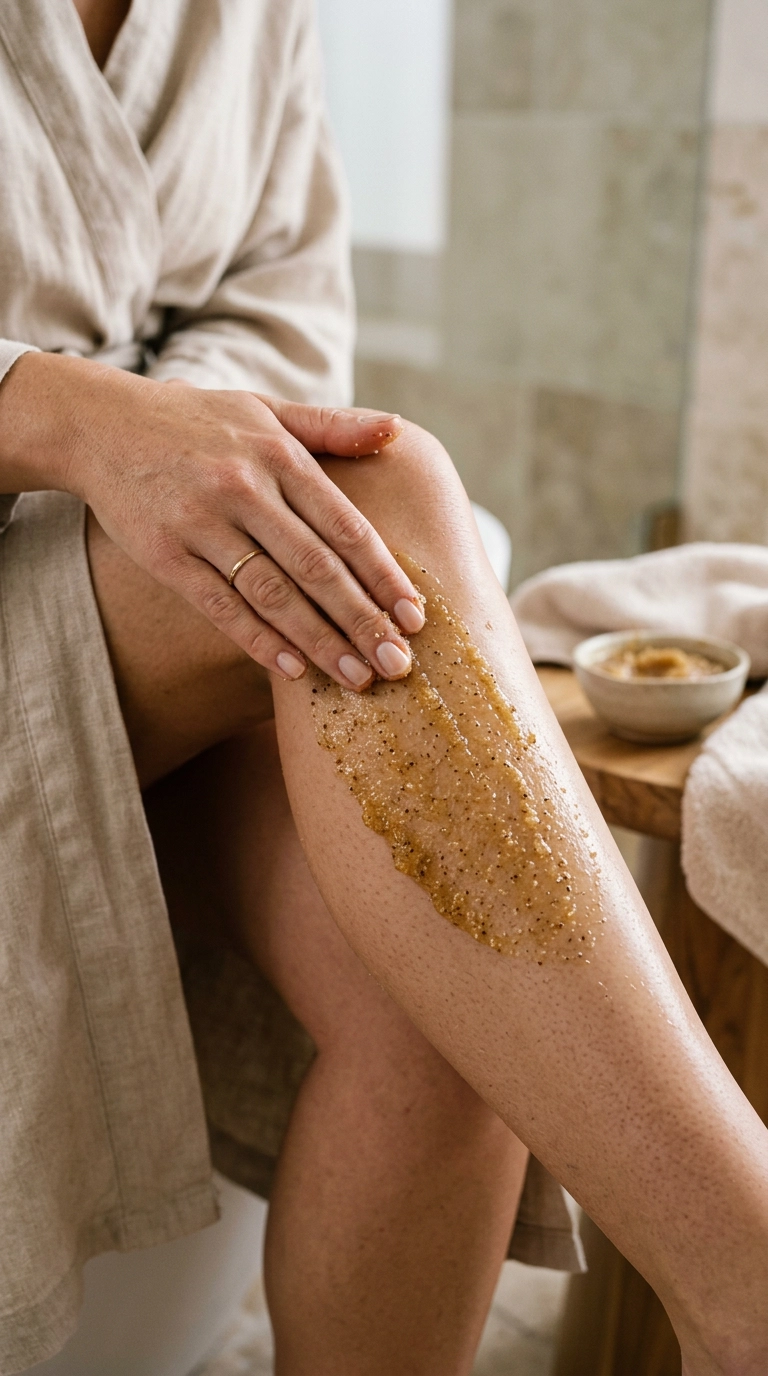
Exfoliation is the step that provides the most immediate visible difference in how your skin looks and feels. By removing the buildup of dead skin cells, you allow your moisturizers to penetrate more deeply and work more effectively. There are two main ways to exfoliate: physical scrubs and chemical exfoliants.
Physical scrubs use small particles like sugar, salt, or ground coffee to manually buff the skin. While these feel great and provide an instant smoothing effect, it is important not to overdo it. Using a scrub twice a week is usually enough to keep the skin soft without causing micro-tears or irritation.
Sugar Scrubs vs. Salt Scrubs
Sugar scrubs are generally gentler because the granules dissolve more quickly in water and have rounded edges. They are a great choice for sensitive areas or for use right before shaving to lift the hairs. Many affordable options come scented with essential oils, turning your shower into a brief spa experience.
Salt scrubs are often more abrasive and provide a deeper exfoliation, making them perfect for rough areas like heels and elbows. Salt also has natural minerals that can help detoxify the skin and reduce inflammation. If you have any small cuts or have just shaved, be careful as salt can sting significantly.
The Rise of Chemical Body Exfoliants
Chemical exfoliants use ingredients like Alpha Hydroxy Acids (AHAs) or Beta Hydroxy Acids (BHAs) to dissolve the “glue” that holds dead skin cells together. This is a much more thorough way to address skin texture issues like keratosis pilaris, often called “strawberry legs.” You can find body washes and lotions containing salicylic acid or lactic acid for very reasonable prices.
Lactic acid is particularly wonderful because it exfoliates while also acting as a humectant to draw moisture into the skin. Using a chemical exfoliant consistently can fade dark spots and evening out your skin tone over time. It is a more sophisticated approach to body care that used to be reserved for expensive brands.
Deep Hydration: Restoring the Skin Barrier

Moisturizing is the most critical part of a body routine, especially if you want that sought-after “lit from within” glow. The best time to apply your moisturizer is within three minutes of stepping out of the shower while your skin is still slightly damp. This technique helps trap the water on your skin and increases absorption.
Affordable moisturizers have come a long way, with many drugstore brands now including high-end ingredients like ceramides and hyaluronic acid. These components help rebuild the skin’s natural defense system, making it more resilient against environmental stressors. Look for large pump bottles that provide the best value for daily use.
Glycerin and Ceramides: The Budget Heroes
Glycerin is one of the most effective humectants available, and it is incredibly inexpensive. It works by pulling moisture from the air into your skin, keeping it plump and hydrated for hours. Most highly-rated affordable lotions use glycerin as a primary ingredient because it simply works.
Ceramides are lipids that help form the skin’s barrier and retain moisture. When your ceramide levels are low, your skin becomes dry, reactive, and prone to redness. Using a budget-friendly lotion enriched with ceramides can repair a damaged barrier and restore a healthy appearance to tired skin.
The Art of Layering Body Oils
For an extra boost of radiance, try layering a body oil over your lotion. The lotion provides the hydration (water), while the oil acts as an occlusive to seal that hydration in. This combination creates a beautiful, long-lasting sheen that looks incredible in photos and feels soft to the touch.
You don’t need expensive botanical oils to get this effect; simple sweet almond oil or jojoba oil works perfectly. Apply the oil to the high points of your body, like your collarbones and shins, for a natural highlight. This extra step takes only seconds but makes a massive difference in the longevity of your glow.
Targeted Solutions and Sun Protection
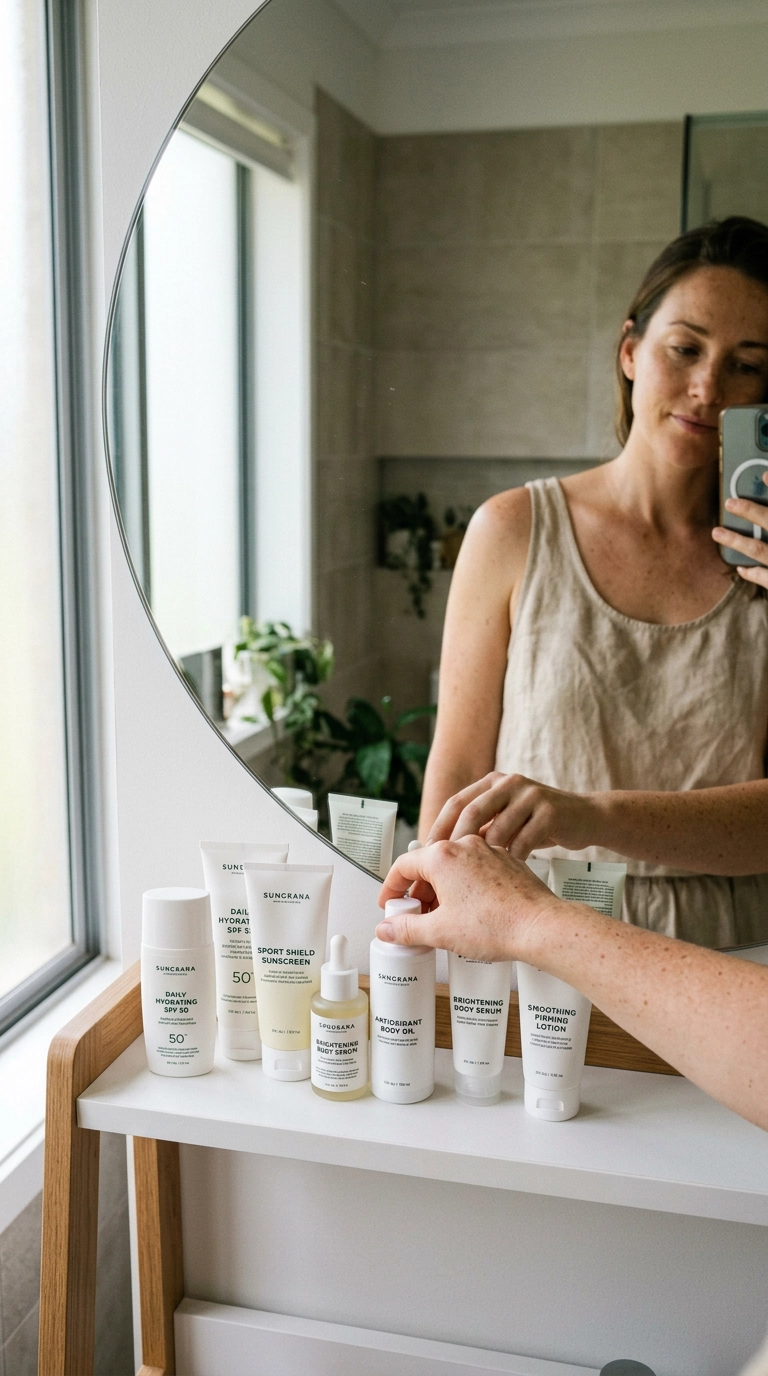
If you have specific concerns like sun damage or loss of elasticity, you can find targeted treatments that won’t break the bank. Body retinol is becoming more common in the affordable market, helping to smooth fine lines and improve skin texture over time. It is a great way to bring facial-grade anti-aging benefits to the rest of your body.
Sun protection is the most important anti-aging step you can take for your body skin. Most people forget to apply SPF to their chest, arms, and the tops of their feet, which often leads to premature spotting. There are many lightweight, non-greasy body sunscreens available now that feel just like a regular moisturizer.
Addressing Hyperpigmentation and Spots
Sun spots and uneven tone on the body can be treated with ingredients like Niacinamide or Vitamin C. Many affordable body lotions now include these brighteners to help unify the skin tone. Consistency is key here; you won’t see results overnight, but after a month of daily use, the skin will appear clearer.
If you struggle with dark spots from old breakouts, look for products containing kojic acid or tranexamic acid. These ingredients are very effective at calming the pigment-producing cells in the skin. Combining these treatments with daily sun protection will prevent the spots from getting darker.
The Necessity of Daily Body SPF
Using a daily SPF on exposed areas of the body prevents the breakdown of collagen and elastin. This helps keep the skin on your neck and chest looking firm and youthful for much longer. Choose a formula that includes antioxidants for extra protection against pollution and free radicals.
Many budget sunscreens now offer a “glow” finish, which adds a subtle shimmer to the skin while protecting it. This is a great two-in-one product for summer days when you want your legs to look polished. Remember to reapply if you are spending extended periods outdoors or near windows.
Comparison of Budget-Friendly Ingredients
To help you navigate the aisles, I have put together a quick reference table of the best ingredients to look for based on your specific skin needs. These are all commonly found in affordable body care lines.
| Skin Concern | Target Ingredient | Primary Benefit |
|---|---|---|
| Dry/Flaky Skin | Urea or Lactic Acid | Gently exfoliates while deeply hydrating. |
| Rough Texture | Salicylic Acid (BHA) | Clears pores and smooths bumps. |
| Weak Skin Barrier | Ceramides | Repairs and protects the skin surface. |
| Dullness | Vitamin C or Niacinamide | Brightens and evens out skin tone. |
| Dehydration | Glycerin | Attracts and holds moisture in the skin. |
Body Care FAQ
How often should I exfoliate my body?
For most skin types, two to three times a week is the sweet spot. If you have very sensitive skin, once a week is plenty to maintain a smooth texture without causing irritation. Always follow up with a rich moisturizer to soothe the fresh skin.
Can I use my face moisturizer on my body?
While you can, it usually isn’t cost-effective because body skin is thicker and requires more product. Body lotions are formulated to be richer and cover larger areas more easily. However, using a face cream on your chest or neck is a great way to use up products that didn’t work for your face.
Why is my skin still dry after moisturizing?
You might be applying your lotion to skin that is too dry. Try applying it while your skin is still damp from the shower to lock in that extra water. Also, check if your body wash contains harsh sulfates that might be working against your moisturizer.
Is body oil better than body lotion?
Neither is necessarily “better,” as they serve different purposes. Lotion provides hydration (water), while oil provides nourishment and a seal (lipids). For the best results, use a lotion first and then layer a light oil on top to lock everything in.
Final Thoughts on Body Care
Taking care of your body skin doesn’t have to be a complicated or expensive endeavor. By choosing products with proven ingredients like ceramides, glycerin, and gentle acids, you can maintain a healthy and glowing appearance year-round. Remember that the most effective routine is the one you actually enjoy doing every day.
Start by swapping out your harsh soap for a gentle cleanser and adding a weekly exfoliation step. Once you see how much smoother and brighter your skin can be, you will look forward to this part of your day. Investing a little time in your body care will pay off in soft, confident skin that feels as good as it looks.