7 Simple Outfit Mistakes Breaking Your Monochrome Aesthetic

Mastering a single-color look is often seen as the peak of effortless chic, yet many people struggle to make it look intentional rather than accidental. When you dress in one shade from head to toe, you are essentially asking your silhouette and fabric choices to do all the heavy lifting. If those elements are off by even a fraction, the entire aesthetic falls flat and loses its high-fashion edge.
The secret to a successful monochrome outfit lies in the subtle nuances that create depth and visual interest without breaking the color palette. Most style enthusiasts fall into the trap of matching colors too perfectly or forgetting how lighting affects different materials. These small errors can turn a powerful fashion statement into a drab, uninspired uniform that fails to flatter your frame.
We are going to break down the specific habits that are currently holding your wardrobe back from reaching its full potential. By correcting these simple mistakes, you will learn how to build tonal outfits that look expensive, curated, and deeply stylish. You deserve a wardrobe that feels cohesive and makes a lasting impression every time you step out the door.
1. Wearing Identical Textures From Head to Toe
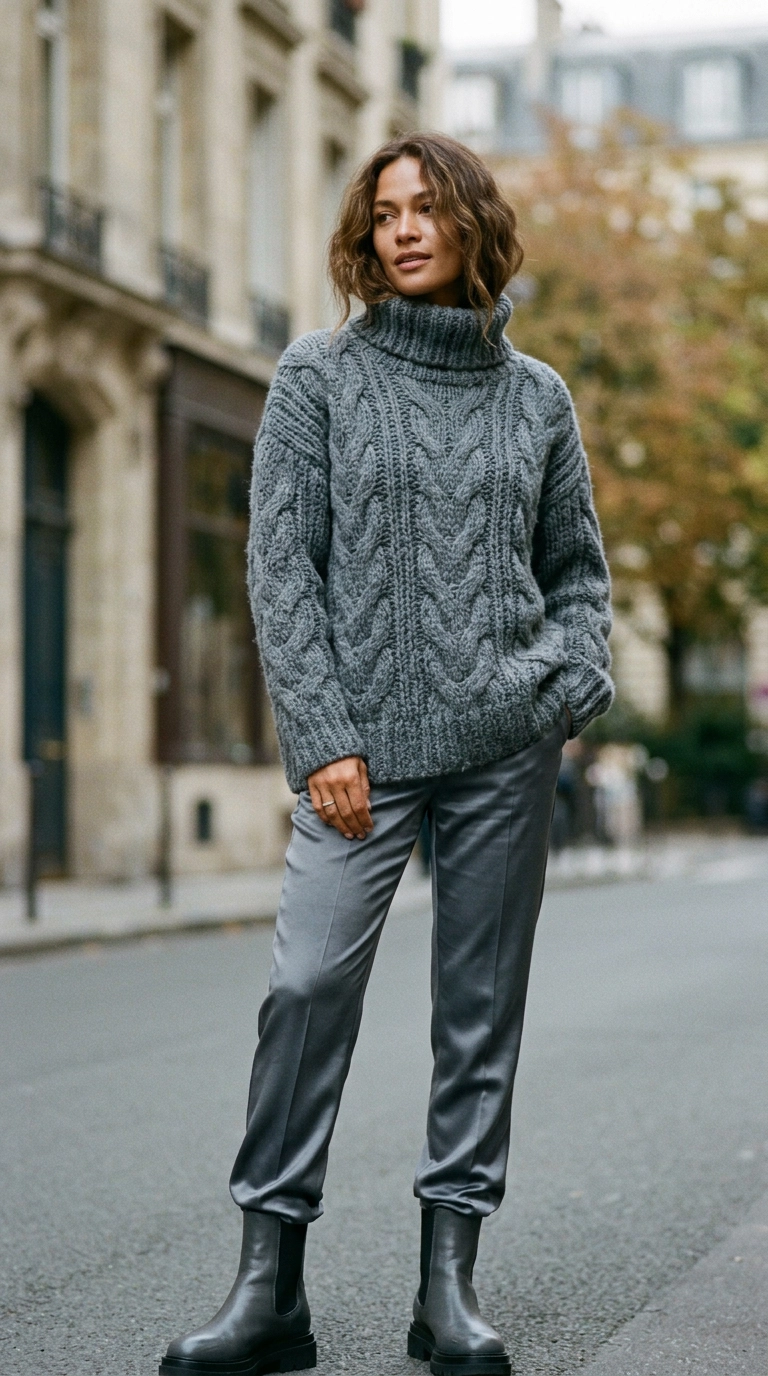
When every piece of your outfit is made from the same flat material, your body shape tends to disappear into a singular block of color. This lack of dimension is the most common reason why monochrome outfits look boring or unfinished. Without texture, there is no shadow or light play to define your silhouette or add character to the look.
To fix this, you should always aim to mix at least three different fabric finishes in a single outfit. Think about pairing a heavy wool coat with a delicate silk slip dress or matching rugged denim with a soft cashmere sweater. The contrast between rough and smooth, or matte and shiny, creates a rich visual experience that feels intentional and expensive.
Texture variation acts as a substitute for color contrast, providing the eye with something to focus on as it moves across your frame. It allows the light to hit your outfit in different ways, highlighting your waist or the drape of your trousers. This simple shift in thinking will immediately elevate your look from a basic pairing to a professional editorial ensemble.
2. Ignoring the Conflict of Undertones
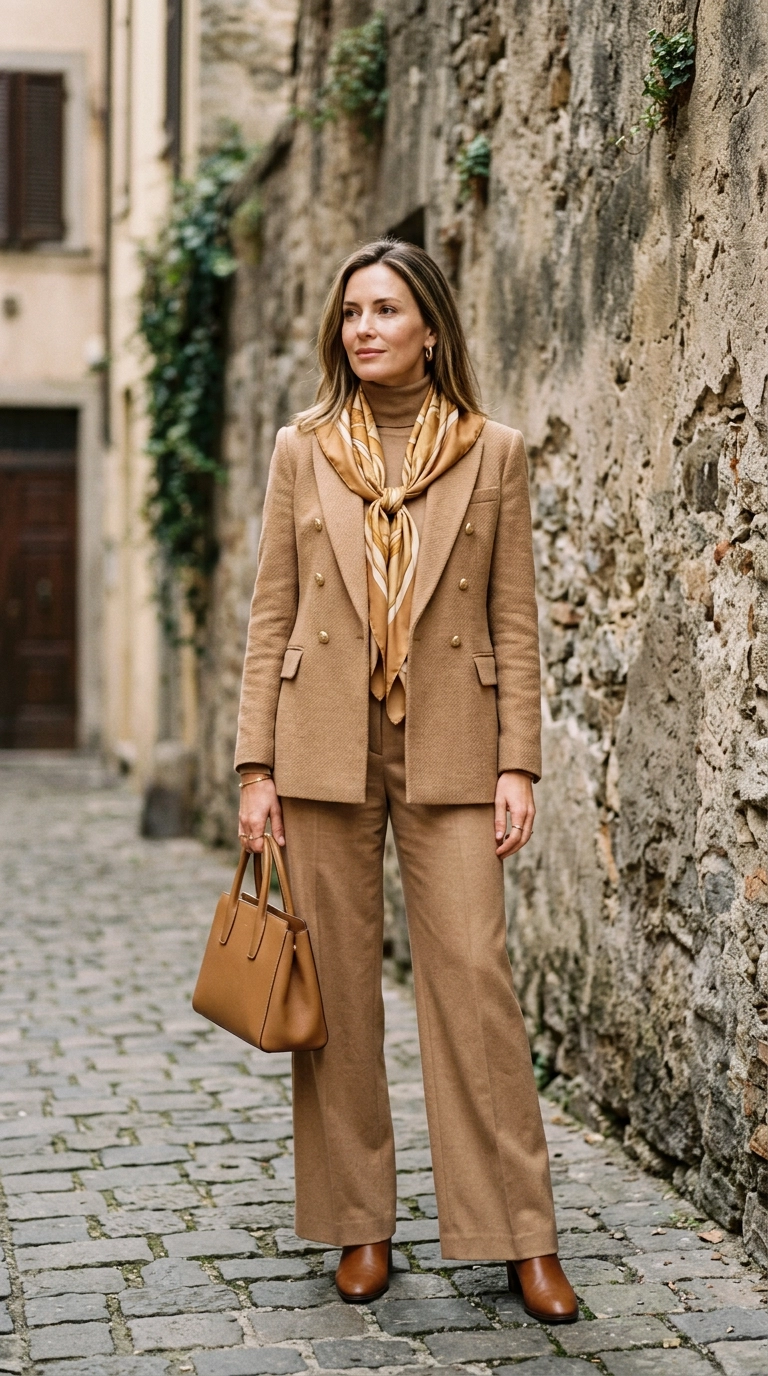
Not all whites are created equal, and the same goes for every other color in your closet. Mixing a cool-toned “blue” white with a warm-toned “yellow” cream can make your outfit look mismatched or even dirty. These clashing undertones create a visual vibration that feels uneasy and disrupts the seamless flow of a monochrome aesthetic.
Before leaving the house, check your outfit under natural daylight to ensure the base tones are working in harmony. If you are wearing a cool grey, make sure your accessories and footwear don’t lean toward a warm taupe or brownish tint. Staying within the same temperature family is the easiest way to ensure your look feels polished and cohesive.
If you find it difficult to match tones perfectly, lean into intentional shading rather than trying to hit the exact same note. A darker forest green paired with a lighter sage green works beautifully because the difference is clear and deliberate. The mistake happens when pieces are almost identical but have slightly different “hidden” colors that fight against each other.
3. Forgetting to Define Your Silhouette
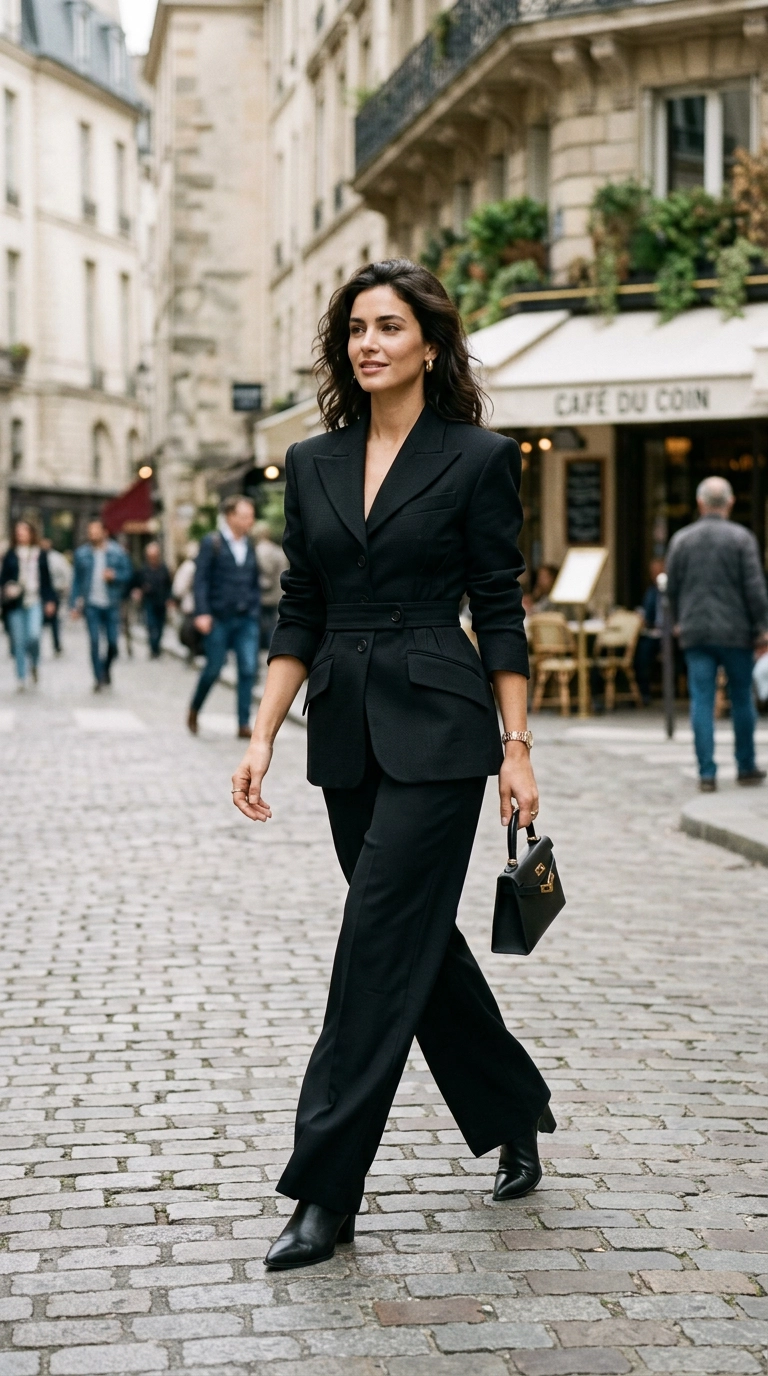
A single-color outfit can easily become a “blob” if you don’t pay attention to where your clothes start and end. Without the natural break of different colors to signify your waist or hips, you must use structure to create shape. Many people make the mistake of wearing oversized pieces on both the top and bottom, which swallows the figure entirely.
The key is to use belts, tucking techniques, or tailored cuts to provide some visual punctuation. If you are wearing wide-leg trousers, pair them with a fitted bodysuit or a cropped jacket to show where your torso begins. This prevents the monochrome look from overwhelming your proportions and ensures you look like you are wearing the clothes, rather than the clothes wearing you.
Pay close attention to the hemline of your tops and the rise of your pants to ensure they meet at a flattering point. A French tuck is a great way to maintain the flow of color while still hinting at a waistline. By creating these small breaks in the fabric, you add a level of sophistication that distinguishes a high-fashion look from a casual one.
4. Choosing Accessories That Fade Away
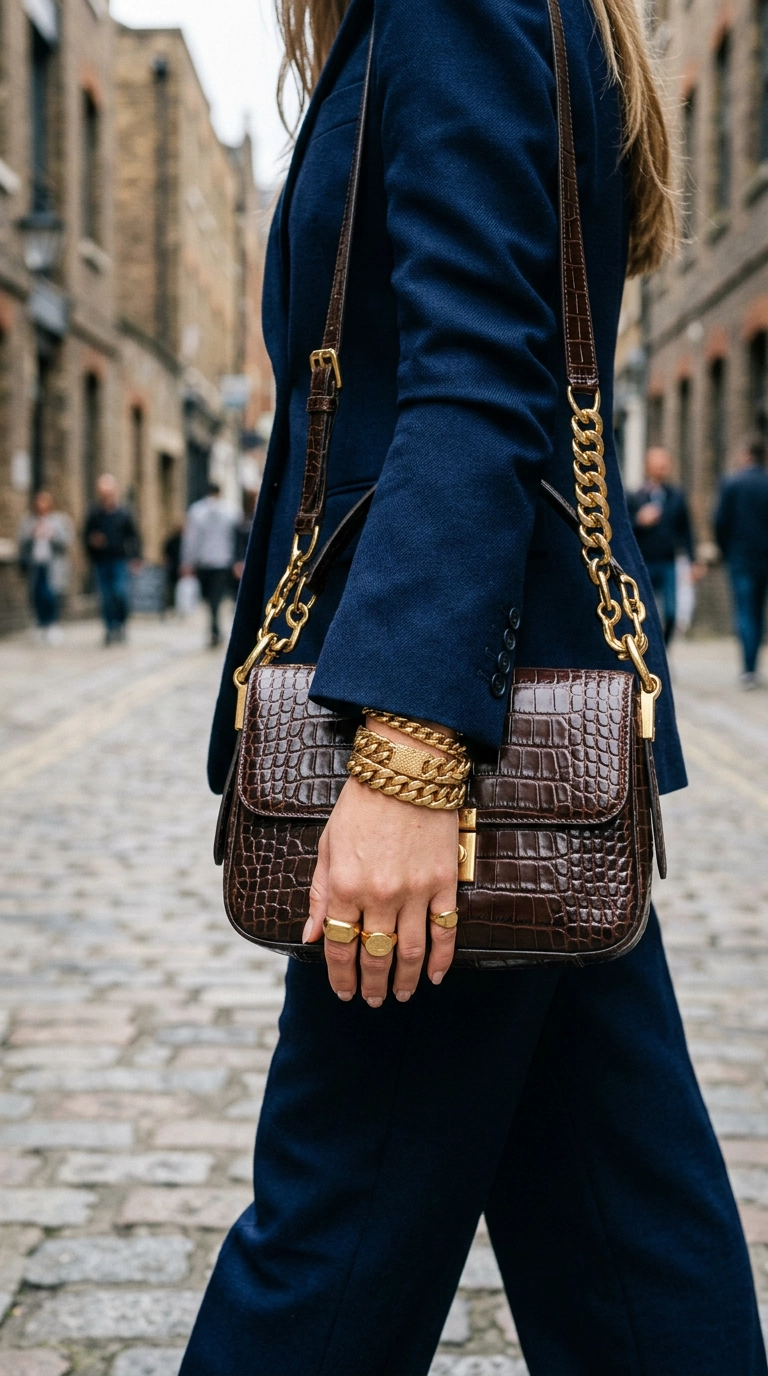
Accessories are the jewelry of your outfit, but in a monochrome look, they often get lost if they aren’t chosen carefully. If your bag and shoes are the exact same flat material as your dress, they won’t stand out or add any value to the ensemble. This is a missed opportunity to add the “pop” that every successful outfit needs.
Use your accessories to introduce a new finish, such as patent leather, suede, or metallic hardware. A gold chain or a silver buckle provides a necessary break in the color and draws the eye to specific areas of interest. Even if the accessory is the same color as the clothes, a different texture like snakeskin or quilting will make it visible.
Consider the scale of your accessories as well, as smaller pieces can easily get drowned out by a bold, single-color look. Chunky earrings or a structured handbag can act as anchors for the outfit, giving it a sense of purpose and weight. Don’t be afraid to let your accessories be the focal point that ties the entire tonal story together.
5. Settling for Flimsy or Transparent Fabrics
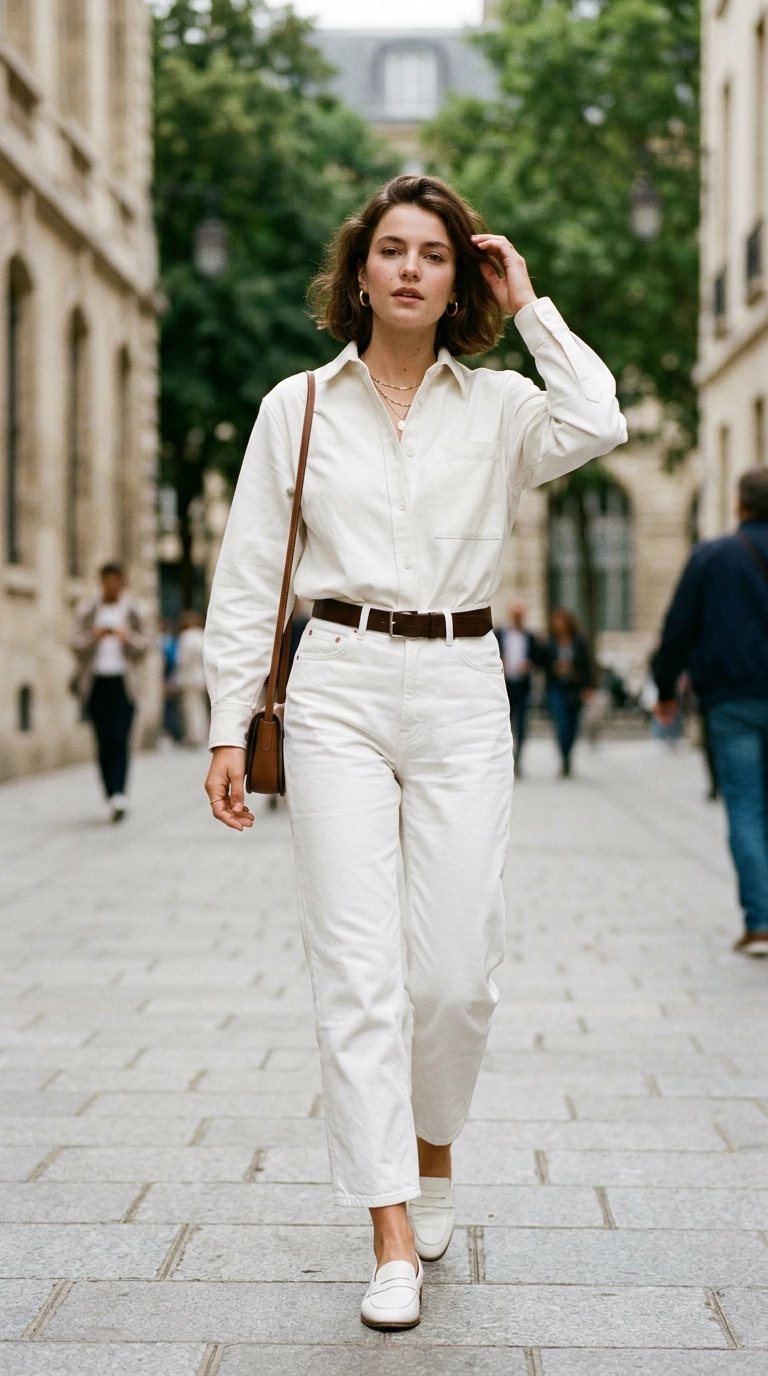
Light-colored monochrome looks, like all-white or all-beige, are notorious for revealing poor fabric quality. When you wear one color, the eye is drawn to the way the fabric drapes and its opacity. Thin, low-quality materials can appear cheap or even show undergarments, which instantly destroys the polished vibe you are aiming for.
Invest in pieces with a bit of weight and structure, especially when dealing with lighter shades. Look for heavy cotton, thick linens, or lined trousers that maintain their shape throughout the day. A sturdy fabric not only looks more expensive but also helps to smooth out your silhouette and provide a cleaner canvas for your monochrome styling.
Always do a “light test” in a mirror to ensure your pieces are opaque enough for public wear. If a piece feels too flimsy, consider layering it or choosing a different fabric entirely. High-quality materials are the foundation of any luxury-inspired wardrobe and are non-negotiable for a successful tonal look.
| Fabric Texture | Best Pairing Partner | Visual Effect |
|---|---|---|
| Chunky Wool | Silk or Satin | Balanced Sophistication |
| Smooth Leather | Cotton or Cashmere | Edgy and Refined |
| Structured Denim | Fine Knitwear | Elevated Casual |
| Crisp Poplin | Textured Tweed | Professional Depth |
6. Failing to Use Different Shades of the Same Color
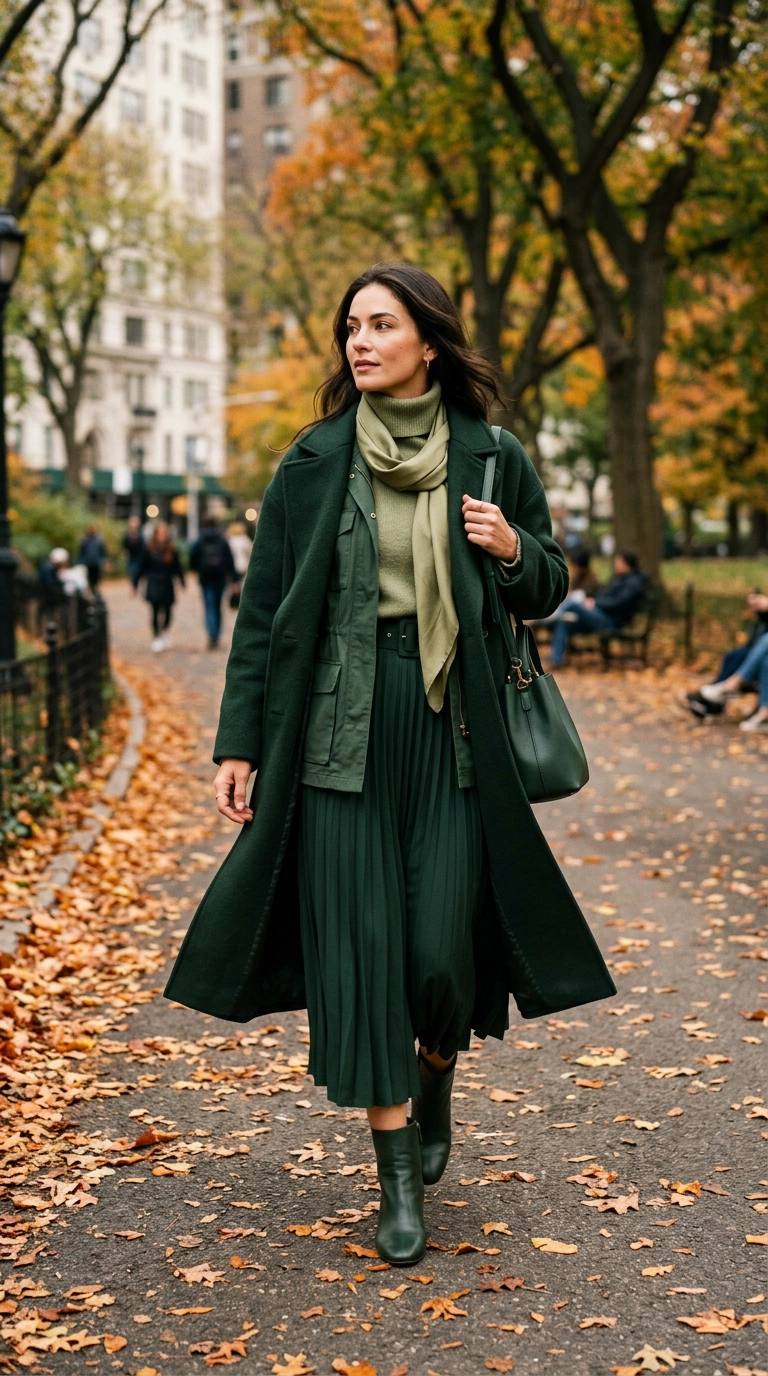
Monochrome does not mean you have to wear the exact same hex code from head to toe. In fact, sticking to one solitary shade can often look flat and uninteresting. The most successful tonal outfits actually use a range of shades within the same color family to create a sense of movement and depth.
Try placing darker shades on the bottom to anchor the look and lighter shades near your face to brighten your complexion. This gradient effect is much more forgiving and easier to style than trying to find three items in the exact same shade of burgundy. It also allows you to use pieces you already own rather than buying a specific “set.”
When you mix shades, you create a layered look that feels like it was styled by a professional. It shows that you understand color theory and know how to manipulate tones to suit your body. This approach turns your outfit into a curated collection of pieces rather than a simple matching game.
7. Breaking the Vertical Line with Footwear
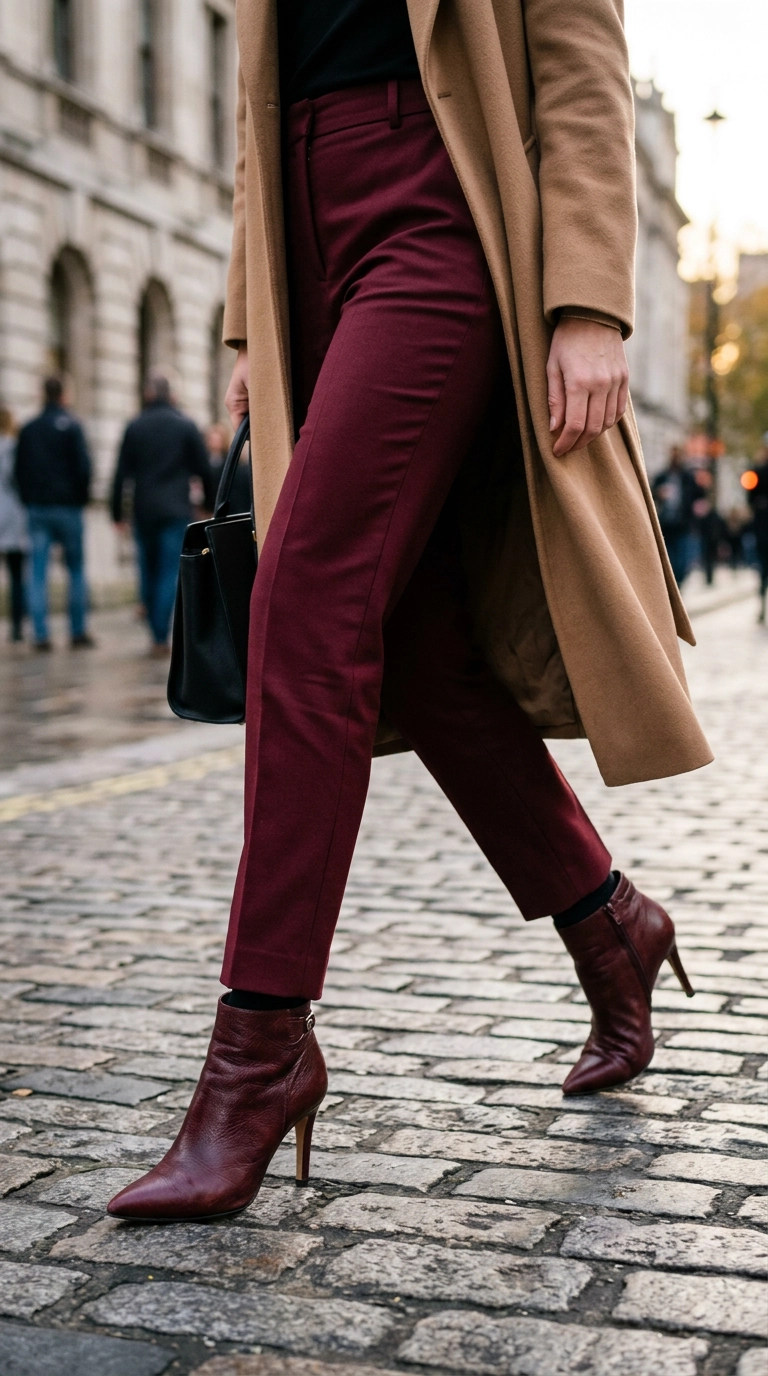
The primary benefit of monochrome dressing is the long, lean vertical line it creates, which makes you look taller and more streamlined. However, many people break this line by choosing shoes that clash with the rest of the outfit. A pair of black shoes at the end of an all-cream look acts like a period at the end of a sentence, stopping the eye abruptly.
To maximize the lengthening effect, choose footwear that matches your trousers as closely as possible. If you are wearing a skirt or shorts, choose a shoe that matches your skin tone or the color of your hosiery. This ensures that the eye travels uninterrupted from your shoulders all the way down to the ground, creating a graceful and tall appearance.
Even if the shoes aren’t an exact match, staying within the same color family helps maintain the illusion. For example, if you are wearing navy trousers, a dark midnight blue shoe is far better than a stark white sneaker. Consistency at the feet is the final touch that solidifies your commitment to the monochrome aesthetic.
Common Questions About Tonal Dressing
- Can I mix metals with a monochrome outfit? Yes, mixing gold and silver can add a modern twist, but sticking to one metal often keeps the look more streamlined.
- Is monochrome only for neutral colors? Not at all. Vibrant reds, deep greens, and bold blues make for stunning monochrome looks when styled with the right textures.
- How do I stop my monochrome look from looking like a uniform? Use varying textures and intentional accessories to break up the color and add your personal personality.
- Does every piece need to be the same brand? No, mixing brands often leads to a better variety of textures and shades within the same color family.
Stepping into the world of monochrome dressing is a journey toward a more refined and confident personal style. By avoiding these common pitfalls and focusing on texture, undertones, and silhouette, you can create outfits that look like they belong on a runway. Take a look at your closet today and see how you can start layering your favorite colors in a way that feels fresh and sophisticated.