10 Tailoring Fashion Mistakes to Avoid at All Costs

Your clothes might be expensive, but if they do not fit your frame perfectly, they look cheap. Most people settle for “good enough” off the rack, missing the subtle adjustments that separate a style icon from the crowd.
Wearing a suit or a blazer that hasn’t seen a tailor is like buying a sports car and never taking it out of second gear. You are losing the impact of your investment by ignoring the small details that define a sharp silhouette.
Mastering these adjustments will make your wardrobe look ten times more expensive without buying a single new item. This guide will help you audit your closet for maximum visual impact and professional polish.
Ignoring the Half-Inch Sleeve Rule
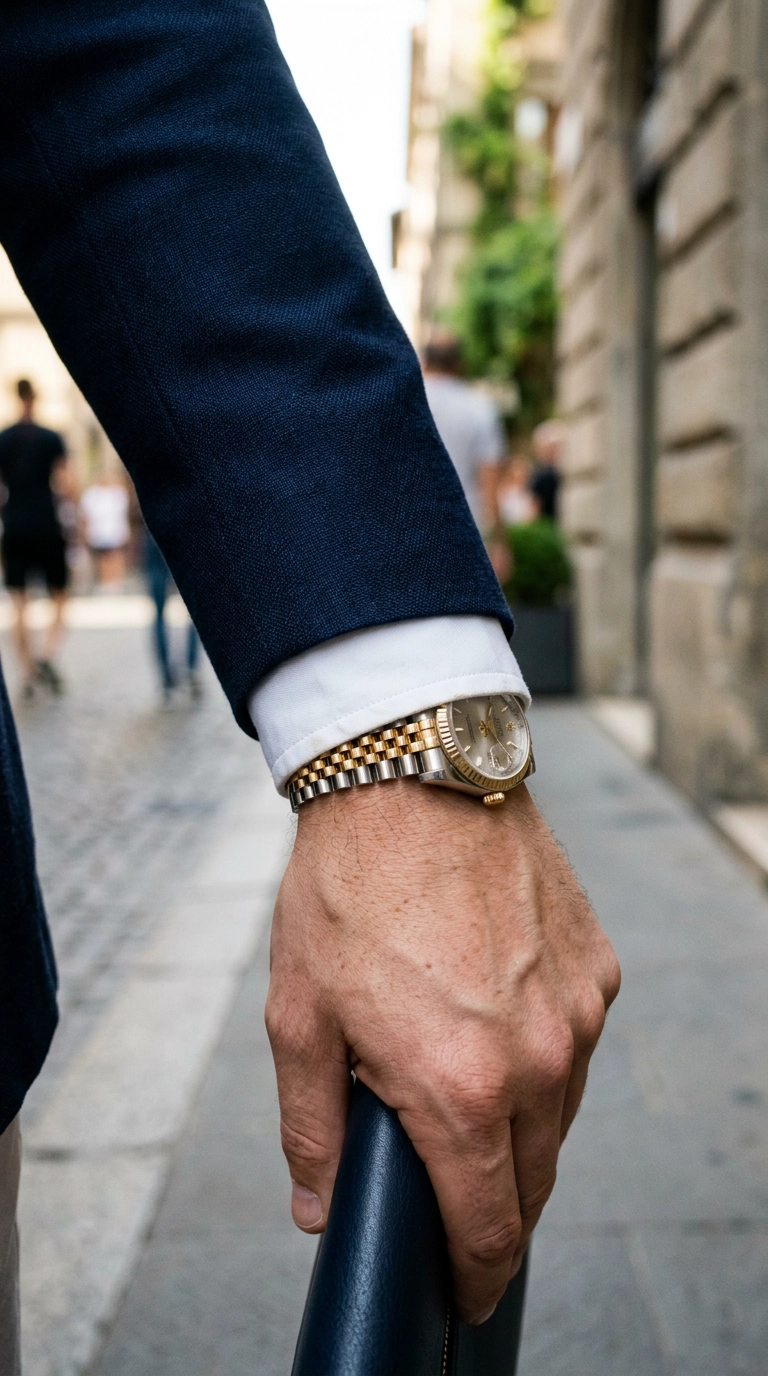
One of the most frequent errors is wearing jacket sleeves that are far too long. If your sleeve reaches your knuckles, you look like you are wearing your father’s suit.
A jacket sleeve should end right at your wrist bone, allowing about half an inch of shirt cuff to show. This small window of fabric adds a layer of sophistication and contrast to your look.
Ask your tailor to shorten the sleeves from the shoulder if the jacket has functional buttonholes. This preserves the proportions and ensures the buttons do not end up sitting too high on your arm.
The Dreaded Shoulder Overhang
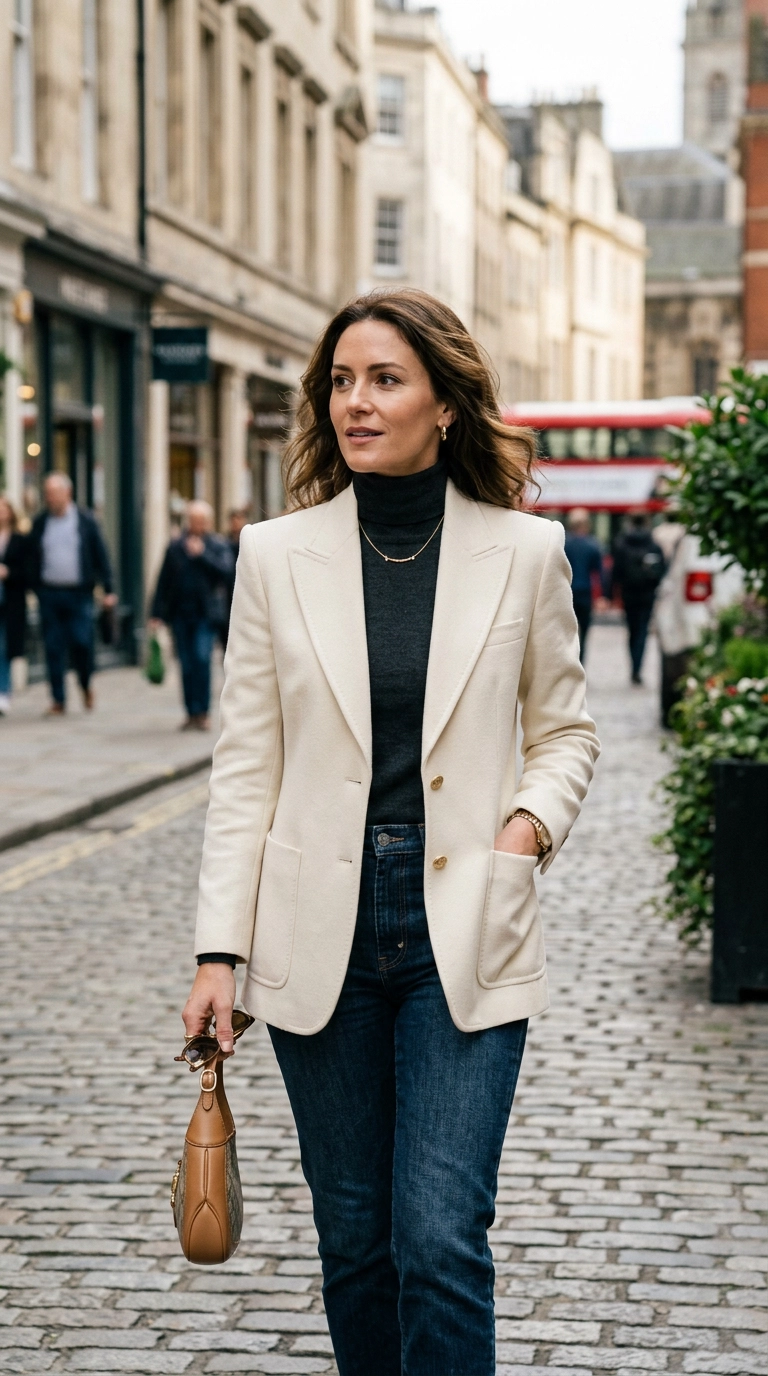
Shoulders are the most difficult and expensive part of a garment to fix. If the shoulder seam hangs past your natural shoulder, the entire garment will look oversized and sloppy.
The seam should sit exactly where your arm meets your shoulder. Any sagging creates a “football player” effect that ruins the vertical line of your body.
When shopping, always prioritize the shoulder fit above everything else. You can fix the waist and sleeves easily, but a bad shoulder is often a sign you should leave the piece on the rack.
Trousers Bunching at the Ankle
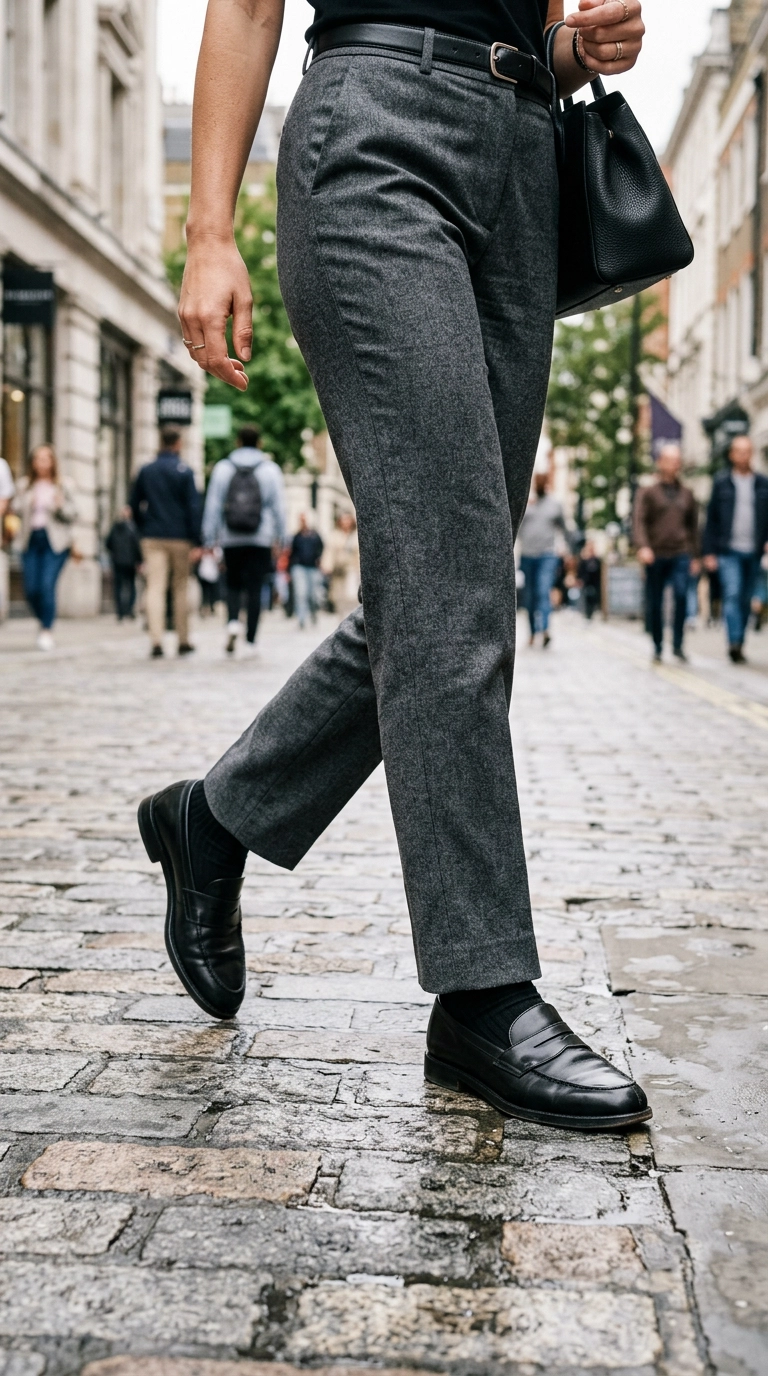
Too much fabric at the bottom of your pants creates a “puddling” effect that makes you look shorter. This excess fabric, known as the break, should be intentional and minimal.
A “no break” or “slight break” is the standard for a modern, clean look. This ensures the trouser leg falls in a straight, clean line from the hip to the shoe.
Consider the height of the shoes you wear most often when visiting your tailor. Bring those specific shoes to the fitting so the hem is measured at the perfect height for your lifestyle.
Choosing Your Trouser Break
- No Break: The hem just touches the top of the shoe, perfect for a slim, modern aesthetic.
- Slight Break: A tiny fold where the trouser hits the shoe, ideal for traditional business settings.
- Full Break: A deep fold of fabric, which usually looks dated and should be avoided in most modern contexts.
The Boxy Midsection Disaster
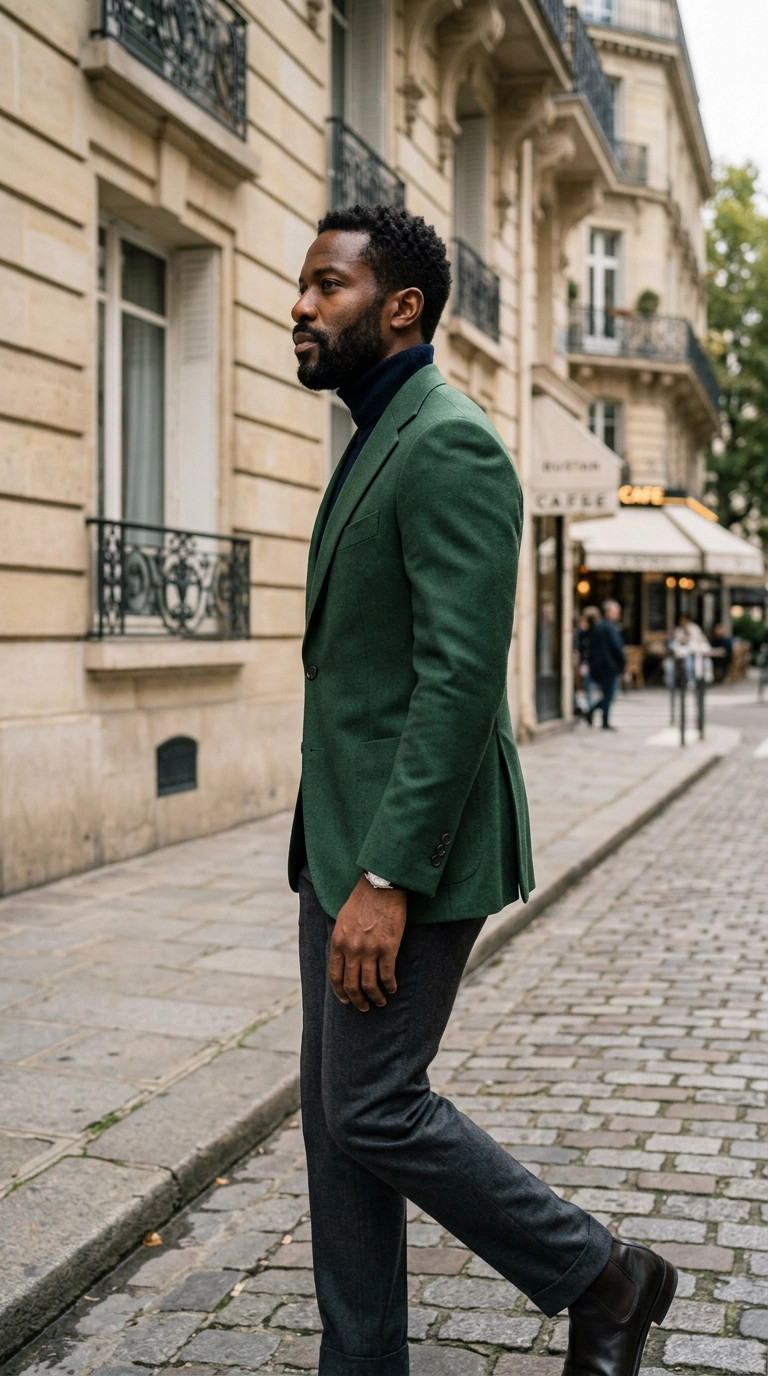
Most off-the-rack jackets are cut with a boxy shape to accommodate as many body types as possible. If you don’t taper the waist, you lose your natural shape and look wider than you are.
Taking in the sides of a jacket or shirt creates a subtle “V” shape that emphasizes the shoulders. This adjustment is relatively inexpensive and makes a massive difference in how you are perceived.
Ensure the tailor does not pull the fabric too tight, as this will cause “pulling” lines across the button. You want a close fit that still allows you to move and breathe comfortably.
Incorrect Hem Height on Skirts
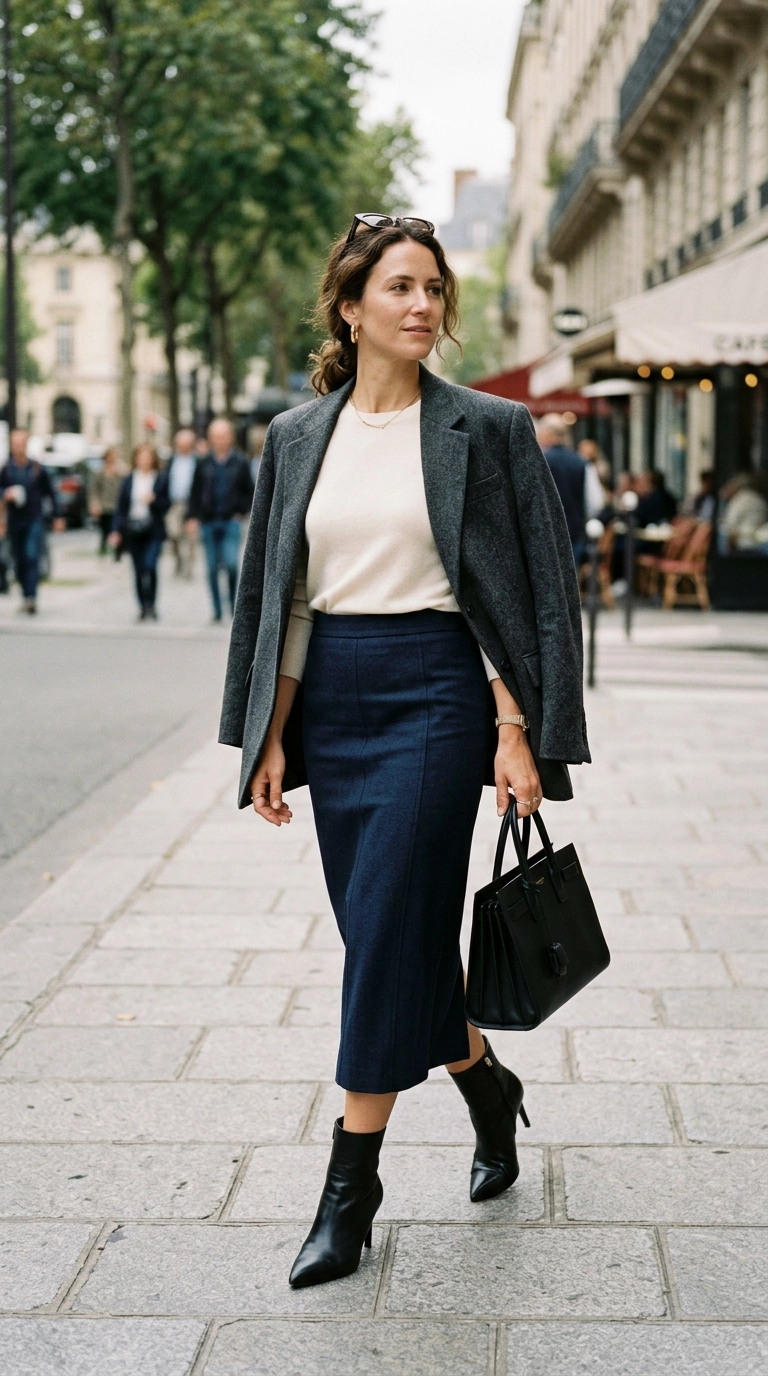
For skirts and dresses, the hemline should hit at a narrow part of your leg. If the fabric ends at the widest part of your calf, it creates a heavy, unbalanced look.
A tailor can easily adjust the hem to hit just above or just below the knee. This elongates the legs and creates a more flattering, streamlined silhouette for any height.
Pay attention to the vent at the back of the skirt when hemming. If you shorten the piece too much, the vent may need to be adjusted or closed to maintain the garment’s integrity.
Settling for Cheap Plastic Buttons
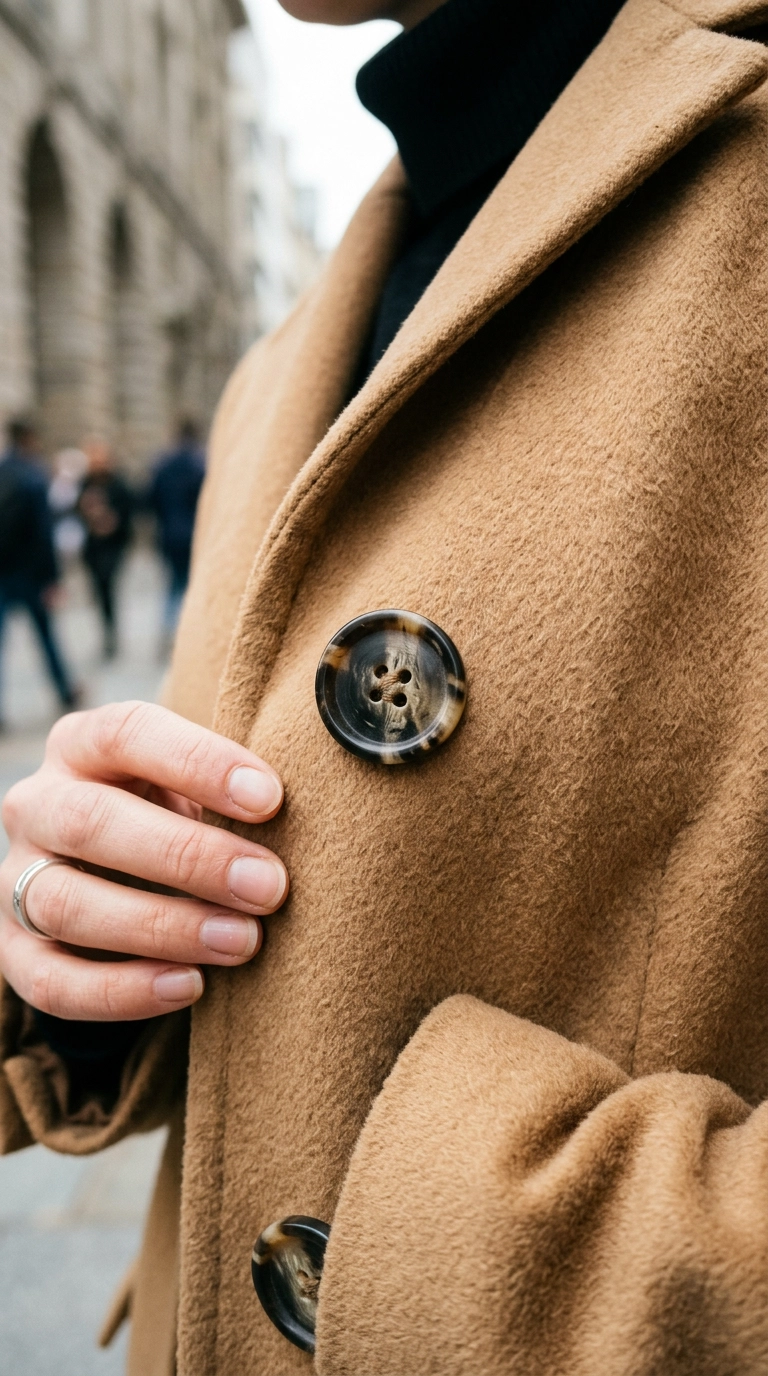
Many high-end brands use cheap plastic buttons to save on manufacturing costs. These buttons can make even the most beautiful wool or silk look imitation.
Replacing standard buttons with genuine horn, mother-of-pearl, or brass is a quick way to upgrade a garment. It is a detail that style enthusiasts notice immediately.
Keep a small collection of high-quality buttons from old garments that you no longer wear. You can swap them onto new pieces to give them a custom, bespoke feel.
Forgetting to Snip the Vent Stitching
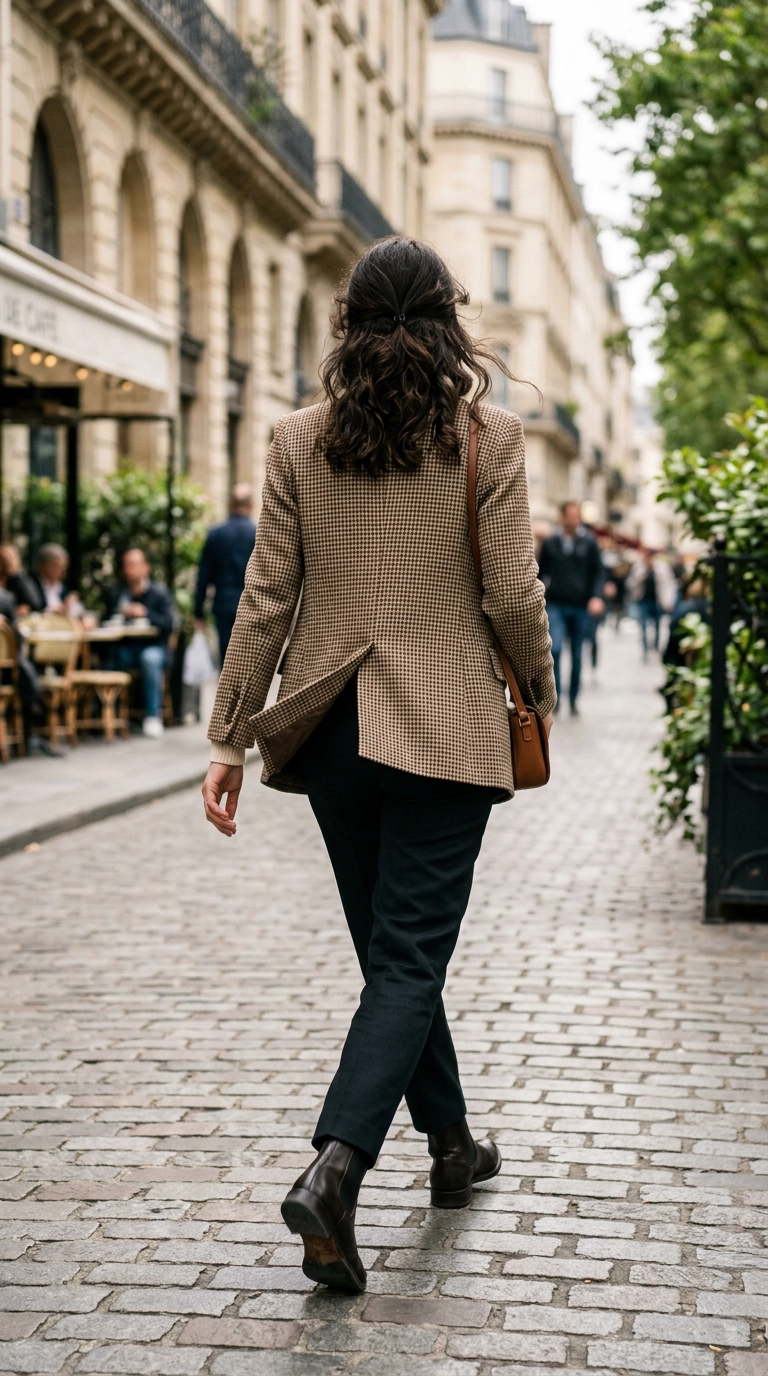
New jackets and coats often come with an “X” stitch holding the back vents closed. This is strictly for shipping purposes and is meant to be removed before wearing.
Leaving this stitch in place ruins the drape of the jacket and prevents it from moving with your body. It is a clear sign that the wearer does not understand the basics of tailoring.
Check the pockets and sleeve labels as well; these are also temporary. Use a small pair of scissors or a seam ripper to carefully remove these threads without snagging the fabric.
The Gap Between Collar and Neck
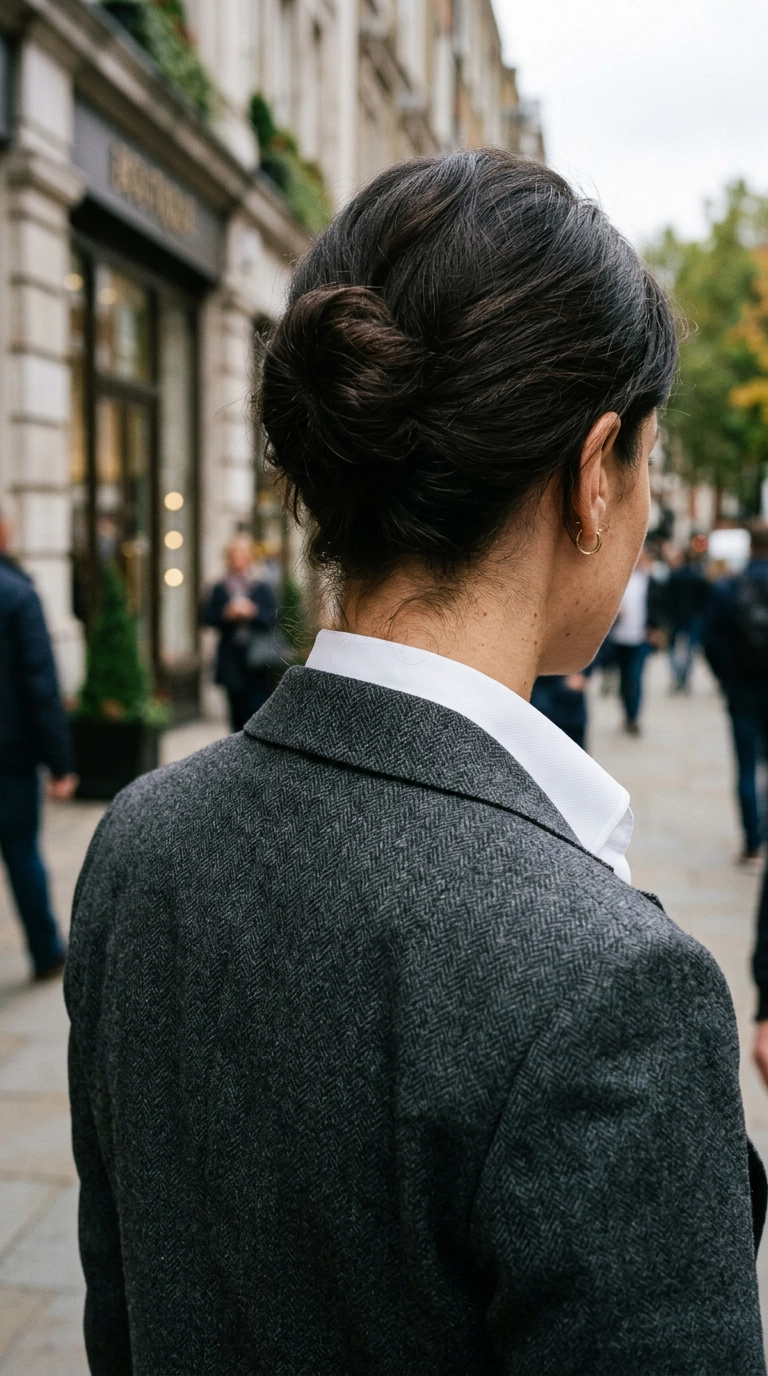
A jacket collar should rest flat against your shirt collar, which in turn should be snug against your neck. If there is a visible gap, the jacket is not sitting correctly on your frame.
This “collar gap” is usually caused by a poor shoulder fit or a rounded back posture. It makes the jacket look like it is floating off your body rather than being a part of it.
Fixing a collar gap is a complex job for a tailor, so check this first in the fitting room. If the gap is significant, you are better off trying a different brand or cut.
Bulky Pockets Ruining the Line
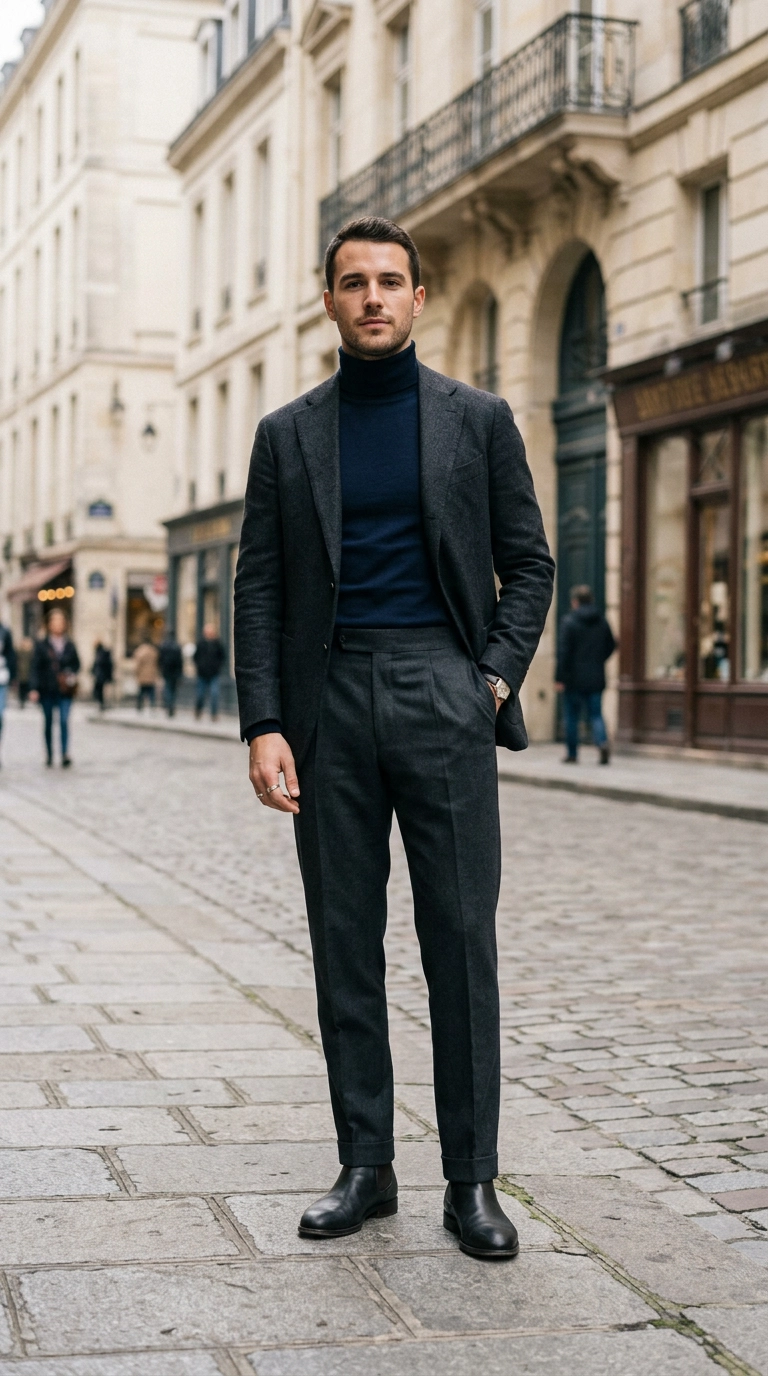
The pockets of tailored trousers are not meant to hold bulky wallets, keys, and phones. Overloading them creates lumps that break the clean vertical lines of your outfit.
If your pockets flare out while you are standing, the trousers are likely too tight in the hips. A tailor can sometimes let out the seat to allow the pockets to lie flat.
Consider having your tailor sew the front pockets shut if you want the cleanest possible look. Use an inside jacket pocket for your essentials to keep your lower silhouette sharp.
| Alteration Type | Difficulty Level | Impact on Look |
|---|---|---|
| Sleeve Length | Low | High |
| Waist Taper | Medium | Very High |
| Shoulder Adjustment | Extreme | High |
| Hemming Trousers | Low | Medium |
| Button Swap | Low | Low |
Buying Clothes for Your “Future Self”
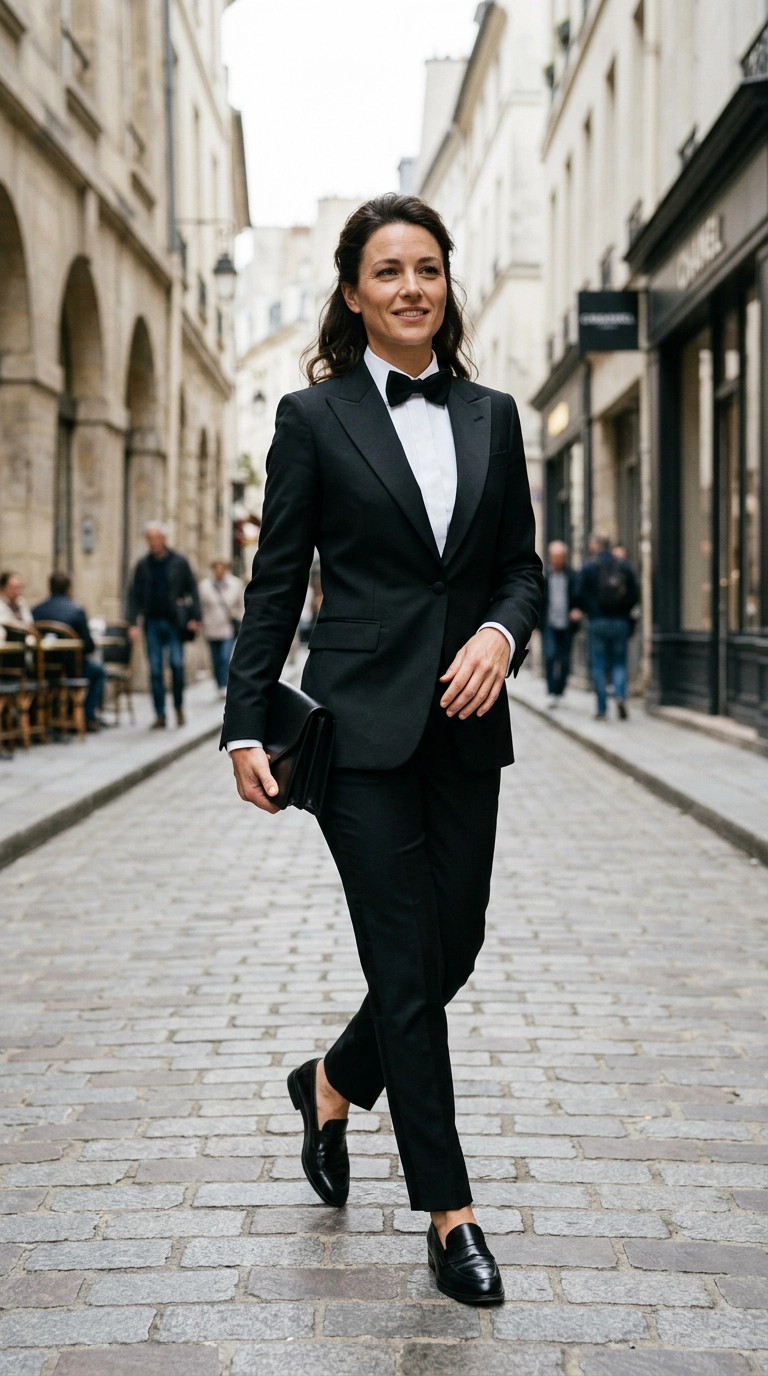
One of the biggest mistakes is buying clothes that are a size too small as “motivation.” This leads to a closet full of clothes you cannot wear and a lack of confidence today.
Buy for the body you have right now and tailor it to perfection. You will look much better in a well-fitted “large” than a bursting “medium.”
If your weight fluctuates, look for garments with extra fabric in the seams. A skilled tailor can let out or take in a piece by one or two sizes to keep the fit perfect as you change.
Tailoring Conversation Starters
When you visit a tailor, be specific about what you want. Use these phrases to get the best results:
- “I want a slight break on these trousers so they just graze the top of my laces.”
- “Could we taper the sleeves from the elbow down for a slimmer arm profile?”
- “The waist has a bit of a gap at the back; can we close that up?”
- “Please take in the side seams of this blazer to follow my natural waistline.”
Investing in tailoring is the most effective way to elevate your style and project confidence. By avoiding these ten common mistakes, you ensure that your clothes work for you, creating a powerful and polished image that lasts. Your wardrobe is an investment; treat it like one by focusing on the fit above all else.