5 Silhouette Outfit Mistakes Making Your Clothes Wear You
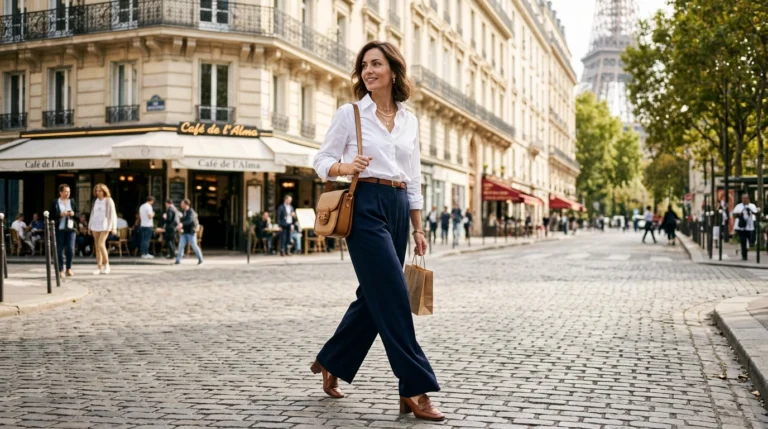
Most women stand in front of a mirror feeling like their outfit is wearing them, but they can’t quite pinpoint why the look feels heavy or clumsy. This frustration usually stems from a breakdown in silhouette, where the fabric’s volume competes with your natural body lines instead of accentuating them. Learning to master your frame is the fastest way to make even the simplest wardrobe basics look intentional and expensive.
When you get the proportions wrong, you risk looking shorter, wider, or more tired than you actually are. It is not about your size or your weight; it is entirely about where you place the visual breaks in your clothing. A few inches of fabric can be the difference between a high-fashion editorial moment and a look that feels like an afterthought.
By correcting these five common silhouette errors, you will gain the confidence to style any piece in your closet with editorial precision. These small shifts ensure that your personality and frame remain the focal point of every room you walk into. Let’s fix the mistakes that are quietly sabotaging your personal style.
Drowning in Double Oversized Pieces
The trend of “baggy on baggy” is difficult to pull off without looking like you are hiding behind a curtain. When you pair an oversized sweater with wide-leg trousers, your body loses its shape entirely, creating a rectangular block that lacks visual interest. This lack of definition makes the outfit look accidental rather than stylish.
To fix this, you should follow the “Big-Small” rule to maintain a sense of balance. If you want to wear those voluminous trousers, pair them with a fitted bodysuit or a tucked-in shirt. Conversely, if you are wearing a chunky knit, choose a streamlined skirt or skinny denim to show that your body actually exists beneath the layers.
Signs Your Outfit Is Too Voluminous
- Your shoulders look slumped because the fabric weight is pulling the garment down.
- The waistline is completely obscured, making your torso look several inches longer than it is.
- You feel the need to constantly adjust or pull at the fabric to keep it in place.
Balancing volume is about creating a “rest for the eyes” where the viewer can see your natural frame. When one half of your body is defined, the oversized half looks like a deliberate fashion choice. This creates a more polished and professional aesthetic that works for any occasion.
Ignoring the Rule of Thirds and the Golden Ratio
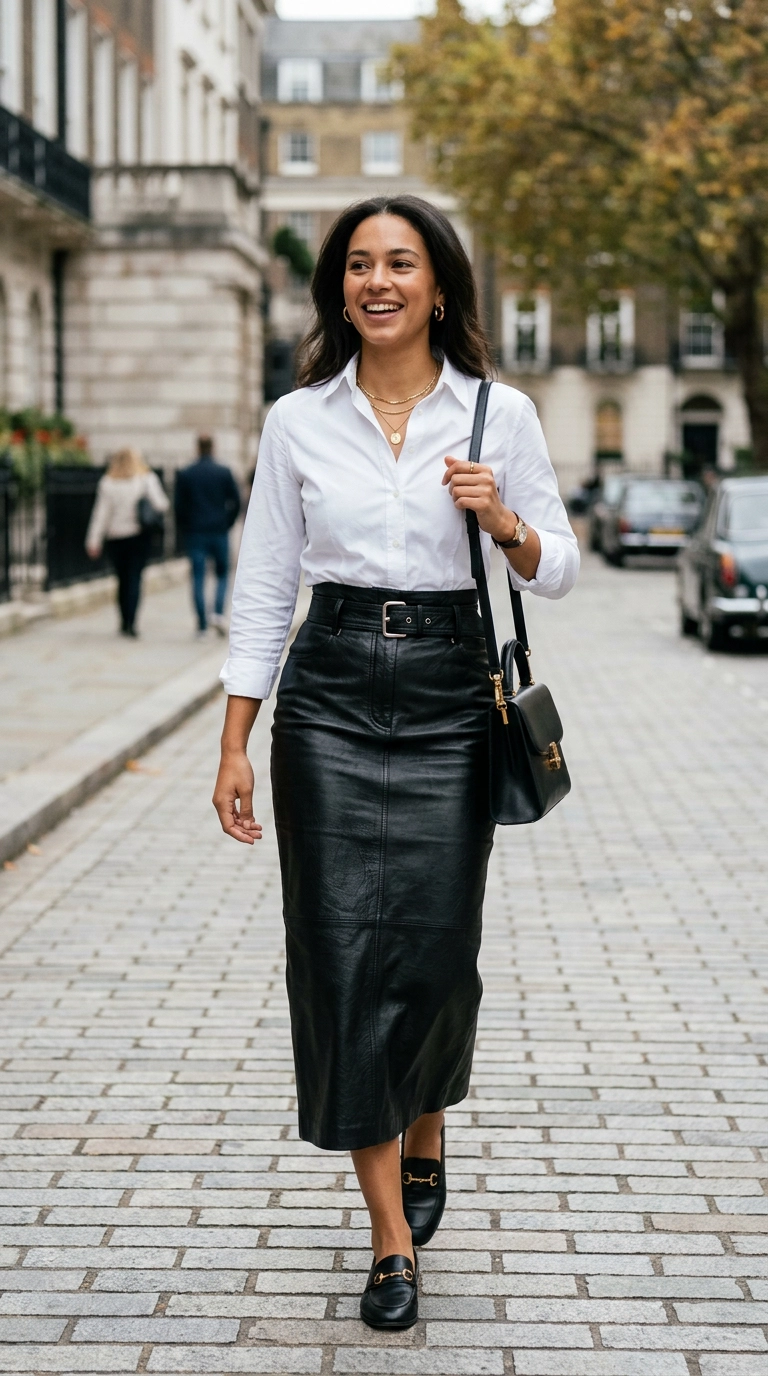
A common mistake is splitting your body exactly in half with your clothing choices. A top that ends right at your hips, paired with trousers that start there, creates a 50/50 visual split. This is often the least flattering way to dress because it shortens your legs and widens your midsection.
Professional stylists use the rule of thirds to create more pleasing proportions. You want your outfit to be split into a 1/3 top section and a 2/3 bottom section, or vice-versa. High-waisted pants with a cropped or tucked top are the easiest way to achieve this elongated, elegant look.
| The 50/50 Split (The Mistake) | The 1/3 to 2/3 Ratio (The Solution) |
|---|---|
| Long tunic sweaters worn over mid-rise jeans. | Tucked-in blouses with high-waisted tailored trousers. |
| Belts worn at the widest part of the hips. | Belts cinched at the natural waistline. |
| Untucked button-downs that hide the hip line. | Cropped jackets paired with midi skirts. |
This simple shift in where your clothes meet will instantly make you look taller and more balanced. It guides the eye upward toward your face instead of trapping the gaze at your widest point. Most people find that their “unflattering” clothes are actually just sitting at the wrong height on their torso.
Horizontal Breaks That Shorten Your Frame
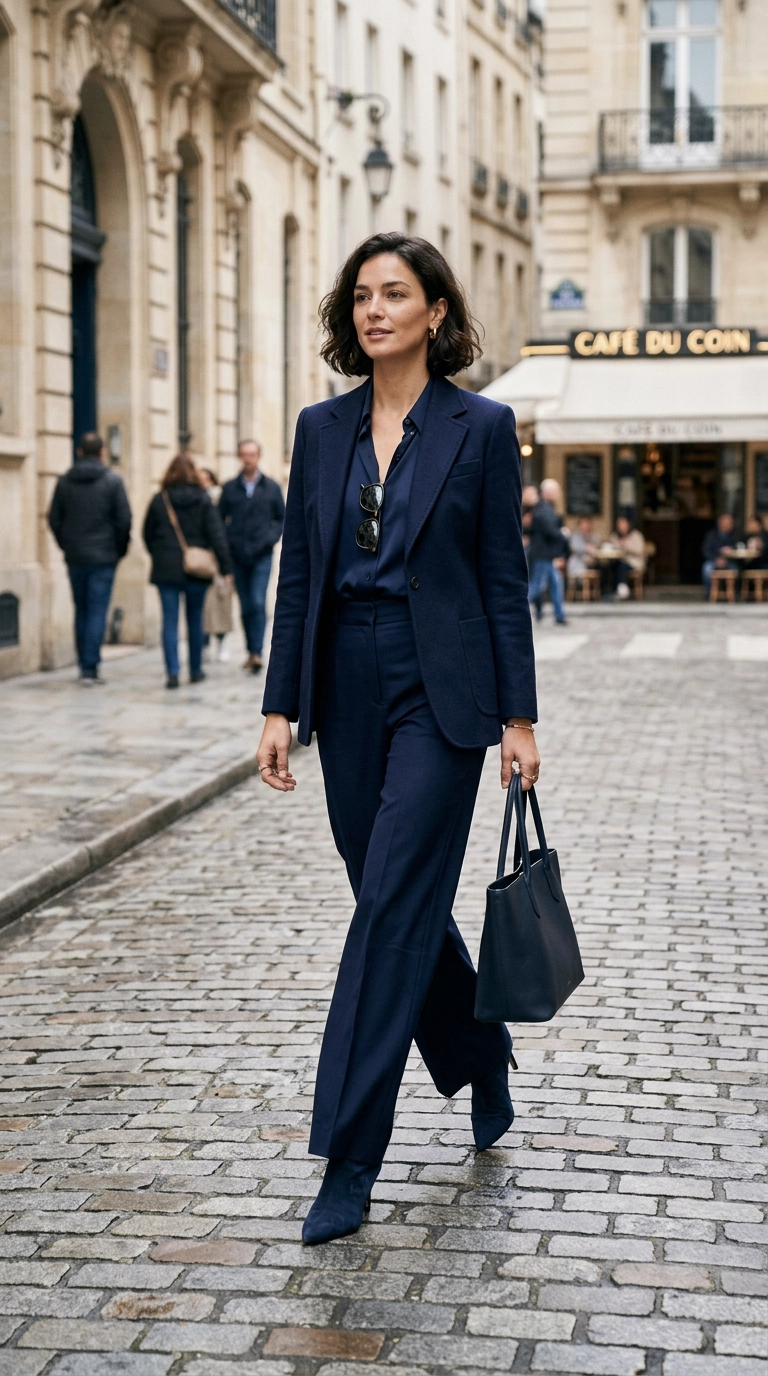
Every time you change colors or add a strap, you create a horizontal line that stops the eye. Ankle straps on shoes, especially in a contrasting color, act like a “stop sign” for the viewer’s gaze. This makes your legs appear shorter by cutting off the visual flow from your hip to your toe.
To maximize your height and create a sleek silhouette, you should aim for vertical continuity. Wearing shoes that match your skin tone or your trousers creates an unbroken line that elongates the entire body. This is particularly effective for petite frames or when wearing midi-length skirts that already cut into the leg line.
Avoid heavy, dark boots with light-colored dresses unless you are intentionally going for a “choppy” look. Instead, try pointed-toe shoes which extend the line of the foot and make the leg appear more slender. Small choices in footwear can completely change how a silhouette is perceived by the public.
Fabric Friction and Unstructured Layering
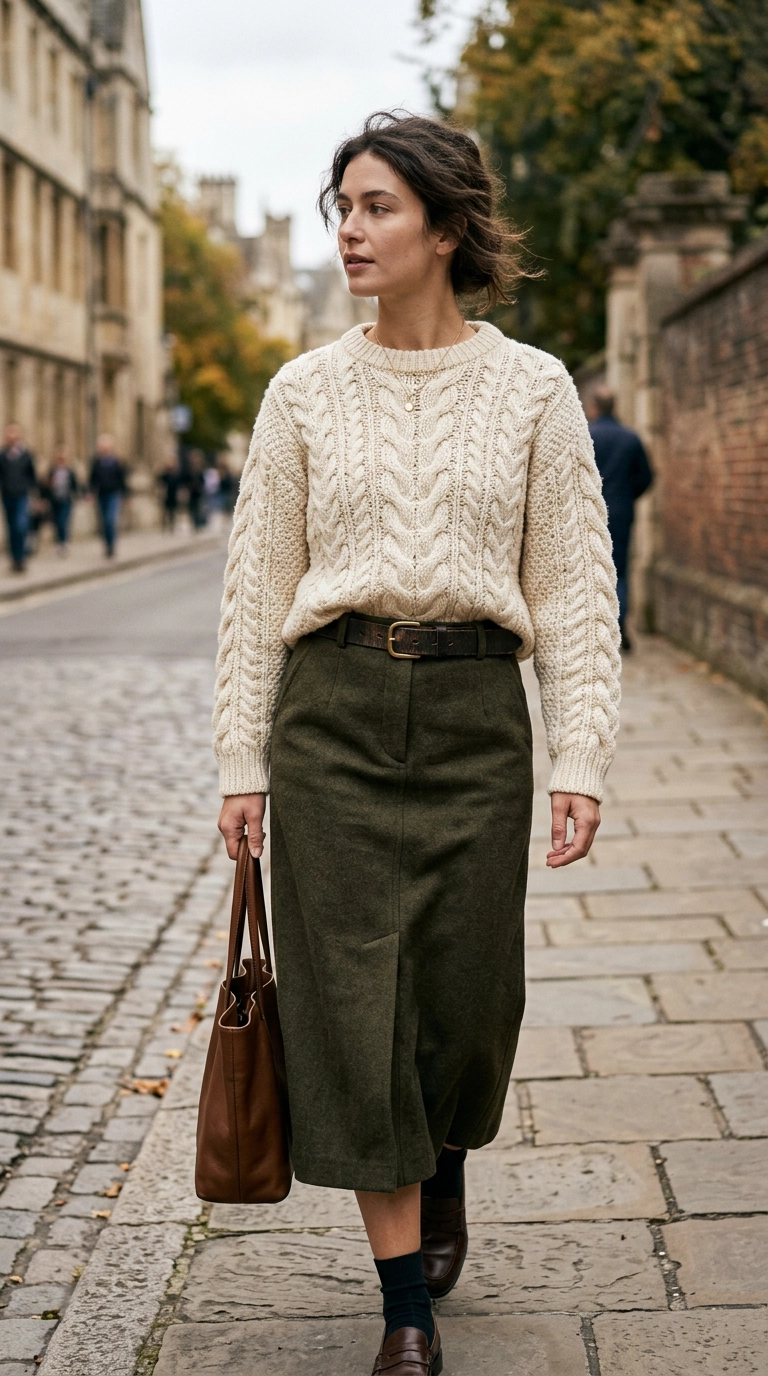
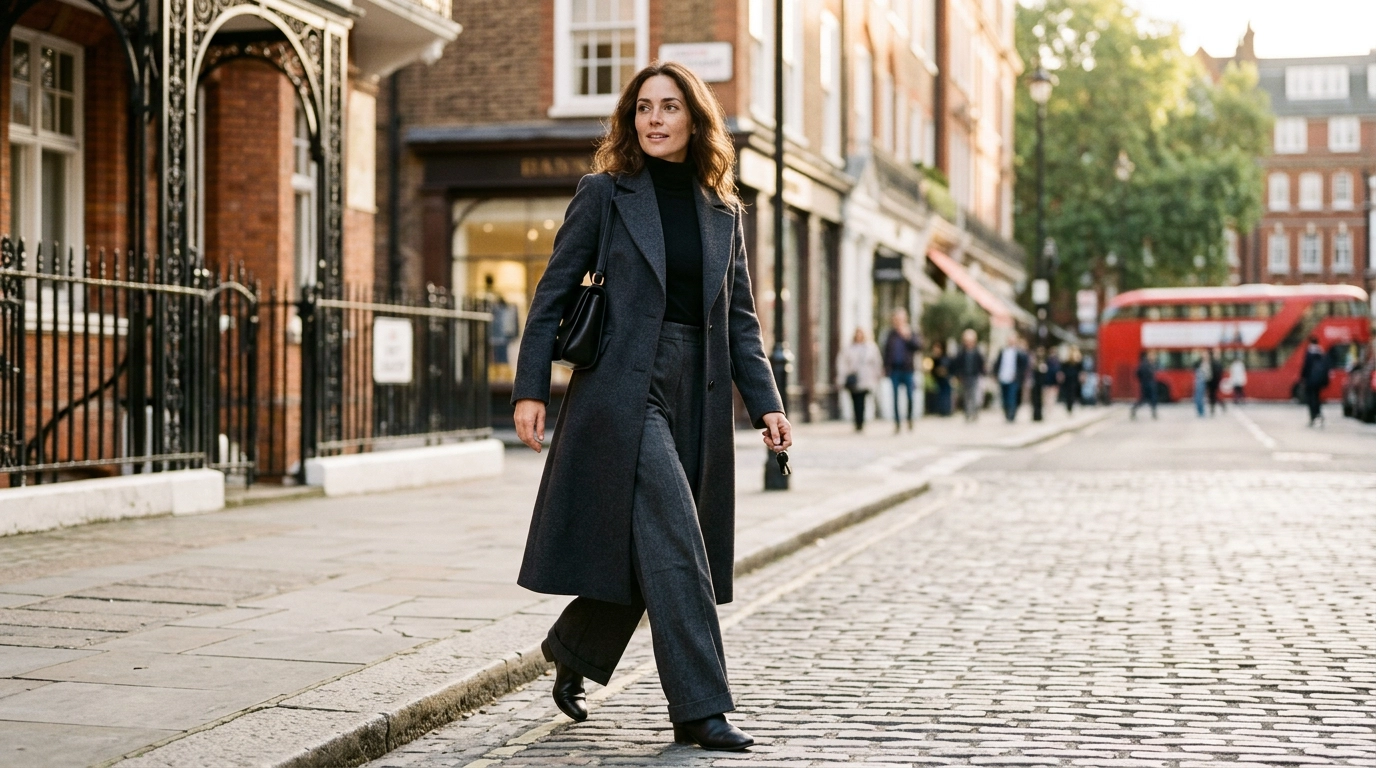
Layering is a skill, but using too many heavy fabrics at once will make you look bulky and round. When you layer a thick wool coat over a heavy cable-knit sweater, the fabrics “fight” for space. This results in a stiff, uncomfortable silhouette that lacks any movement or grace.
The secret to successful layering is varying the weights and textures of your fabrics. Use a lightweight silk or cotton base, a medium-weight cardigan, and then a structured coat on top. This allows the layers to sit flat against one another rather than bunching up in awkward places like the armpits or waist.
Best Practices for Fabric Mixing
- Pair “hard” fabrics like leather or denim with “soft” fabrics like silk or cashmere.
- Ensure your outer layer is made of a more structured material than the layers beneath it.
- Check the side profile in the mirror to ensure your layers aren’t adding unnecessary inches to your frame.
When your fabrics work in harmony, the outfit feels intentional and expensive. You want to look like you are wearing layers, not like you are trapped inside of them. Proper fabric management is what separates a street-style pro from someone who just looks cold.
Clashing Hemlines and Outerwear Conflict
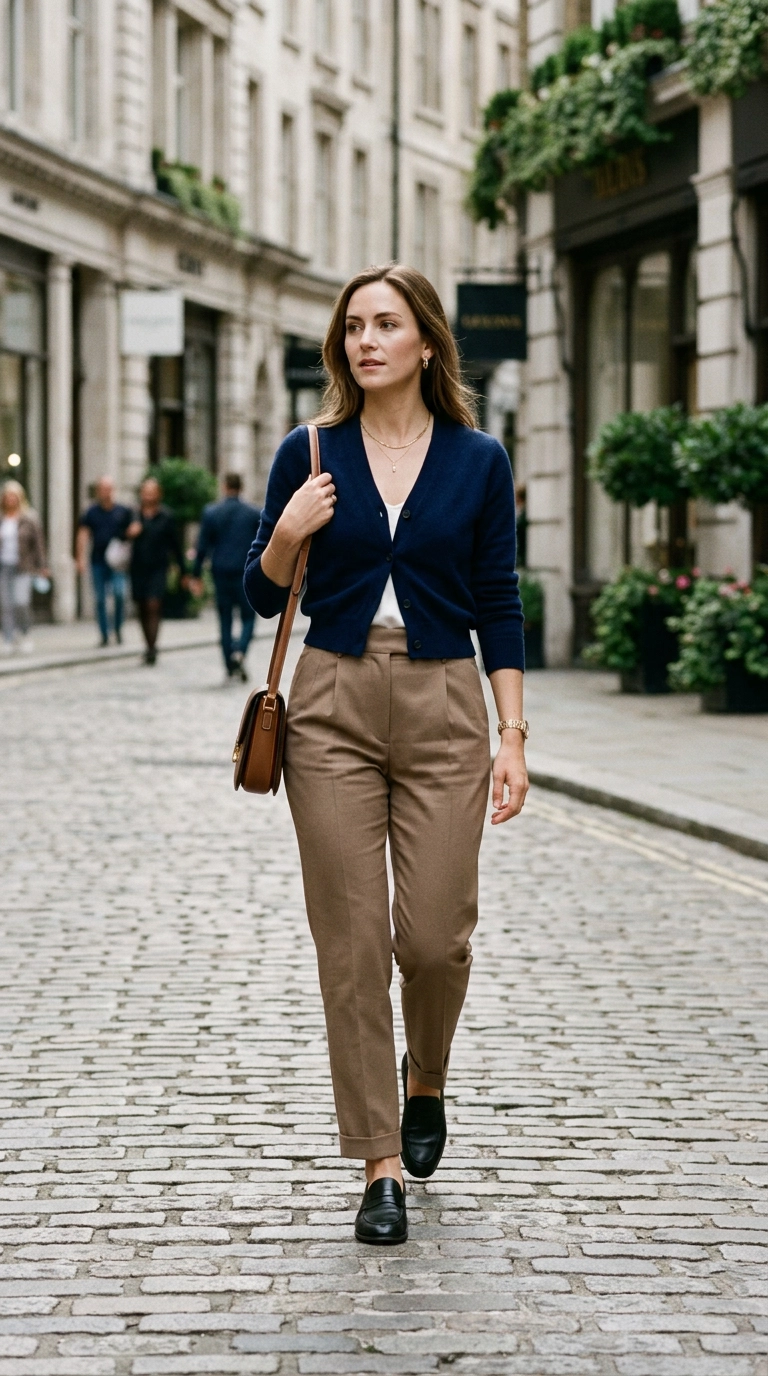
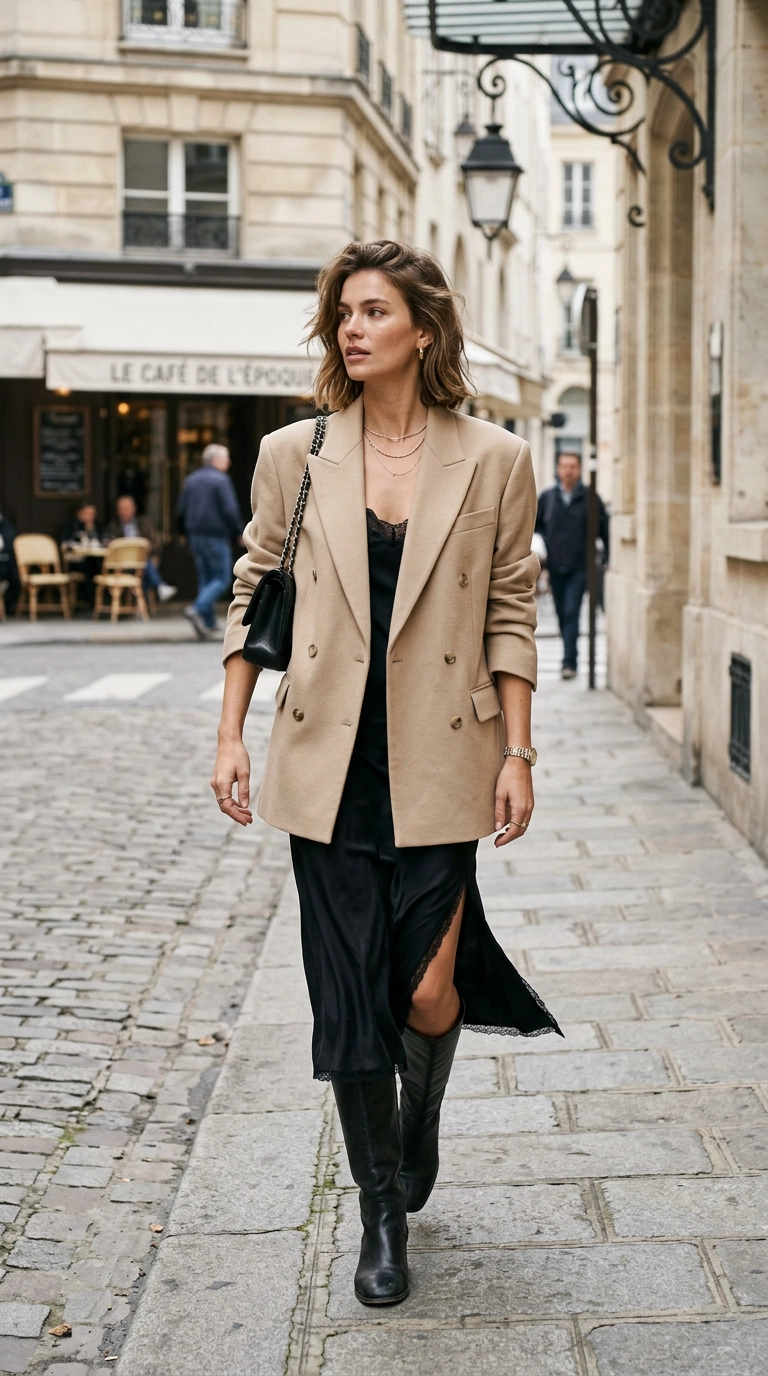
The length of your jacket should always be a deliberate choice in relation to your skirt or trousers. A jacket that ends at the same place as your skirt creates a heavy, awkward line that widens the hips. Similarly, a coat that is just an inch shorter than the dress underneath looks messy and unfinished.
You generally want your outerwear to be significantly shorter or significantly longer than the garment beneath it. A cropped jacket works beautifully with a long dress because it highlights the waist. A long duster coat works well because it creates a long, lean vertical column that covers the layers underneath.
Pay attention to where your hemlines hit your legs as well. Avoid skirts that end at the thickest part of your calf, as this will make your legs look wider. Aim for just above the knee or at the narrowest part of the ankle for the most flattering results.
Mastering the Silhouette Reset
Mastering your silhouette is not about following strict fashion rules, but about understanding how your clothes interact with your body. By avoiding double volume, respecting the rule of thirds, and managing your hemlines, you regain control over your visual narrative. When your clothes fit your frame and your proportions are balanced, your natural style can finally shine through without being muffled by excess fabric. Start by making one small adjustment to your next outfit and notice how much more comfortable and confident you feel throughout the day.