10 Common Fashion Mistakes Women Make With Simple Jeans

Most of us reach for jeans as our daily safety net, but even the most classic pair can fail your outfit if the minor details are ignored. A simple wardrobe staple should make getting dressed easier, yet subtle errors often turn a chic look into something dated or unintentional. You deserve to feel confident every time you pull on your favorite denim without second-guessing your silhouette or your choice of footwear.
We are stripping back the noise to focus on the small adjustments that separate a basic outfit from a high-end street-style moment. High-fashion looks are rarely about the price tag and almost always about the way the garment interacts with your body and your accessories. By identifying these common pitfalls, you will learn how to refine your daily uniform and make your jeans work harder for your personal brand.
Let’s elevate your denim game from ordinary to intentional with these expert styling corrections that every modern woman should master. This guide provides the blueprint for transforming your basic jeans into a sophisticated foundation for any occasion. Stop settling for “just okay” and start wearing your denim with the precision of a professional stylist.
Choosing the Wrong Shoe Proportions
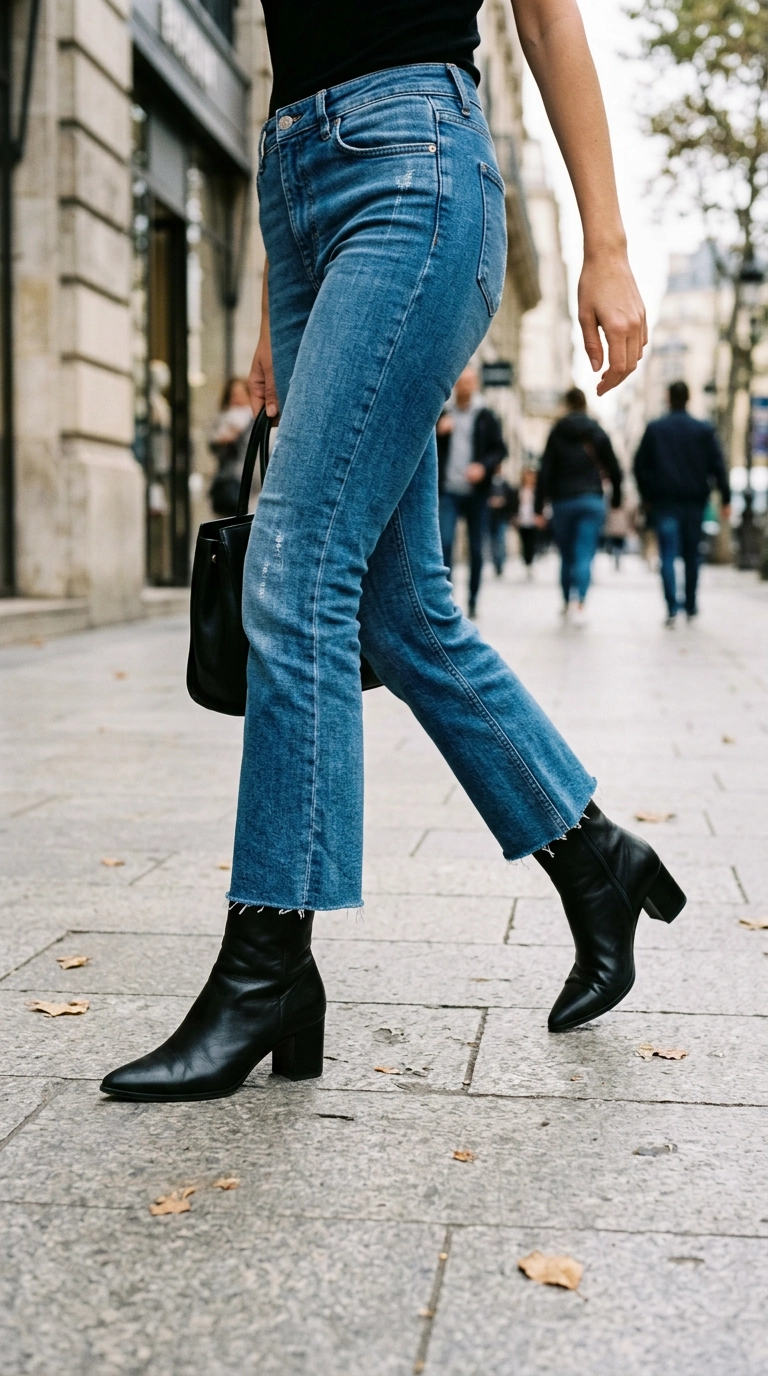
One of the most frequent errors is a visual clash between the hem of your jeans and the top of your shoes. When jeans are too long for flat shoes, they bunch at the ankle, creating a heavy silhouette that can make you look shorter. Conversely, wearing ankle boots that compete with a wide-leg hem often results in a messy, cluttered appearance.
The goal is to create a seamless line that elongates the leg rather than breaking it up with excess fabric. For straight-leg or skinny jeans, ensure the hem hits just above the ankle bone when wearing boots. If you prefer loafers or ballet flats, a slightly higher crop allows the slimmest part of your leg to show, which adds a delicate touch to the rugged texture of denim.
Consider the weight of the shoe in relation to the denim fabric. Thick, heavy denim requires a shoe with enough visual weight to balance it out, such as a lug-sole boot or a chunky sneaker. Lighter, summer-weight denim pairs beautifully with strappy sandals or slim leather slides to maintain a breezy, effortless aesthetic.
Ignoring Pocket Placement and Scale
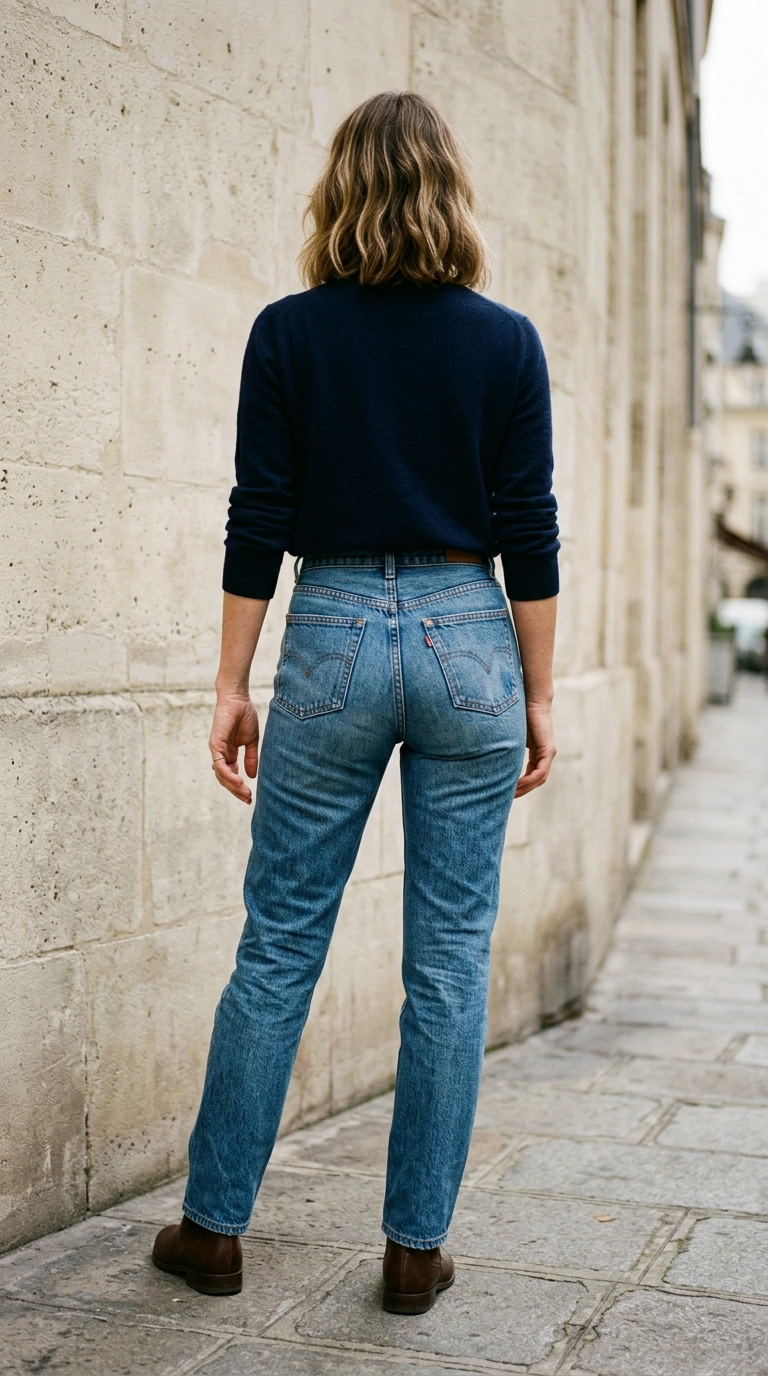
The back pockets of your jeans do more than just hold your phone; they act as a contouring tool for your frame. Pockets that are placed too low can create the illusion of a sagging rear, while pockets that are too small make the hips appear wider than they actually are. Many women overlook this detail in the fitting room, focusing only on the waist and length.
Ideally, the bottom of the pocket should sit right where the curve of your glute meets the top of your thigh. This placement provides a lifting effect that enhances your natural shape. Ensure the pockets are centered on the fullest part of each side to maintain symmetry and balance throughout your lower body.
Check the distance between the two pockets as well. Pockets that are set too far apart will visually broaden your hips, which might not be the look you are going for. Look for a pair where the pockets are slightly angled inward to create a more streamlined and flattering rear view.
Settling for Poor Quality Synthetic Stretch
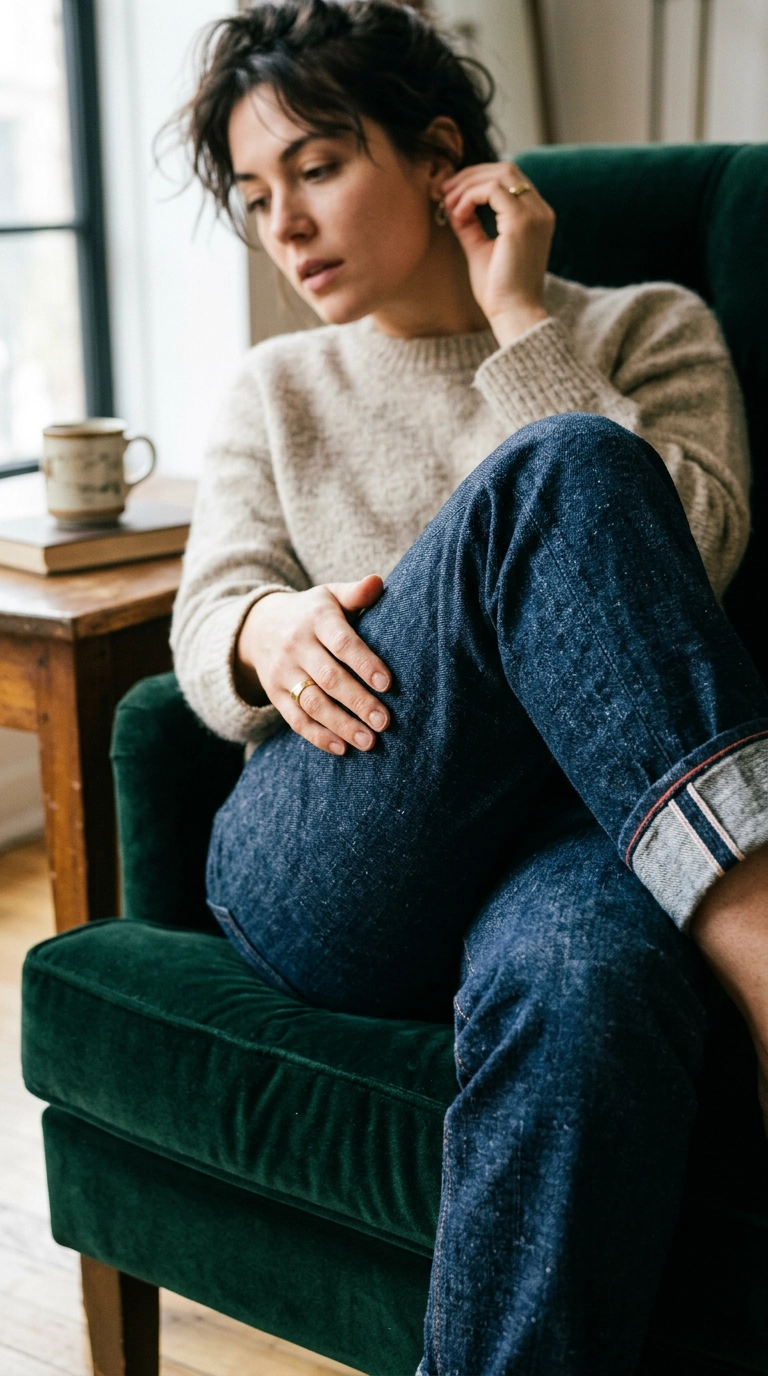
Jeans with too much Lycra or polyester might feel comfortable at 8:00 AM, but they often lose their shape by noon. This leads to the dreaded “saggy knee” look and a waistband that requires constant tugging. High-quality denim should have a high cotton percentage—ideally 98% cotton and 2% elastane—to provide comfort while maintaining structure.
Cheap stretch fabrics also tend to have a shiny finish that looks less sophisticated than authentic matte denim. Invest in pairs that feel slightly stiff upon first wear, as they will mold to your body over time without collapsing. This creates a more tailored appearance that holds its integrity through multiple wears and washes.
Compare the different types of denim blends in the table below to see how they impact your style and the longevity of the garment.
| Fabric Composition | Best Used For | Pros/Cons |
|---|---|---|
| 100% Cotton | Vintage fits, straight legs | Durable and authentic; takes time to break in. |
| 98% Cotton / 2% Elastane | Daily wear, skinny jeans | Comfortable stretch that keeps its shape well. |
| Poly-Blends (High Synthetic) | Budget fashion | Soft but prone to sagging and pilling over time. |
Overlooking the Importance of the Rise
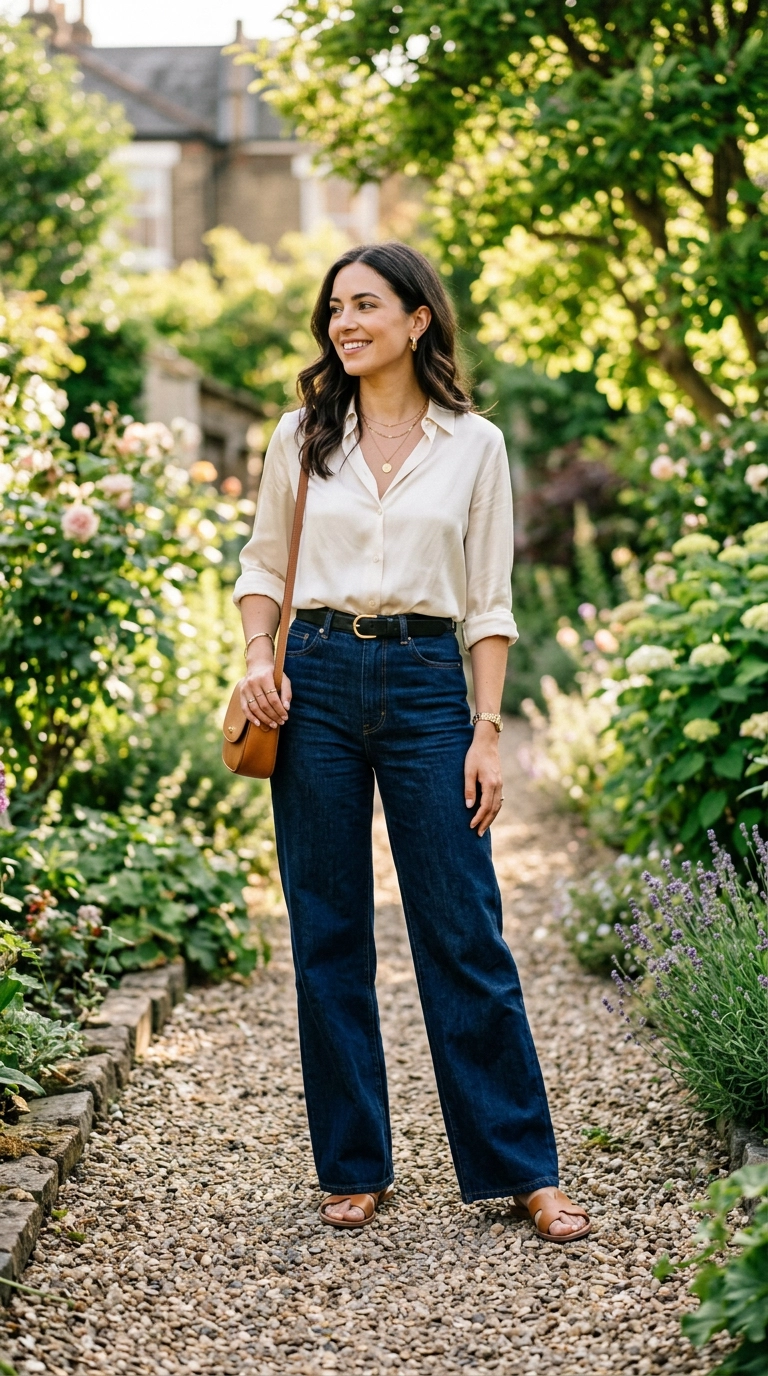
The rise of your jeans—the distance from the crotch to the waistband—dictates where your torso begins and ends. Wearing a low rise when you have a shorter torso can make your legs look incredibly long but may feel uncomfortable or dated. Conversely, a very high rise on a short torso can swallow your midsection and make you look out of proportion.
Mid-rise jeans are generally the most versatile and flattering for all body types, as they sit just below the navel. They provide enough coverage to feel secure while allowing for various shirt styles, from cropped tees to oversized sweaters. For those with a long torso, a high rise is your best friend to define the waist and create a balanced silhouette.
Try on different rises with the tops you wear most frequently. If you find yourself constantly adjusting the waistband or feeling like your proportions are “off,” it is likely a rise issue rather than a size issue. Finding your “sweet spot” rise is the secret to feeling comfortable in your clothes all day long.
Confusing Loose with Poorly Fitted
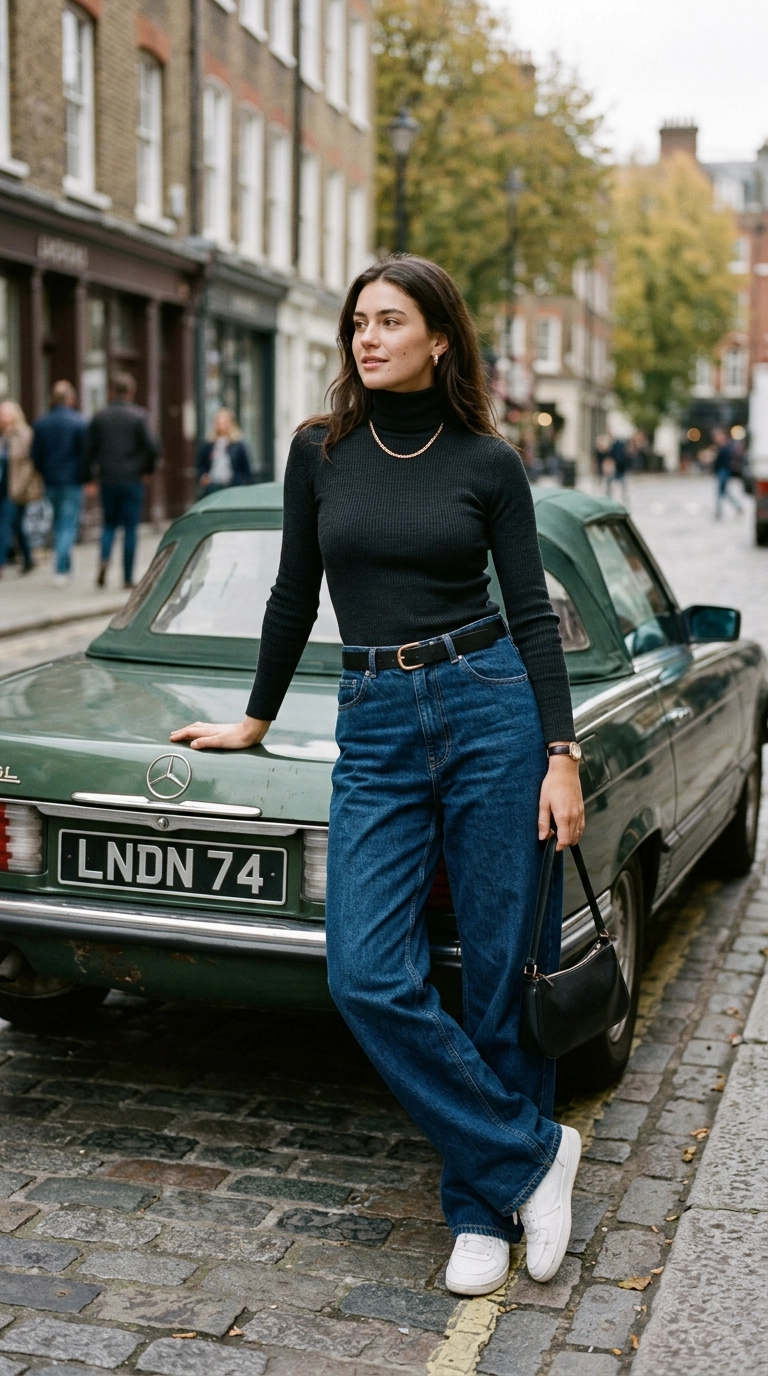
The “baggy” trend is massive right now, but there is a major difference between intentionally oversized and simply too big. A pair of jeans should still fit correctly at the waist and hips, even if the legs are voluminous. When jeans are too big in the waist, they slide down and create excess fabric in the crotch area, which looks sloppy.
If you love the relaxed look, buy the size that fits your waist perfectly and choose a “relaxed” or “wide-leg” cut. This ensures the garment hangs from your frame with intention rather than looking like you borrowed someone else’s clothes. Balance is also key; pairing baggy jeans with a baggy top can hide your shape entirely.
Try these tips for styling loose denim effectively:
- Pair wide-leg jeans with a fitted bodysuit to highlight your waist.
- Use a high-quality leather belt to ground the look and add a touch of polish.
- Opt for a heel or a pointed shoe to add height and prevent the fabric from overwhelming you.
- Ensure the hem length is exactly right so you aren’t stepping on the fabric as you walk.
Over-distressing Your Aesthetic
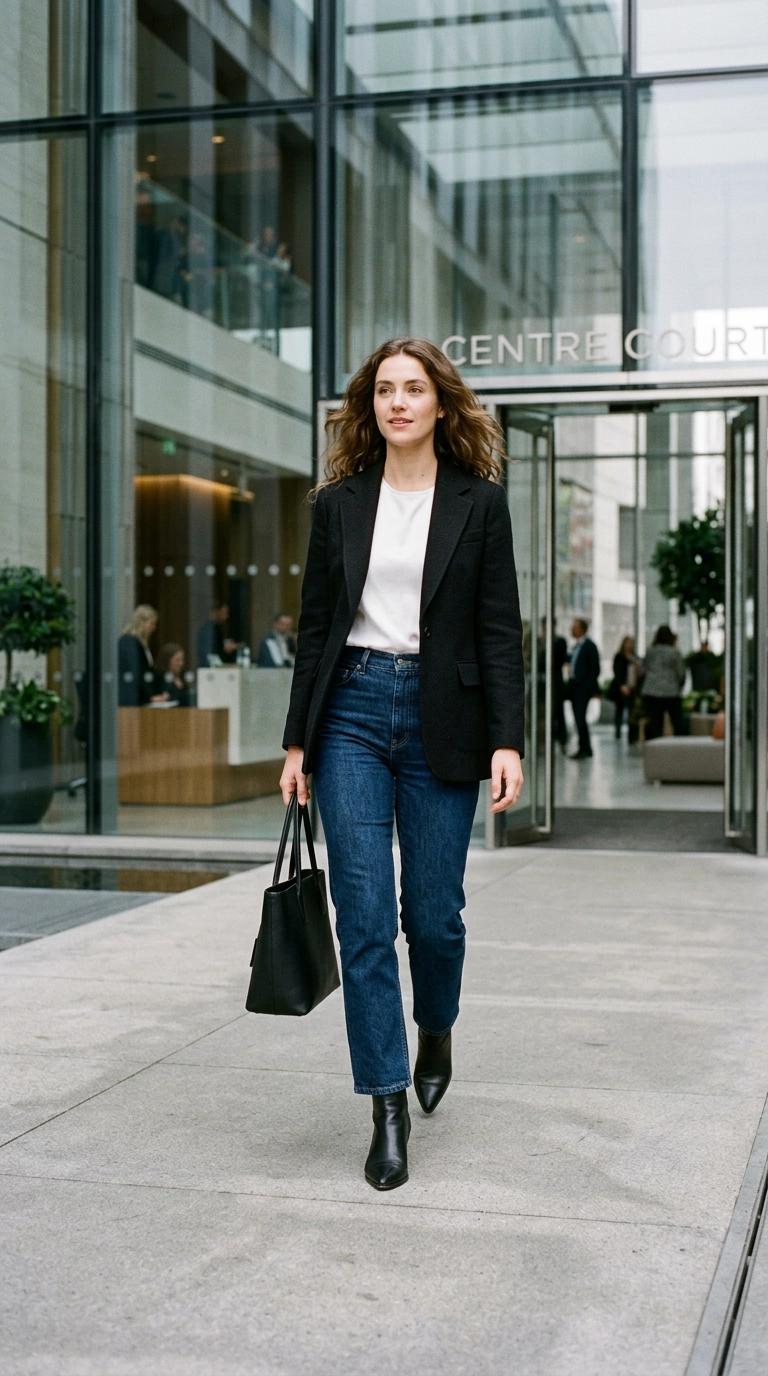
Ripped jeans have their place, but excessive distressing can quickly make an outfit look juvenile or dated. Large holes at the knees often widen as you walk and sit, eventually making the jeans look like they are falling apart rather than “edgy.” For a more timeless and expensive look, stick to minimal distressing or clean washes.
A single clean slit at the knee or a frayed hem can add character without sacrificing sophistication. If you do choose distressed denim, balance it with elevated pieces like a structured blazer, a silk camisole, or designer loafers. This contrast between “rugged” and “refined” is what creates a high-fashion vibe.
Dark, uniform washes are the most versatile option for your wardrobe. They transition easily from a casual office environment to a dinner date, whereas heavily distressed jeans are strictly for casual weekend outings. When in doubt, lean toward a cleaner finish for a more polished daily look.
Neglecting the Power of Tailoring
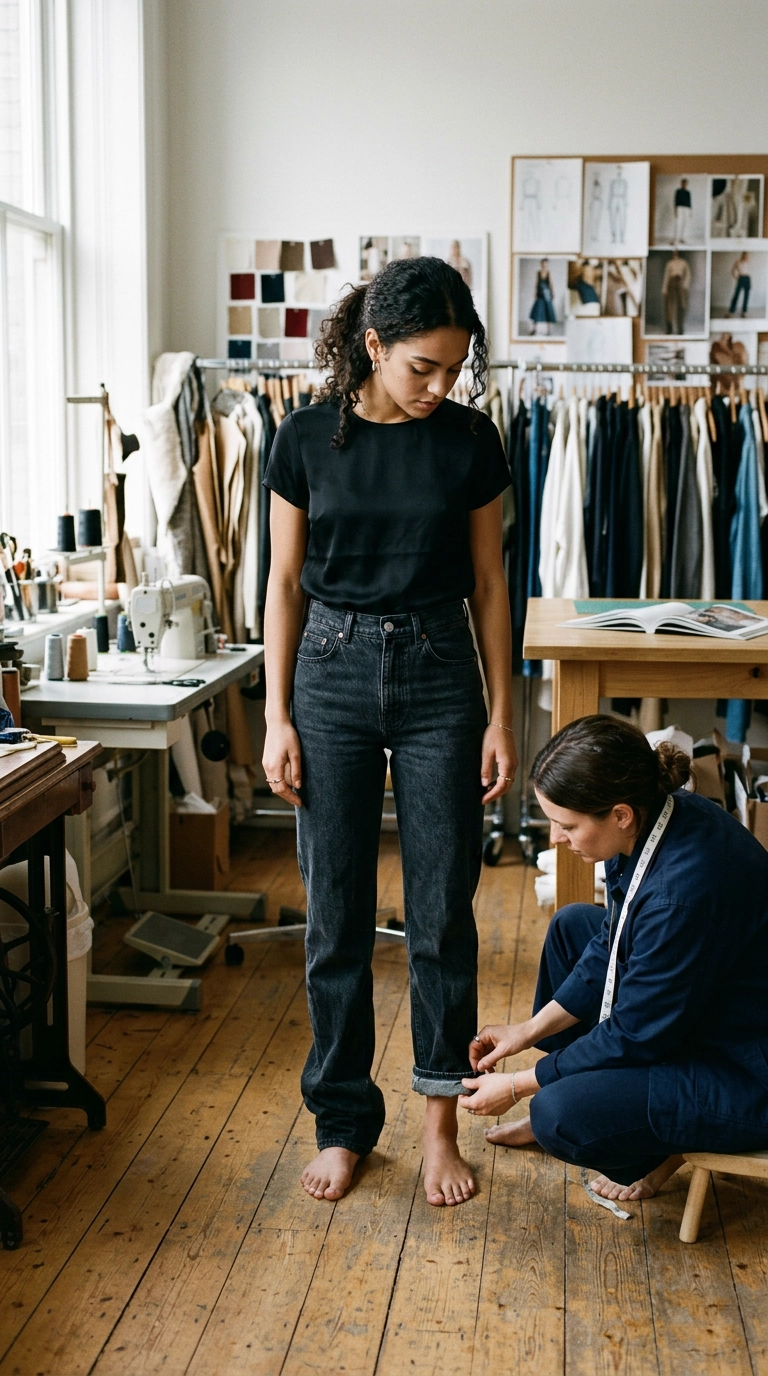
Most people assume that if jeans don’t fit perfectly off the rack, they aren’t the right pair. In reality, almost every high-fashion look you see on Pinterest or in magazines has been tailored. Hemming your jeans to the exact right length for your height is a small investment that makes a massive difference in your overall appearance.
Tailors can also take in the waistband if you struggle with the “gap” at the back, or they can slim the legs for a more custom fit. Don’t be afraid to buy a pair that fits your hips perfectly and then spend a few dollars to fix the waist or the length. It is the secret weapon of well-dressed women everywhere.
When you take your jeans to a tailor, bring the shoes you plan to wear with them most often. The difference between a sneaker hem and a heel hem is significant. A perfect hem should graze the top of your shoe without dragging or creating an awkward break in the fabric.
Using the Wrong Wash for the Occasion

The color of your denim sets the tone for your entire outfit. Light washes are inherently more casual and lend themselves to a 90s-inspired or summer aesthetic. Dark indigo and black denim are naturally more formal and can often substitute for trousers in many social settings.
A common mistake is wearing a light, acid-wash jean to a business-casual meeting or a nice dinner. This can make the outfit feel too “street” for the environment. Save the lighter shades for weekend brunches and park walks, and use your darker denim for moments where you want to appear more put-together.
Grey denim is a fantastic middle ground that many women overlook. it offers a modern, edgy alternative to blue without being as stark as black. It pairs beautifully with pastel knits in the spring or charcoal coats in the winter, adding depth to your color palette.
Forgetting the “Front Tuck” Rule
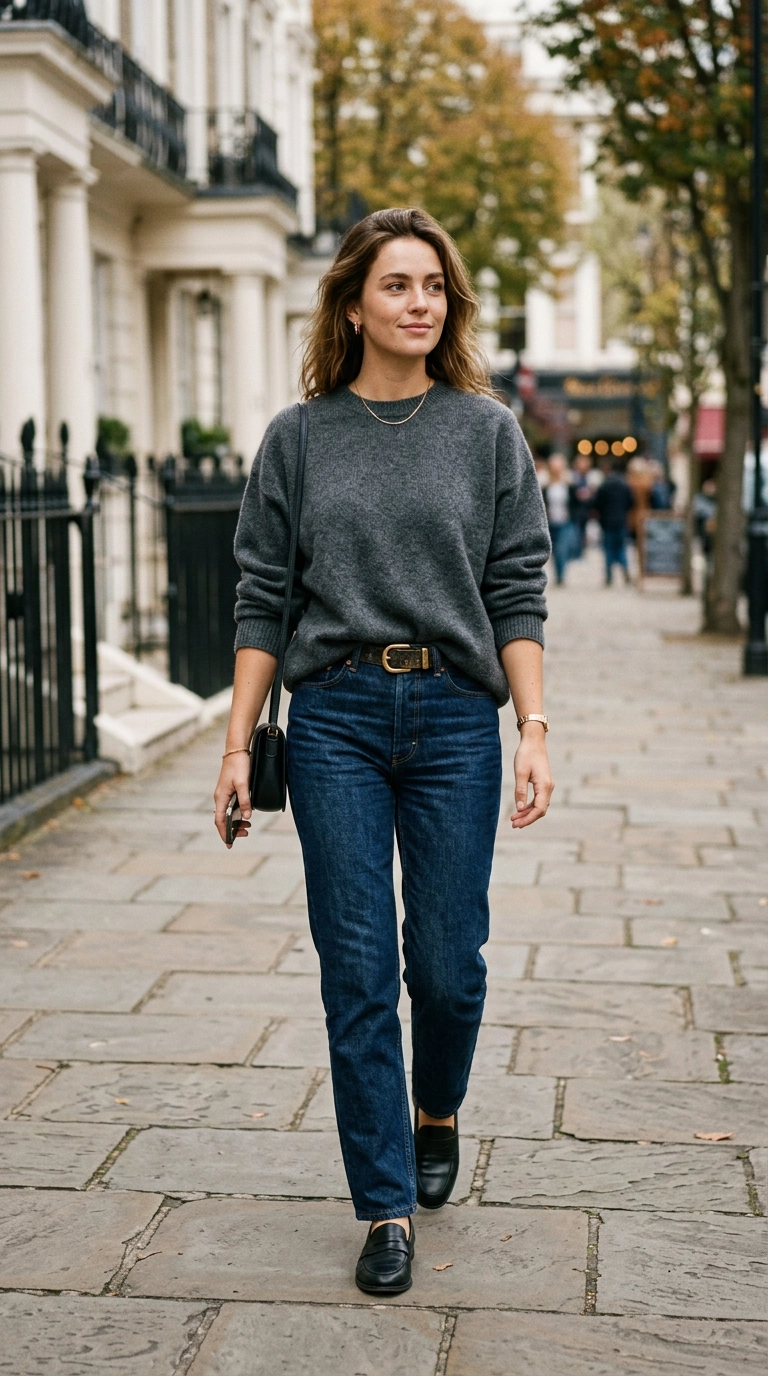
Leaving a long or bulky top hanging over your jeans can hide your waist and create a boxy, shapeless silhouette. This is especially true with mid-to-high-rise jeans where the design is meant to highlight your midsection. A simple “French tuck”—tucking just the front center of your shirt into the waistband—instantly fixes this issue.
This technique defines your waistline while allowing the rest of the top to drape naturally over your hips. It creates a more intentional look that feels styled rather than just thrown on. It works with everything from basic t-shirts to heavy oversized sweaters.
If the tuck feels too bulky, try a side tuck or use a small clear elastic to tie a knot at the hem and tuck it under. These small adjustments help reveal the hardware of your jeans and the line of your leg, which prevents the denim from looking like an afterthought.
Wearing the Wrong Undergarments
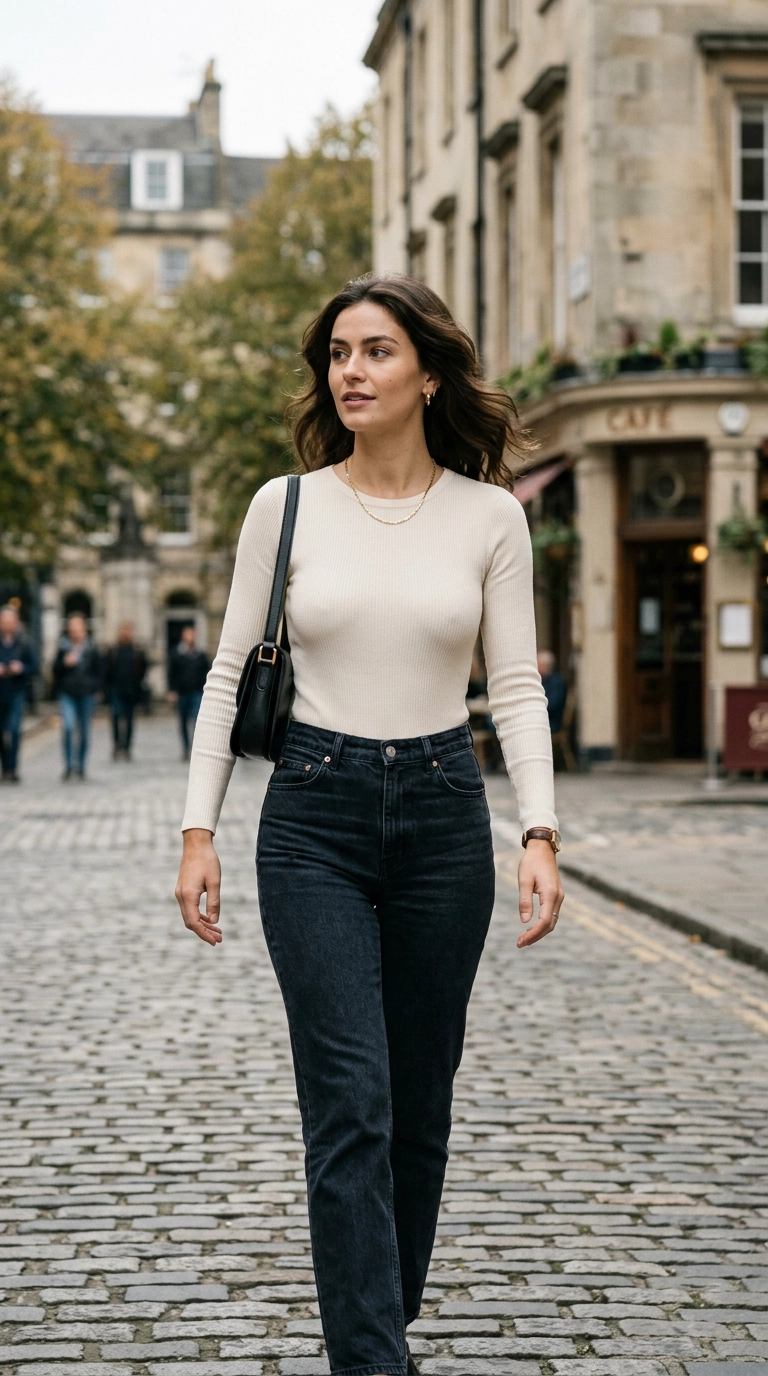
The thickness of denim doesn’t always hide visible panty lines, especially in lighter washes or thinner stretch fabrics. Nothing ruins a sleek denim look faster than obvious lines or a waistband that creates bulges. Choosing seamless, nude-to-you undergarments is essential for a smooth finish.
For high-waisted jeans, consider a higher-cut brief that matches the rise of the denim. This prevents the undergarments from shifting or rolling down throughout the day. If you are wearing white or cream denim, remember that nude tones are invisible, whereas white undergarments will actually show through the fabric.
Proper undergarments provide the foundation for your clothes to hang correctly. When you don’t have to worry about shifting fabric or visible lines, you carry yourself with more confidence. It is the invisible detail that makes the most visible difference in your final look.
Refining Your Denim Identity
Mastering the art of simple jeans is about paying attention to the details that others ignore. By focusing on fit, fabric quality, and the way your denim interacts with your shoes and tops, you move away from generic outfits and toward a signature style. Denim is a canvas for your personality, so use these guidelines to ensure that canvas is as polished and professional as you are. Elevating your wardrobe doesn’t require a total overhaul—just a few smart corrections to the pieces you already love.