10 Formal Wear Outfit Mistakes Making You Look Frumpy
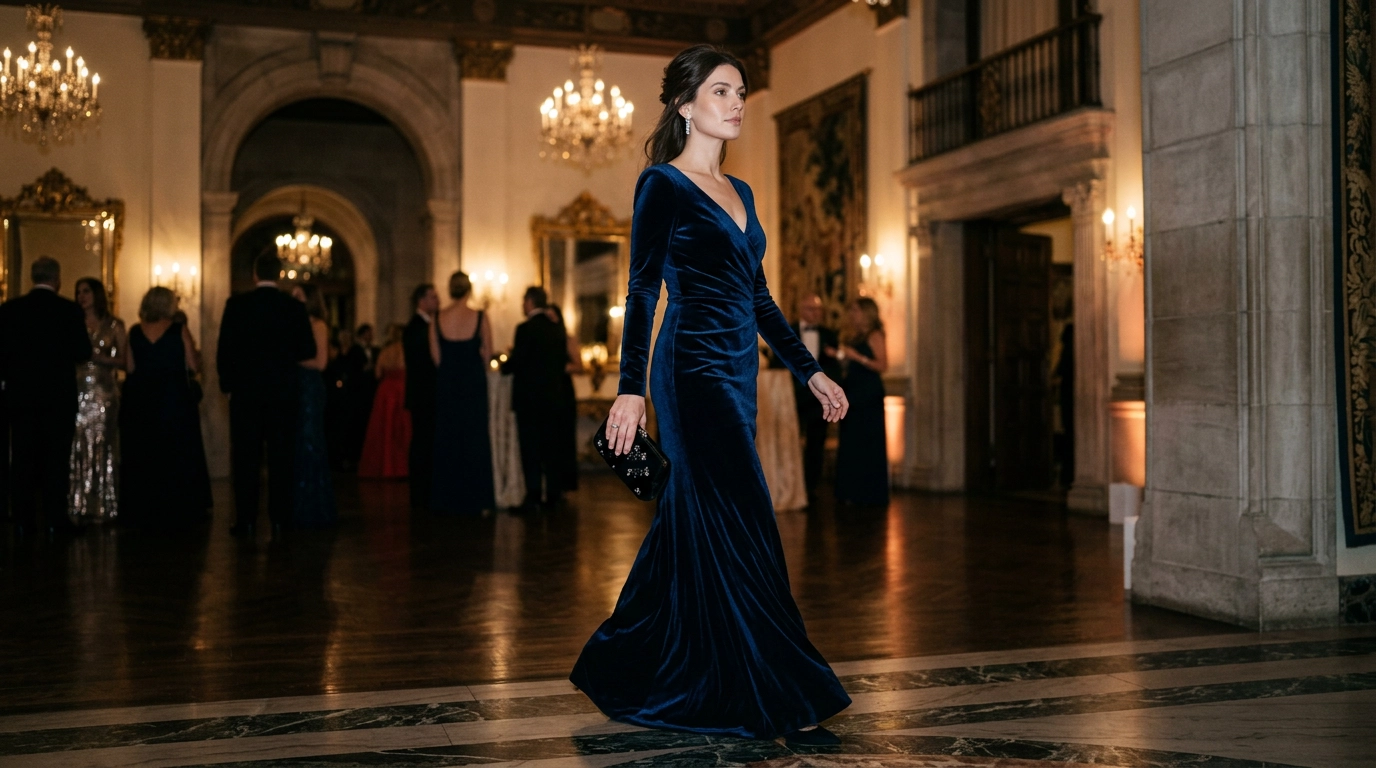
Walking into a formal event feeling dated or bulky is a quiet confidence killer that many women face. Most formal wear “fails” do not happen because of a lack of effort, but because of small technical errors in how the clothes actually sit on your frame.
You deserve to look as sharp and sophisticated as the invitation suggests without feeling like you are wearing a costume. We are going to identify the specific silhouette and styling habits that are aging your look and dragging down your aesthetic.
Correcting these ten specific mistakes will immediately sharpen your visual presence and ensure your formal attire looks expensive and intentional. These shifts are about precision, fabric behavior, and the subtle art of balance.
1. Ignoring the Power of Precise Tailoring
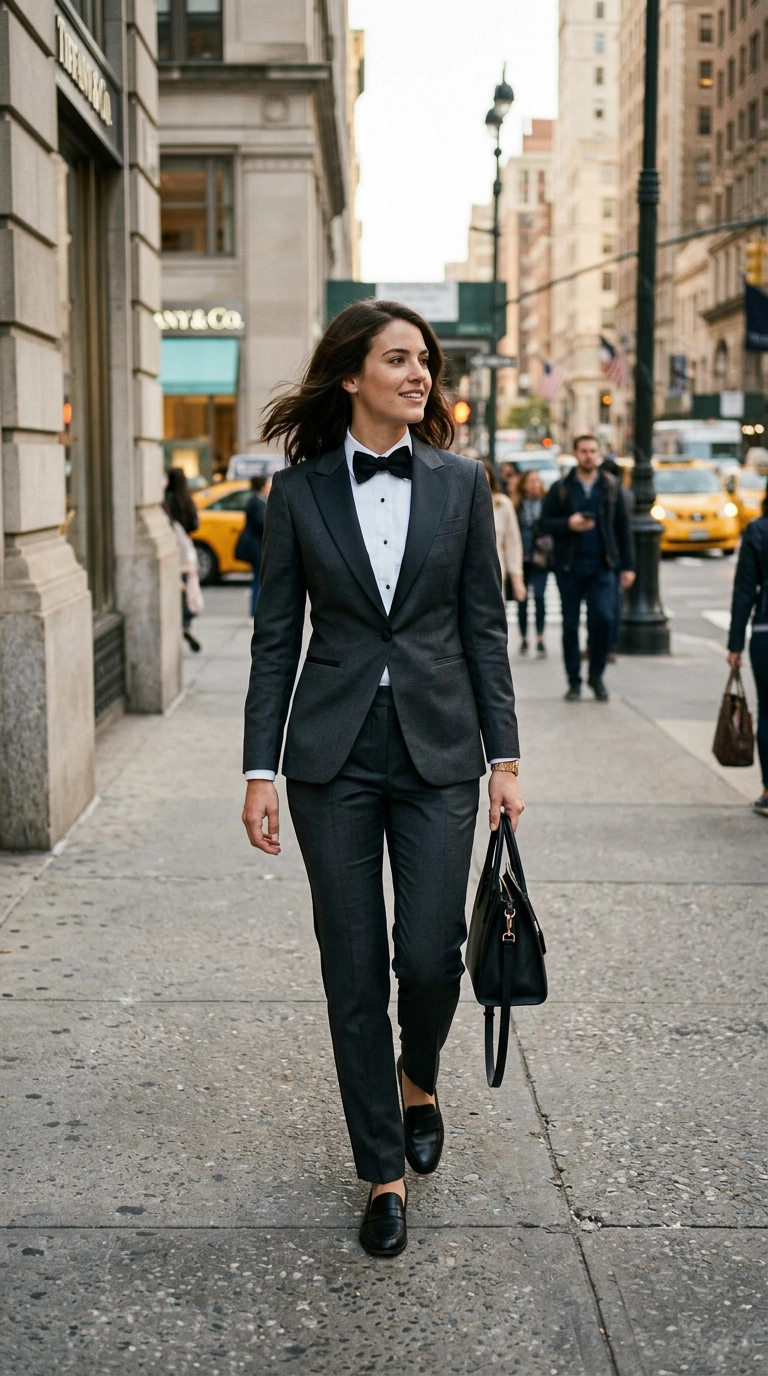
Off-the-rack formal wear is designed to fit a generic mannequin, not your specific curves and height. When a dress or suit is even a half-inch too large in the shoulders or waist, it creates a “hand-me-down” effect that looks messy.
Excess fabric gathers in the wrong places, adding visual weight and making the wearer appear shorter and wider. A quick trip to a tailor to nip the waist or shorten a sleeve can make a fifty-dollar find look like a four-figure investment.
| Area of Concern | The Frumpy Fit | The Polished Fit |
|---|---|---|
| Shoulder Seam | Drooping over the edge | Sits exactly on the bone |
| Sleeve Length | Covering the knuckles | Ending just at the wrist bone |
| Waistline | Boxy or sagging fabric | Defined without being tight |
2. Selecting High-Shine Synthetic Fabrics
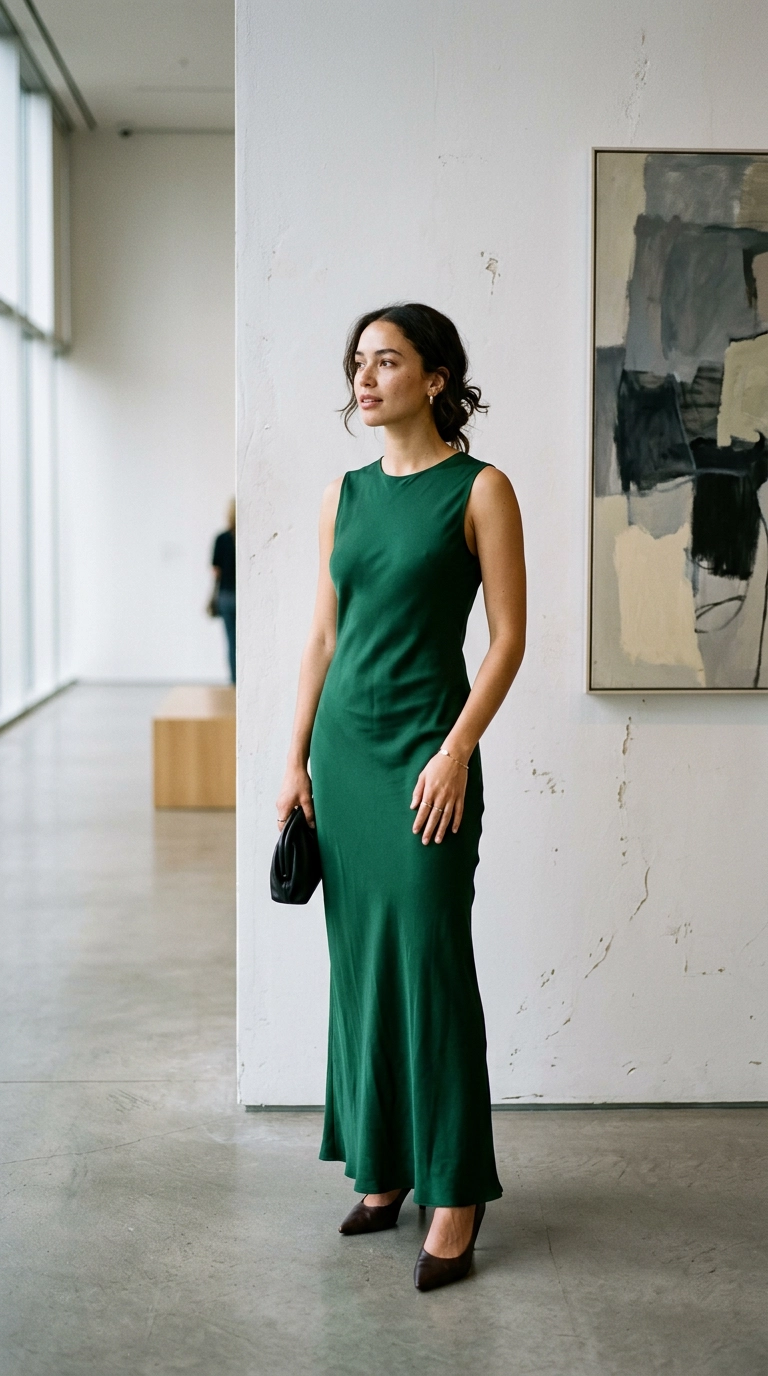
Fabric quality is the first thing the eye notices in a formal setting. Low-quality polyesters with a high-shine finish reflect light in a way that highlights every wrinkle and seam, often looking “cheap” under photography flashes.
These fabrics lack the weight and drape of natural fibers, causing them to cling to the body in unflattering ways. Opt for matte satins, heavy crepes, or wool blends that absorb light rather than bouncing it back harshly.
Natural fibers allow the garment to move with you rather than stiffly resisting your movements. If your dress makes a “swish” sound that reminds you of a plastic bag, it is likely the wrong material for an elegant evening.
3. Awkward Hemline Placements
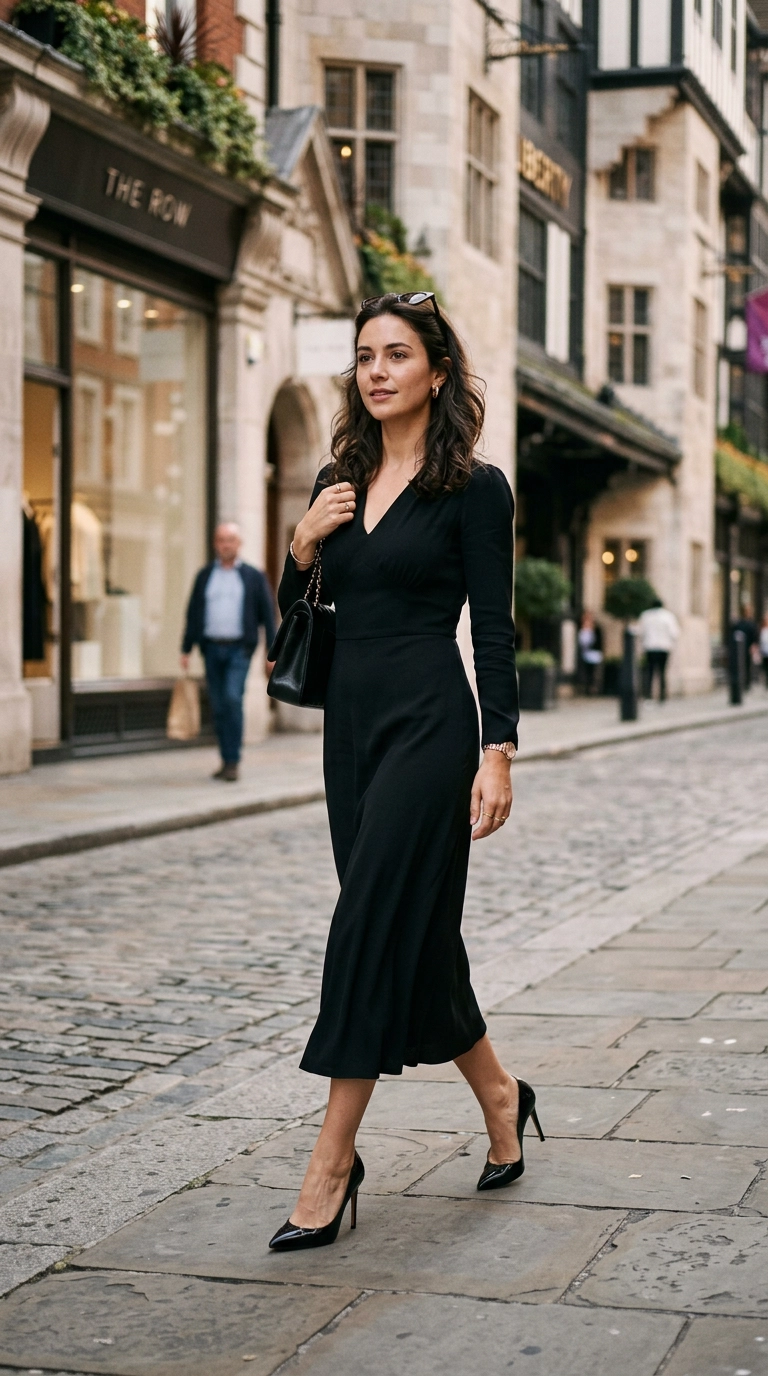
A hemline that hits at the widest part of your calf is a recipe for a frumpy silhouette. This horizontal line cuts the leg in half, making you appear shorter and losing the elegance of a long vertical line.
For formal wear, you generally want to choose between a true mini, a midi that hits the narrowest part of the leg, or a floor-grazing maxi. Avoid the “no-man’s land” between the knee and the ankle where proportions go to die.
- Midi Rule: Aim for three inches above the ankle or just below the knee.
- Maxi Rule: The fabric should barely skim the floor while you are wearing your intended shoes.
- Cocktail Rule: Ensure the hem is straight and doesn’t ride up when you sit down.
4. Clunky or Dated Footwear Choices
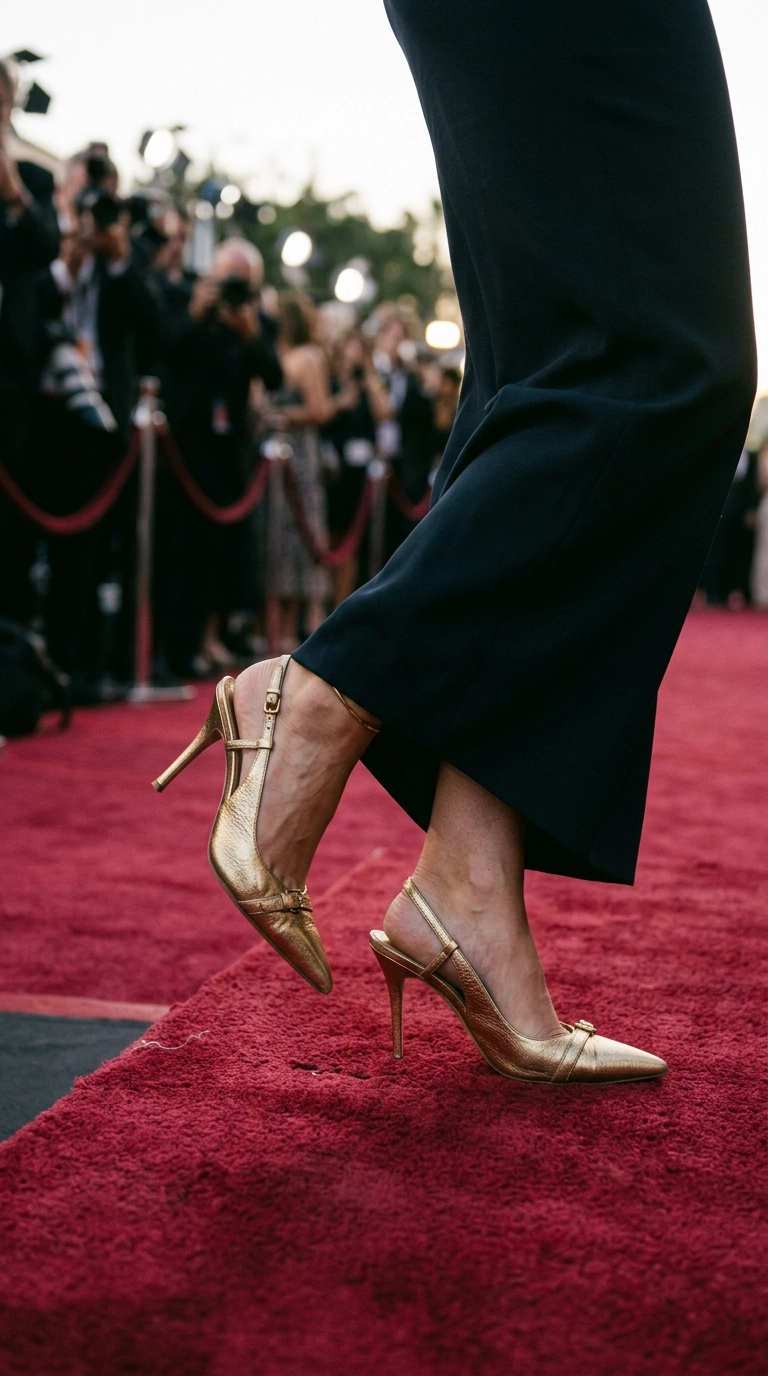
Your shoes can single-handedly ruin a modern gown if they feel like they belong in a different decade. Heavy platforms or round-toe “work” pumps often feel too industrial for the delicacy of formal evening wear.
A pointed toe or a minimalist strappy sandal elongates the leg and adds a sense of lightness to the overall look. If you struggle with height, a kitten heel with a sharp point is far more stylish than a chunky wedge.
Consistency in “visual weight” is key. A heavy, dark dress requires a shoe that can anchor the look without looking like a literal anchor on your feet.
5. Visible or Improper Undergarments
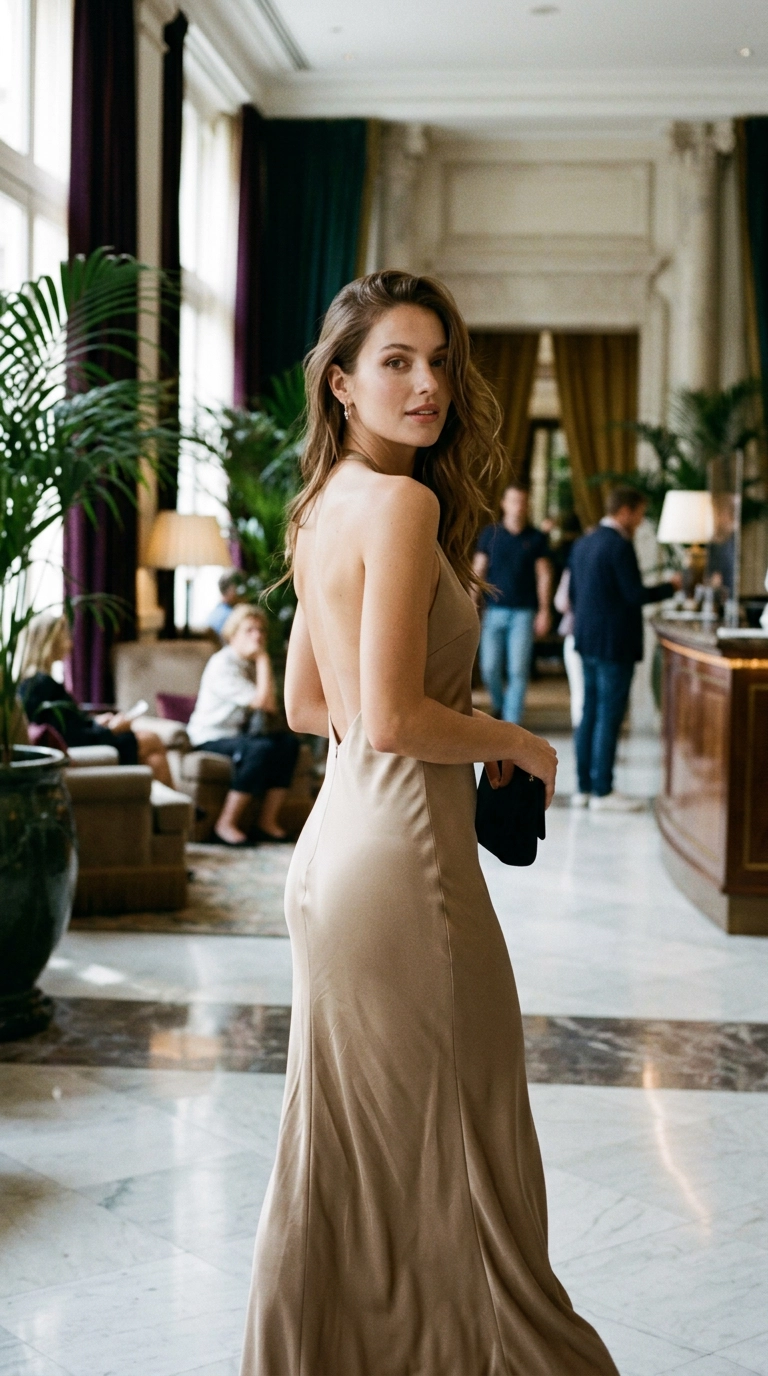
No matter how expensive the dress, visible bra straps or panty lines will immediately downgrade the aesthetic. Formal fabrics are often thin or unforgiving, meaning the foundation you wear underneath is just as important as the dress itself.
Invest in seamless shapewear and specialized bras designed for plunge or backless styles. Proper support changes the way a garment hangs, lifting the silhouette and creating a smooth, uninterrupted line from shoulder to floor.
Check your look in different lighting—especially from the back. What looks fine in a dim bedroom might become transparent or show every seam under the bright lights of a ballroom.
6. Overpowering the Outfit with Accessories
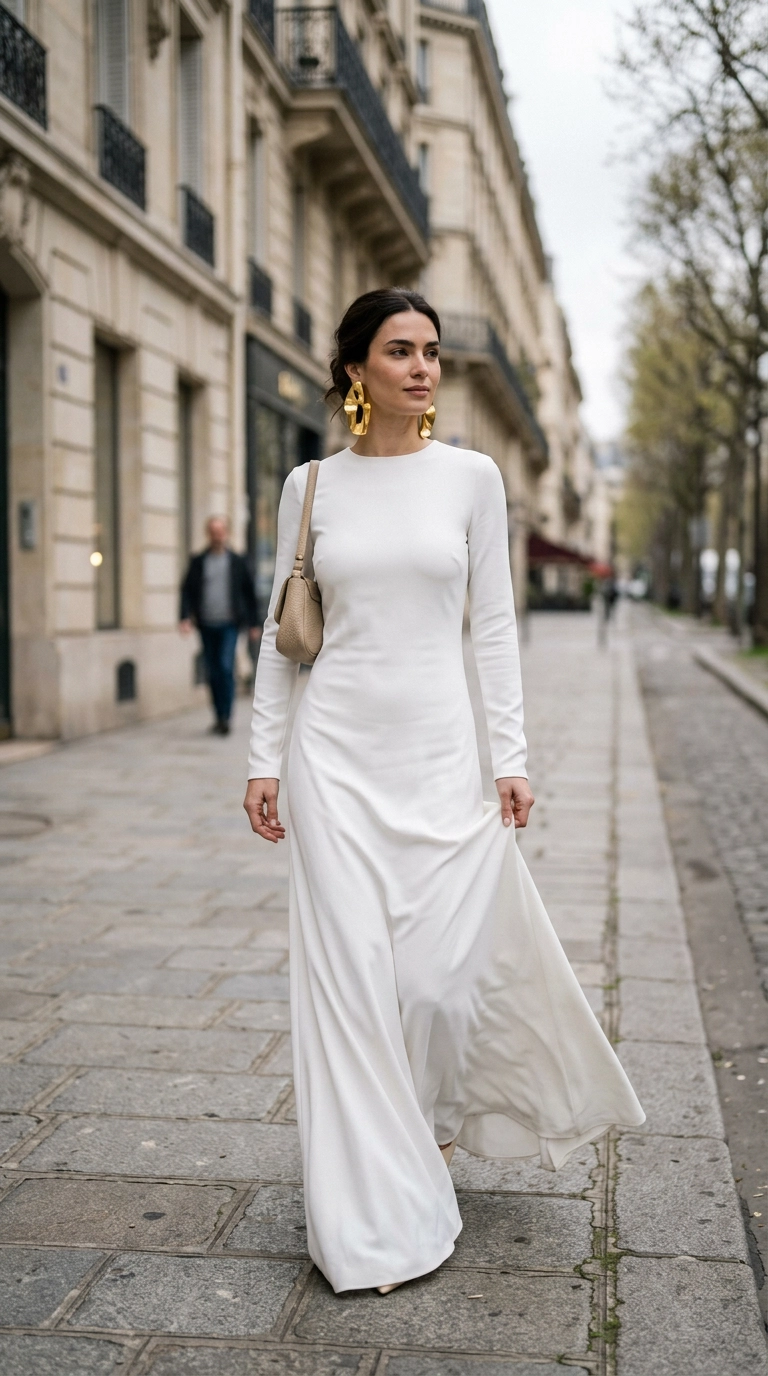
There is a fine line between “decorated” and “cluttered.” Wearing a statement necklace, statement earrings, and a stack of bracelets all at once creates visual noise that distracts from your face.
Choose one focal point for your jewelry and let the rest of your look stay quiet. If your dress has an intricate neckline or sequins, lean toward simple studs or a sleek ring rather than adding more sparkle to the mix.
Modern formal wear relies on the “less is more” philosophy. One high-quality piece of jewelry looks significantly more expensive than a dozen pieces of costume jewelry worn simultaneously.
7. Inappropriate Outerwear Layers
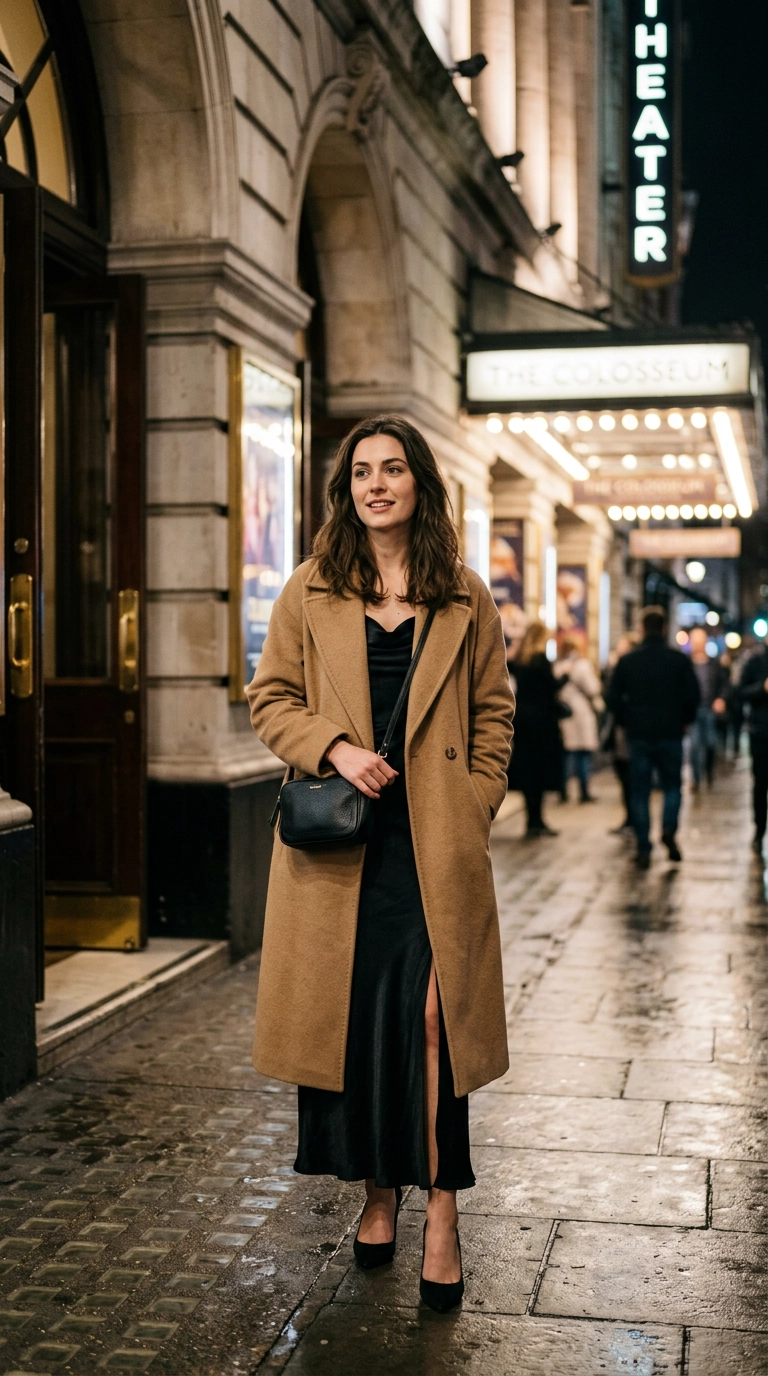
The “parking lot scramble” is where many formal looks fall apart. Throwing a casual puffer jacket or a worn-out work coat over a gown creates a jarring disconnect that ruins the first impression.
Your coat is part of the outfit, not just a way to stay warm between the car and the door. A long, structured wool coat or a sophisticated evening wrap is necessary to maintain the integrity of your style.
If you don’t own a formal coat, a sharp oversized blazer can work as a modern alternative. Ensure the colors are complementary and the fabric feels substantial enough to match the formality of the event.
8. Carrying an Oversized or Casual Bag
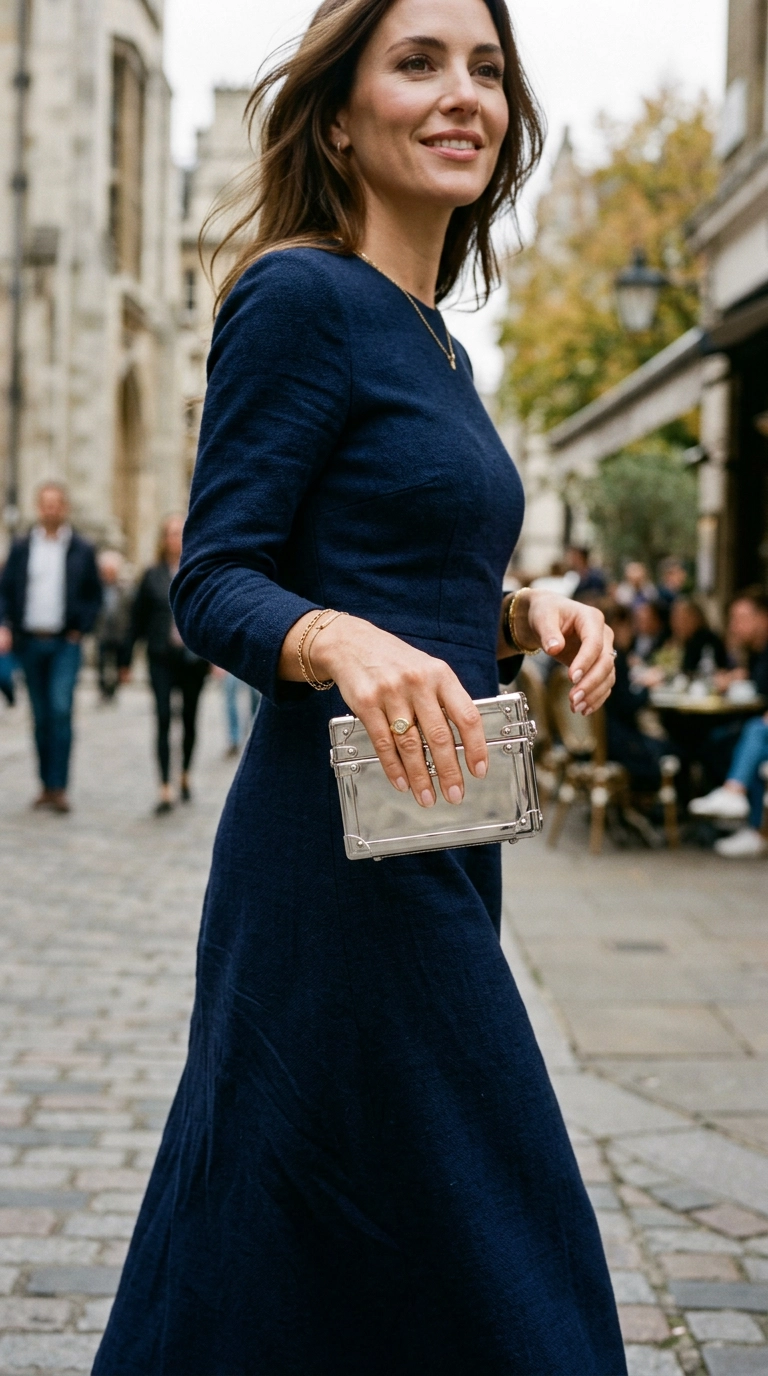
Formal events require a small, structured bag like a clutch or a tiny top-handle purse. Carrying your daily tote or a large shoulder bag to a wedding or gala adds bulk to your frame and looks out of place.
The bag should be a jewel-like addition to your look, not a storage unit for your entire life. Edit your essentials down to a phone, a card, and a lipstick to avoid a bulging, heavy-looking bag.
Look for materials like satin, metal, or high-grade leather. Avoid anything with plastic zippers or casual canvas straps that scream “daily errands” rather than “black tie.”
9. Clashing Proportions and Volume
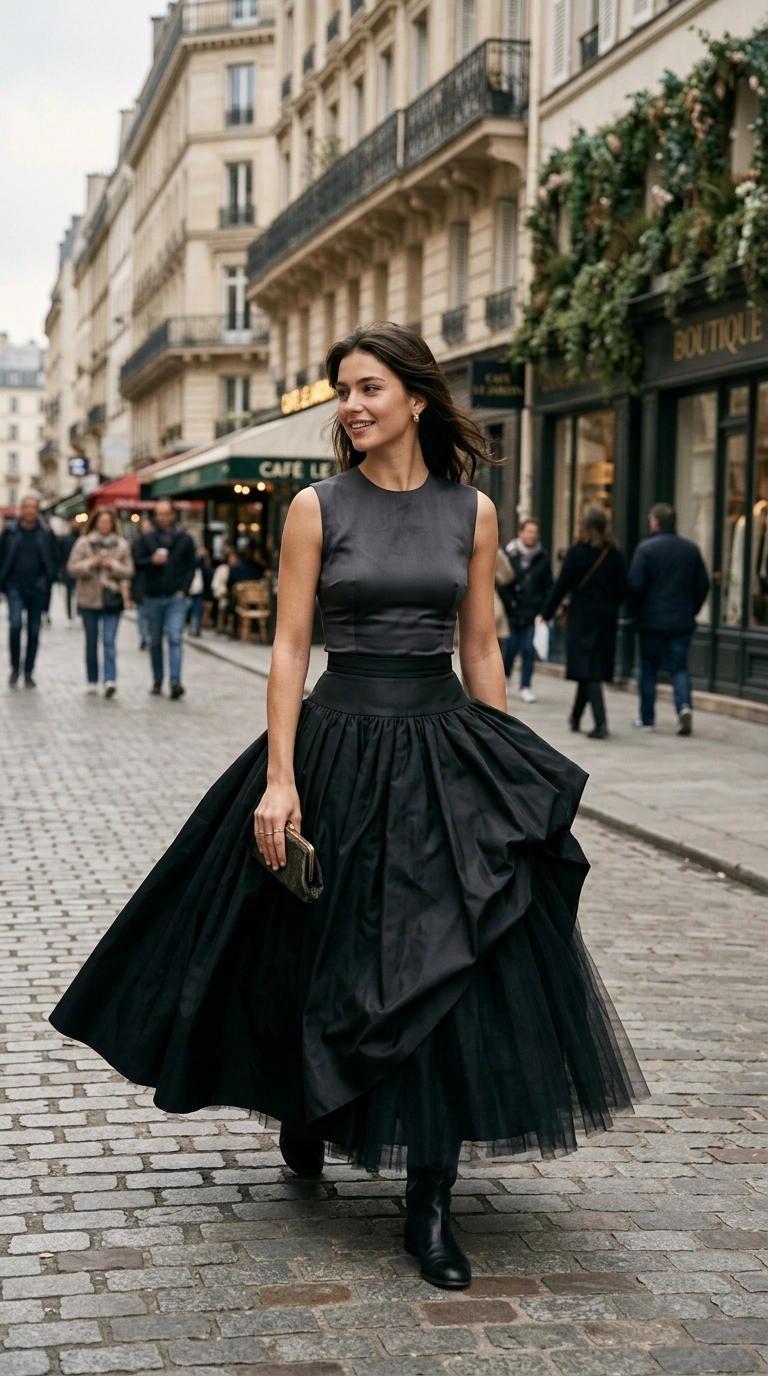
If you are wearing a wide-leg formal trouser or a full skirt, your top half should be more fitted to create a balanced shape. Wearing volume on both the top and bottom results in a boxy, frumpy look that hides your figure.
Similarly, a very tight dress often benefits from a slightly more relaxed hairstyle or a softer shoe to avoid looking too “stiff.” Balance is the secret to making a formal look appear effortless rather than forced.
The Rule of One
- One area of volume (skirt or sleeves).
- One area of skin (back, neckline, or legs).
- One bold color or pattern.
10. Using Dated “Matchy-Matchy” Sets
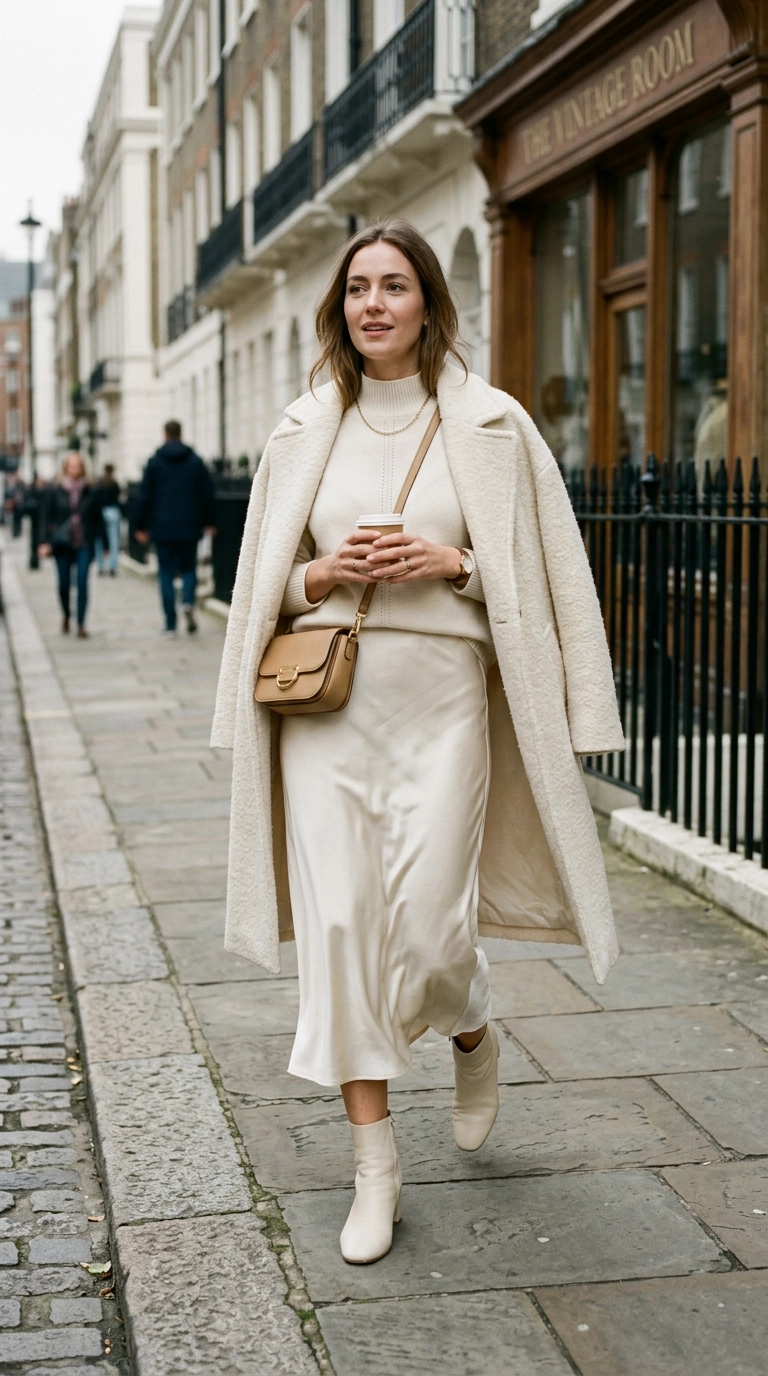
The era of matching your shoes exactly to your bag and your jewelry set is over. This approach can look very “mother of the bride” in a way that feels aging and uninspired.
Modern elegance comes from coordination, not exact matching. Try pairing a silver shoe with a navy dress, or a pop of burgundy with a champagne-colored gown.
Mixing textures—like a velvet bag with a silk dress—adds depth to your outfit. It shows that you curated the look piece by piece rather than buying a pre-packaged set from a department store shelf.
Formal dressing is about the harmony of fit, fabric, and restraint. When you avoid these common pitfalls, you stop fighting against your clothes and start letting them work for you. Take the time to audit your next formal look for these small details, and you will find that looking polished becomes a much simpler, more intuitive process.