7 Layering Outfit Mistakes That Add Unnecessary Bulk
You stand in front of the mirror, piling on your favorite knits and coats, only to realize you look several sizes larger than you actually are. It is a common frustration that turns a chic winter ensemble into a heavy, shapeless mess that hides your style. This visual weight often stems from a few specific mechanical errors in how fabrics interact with your body frame.
Layering should feel like an art form that adds depth and texture to your personal style without sacrificing your silhouette. We are stripping back the confusion to reveal why your cozy outfits often feel more like a costume than a high-fashion look. By understanding the physics of fabric, you can stay warm while maintaining a sleek, intentional aesthetic.
These seven common mistakes are likely sabotaging your proportions and hiding your best features behind mountains of unnecessary fabric. Let’s refine your technique so you can master the cold weather while looking sharp, slim, and effortlessly put together. It is time to reclaim your shape from the heavy clutches of winter wools and oversized outerwear.
Pairing Multiple Oversized Silhouettes
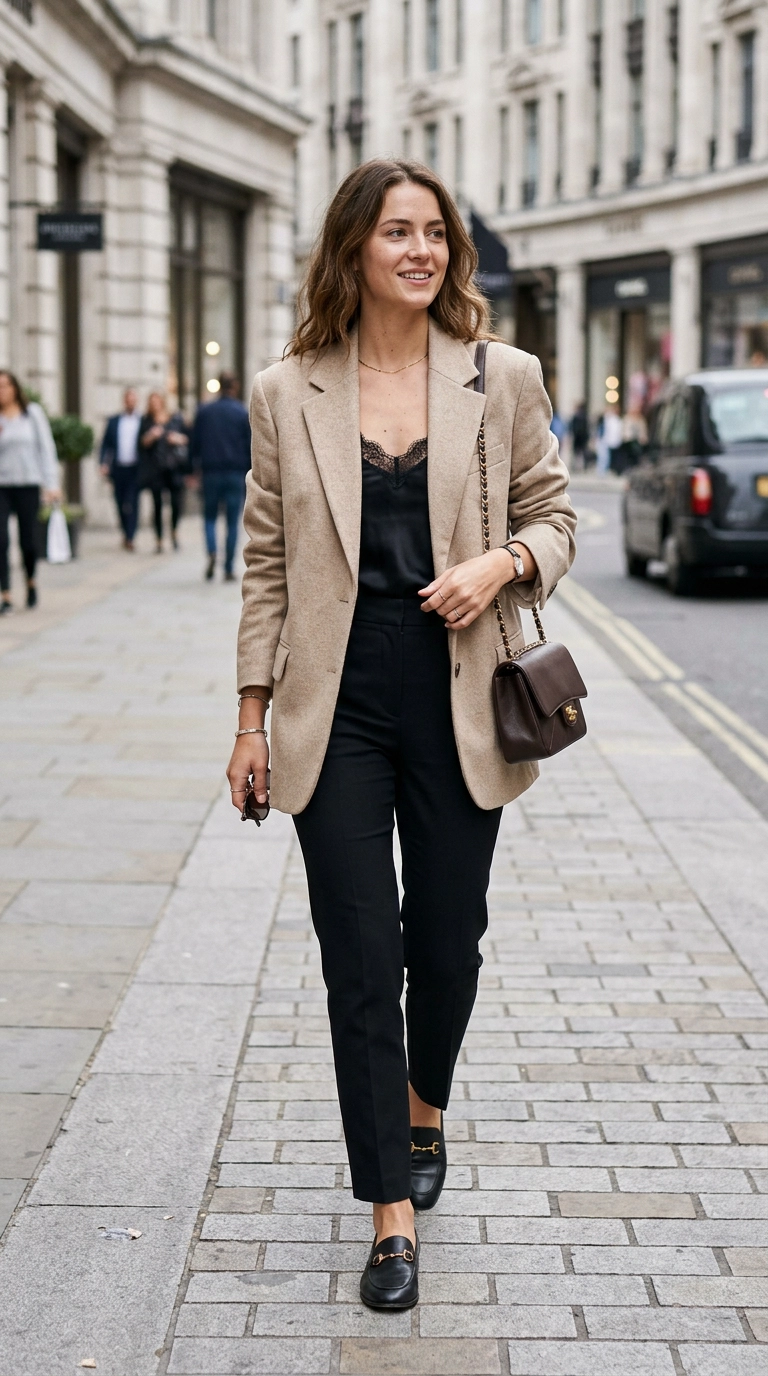
The “baggy on baggy” trend is difficult to pull off without looking like you are drowning in fabric. When you pair an oversized hoodie with an oversized puffer jacket, you lose all definition of your actual body shape. This creates a boxy profile that lacks a focal point or a sense of intentionality.
To fix this, follow the rule of balance by choosing only one voluminous piece per outfit. If your coat is wide and dramatic, ensure your base layers are fitted or tucked in to show your frame. This contrast allows the eye to see the person inside the clothes rather than just a mountain of material.
The Golden Rule of Volume
- If the top layer is oversized, keep the bottom layer tapered or slim.
- If the trousers are wide-leg, choose a cropped or fitted jacket to define the torso.
- Use structured fabrics to anchor loose, flowy materials.
Neglecting the Natural Waistline
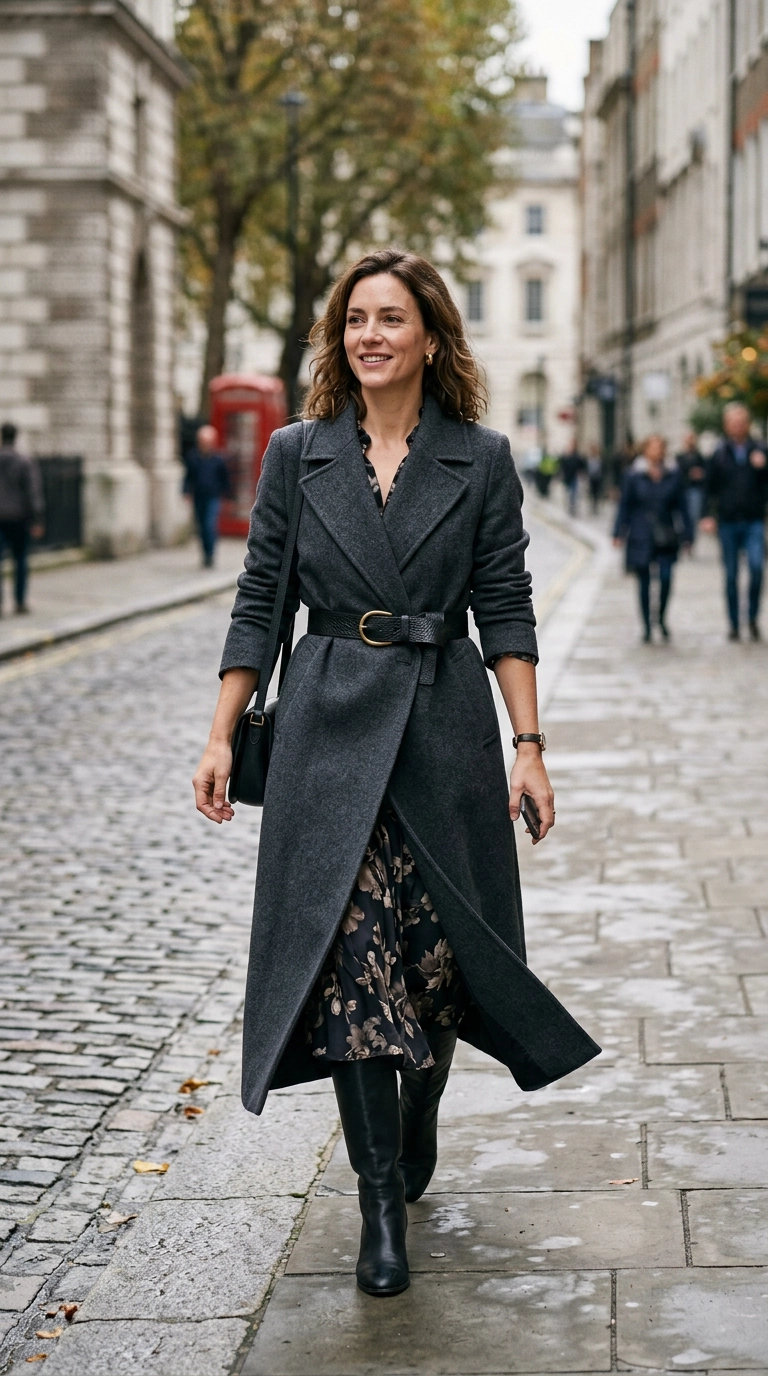
Your waist is the natural anchor point for your entire outfit, especially when you are wearing three or more items. If you hide this narrowest part of your torso under layers of loose fabric, you create a “block” effect. This visual weight makes you appear shorter and wider than you are in reality.
Belting your outermost layer or using a French tuck for your sweater can solve this instantly. Creating a clear division between your upper and lower body restores your natural proportions. Even a thin leather belt over a cardigan can completely change how the fabric drapes across your hips.
| Layering Method | Visual Result | Best For |
|---|---|---|
| The French Tuck | Elongates legs | Medium-weight knits |
| The External Belt | Creates hourglass shape | Long cardigans and coats |
| High-Waisted Bottoms | Defines torso length | Cropped jackets |
Stacking Heavy Fabrics Without Breathing Room
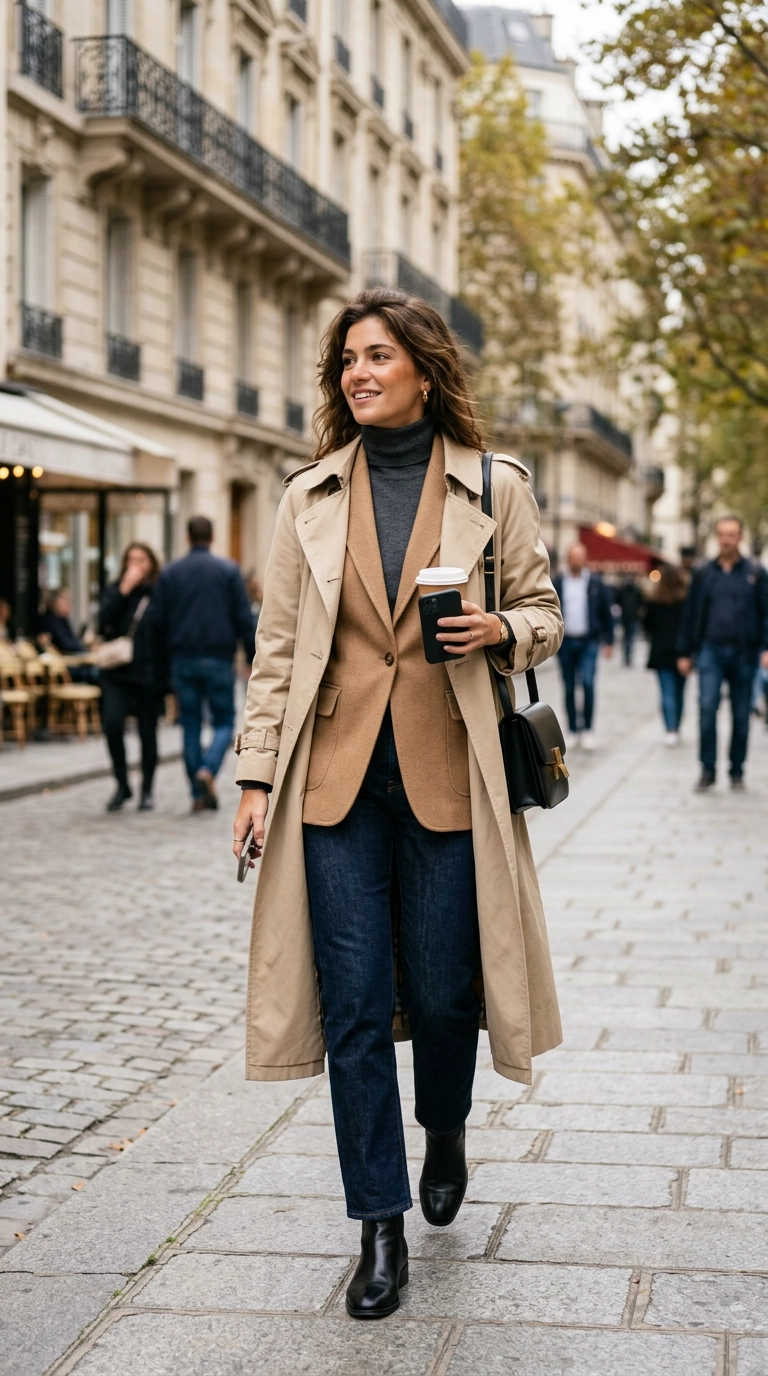
The most common error in cold-weather styling is trying to layer two pieces of the same high density. A thick cable-knit sweater under a heavy wool coat creates friction and physical bulk that restricts your movement. This combination also creates lumps and bumps in the sleeves and shoulders that look messy.
Successful layering requires a hierarchy of fabric weights, starting with the thinnest piece closest to your skin. Think of it as a gradient: silk or fine cotton first, then cashmere or light wool, and finally your heavy outerwear. This strategy traps heat more effectively while keeping your silhouette clean and professional.
Avoid the urge to wear two sweaters at once; instead, use a thermal base layer that provides warmth without the width. Modern technical fabrics are designed to be paper-thin while offering the same insulation as a thick sweatshirt. This keeps your arms slim and your shoulders sharp.
Clashing Necklines That Create Neck Bulk
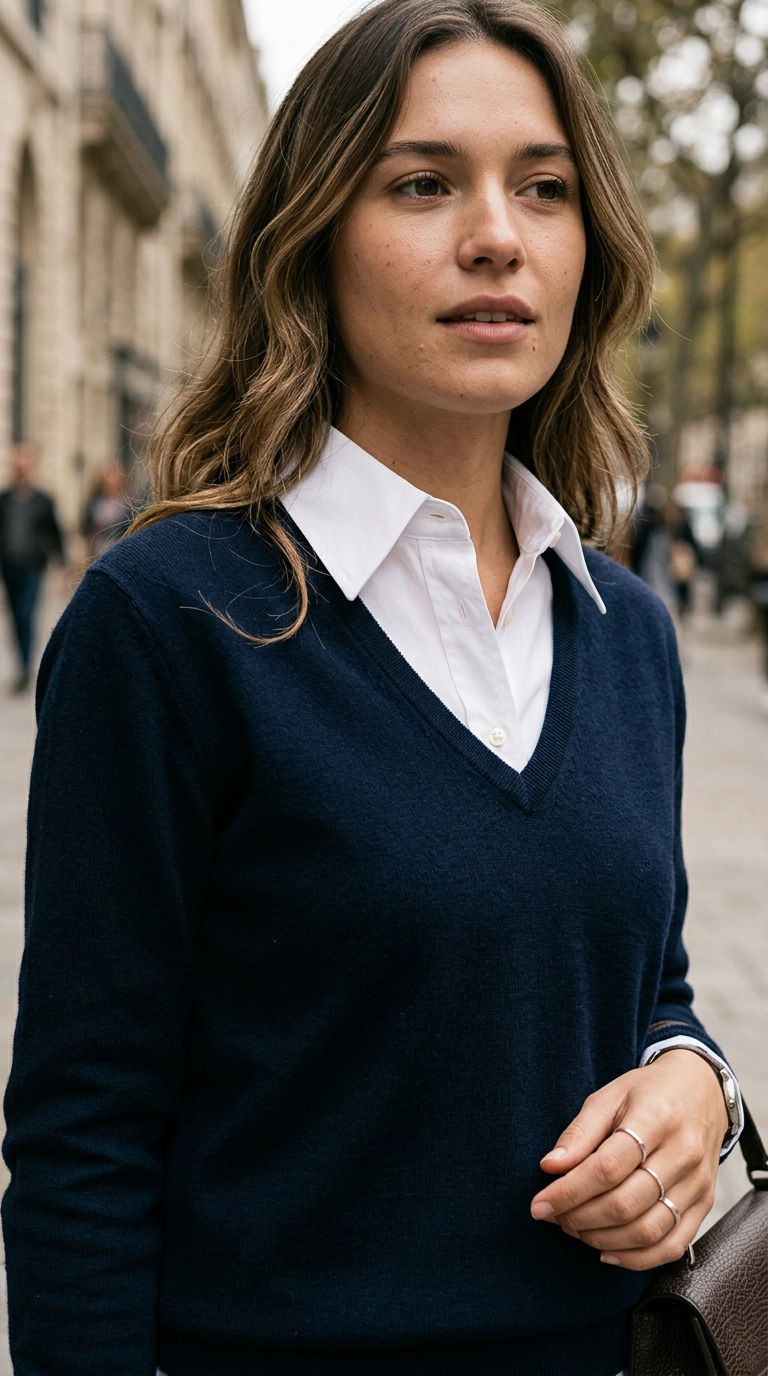
When you stack multiple high-neck items, you risk losing your neck entirely, which makes the torso look disproportionately large. A turtleneck worn under a hooded sweatshirt, for example, creates a crowded look around the chin. This “no-neck” appearance is a fast way to add visual pounds to your upper body.
Vary your necklines to create visual “windows” that show off your collarbones or neck length. Pair a crew neck sweater with a collared shirt underneath, or a turtleneck with an open-front coat. This variety breaks up the solid block of color and fabric near your face, making you look taller and more alert.
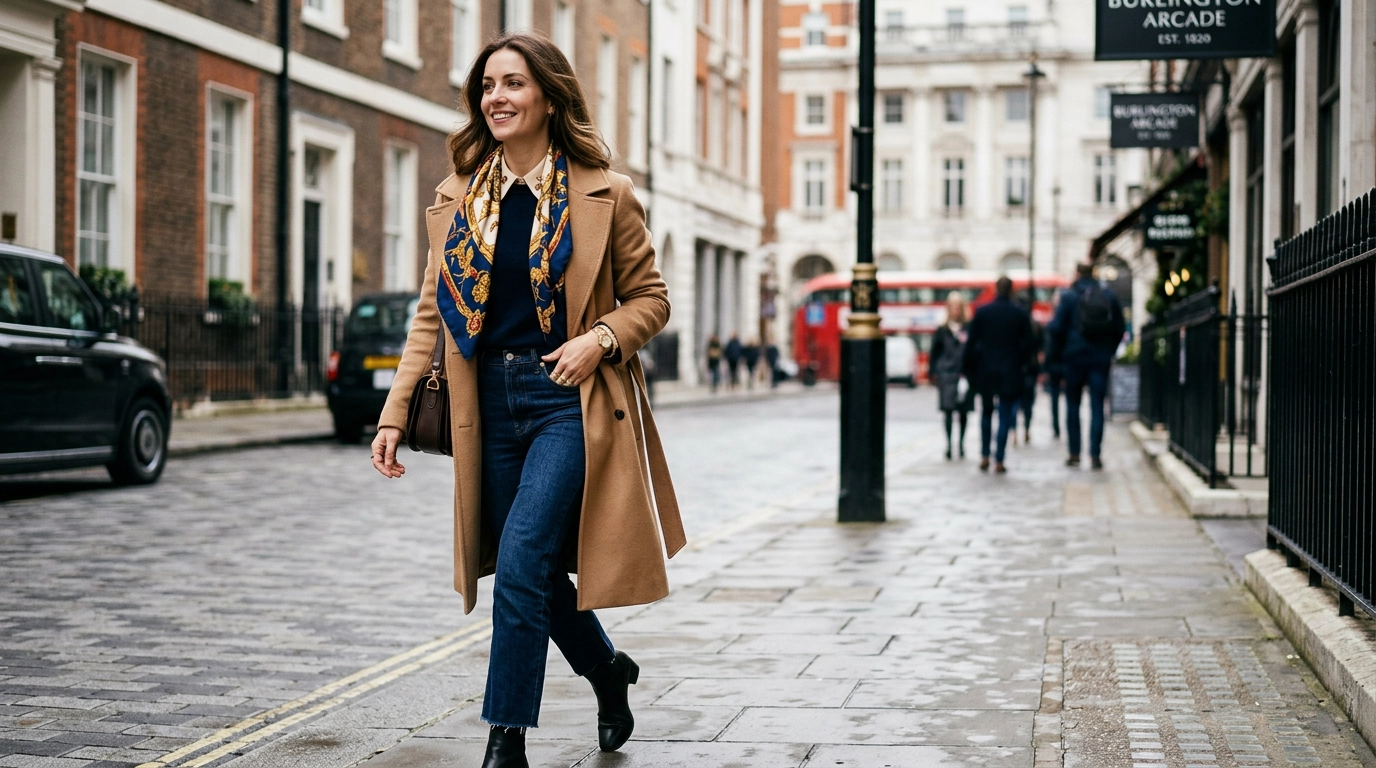
If you love scarves, ensure your coat has a clean, simple collar to avoid competing textures. A bulky infinity scarf paired with a wide-lapel coat can overwhelm your face and make your head look small. Stick to streamlined scarves when wearing detailed outerwear.
Longline Outerwear with Extra Wide Leg Pants
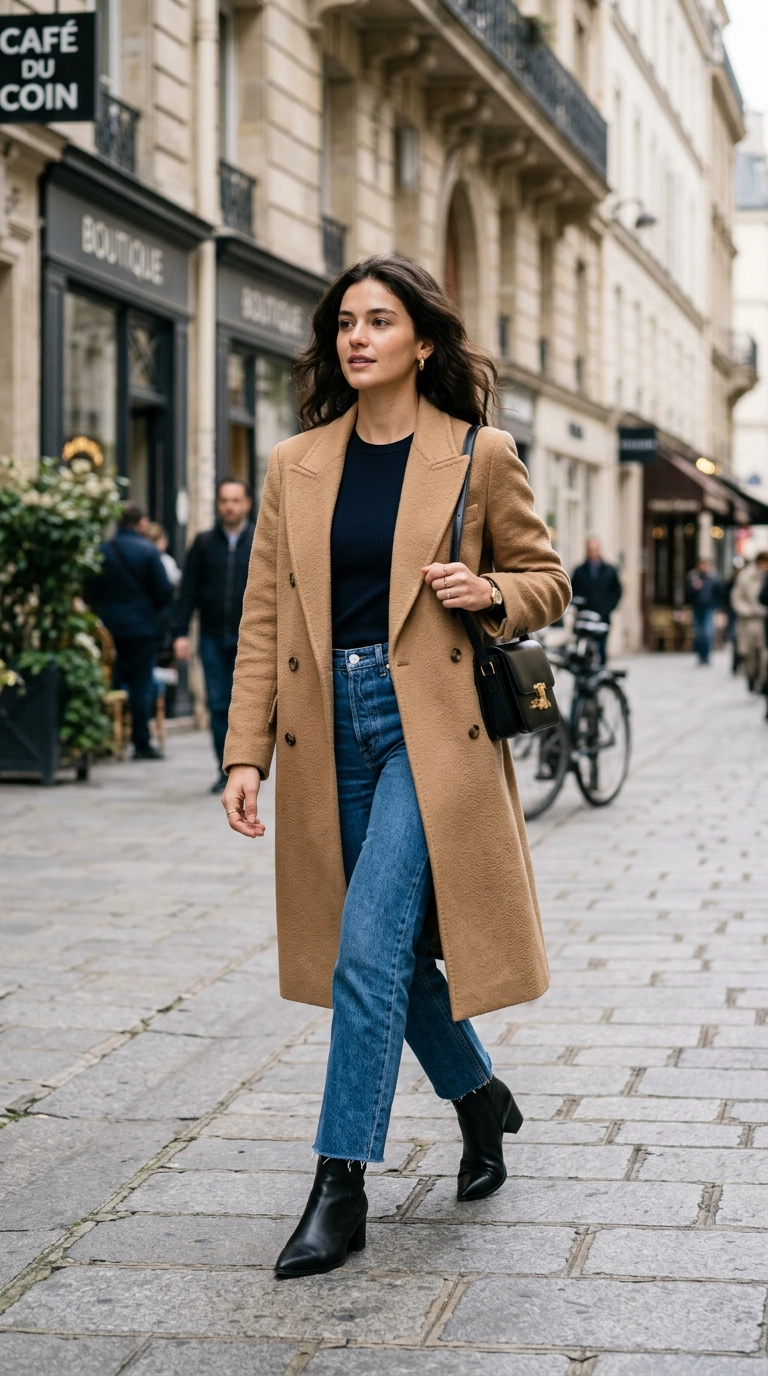
A very long coat paired with very wide trousers creates a horizontal visual line that cuts your height in half. This combination often looks like you are wearing a tent, as there is no tapering to guide the eye. It is a silhouette that lacks verticality and structure.
If you want to wear wide-leg pants, opt for a coat that hits at the hip or mid-thigh to reveal the length of your legs. Alternatively, if you are wearing a floor-length duster, pair it with slim jeans or leggings. This contrast ensures that the volume of one piece is balanced by the sleekness of another.
Consider the “A-line” principle where the outfit either narrows at the top or narrows at the bottom. When both the top and bottom are wide, you lose the sense of a human frame entirely. Choosing one direction for your volume is the secret to high-end street style.
Tucking Chunky Knits into Lightweight Bottoms
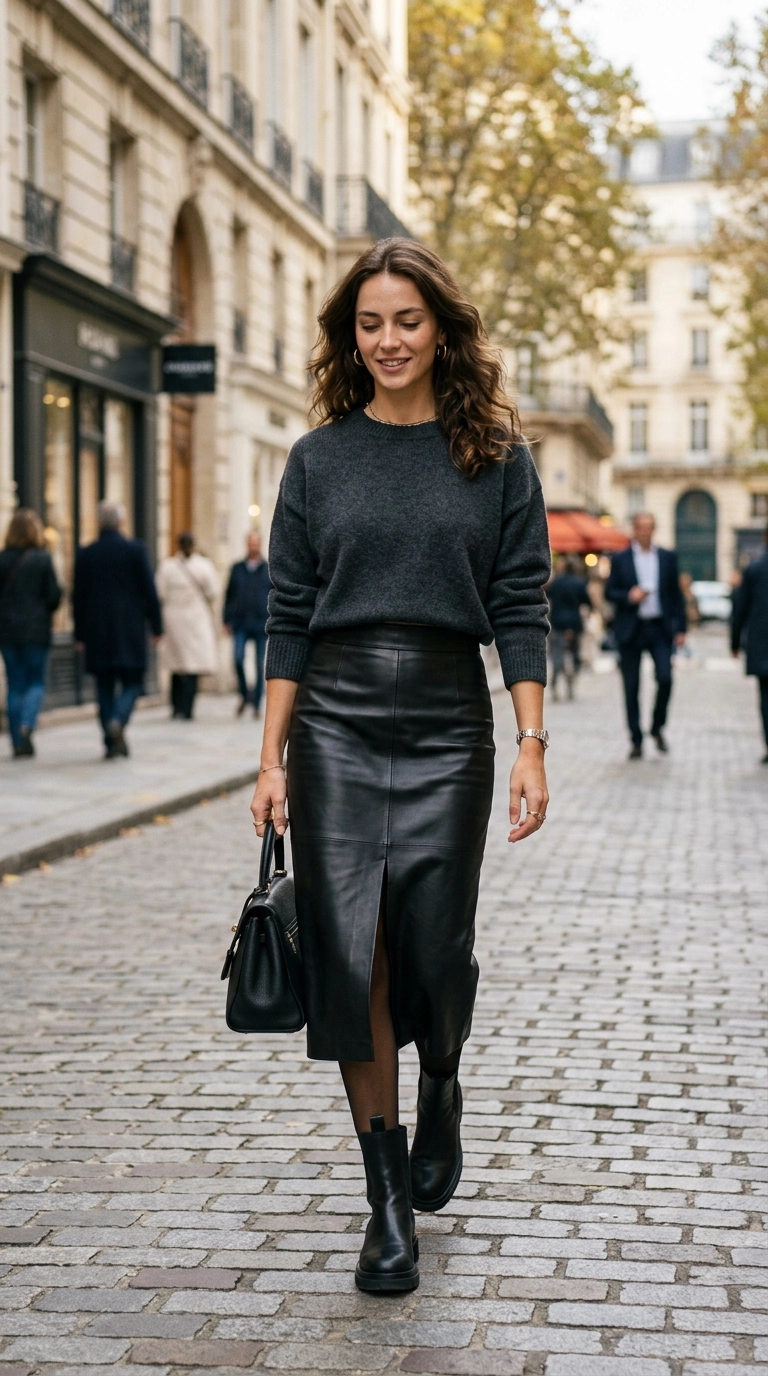
Attempting to tuck a heavy wool sweater into a thin silk skirt or tight jeans creates an unsightly bulge around the midsection. This is not actual body weight, but the physical fabric of the sweater bunching up under the waistband. It ruins the line of your skirt and creates a lumpy texture.
Instead of a full tuck, use the “bra tuck” method or a simple front tuck to manage the excess material. You can also look for sweaters with a natural cropped hem that sits right at the waistband. This gives you the look of a tuck without the physical mass hidden inside your clothes.
If your bottoms are very thin or form-fitting, avoid tucking altogether and use a belt to cinch the sweater on the outside. This maintains the integrity of your lower-half silhouette while still defining your waist. It is all about managing where the fabric goes so it does not work against you.
Ignoring the Width of Your Sleeves
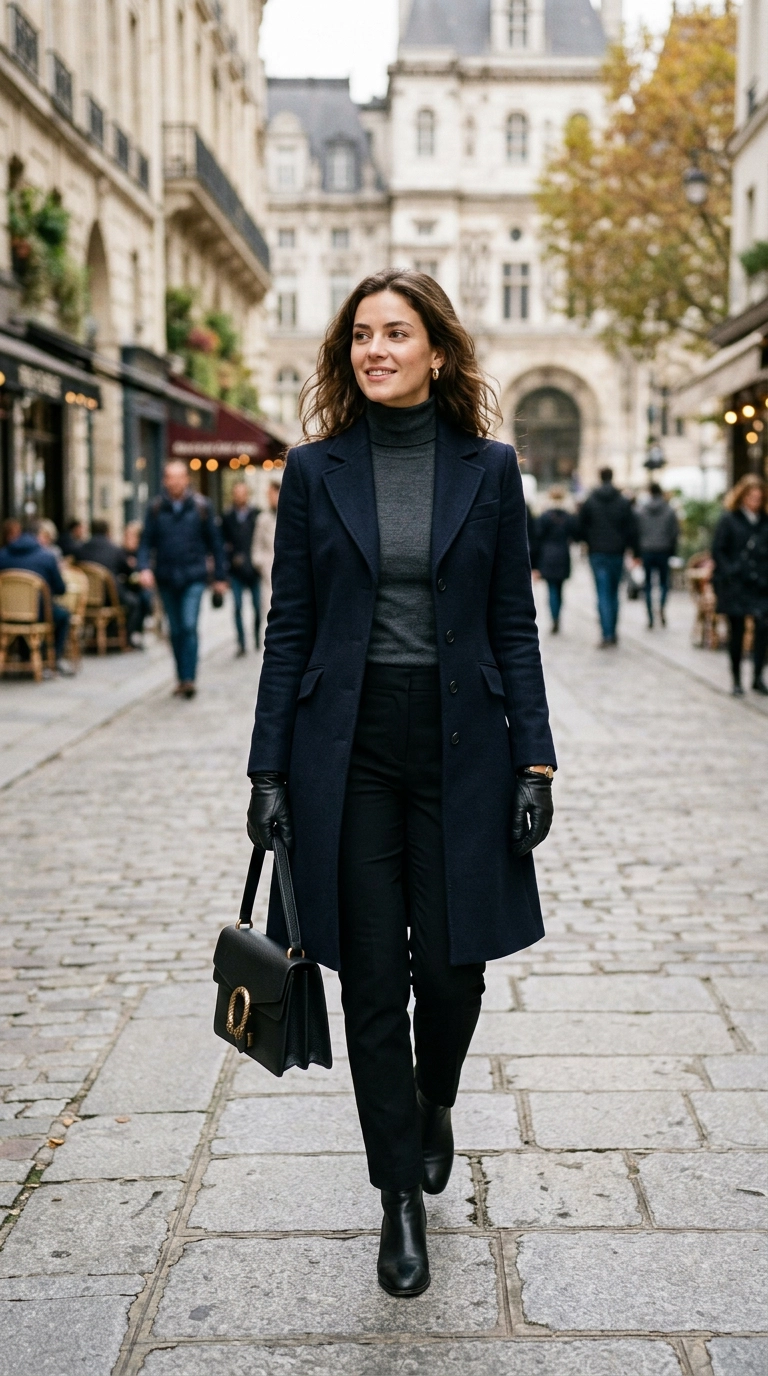
The sleeve is often the most overlooked part of an outfit, but it is the first place bulk becomes obvious. When a sweater sleeve is wider than the coat sleeve covering it, the fabric bunches up at the elbow and bicep. This creates a “puffy arm” look that feels restrictive and looks messy.
Always check the armhole depth of your coats before buying them to ensure they can accommodate layers comfortably. If you plan on wearing thick knits, you need a coat with a slightly dropped shoulder or a wider sleeve. However, the best solution is to wear sleeveless vests or gilets as middle layers.
Vests provide core warmth without adding any width to your arms, allowing your coat sleeves to lay flat and smooth. This keeps your shoulders looking sharp and your arms looking lean. It is a favorite trick among fashion editors to stay warm during fashion week without looking stuffed.
Quick Fixes for Bulky Sleeves
- Wear a sleeveless puffer vest under your wool coat for core heat.
- Ensure your base layer has thumbholes to keep the sleeve flat and taut.
- Choose coats with “kimono” or “raglan” sleeves for more interior room.
Mastering the Lean Layering Look
Layering does not have to mean sacrificing your style for the sake of staying warm. By focusing on fabric weights, waist definition, and balanced volumes, you can create outfits that look intentional and high-end. Remember that the best outfits are those that highlight your personality rather than hiding it under unnecessary mass.