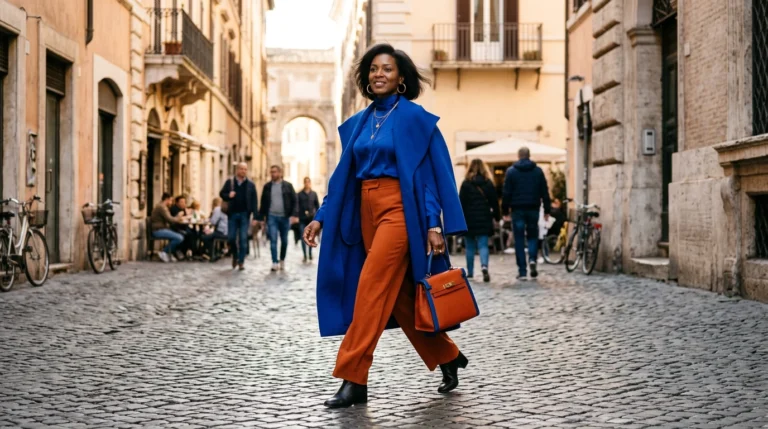
10 Fall Fashion Mistakes Ruining Your Autumn Aesthetic
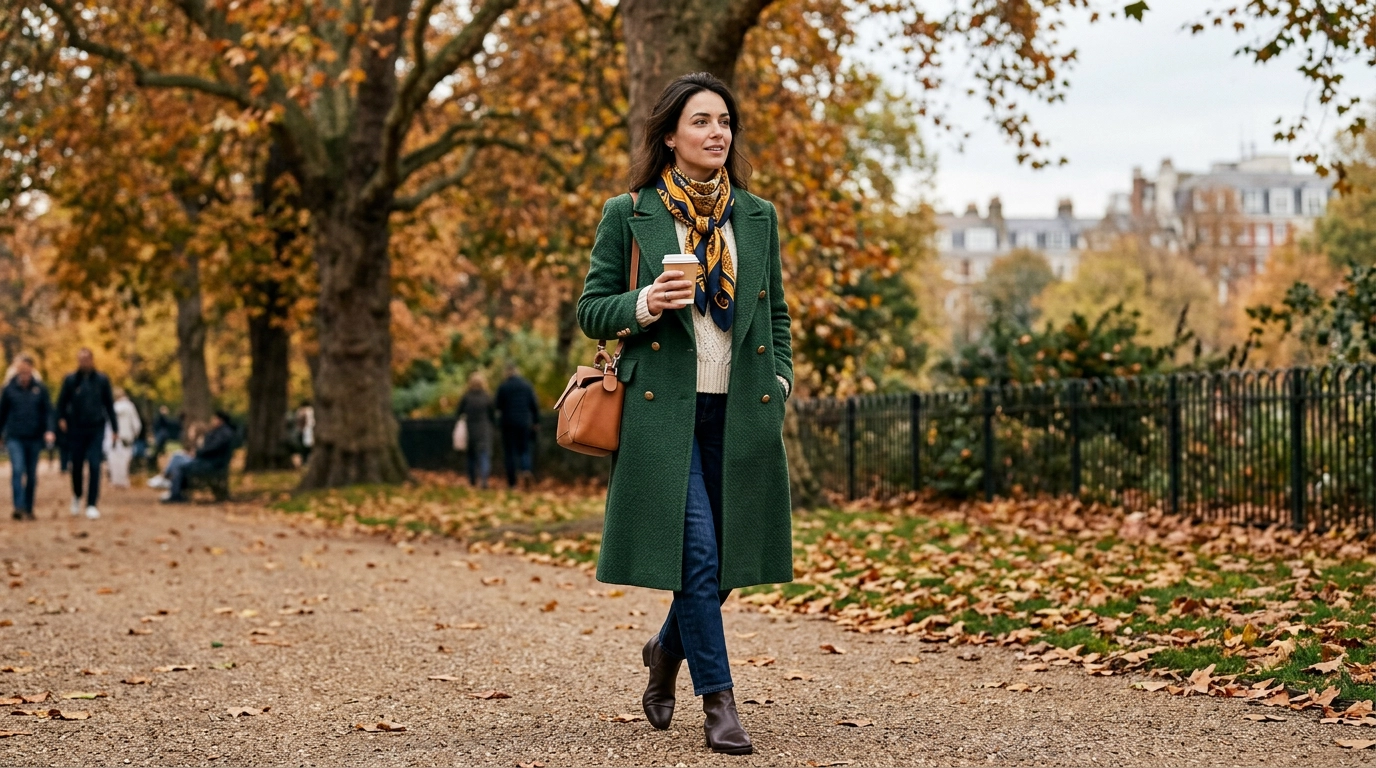
Your autumn wardrobe should feel like a curated gallery of rich textures and intentional silhouettes, yet many women find themselves drowning in bulky knits that kill their shape. Achieving that high-end Pinterest aesthetic requires more than just adding layers; it requires a strategic understanding of fabric weight and color theory.
The transition from summer to fall is where most style enthusiasts lose their way, often clinging to silhouettes that no longer serve the season. We are identifying the specific styling errors that drain the luxury from your outfits and how to fix them instantly.
By avoiding these common pitfalls, you will transform your daily look from cluttered to polished without spending a fortune on new pieces. Focus on these adjustments to ensure your style remains sharp as the temperature drops.
The “Muddy Color” Trap
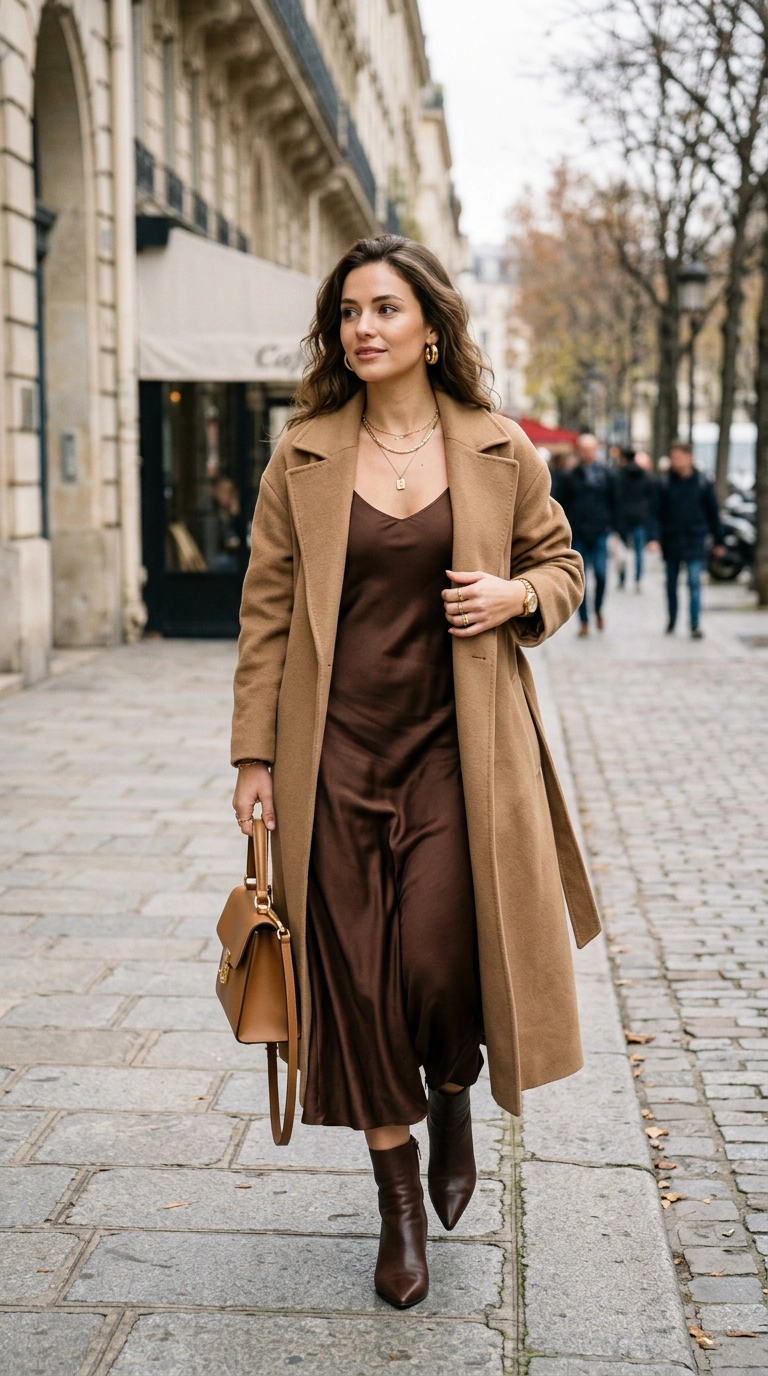
Many people assume that autumn requires wearing every shade of brown and orange simultaneously, leading to a look that feels dated and heavy. When you mix too many warm tones without enough contrast, your skin tone can appear washed out and tired.
Instead of sticking to a literal interpretation of “fall colors,” try mixing unexpected cool tones with your earthier pieces. A crisp navy blazer over a tobacco-colored knit adds a level of sophistication that monochromatic orange simply cannot match.
Think about the vibrancy of your neutrals; choose rich chocolates and deep creams rather than dull beiges that blend into the background. This creates a visual depth that makes your outfit look expensive and intentional.
Overpowering Your Frame with Oversized Knits
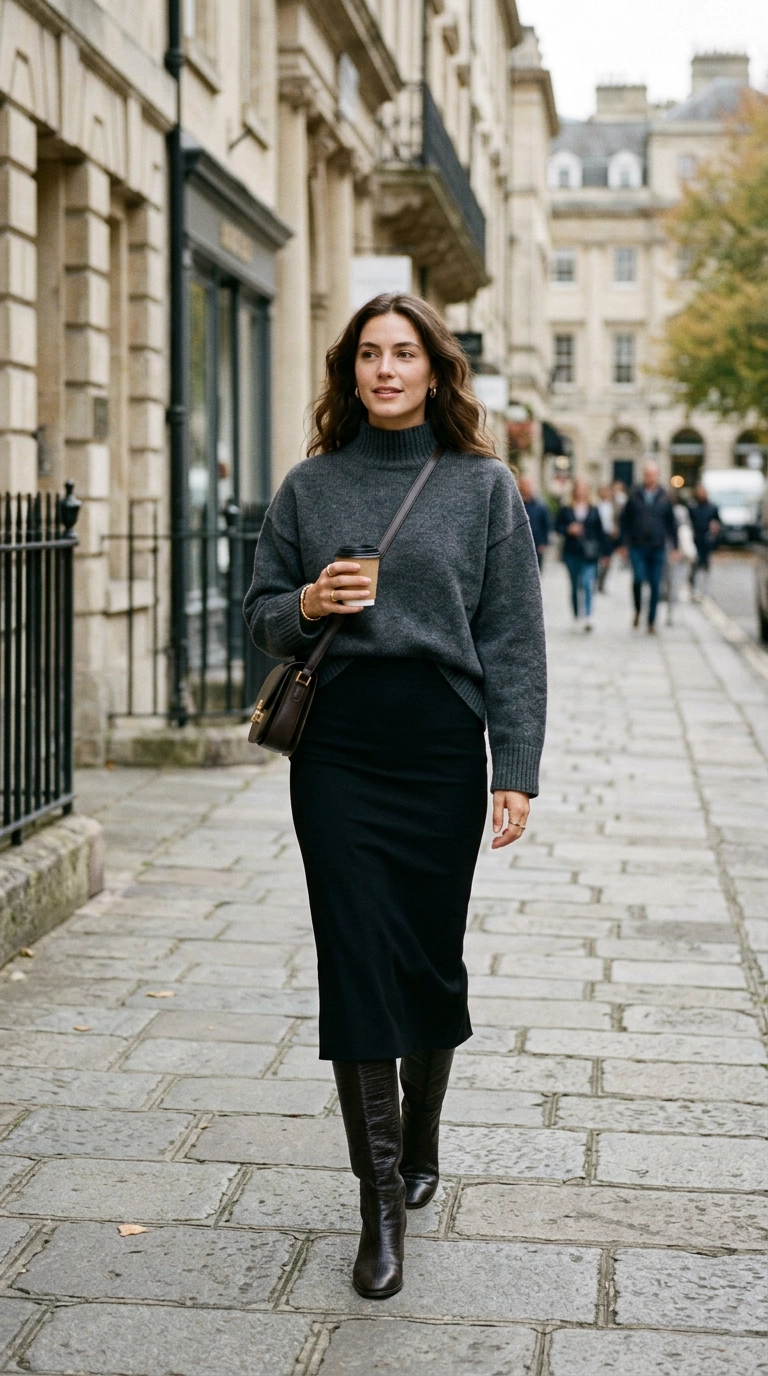
The “oversized” trend is a staple of fall, but wearing multiple loose pieces at once often results in a shapeless silhouette. If you wear a chunky sweater with wide-leg trousers and a boxy coat, you lose the natural lines of your body.
Follow the rule of proportions: if your top is voluminous, ensure your bottom half is streamlined. A massive cable-knit sweater works perfectly when paired with slim-fit leather trousers or a tailored pencil skirt.
Try the “French tuck” to define your waistline even when wearing heavy fabrics. This simple adjustment prevents the knit from cutting your height in half and keeps the look polished.
Proportion Management Table
| Top Piece | Recommended Bottom | The “Why” |
|---|---|---|
| Chunky Turtleneck | Straight Leg Jeans | Balances the weight of the neck and shoulders. |
| Tailored Blazer | Wide Leg Wool Trousers | Structure on top allows for flow on the bottom. |
| Cropped Cardigan | High-Waisted Silk Skirt | Accentuates the waist while adding texture. |
Neglecting the Footwear Transition
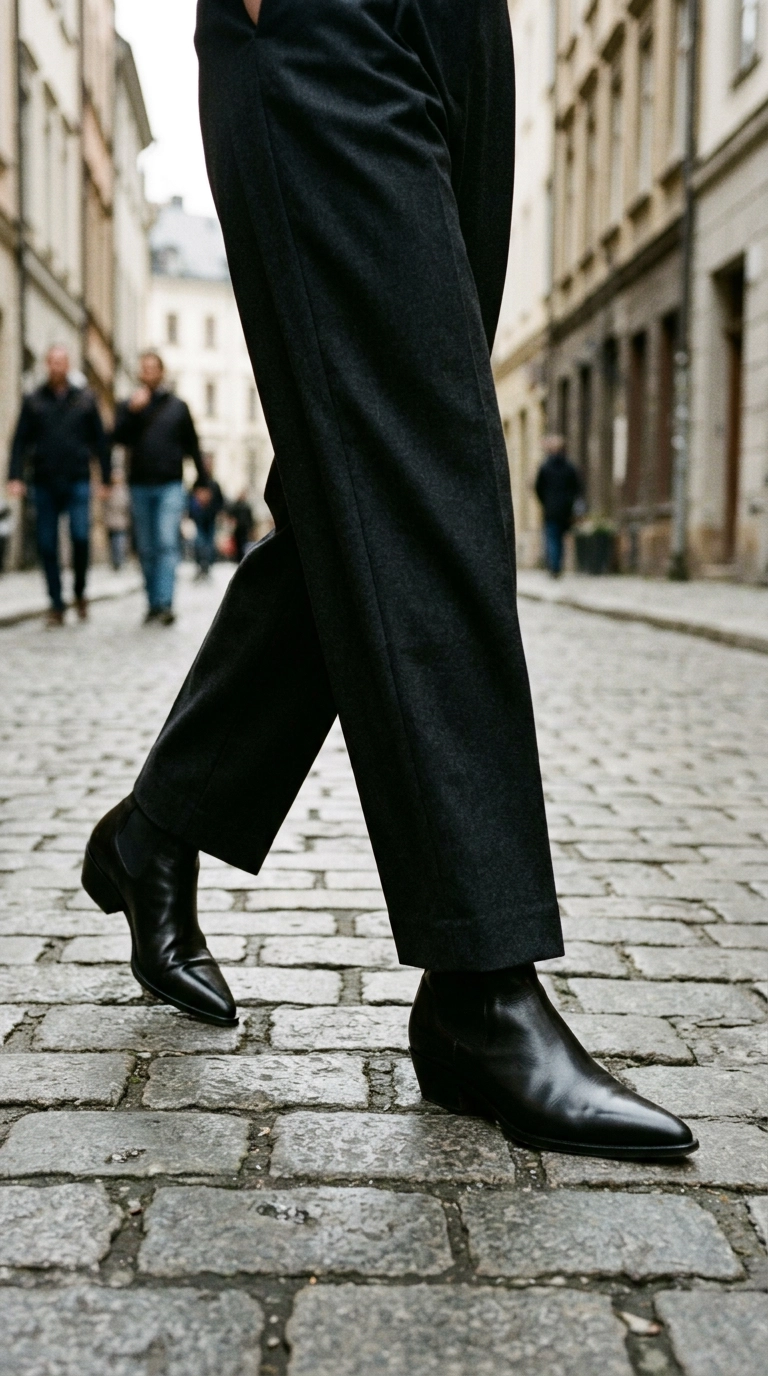
Wearing summer sandals or light canvas sneakers with heavy wool coats creates a jarring visual disconnect. Your footwear needs to match the visual weight of your clothing to keep the outfit grounded.
Transition into loafers, Chelsea boots, or pointed-toe booties to maintain a cohesive seasonal vibe. These options provide the necessary structure to support the heavier fabrics of your sweaters and coats.
Avoid the mistake of wearing ankle boots that cut off your leg at the widest point. Instead, opt for boots that tuck under the hem of your pants for a continuous, lengthening line.
Accepting Cheap Synthetic Fabrics
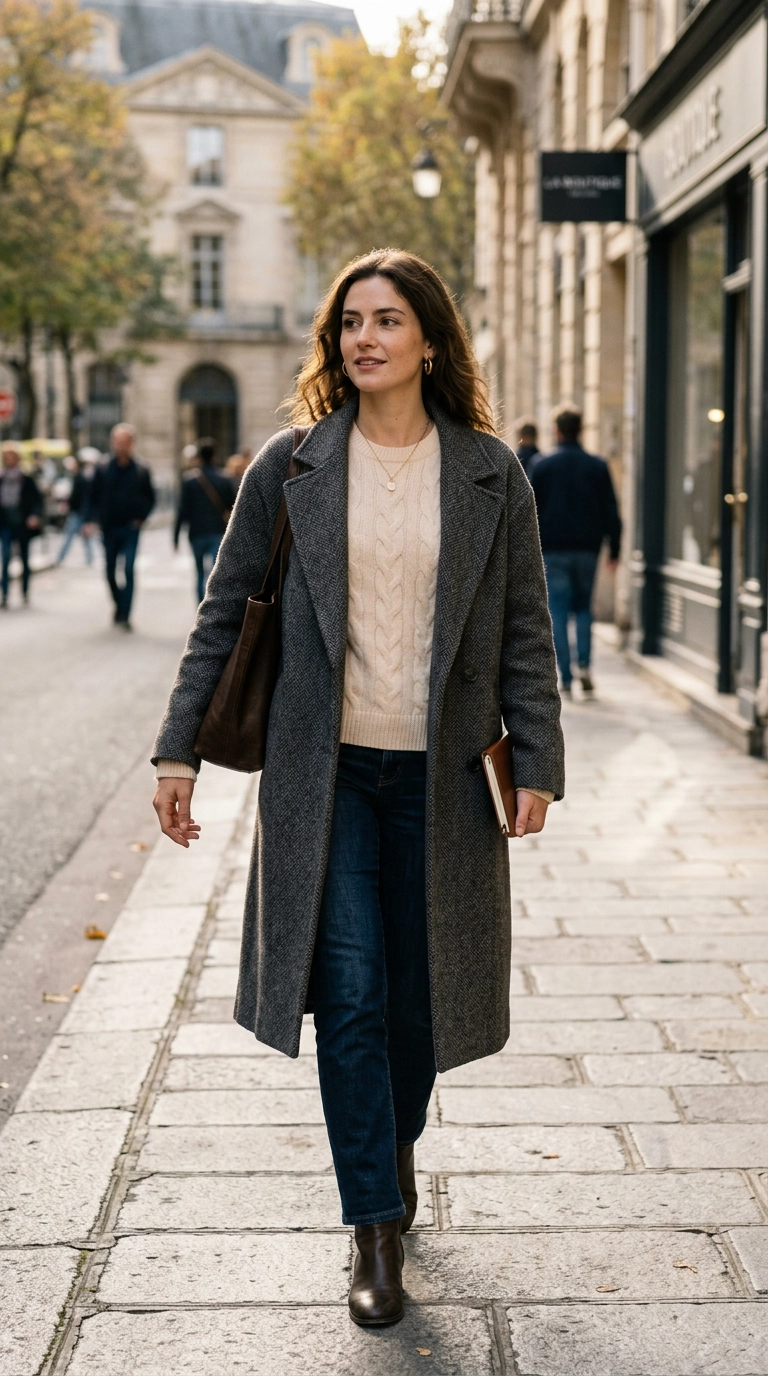
Autumn is the season of texture, and nothing ruins an aesthetic faster than pilling polyester or shiny synthetic knits. These materials don’t just look cheap; they also fail to regulate your body temperature effectively.
Prioritize natural fibers like wool, cashmere, and heavy cotton, even if it means owning fewer pieces overall. The way these fabrics drape and catch the light is what separates high-street fashion from true luxury.
Invest in a high-quality fabric shaver to maintain your wool pieces throughout the season. Keeping your knits free of fuzz and pills is the easiest way to ensure you look put-together every day.
The Bulky Layering Error
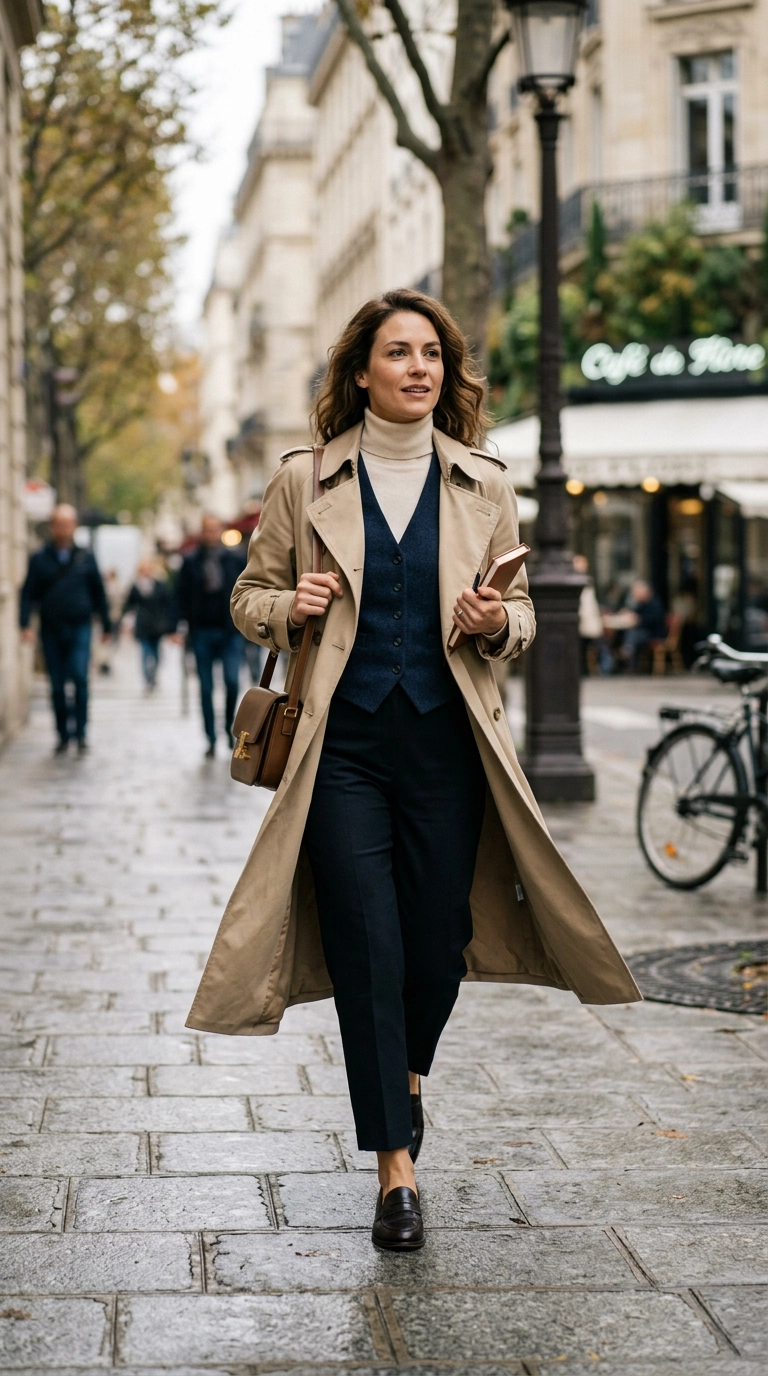
Layering is an art, but many people simply pile on thick garments until they can barely move their arms. This creates unnecessary bulk and makes you look much larger than you actually are.
The secret to professional layering is starting with thin, thermal base layers that provide warmth without thickness. A fine-gauge merino wool turtleneck is the perfect foundation for any autumn look.
Add weight progressively as you move outward, ending with your heaviest piece as the top coat. This allows you to remove layers easily while maintaining a sharp silhouette throughout the day.
Fabric Weight Hierarchy
- Base Layer: Silk camisoles or ultra-fine merino wool turtlenecks.
- Mid Layer: Cashmere sweaters, denim shirts, or light blazers.
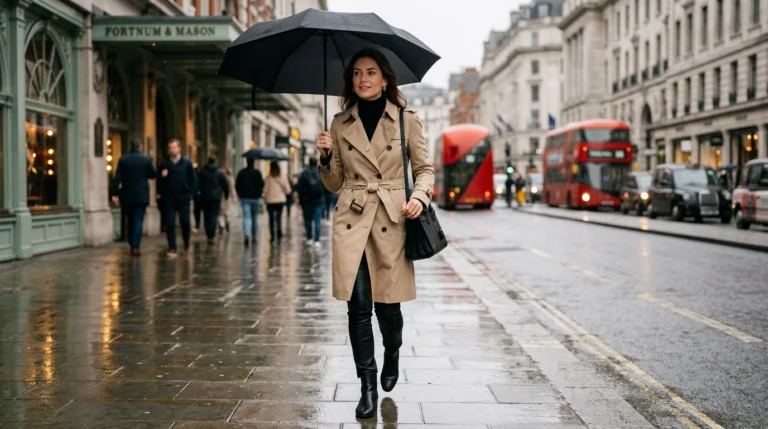
- Outer Layer: Heavy wool overcoats, trench coats, or leather jackets.
Ignoring the Power of Accessories
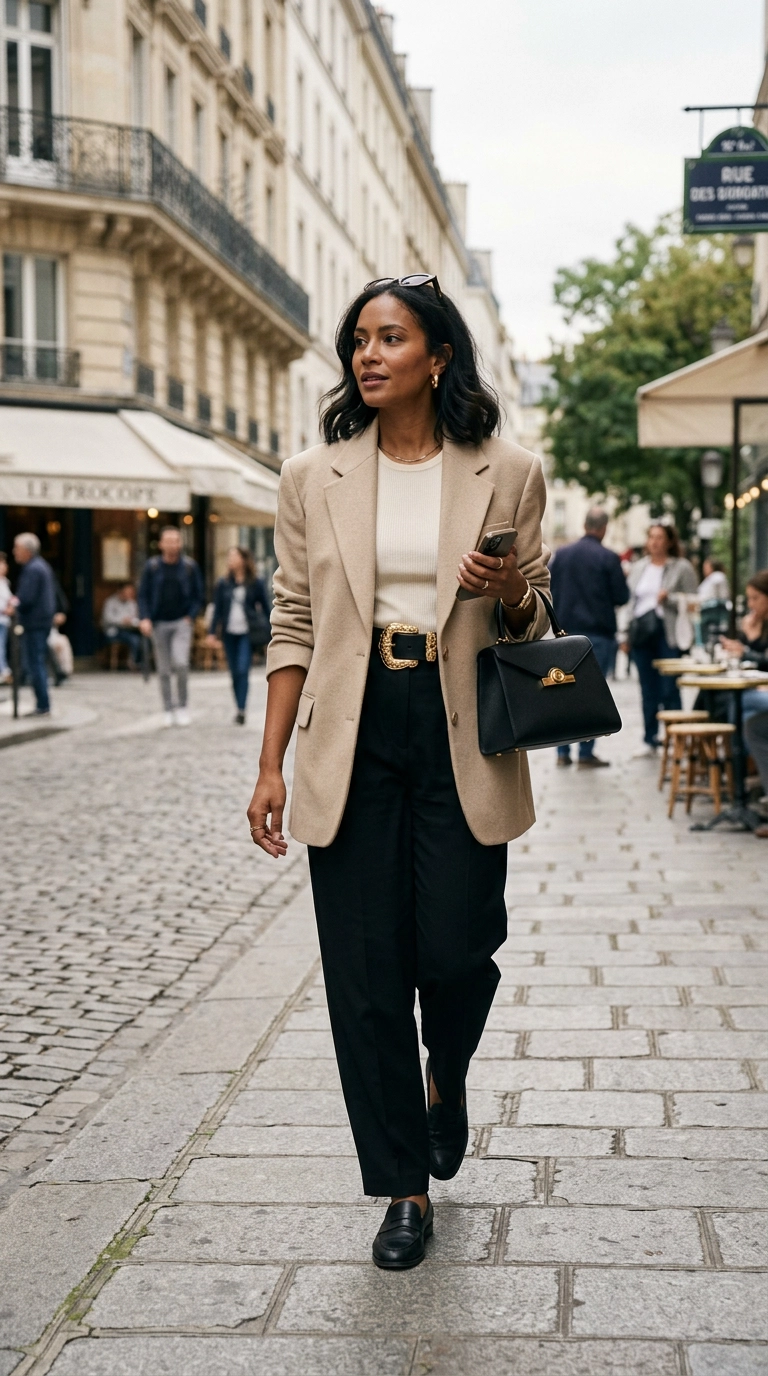
A plain sweater and jeans are just a uniform; accessories are what make it an outfit. Many women forget that autumn is the best time to play with belts, hats, and structured bags.
A wide leather belt over a cardigan can instantly create an hourglass shape and elevate the look. Similarly, a structured leather handbag adds a sense of “finish” that a floppy canvas tote cannot provide.
Don’t overlook your choice of jewelry when wearing high necklines. Bold earrings or a heavy gold chain over a turtleneck can break up the fabric and add a necessary focal point.
Wearing the Wrong Tights
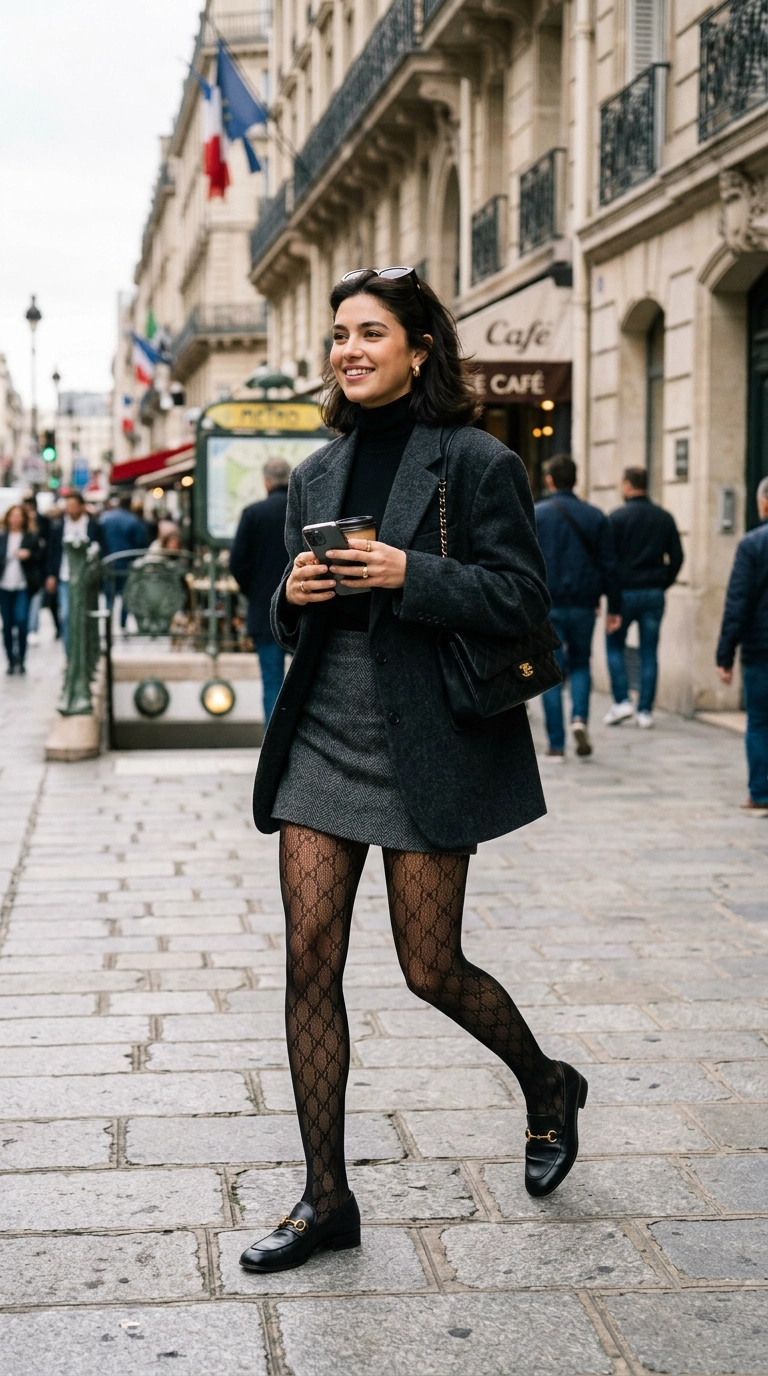
Opaque black tights are a safety net, but they often act as a visual “stop” that ruins the flow of an outfit. If your dress is light and airy, heavy 100-denier tights will look completely out of place.
Try sheer black hosiery or subtle patterns like small polka dots to add interest without overwhelming the look. This keeps the outfit feeling modern and light rather than utilitarian.
If you are wearing boots, ensure your socks aren’t peeking out in a way that looks accidental. Either hide them completely or choose a deliberate “fashion sock” in a contrasting texture.
Sticking to “Safe” Neutrals Only
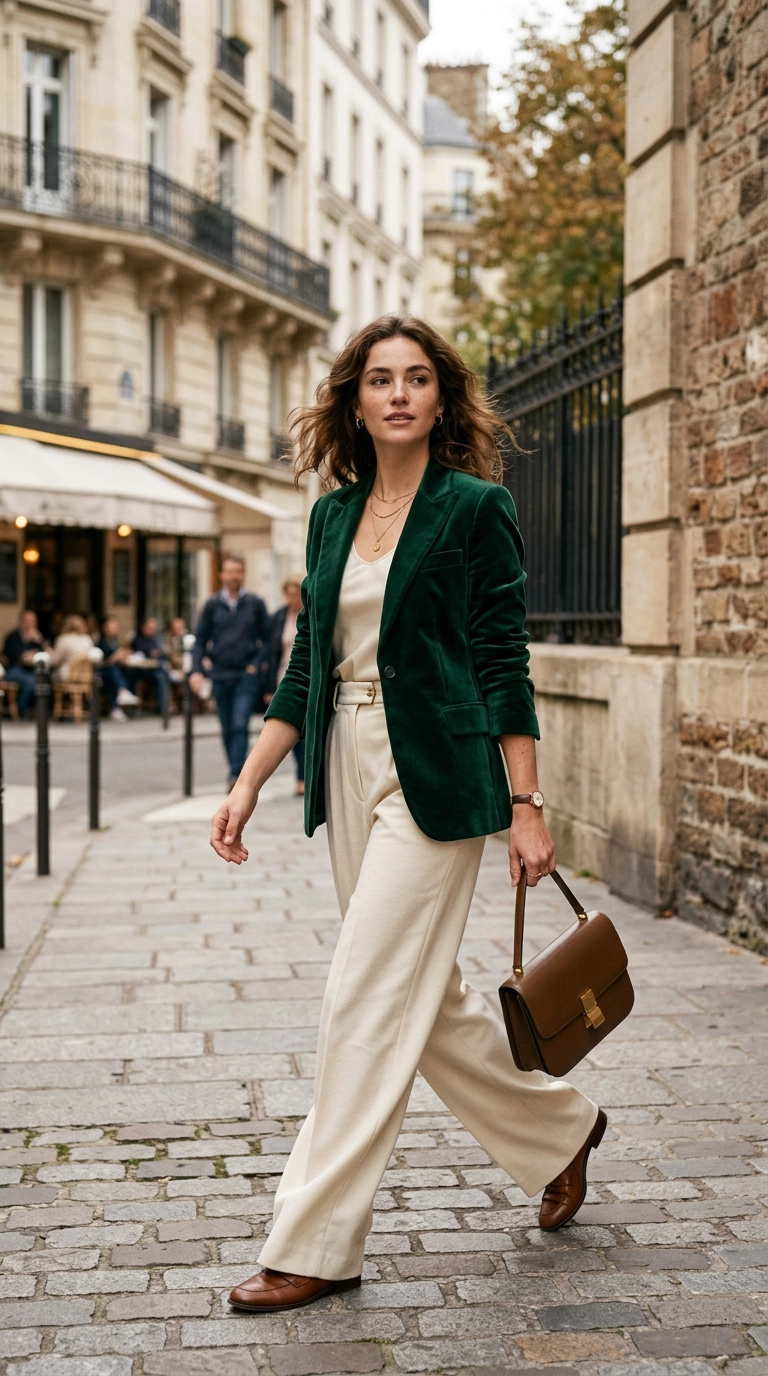
While beige and camel are timeless, a wardrobe of only neutrals can quickly become forgettable and flat. Autumn is the perfect time to introduce jewel tones like emerald, burgundy, and plum.
You don’t need a full colorful suit to make an impact; a single piece in a rich hue can transform your neutrals. Imagine a pop of deep red in the form of a scarf or a handbag against an all-grey ensemble.
Think about texture when using color; a forest green silk slip skirt paired with a beige wool sweater creates a beautiful contrast. This mix of matte and shine makes the color feel more expensive.
Ill-Fitting Outerwear
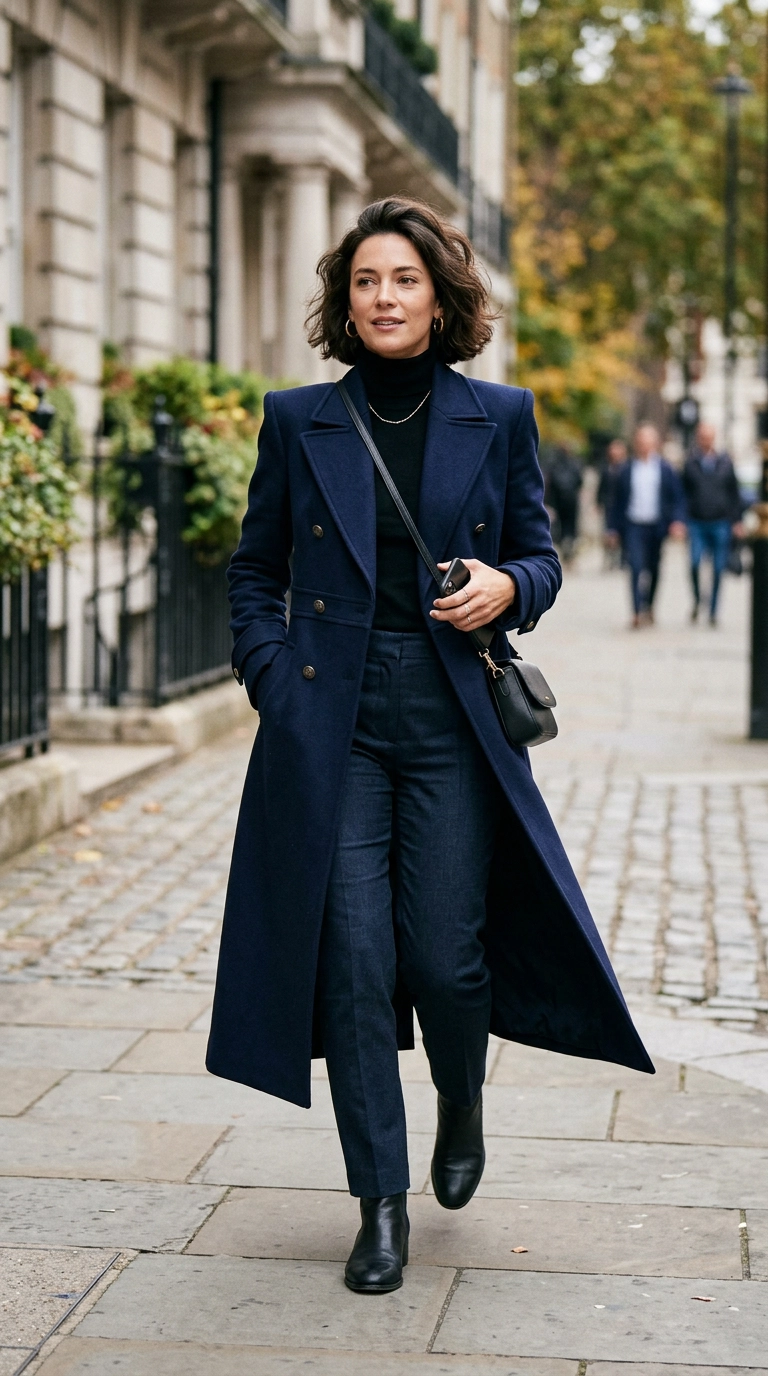
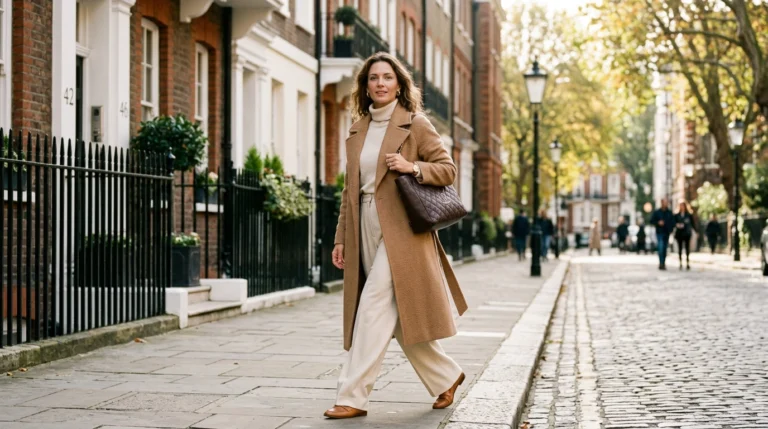
Your coat is the first thing people see for six months of the year, yet it is often the least-tailored item in the closet. A coat with sleeves that are too long or shoulders that droop will make any outfit look sloppy.
Take your winter coats to a tailor to have the sleeves shortened and the waist nipped in if necessary. A well-fitted coat can make a $20 outfit look like it costs $2,000.
Ensure there is enough room to layer a sweater underneath without the coat pulling across the chest. If the buttons are straining, the coat is too small and will ruin the clean lines of your aesthetic.
Forgetting the “Third Piece” Rule
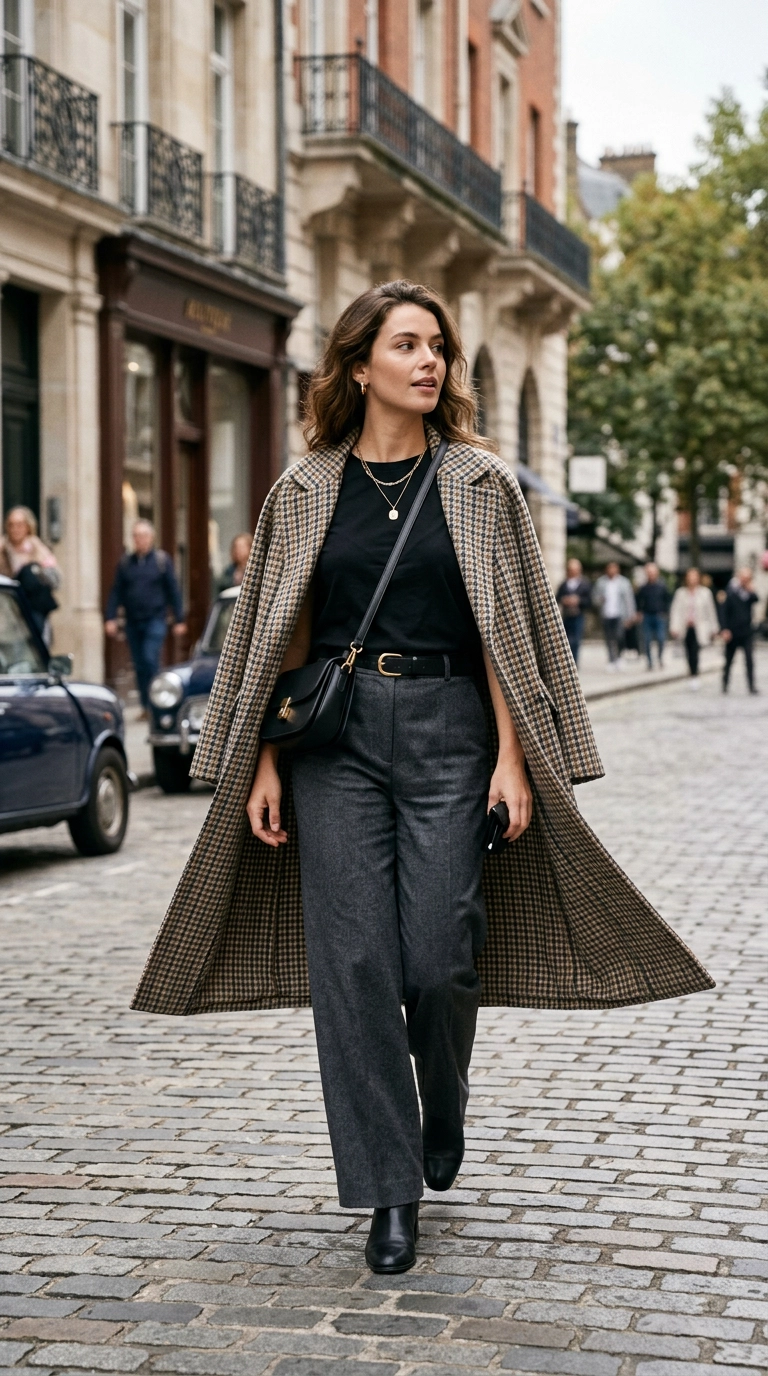
The “Third Piece” rule states that a top and a bottom make an outfit, but a third piece makes it a “look.” In autumn, this is usually a blazer, a vest, or a statement scarf.
Without that third element, your outfit can feel unfinished and basic. Adding a longline vest over a simple long-sleeve tee immediately adds a layer of intentionality and style.
Experiment with different textures for your third piece, such as suede, leather, or heavy tweed. This final addition is what creates the “Pinterest-ready” depth that defines the elite autumn aesthetic.
Mastering autumn style is about the balance between function and form. By identifying these small mistakes and replacing them with intentional choices, you will move through the season with a renewed sense of confidence and a wardrobe that feels truly high-end. Focus on the quality of your fabrics and the precision of your silhouettes to stay ahead of the curve.