7 Boot and Hemline Winter Outfit Mistakes to Avoid

Winter dressing often feels like a constant struggle between staying warm and maintaining a polished silhouette. You have likely spent mornings in front of the mirror wondering why an outfit that looks great on the hanger makes your legs look shorter or your frame feel bulky once you put on your boots. The culprit is rarely the clothes themselves, but rather the awkward visual break between your footwear and your hemline.
Getting these proportions right is what separates a cluttered look from an intentional, high-end aesthetic. Most style errors happen in that small space where the boot meets the fabric, creating unintended focal points that disrupt your natural body line. By mastering the geometry of your winter wardrobe, you ensure that every layer works to lengthen and streamline your figure instead of fighting against it.
We are identifying the seven most common styling traps that ruin winter outfits and providing the specific fixes used by professional stylists. Whether you are rocking chunky lug soles or elegant stilettos, these adjustments will help you navigate the cold months with absolute confidence. Stop settling for “good enough” and start wearing your winter staples with the precision of a seasoned fashion editor.
1. Leaving the Awkward “No-Man’s-Land” Gap
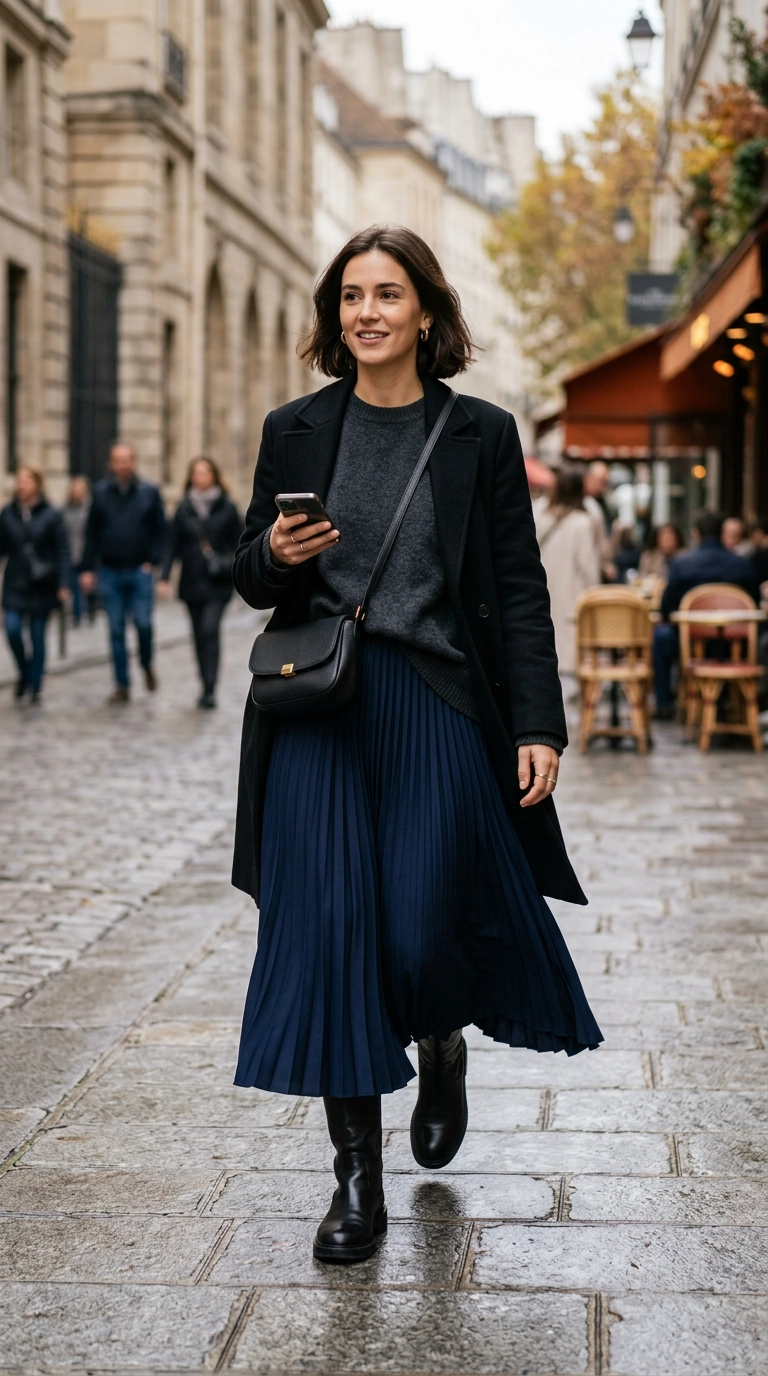
One of the most frequent errors is leaving a one or two-inch gap of skin between the top of your boot and the bottom of your skirt. This tiny sliver of skin acts as a visual “cut,” effectively slicing your leg into segments and making you appear shorter than you are. In the height of winter, it also looks slightly unfinished and impractical for the weather.
The fix is simple: your boots should either clearly disappear under your hemline or be short enough to show a significant portion of the leg. For midi skirts and dresses, choose tall boots that tuck underneath the fabric. This creates a continuous, unbroken line of leather or suede that adds an expensive, sleek feel to the entire ensemble.
If you prefer ankle boots, bridge the gap with opaque tights in a matching shade. This maintains the “column” effect and prevents the eye from stopping at the break between your shoe and your clothes. It is all about creating a sense of flow rather than a series of disjointed layers.
2. The Combat Boot and Wide-Leg Trousers Clash
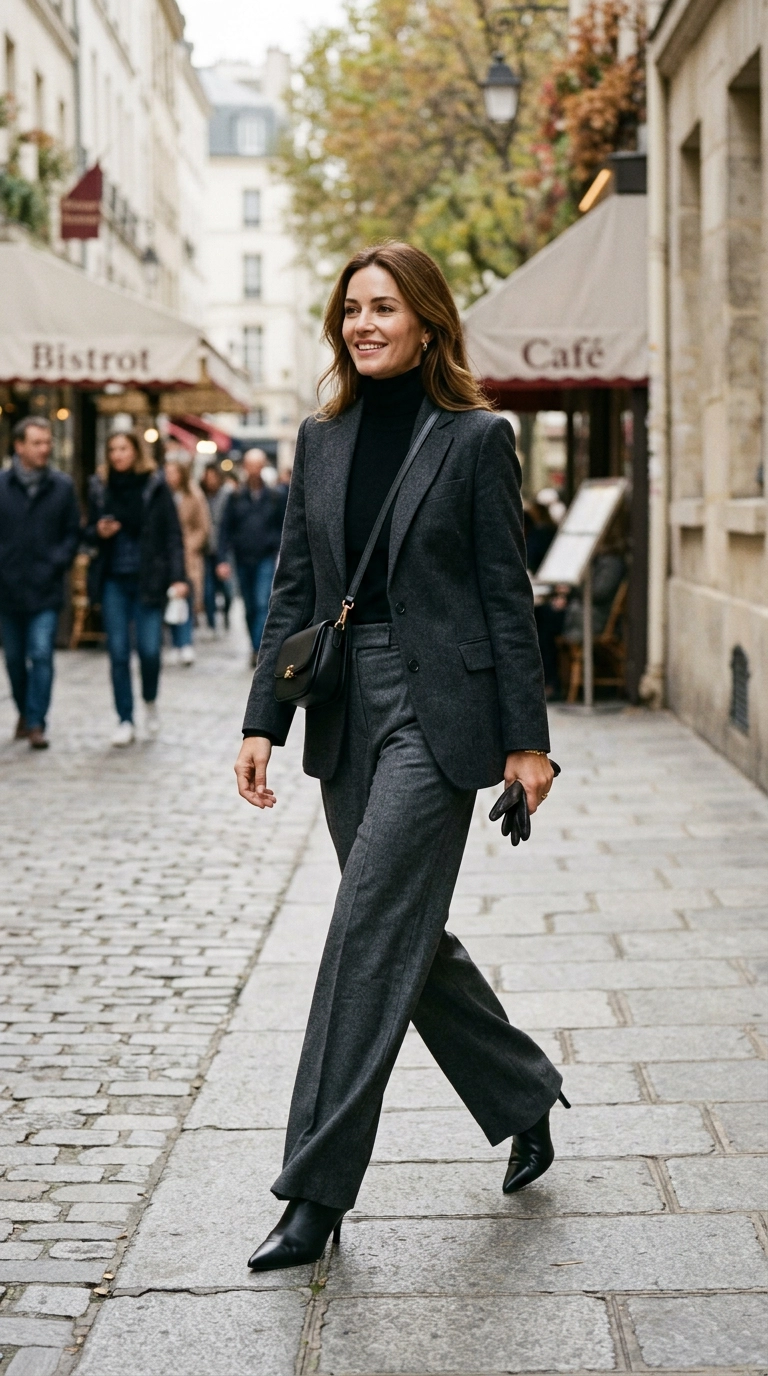
Wide-leg trousers are a winter staple, but they become a styling nightmare when paired with bulky, textured combat boots. The heavy soles of the boots often catch on the wide hem, causing the fabric to bunch up around your ankles. This ruins the clean, architectural drape that wide-leg pants are meant to provide.
To avoid this, opt for a boot with a slim silhouette and a pointed or almond toe. A sleek sock boot or a refined heeled leather boot allows the trouser leg to fall straight down without any resistance. This keeps the look sophisticated and prevents you from looking bottom-heavy.
Check this quick reference for trouser and boot pairings:
| Trouser Style | Best Boot Match | Reasoning |
|---|---|---|
| Wide-Leg Wool | Sock Boot / Pointed Toe | Allows smooth drape and elongates the leg. |
| Straight-Leg Denim | Chelsea Boot | Matches the casual, structured nature of denim. |
| Cropped Flare | Skin-Tight Ankle Boot | Eliminates bulk at the hemline opening. |
3. Fragmenting the Column of Color
Color blocking is fun, but high-contrast breaks between your boots and your pants can be disastrous for your proportions. For example, wearing black boots with light-wash jeans and a dark coat creates a “sandwich” effect that shortens your frame. Your eye jumps from color to color rather than taking in the outfit as a cohesive whole.
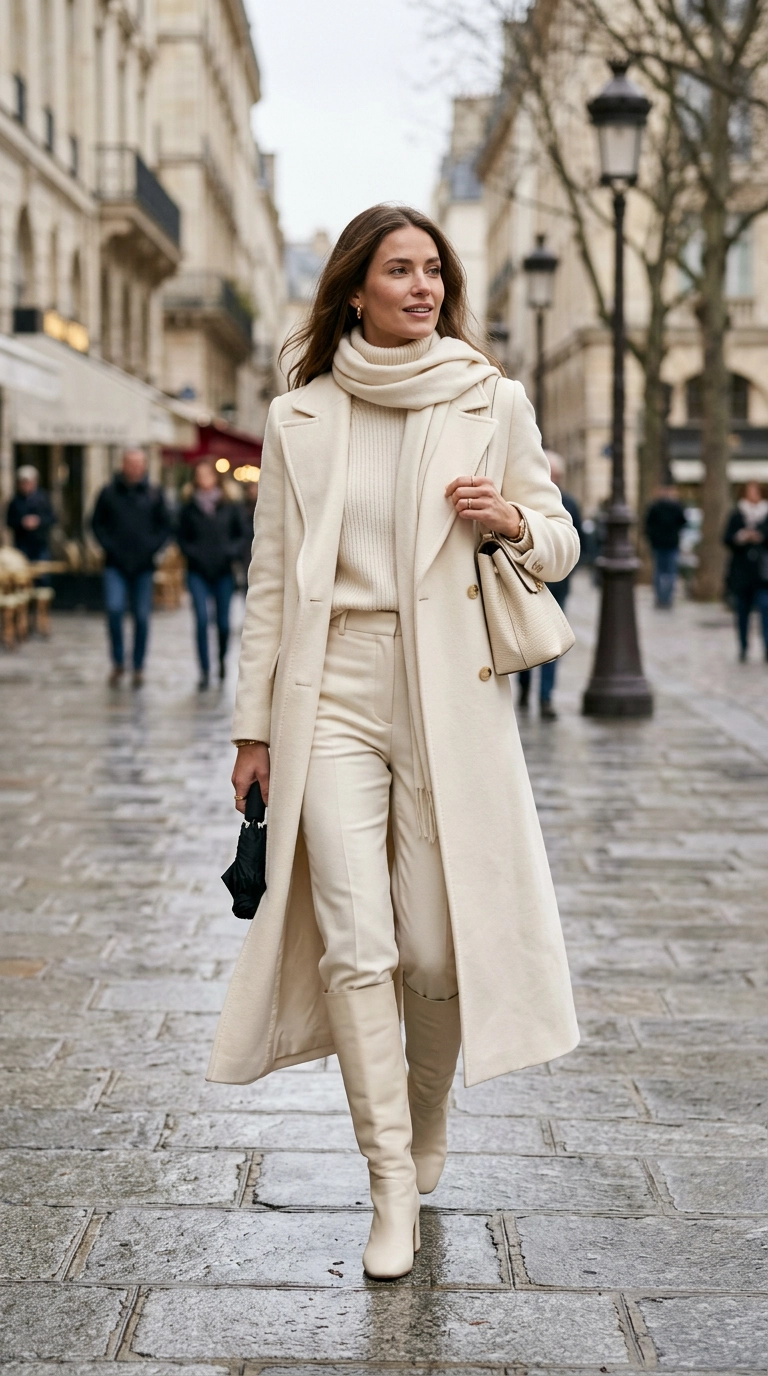
Instead, try to maintain a “column of color” by matching your boot color to your hosiery or trousers. If you are wearing black leggings, black boots are your best friend. If you are wearing tan trousers, a cognac or beige boot will keep the line moving downward.
This does not mean you must always wear monochrome. However, ensuring the transition from hem to foot is low-contrast will always result in a more balanced and taller appearance. It is a subtle trick that makes even affordable pieces look like high-end tailoring.
4. Tucking Straight-Leg Jeans into Ankle Boots
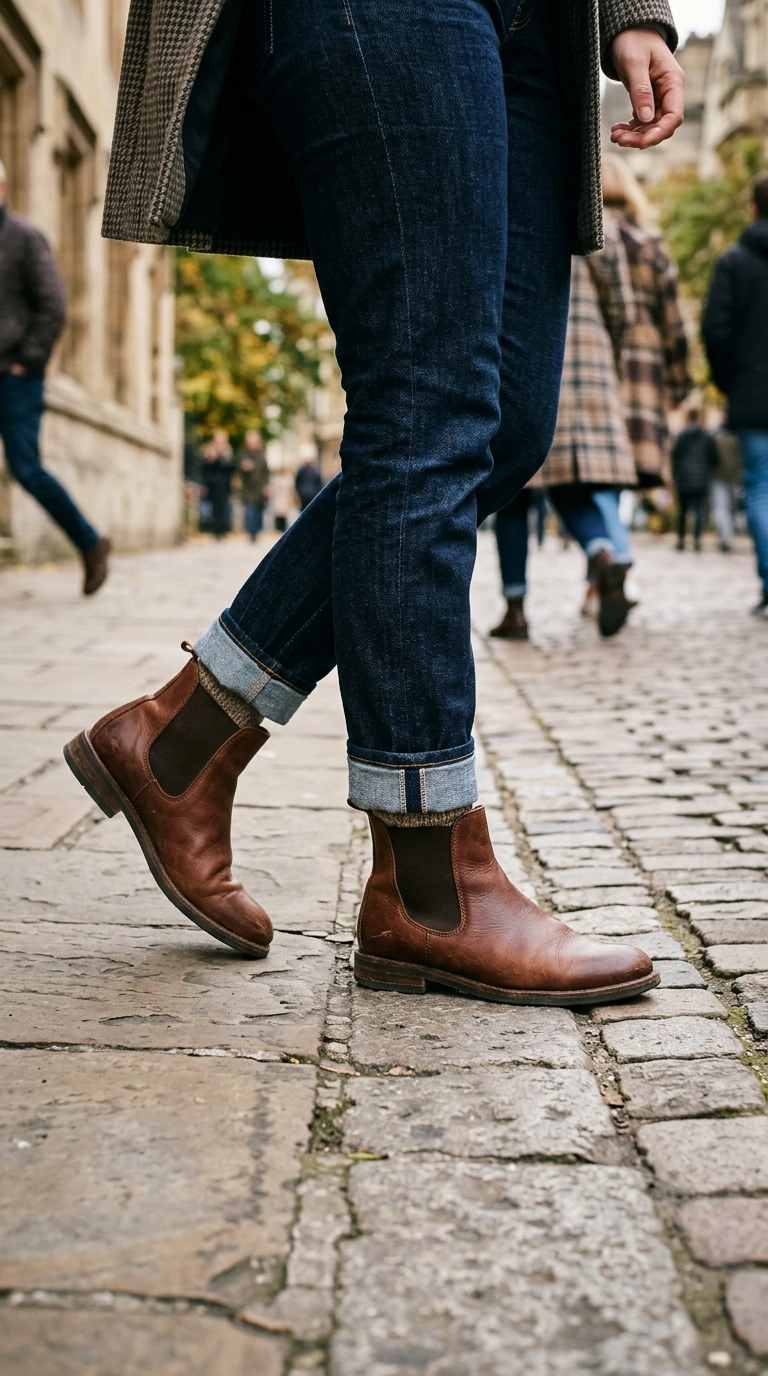
Trying to force a straight-leg or “mom” jean into the shaft of an ankle boot is a recipe for lumpy, messy ankles. The excess fabric has nowhere to go, so it billows out over the top of the boot. This adds unnecessary volume to the narrowest part of your leg, making the whole look feel unpolished.
Instead of tucking, try a clean cuff that sits exactly at the top of the boot. Or, better yet, find a pair of boots with a very slim shaft that fits underneath the jean leg. The goal is to see the shape of the boot’s ankle, which helps maintain a feminine silhouette even under heavy denim.
If you absolutely want the tucked-in look, stick to true skinny jeans or leggings. These provide the tension needed to stay tucked without creates those awkward fabric bubbles. Always prioritize the “line” over the “tuck.”
5. Overwhelming Your Frame with Tall Boots and Maxis
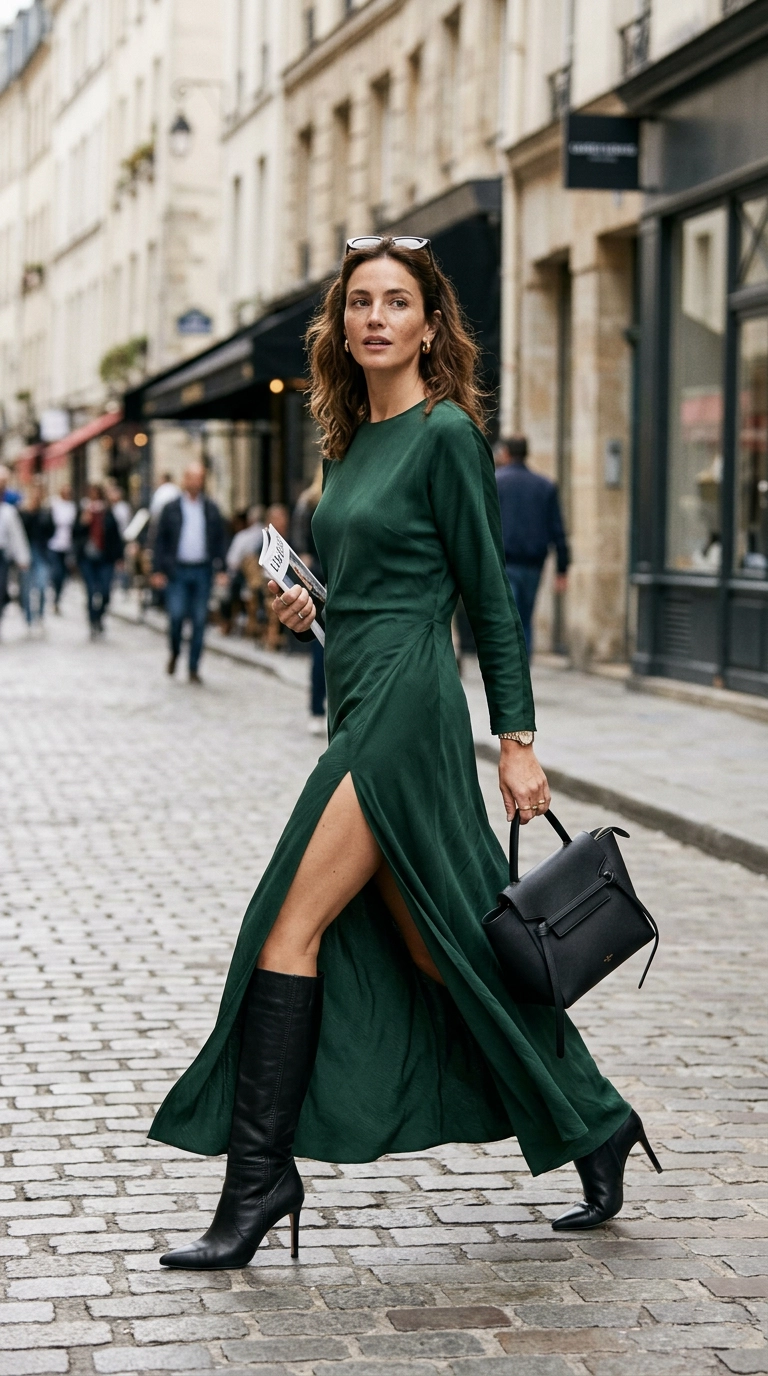
There is a fine line between “cozy” and “lost in fabric.” When you pair a heavy, floor-length maxi skirt with thick, chunky tall boots, you lose all sense of your body’s shape. The volume of the skirt combined with the weight of the boots can make the wearer look much shorter and wider than they are.
When wearing a long hemline, your boots should be streamlined. A tall boot with a slim heel or a refined pointed toe works best because it adds a touch of sharpness to the flowy fabric. This contrast prevents the outfit from looking like a shapeless mass of winter clothing.
Consider the following tips for maxi lengths:
- Use a boot with a slight heel to lift the hem off the ground.
- Choose a skirt with a side slit to show a glimpse of the boot’s structure.
- Ensure the boot is a darker or more structured material than the skirt.
6. Ignoring the Visual Weight of Your Outerwear
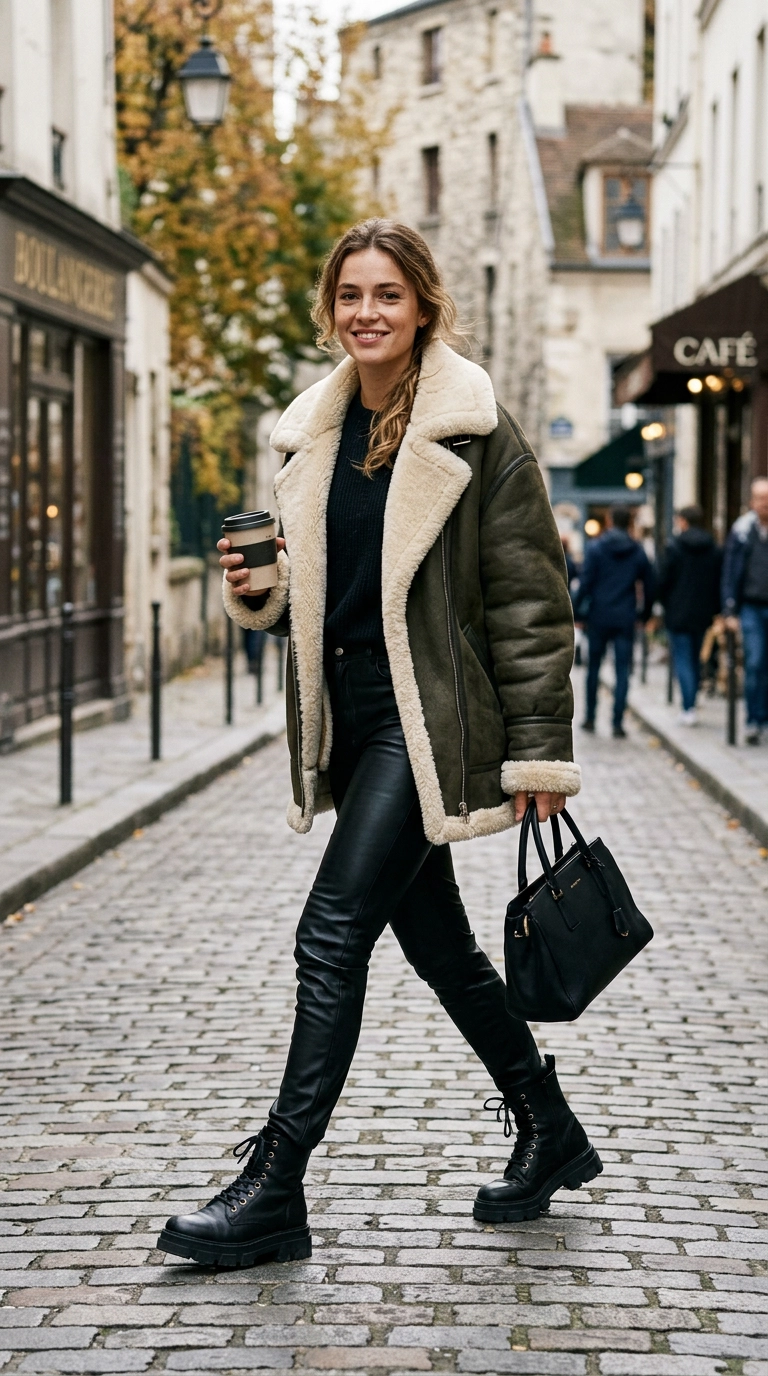
Your boots and your coat must be in conversation with one another regarding their “visual weight.” If you wear a massive, oversized puffer coat with tiny, delicate stiletto booties, the outfit will look top-heavy. Conversely, a very slim, lightweight trench coat can look overwhelmed by massive platform snow boots.
To fix this, aim for a balanced distribution of volume. If your coat is heavy and structured, your boots should have some substance to them, like a block heel or a lug sole. If you are wearing a sleek, belted wool coat, a more refined boot will complement the elegance of the tailoring.
Think of your outfit as a scale. You want the bottom to feel strong enough to support the top, and vice versa. When the visual weights match, the outfit feels grounded and professional rather than accidental.
7. Letting Cropped Flares Cut Off Your Ankles
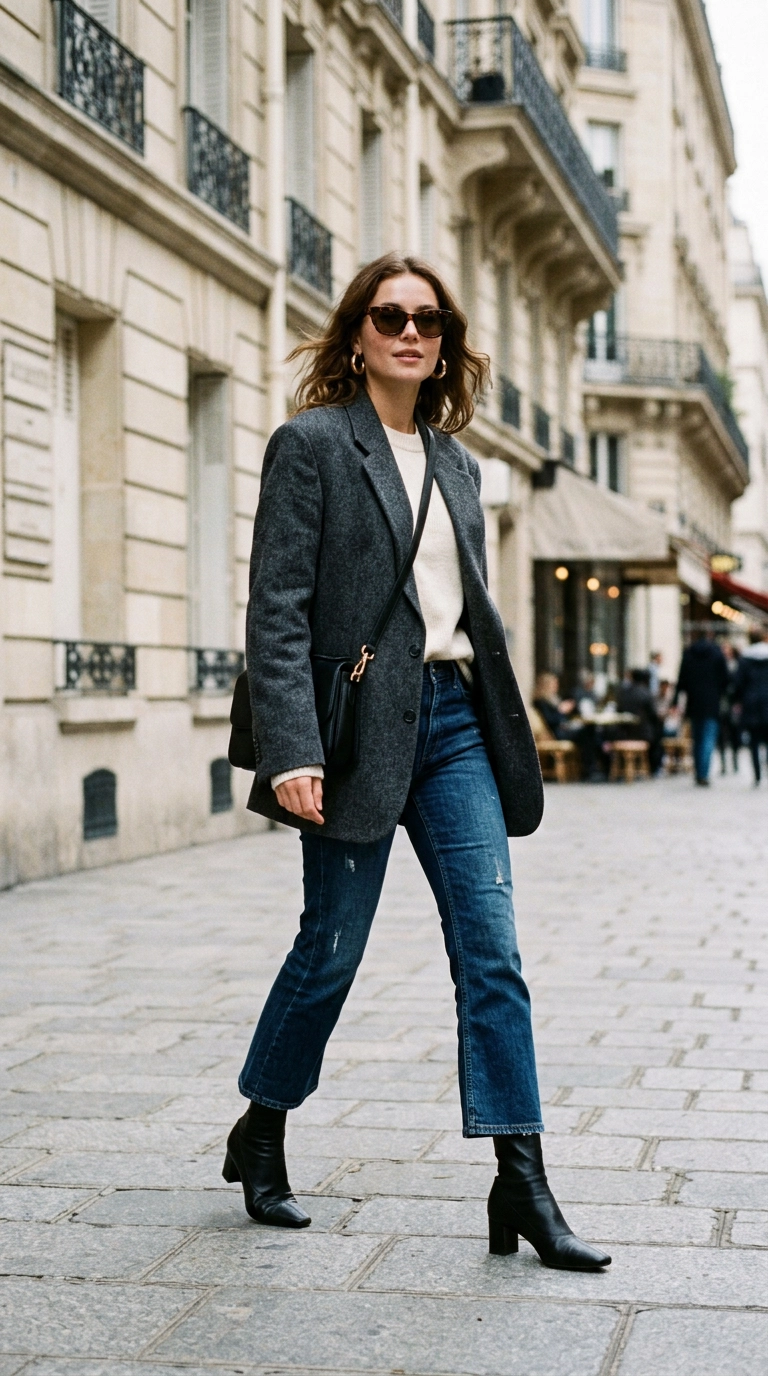
Cropped flares are incredibly trendy, but they are difficult to style in winter. If your boot ends right where the flare begins, it creates a wide, horizontal line across your ankle. This is the widest part of the lower leg, and emphasizing it can make your legs look stout.
The solution is to use a boot with a high, tight shaft that goes well up into the flare of the pant. This creates a “bottleneck” effect, highlighting the slimness of your ankle before the pant flares out. It creates a beautiful, vintage-inspired silhouette that looks intentional and chic.
Avoid boots that have a wide opening at the top when wearing flares. The “clash” of two wide openings—the boot and the pant—creates a messy look that lacks any structural integrity. Keep the boot tight to the leg for the best results.
Refining Your Winter Style
Mastering these seven adjustments will completely change how you view your winter wardrobe. It is not about buying the most expensive items, but about understanding how hemlines and footwear interact to create a balanced silhouette. By paying attention to the small details—like the “skin gap” or visual weight—you elevate your daily look from basic to editorial. Spend a few minutes experimenting with these combinations in front of your mirror, and you will find that dressing for the cold becomes an opportunity for style rather than a chore.