5 Oversized Outfit Mistakes That Completely Hide Your Figure
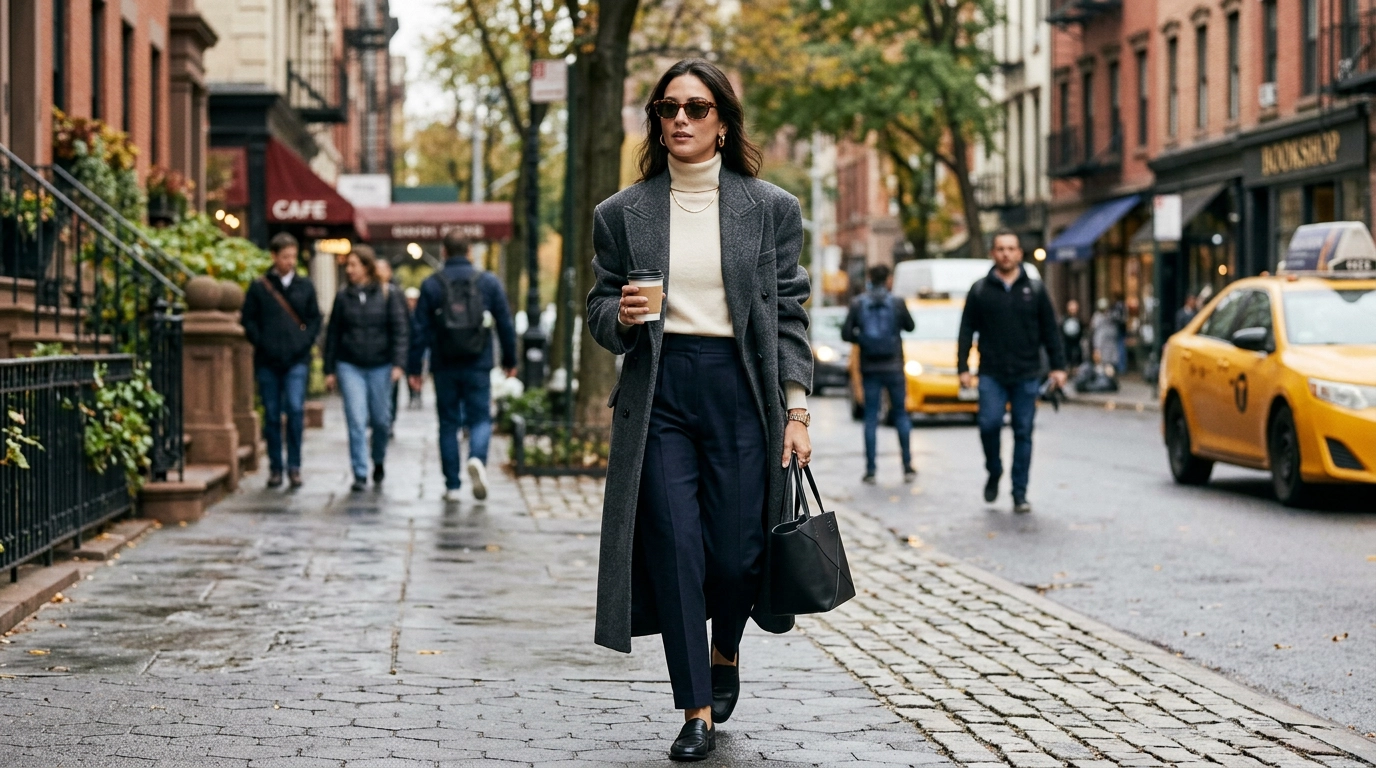
You bought that oversized blazer to channel your favorite street style icon, but instead, you feel like you are drowning in fabric. It is a common frustration that leads many women to abandon comfortable, loose silhouettes altogether.
The secret is not about wearing smaller clothes, but rather mastering the delicate art of visual balance. When styled correctly, oversized pieces actually emphasize your frame by providing a deliberate contrast.
This guide breaks down the five specific errors that are hiding your shape and provides the exact styling fixes to help you reclaim your silhouette. You can wear the volume you love while still looking polished and intentional.
Mistake #1: Pairing Heavy Volume with More Volume
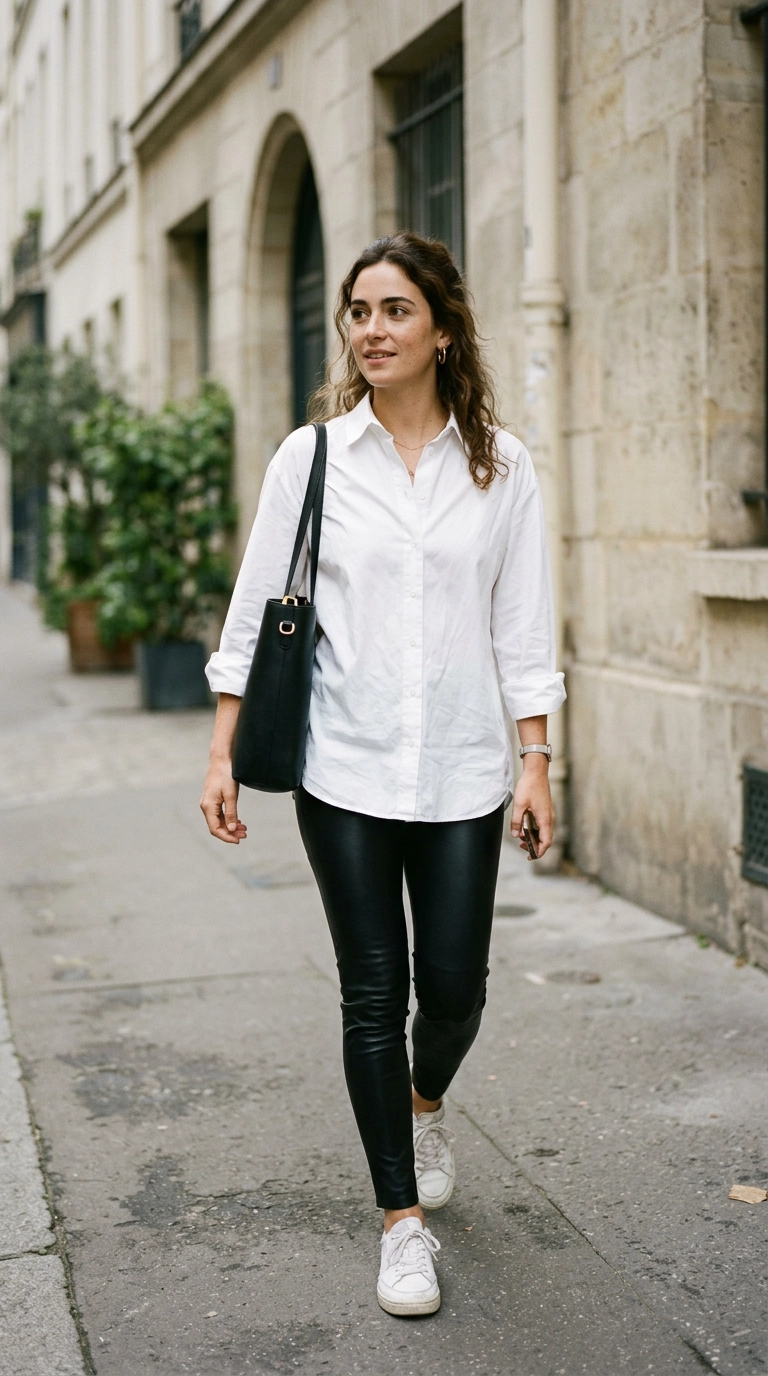
The fastest way to lose your figure is by wearing loose pieces on both the top and bottom of your body. When you pair a baggy sweater with wide-leg sweatpants, you create a rectangle shape that hides your natural curves and height.
Fashion is a game of proportions and the eye needs a place to rest. If your top is wide and boxy, your bottom half should be more structured or slim to show that a human body actually exists under the fabric.
The Rule of Opposites
Try the “Big-Small” rule to maintain balance. If you are wearing a massive, chunky knit sweater, pair it with skinny jeans, leggings, or a fitted slip skirt to show the contour of your legs.
Conversely, if you want to wear those trending extra-wide trousers, keep your top half tucked in or choose a bodysuit. This contrast ensures that the volume looks like a fashion choice rather than an oversized mistake.
| Oversized Piece | The Slim Counterpart | Visual Result |
|---|---|---|
| Maxi Puffer Coat | Straight Leg Jeans | Balanced Height |
| Oversized Blazer | Bike Shorts or Mini Skirt | Leg Elongation |
| Wide-Leg Palazzo Pants | Fitted Turtleneck | Defined Torso |
Mistake #2: Neglecting the Natural Waistline
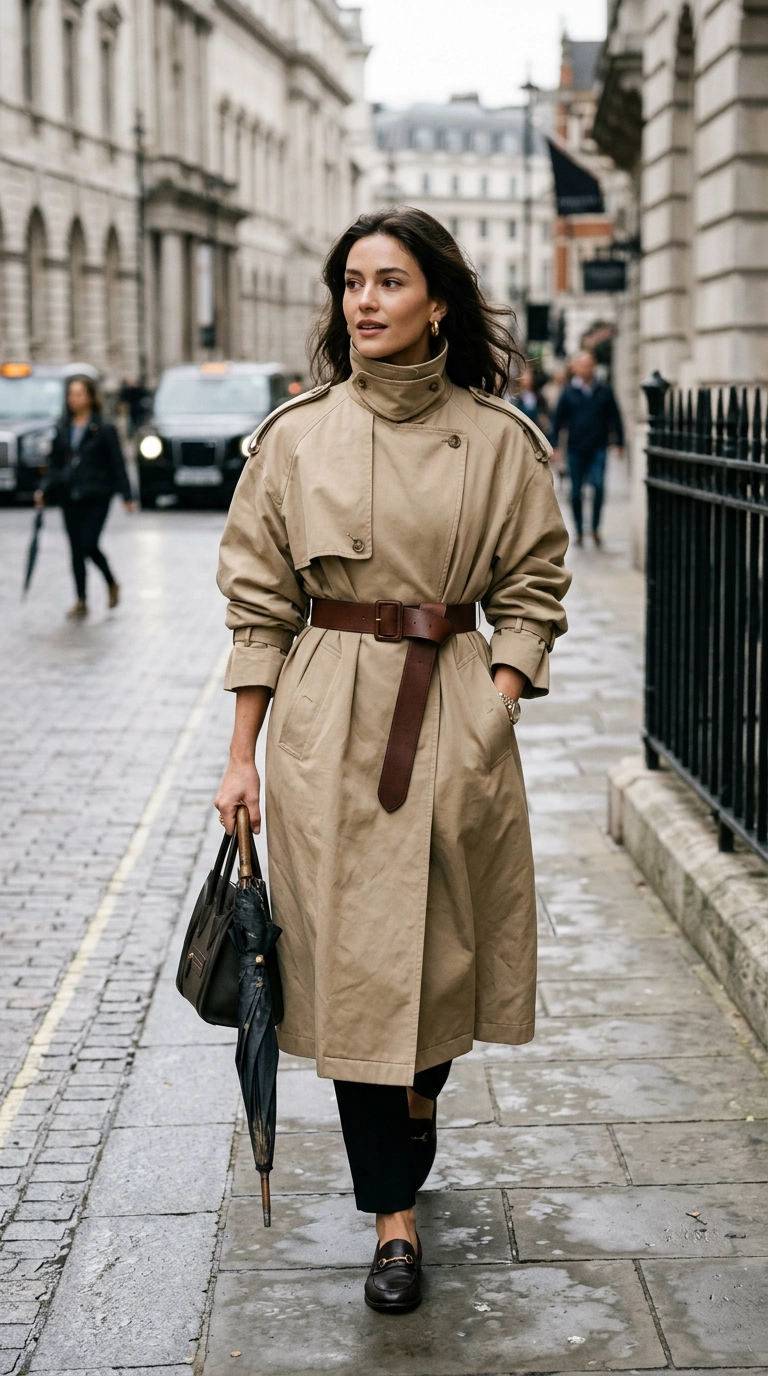
Oversized clothing naturally hangs from the shoulders, which can create a tent-like effect. Without a defined waist, you lose the narrowest part of your body, making you look shorter and wider than you are.
You do not need to wear tight clothes to show your waist. Simply indicating where your waist sits is enough to break up the volume and give the eye a point of reference.
Creating a Focal Point
A simple belt can change the entire vibe of an oversized dress or coat. Use a medium-width leather belt to cinch a baggy blazer, creating a peplum effect that highlights your hips and waist simultaneously.
If you prefer a more relaxed look, use the “French Tuck” by tucking just the front inch of your oversized shirt into your waistband. This small adjustment reveals your waistline and hip structure without sacrificing the cozy feel of the garment.
Pay attention to where the garment hits your midsection. A cropped oversized hoodie can be more flattering than a long one because it naturally ends at the waist, showing off your lower half.
Mistake #3: Choosing Stiff or Heavy Fabrics
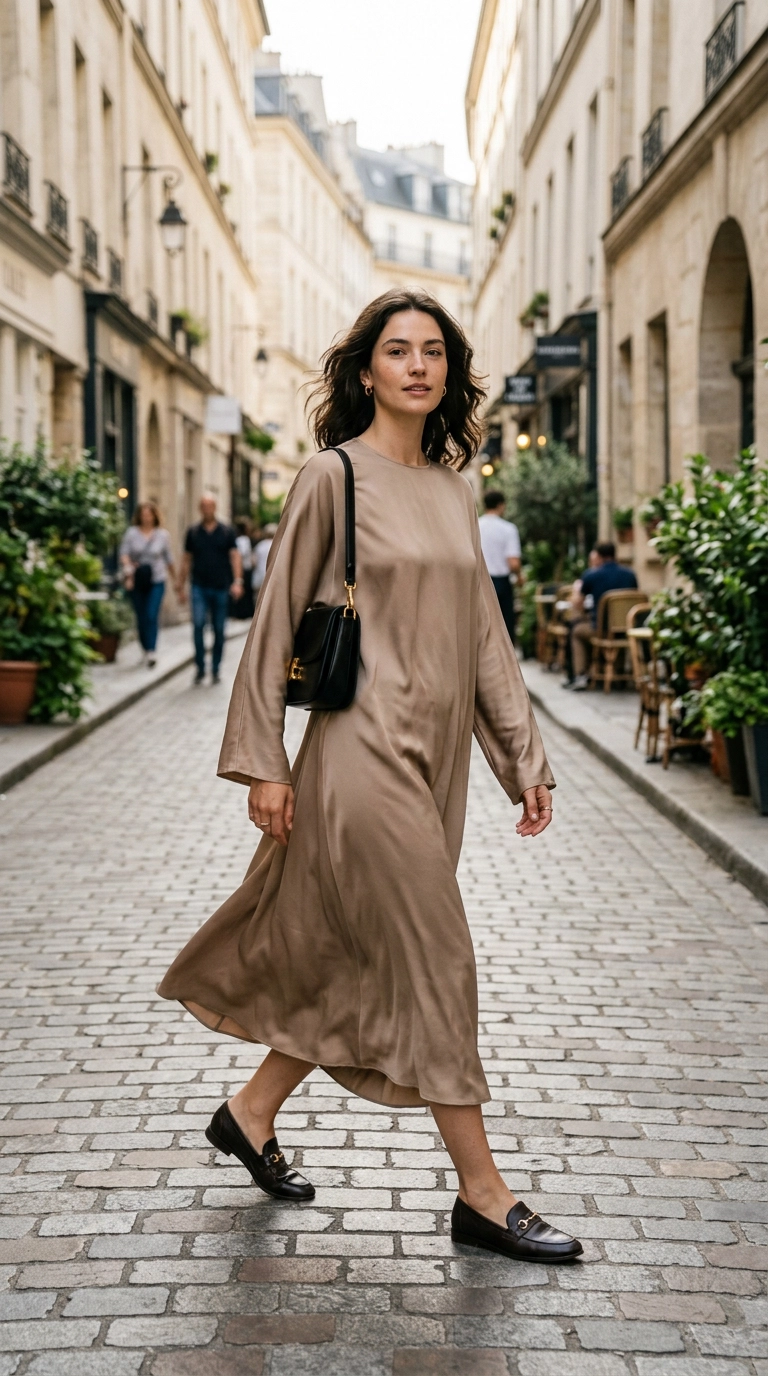
Fabric choice is often the hidden culprit when an outfit feels “off.” Thick, stiff fabrics like heavy denim or starched canvas do not move with your body, creating a rigid shape that feels clunky.
When fabric is both oversized and stiff, it stands away from your body in every direction. This creates artificial bulk that does not collapse or drape, making you appear significantly larger than your actual size.
The Power of Draping
Look for oversized pieces in fabrics that have “drape,” such as silk, rayon, thin cashmere, or lightweight linen. These materials will hang close to your frame even when the cut of the garment is large.
When you move, these fabrics collapse against your skin, revealing glimpses of your actual silhouette. This creates a much more sophisticated and feminine look than stiff, boxy materials that stay frozen in place.
- Choose lightweight wool for oversized blazers instead of heavy tweed.
- Opt for satin or silk for oversized button-downs to avoid the “stiff shirt” look.
- Look for jersey or modal blends for oversized tees to ensure they hang softly.
Mistake #4: Wearing Shoes That Add Too Much Visual Weight
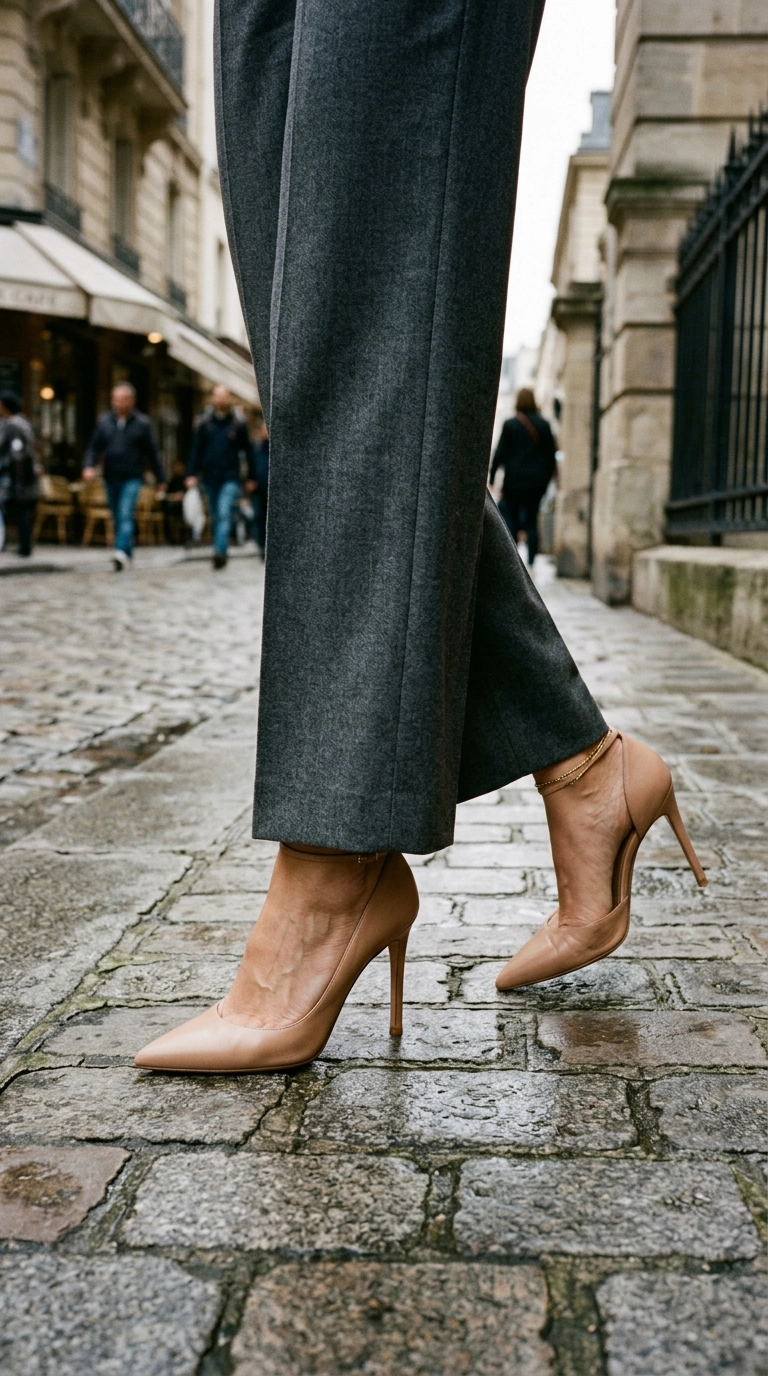
Footwear is the foundation of your outfit, and it becomes even more critical when you are wearing extra fabric. Heavy, round-toe boots or chunky sneakers paired with baggy clothes can make the entire look feel bottom-heavy.
If your shoes look like “bricks” at the end of your legs, they will pull the eye downward. This reduces your height and makes the oversized clothing look sloppy rather than intentional.
Elongating the Frame
To counter the volume of your clothes, choose shoes that have a slimming or lengthening effect. A pointed-toe boot or pump creates a sharp line that extends the leg, even under wide-leg trousers.
Showing a bit of skin can also help. Pairing oversized jeans with a strappy sandal or a shoe that reveals the ankle (the narrowest part of the leg) creates a visual break that prevents the look from becoming overwhelming.
If you love sneakers, look for “slim” profiles rather than “dad shoes” when wearing baggy pants. This ensures that your feet do not look disproportionately large compared to your frame.
Mistake #5: Leaving Sleeves and Hems Untouched
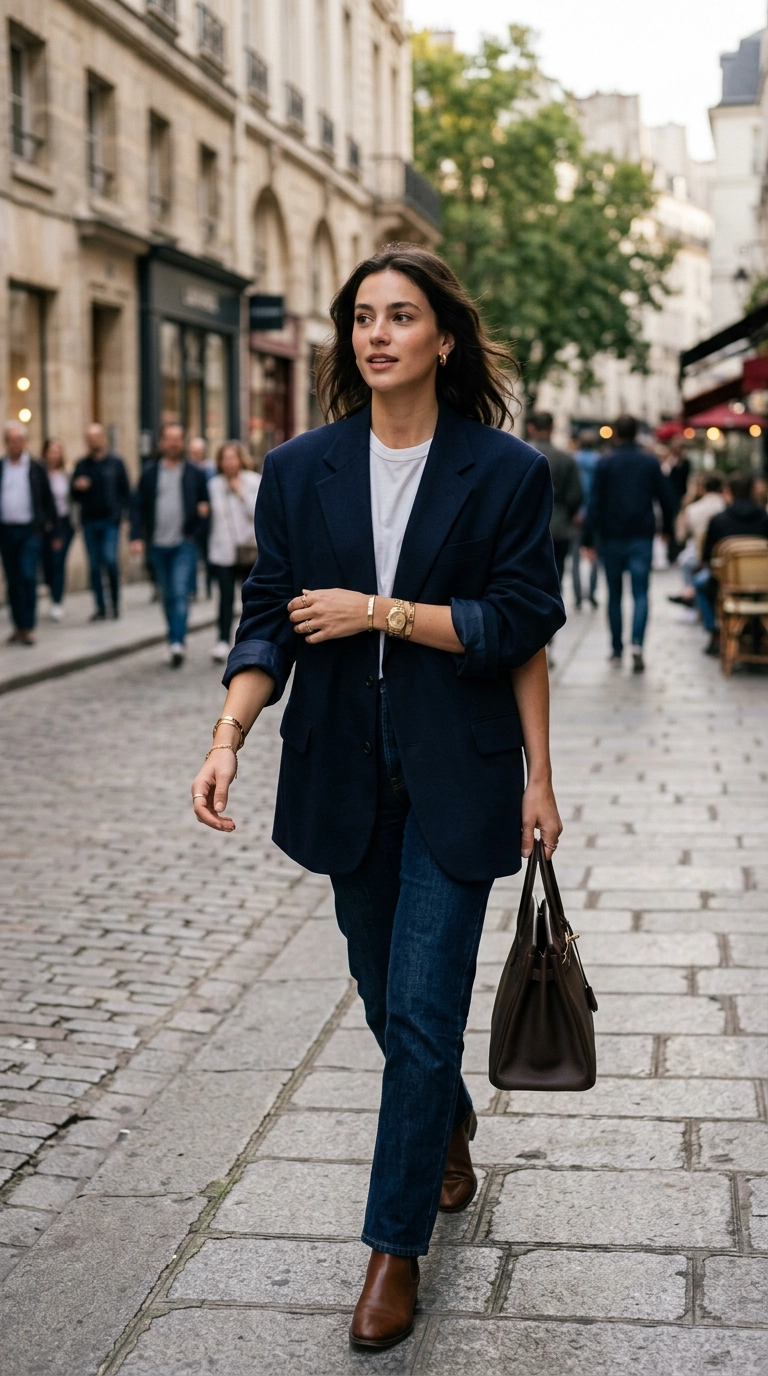
One of the easiest ways to look like you are wearing someone else’s clothes is by letting long sleeves cover your hands and hems drag on the floor. This lack of tailoring makes you look small and overwhelmed.
Your wrists and ankles are “anchor points” for your frame. By showing these narrow parts of your body, you remind the observer of your actual size amidst all the extra fabric.
The Art of the Cuff
Always roll or push up the sleeves of an oversized blazer or shirt. Exposing your forearms and wrists instantly adds a sense of structure and makes the garment feel like it fits you correctly.
Similarly, a small cuff at the bottom of oversized jeans can reveal the ankle and make the outfit feel purposeful. This simple “hack” changes the silhouette from a messy rectangle to a stylish, tapered look.
Consider using “sleeve garters” or even simple hair ties hidden in the folds of your sleeves to keep them pushed up throughout the day. This keeps the look sharp without constant adjusting.
Frequently Asked Questions
Can petite women wear oversized clothing?
Yes, petite women can absolutely wear oversized styles. The key is to keep the “one-piece rule” in mind: only one item should be oversized, while the rest of the outfit remains tailored to avoid being buried.
How do I know if an item is too big or just “oversized”?
Check the shoulders first. An intentional oversized piece often has “dropped shoulders,” but the rest of the garment should still have a sense of design. If the shoulder seams are hanging halfway down your arm and the piece has no shape, it might just be the wrong size.
What are the best colors for oversized outfits?
Monochrome looks work exceptionally well with volume. Wearing the same color from head to toe creates a vertical line that prevents the oversized pieces from breaking your body into unflattering segments.
Style Your Volume with Confidence
Mastering oversized fashion is all about the balance between comfort and structure. By defining your waist, choosing the right fabrics, and paying attention to your anchor points, you can wear the most voluminous pieces in your wardrobe while still showcasing your beautiful figure. Stop hiding and start styling with intention today.