How to Stop Picking the Wrong Nail Design?

We have all been there: sitting in the salon chair, scrolling through a gallery of beautiful images, and pointing to a design that looks breathtaking on the screen. However, once that final layer of top coat is cured under the lamp, the excitement fades into a nagging feeling that something just isn’t right. It is frustrating to spend time and money on a manicure that does not feel like “you.”
Choosing the right nail design is about more than just following the latest trends you see on your feed. It requires a bit of strategy regarding your hand shape, your daily habits, and even the clothes you wear most often. When these elements do not align, even the most skillful nail art can end up looking out of place or feeling uncomfortable.
This guide is here to help you identify the common pitfalls that lead to manicure regret. By understanding a few simple principles of color theory, nail anatomy, and lifestyle compatibility, you can ensure every appointment results in a look you truly love. Let’s look at how to refine your selection process for a result that feels polished and intentional.
Ignoring Your Natural Nail Bed Shape
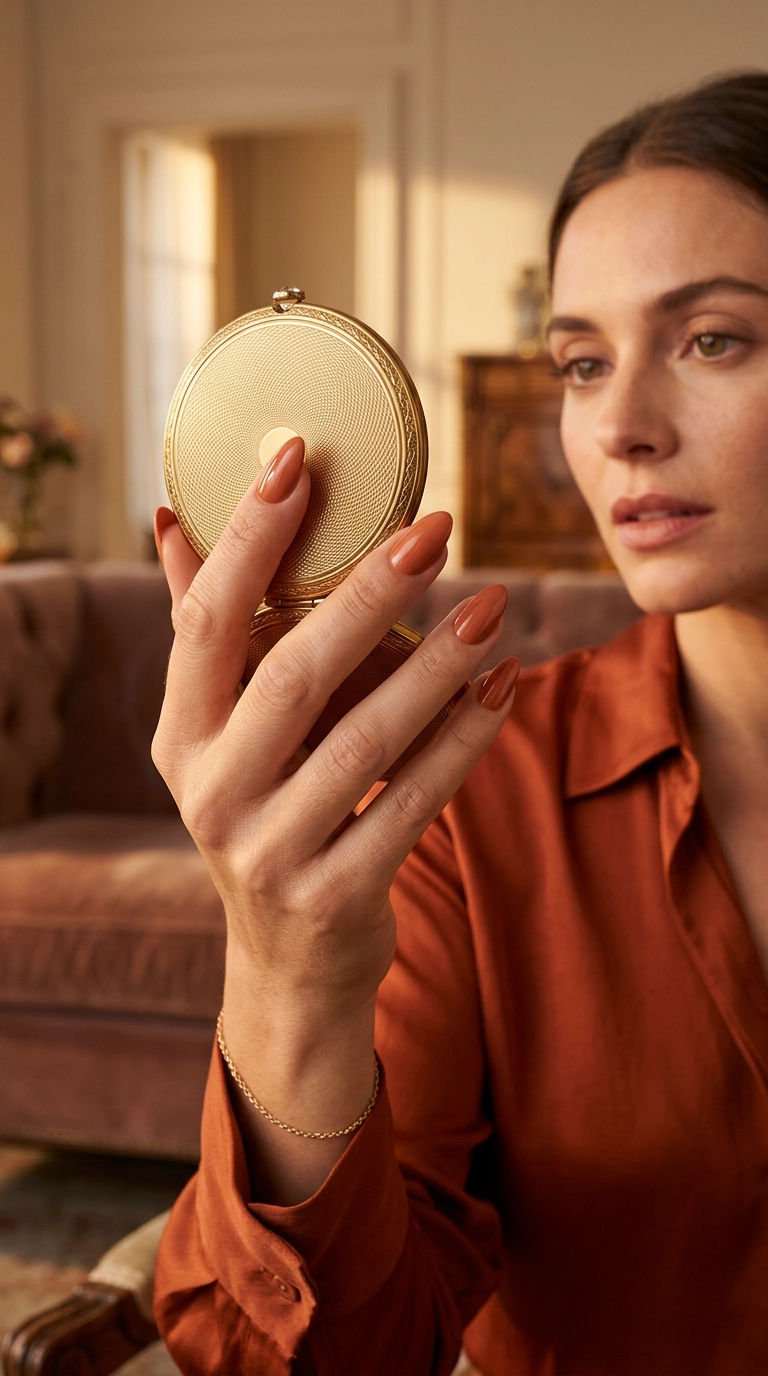
One of the most frequent errors is choosing a design or shape that fights against your natural nail anatomy. Not every trend works for every nail bed, and trying to force a shape can lead to an unbalanced appearance. For example, if you have very wide nail beds, certain shapes like sharp squares might make your fingers look shorter or wider than you intended.
The goal should be to elongate the fingers and create a harmonious flow from the cuticle to the tip. If you have short, round nail beds, an almond or oval shape can provide the illusion of length. On the other hand, those with long, narrow nail beds can pull off more dramatic shapes like coffin or stiletto with ease. Understanding your starting point is the first step toward a design that flatters your unique hands.
The Problem with High-Contrast Tips
When you choose a shape that doesn’t suit your nail bed, adding a high-contrast tip, like a thick white French manicure, can emphasize the mismatch. This often happens when the “smile line” of the French tip is placed too high or too low for your natural proportions. To fix this, ask your technician to tailor the placement of the art to your specific nail length rather than following a generic template.
Matching Shape to Finger Length
- Stick to almond or oval shapes to create a slimming, lengthening effect.
- You can experiment with square or “squoval” shapes without worrying about your hands looking stunted.
- Avoid flat square tips; instead, opt for tapered shapes like almond to draw the eye inward.
Choosing Colors That Clash with Your Skin Undertone
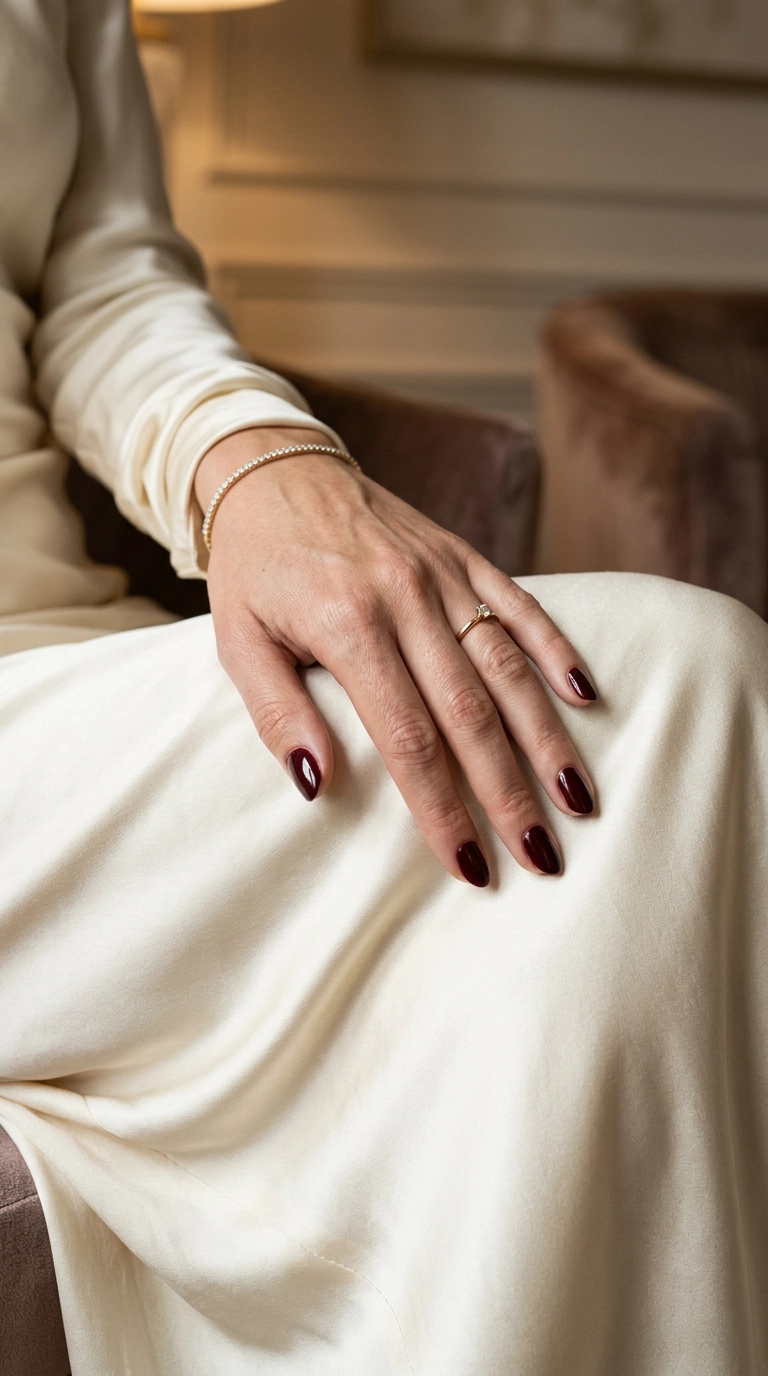
Just like with makeup and clothing, the colors you choose for your nails should complement your skin’s undertone. A shade that looks like a beautiful, vibrant coral on your friend might look washed out or strangely orange on you. This usually happens because of a mismatch between cool, warm, or neutral undertones.
If you have cool undertones, you likely have blue or purple veins and look best in silver jewelry. You should lean toward blues, purples, and “cool” reds that have a blue base. If your undertones are warm, your veins may look green, and gold jewelry is your best friend. In this case, earthy tones, oranges, and “warm” reds with a yellow base will make your skin glow.
The Simple Vein Test
| Vein Color | Undertone | Best Polish Colors |
|---|---|---|
| Blue or Purple | Cool | Lavender, Navy, Emerald, Berry |
| Green or Olive | Warm | Terracotta, Mustard, Coral, Gold |
| Mix of Both | Neutral | True Red, Nude, Mauve, Grey |
The Danger of “Trend” Nudes
Nude polish is a classic, but “nude” is not a one-size-fits-all color. Picking a nude that is too pale can make your hands look sickly, while one that is too dark might look muddy. Always swatch a small amount of the polish against your skin before committing to the full set. The right nude should disappear into your skin tone or provide a soft, flattering contrast without looking harsh.
Forgetting Your Daily Routine and Lifestyle
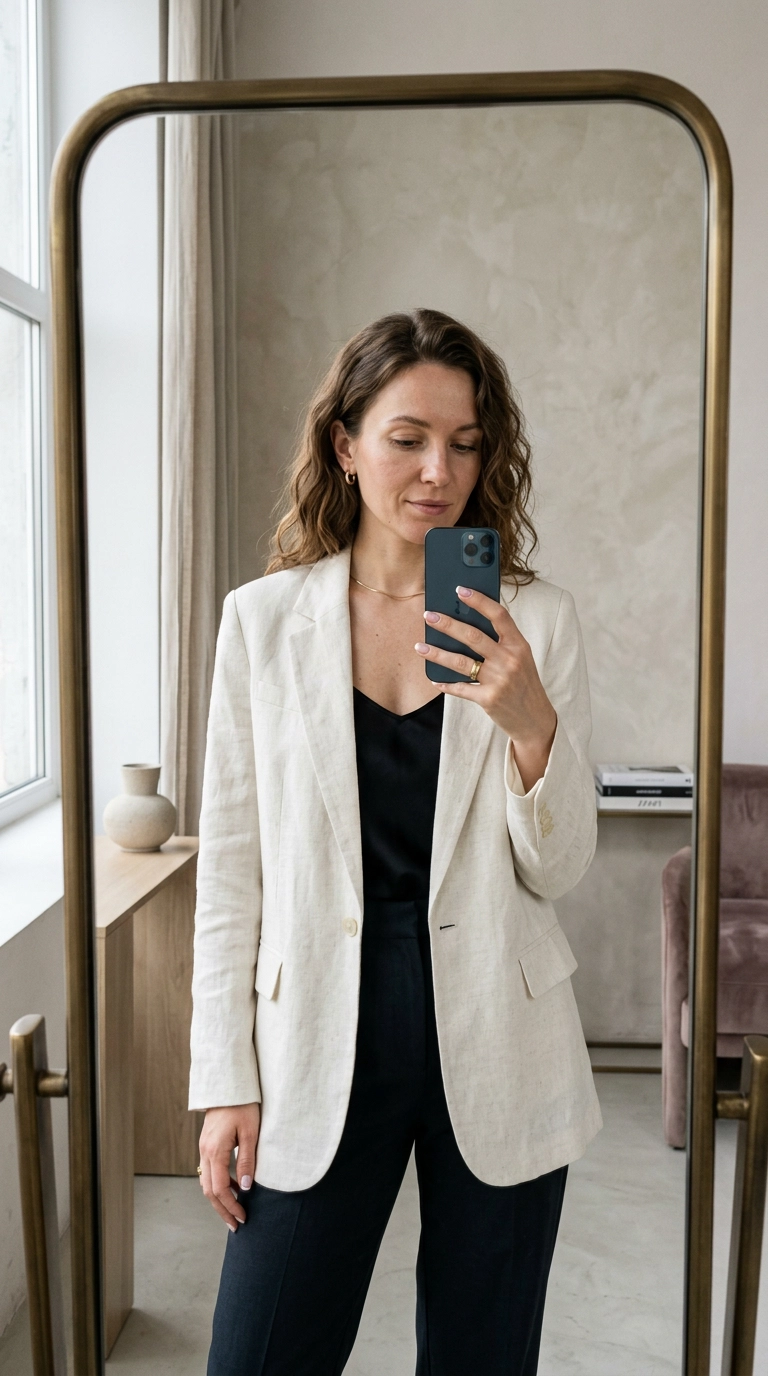
A design can be visually stunning but functionally impossible. If you spend eight hours a day typing on a mechanical keyboard, extra-long stiletto nails will likely hinder your productivity and cause physical discomfort. Similarly, if your job or hobbies involve working with your hands, delicate 3D charms or crystals are likely to snag and pop off within days.
Think about your upcoming week before you choose your design. If you have a busy week of housework, gardening, or intense gym sessions, a shorter length with a durable gel finish is a smarter choice than long acrylics with intricate charms. Beauty shouldn’t make your life more difficult; it should enhance your confidence while you move through your day.
Nail Length vs Practicality
- Short to medium active-length nails are less likely to break during sports or manual tasks.
- Medium lengths in oval or almond shapes look polished and professional while remaining functional for typing.
- This is the time to experiment with length and 3D elements, as you are usually more careful with your hands during celebrations.
Maintenance Reality Check
Consider how often you can realistically get back to the salon. If you know you won’t be able to return for four or five weeks, avoid high-contrast solid colors that show growth immediately at the cuticle. Instead, look for designs like “mismatched” neutrals or gradient glitters that start further down the nail. This allows your manicure to look intentional even as it grows out.
Overcomplicating Small Surfaces

Pinterest is full of incredible, detailed nail art that looks like a miniature oil painting. While these are impressive, they don’t always translate well to shorter nails or smaller hands. When you try to cram too much detail—like flowers, foil, glitter, and line art—onto a small surface, the result often looks cluttered rather than artistic.
The best designs often use “negative space,” which is the part of your natural nail left unpainted or covered with a clear coat. Negative space gives the eye a place to rest and makes the actual art stand out more. If you love a busy design but have smaller nails, try featuring the art on just one or two “accent” nails and keeping the rest of the set simple and cohesive.
Scaling Your Art
If you have short nails, opt for vertical lines or small, delicate dots to create the illusion of length. Large, horizontal patterns or chunky glitter can make the nail look wider and shorter. Always ask your nail tech to scale the design down to fit your specific nail size. A good artist will know how to adapt a complex reference photo to work with your proportions.
The Power of Minimalism
Sometimes, less is more. A single, perfectly placed gold stud or a thin micro-French line can look far more expensive and high-end than a busy, multicolored set. Simple designs are also easier to coordinate with your jewelry and wardrobe, making them a more versatile choice for everyday wear.
Ignoring the Texture and Finish
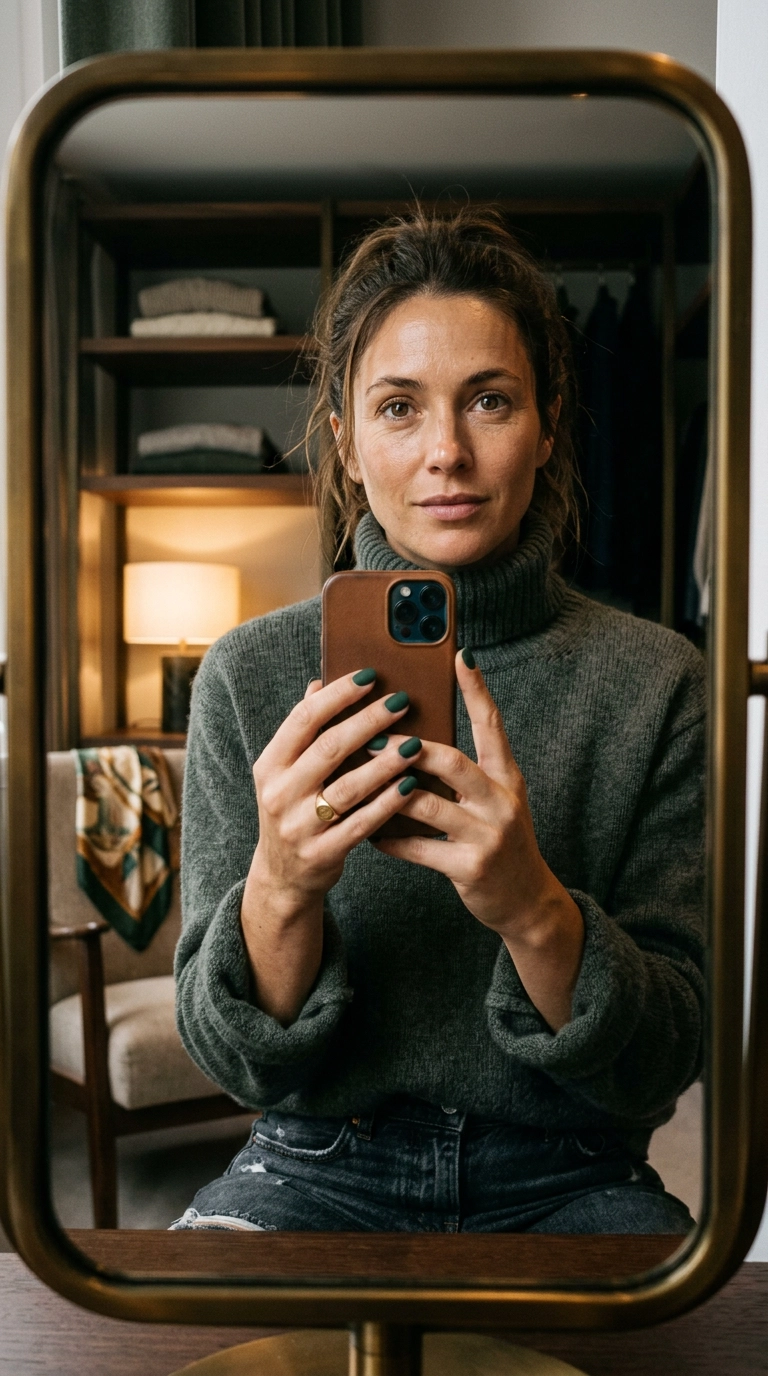
We often focus so much on the color and pattern that we forget about the finish. The choice between glossy, matte, or “velvet” (cat-eye) can completely change the mood of your manicure. A matte finish can make a dark color look modern and edgy, but it also tends to show stains and oils more easily than a high-gloss top coat.
Texture also plays a role in how a design wears over time. Chrome powders look incredible and mirror-like when first applied, but they are notorious for chipping at the edges if not sealed correctly. If you are someone who is hard on their nails, a classic high-shine gel top coat is usually the most resilient option for long-term wear.
Choosing the Right Finish for the Color
- Matte: Best for deep, moody colors like navy, forest green, or black. It provides a “velvet” look that feels very autumn/winter.
- High Gloss: The gold standard for bright colors and neons, as it makes the pigment pop and provides a “clean” look.
- Chrome and Iridescent: Best for light, ethereal colors like pearly whites or soft pinks for a “glazed donut” effect.
Managing Chrome and Metallics
If you choose a metallic or chrome design, be aware that these finishes require a very smooth base. Any bumps or ridges on your natural nail will be magnified by a shiny metallic finish. Ensure your technician does a thorough job with the base coat and buffing process to get that flawlessly smooth, editorial look.
Failing to Consider Your Wardrobe

Your nails are an accessory you wear for two to three weeks straight. A common mistake is choosing a very specific, bold color that clashes with the majority of your clothes. If you live in neutrals and earth tones, a bright neon pink manicure might feel jarring after a few days. While it’s fun to experiment, your nails should ideally feel like they belong with your personal style.
Before your appointment, think about the outfits you have planned for the next few weeks. If you have a wedding or a specific event coming up, make sure the nail design won’t compete with your dress. If you want something that goes with everything, you can never go wrong with milky whites, soft mauves, or a classic red. These shades act as “neutrals” in the nail world and rarely clash with any outfit.
The “Three Outfit” Rule
Before you commit to a bold color or pattern, mentally check it against three of your favorite outfits. If the nails look good with all of them, it is a safe bet. If they only work with one specific look, you might find yourself feeling restricted in your clothing choices later on. Versatility is the key to a manicure that feels fresh until your next appointment.
Seasonal Color Shifts
While you should always wear what you love regardless of the month, seasonal colors are popular for a reason. They tend to match the lighting and the fabrics we wear during those times. Deep burgundies and browns look stunning against heavy knits and wool coats, while bright corals and sheers feel right at home with summer linens and sun-kissed skin.
Finding Your Signature Style
Choosing the perfect nail design doesn’t have to be a gamble every time you visit the salon. By paying attention to your hand shape, your skin’s undertones, and the realities of your daily life, you can narrow down the infinite options to the ones that truly suit you. Remember that the best design is the one that makes you feel most like yourself.
Next time you find a gorgeous photo on Pinterest, take a second to analyze why you like it. Is it the color, the shape, or the length? Use those elements as a starting point, but don’t be afraid to ask your nail technician for their professional opinion on how to adapt it for your hands. With a little bit of planning and self-awareness, you will walk out of the salon with a manicure that looks just as good in person as it did in your imagination.