10 Simple Everyday Makeup Tips for Women Over 60
Your beauty routine should be a source of joy rather than a stressful chore as you move into your sixties and beyond. Many of us find that the techniques we used in our thirties simply don’t have the same effect anymore, which is perfectly natural as our skin texture and features evolve. Transitioning your approach to focus on hydration and light-reflecting finishes can reveal a refreshed version of yourself that feels authentic and modern.
The goal isn’t to mask your face or hide your age, but to highlight your best features with a soft, sophisticated touch. By swapping heavy products for lightweight, cream-based formulas, you can achieve a glowing look that stays fresh throughout the day. These adjustments are easy to implement and prioritize skin health alongside aesthetic appeal, ensuring you feel confident in every setting.
This guide offers practical, easy-to-follow advice designed specifically for the unique needs of mature skin. We will explore how to work with your natural bone structure and skin tone to create a polished appearance without spending hours in front of the mirror. Let’s look at these ten shifts that will revitalize your morning routine and bring back that healthy, luminous glow.
1. Prioritize Intense Skin Hydration
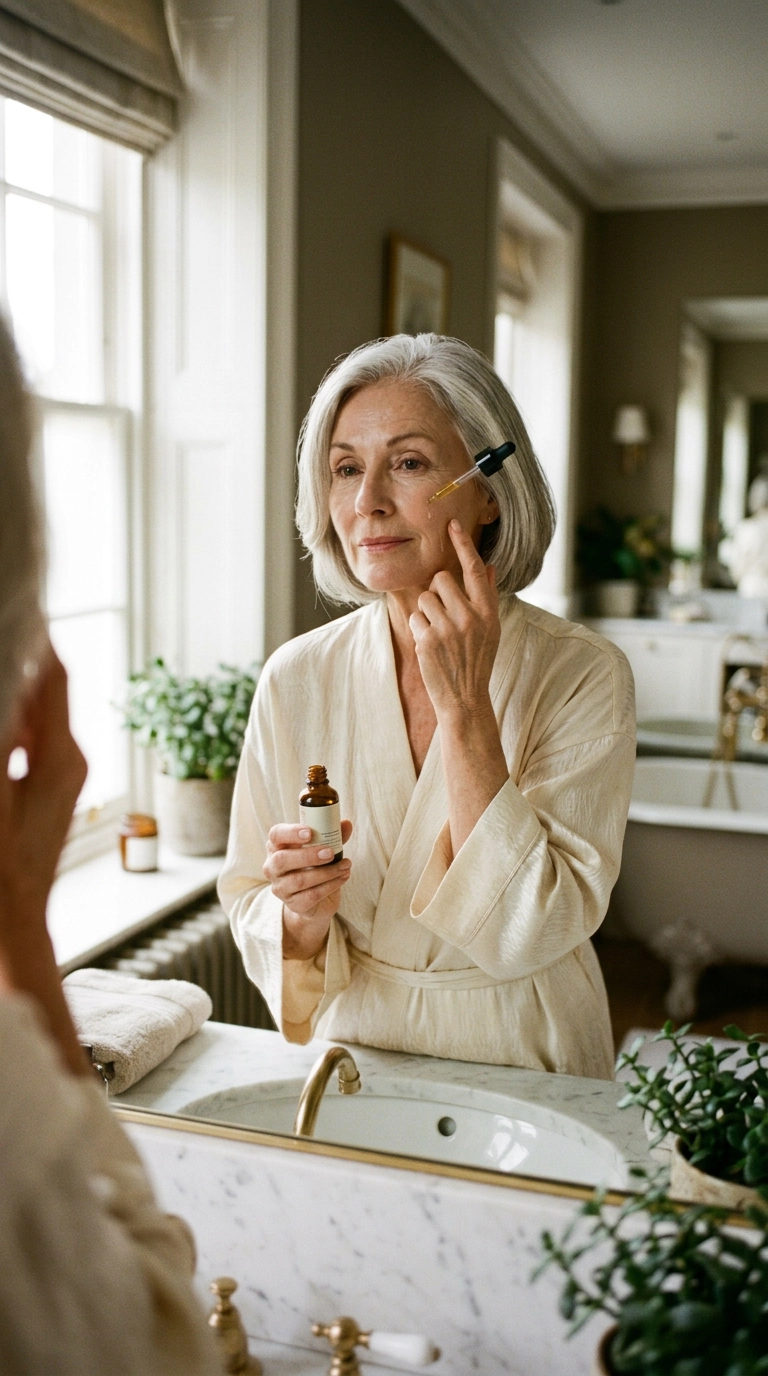
The most important step in any makeup routine for mature skin happens before you even touch a foundation bottle. As we age, our skin produces less natural oil, which can lead to a duller complexion and cause makeup to settle into fine lines. Using a high-quality moisturizer or a facial oil provides a smooth, plump canvas that allows products to glide on effortlessly.
Look for ingredients like hyaluronic acid and ceramides which help to lock in moisture and create a barrier against environmental stressors. Applying your skincare five to ten minutes before your makeup gives it enough time to absorb fully into the skin. If you skip this step, your skin will likely drink up the moisture from your foundation, leaving behind a patchy and uneven finish.
For those with particularly dry areas, consider using a hydrating primer specifically designed for mature skin. These primers often contain light-reflecting particles that blur imperfections and provide an extra layer of silkiness. It creates a “lit from within” effect that makes the rest of your routine much more effective.
2. Choose Lightweight Cream Foundations
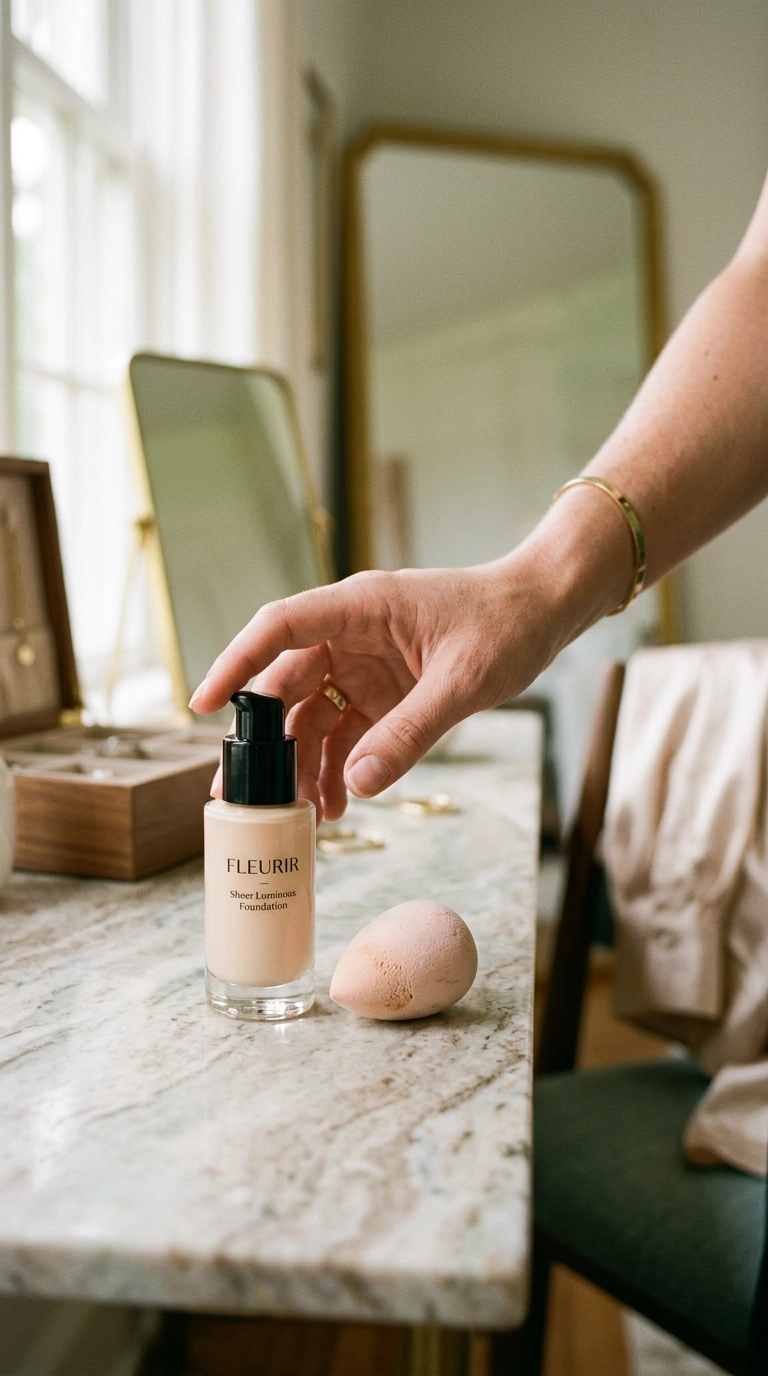
Heavy, full-coverage foundations often act like a mask, sitting on top of the skin and emphasizing wrinkles rather than concealing them. Instead, opt for sheer-to-medium coverage formulas such as tinted moisturizers, CC creams, or serum-based foundations. These products provide enough pigment to even out skin tone while allowing your natural skin texture to breathe.
Creams are generally more flattering than powders because they move with your face. Powders can look flat and “cakey” on mature skin, often making it appear older than it actually is. If you prefer more coverage, apply a thin layer first and then spot-treat specific areas of redness or pigmentation with a bit more product.
Application technique is just as important as the product itself. Using a damp makeup sponge helps to press the foundation into the skin for a seamless blend. This method prevents the product from sitting in pores and ensures a dewy, youthful finish that looks like real skin.
Matching Your Tone Correctly
Our skin tone can change slightly as we age, often becoming a bit paler or showing more redness. Re-evaluate your foundation shade every year to ensure it still matches your neck and chest. A shade that is too light can make you look washed out, while a shade that is too dark can look muddy and harsh.
3. Use Brightening Concealer Strategically
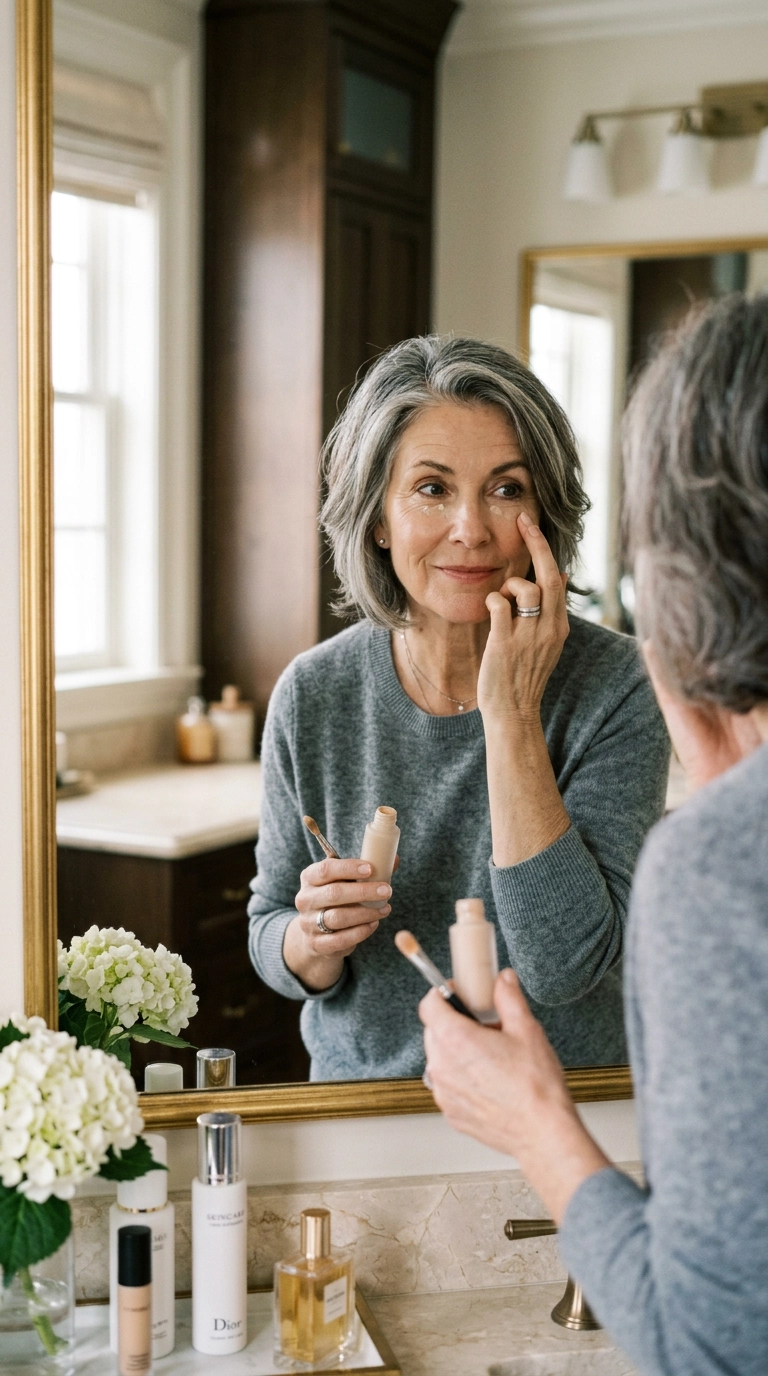
Instead of applying thick layers of concealer all over the undereye area, focus only on the inner corners where darkness is most prominent. This targeted approach prevents the product from accumulating in the fine lines at the outer edges of the eyes. Choose a formula that is one shade lighter than your foundation to provide a subtle lifting effect.
For those dealing with blue or purple tones under the eyes, a peach-toned color corrector can work wonders. Applying a tiny amount of peach corrector before your concealer neutralizes the darkness without requiring a heavy layer of product. It results in a much brighter and more rested appearance that looks entirely natural.
Remember that “less is more” is the golden rule for concealing. Use your ring finger to tap the product in, as the warmth of your hand helps the concealer melt into the skin. This prevents the “creasing” effect that often happens when too much product is applied with a heavy brush.
4. Define Brows to Frame the Face
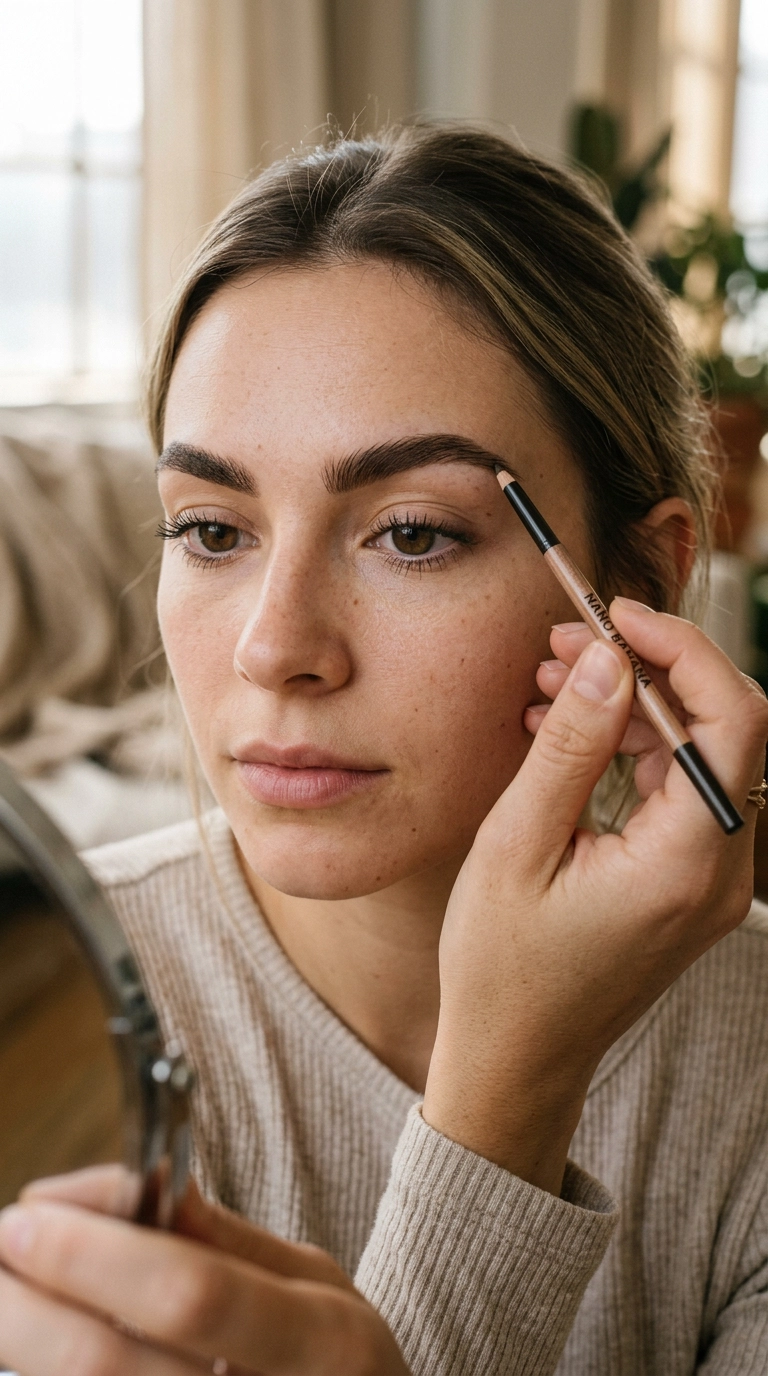
Brows often thin out or lose their color as we get older, which can make the face appear less structured. Restoring the shape of your brows is one of the quickest ways to look more polished and awake. Avoid using harsh black or dark brown shades, as these can look too severe against mature skin.
Select a brow pencil or powder that is one or two shades lighter than your natural hair color for a softer look. Use short, feathery strokes to mimic the appearance of real hair, focusing on filling in sparse areas rather than drawing a solid line. A clear or tinted brow gel can then be used to set the hairs in place and add a bit of volume.
The tail of the brow is particularly important for creating a lifted look. Ensure the tail doesn’t drop too low, as this can visually “pull down” the eye area. Keeping the end of the brow slightly elevated creates an instant, non-surgical brow lift that opens up the entire face.
5. Opt for Soft, Matte Eye Shadows
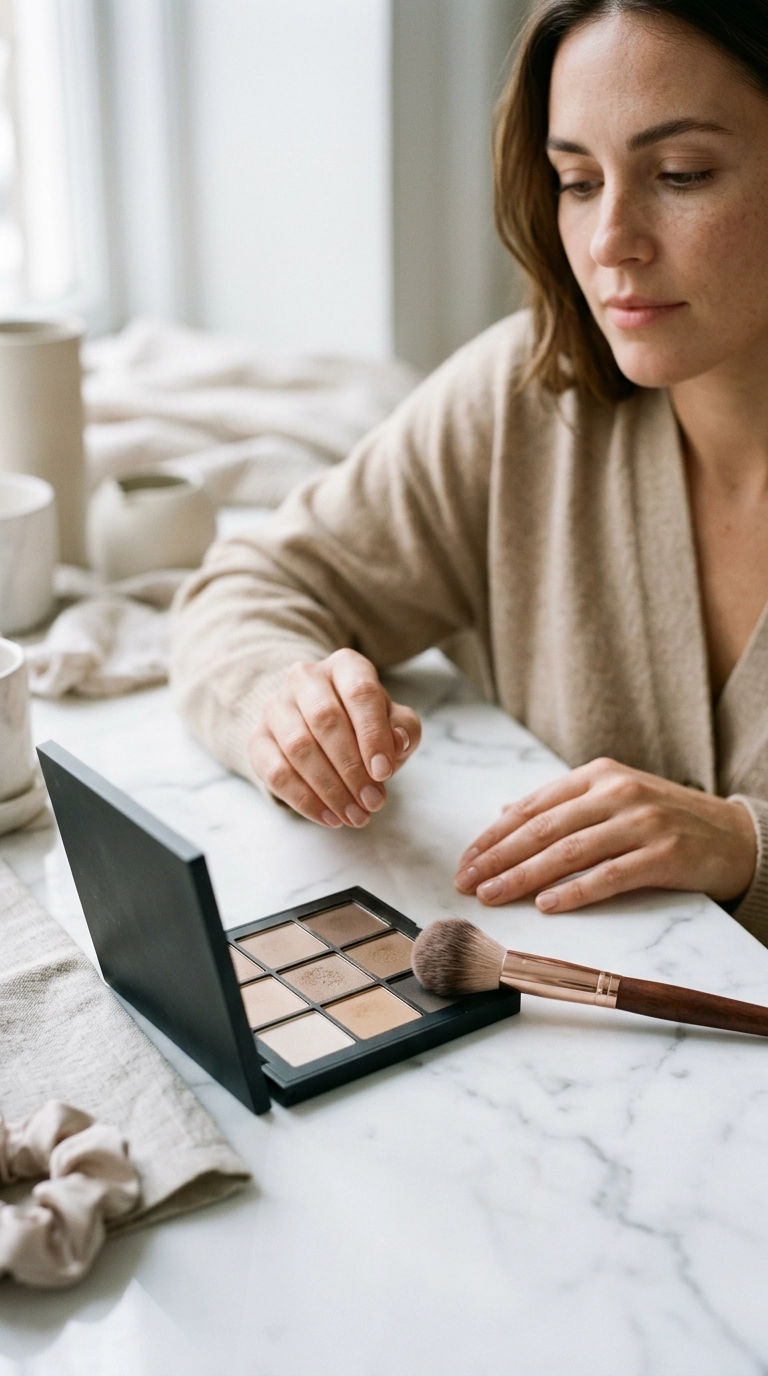
While shimmer and glitter can be fun, they often emphasize texture and crépiness on the eyelids. Matte shadows in neutral tones like taupe, soft brown, and warm beige are much more flattering for everyday wear. These shades create depth and dimension without drawing attention to fine lines or hooded lids.
Apply a light, neutral shade across the entire lid to even out the skin tone. Then, use a slightly darker matte shade in the crease to add definition and “push back” any hooded areas. This simple technique helps the eyes appear larger and more defined while maintaining a sophisticated, understated aesthetic.
If you love a bit of glow, limit the shimmer to the very center of the lid or the inner tearduct area. This adds a touch of brightness without overwhelming the delicate skin of the eye. Staying away from heavy, dark colors will also keep you looking refreshed rather than tired.
6. Soften Your Eyeliner Technique
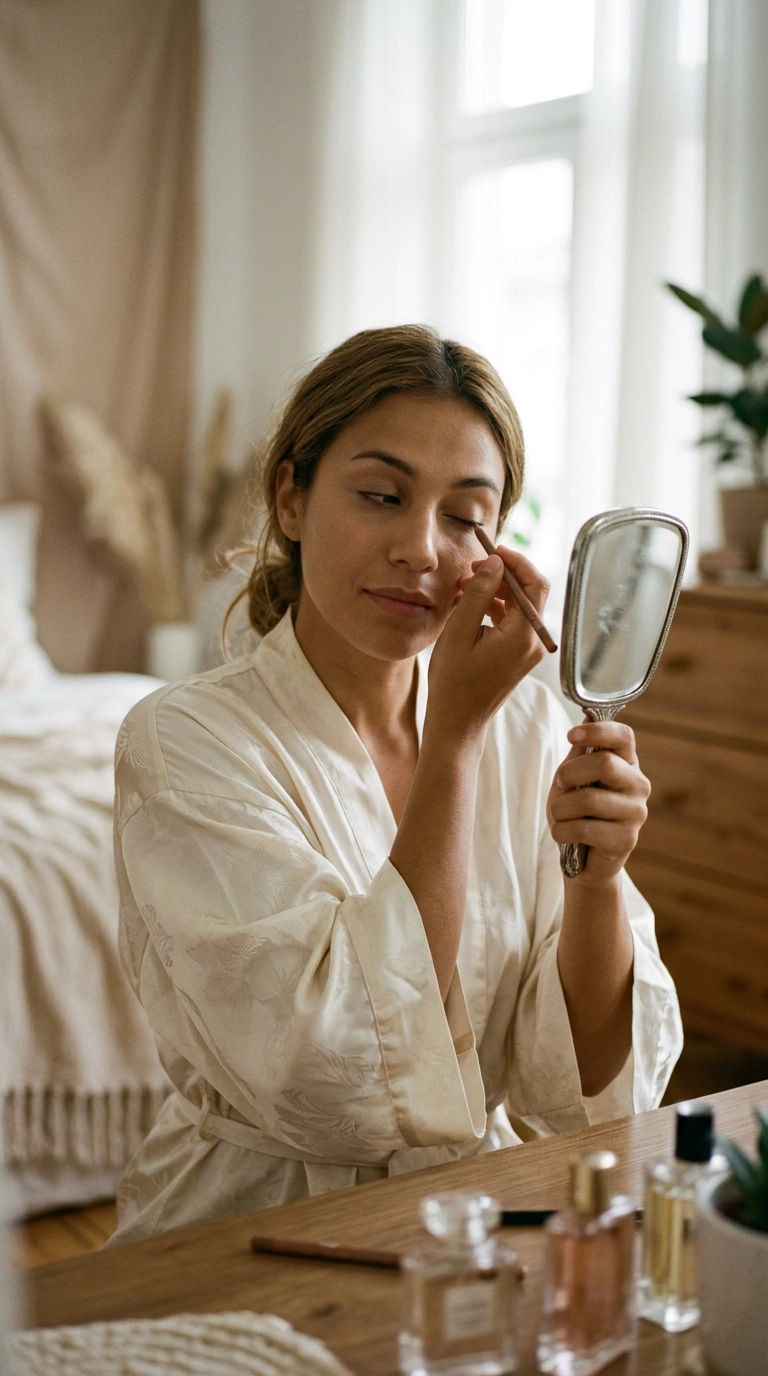
Harsh liquid liners and sharp black lines can look quite jarring on mature eyes. Instead, reach for a soft pencil or even a dark eyeshadow applied with an angled brush. Smudging the line slightly creates a softer, “lived-in” look that defines the lashes without being too aggressive.
Try using deep brown, charcoal, or navy instead of stark black. These colors provide enough contrast to make your eyes pop but are much more forgiving against the skin. Focusing the liner on the outer third of the upper lash line will also help to lift the eye and create a more youthful shape.
Avoid lining the bottom waterline, as this can make the eyes look smaller and emphasize dark circles. If you want definition on the bottom, use a very light touch of powder shadow just below the lower lashes and blend it out thoroughly. This creates a soft shadow that looks much more natural and flattering.
7. Use Cream Blush for a Natural Flush
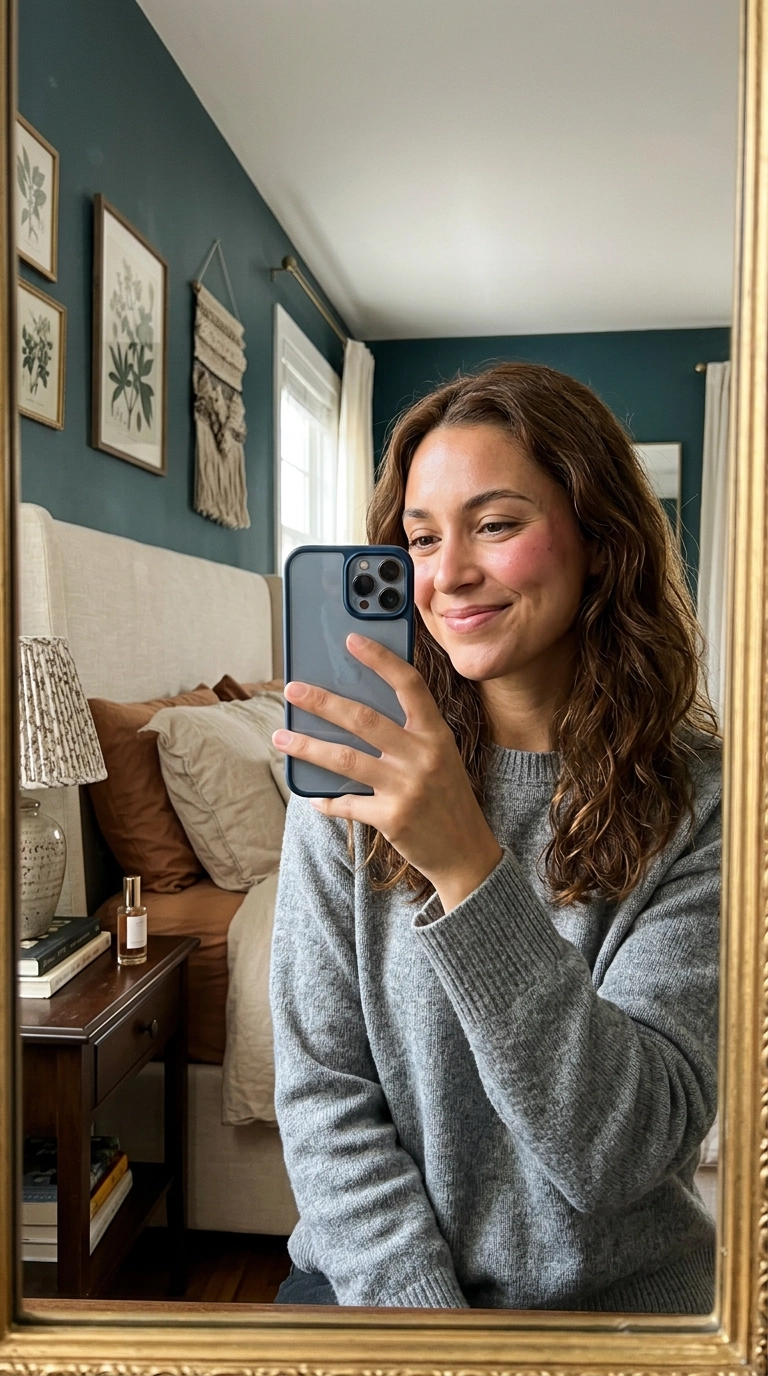
Powder blush can sometimes look dusty or sit in pores, whereas cream blush melts into the skin for a truly natural flush. Choose warm shades like peach, rose, or soft apricot to bring life back to your complexion. These colors mimic the healthy glow you get after a walk in the fresh air.
Placement is key when it comes to blush for women over 60. Instead of applying it only to the “apples” of your cheeks, which can move down when you stop smiling, start at the highest point of your cheekbones and blend upward toward the temples. This creates a subtle lifting effect for the entire face.
You can even use your fingers to apply cream blush, as the heat helps it blend seamlessly. Start with a small amount and build up the intensity until you reach your desired look. A well-placed blush can instantly make you look more vibrant and healthy.
8. Define Lips with a Neutral Liner
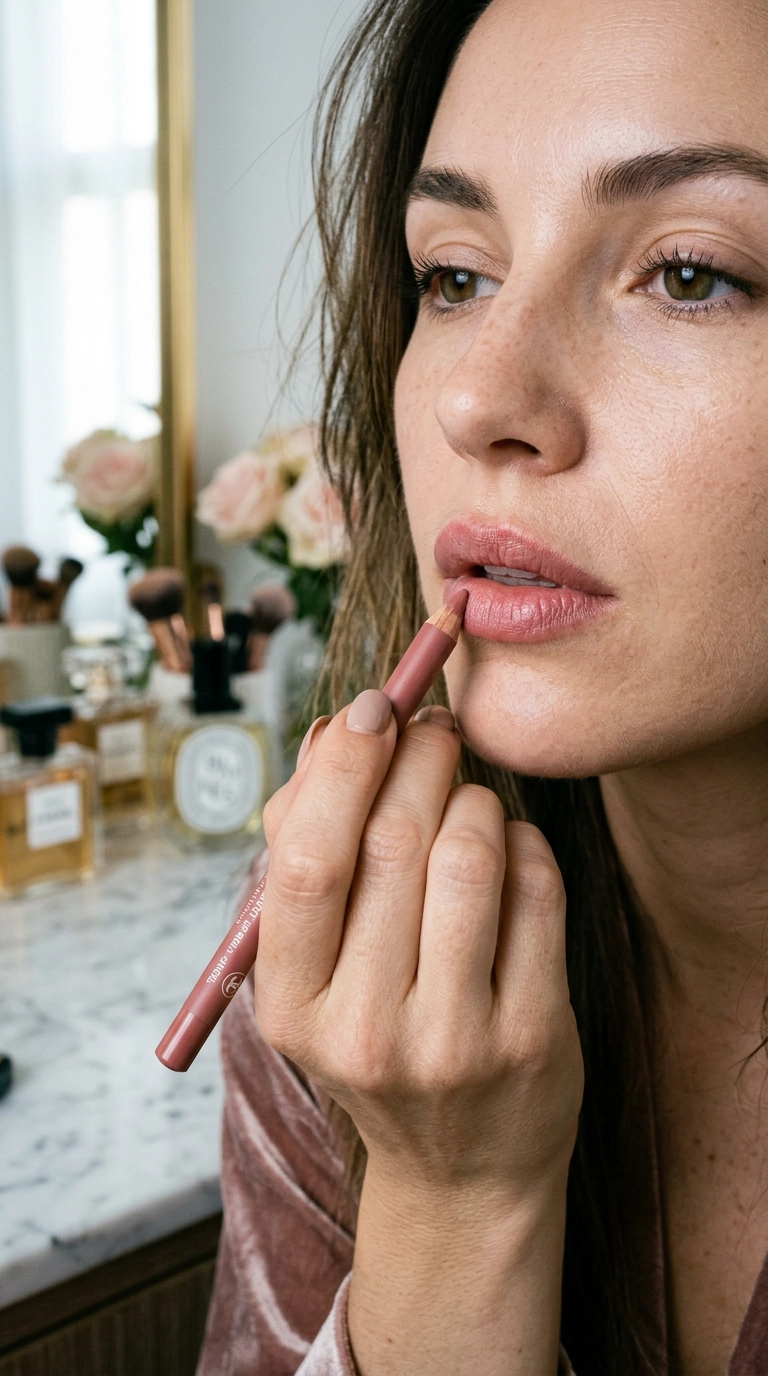
As we age, the natural border of our lips can become less defined, and lipstick may tend to bleed into fine lines. Using a lip liner in a shade close to your natural lip color helps to redefine the shape and prevent feathering. It also provides a base for your lipstick to cling to, making it last much longer.
Avoid dark, heavy liners which can look dated. Instead, look for creamy pencils that glide on easily without tugging the skin. Gently overlining just the “cupid’s bow” can give the illusion of fuller lips without looking artificial. Fill in the entire lip with the pencil before applying your lipstick or gloss for a more uniform color.
Opt for lipsticks with a satin or creamy finish rather than completely matte or excessively glossy. Satin finishes provide a healthy sheen that makes lips look hydrated and plump. Ingredients like shea butter or vitamin E are excellent for keeping the lips comfortable throughout the day.
9. Swap Heavy Powder for Setting Spray
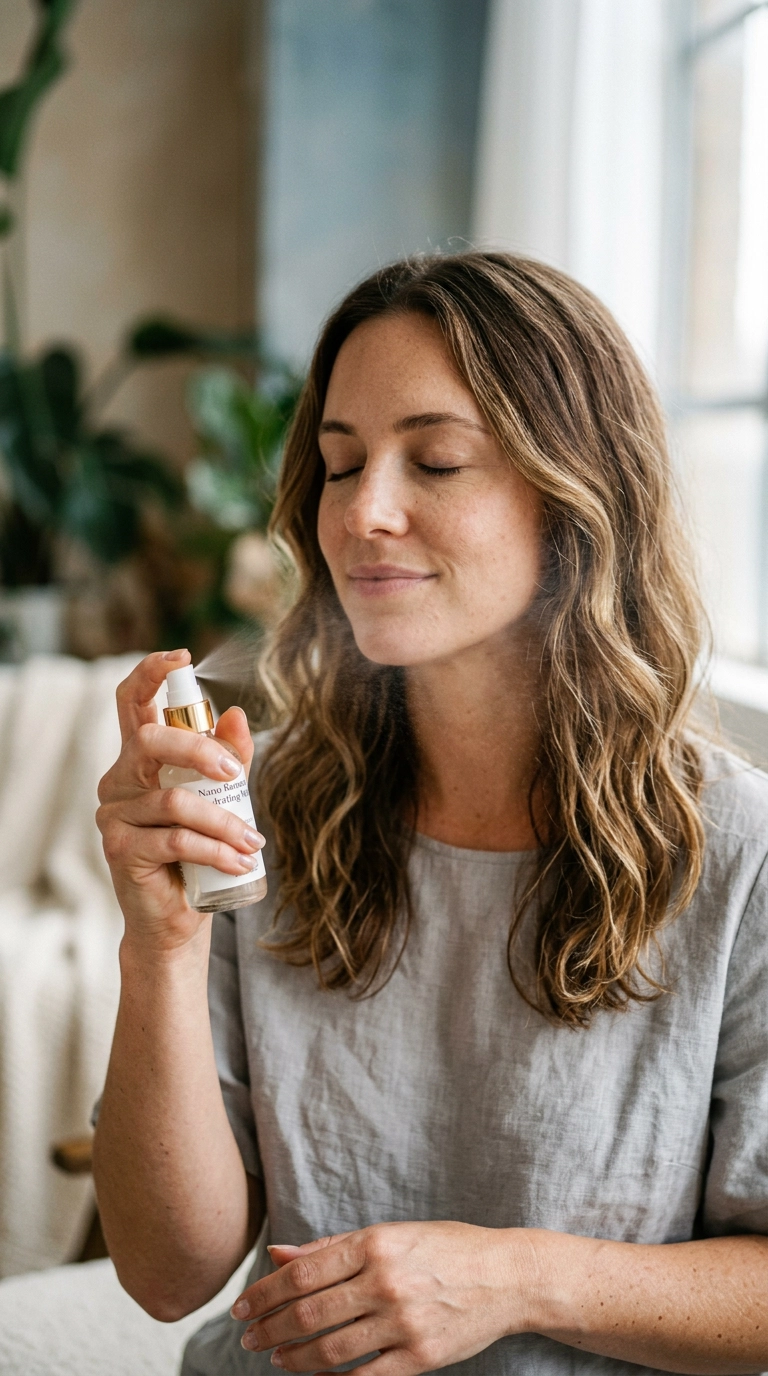
One of the most common mistakes is over-powdering the face to set makeup. While powder is great for controlling shine, it can also highlight every fine line and dry patch on mature skin. If you must use powder, apply it only to the T-zone (forehead, nose, and chin) using a small, fluffy brush.
For the rest of your face, use a hydrating setting spray. This will lock your makeup in place while adding a subtle glow and preventing that “flat” look that comes with too much powder. It also helps all the different layers of your makeup—foundation, blush, and concealer—meld together for a more cohesive finish.
Keep a small bottle of hydrating mist in your handbag to refresh your skin during the day. A quick spritz can revitalize your makeup and give your skin a much-needed boost of moisture if it starts to feel tight or dry in the afternoon. This keeps your look fresh from morning until night.
10. Focus on High-Quality Tools
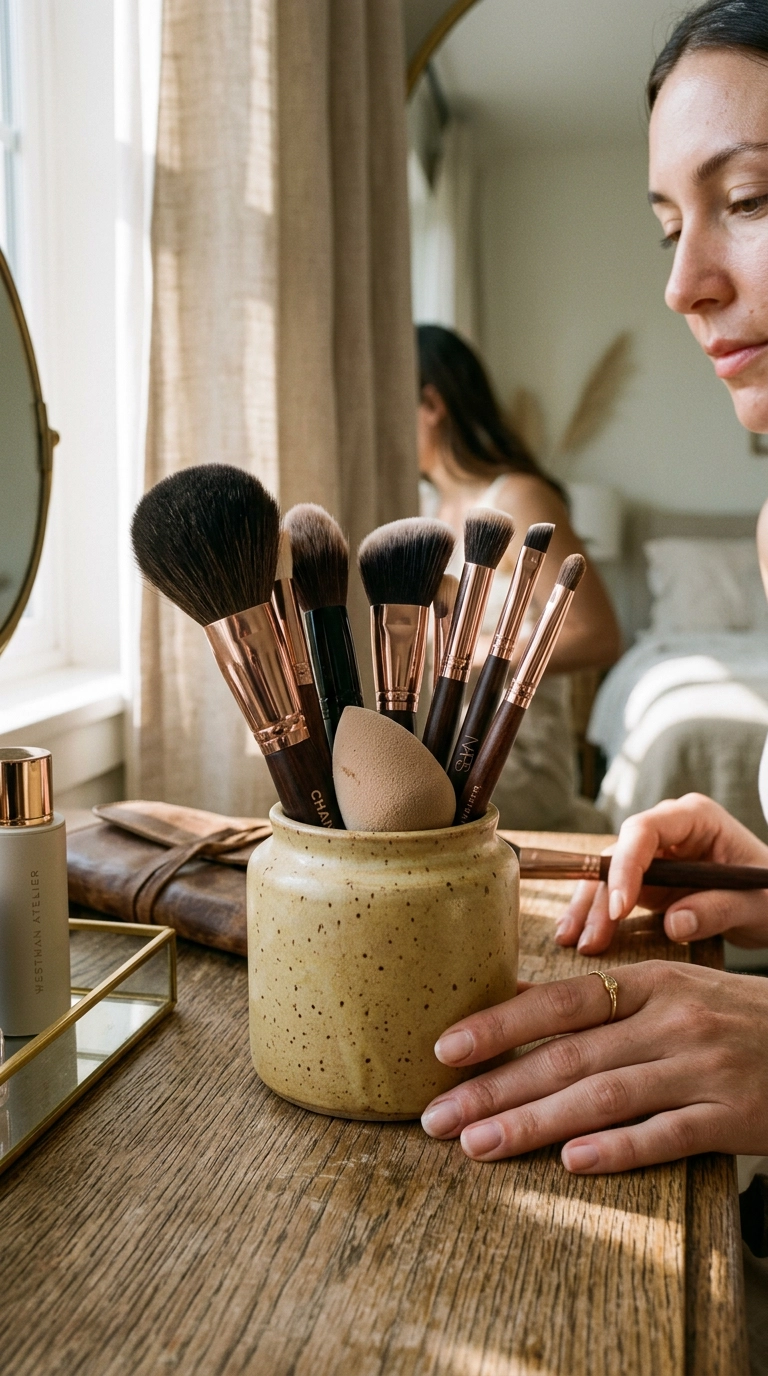
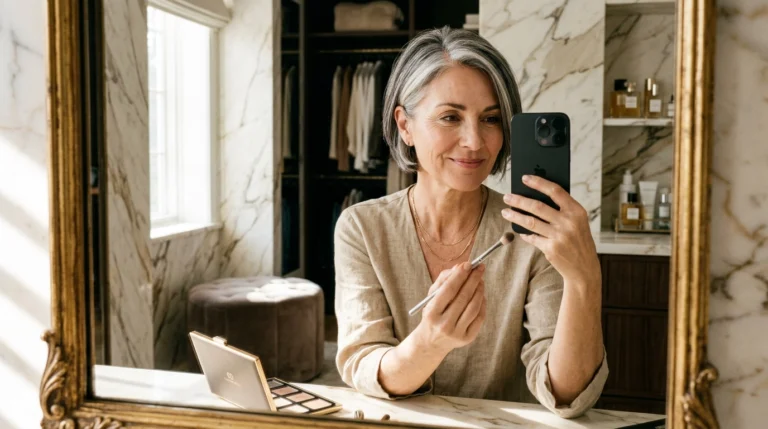
The tools you use are just as important as the products themselves. Invest in a few high-quality, soft-bristled brushes that are gentle on mature skin. Harsh, scratchy brushes can irritate the skin and make it difficult to achieve a smooth, blended finish.
A damp beauty sponge is an essential tool for anyone over 60. It allows you to apply products with a tapping motion rather than a dragging motion, which is much better for skin elasticity. It also absorbs any excess product, ensuring that you never end up with too much foundation or concealer on your face.
Regularly cleaning your brushes and sponges is also vital for both skin health and makeup application. Dirty tools can harbor bacteria and cause breakouts, and they also won’t blend your makeup as effectively. A clean brush makes a world of difference in how smoothly your products apply and how natural the final result looks.
Recommended Makeup Kit for Mature Skin
| Product Category | Recommended Texture | Key Benefit |
|---|---|---|
| Foundation | Serum or Cream | Adds hydration and glow |
| Concealer | Liquid Hydrating | Prevents creasing in lines |
| Blush | Cream or Liquid | Creates a natural, dewy flush |
| Brows | Fine Pencil or Tinted Gel | Restores face-framing structure |
| Lipstick | Satin or Sheer | Provides comfort and fullness |
Frequently Asked Questions
How can I stop my foundation from settling into wrinkles?
The best way to prevent this is by starting with a well-hydrated base and using a lightweight, liquid foundation rather than a thick cream or powder. Applying your makeup with a damp sponge also helps press the product into the skin rather than letting it sit on the surface.
Is it okay to wear shimmer eyeshadow over 60?
Yes, you can certainly wear shimmer, but it’s best to use it strategically. Apply a small amount of fine shimmer to the center of the lid or the inner corners to brighten the eyes, while keeping the crease area matte to avoid emphasizing texture.
Should I change my makeup colors as I get older?
Many women find that softer, warmer tones are more flattering as skin tone changes. Swapping stark blacks for charcoal or brown, and using peachy-pinks instead of cool magentas, can often provide a more youthful and harmonious appearance.
Embracing Your Natural Radiance
Updating your makeup routine is an empowering way to honor the person you are today. By focusing on moisture, light textures, and soft definition, you can create a look that feels both timeless and fresh. These small adjustments celebrate your features and allow your inner confidence to shine through without the need for heavy products. Remember that beauty has no age limit, and the best routine is always the one that makes you feel most like yourself.