5 Everyday Fashion Mistakes You Need to Stop Making Today
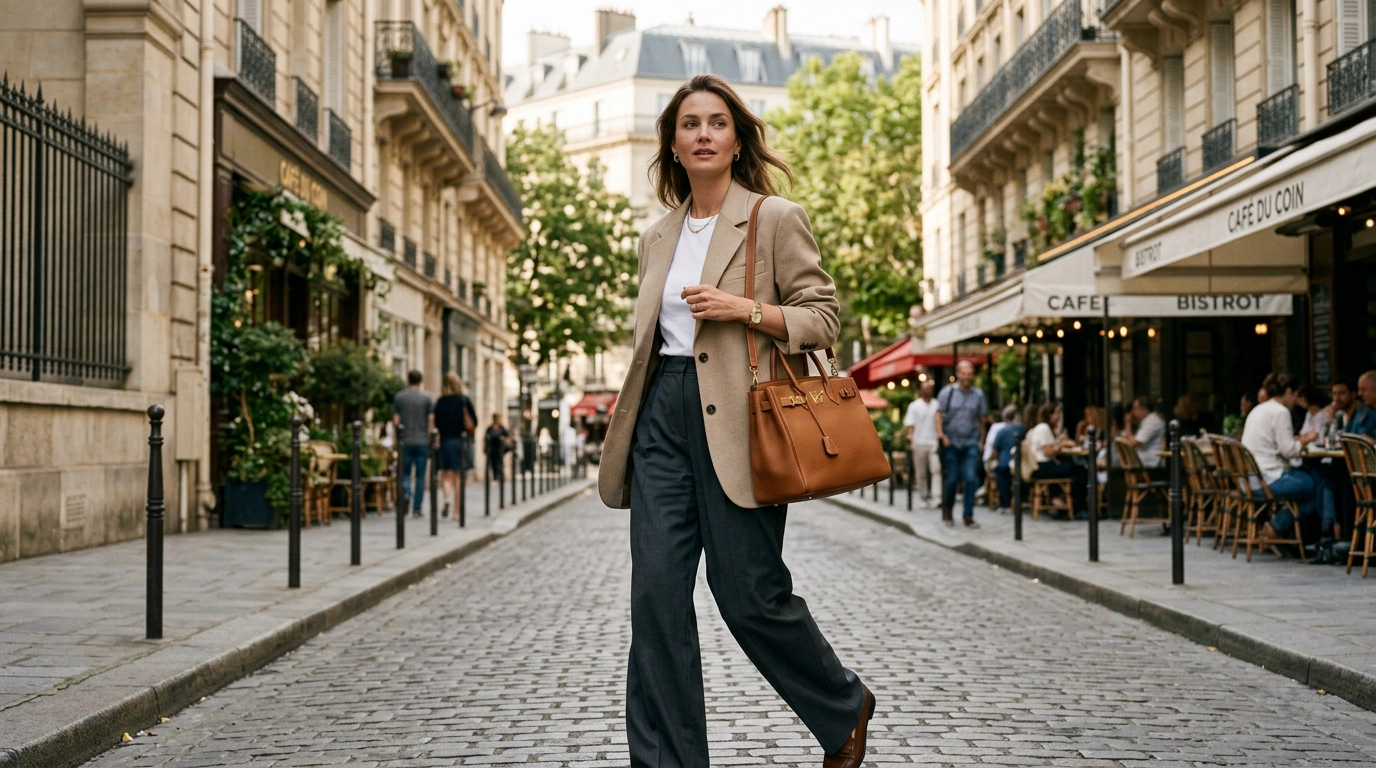
Most women spend their mornings standing before a full wardrobe, only to feel like their final outfit is missing a certain polished edge. You might have purchased the right pieces, but small, subconscious habits often disrupt the harmony of your look. These errors are the reason why high-end clothes can sometimes look inexpensive or disorganized.
True style is a science of proportions, textures, and intentionality rather than a reflection of your bank account balance. When you identify these specific mistakes, you stop fighting against your clothes and start making them work for your body. The difference between looking messy and looking curated often comes down to just a few inches of fabric or a single accessory choice.
We are going to break down the five most frequent styling traps that are quietly sabotaging your daily aesthetic. By correcting these simple errors, you will immediately elevate your visual presence and feel more confident in every room you enter. Here is exactly how to fix your wardrobe logic today.
You Are Splitting Your Body Exactly in Half
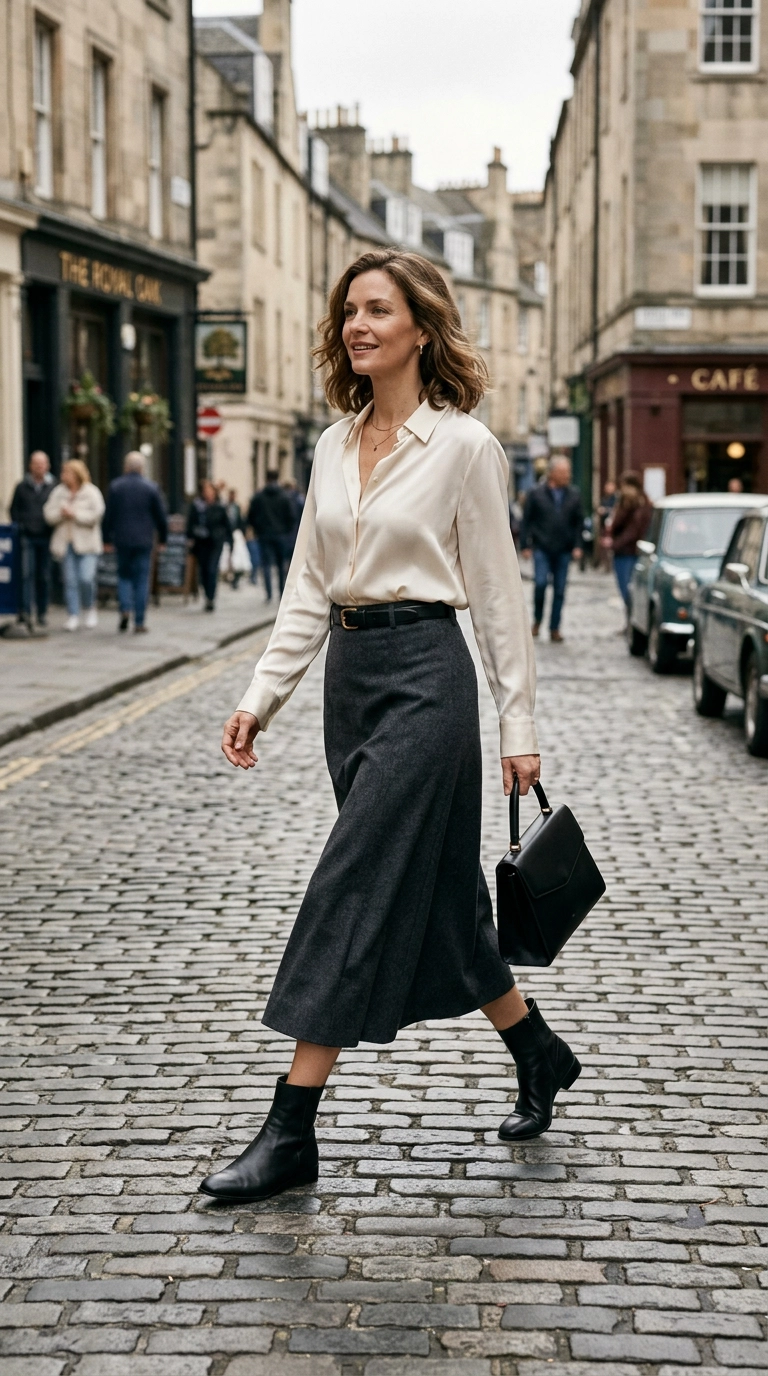
One of the most common visual errors is creating a 50/50 split between your top and bottom halves. When your shirt ends exactly where your hips begin and your trousers take up the other half of your frame, it creates a boxy, uninteresting silhouette. This lack of variation makes you appear shorter and hides your natural waistline.
To fix this, adopt the “Rule of Thirds” used by classical artists and architects. You want your outfit to be divided into a 1/3 top and a 2/3 bottom, or vice versa. Tucking in your shirt or wearing high-waisted bottoms instantly creates a longer leg line and a more dynamic, high-fashion shape.
This simple shift in geometry changes how others perceive your height and stature. It moves the eye upward and creates a sense of intentionality that a loose, untucked shirt simply cannot provide. Observe the difference in the table below to see how proportions change your look.
| Proportion Style | Visual Effect | How to Achieve It |
|---|---|---|
| 50/50 Split | Shortens the frame, hides the waist, looks casual. | Long t-shirt worn over mid-rise jeans. |
| 1/3 to 2/3 Ratio | Elongates legs, emphasizes waist, looks polished. | Tucked blouse with high-waisted trousers. |
| 2/3 to 1/3 Ratio | Avant-garde, cozy, editorial. | Oversized sweater over a mini skirt with boots. |
Ignoring the Power of Professional Tailoring
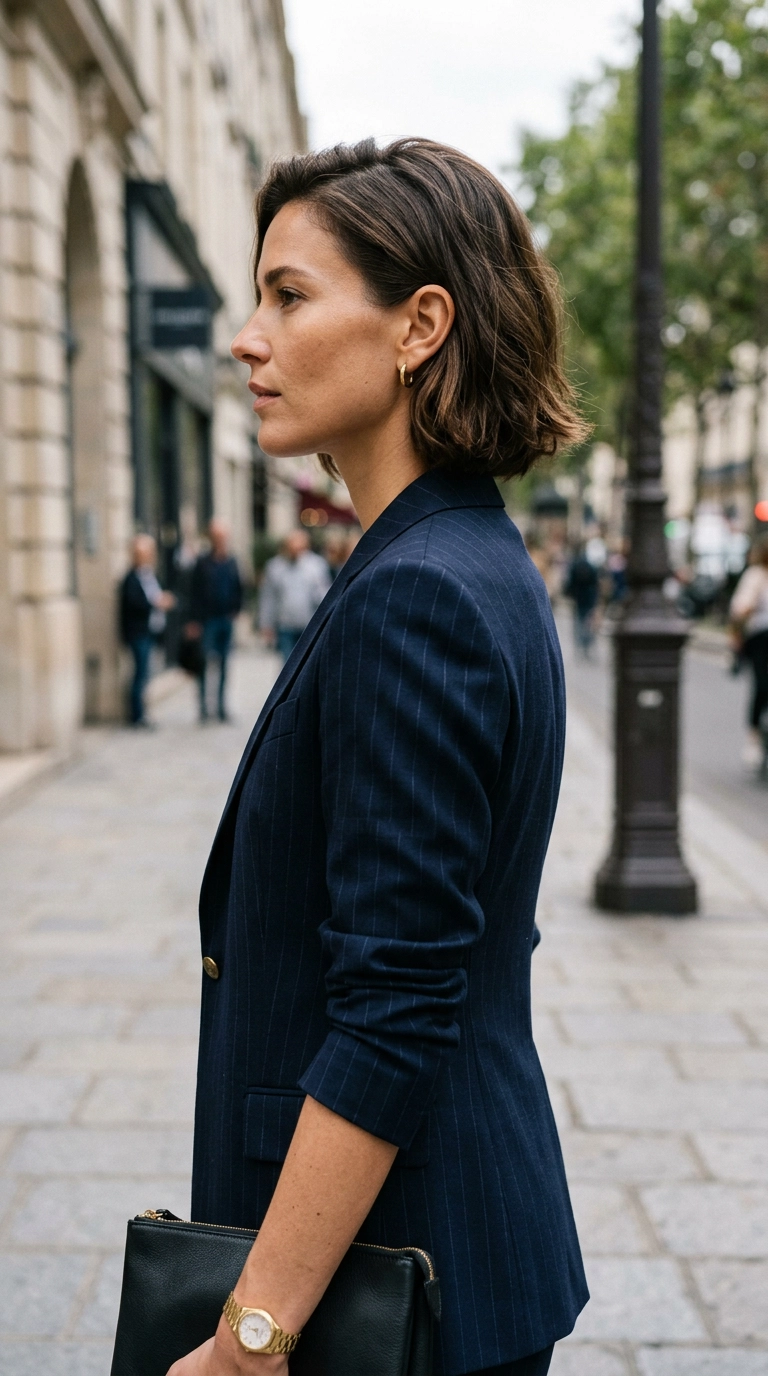
Most people assume that if a garment is their size, it is ready to wear immediately. However, off-the-rack clothing is designed for a generic fit that rarely honors the nuances of a real human body. Wearing trousers that are two inches too long or a blazer with sagging shoulders makes even expensive items look like hand-me-downs.
A local tailor is the secret weapon of every well-dressed woman in London and New York. Spending a small amount to hem your jeans to the perfect height for your favorite shoes or taking in the waist of a coat changes the entire vibe. It signals that you care about the details, which is the hallmark of luxury.
Focus specifically on the shoulder seams and the sleeve length. When a sleeve ends exactly at your wrist bone, it creates a clean line that looks sharp and purposeful. If your sleeves are constantly bunching up or hiding your hands, you lose the structural integrity of the outfit.
The Essential Tailoring Checklist
- Hem your trousers so they skim the top of your shoes without dragging on the floor.
- Shorten blazer sleeves so they reveal half an inch of your shirt cuff or sit at the wrist.
- Take in the waist of skirts or dresses to avoid “tenting” and maintain your silhouette.
- Adjust the straps on camisoles and dresses so the neckline sits exactly where you feel most comfortable.
Over-Accessorizing and Creating Visual Noise
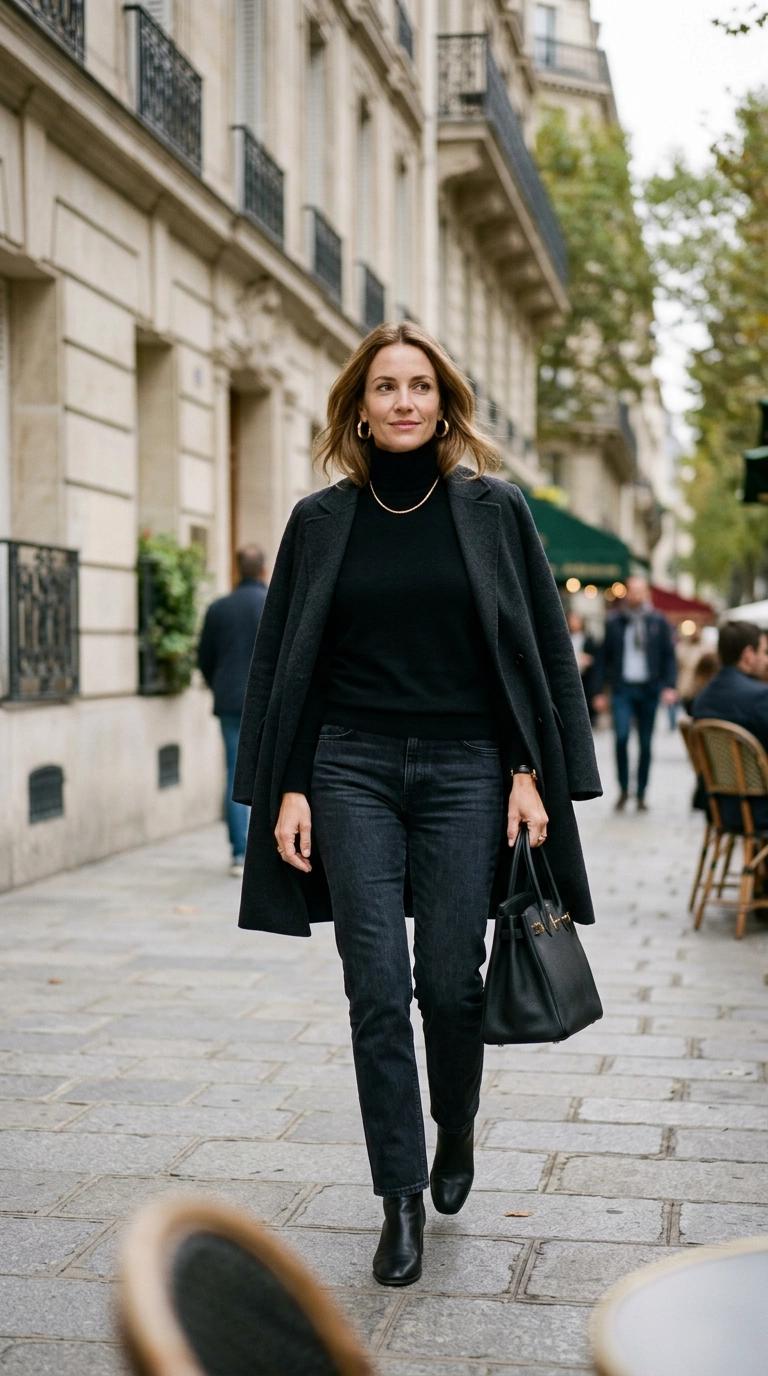
There is a fine line between a curated look and one that feels cluttered. When you wear a statement necklace, large earrings, multiple bracelets, and a patterned scarf all at once, the eye doesn’t know where to land. This creates visual fatigue and can make your outfit look frantic rather than fashionable.
The most elegant women usually choose one “hero” accessory and let the rest of the outfit support it. If you are wearing bold, sculptural earrings, skip the necklace entirely. If you have a vibrant, patterned handbag, keep your jewelry delicate and minimal to avoid competing for attention.
Think of your accessories as the punctuation marks of your outfit’s sentence. Too many exclamation points make the message loud and confusing. One perfectly placed period or comma makes the entire statement clear and sophisticated. Before you leave the house, take one item off to ensure you haven’t crossed the line into over-styling.
Choosing Cheap Synthetic Fabrics Over Natural Fibers
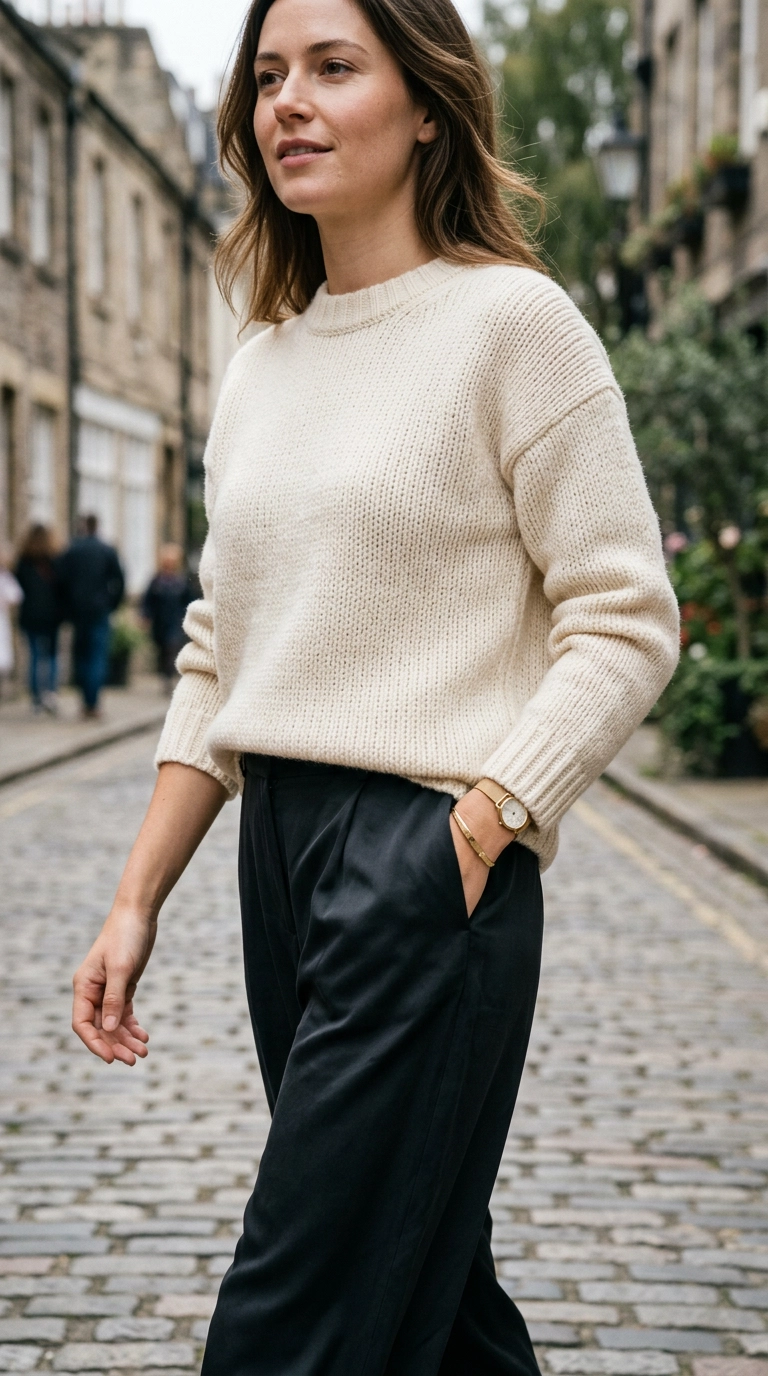
You can mimic a high-end design with cheap materials, but you cannot mimic the way quality fabric moves and catches the light. Shiny polyesters, thin acrylics, and scratchy nylons often look flat and artificial. These fabrics also tend to pill, static-cling to your legs, and lose their shape after just a few washes.
Transitioning your wardrobe toward natural fibers like cotton, linen, wool, and silk is the fastest way to look expensive. These materials breathe better, drape more elegantly over your curves, and age with grace. Even a simple cotton t-shirt looks significantly better than a polyester blend version of the same top.
Natural fibers hold their color differently and have a depth of texture that adds “soul” to your clothes. When you shop, check the inner care labels rather than the brand name. A 100% wool sweater from a thrift store will always look more sophisticated than a synthetic blend from a trendy fast-fashion retailer.
Fabric Comparison for Longevity and Style
- Silk vs. Polyester Satin: Silk has a soft, pearlescent glow; polyester has a harsh, plastic-like shine.
- Wool vs. Acrylic: Wool provides warmth and structure; acrylic often pilles and loses its shape after one wash.
Wearing the “Wrong Shoe” for the Occasion
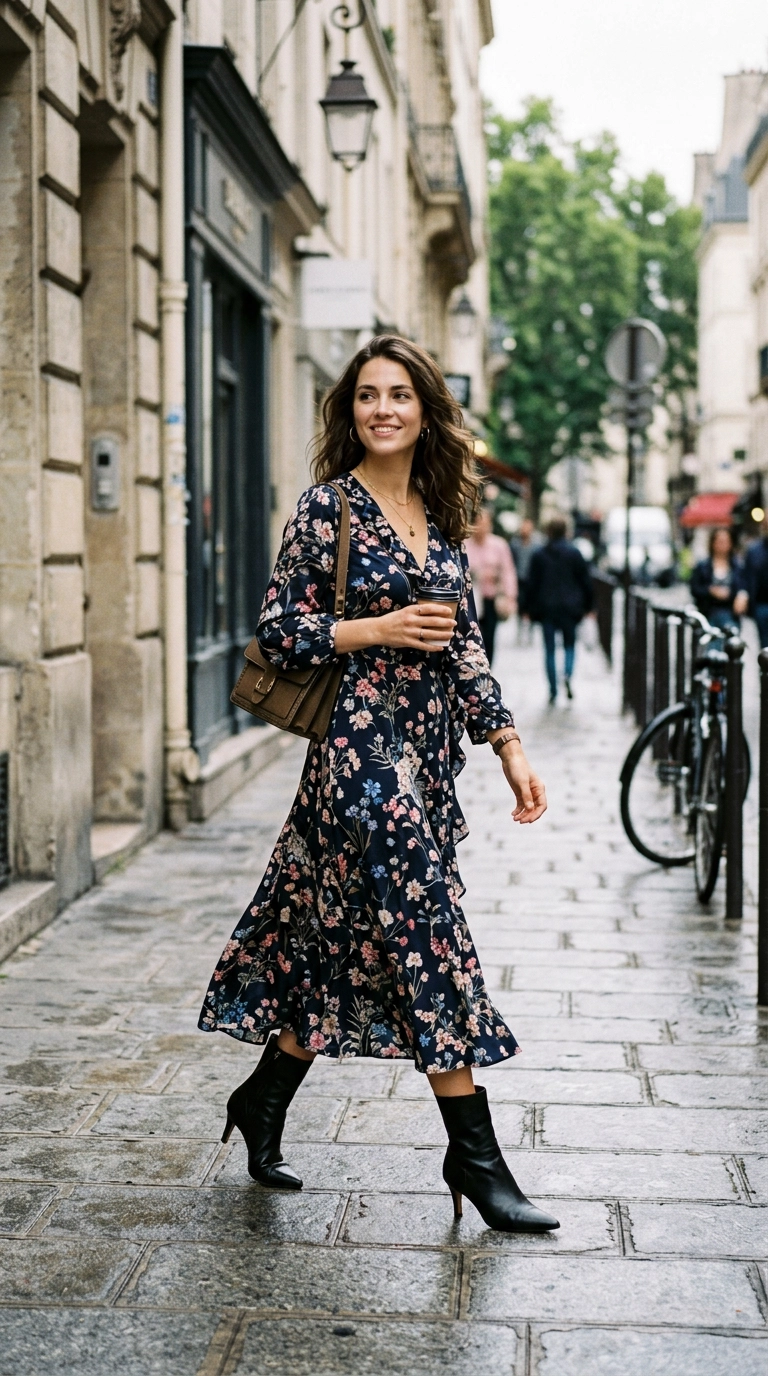
Shoes are the foundation of your outfit, yet they are often the last thing people consider. A common mistake is choosing a shoe that matches the color of the outfit but completely ignores the “vibe” or weight of the clothing. For instance, wearing heavy, clunky sneakers with a delicate, flowing silk dress can sometimes look unbalanced if not done with extreme care.
The “Wrong Shoe Theory” suggests that you should lean into contrast, but it must be intentional. If you are wearing a very feminine outfit, a sleek, masculine loafer can add a modern edge. However, wearing worn-out gym sneakers with a tailored suit usually just looks like you forgot your dress shoes at home.
Pay attention to the toe shape and the heel height. A pointed-toe shoe will always elongate your leg and add a touch of formality, while a rounded toe feels more casual and approachable. Ensure your footwear is clean and scuff-free, as the bottom of your outfit dictates the perceived quality of the entire look.
Refining Your Daily Signature
Mastering your style is not about following every passing trend or spending thousands on designer labels. It is about the discipline of the details: the way a sleeve hits your wrist, the choice of a silk scarf over a synthetic one, and the balance of your silhouette. When you stop making these five common mistakes, you allow your personality to shine through without the distraction of poor styling. Start by tucking in your shirt or visiting a tailor this week, and watch how quickly your confidence transforms along with your reflection.