5 Sneaky Winter Outfit Mistakes With Coats and Layers
You have likely spent hours selecting the perfect winter pieces, yet your mirror sometimes reflects a silhouette that feels bulky or disjointed. These styling frustrations rarely stem from your clothes themselves, but rather from how your layers interact with your outerwear.
Understanding the physics of winter dressing allows you to maintain your personal style without sacrificing warmth or sophistication. We have identified the most common errors that disrupt an otherwise polished cold-weather ensemble.
By correcting these five sneaky mistakes, you will transition from merely surviving the cold to mastering the art of seasonal layering. Here is how to refine your winter wardrobe for a sleek, intentional look every single day.
Mismanaging the Hemline Ratio
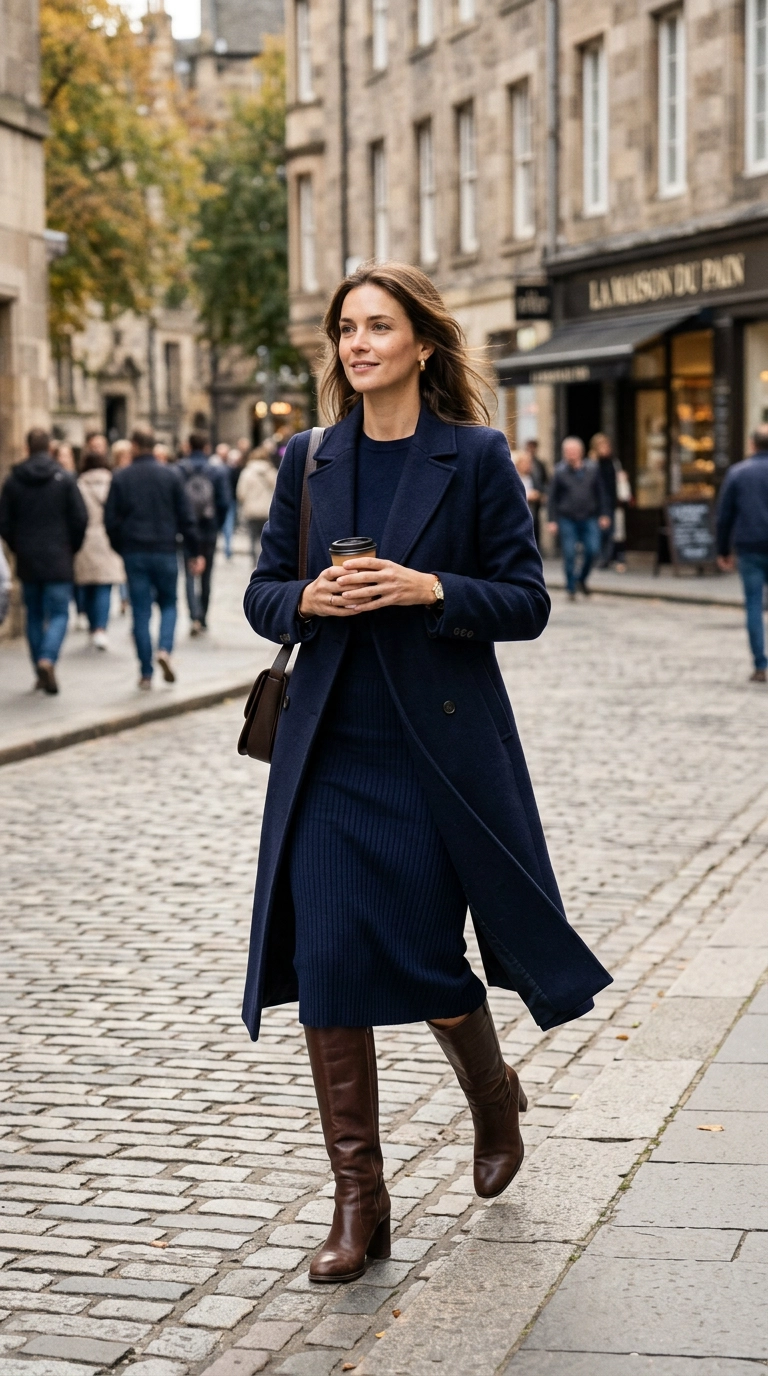
One of the most frequent errors is allowing your dress or skirt to peek out just a few inches below your coat hem. This creates a cluttered visual break that chops your height and makes the outfit look accidental rather than curated.
To fix this, aim for a “one-length” look where your coat completely covers your interior layers, or choose a coat that is significantly shorter than your skirt. A mid-thigh jacket paired with a maxi skirt creates a purposeful contrast that lengthens the body.
If you must wear layers of varying lengths, ensure the colors are in the same tonal family to minimize the harshness of the visual breaks. This keeps the eye moving vertically instead of stopping at every hemline transition.
The Golden Rules of Coat Lengths
Use the following table to match your outerwear with your chosen bottoms for a balanced silhouette:
| Bottom Type | Best Coat Length | Why It Works |
|---|---|---|
| Mini Skirts | Thigh or Knee Length | Creates a cohesive, modest frame. |
| Midi Skirts | Maxi or Ankle Length | Prevents multiple horizontal breaks. |
| Wide Leg Trousers | Cropped or Long Duster | Maintains the trouser’s volume. |
| Skinny Jeans | Any Length | Balanced by the slim lower profile. |
Overstuffing the Armholes and Sleeves
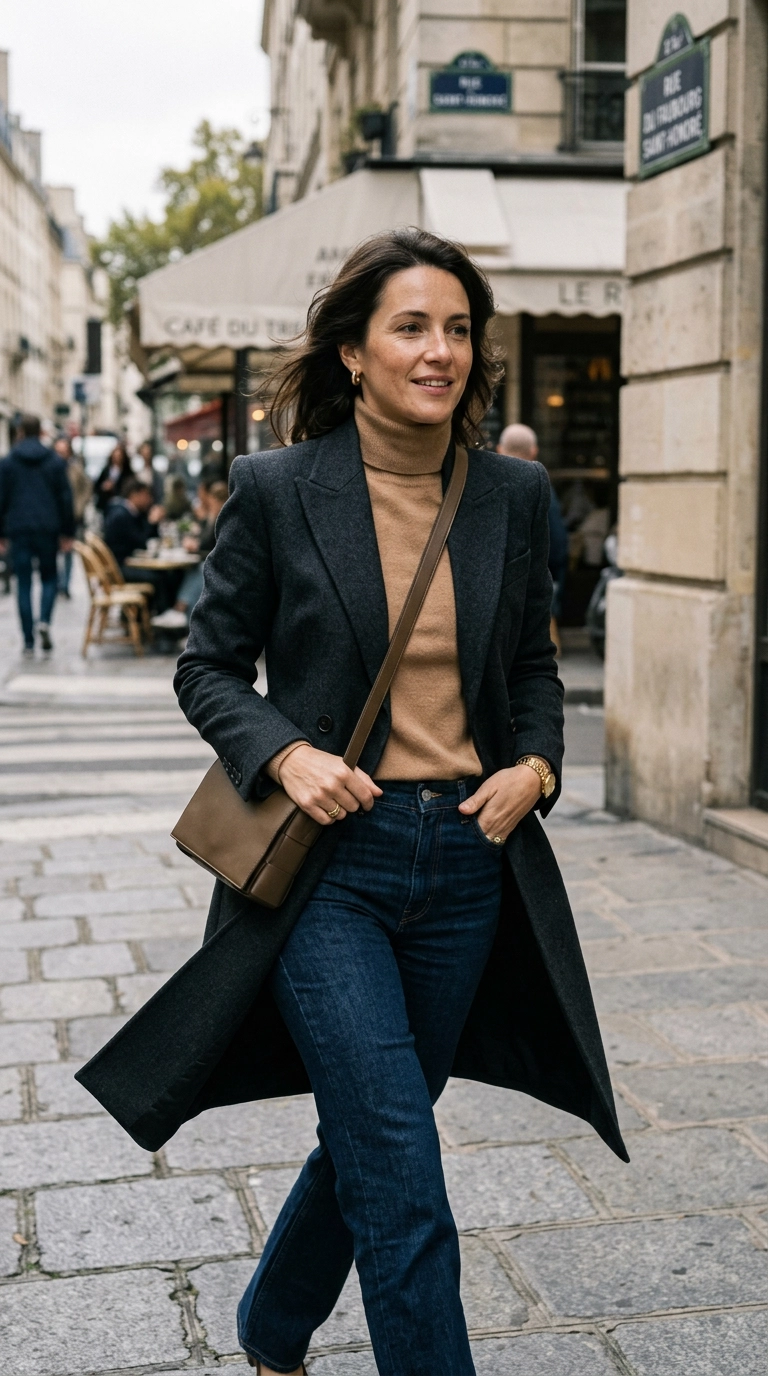
Trying to force a chunky cable-knit sweater into a slim-fit tailored coat is a recipe for restricted movement and bunching. This mistake creates an awkward “football player” shoulder silhouette and makes the coat look like it no longer fits you.
Instead, prioritize heat-retaining base layers like silk or thermal tech-fabrics that provide warmth without the physical mass. If you love your thick knits, you must pair them with an oversized or “drop-shoulder” coat designed for volume.
Check the armhole depth of your coats before purchasing; a higher armhole looks sharper but limits layering, while a lower armhole allows for heavier sweaters. Matching the weight of your knit to the capacity of your coat is essential for a clean look.
- Choose fine-gauge cashmere for warmth without the bulk.
- Ensure your coat sleeve ends about half an inch past your sweater cuff.
- Avoid coats with very narrow sleeves if you live in a climate requiring heavy wool layers.
Ignoring Texture Contrast in Monochromatic Looks
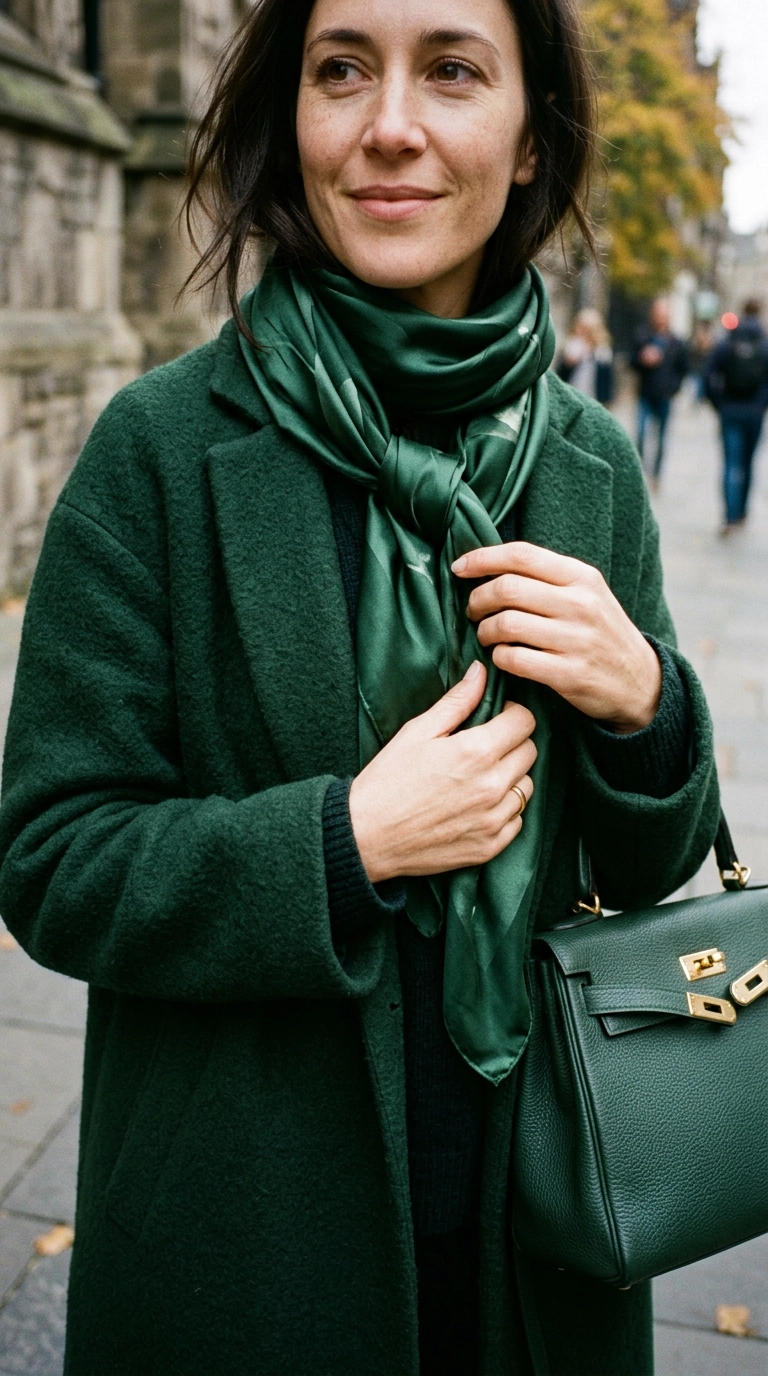
Monochromatic dressing is a staple of high-fashion winter style, but using the same fabric texture from head to toe can make your outfit look flat. When your coat, sweater, and trousers are all the same matte wool, the details of your silhouette get lost.
The secret to a rich, expensive-looking winter outfit is the “Tactile Mix.” Pair a fuzzy mohair sweater with a smooth leather skirt, or a sleek nylon puffer with heavy denim to create visual separation between the pieces.
Light reflects differently off various materials, which adds depth and dimension to your look even if you are wearing only one color. This variety keeps a heavy winter outfit from feeling like a solid block of fabric.
Texture Pairing Ideas
- Smooth Wool Coat + Chunky Ribbed Knit + Silk Slip Skirt.
- Shearling Jacket + Fine Knit Turtleneck + Raw Denim.
The Disconnected Ankle Gap
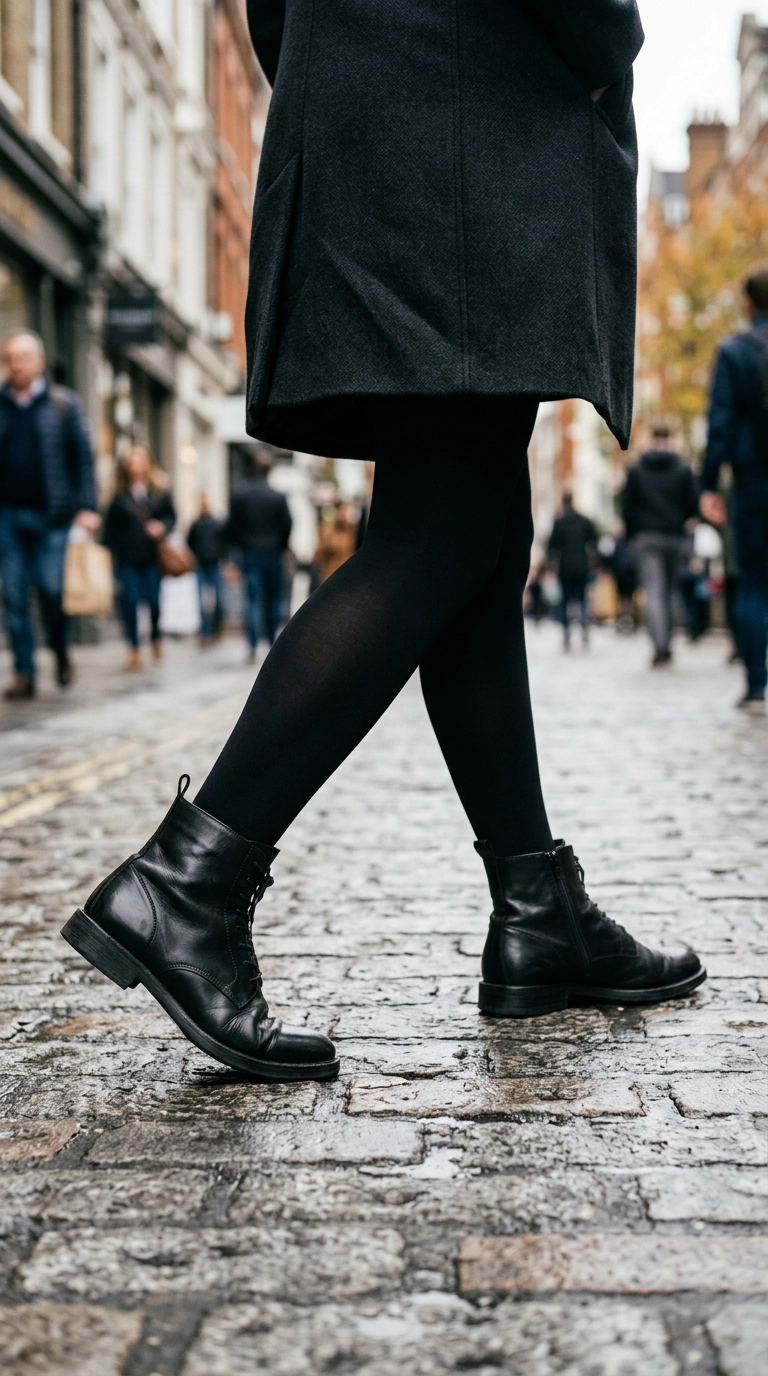
Leaving a small strip of bare skin between your boots and your hemline is a common mistake that interrupts the vertical line of your outfit. Not only does this make you feel colder, but it also creates a distracting focal point at the thinnest part of your leg.
Eliminate this gap by opting for taller boots that disappear under your skirt or trousers. If you prefer ankle boots, wear opaque tights or socks in the same color as your boots to create a seamless transition from floor to hem.
This technique elongates your legs and keeps the focus on the overall silhouette rather than a mismatched accessory. It is a simple adjustment that instantly elevates the perceived quality of your winter styling.
For those wearing cropped trousers, ensure your socks are a deliberate style choice. Use a contrasting color or a luxury texture like rib-knit wool to show that the “gap” is an intentional part of the design.
Misaligning the Collar and Scarf Architecture
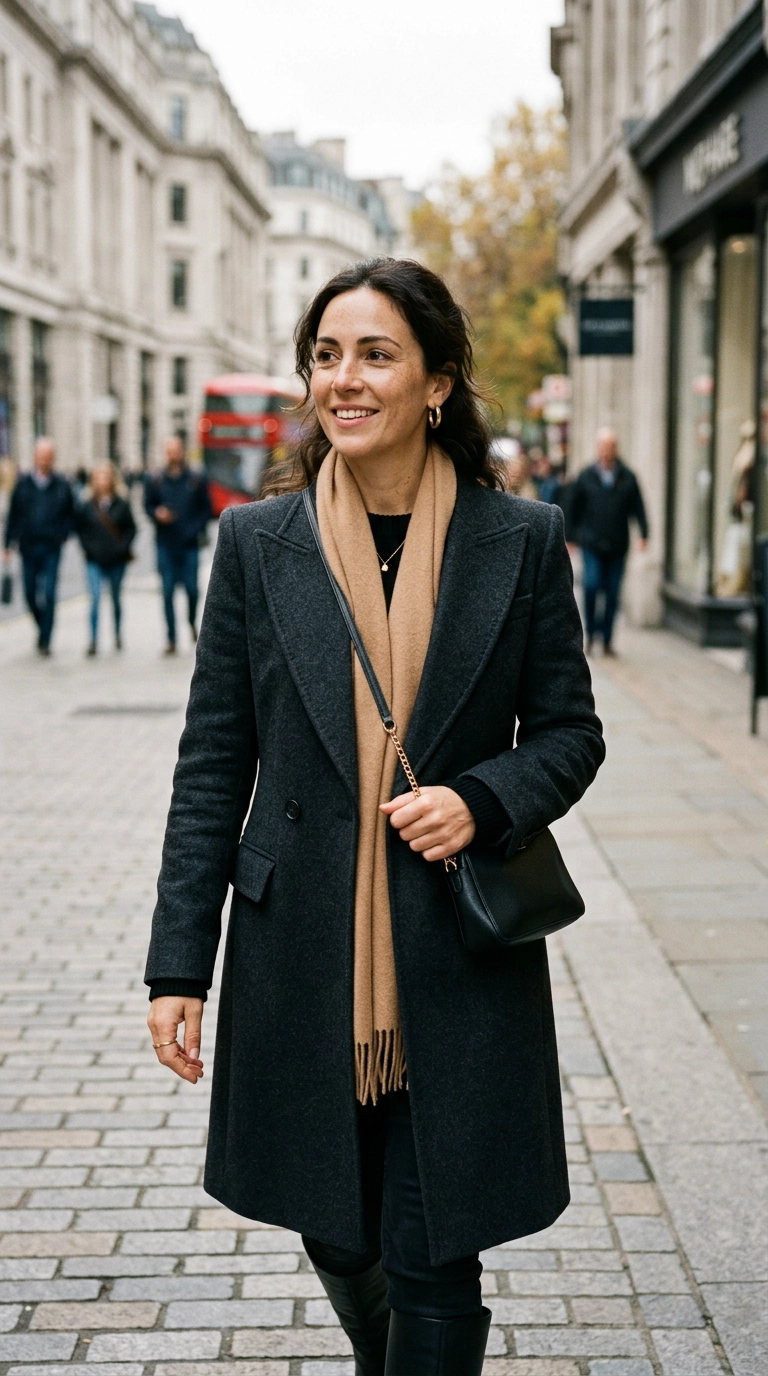
Winter accessories are often treated as an afterthought, but a bulky scarf fighting with a dramatic coat collar creates chaos around your face. If your coat has a large, structured collar, a massive blanket scarf will overwhelm your features and look messy.
Match your scarf style to your coat’s neckline. For a high-collared funnel coat, use a thinner silk or cashmere scarf tucked inside to provide warmth without adding external volume.
Save the oversized scarves for coats with flat lapels or collarless designs where there is physical space for the fabric to sit comfortably. Managing the “neck clutter” ensures that your face remains the focal point of the outfit.
Scarf and Collar Compatibility
- V-Neck Lapel: Perfect for thick, chunky knit scarves worn over the coat.
- Stand-up Collar: Best paired with a slim pashmina tucked inside the coat.
- Hooded Parkas: Use a simple infinity scarf or a “snood” to avoid dangling ends.
Winter style is a delicate balance of proportions and fabric choices. By paying attention to these small details, you ensure that your heavy layers work with your body rather than against it, resulting in a look that is as functional as it is fashionable.